


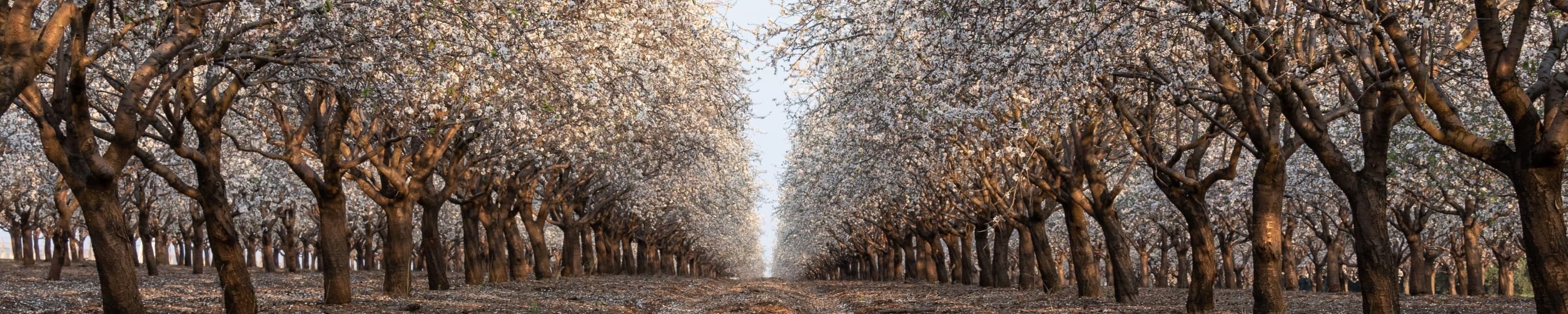




Almond Orchard Establishment in India
Researchers at ICAR's Central Institute of Temperate Horticulture (CITH) in Srinagar wrote in 2018 that almond is grown mainly in northern Jammu and Kashmir and the high hills of Himachal Pradesh, and that most of the crop comes from seedling trees with hard shells, small kernels and low yields. Traditional Kashmir orchards were planted 6 to 7 m apart without a system, and in a Pampore survey published in 2022, all 120 growers named frost injury as a constraint, 83% a lack of planting material and 75% old, less productive trees.
Almond blooms in March, and March and April are the wettest months in Srinagar, with 104.6 mm and 91.8 mm in the 1991 to 2020 normals of the India Meteorological Department (IMD). CITH reports that snow damaged almond blossom in March 2015 and badly hit late-blooming cultivars on 6 April 2017. In a pollination study at CITH (2005 to 2007), March snow damaged the blossom of early-flowering Makhdoom and Shalimar, and every genotype tested proved self-incompatible.
SKUAST-Kashmir has released Shalimar, Makhdoom, Parbat and Waris, and CITH researchers named Waris, Pranyaj and Nonpareil the most promising cultivars in 2018. CITH's 2016 technology inventory pairs Nonpareil with IXL as a 25% pollinizer, advises five to six bee colonies per hectare during bloom and recommends medium density at 4 by 4 m (625 trees per ha). CITH's nursery trials budded almond onto bitter almond seedlings.
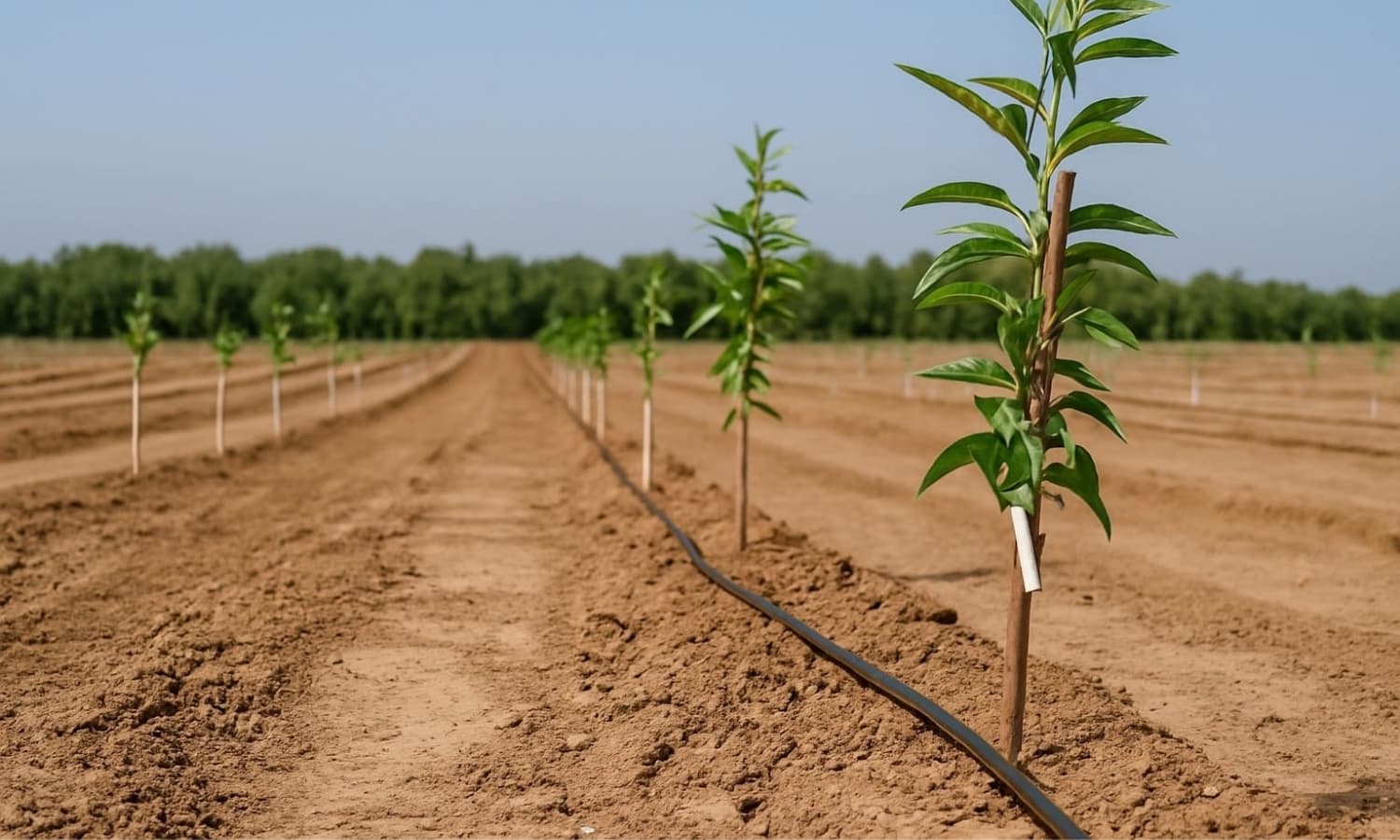

Practical Tips for Almond Orchard Establishment
Avoid frost pockets: in a survey of 120 growers in Pampore, published in 2022, every grower named frost injury as a constraint.
Favor later-blooming cultivars, but expect some risk: March snow damaged early-flowering Makhdoom and Shalimar at CITH, and April 2017 snow hit late bloomers.
Plant pollinizers: every genotype tested at CITH Srinagar was self-incompatible, and CITH pairs Nonpareil with IXL at 25%.
Place five to six honeybee colonies per hectare during bloom, as CITH advises, since bees are not active in cold weather.
Buy budded trees of named cultivars from reliable nurseries: 83% of growers in a Pampore survey, published in 2022, named a lack of planting material.
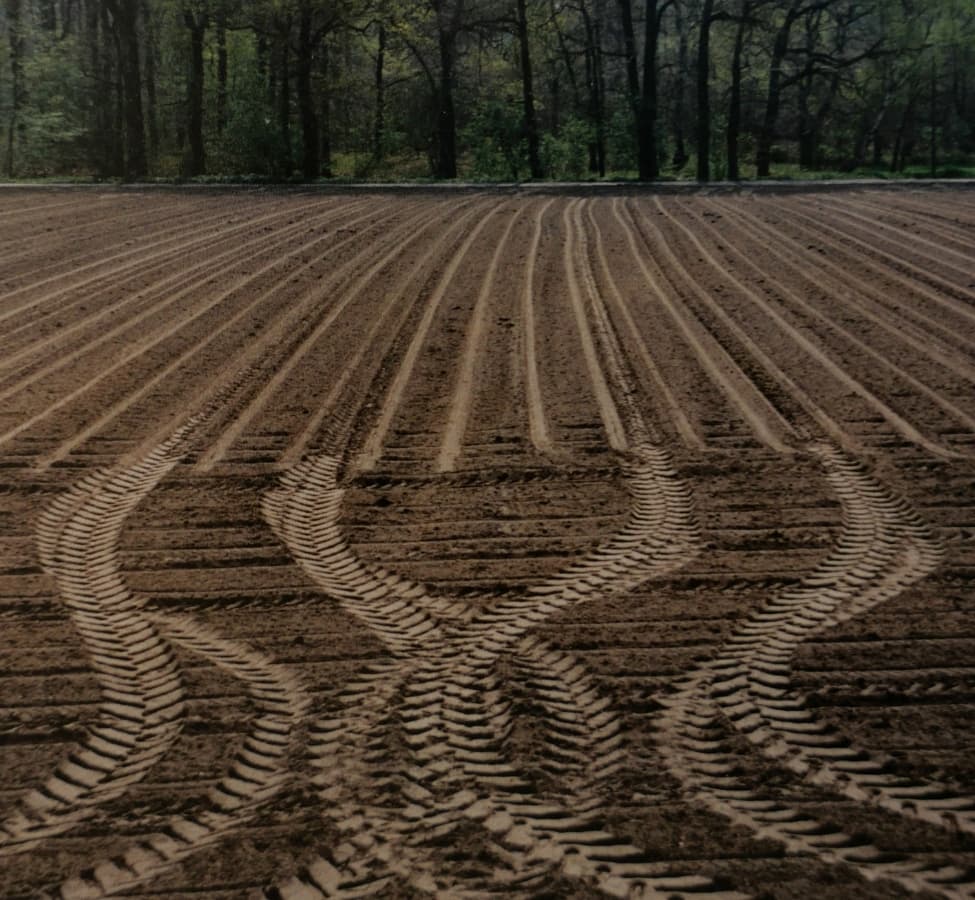
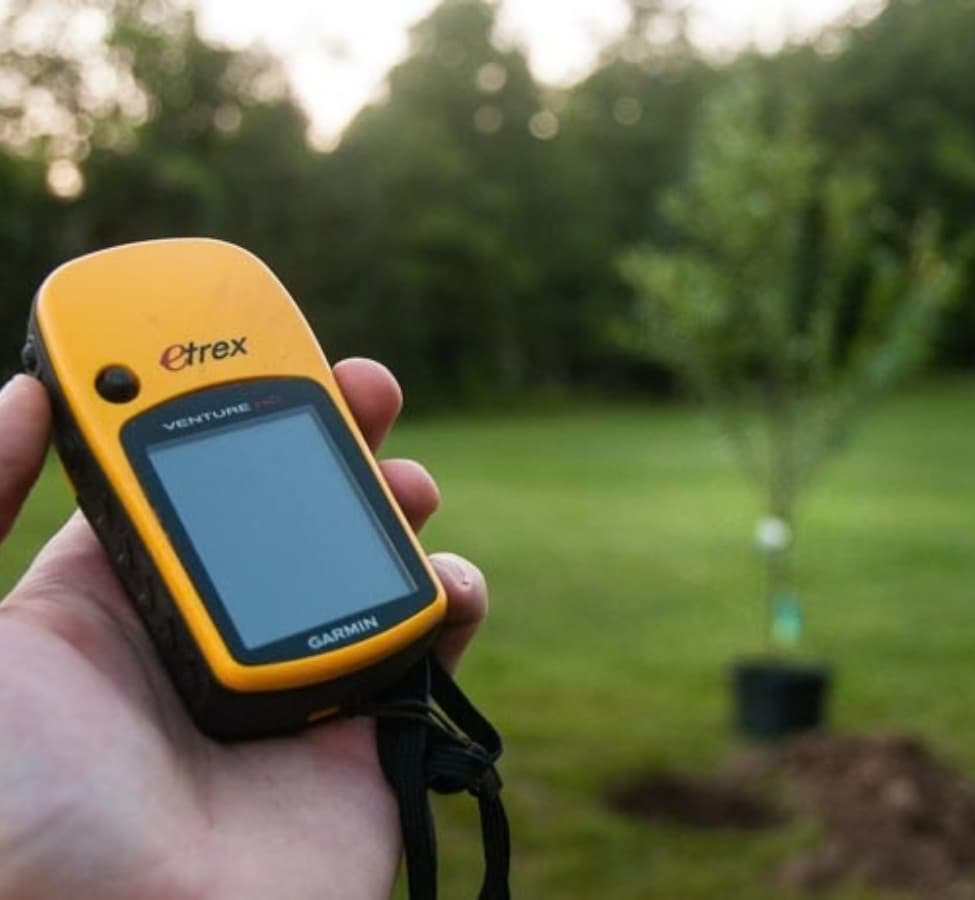
Plan rows, headlands and tree form for the shaker, sweeper and harvester before planting, and check trunk clearance with OVE Europe.
Recommended Establishment Stages
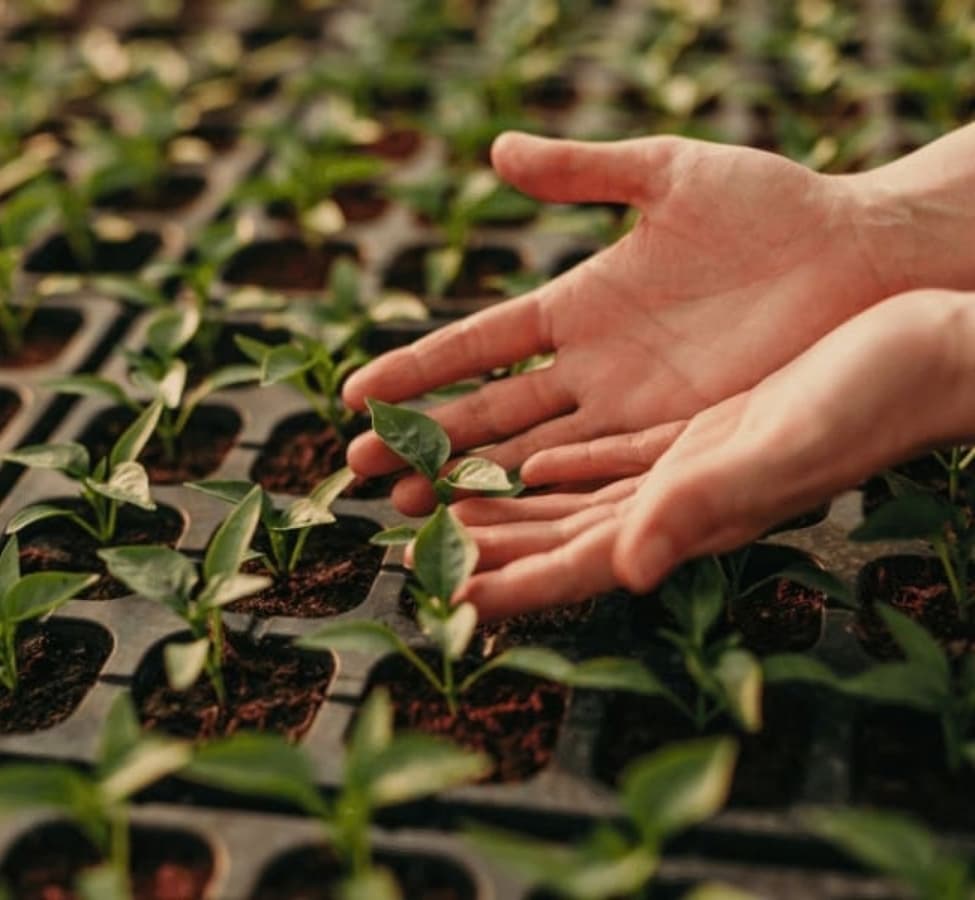

Almond Orchard Care & Maintenance in India
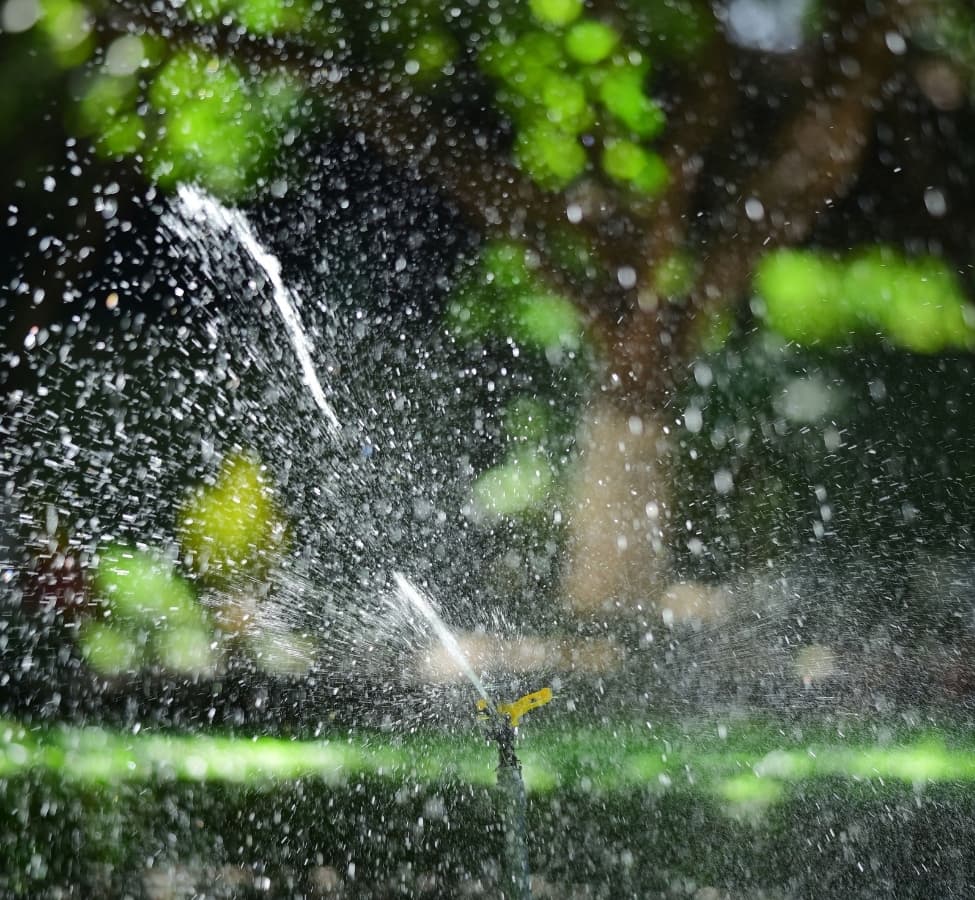
Most Indian almonds grow without irrigation: a 2012 paper on a drip trial at CITH notes that rain-fed nuts are often shriveled and poorly colored, and that flooding is still the usual method where orchards are watered. In that trial, on 8-year-old Shalimar trees spaced 4 by 4 m, the highest nut yield came at 100% of crop evapotranspiration, with 75% statistically on par.
Research in Kashmir documents several pests and diseases. CITH found that the invasive bark aphid Pterochloroides persicae hatches from early March, peaks in May and builds up again from late July to a second peak in late October (2014 to 2016). A survey in Budgam and Pulwama, published in 2018, put the overall incidence of die-back at 22.7% and of twig blight at 16.45%, with symptoms from early June, and growers report porcupines stripping bark in winter.
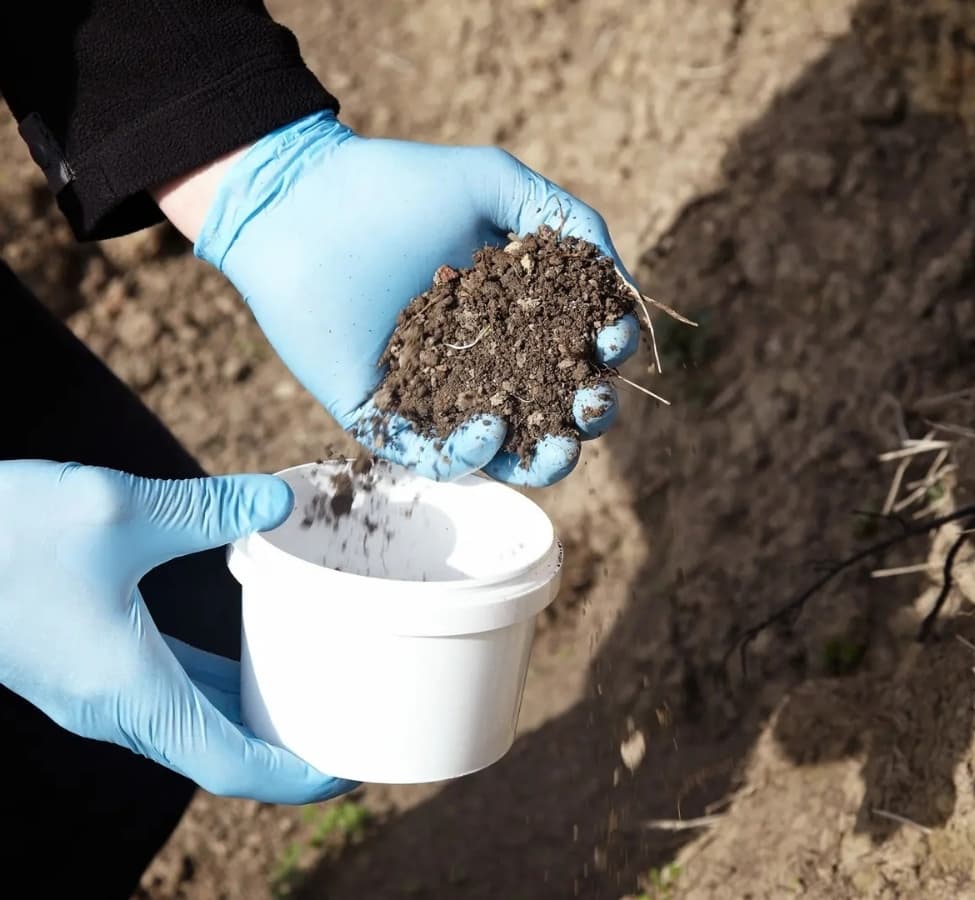
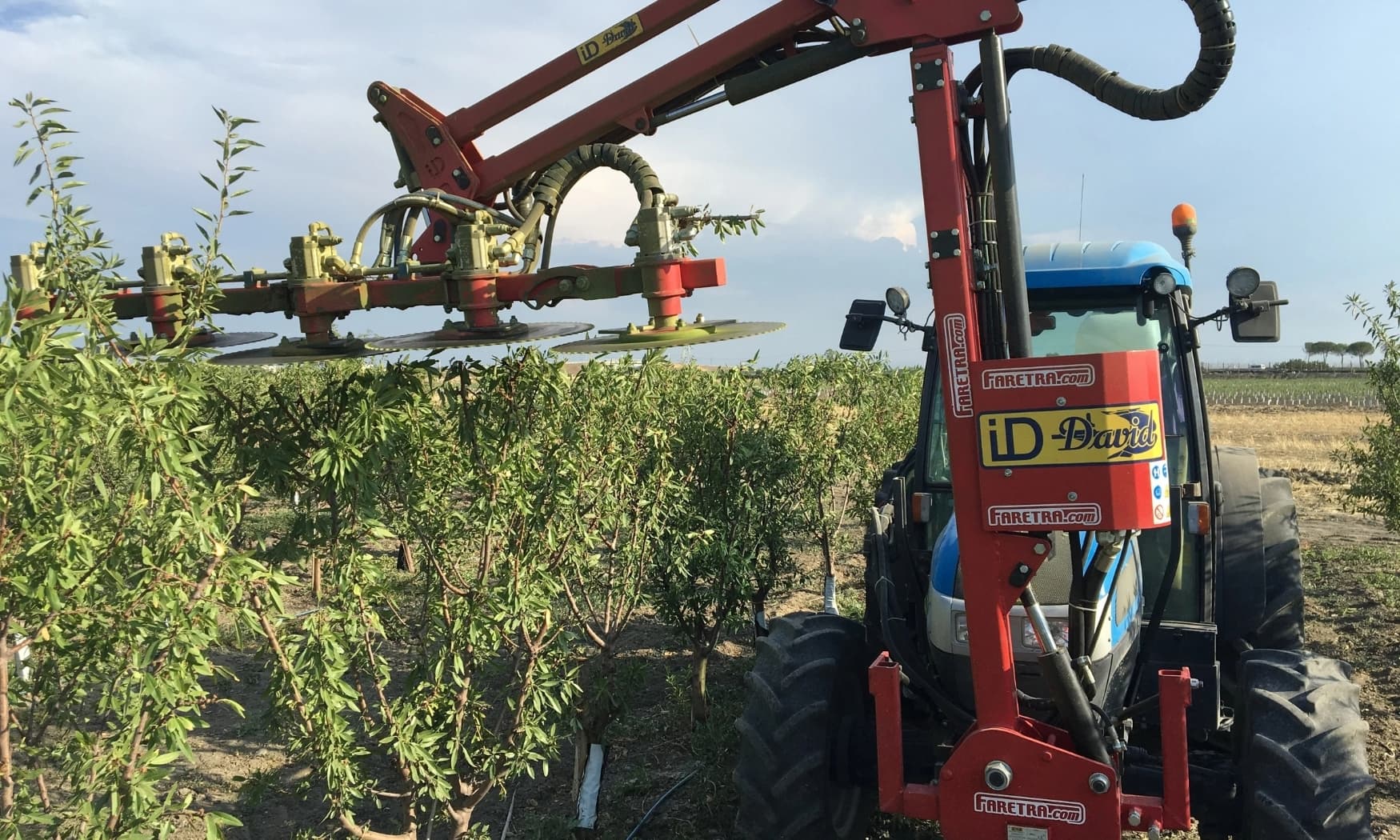
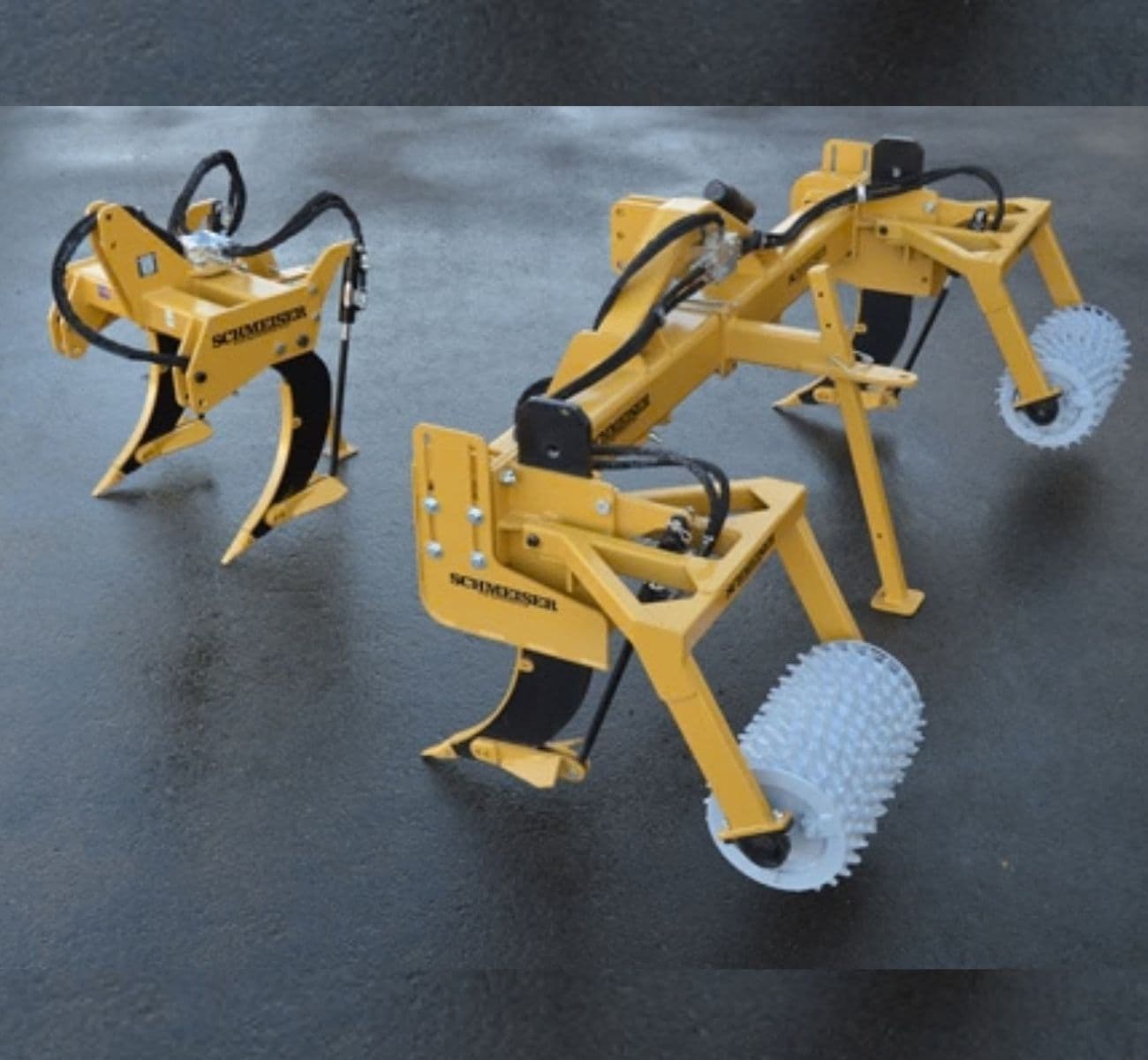
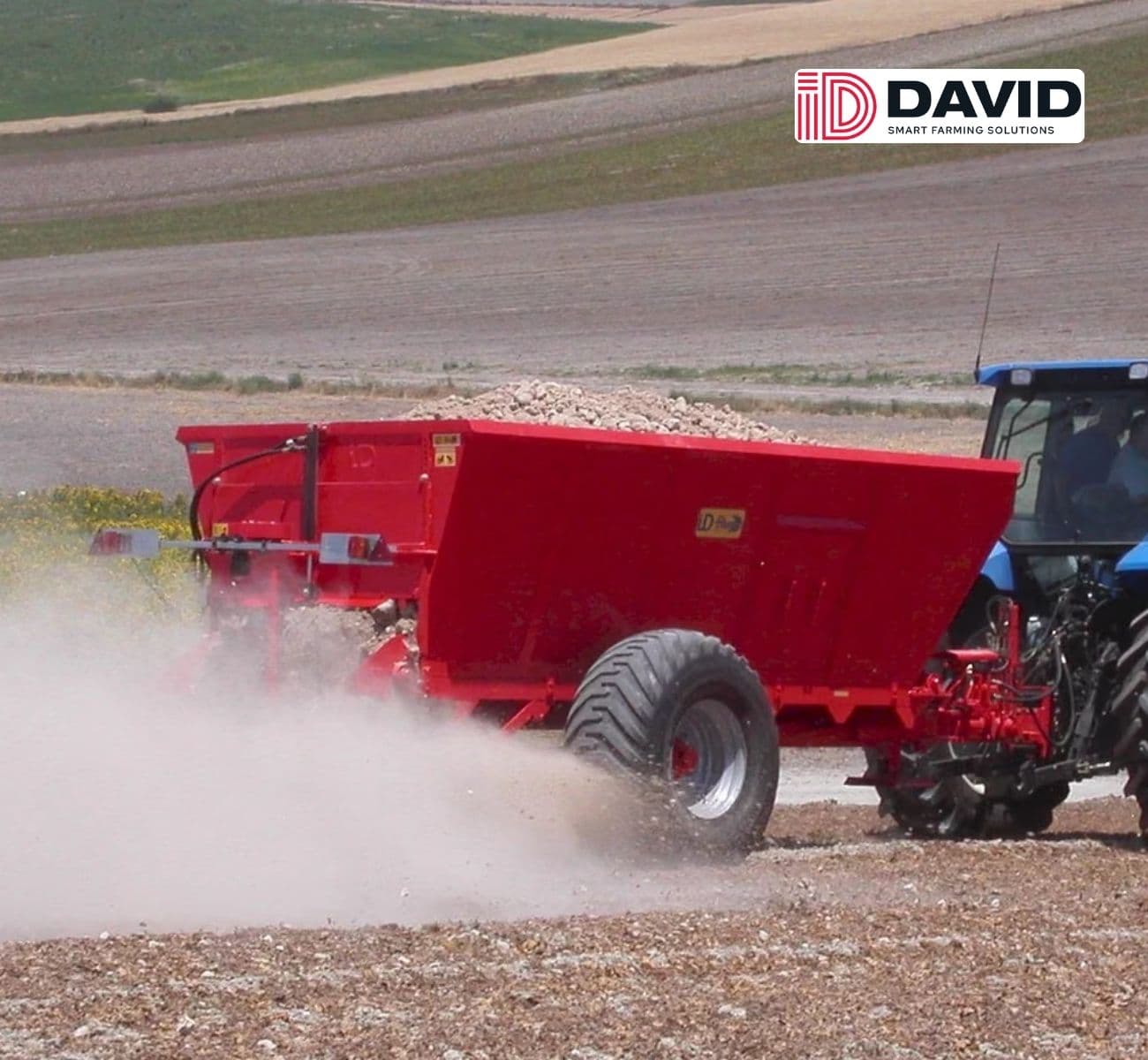
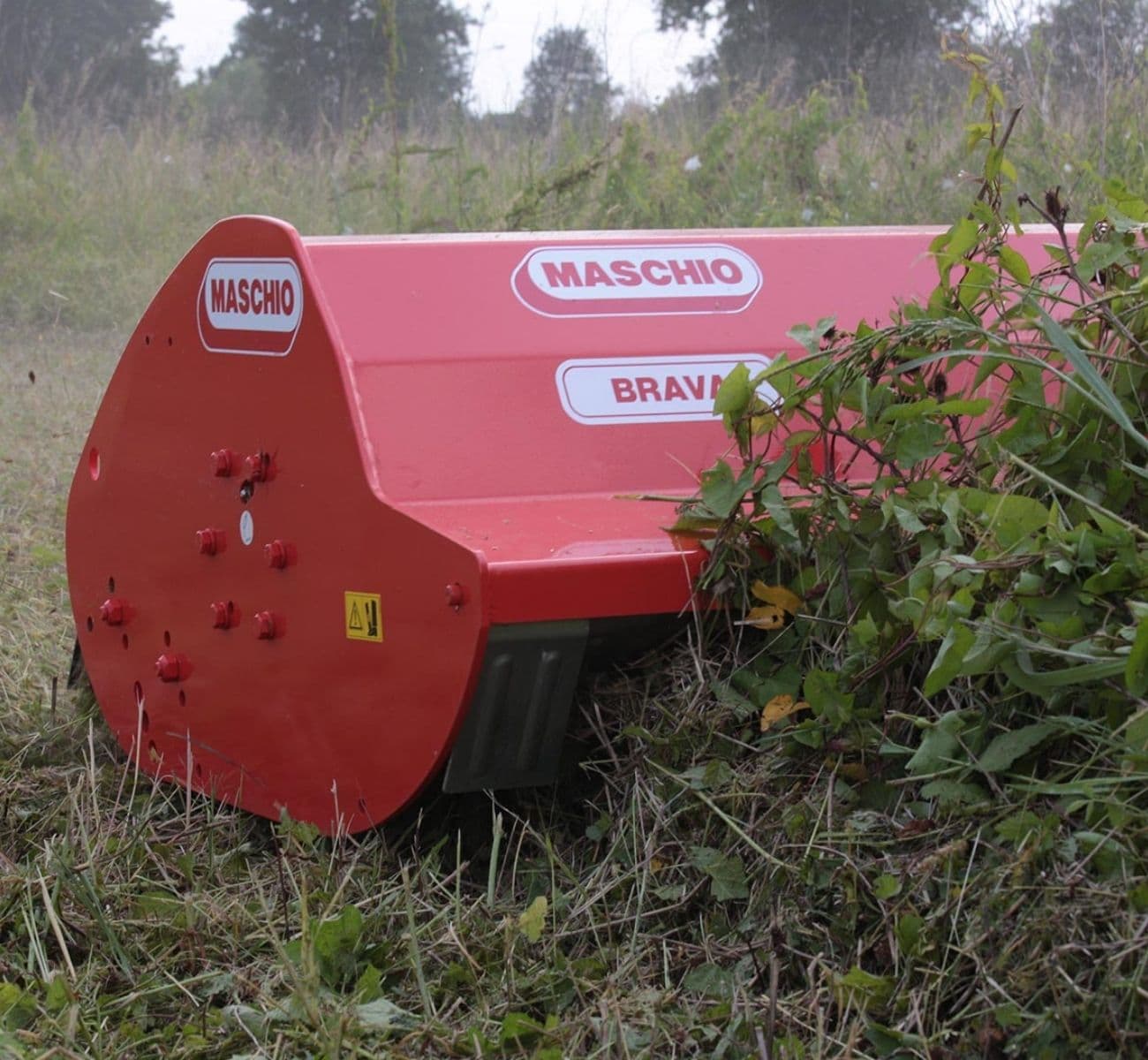
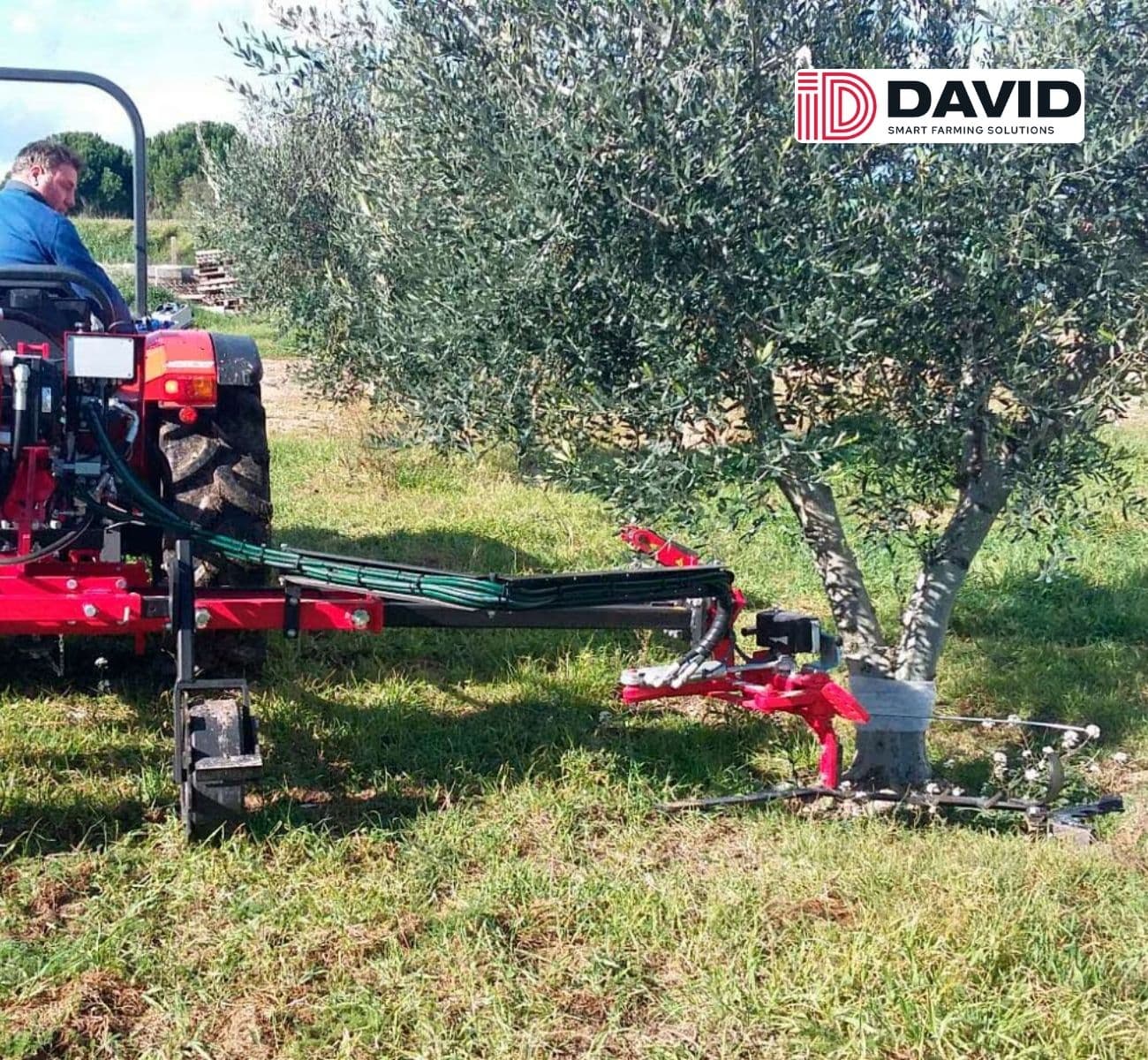
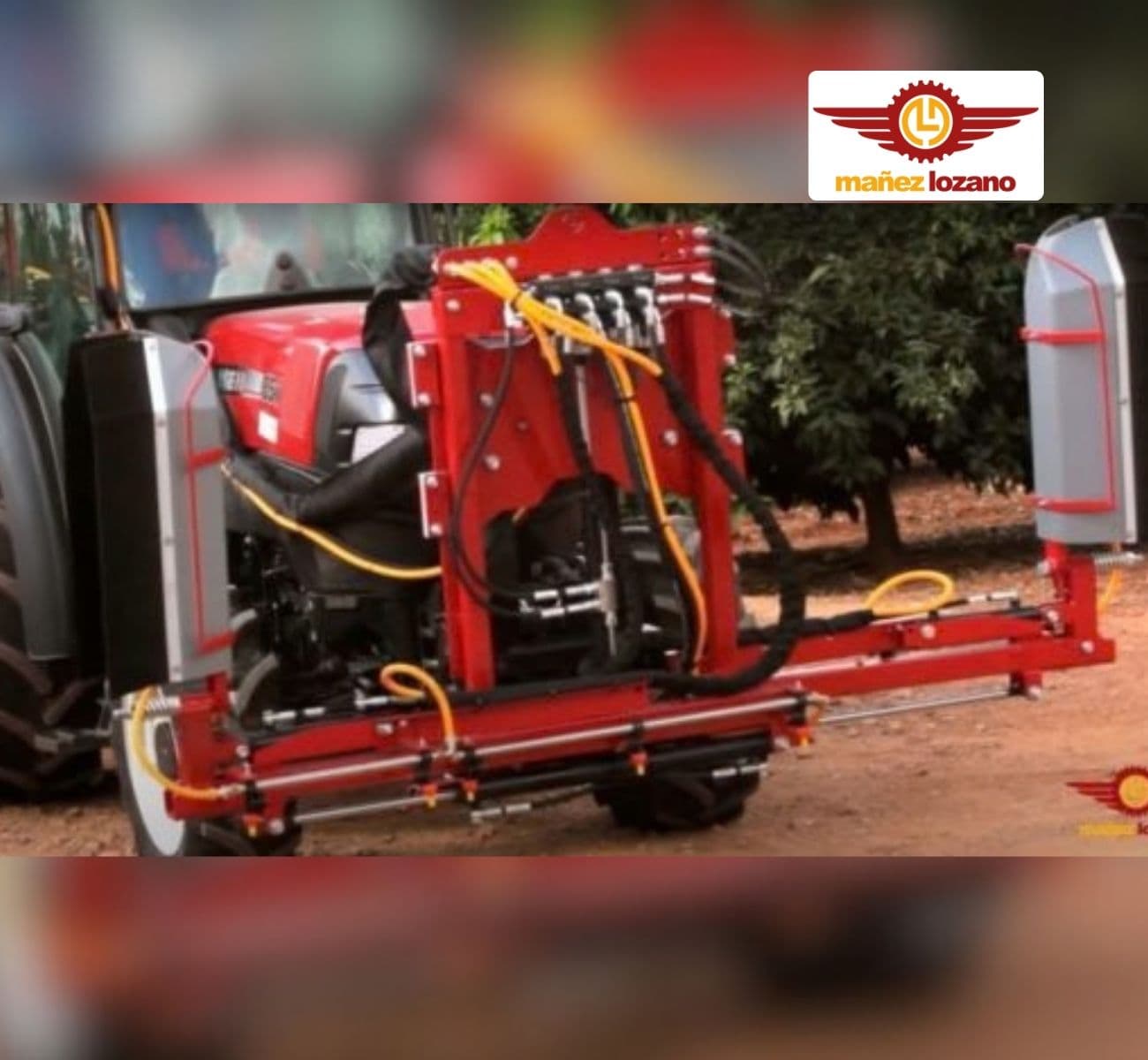
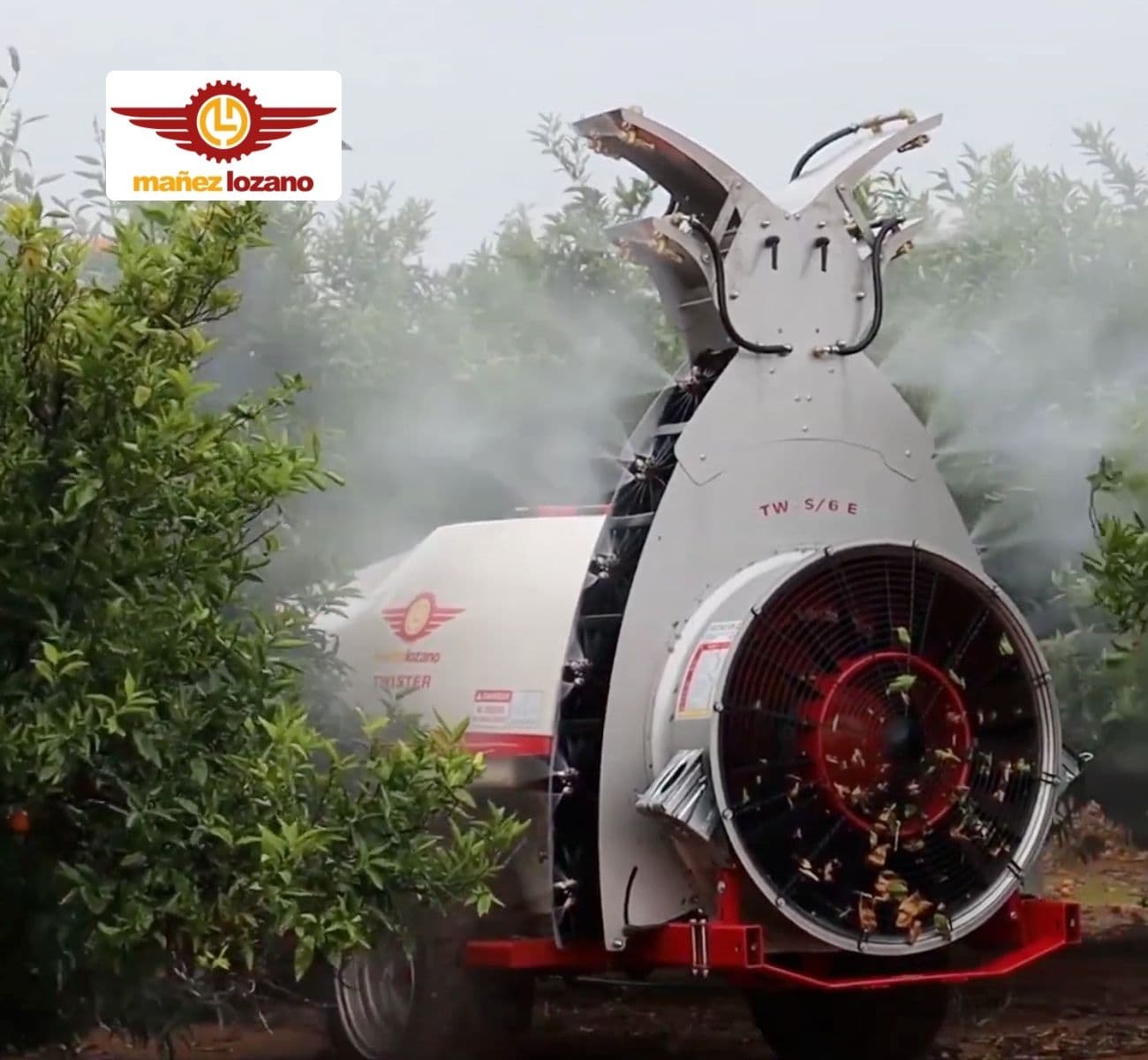
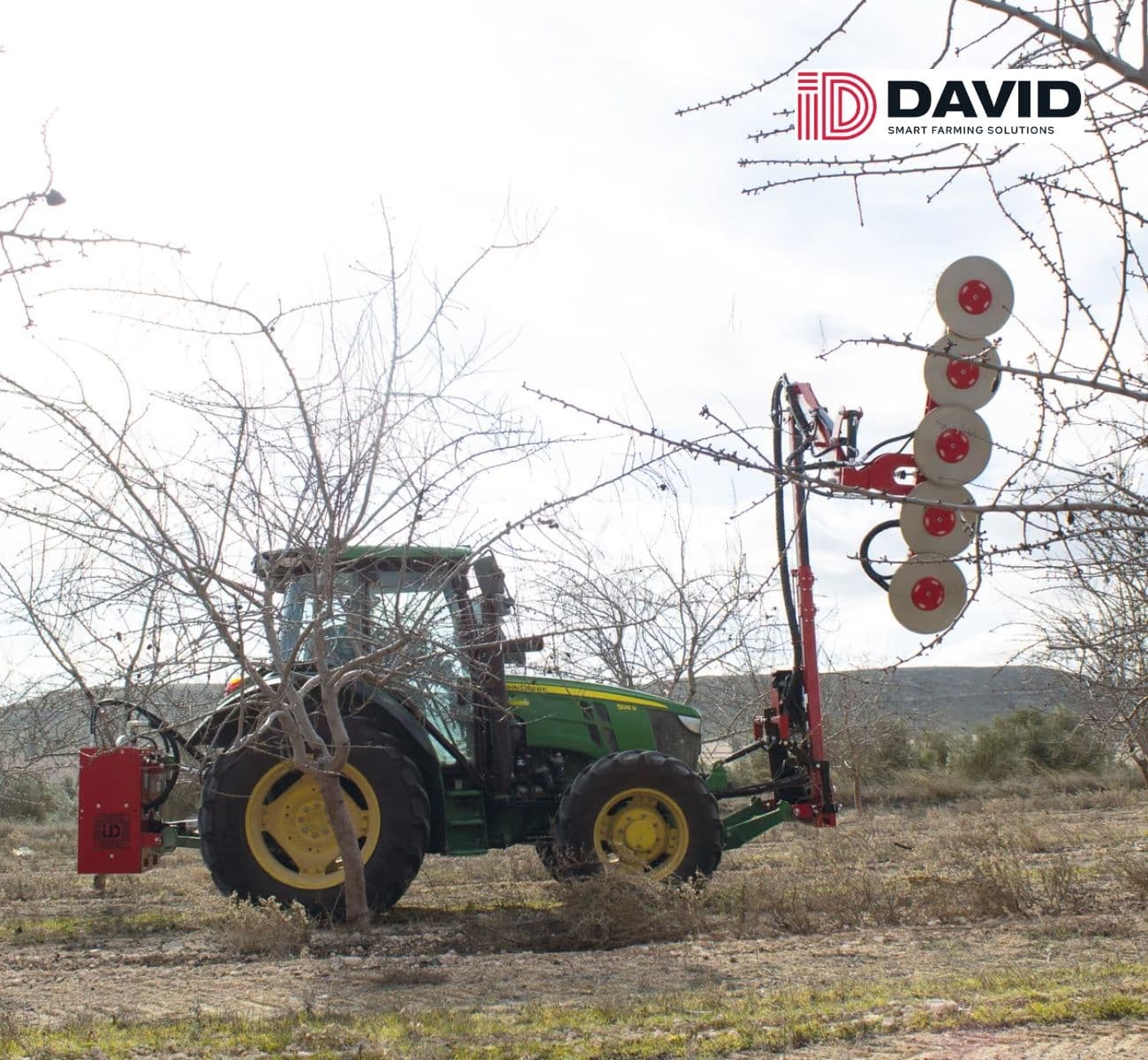
For old, low-yielding orchards, CITH's 2016 rejuvenation method combines pruning, top working, nutrition and disease management. For care work, the ID DAVID SURFEED spreads solid manure, the ID-XL weeds the tree row, the Mañez Lozano Mega Twister S6 sprays tall, dense canopies and the ID DAVID ID-REX disc pruner makes lateral and topping cuts.
Recommended Orchard Care & Maintenance Stages
Practical Tips for Almond Orchard Care & Maintenance
Irrigate where water allows: in a drip trial at CITH Srinagar (2008 and 2009), Shalimar gave its highest nut yield at 100% of crop evapotranspiration.
From early March, check the underside of trunks for the bark aphid Pterochloroides persicae, which peaks in May in Kashmir.
Watch for die-back and twig blight from early June: a survey in Budgam and Pulwama, published in 2018, found symptoms from the first weeks of June.
Wrap trunks in wire mesh or jute bags before winter: Kashmir growers report porcupines stripping almond bark.
Rejuvenate old, low-yielding trees with CITH's method, which combines pruning and top working with nutrition and disease management.
Keep the tree row weed-free with an in-row weeder such as the ID DAVID ID-XL, and keep the orchard floor level for harvest.

Almond Harvesting in India
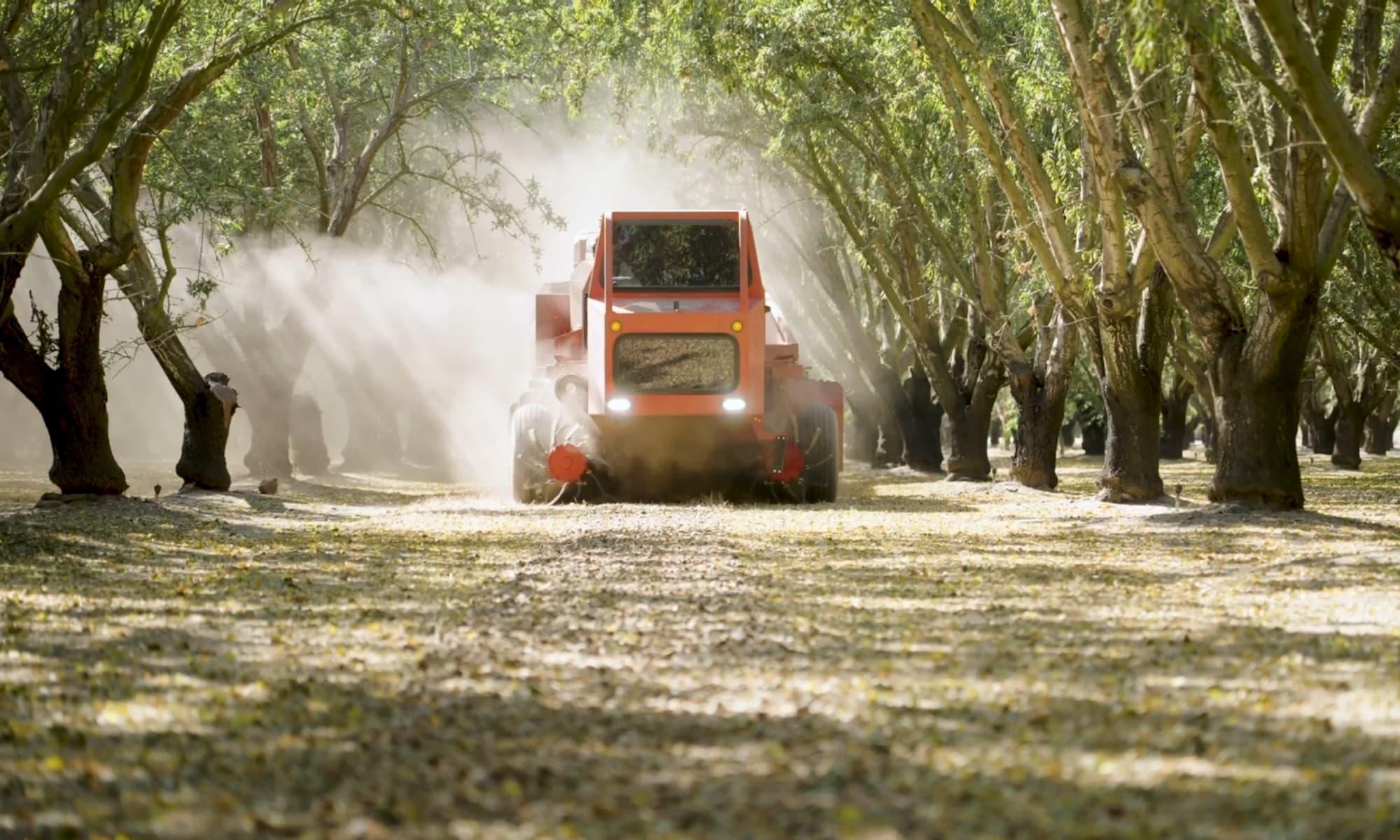
Kashmir growers still harvest by hand: they knock almonds onto sheets with long poles, climb tall seedling trees, gather nuts that miss the sheets and sort out leaves in the orchard (reports from Pulwama, 2025 and 2026). Press reports put the harvest from late July to September; a grower said in 2025 that it usually starts after mid-August, but heat brought it forward that year. In orchards planted for machines on suitable ground, mechanized harvesting can bring the crop in on time, with less risk of nuts deteriorating while they wait.
August is not dry there: Srinagar averages 64.5 mm on 5.4 rainy days and Qazigund 100.7 mm on 6.2 days (IMD normals, 1991 to 2020), and extreme rain on 3 to 6 September 2014 brought 140 to 152 mm to Srinagar stations and almost 600 mm to Qazigund, with floods. No Indian source found describes leaving knocked almonds to dry on the orchard floor; a 2013 report describes hulled nuts drying in the sun. This guide therefore shows prompt pickup, with hulling and drying at once, alongside catching frames.
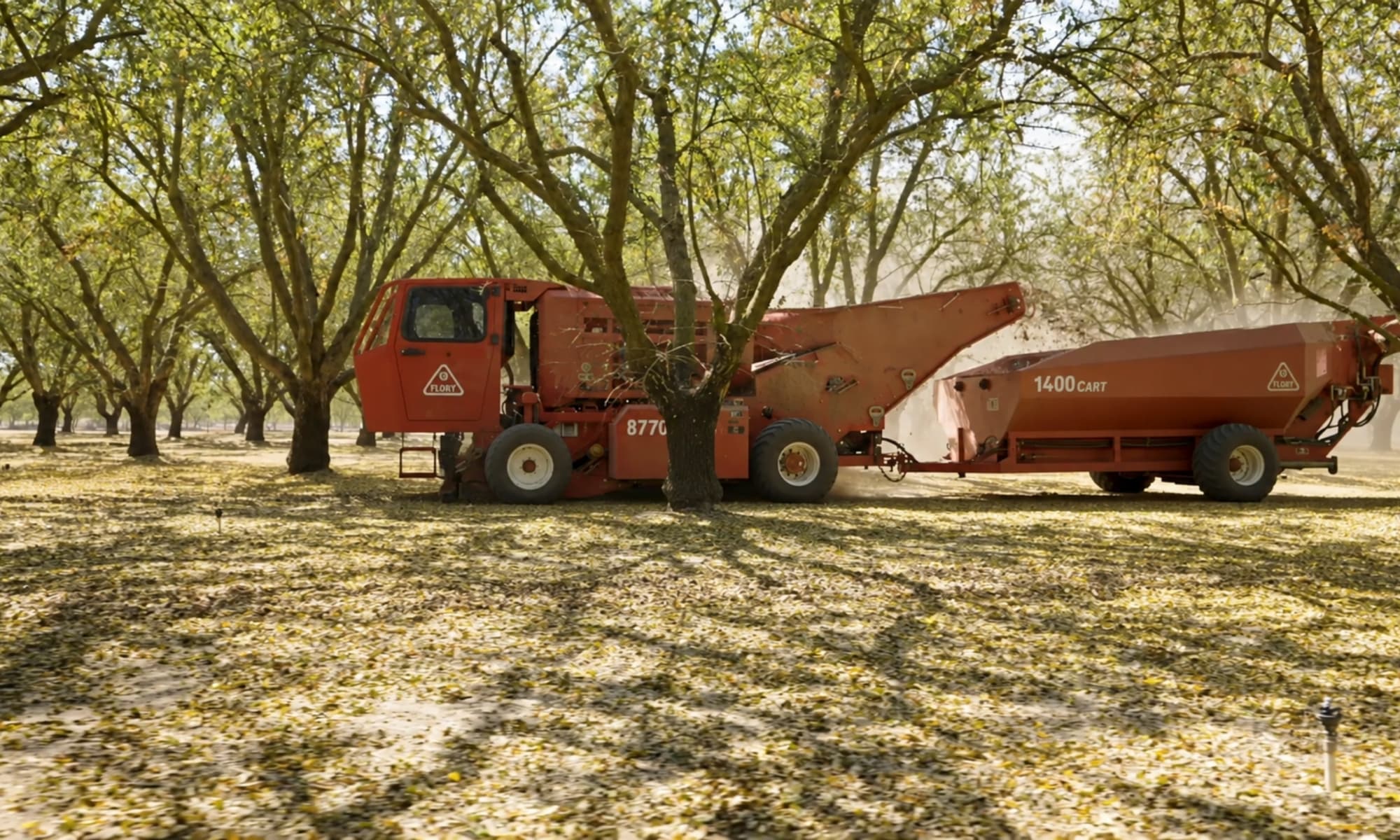
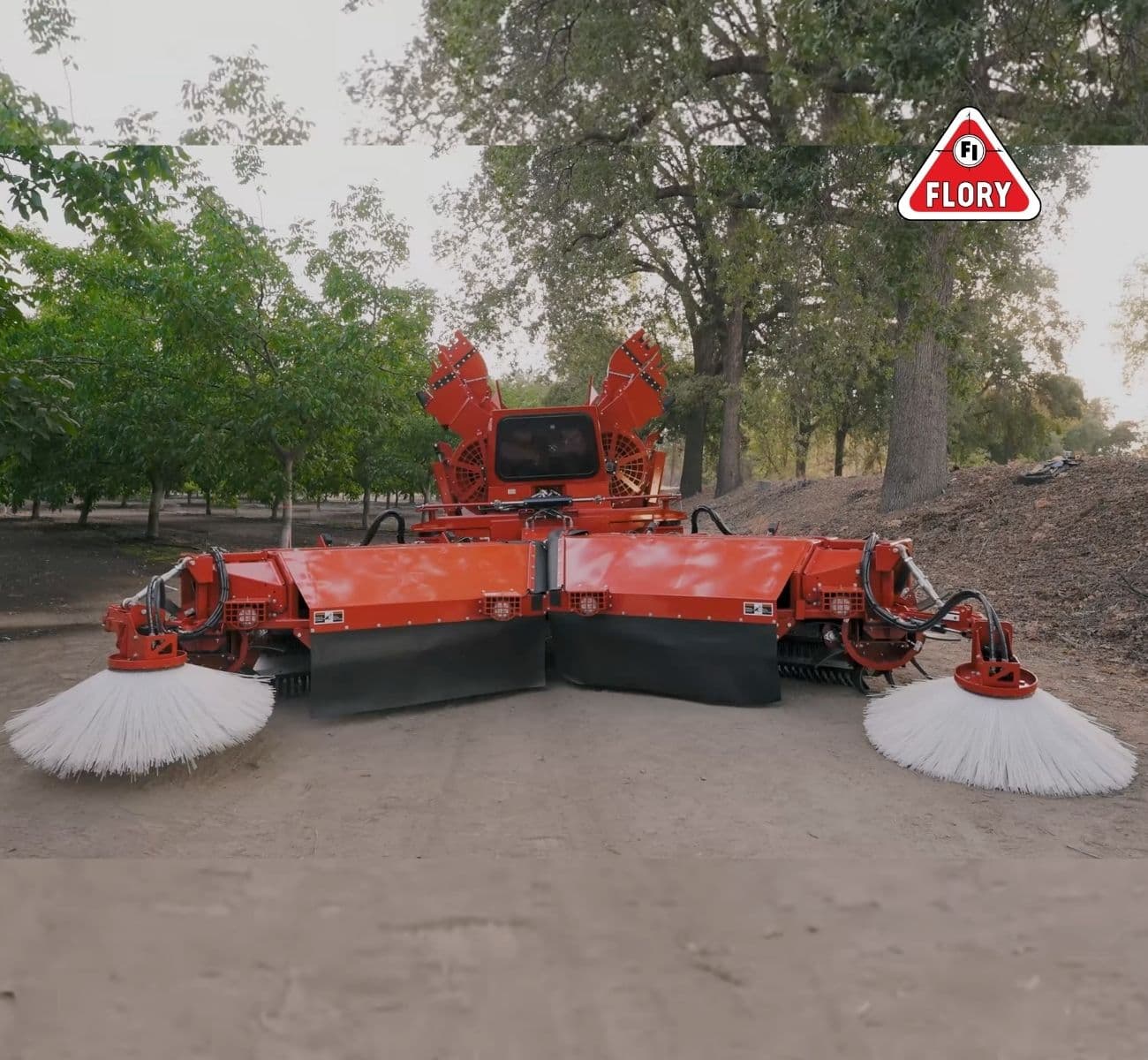
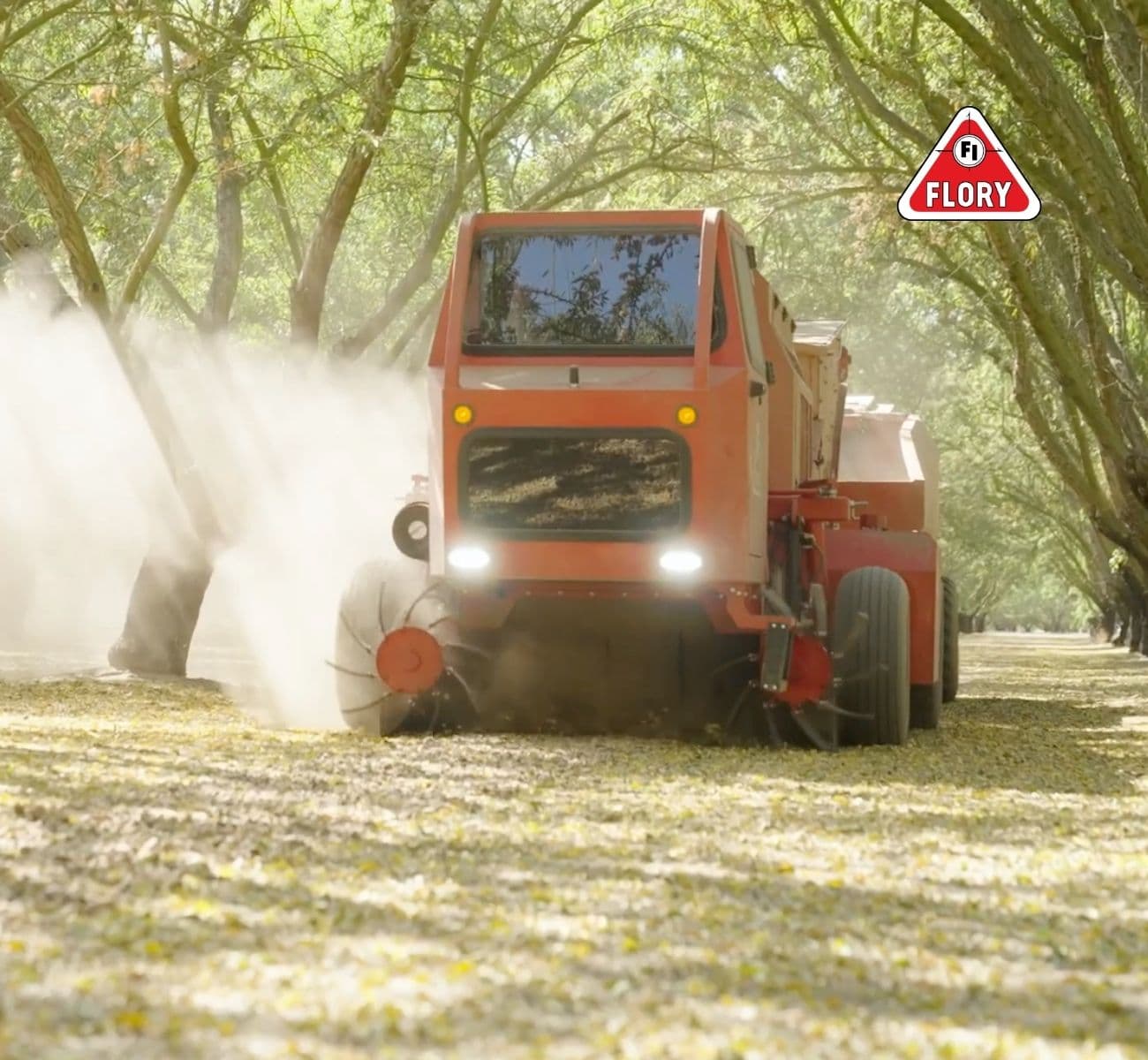
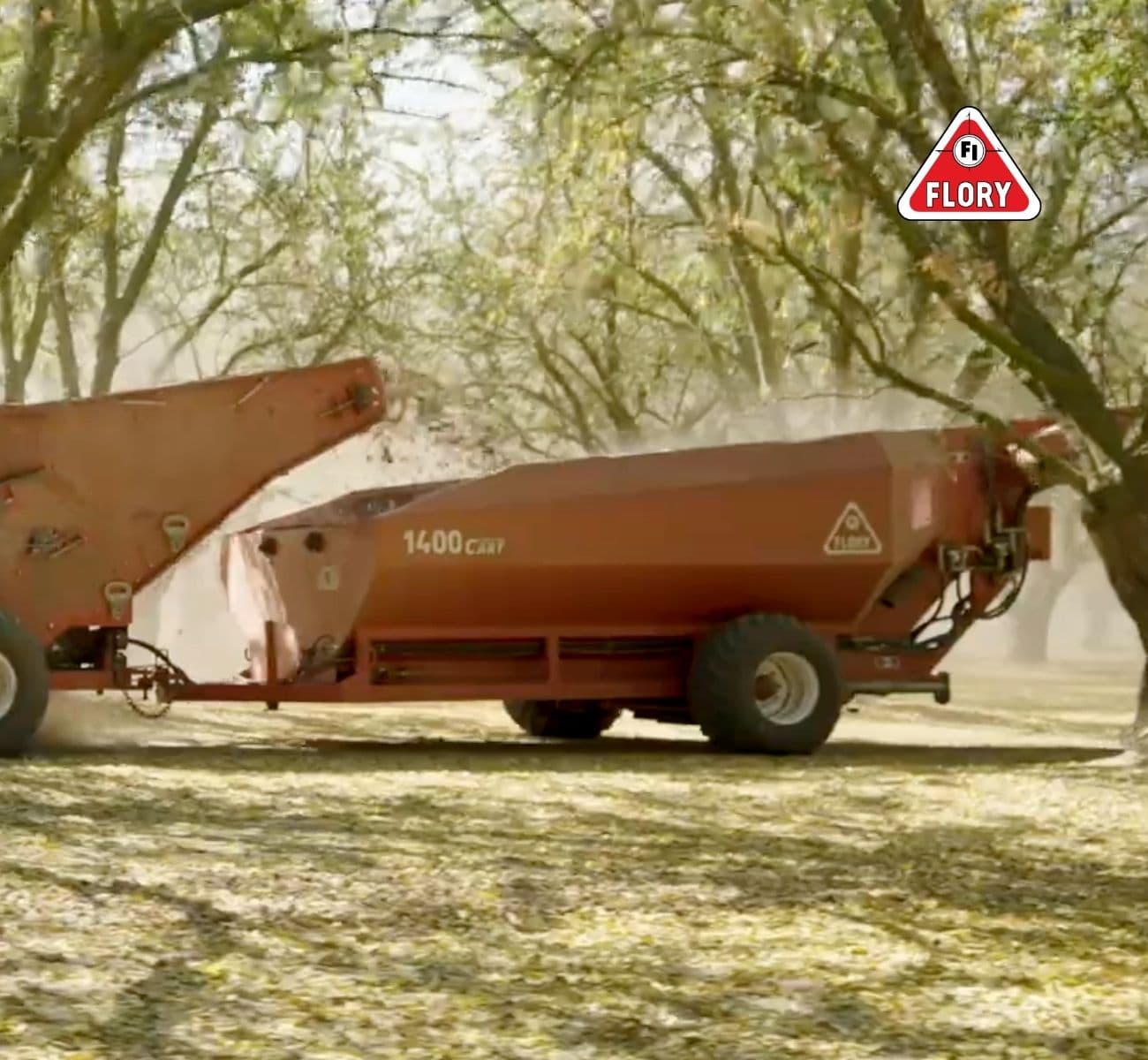
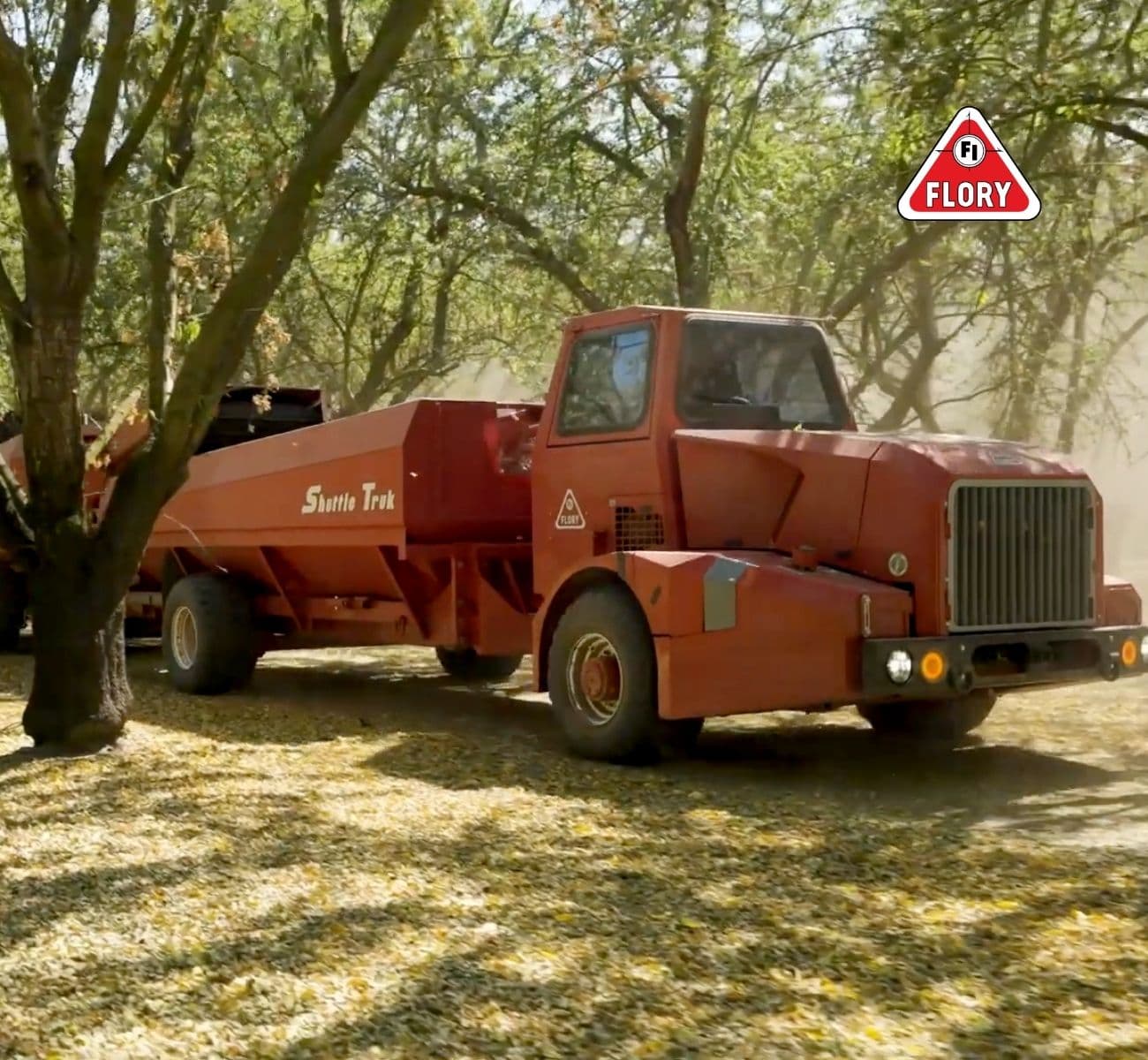
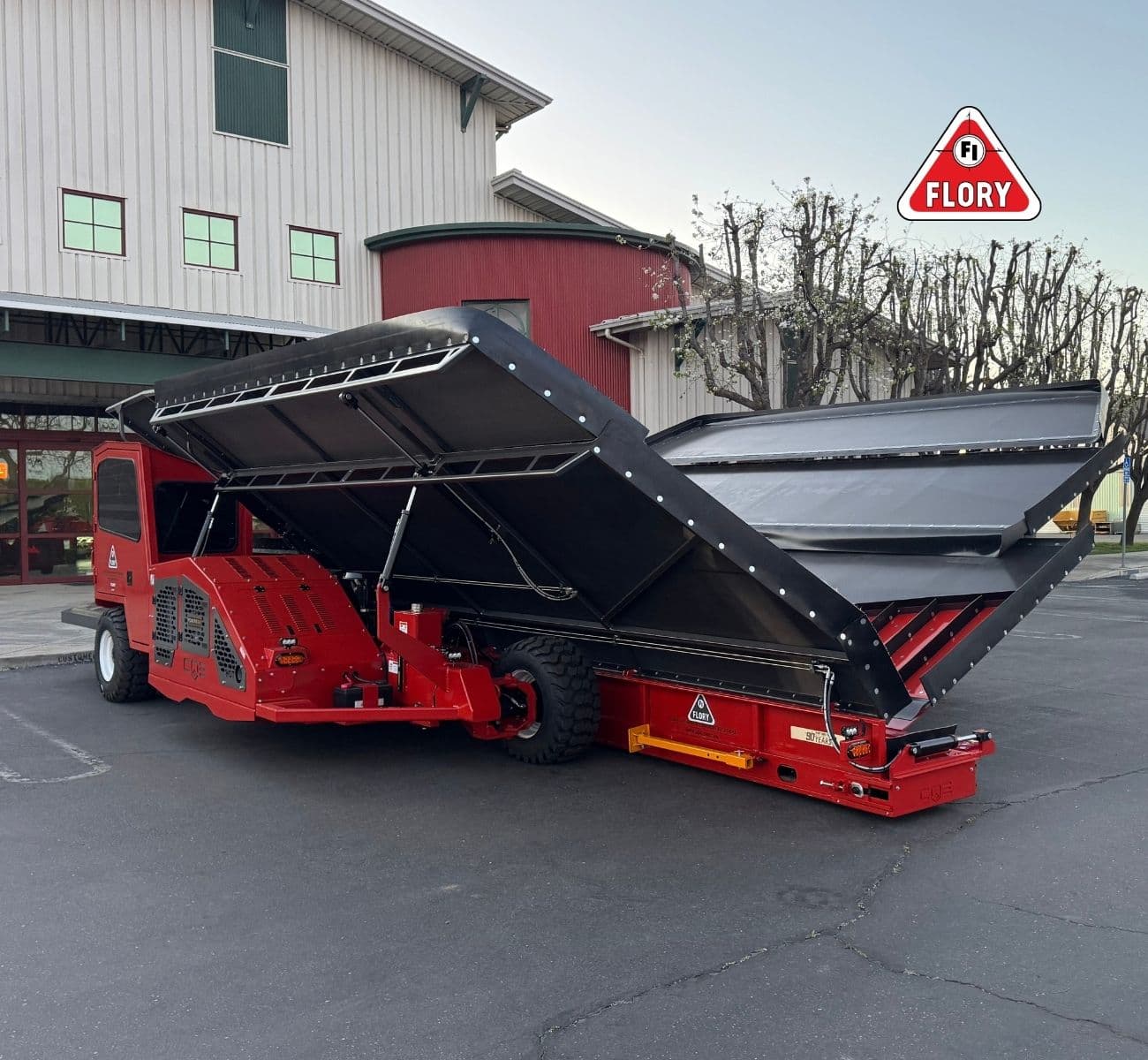
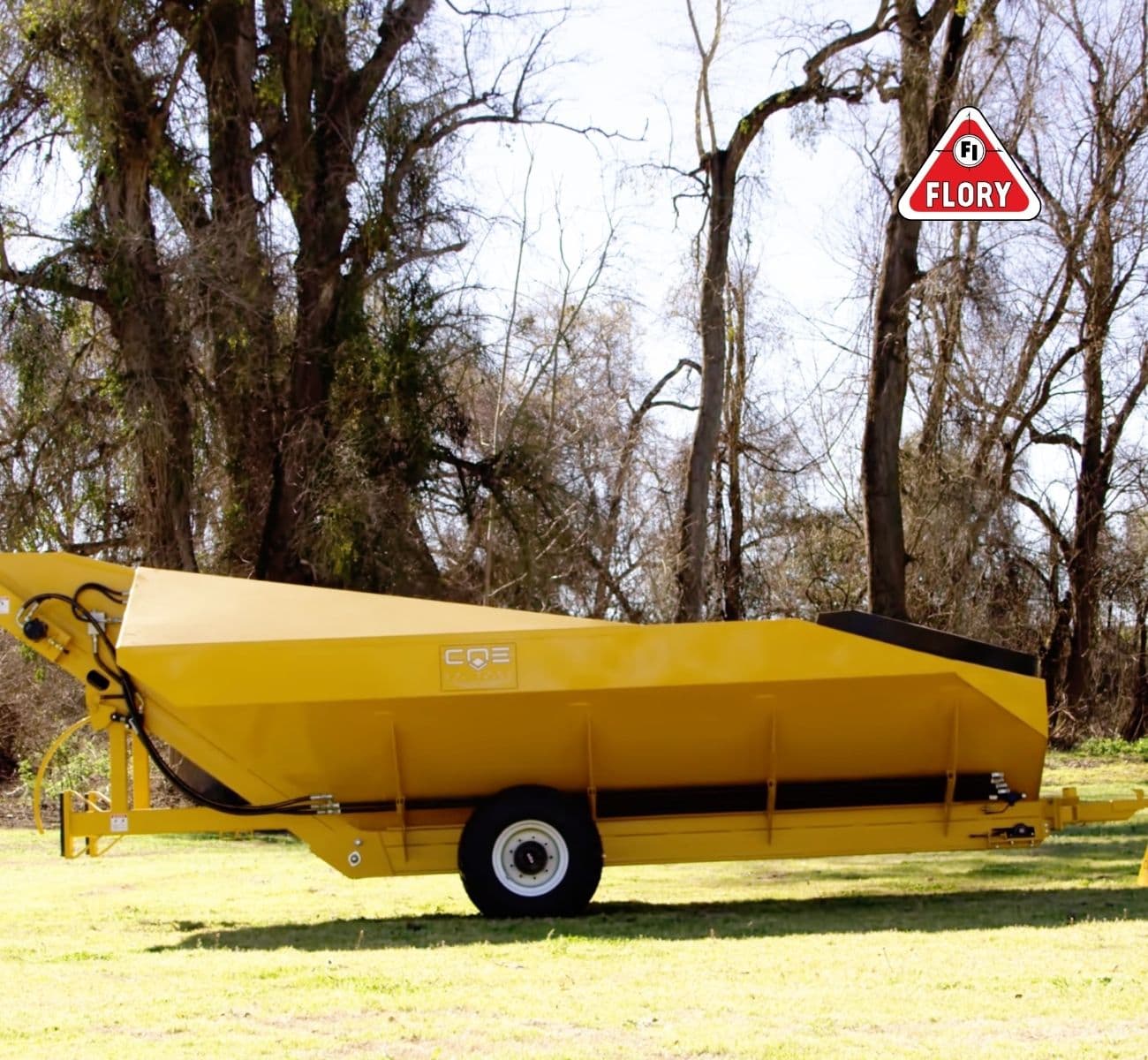
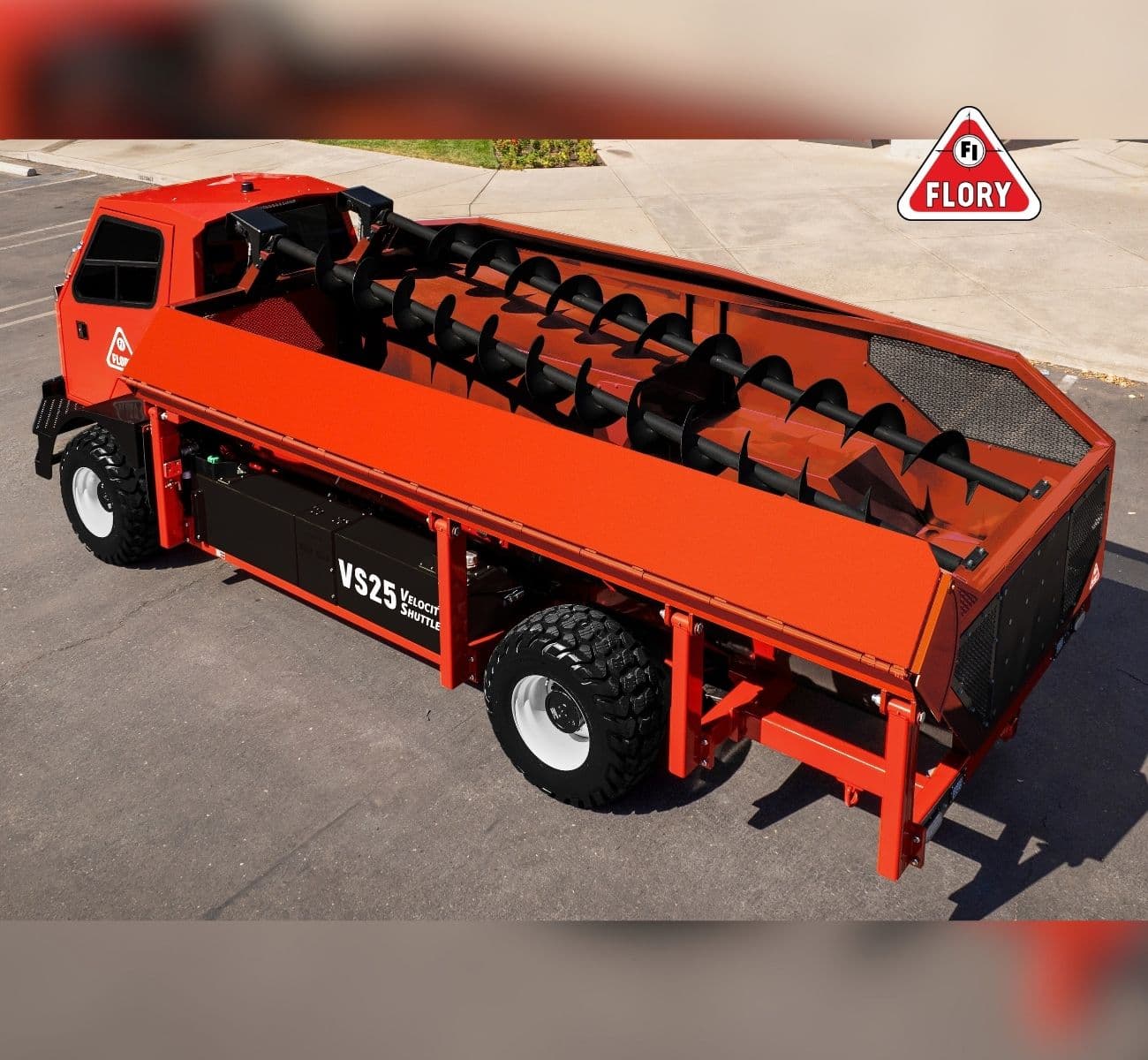
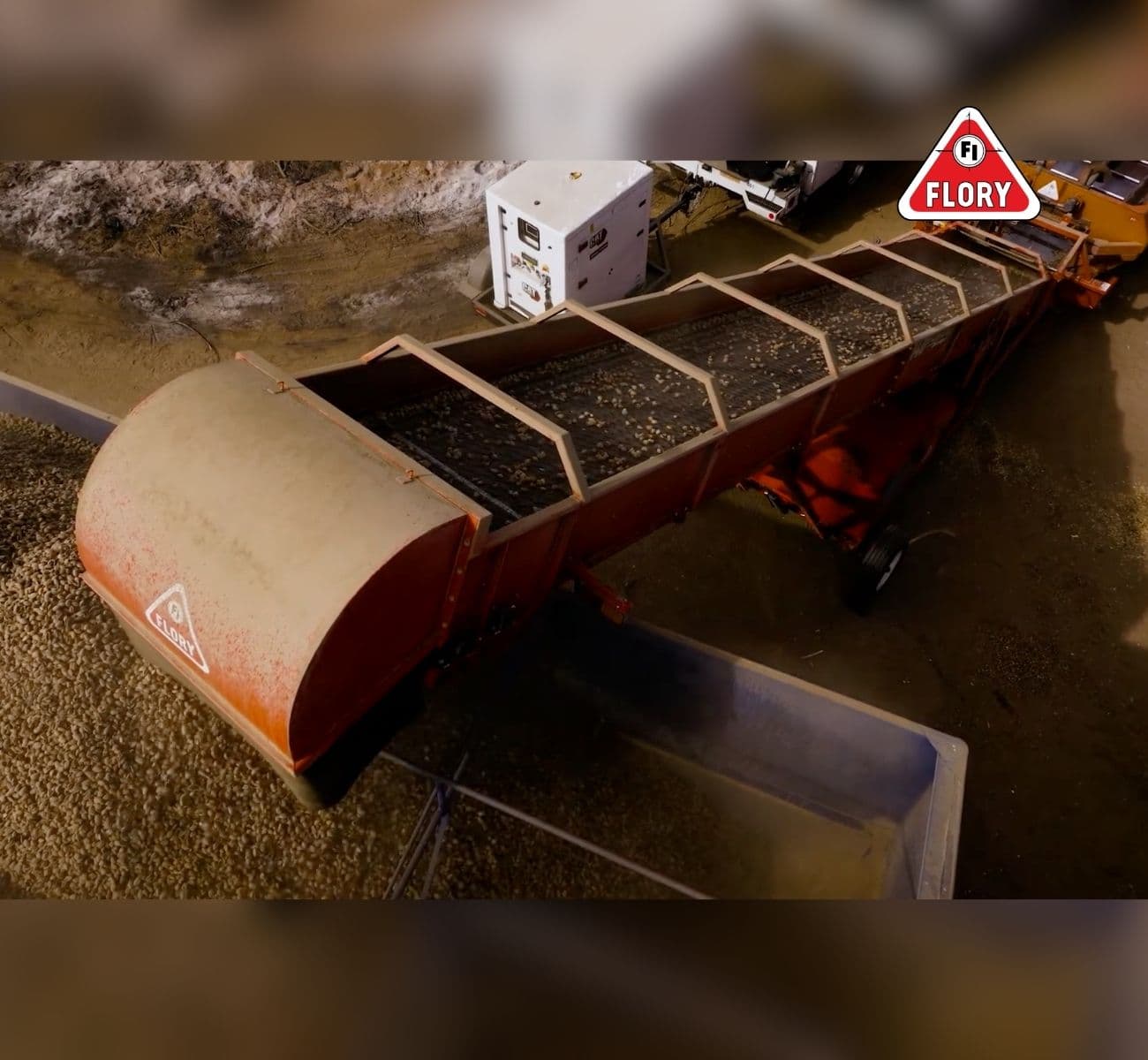
Flory harvesting machinery is available in India through OVE Europe for both systems. On the ground, the VR700 Shaker, V62 Sweeper and 8772 Harvester feed the 1500 Conveyor Cart and ST14 Shuttle. Off the ground, the Flory COE C7 Shaker and L2 Receiver catch the almonds in a frame around the trunk, the Flory COE B8 Cart and VS25 Shuttle carry them, and the 4840 Field Elevator loads trailers in both systems.
Almond Harvest Workflow (Recommended Equipment)


Practical Tips for Almond Harvesting
Harvest at hull split: Kashmir growers pick from late July to September, and in 2025 heat brought the start forward to early August.
Pick up nuts that land outside the sheets promptly; Kashmir growers gather them so that none of the crop goes to waste.
Sweep and pick up soon after shaking, then hull and dry the almonds off the ground; University of California guidance adds that quick removal limits ant damage.
Where almonds must stay off wet ground, use catching frames: the Flory COE C7 Shaker works with the L2 Receiver.
Check the forecast in August and early September: Srinagar averages 5.4 rainy days in August, and storms can bring floods.
Keep shakers and frames for orchards planted for machines, never old seedling trees, terraces or steep slopes.
Get your recommended harvest setup
Enter orchard size, spacing, terrain, and target throughput—we’ll suggest a practical harvest workflow and equipment lineup.

Almond Post-Harvest Handling & Processing in India
Kashmir growers have long removed the green hulls by hand, a job that took families weeks, although machines did it in Newa, Pulwama district, by 2025. A 2013 report describes the hulled nuts being dried in the sun and notes that too much sun can turn them black, which buyers refuse. In 2025 an SKUAST-Kashmir associate professor was quoted as saying that soft-shell varieties such as Waris and Makhdoom yield much less than hard-shell types and need heavy manual hulling that existing machines cannot do.
Under the FSSAI almond kernel standard (notified in July 2020, compliance from 1 July 2021), kernels may hold at most 6.0% moisture and must contain at least 45.0% oil, and FSSAI limits aflatoxins in nuts to 15 µg/kg in total and 10 µg/kg of aflatoxin B1. The Agmark Almond (kernel) Grading and Marking Rules, 2022 set the Special, Standard and General grades, with moisture limits of 5.0, 5.5 and 6.0%.
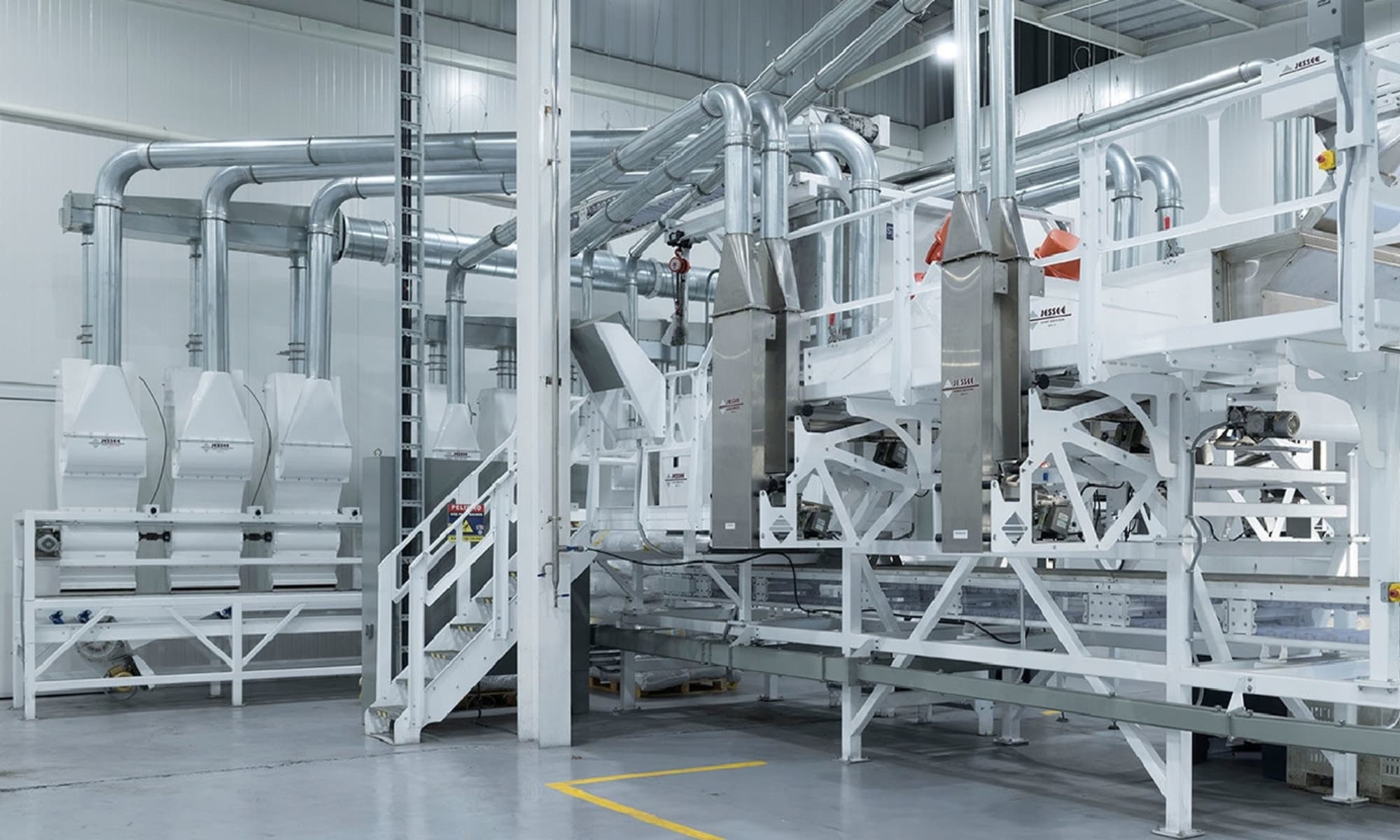
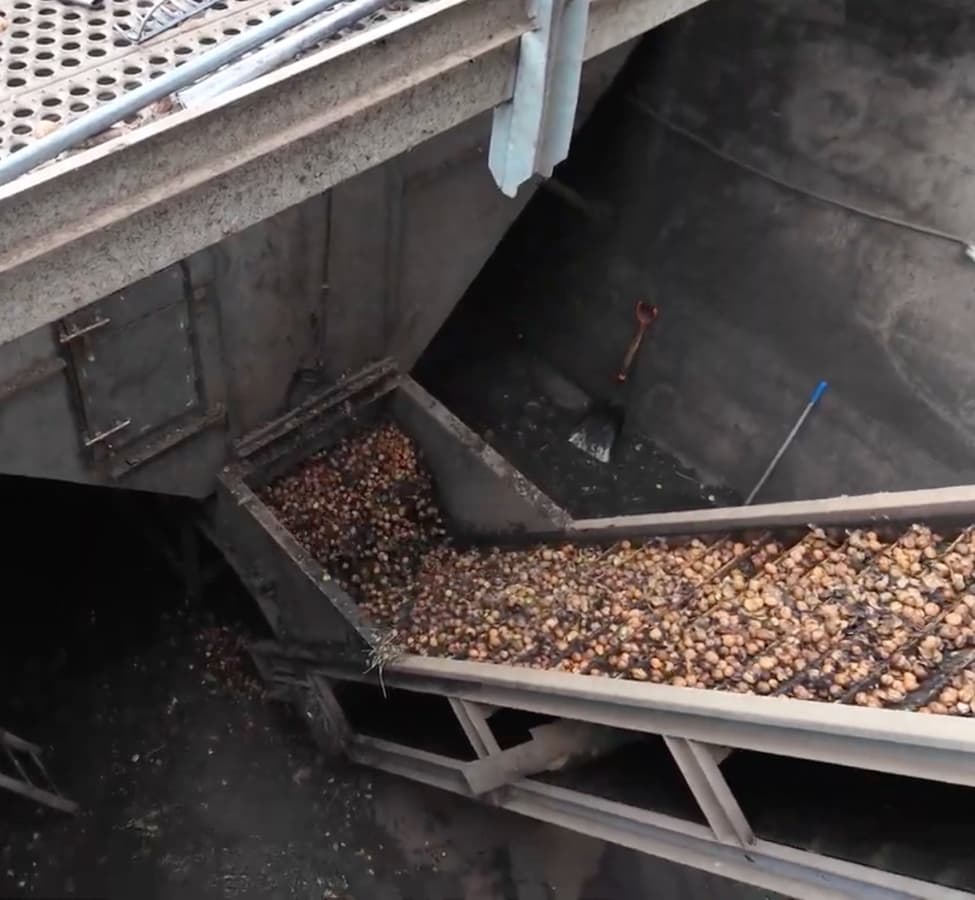
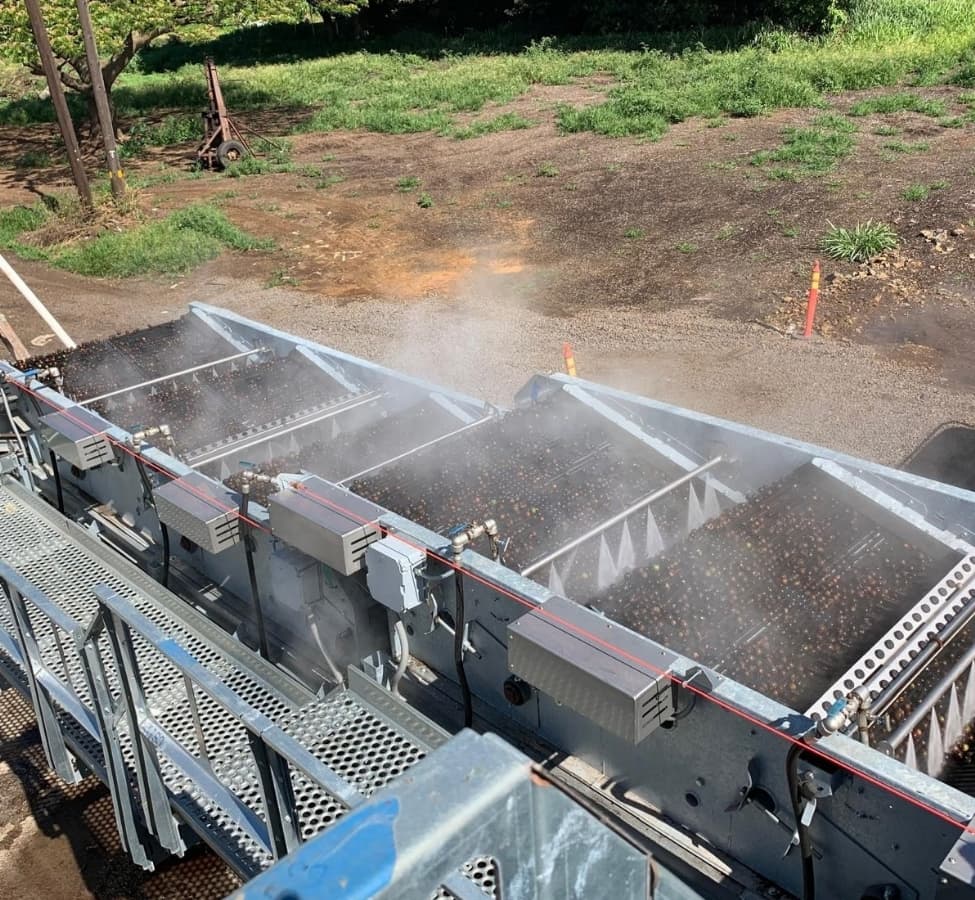
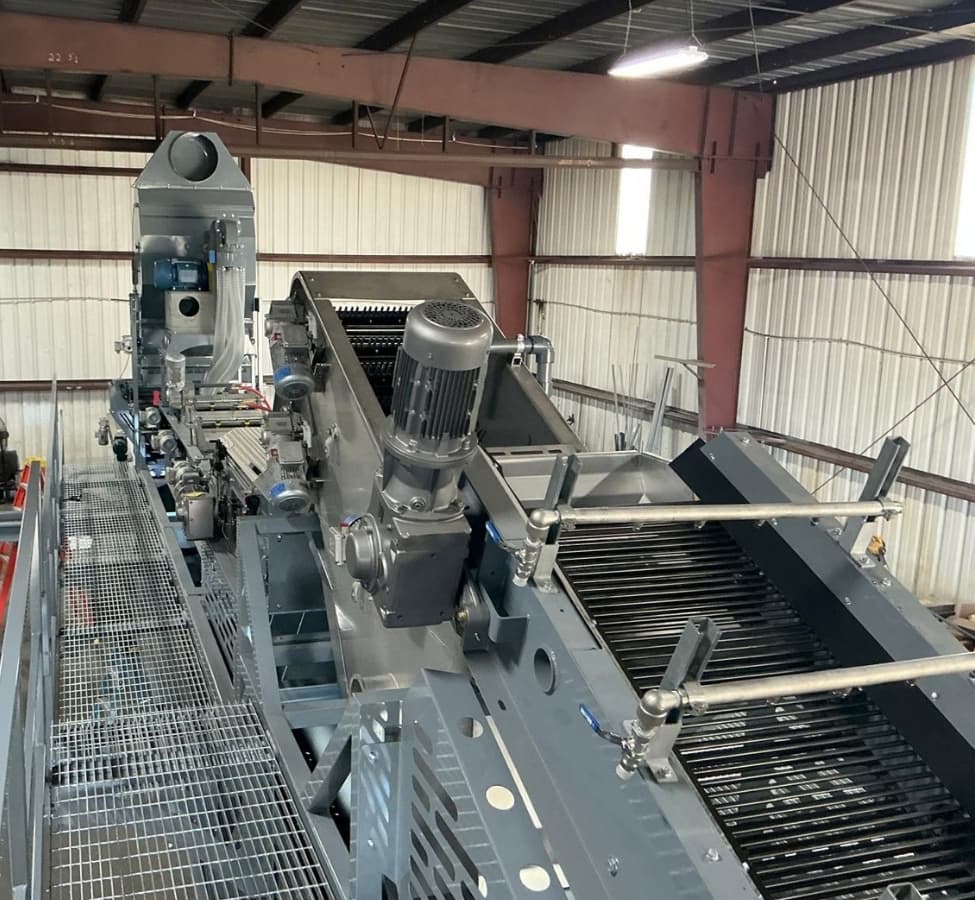
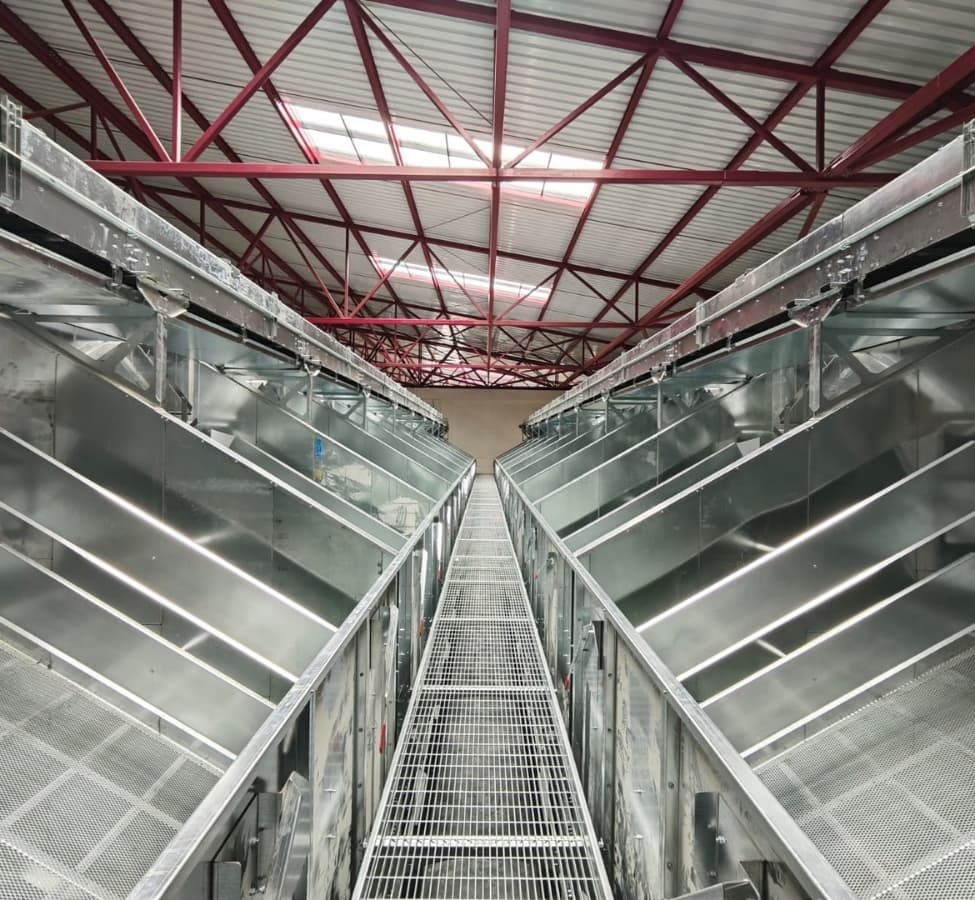
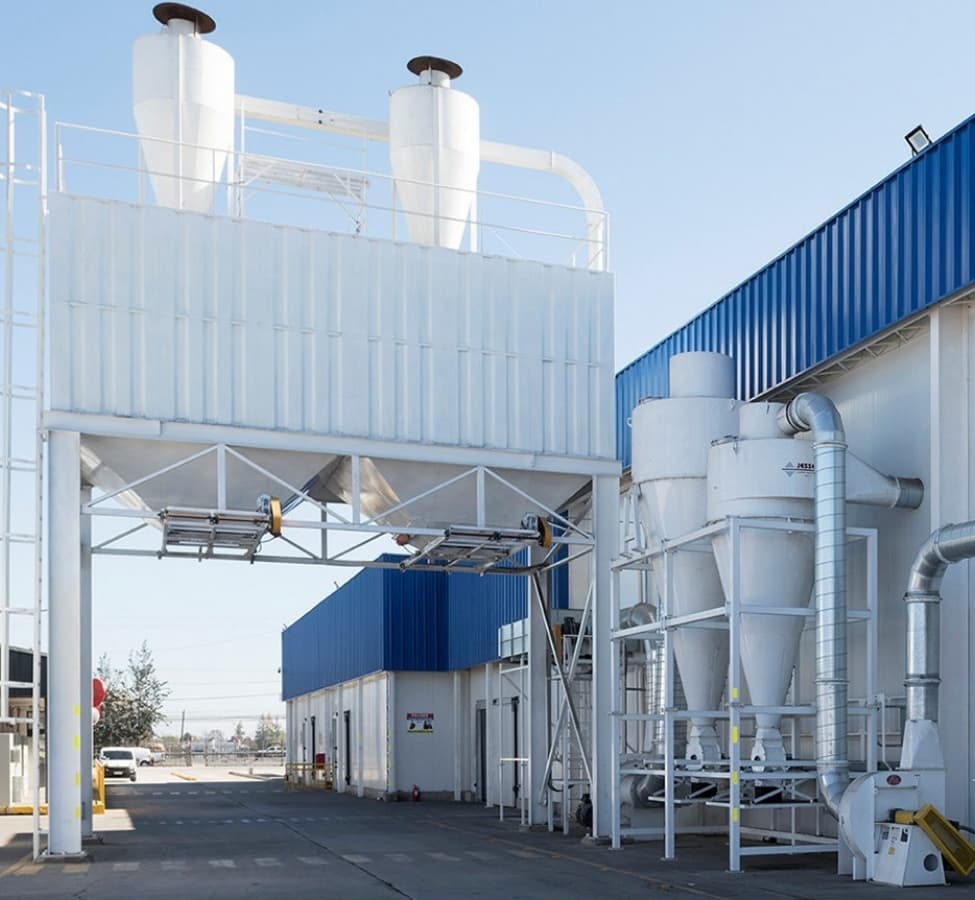
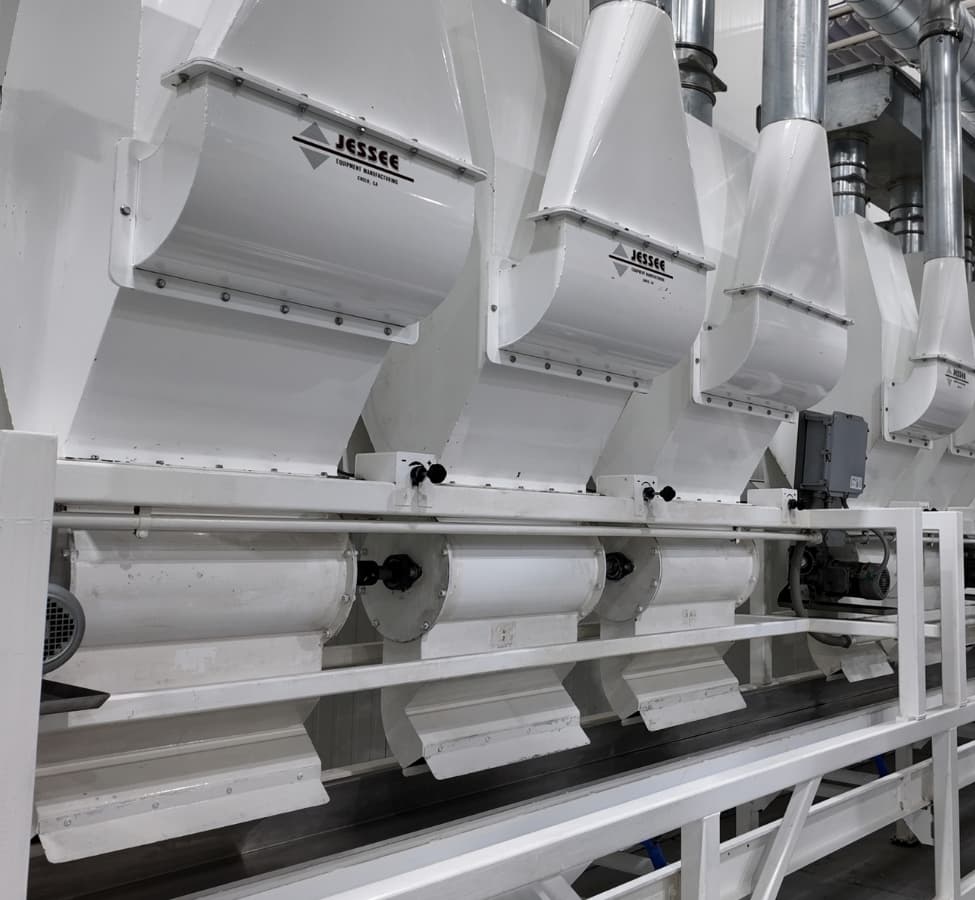
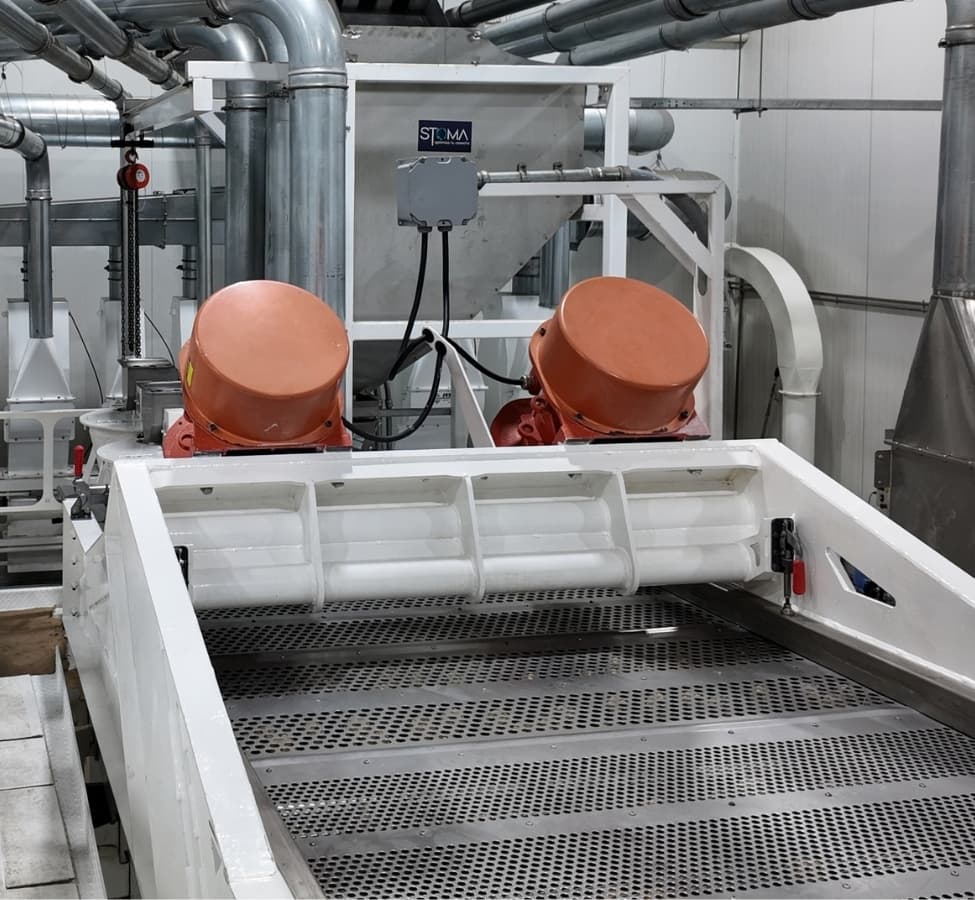
India imported 276,163 t of almonds in shell in 2025, 90.9% of them by weight from the United States, and 8,548.6 t of shelled almonds (UN Comtrade via WITS); USDA reports that imported in-shell almonds are machine-cracked and hand-sorted in India. Jessee, whose processing lines OVE Europe supplies, builds hulling, drying, in-shell cleaning and sizing, and shelling systems; its Airlegs nut cleaner was developed for the almond industry.
For general information only. Information may become outdated and does not replace site-specific professional advice. Consult a qualified agronomist and confirm equipment suitability with OVE before acting.
Practical Tips for Almond Post-Harvest Handling & Processing
Hull promptly picked or frame-caught almonds while the hulls are fresh, then dry the nuts in the shell before storage.
Dry hulled almonds off the ground and do not overexpose them: a 2013 Kashmir press report noted that too much sun can turn them black.
Never stockpile undried almonds: University of California guidance for nuts dried on the ground warns against stockpiling above 12% hull, 6% kernel or 9% fruit moisture.
Dry kernels for sale to 6% moisture or less: that is the FSSAI limit, and Agmark's Special grade allows 5.0%.
Grade kernels to the Agmark rules of 2022, Special, Standard or General, and pack each grade separately in clean, dry bags.
Test lots for aflatoxins: FSSAI limits nuts to 15 µg/kg in total and 10 µg/kg of aflatoxin B1.
Recommended Post-Harvest Handling & Processing Stages
Plan your post-harvest line
Estimate tons/day, cleaning & drying capacity, storage needs, and cost/kg—then build your equipment plan in phases.