







Hazelnut Orchard Establishment in India
No Indian release or register entry for a hazelnut cultivar was found. Himachal Pradesh's horticulture department lists introduced cultivars such as 'Tonda Romana', and a university station in Kullu district lists 'Jefferson', 'Eta' and 'Theta' as under evaluation. In its 2022 annual report, ICAR's Central Institute of Temperate Horticulture (CITH) reported eight cultivars evaluated, with nut weights from 2.1 g ('Gentile delle Langhe') to 4.2 g ('Ennis'); the reports found do not name the cultivars of the government farm near Kokernag.
Hazelnut is self-incompatible, and Oregon State University (OSU) advises three pollinizer cultivars, early, mid and late; its standard layout, every third tree in every third row, makes about 11% of the trees pollinizers. A 2023 article in ICAR's Indian Horticulture advises at least 10% of other cultivars. The Kullu station reports that the pollinizer it calls 'Jametagard' was the most effective for the cultivars it tested, among them 'Butler' and 'Ennis'.
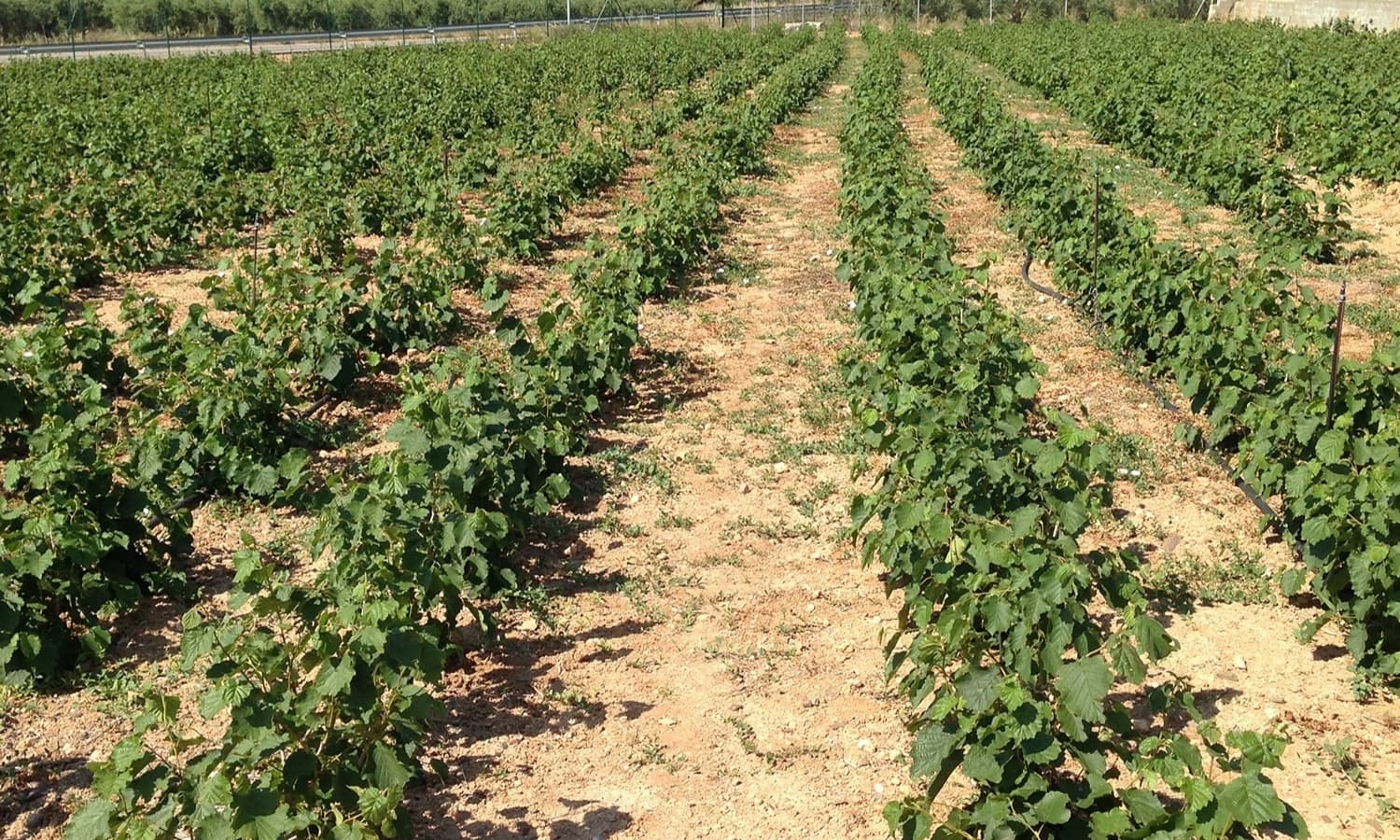
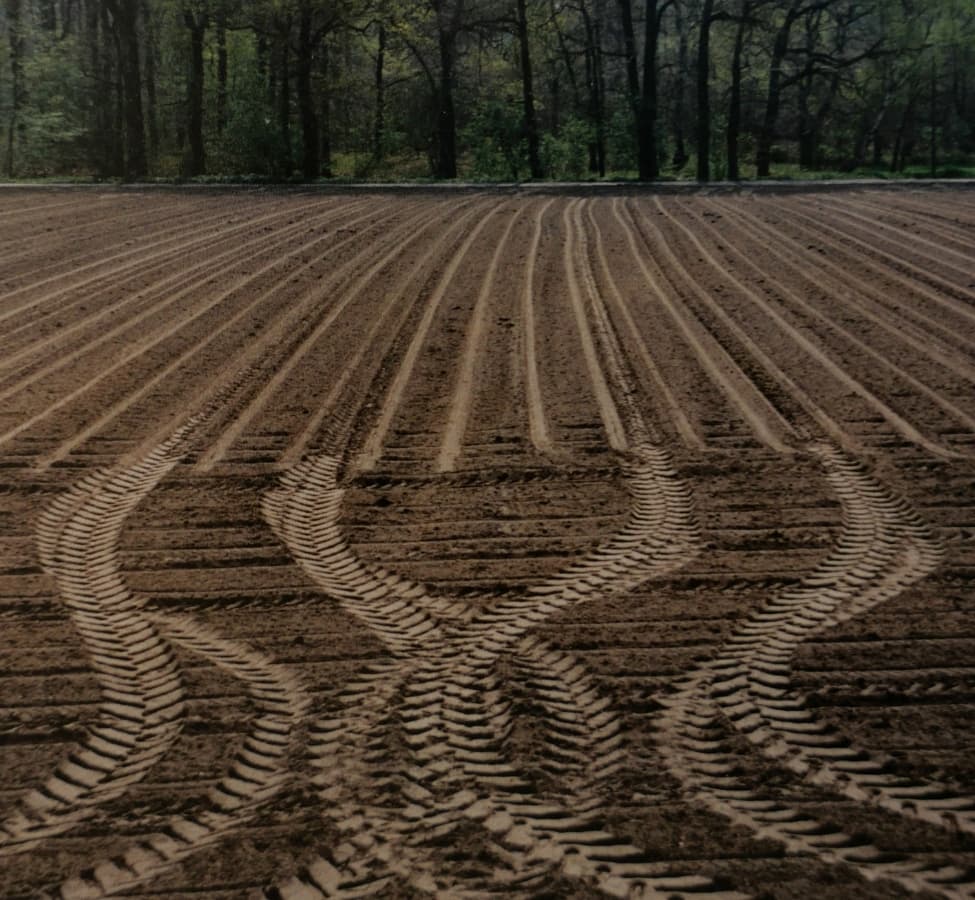
In a SKUAST-Kashmir study (2006 to 2008), more cuttings rooted from suckers than from shoot tips, and more from active shoots taken in April than from dormant ones taken in January. Near Kokernag, hazelnuts are planted from December to April and begin bearing after four years, a 2025 report says. In the mechanized system this guide follows, nuts are swept and picked up from the ground, so OSU advises making the floor as smooth as possible at least a year before the first commercial harvest.

Practical Tips for Hazelnut Orchard Establishment
Plant pollinizers: ICAR's Indian Horticulture advises at least 10% of other cultivars, and Oregon State University advises three, early, mid and late.
Test pollinizers locally: the Kullu station found the pollinizer it calls 'Jametagard' the most effective for the cultivars it tested.
Propagate from suckers where you can: in a SKUAST-Kashmir study, cuttings from suckers rooted better than cuttings from shoot tips.
Source plants from tested cultivars, not from wild Himalayan hazel: a Kashmir paper notes that the wild trees yield poorly and have hard nuts.
Expect a wait for the first crop: a 2025 report from Kokernag says the trees begin bearing after four years.
Smooth and firm the orchard floor at least a year before the first commercial harvest, as Oregon State University advises, so sweepers can work up to the trunks.
Recommended Establishment Stages

Hazelnut Orchard Care & Maintenance in India
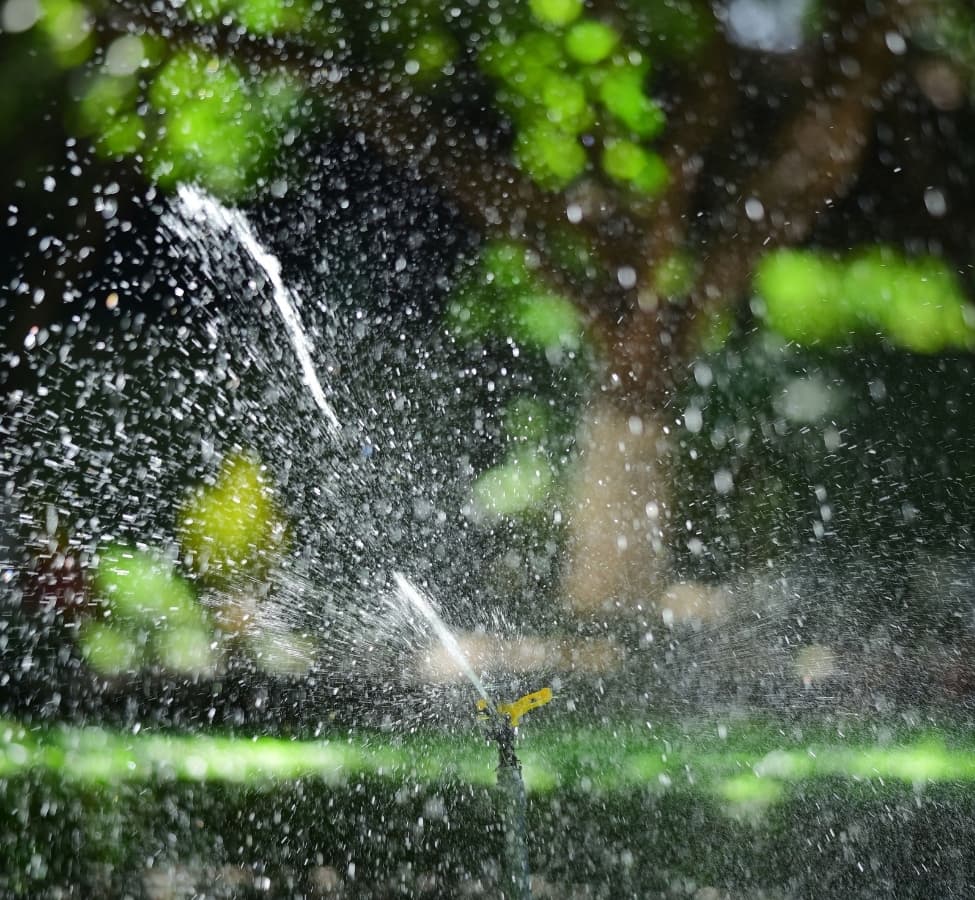
A 2025 report from Kokernag says hazelnuts thrive in rain-fed areas but does not describe irrigation there. India Meteorological Department (IMD) normals for Kokernag give 1,028.0 mm of rain a year on 71.3 rainy days, with 96.9 mm in August and 59.3 mm in September (1981 to 2020). ICAR's Indian Horticulture (2023) advises farmyard manure where soil organic matter is below 2%, and fertilizer rates for mature trees based on leaf and soil analysis; no Indian source found gives irrigation schedules for hazelnut.
A 2017 paper reported the first case of hazelnut dieback in India, caused by Dothiorella species; the university's station in Kinnaur district, which runs a hazelnut demonstration unit, lists the paper. EPPO judges India's record of the brown marmorated stink bug (Halyomorpha halys) unreliable and lists the pest as absent, and its table for eastern filbert blight (Anisogramma anomala) does not list India. No Indian source found sets monitoring rules for hazelnut pests.
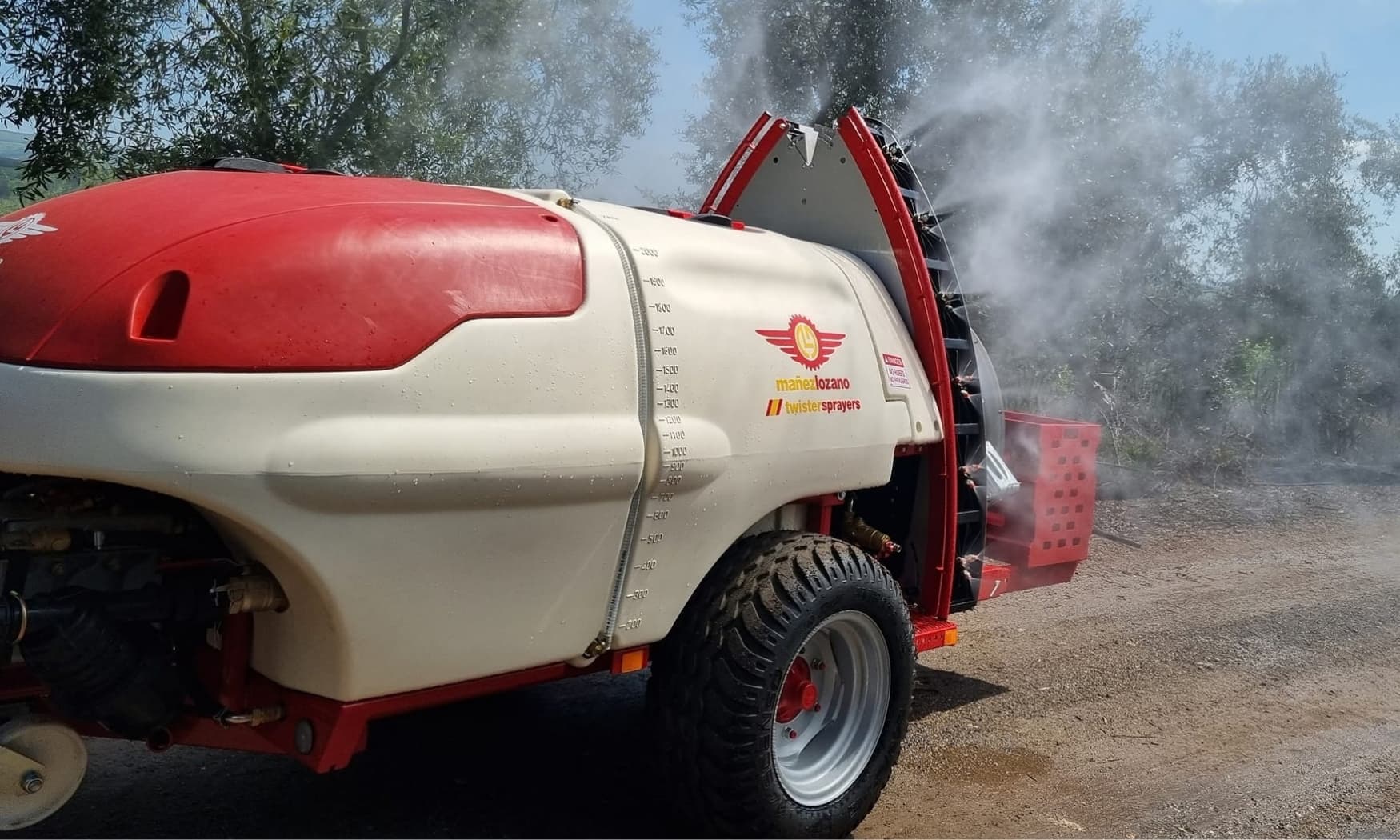
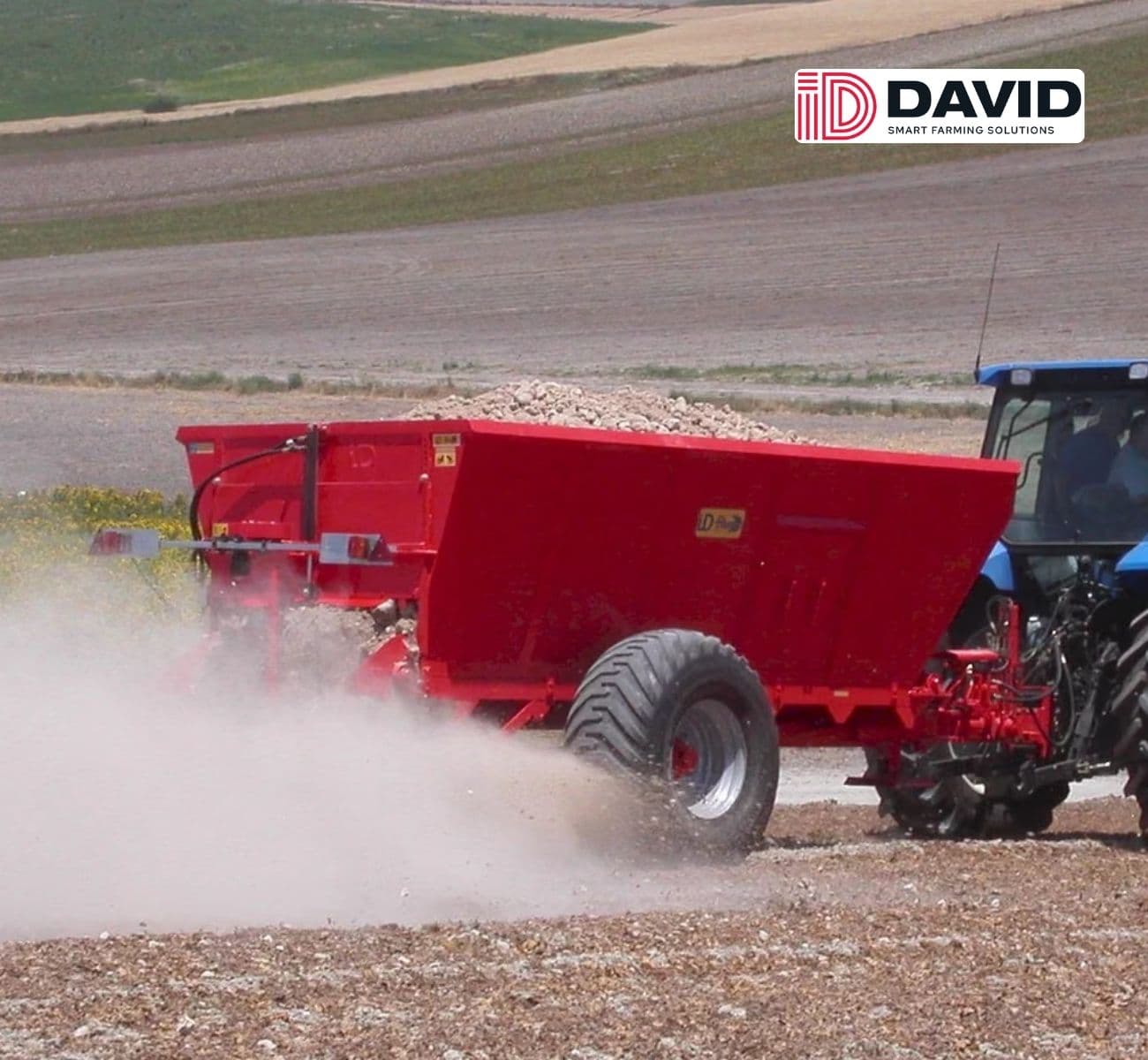
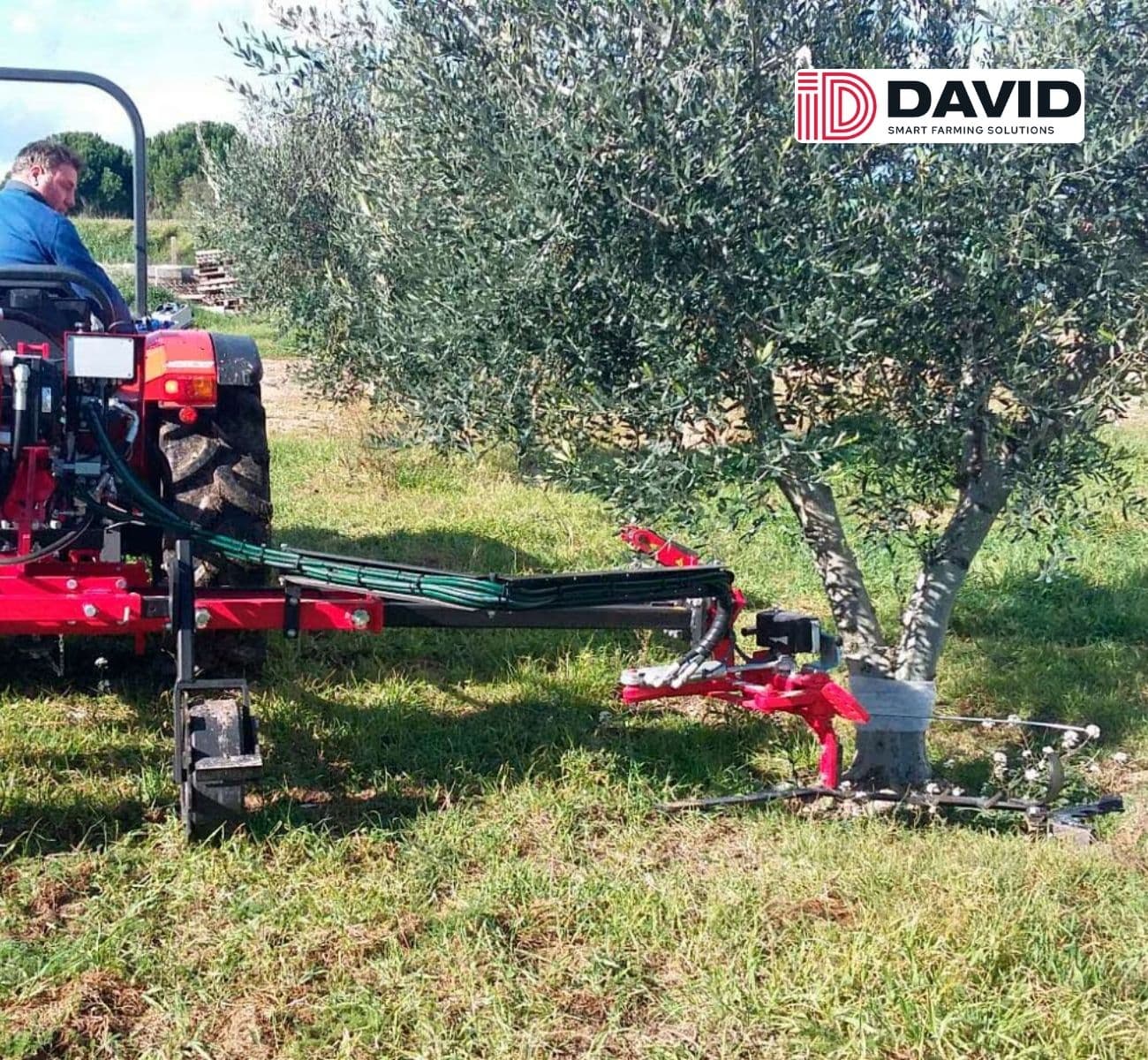
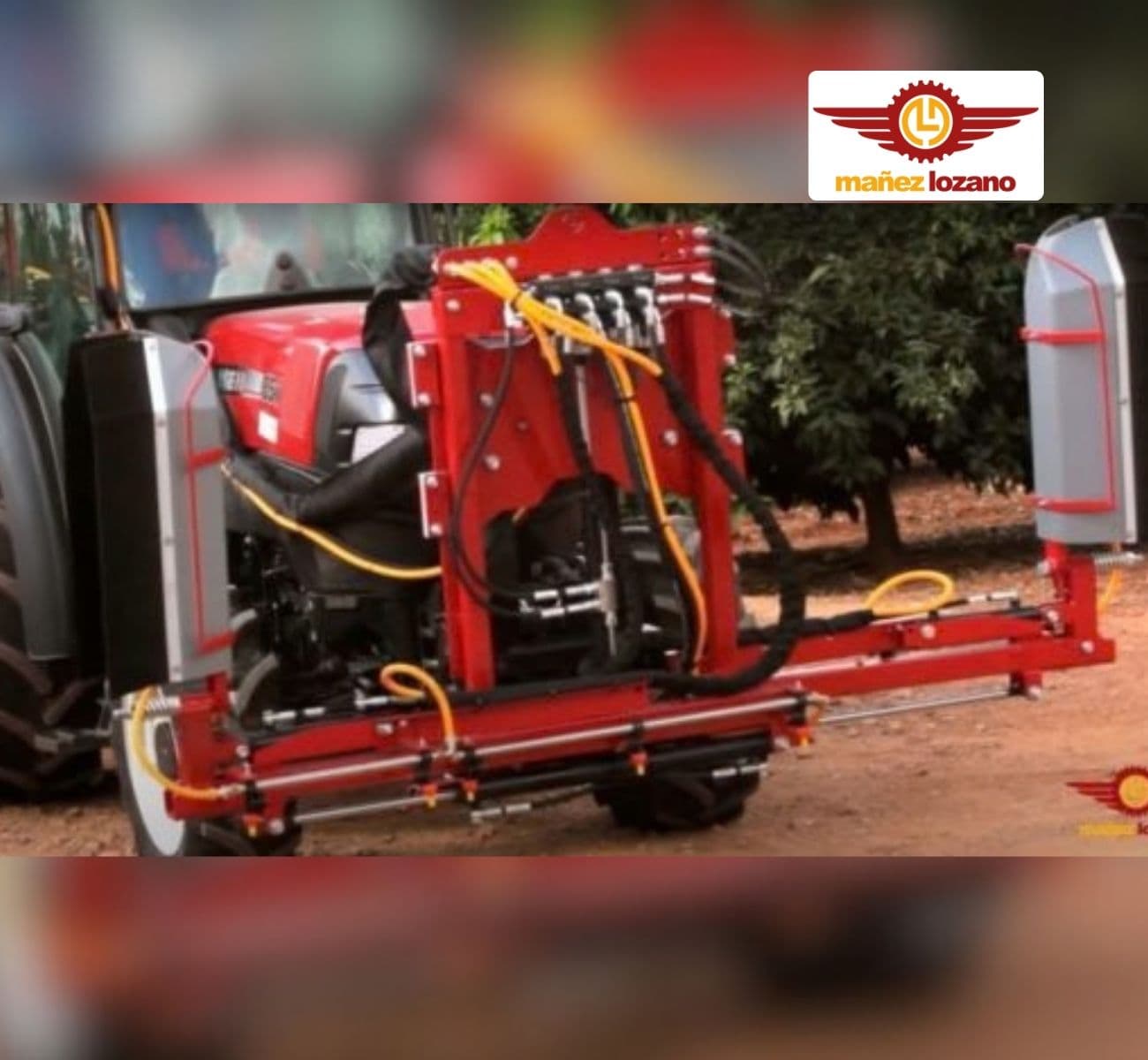
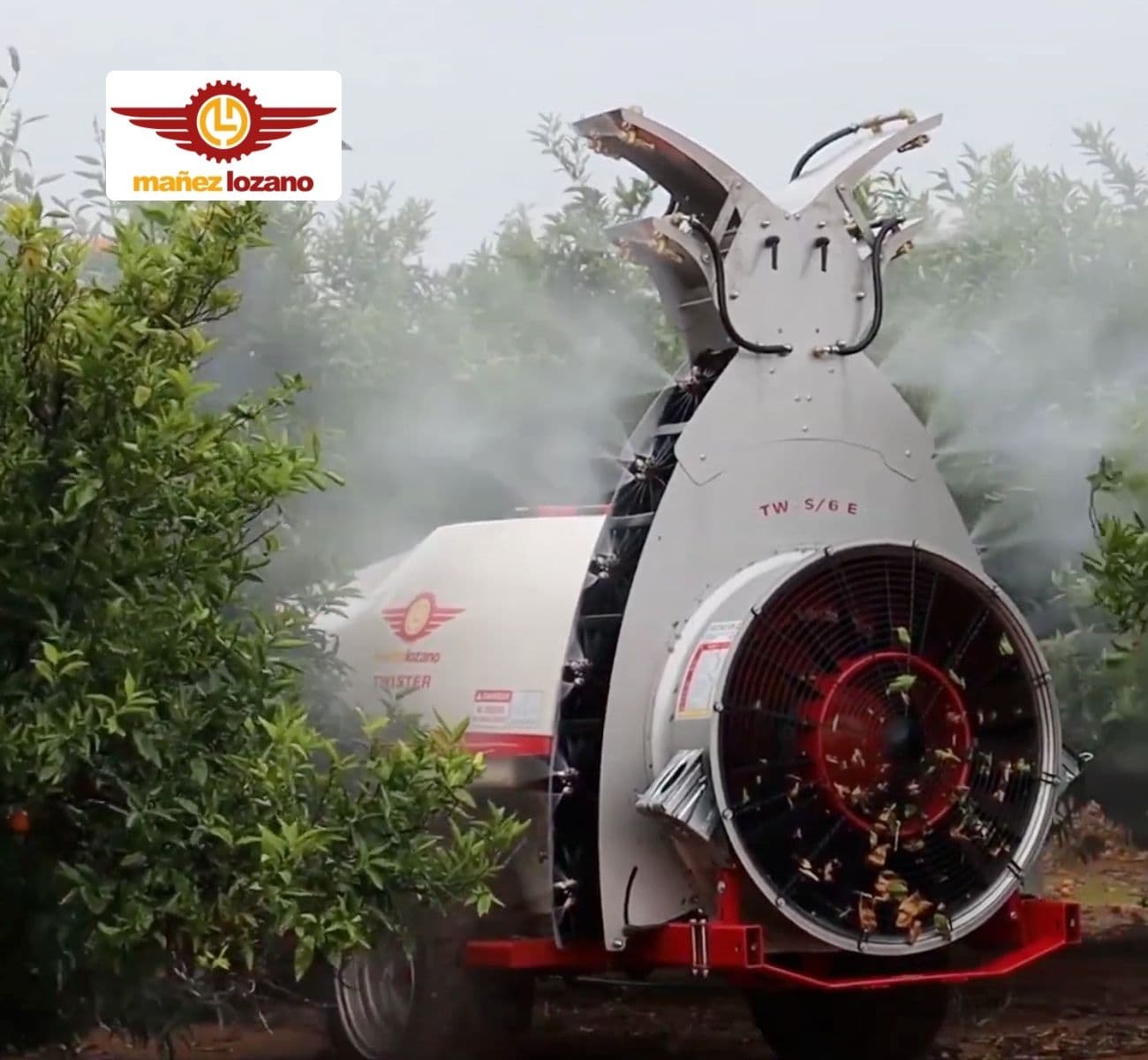
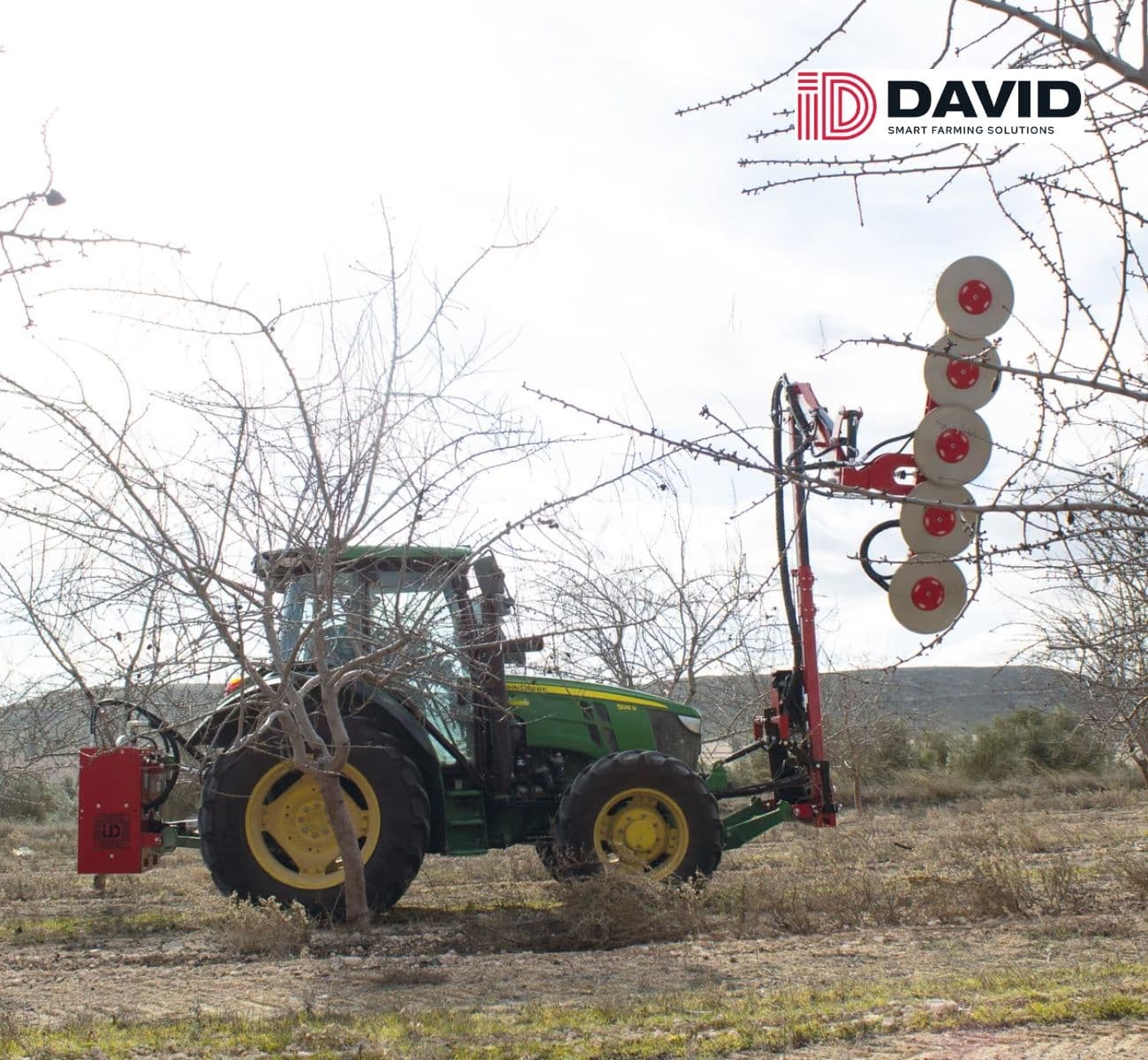
Suckers emerge very close to the trunk, a SKUAST-Kashmir study notes, and Türkiye's Hazelnut Research Institute advises removing them at least twice a year. In single-stem orchards planted for machines, the ID DAVID SURFEED spreads solid manure, the ID-XL weeds the tree row, the Mañez Lozano Mega Twister S6 sprays tall, dense canopies and the ID-REX disc pruner makes lateral and topping cuts.
Recommended Orchard Care & Maintenance Stages

Practical Tips for Hazelnut Orchard Care & Maintenance
Remove suckers at least twice a year, in autumn and in late May or early June, as Türkiye's Hazelnut Research Institute advises.
Watch for dieback: a 2017 paper gave the first report of hazelnut dieback in India, caused by Dothiorella species.
Have stink bugs identified before acting: EPPO notes that earlier Indian reports of the brown marmorated stink bug were misidentifications.
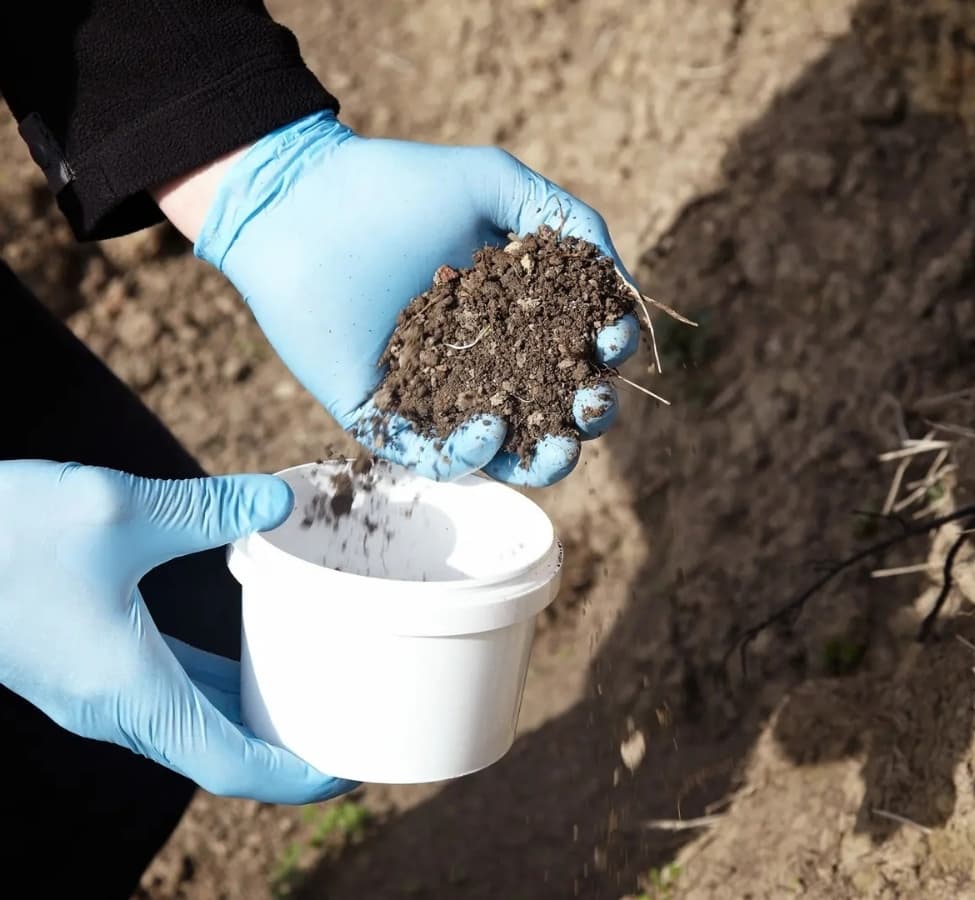
Base fertilizer rates on leaf and soil analysis, as ICAR's Indian Horticulture advised in 2023, and add farmyard manure where soil organic matter is low.
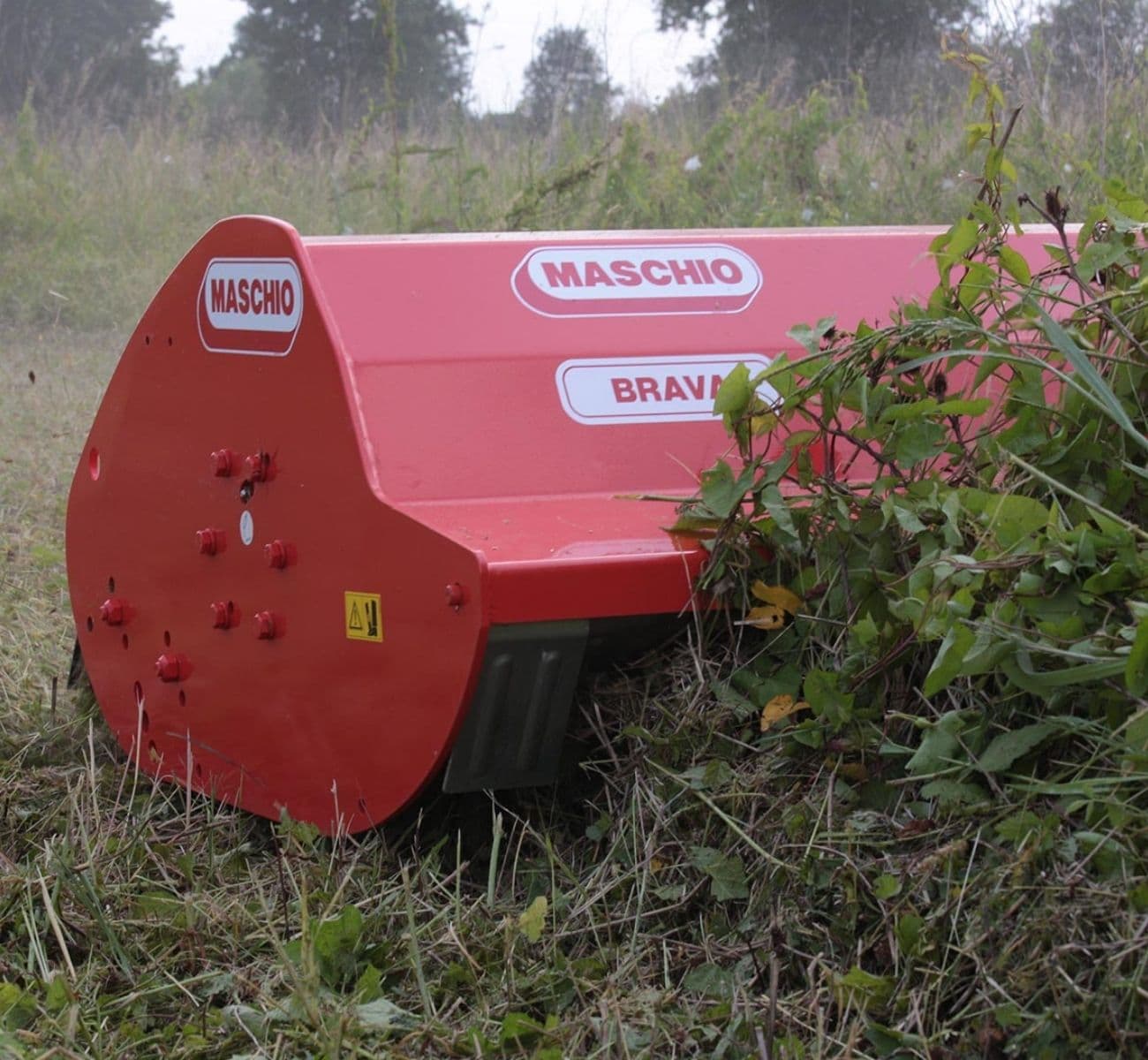
Flail-mow four to six times a season for weed control, in two directions to avoid ruts, as Oregon State University advises.
Weed the tree row without herbicides using an in-row weeder such as the ID DAVID ID-XL, and keep the orchard floor level for harvest.

Hazelnut Harvesting in India
A 2025 report says hazelnuts near Kokernag are harvested in September, but no Indian source found describes how cultivated hazelnuts are gathered, how many passes are made or how long nuts lie on the ground. Wild hazel, another species, ripened from 16 August to 19 September in Kashmir's Dachigam sanctuary in a survey of 2006 to 2008. In single-stem orchards planted for machines, mechanized harvesting can bring the crop in on time, with less risk of nuts deteriorating while they wait.
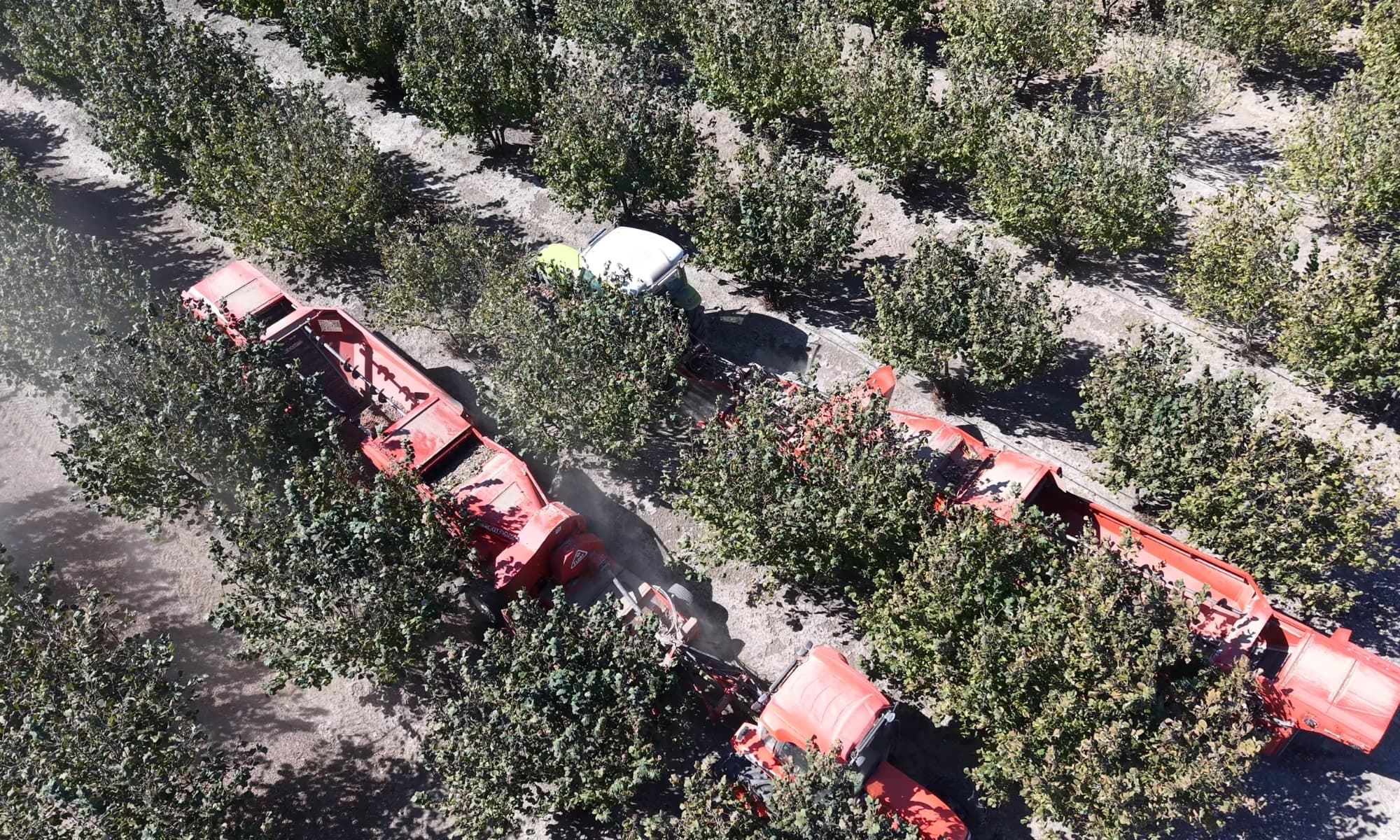
In the mechanized system this guide follows, as in Oregon, the trees are not shaken: OSU explains that the thin-barked, shallow-rooted trees would be damaged. The nuts drop onto a leveled, flail-mowed floor, then are swept and picked up in several passes. September rain differs between stations: Kokernag averaged 59.3 mm on 4.5 rainy days in 1981 to 2020 (IMD), while Shimla averaged 206.5 mm in 1901 to 1992 (IMD, via WMO).
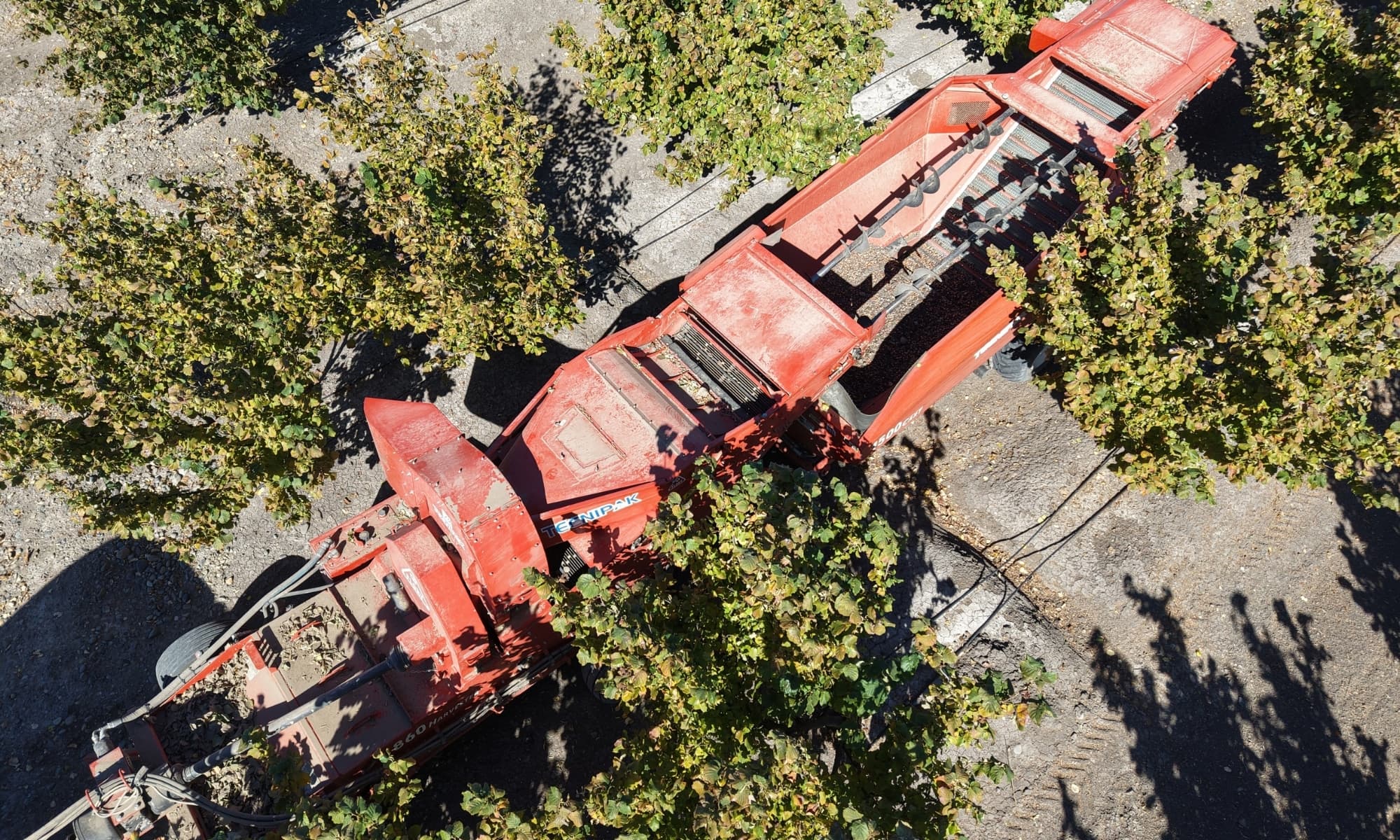
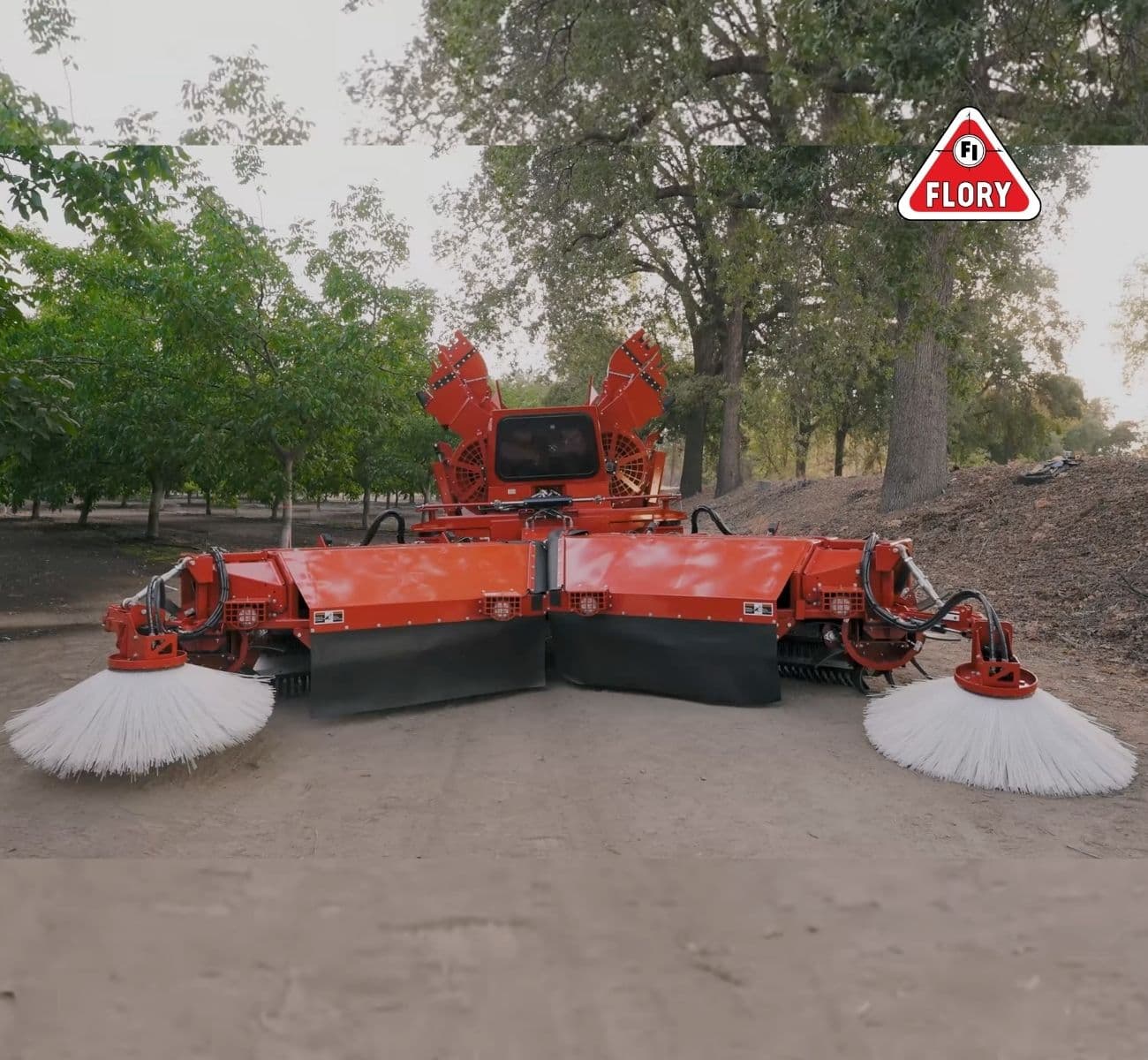
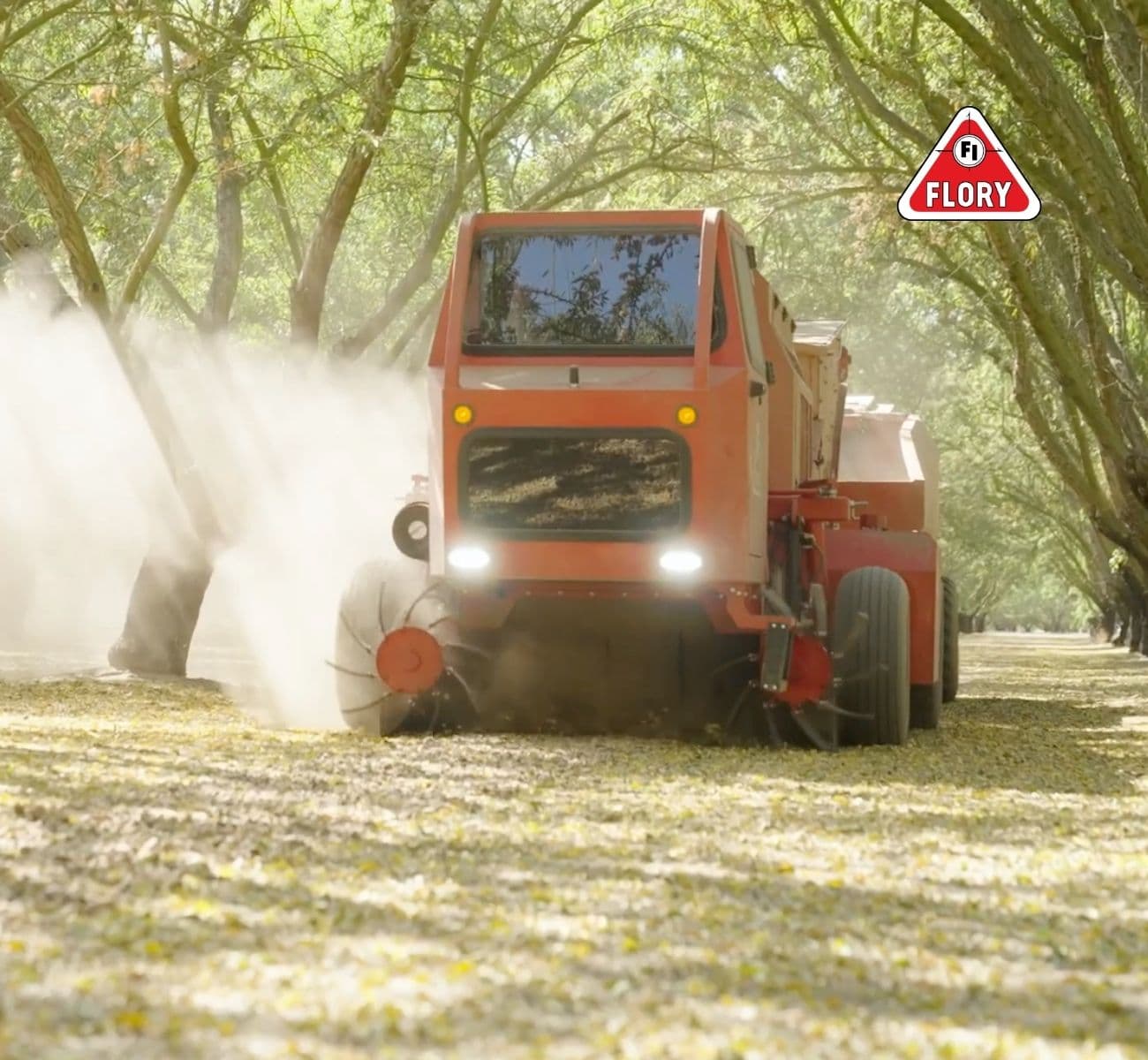
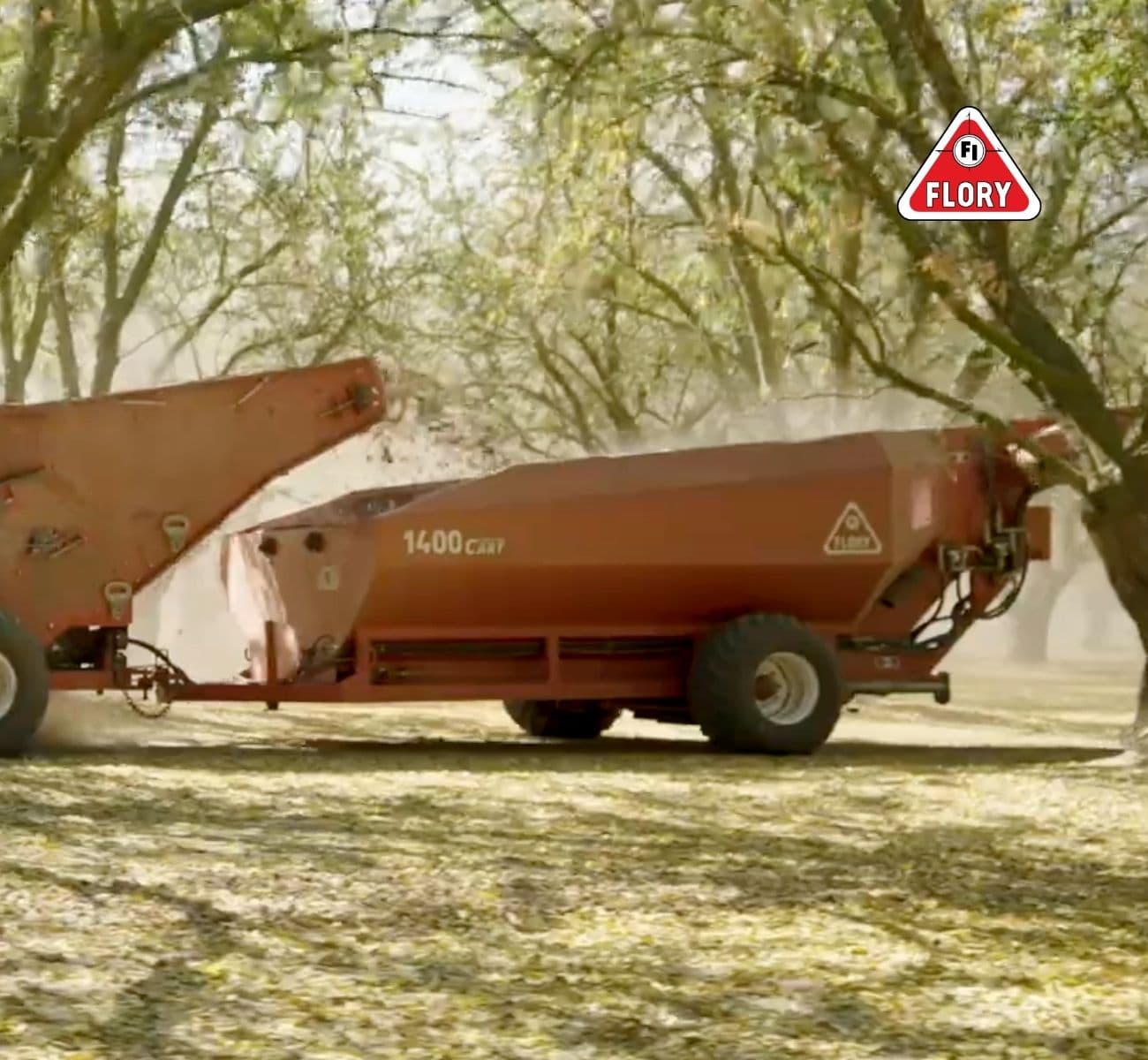
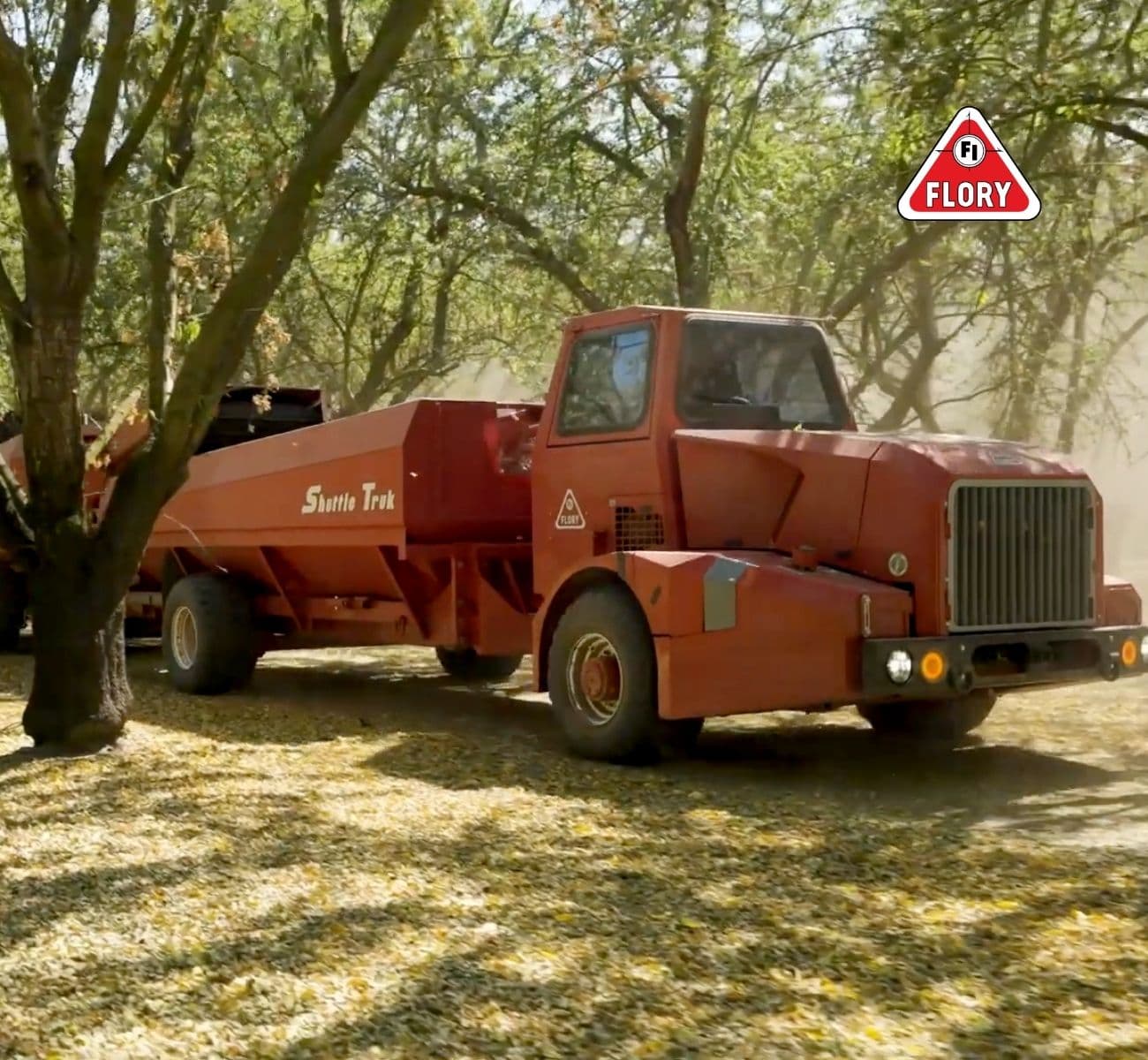
Flory harvesting machinery is available in India through OVE Europe for single-stem orchards planted for machines. The self-propelled Flory V62 Sweeper sweeps the nuts into windrows, and the self-propelled 8772 Harvester picks them up; Flory lists a mud brush as standard for hazelnuts on the 8772. The 1500 Conveyor Cart receives the nuts, the ST14 Shuttle carries them and the 4840 Field Elevator loads trailers for the processing site.
Hazelnut Harvest Workflow (Recommended Equipment)
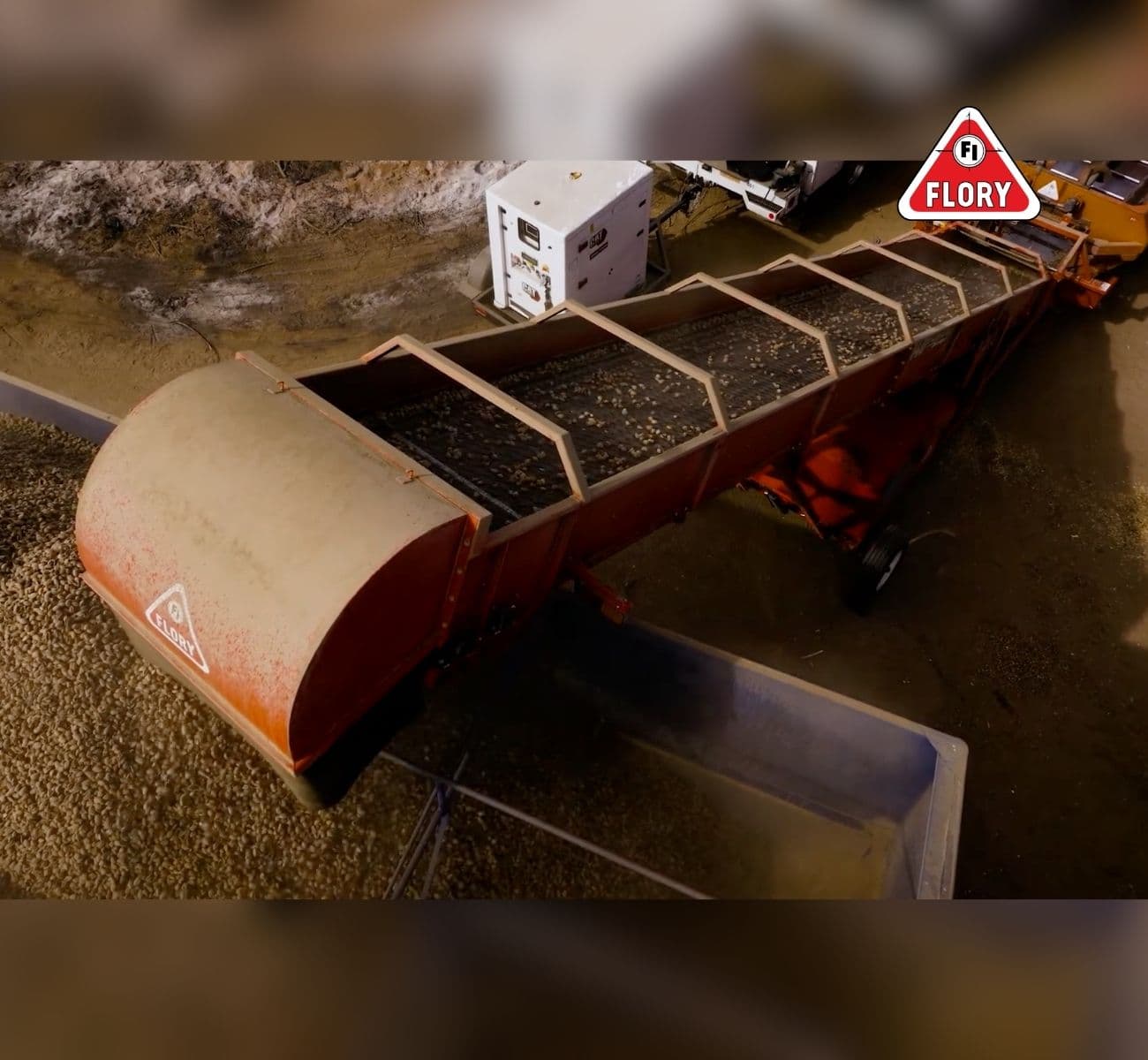
Practical Tips for Hazelnut Harvesting
Level, smooth and flail-mow the orchard floor before nut drop, as Oregon State University describes, so the sweeper can work right up to the trunks.
Pick up fallen nuts in several rounds: for hand collection, Türkiye's Hazelnut Research Institute advises rounds every 3 to 5 days, as nuts left lying turn moldy.
Gather fallen nuts before autumn rain where possible: British Columbia's hazelnut guide warns that a crop harvested wet causes storage problems.
Plan for wet years: from 1 June to 22 September 2025, Himachal Pradesh had 44% more rain than normal and Jammu and Kashmir 34% more (IMD data, via ICAR-CRIDA).
Sweep only fast enough to keep ahead of the pickup machine, as British Columbia's guide advises, and clean harvesters between orchards.
Keep bins of harvested nuts out of the rain until drying: Oregon State University notes that nuts in bins left in the rain before drying can turn moldy.
Get your recommended harvest setup
Enter orchard size, spacing, terrain, and target throughput—we’ll suggest a practical harvest workflow and equipment lineup.

Hazelnut Post-Harvest Handling & Processing in India
No Indian source found describes how cultivated hazelnuts are husked, dried or stored on farms. No Indian food standard found names hazelnut separately: a 2025 order of the Food Safety and Standards Authority of India (FSSAI) clarifies that its standard for dry fruits and nuts, sub-regulation 2.3.47(5), also covers nuts in shell. India's imports arrive almost entirely as kernels.
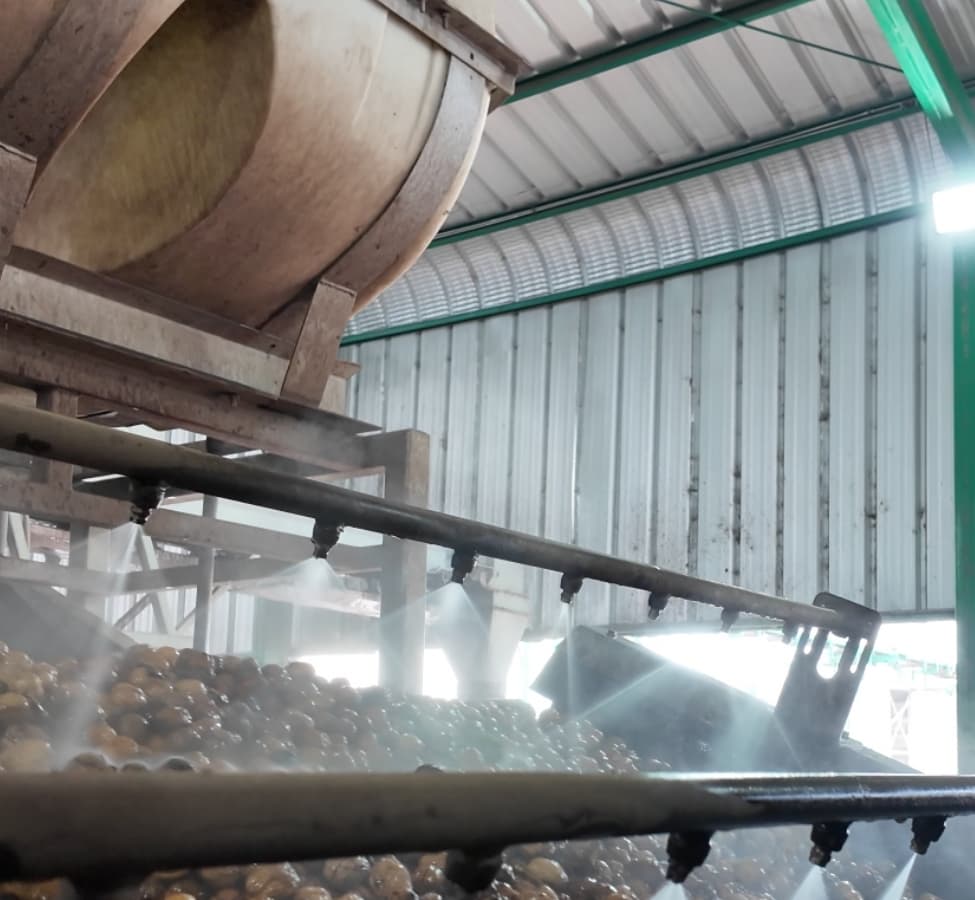
In British Columbia's guide, nuts are husked, cleaned, washed, sanitized and dried to 5 to 8% moisture within 24 hours of harvest. Türkiye's Hazelnut Research Institute advises that dried nuts hold no more than 12% moisture in shell and 6% as kernels, and the Codex code of practice for tree nuts advises storage below 70% relative humidity and at 0 to 10 °C, both where possible.
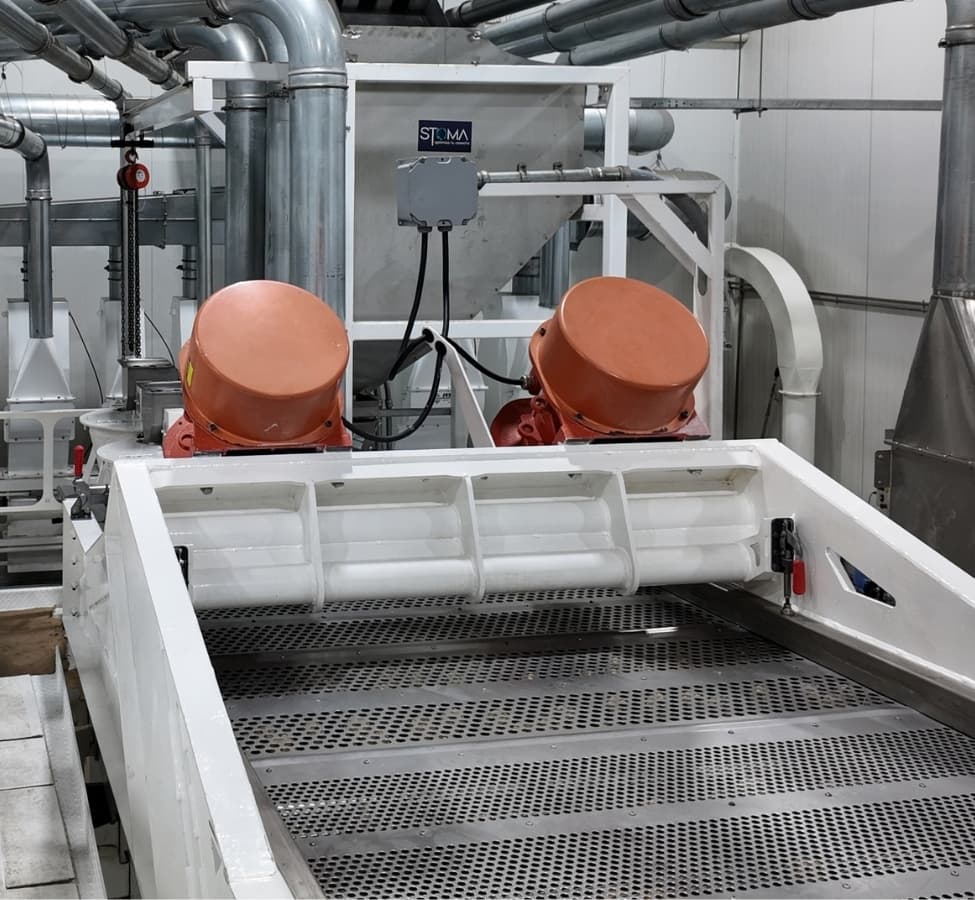
FSSAI's contaminants regulations limit nuts for further processing and ready-to-eat nuts to 15 µg/kg of total aflatoxins and 10 µg/kg of aflatoxin B1 (compendium of 2020); hazelnut is not named separately. Jessee, whose processing lines OVE Europe supplies, builds drying, in-shell cleaning and sizing, and shelling systems, and it established product lines for hazelnuts in the 1980s.
For general information only. Information may become outdated and does not replace site-specific professional advice. Consult a qualified agronomist and confirm equipment suitability with OVE before acting.
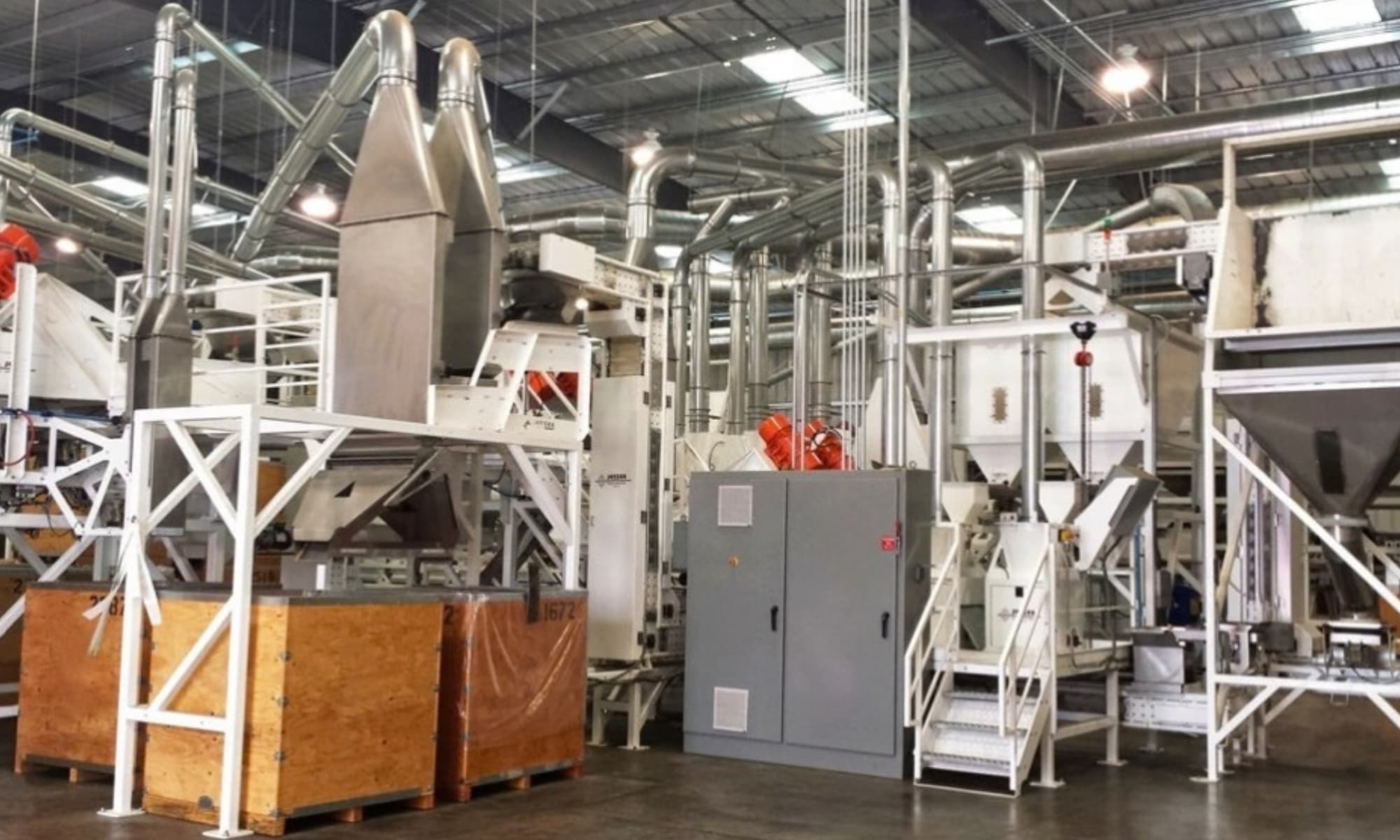
Practical Tips for Hazelnut Post-Harvest Handling & Processing
Dry hazelnuts promptly after harvest: in British Columbia's guide they are dried to 5 to 8% moisture within 24 hours.
Never leave husk-on nuts in thick layers or heaps: Türkiye's Hazelnut Research Institute warns that they heat up and rot.
Where possible, dry nuts in a dryer rather than in the sun: the Codex code warns that sun-dried nuts face a greater risk of fungal contamination.
Store dried nuts cool and dry, by lot: the Codex code advises, where possible, below 70% relative humidity and at 0 to 10 °C.
Size nuts into narrow grades before cracking: Türkiye's Institute advises 10 to 20 sizes at 0.5 mm steps to reduce kernel damage.
Test lots for aflatoxins against FSSAI's limits for nuts, 15 µg/kg in total and 10 µg/kg of B1, and check the current text of the regulations.
Recommended Post-Harvest Handling & Processing Stages
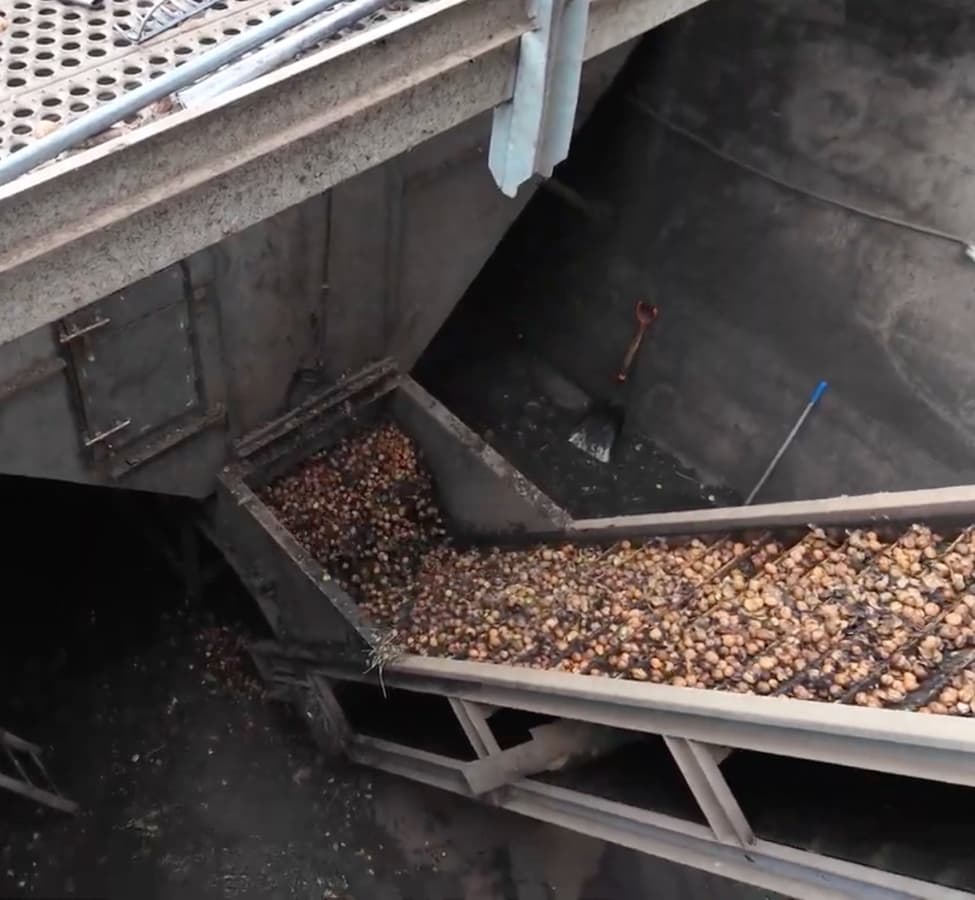
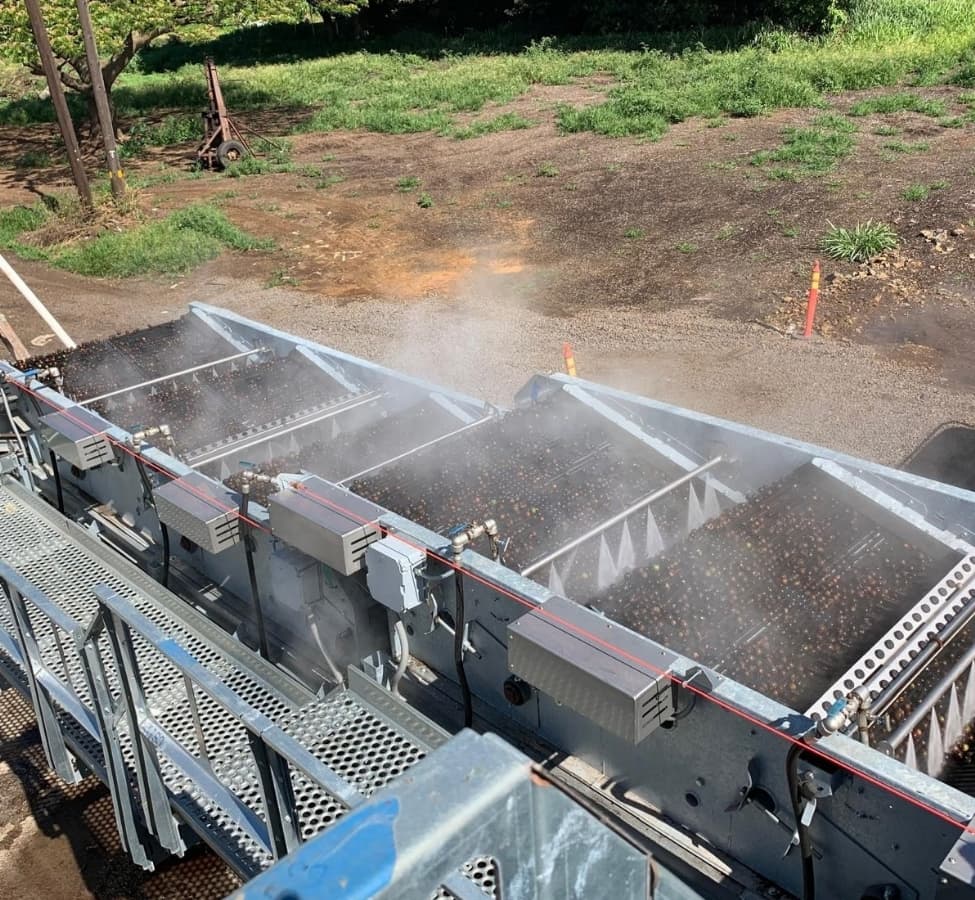




Plan your post-harvest line
Estimate tons/day, cleaning & drying capacity, storage needs, and cost/kg—then build your equipment plan in phases.