


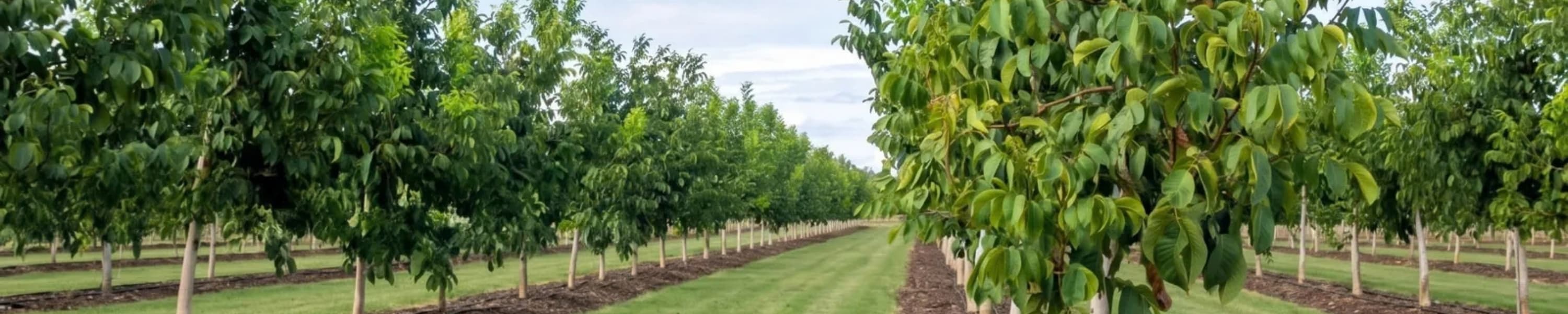




Walnut Orchard Establishment in India
ICAR's Central Institute of Temperate Horticulture (CITH) names Jammu and Kashmir, Himachal Pradesh, Uttarakhand and Arunachal Pradesh as India's walnut areas, with Anantnag, Pulwama, Kupwara, Budgam, Baramulla and Srinagar the main Kashmir districts and Doda, Kishtwar and Poonch in the Jammu region (2017). In 2024-25 the Kashmir division produced 218,010 t and the Jammu division 93,000 t (J&K Digest of Statistics). A 2001 survey of Himachal Pradesh names spring frost, hail and rain at flowering as risks.
Indian walnut is mostly of seedling origin, and a 2014 study notes that India has no systematic orchards of standard cultivars. Grafting is the bottleneck: in Kashmir, open-field graft success is only 0 to 20% and grafts form no callus below 20 °C. In trials, the best treatments in polyhouses, trenches or low tunnels reached about 54 to 90% (CITH and SKUAST-K, 2006 to 2015). A 2019 paper says Jammu and Kashmir produced only a few thousand grafted plants a year against demand in the hundreds of thousands.
SKUAST-K, Kashmir's agricultural university, released the varieties Sulaiman and Hamdan; APEDA lists Lake English, Drainovsky and Opex Caulchry for Jammu and Kashmir; and a March 2026 report says about 10,000 Chandler saplings had been imported for distribution. The Ministry of Agriculture's IPM package for walnut advises 10 m square spacing and two or three varieties for pollination. In Jammu and Kashmir, walnut is protected under the Preservation of Specified Trees Act, 1969: felling it, which includes topping and lopping, requires a permit.
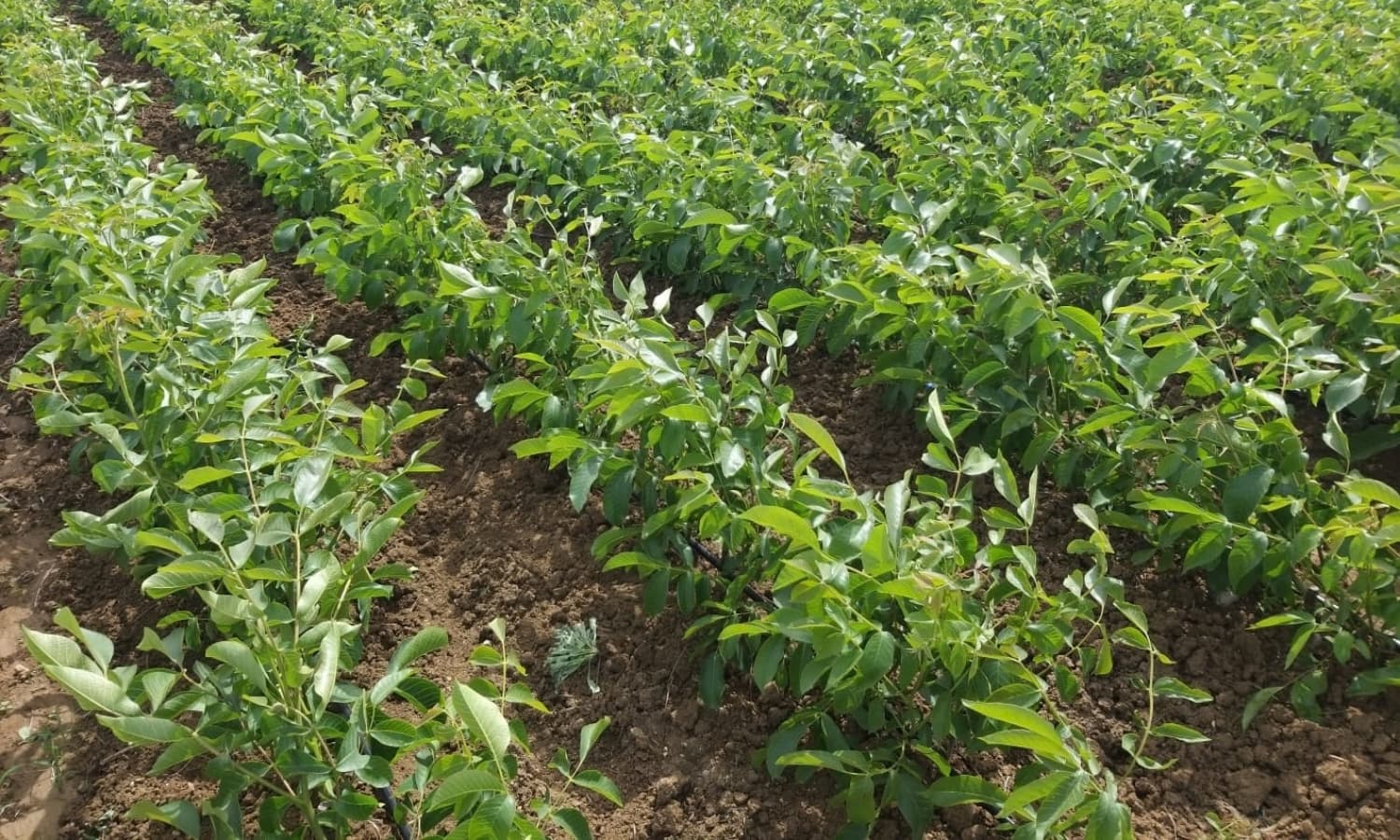

Practical Tips for Walnut Orchard Establishment
Order grafted plants early from accredited nurseries: a 2019 paper says Jammu and Kashmir produced only a few thousand a year against much higher demand.
Plant two or three varieties for pollination, as the IPM package for walnut advises.
Choose loam rich in organic matter with good drainage: the IPM package calls walnut sensitive to excess water.
Before replacing old trees in Jammu and Kashmir, check the Specified Trees Act: felling, topping or lopping a walnut tree needs a permit.
Agree row width, headlands and access lanes with your machinery supplier before planting, so shakers, sweepers and shuttles can work and turn freely.
Avoid frost pockets and hail-prone slopes where you can: a 2001 survey of Himachal Pradesh names spring frost, hail and rain at flowering as risks.
Recommended Establishment Stages
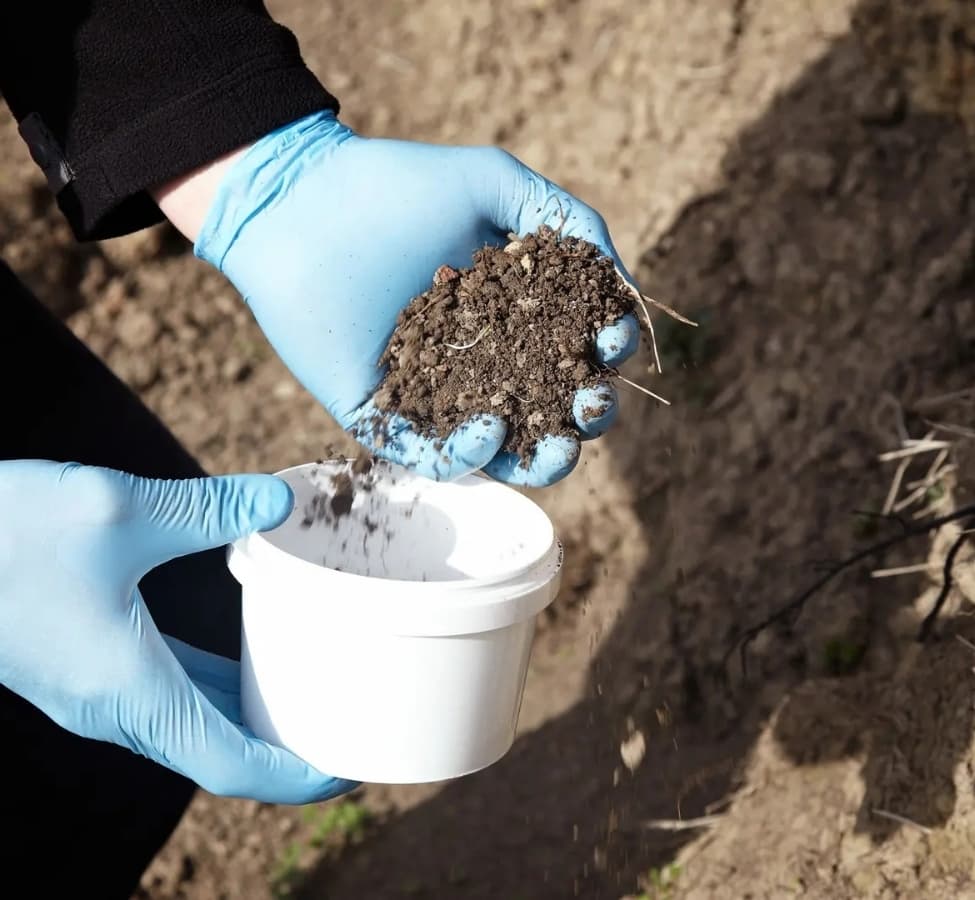



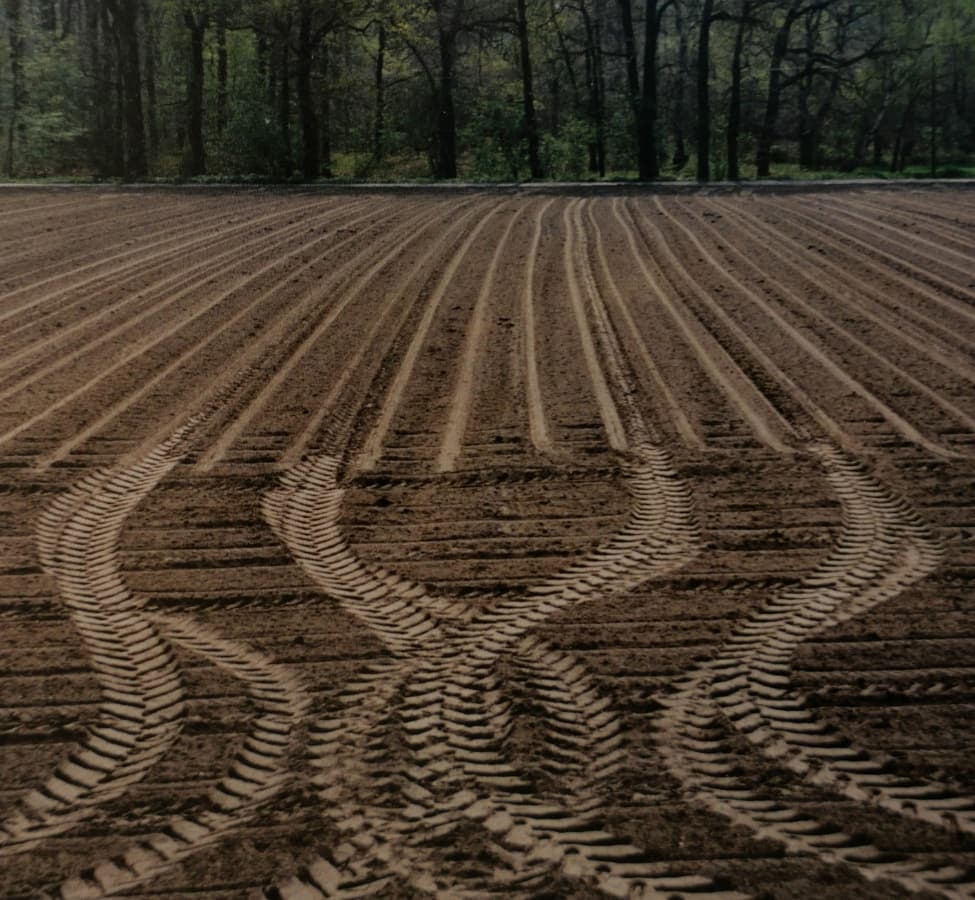
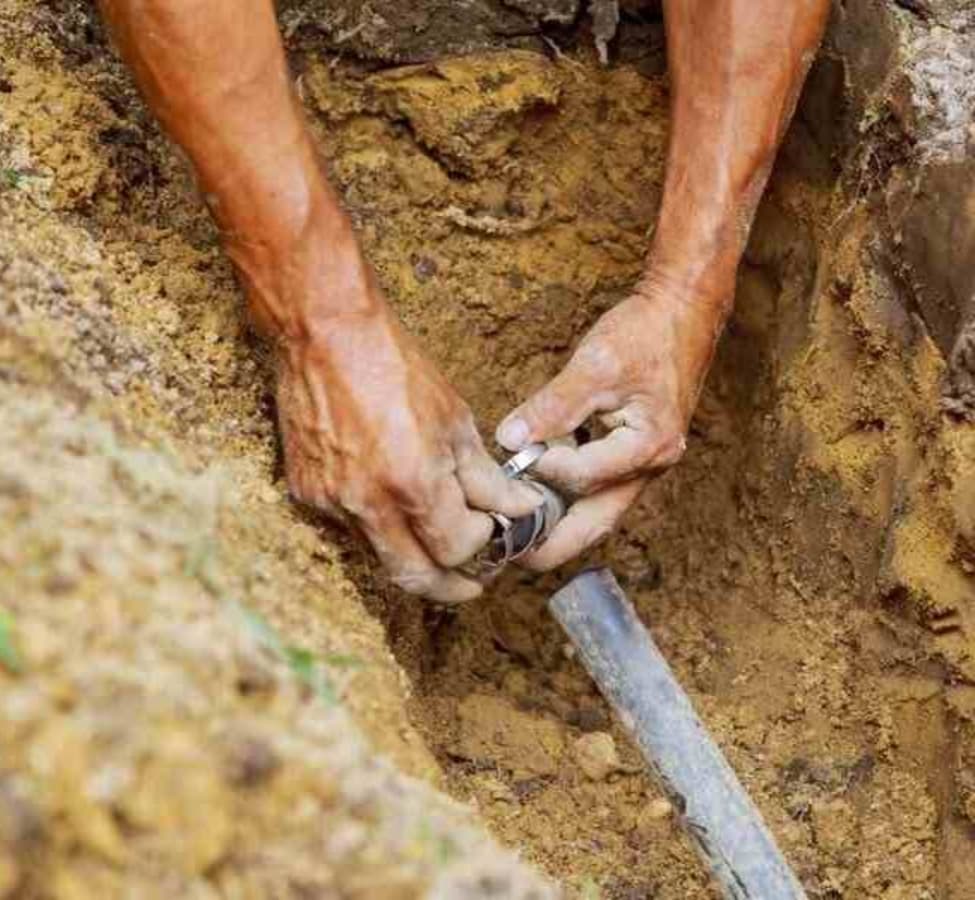


Walnut Orchard Care & Maintenance in India
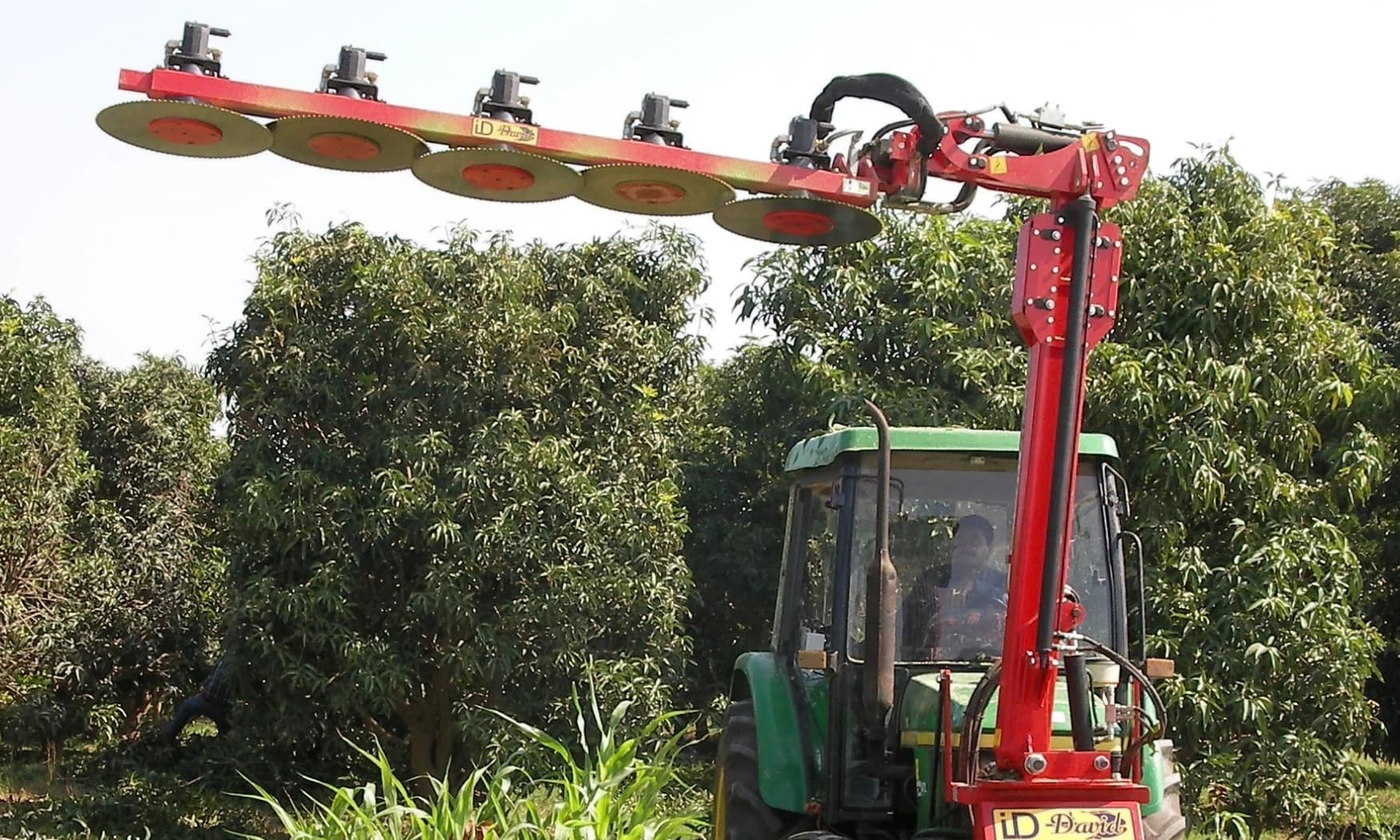
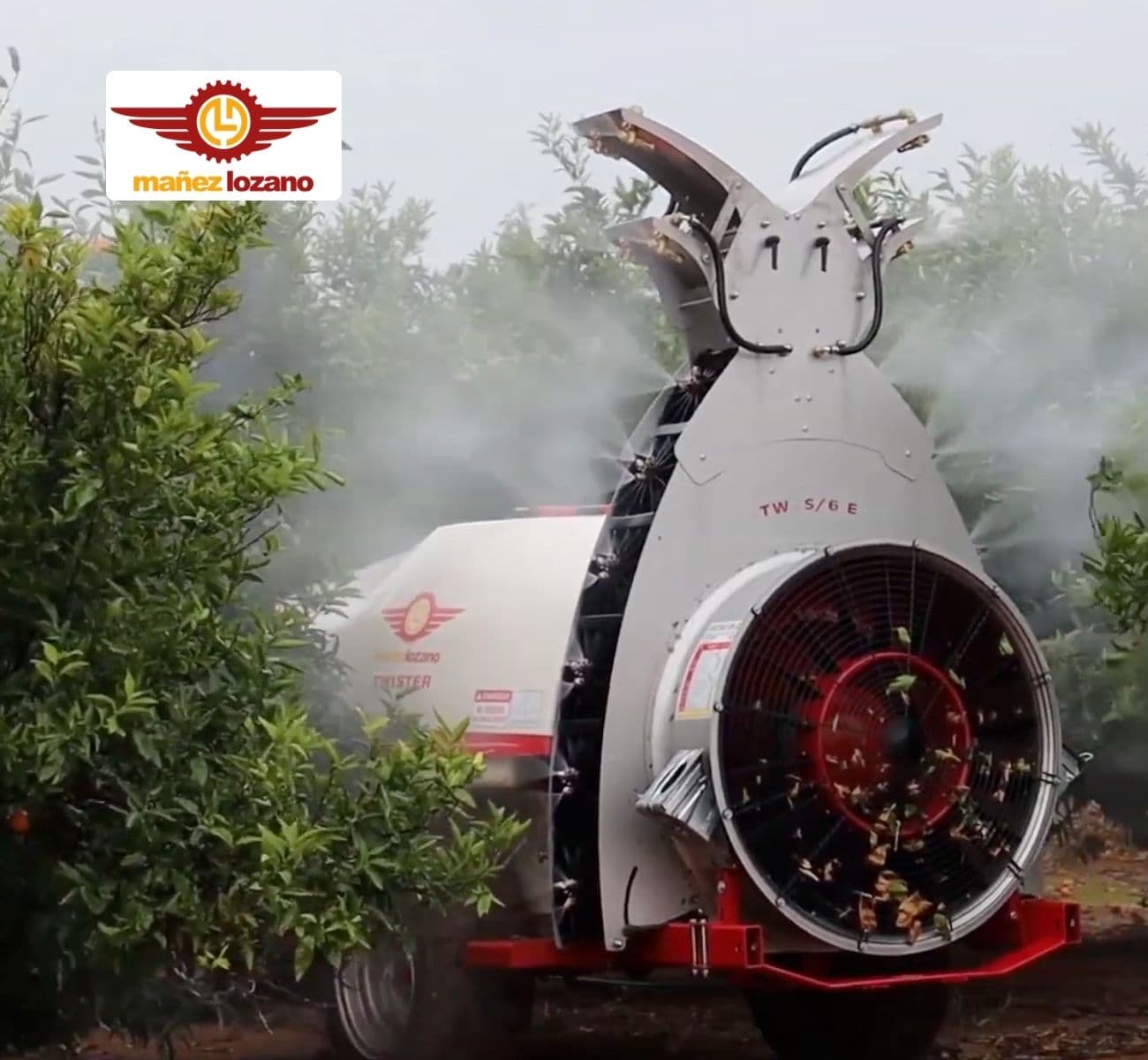
Traditional trees get few inputs: Kashmir press reports describe them as grown without chemical fertilizers or sprays, and a researcher quoted in 2022 calls pest management a big constraint because of the trees' giant size. For orchards, the IPM package advises keeping the orchard floor under sod, applying nitrogen in two splits, half 2 to 3 weeks before flowering and half a month later, and pruning out pest-infested wood.
Anthracnose, or leaf blotch (Marssonina juglandis), is the best-documented disease: first reported from the Kashmir valley in 1962, it was found in every walnut area surveyed in Anantnag, Budgam and Kupwara in 2013, on 96 to 98% of leaves (SKUAST-K thesis, 2014). EPPO records walnut blight (Xanthomonas arboricola pv. juglandis) in Himachal Pradesh and Uttar Pradesh, and the IPM package also lists powdery mildew.
Among pests, aphids were the dominant sap-sucking insects in a 2024 Kashmir study, and a capsid bug (Megacoelum stramineum) was reported on walnut for the first time from Srinagar and Budgam in 2018. Codling moth is present in India with a restricted distribution; reports from Ladakh describe it on apple and apricot, and the IPM package lists it as a walnut pest of regional significance. EPPO lists no record of walnut husk fly (Rhagoletis completa) for India as of October 2026, which does not prove its absence.
Recommended Orchard Care & Maintenance Stages

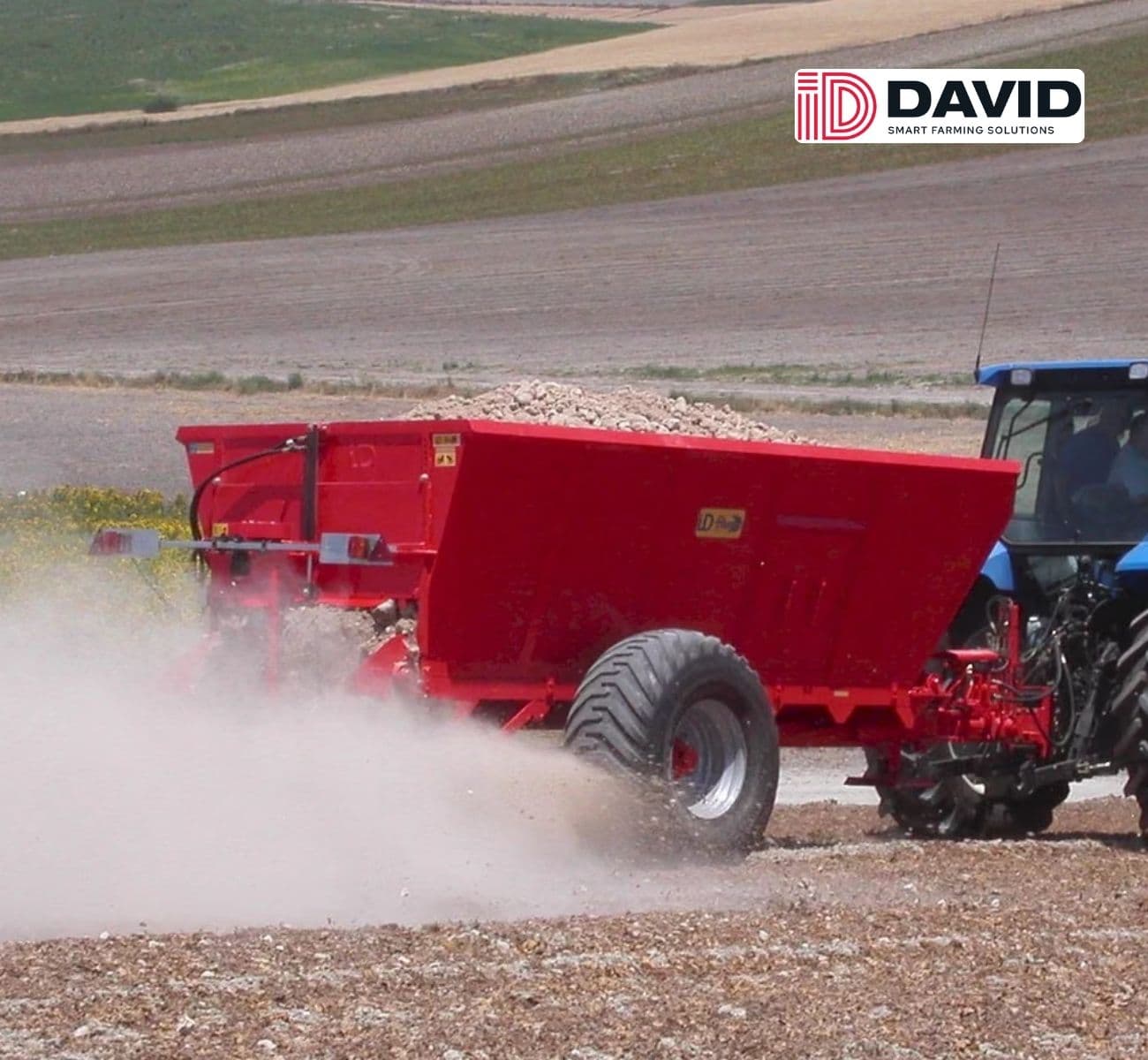

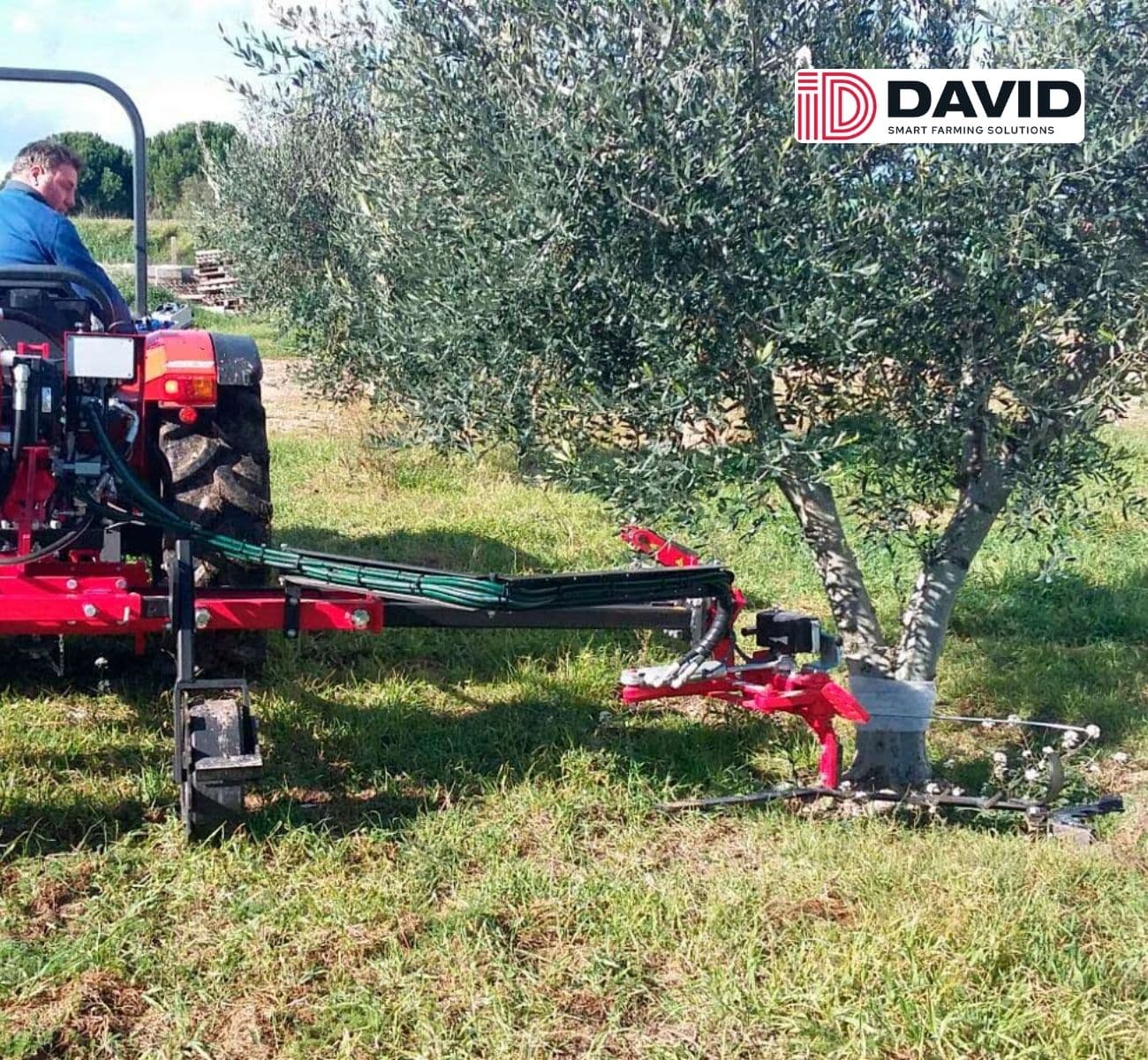

Practical Tips for Walnut Orchard Care & Maintenance
Scout leaves for anthracnose spots from spring on: a 2013 survey found the disease in every walnut area surveyed in Kashmir.
Keep the orchard floor under sod, as the IPM package advises, and mow it before harvest for clean pickup.
Split nitrogen into two doses, half 2 to 3 weeks before flowering and half a month later, as the IPM package advises.
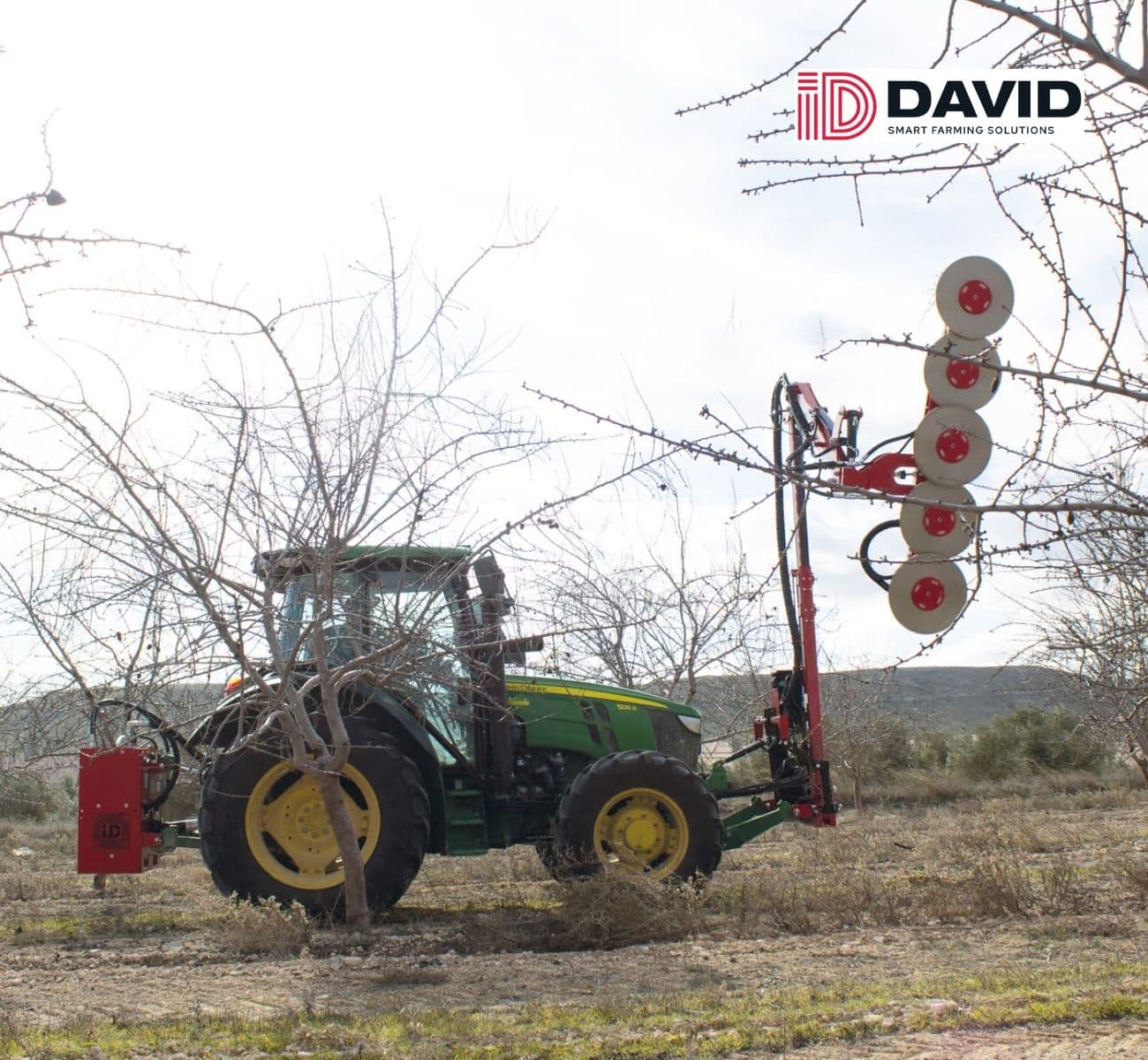
Before topping or heavy pruning of a walnut tree in Jammu and Kashmir, check whether the Specified Trees Act requires a permit.
Check young shoots for aphids, the dominant sap-sucking pests of walnut in a 2024 Kashmir study.
Train grafted trees to a size you can spray and harvest: a researcher quoted in the Kashmir press calls pest control in giant trees a big constraint.

Walnut Harvesting in India
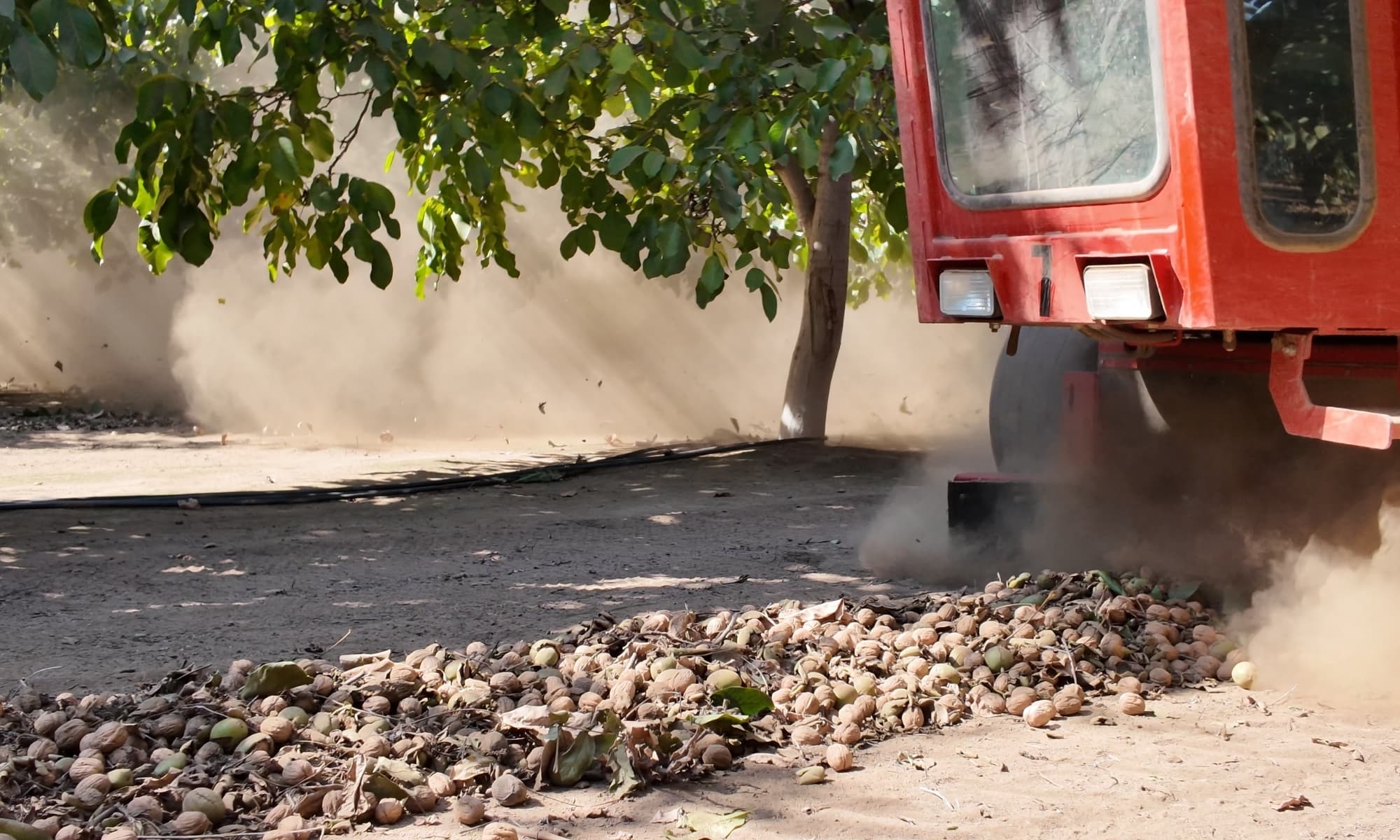
Walnut harvesting in India is manual. Workers climb the trees, often barefoot, and beat the fruit-bearing branches with a long stick, the laanz, and the nuts are gathered by hand (Kashmir press, 2018 to 2025); these reports describe no mechanical shakers or sweepers, and nets are rarely used. Falls are frequent: at SKIMS, the Sher-i-Kashmir Institute of Medical Sciences in Srinagar, walnut-tree falls caused 337 of 667 non-penetrating spinal injuries treated in 2003 to 2012.
Harvest runs from August to October in Kashmir, and the IPM package advises picking only when hulls turn from green to yellowish and crack. A study of 106 harvest injuries at Government Medical College, Srinagar, in 2006 recommends grafted trees, harvest at hull split, protective gear and tethering. In orchards planned for machines, mechanized shaking and pickup take workers out of the canopy and bring the crop in on time.
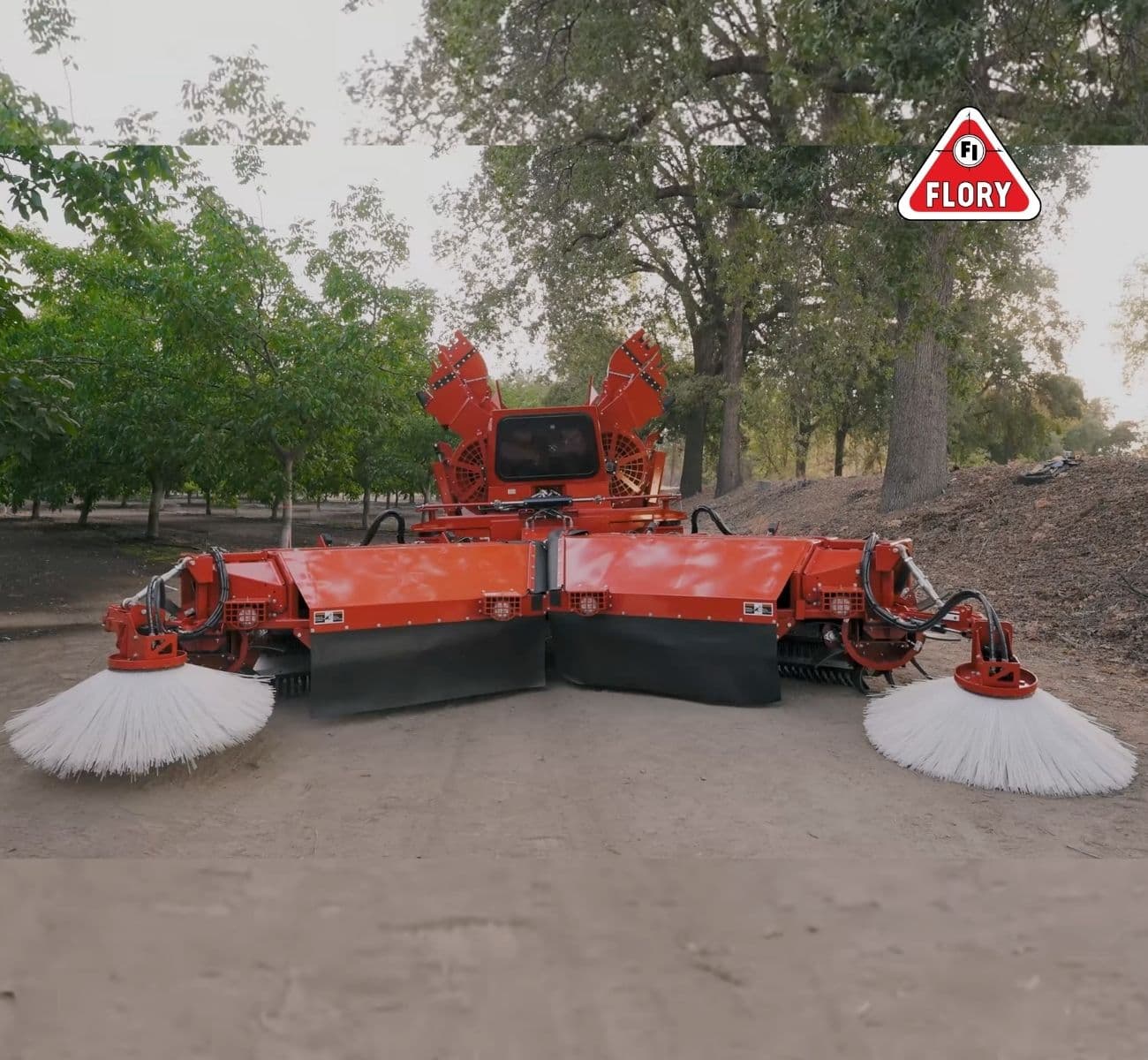
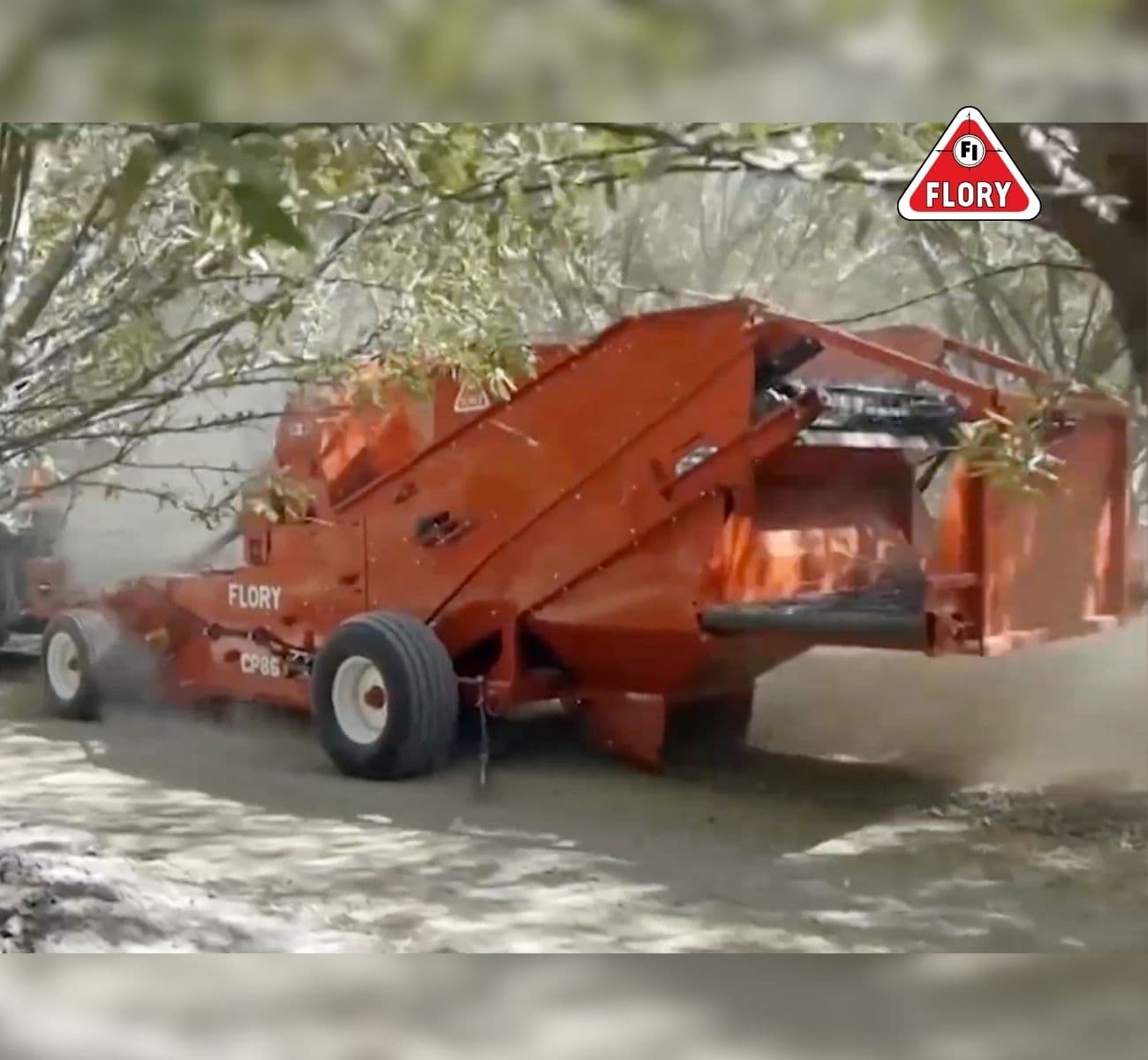
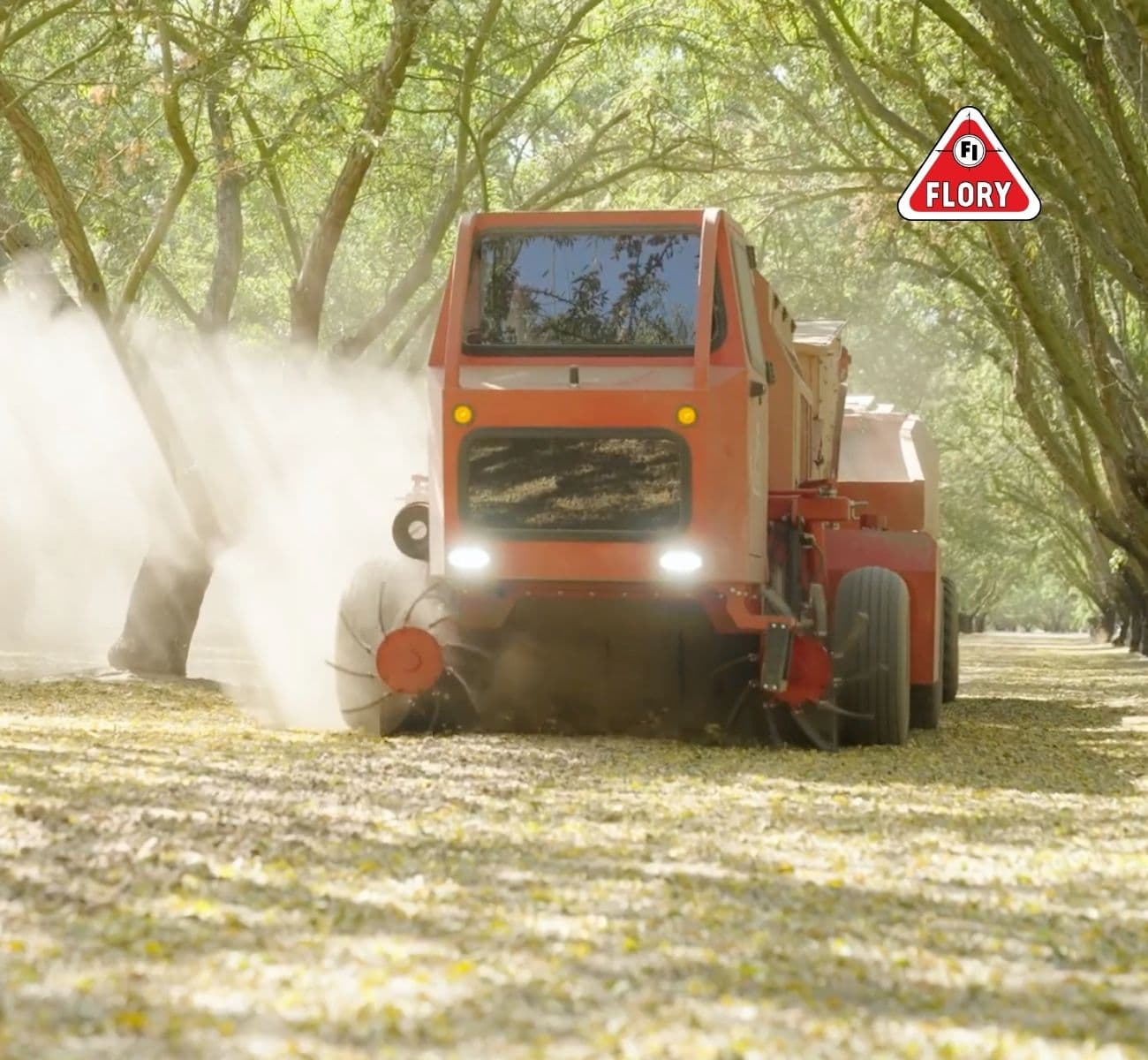
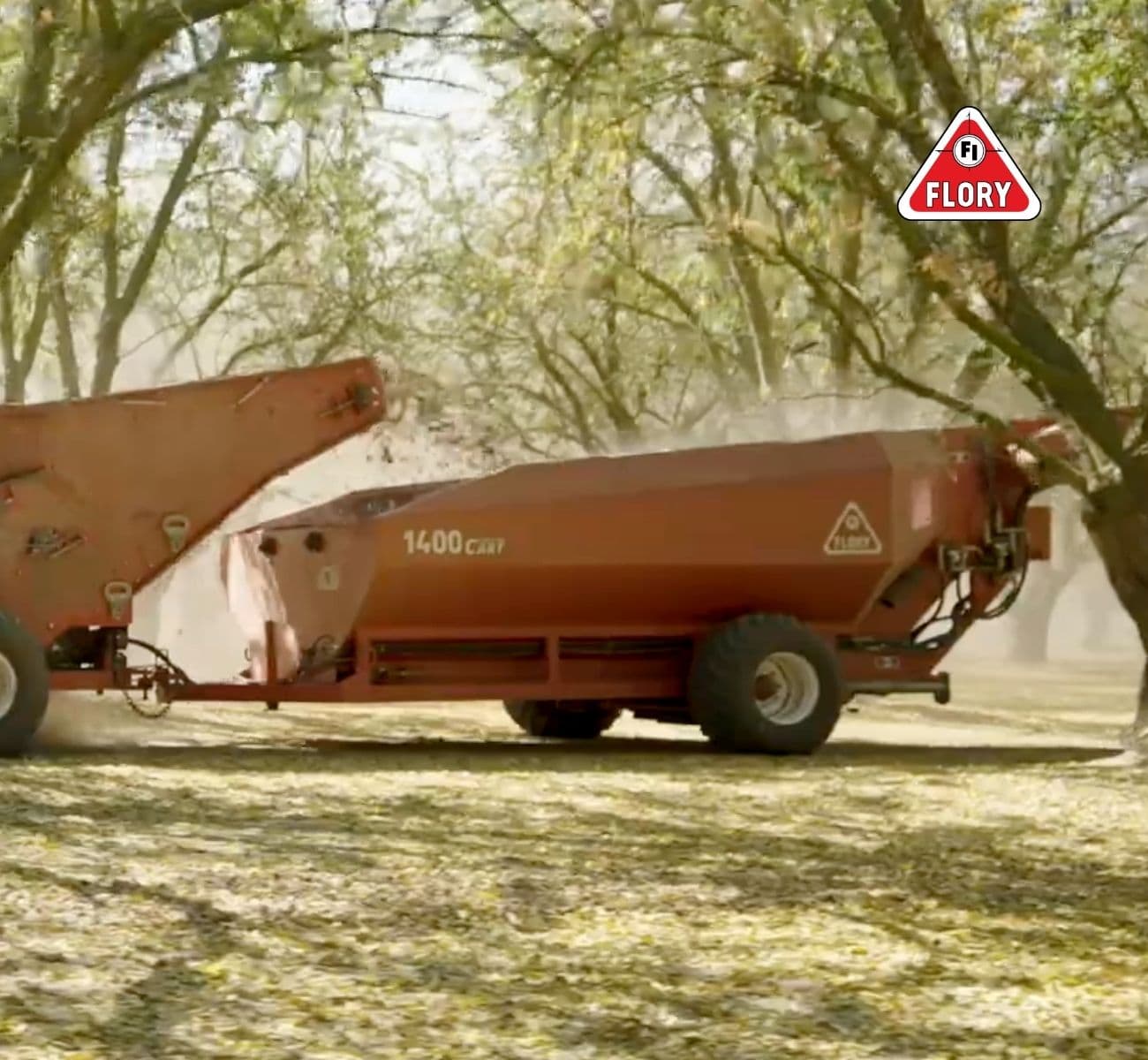
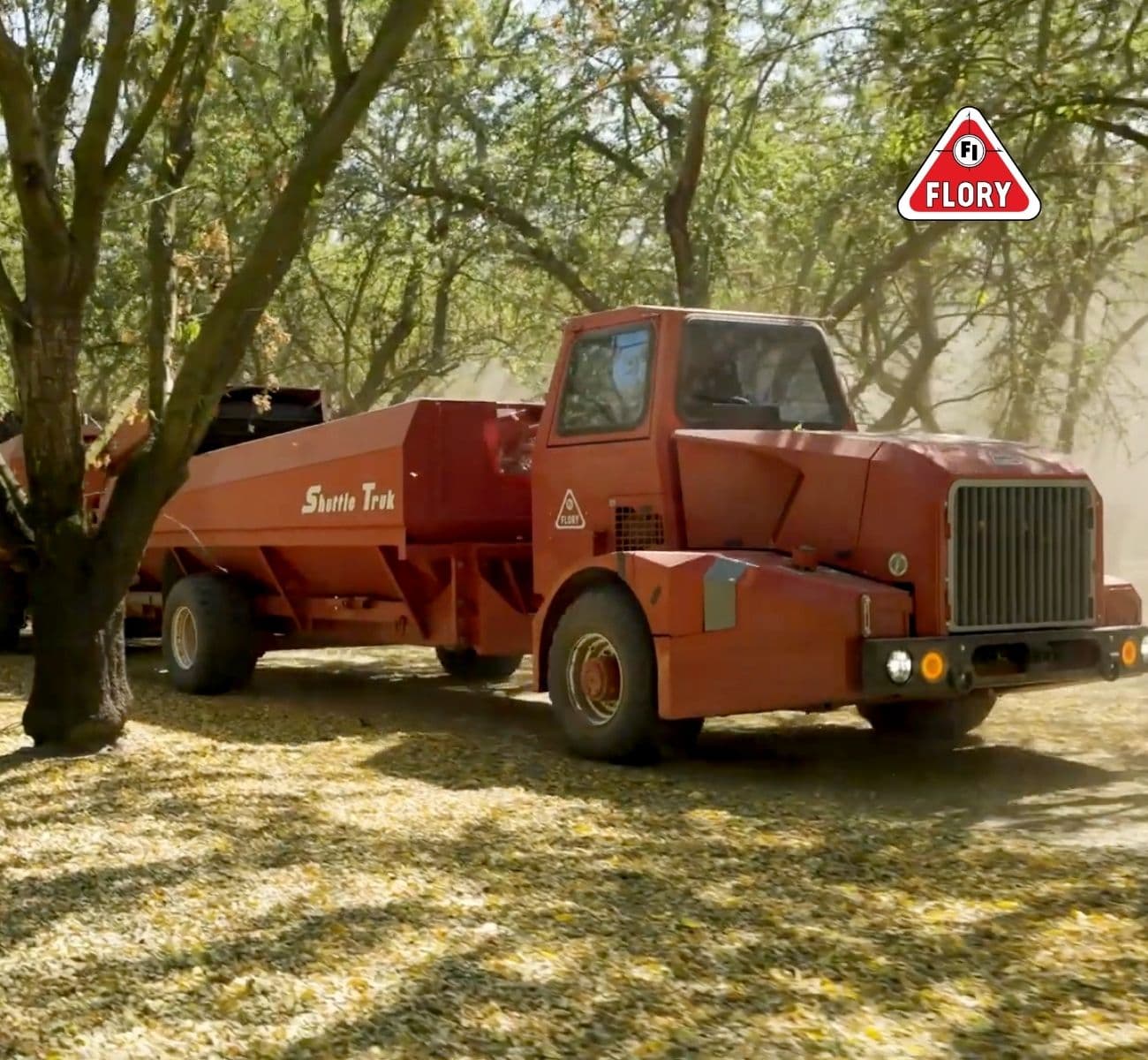
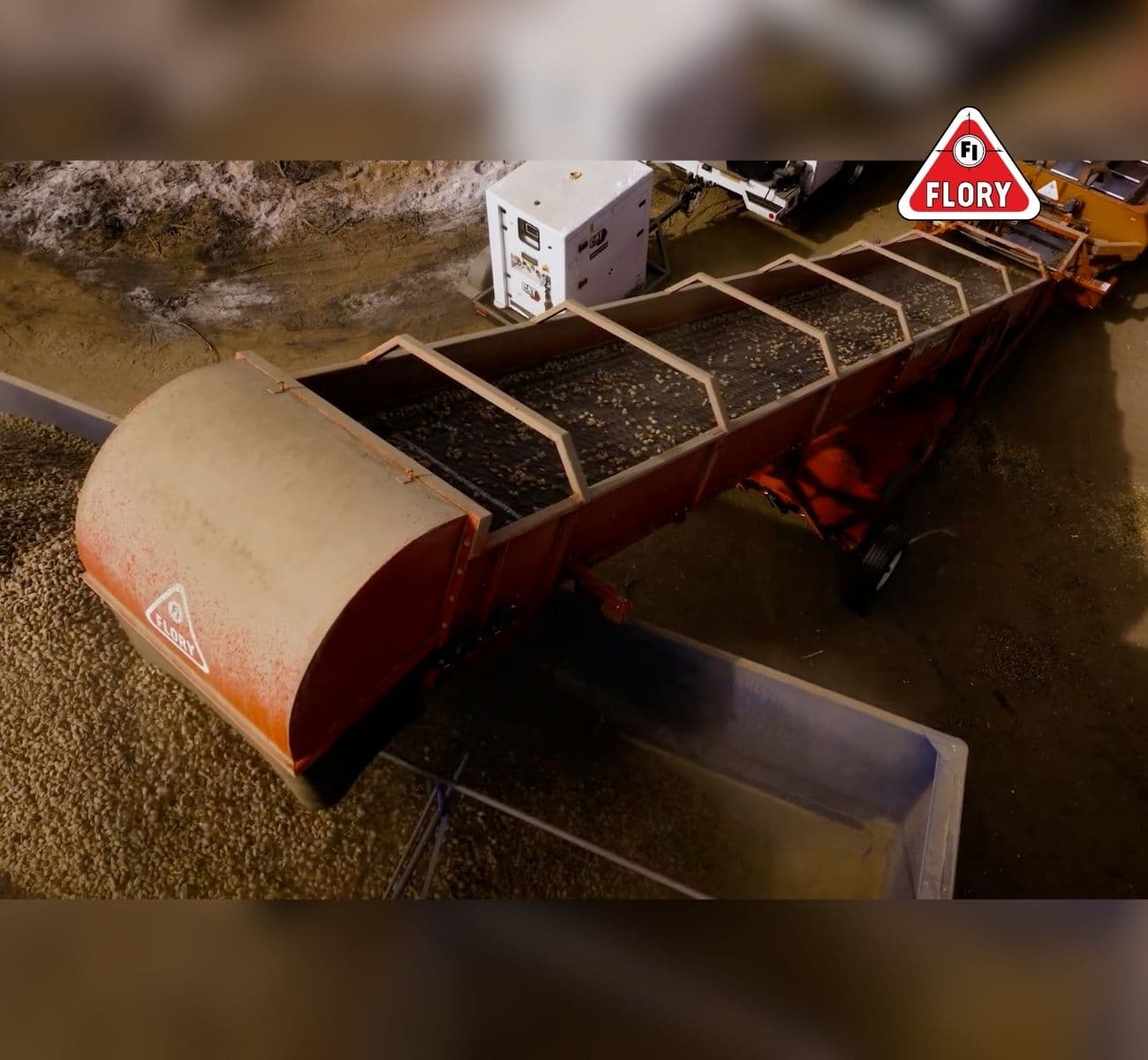
The SKIMS authors note that Western growers use smaller trees with shakers, sweepers and harvesters (2016). Flory harvesting machinery is available in India through OVE Europe. A Flory walnut line runs from the VR700 Shaker, V62 Sweeper and 8772 Harvester to the 1500 Conveyor Cart, ST14 Shuttle and 4840 Field Elevator, which move the nuts on to the trucks.
Walnut Harvest Workflow (Recommended Equipment)

Practical Tips for Walnut Harvesting
Harvest only when hulls turn yellowish and crack; the IPM package advises against harvesting immature nuts.
Never send workers up tall trees without protection: a Srinagar trauma study calls for protective gear and tethering.
Plan new orchards with grafted trees and clear trunks, so a trunk shaker can replace climbing.
Level and firm the orchard floor and clear branches and stones before harvest so the sweeper and harvester can pick up cleanly.
Size pickup capacity to keep pace with the shaker, so shaken nuts do not wait on the ground.
Train harvest crews before the season: Srinagar doctors list training among the measures to prevent falls.
Get your recommended harvest setup
Enter orchard size, spacing, terrain, and target throughput—we’ll suggest a practical harvest workflow and equipment lineup.

Walnut Post-Harvest Handling & Processing in India
In Kashmir, growers heap harvested nuts for 10 to 12 days until the hulls loosen, hull them by hand, wash them in running water, often in streams, and spread them in the sun for about a week (Kashmir press, 2018 to 2022). Experts quoted in the press advise solar dryers at 40 to 45 °C because the kernel is sensitive to heat (2021), and the IPM package warns that storage above 30 °C and 70% relative humidity causes rapid spoilage.
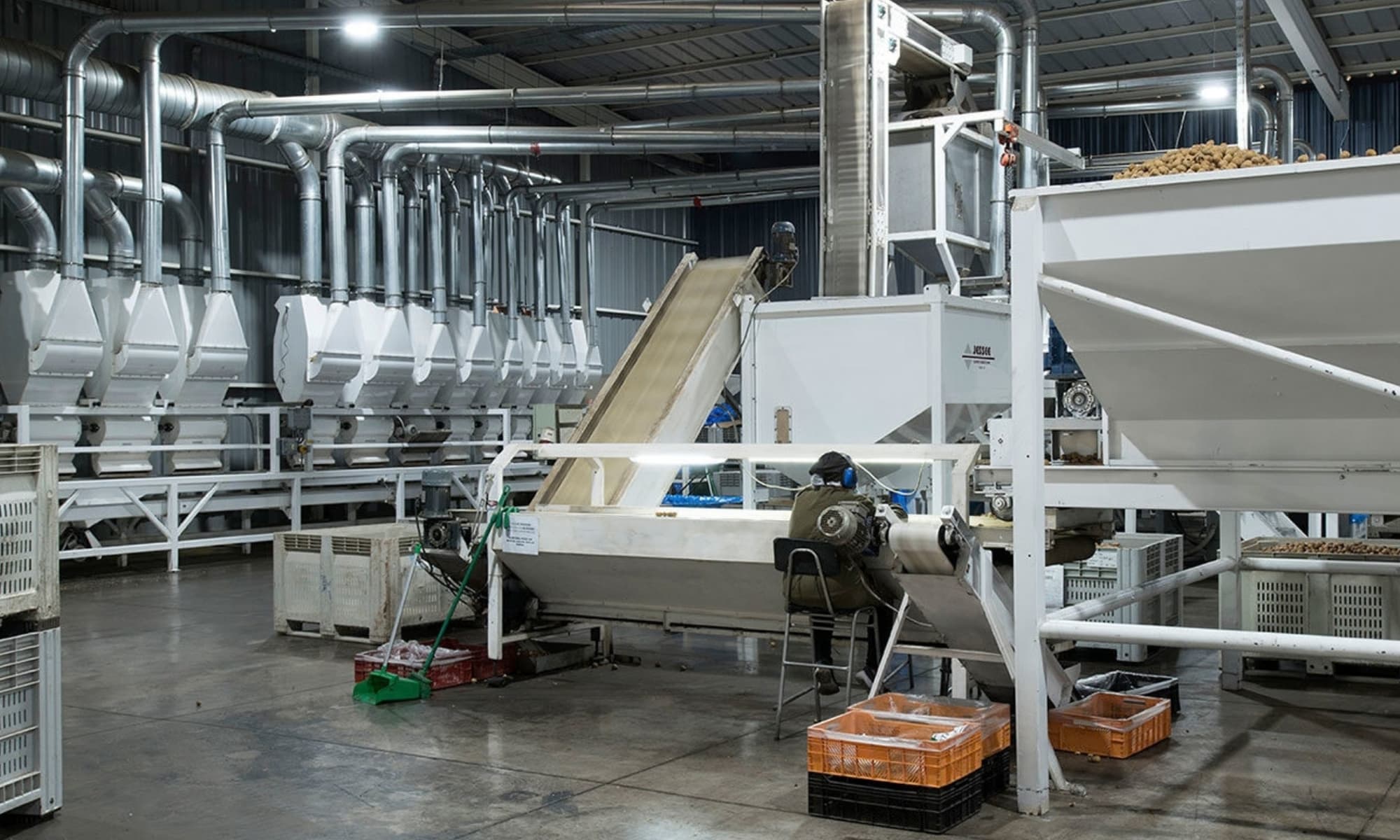
Kernels are still separated from the shell by hand, and Kashmir walnuts are usually not graded by size, a 2025 report says. In Kupwara, a local dealer put average prices at Rs 374 per kg in shell and Rs 1,058 per kg for kernels in early 2024 (KNO). A dehuller prototype from SKUAST-K and Punjab Agricultural University hulled 0.26 t an hour against 0.025 to 0.030 t by hand (2018). Jessee, whose processing lines OVE Europe supplies, builds hulling, drying, sizing and cracking equipment for walnuts.
For general information only. Information may become outdated and does not replace site-specific professional advice. Consult a qualified agronomist and confirm equipment suitability with OVE before acting.
Practical Tips for Walnut Post-Harvest Handling & Processing
Hull nuts as soon as the hulls loosen and wash them in clean water, so shells stay clean before drying.
Dry in solar dryers at 40 to 45 °C rather than on the ground, as experts quoted in the Kashmir press advise for the heat-sensitive kernel.
Store dried walnuts below 30 °C and 70% relative humidity: the IPM package warns of rapid spoilage above these levels.
Discard mold-infested batches, as the IPM package advises, and keep sound lots separate.
Grade nuts by size and shell type before sale: Kashmir press reports say the lack of grading leaves local walnuts at a disadvantage in the market.
Check kernels against FSSAI's aflatoxin limits for nuts, 15 µg/kg total and 10 µg/kg B1 in the 2020 compendium, and confirm the current text.
Recommended Post-Harvest Handling & Processing Stages









Plan your post-harvest line
Estimate tons/day, cleaning & drying capacity, storage needs, and cost/kg—then build your equipment plan in phases.