






Hazelnut Orchard Establishment in Iran
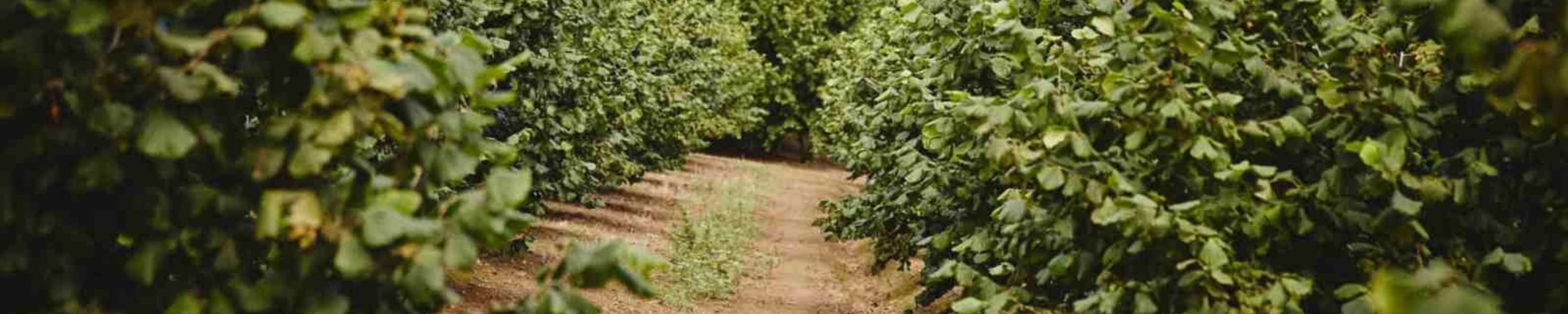
Iranian research describes most hazelnut orchards as established from native genotypes, and a 2021 study of 32 Guilan orchards over 10 years old names 'Gerd' as the region's dominant cultivar. AREEO's 'Pashmineh 89', described in a 2012 release paper, was introduced as a pollinizer: its pollen shed coincides with the opening of female flowers in most hazelnut varieties grown in Iran.
Oregon State University (OSU) calls hazelnut self-incompatible and advises three pollinizer cultivars, early, mid and late; its standard layout, every third tree in every third row, makes about 11% of the trees pollinizers. Iranian station trials also point to pollinizers: at Kamal Shahr (Karaj) most varieties needed cross-pollination in 2002 to 2003, at Alamut in Qazvin 'Rasmi' was the best pollinizer for the area in 2011 to 2012, and at Astara most cultivars shed pollen before their female flowers opened (2022 paper).
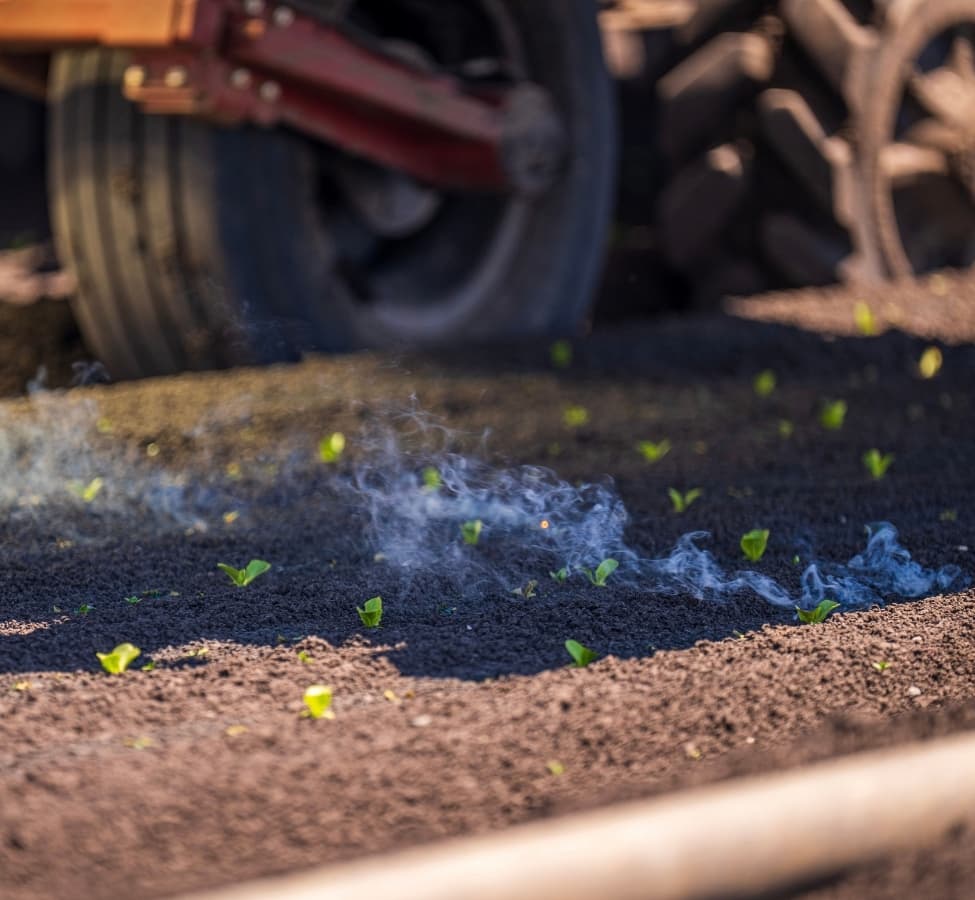
AREEO's Alamut trial was planted at 4 × 4 m, and a 2024 AREEO paper on Eshkevarat mentions planting on contour lines. In a 2017 study, a panel of Guilan experts ranked building new orchards to engineering principles, with row planting at an appropriate density, as the main driver of harvest mechanization. In the mechanized system this guide follows, nuts are swept and picked up from the ground, so OSU advises making the floor as smooth as possible at least a year before the first commercial harvest.

Practical Tips for Hazelnut Orchard Establishment
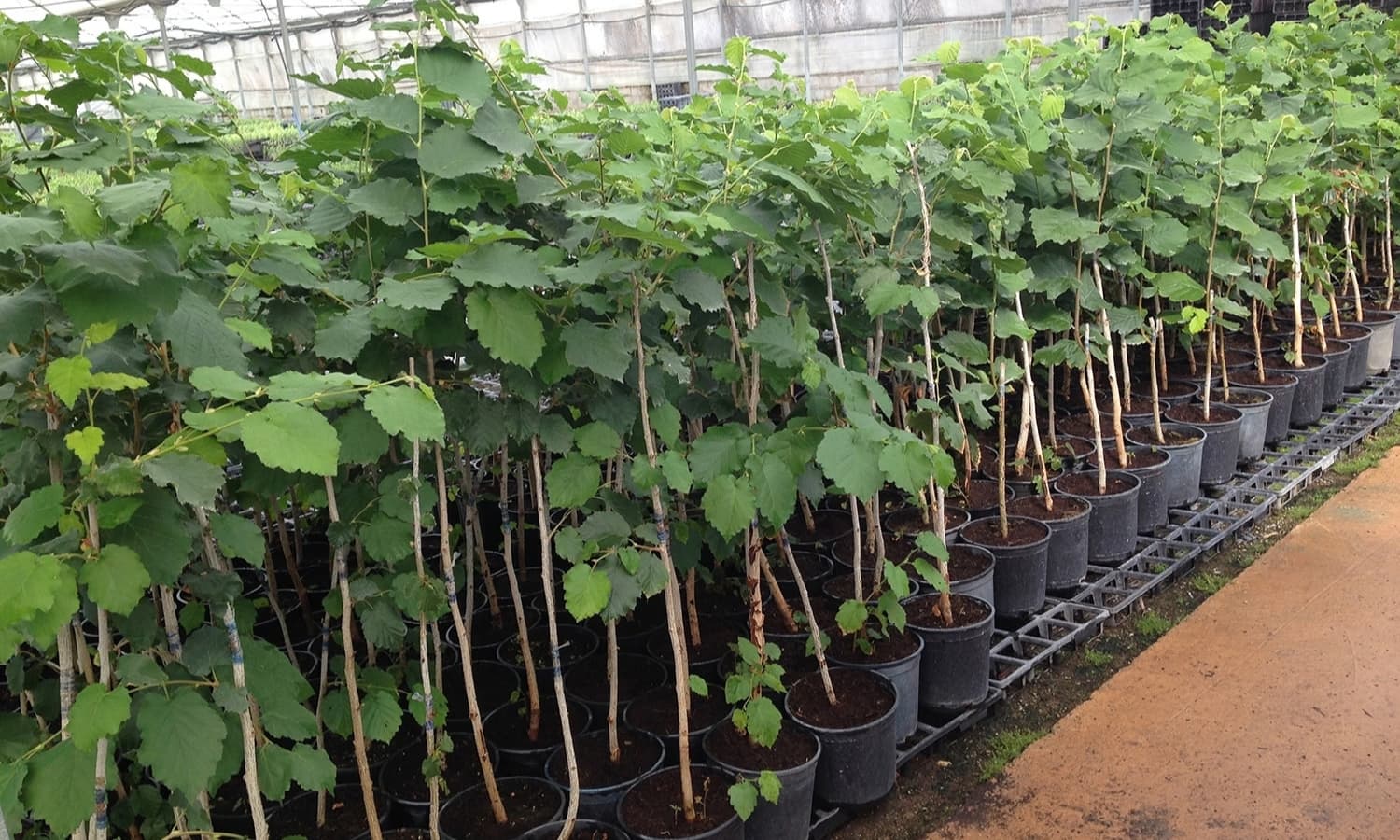
Plant pollinizers: Oregon State University advises three, early, mid and late, and AREEO introduced 'Pashmineh 89' as suited to pollinate most varieties grown in Iran.
Test pollinizers locally: at the Alamut station in Qazvin, 'Rasmi' was the best pollinizer for the area in a 2011 to 2012 trial on young trees.
Check introduced cultivars locally before planting widely: a 2011 to 2012 trial on young trees at Alamut found 'Fertile de Coutard' unsuited to the area.
Keep orchards meant for machines on level ground: Guilan experts named slopes the main barrier to mechanized harvest in a 2017 study.
Plant new orchards in rows at an appropriate density: a 2017 panel of Guilan experts ranked this first among the drivers of harvest mechanization.
Smooth and firm the orchard floor at least a year before the first commercial harvest, as Oregon State University advises, so sweepers can work up to the trunks.
Recommended Establishment Stages




Hazelnut Orchard Care & Maintenance in Iran
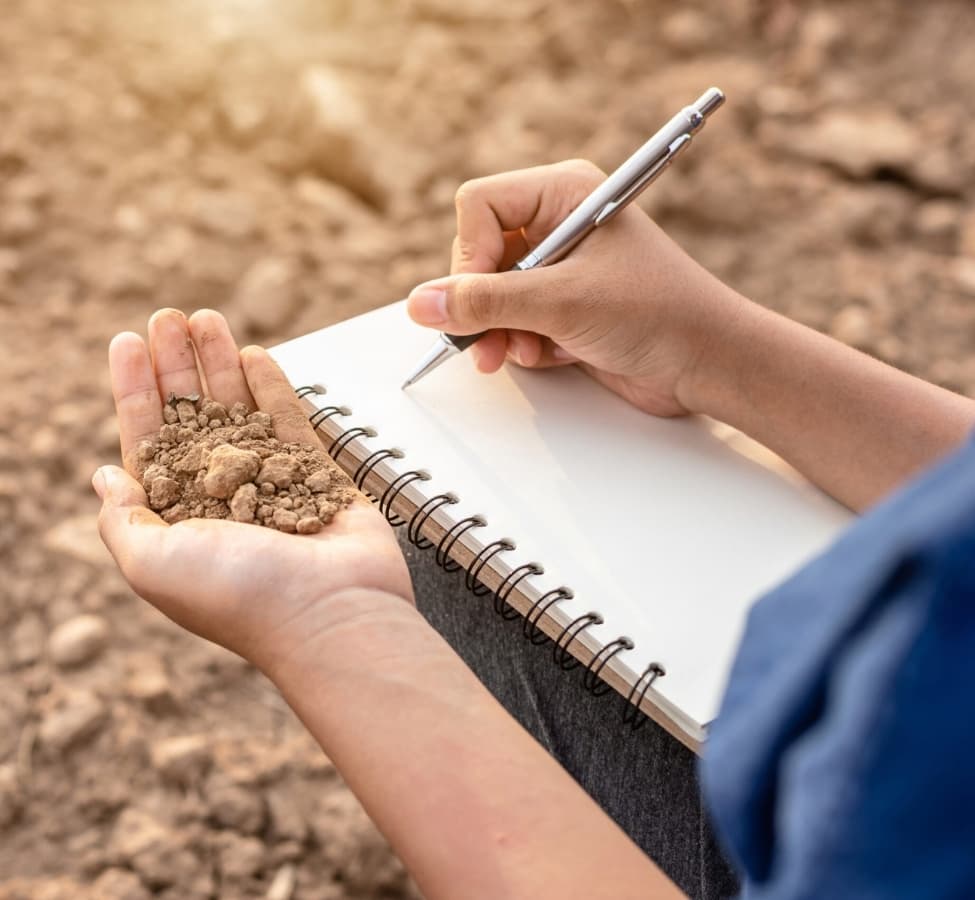
Guilan has a humid subtropical climate with 1,000 to 1,200 mm of rain a year, a 2025 study notes, yet a geography study names water shortage among the problems of Eshkevarat's hazelnut growing. A 2024 AREEO paper on that area says supplementary irrigation is needed in Khordad, Tir and Mordad (late May to late August), every 7 to 10 days within the canopy area, and puts the trees' water need at 6,000 to 8,000 m³ per hectare.
At the Astara station (2019 to 2020), none of the cultivars tested resisted powdery mildew (Phyllactinia guttata) or brown leaf spot (Mamianiella coryli); against leaf spot, the researcher advises clearing fallen leaves in autumn and pruning for air flow. A 2017 to 2018 survey in Rudsar and Amlash counties found dieback fungi that enter through wounds, and a 2024 paper reported root gall (Agrobacterium tumefaciens) on hazelnut for the first time in Iran, more common in old orchards on stony soils.
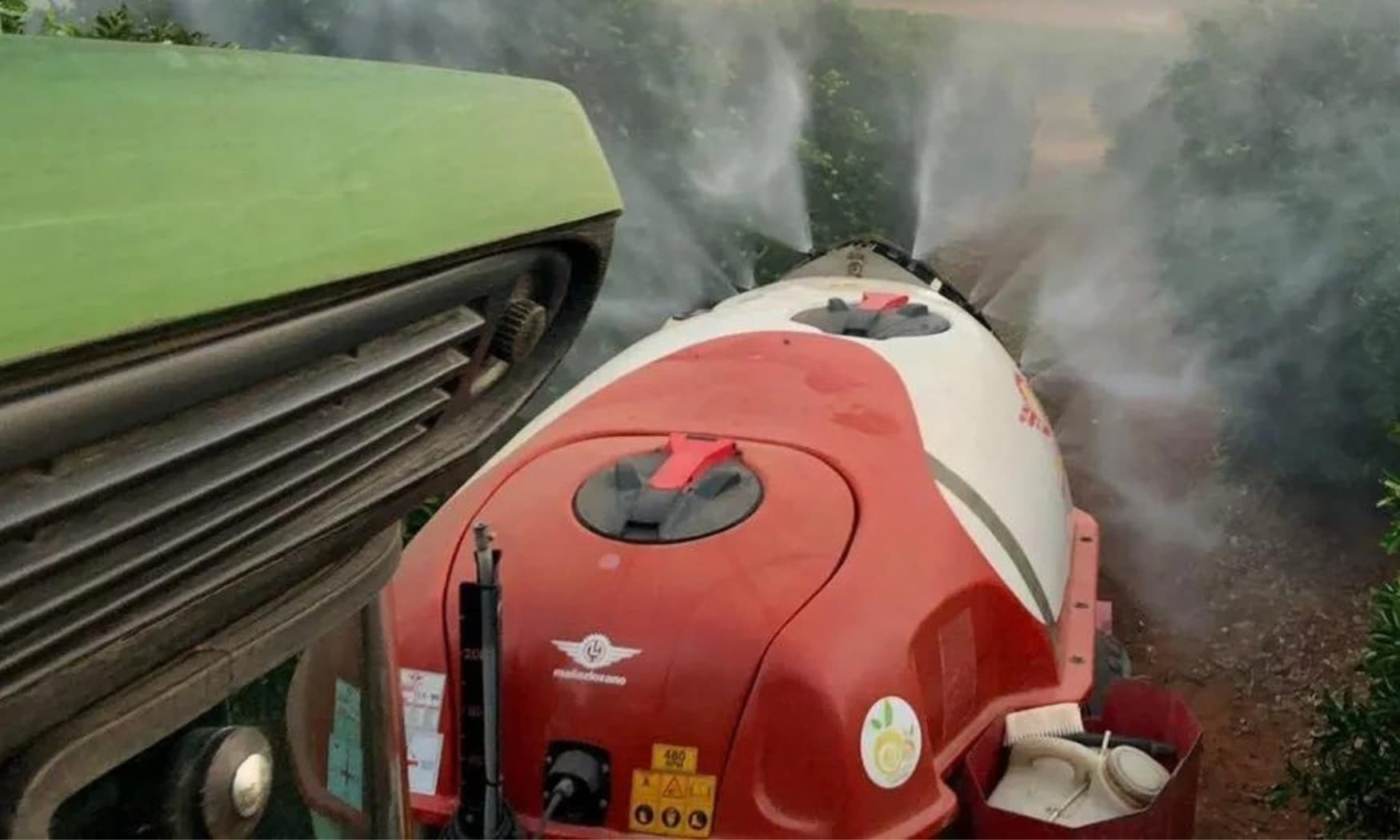
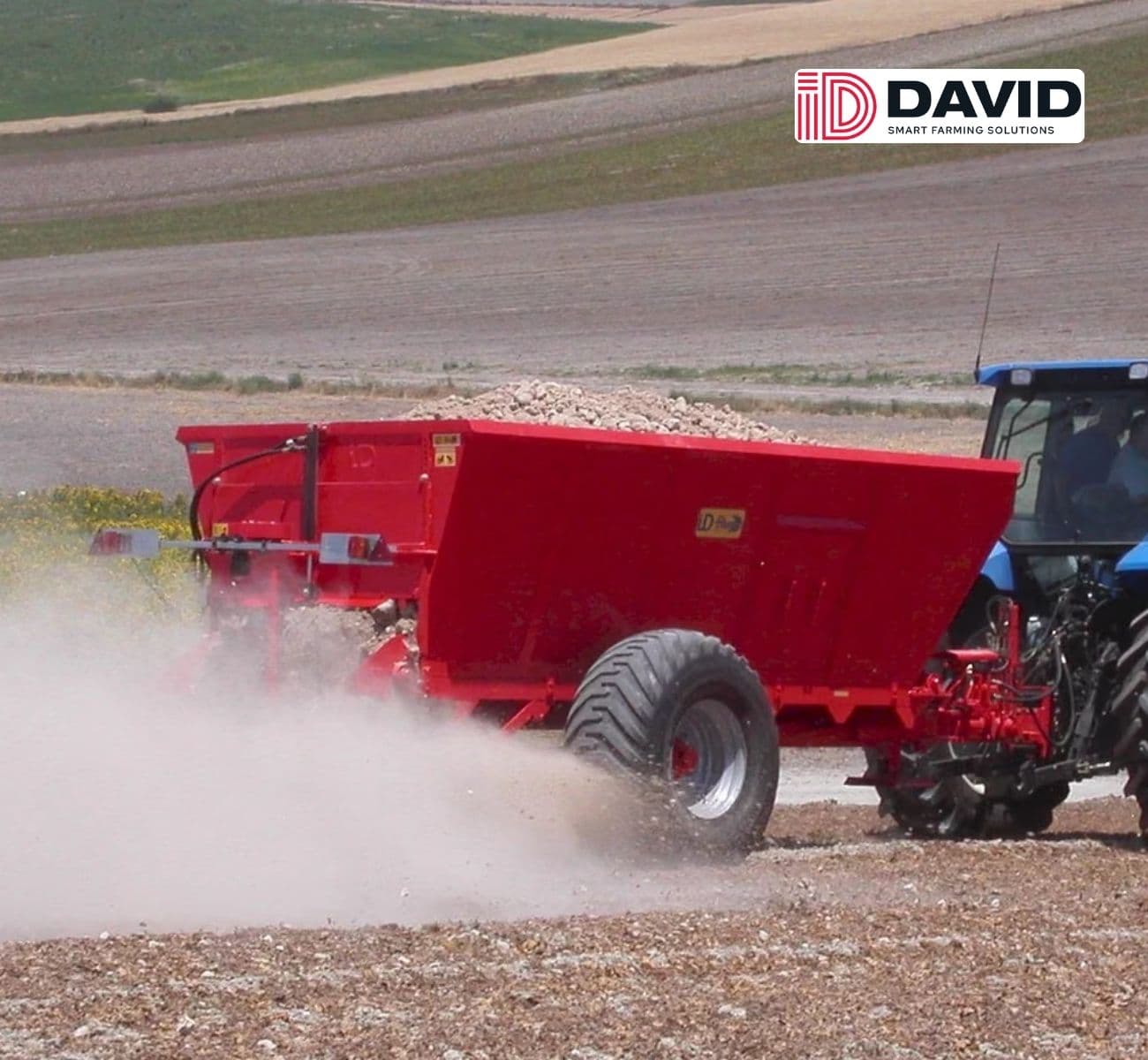
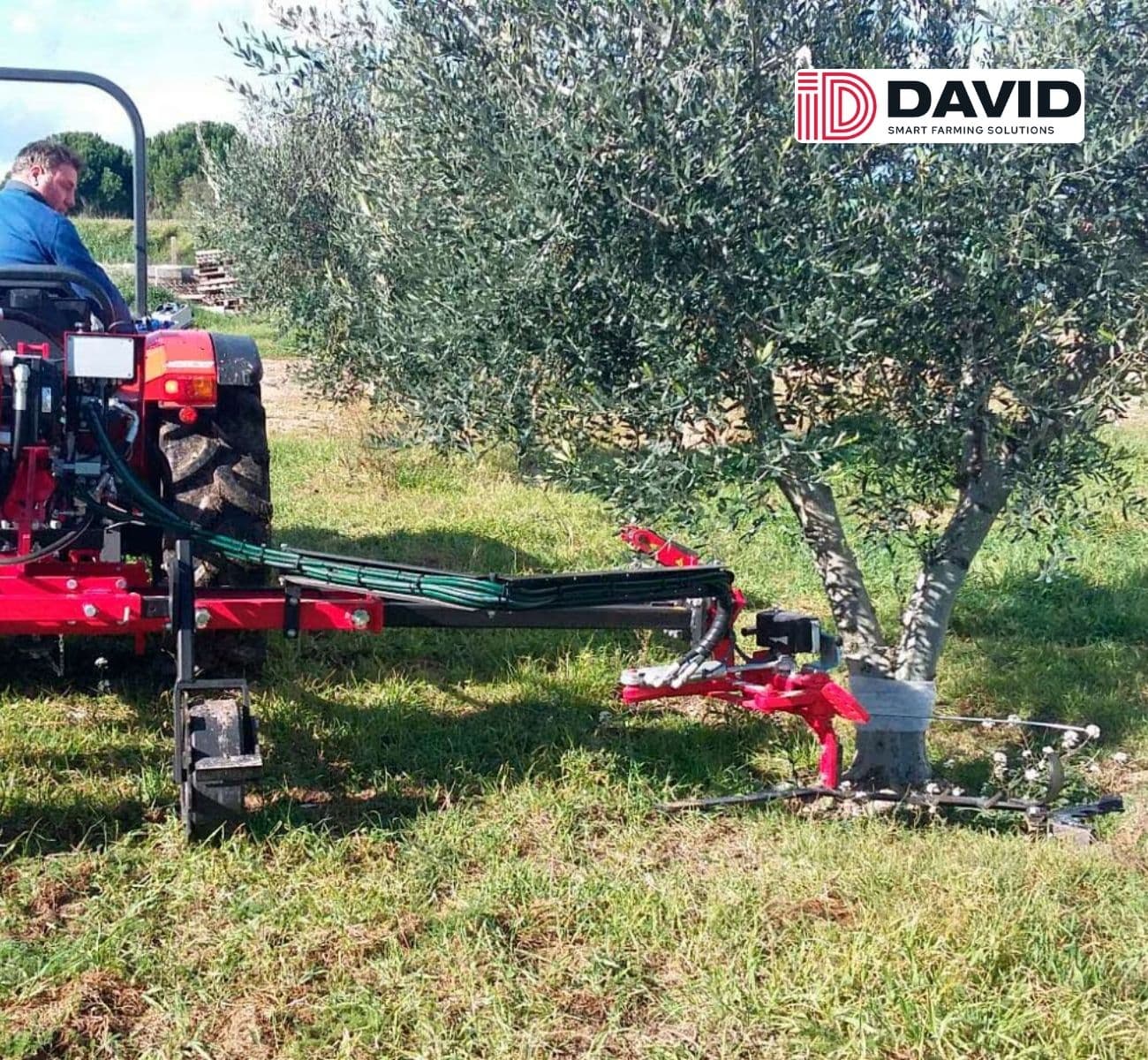
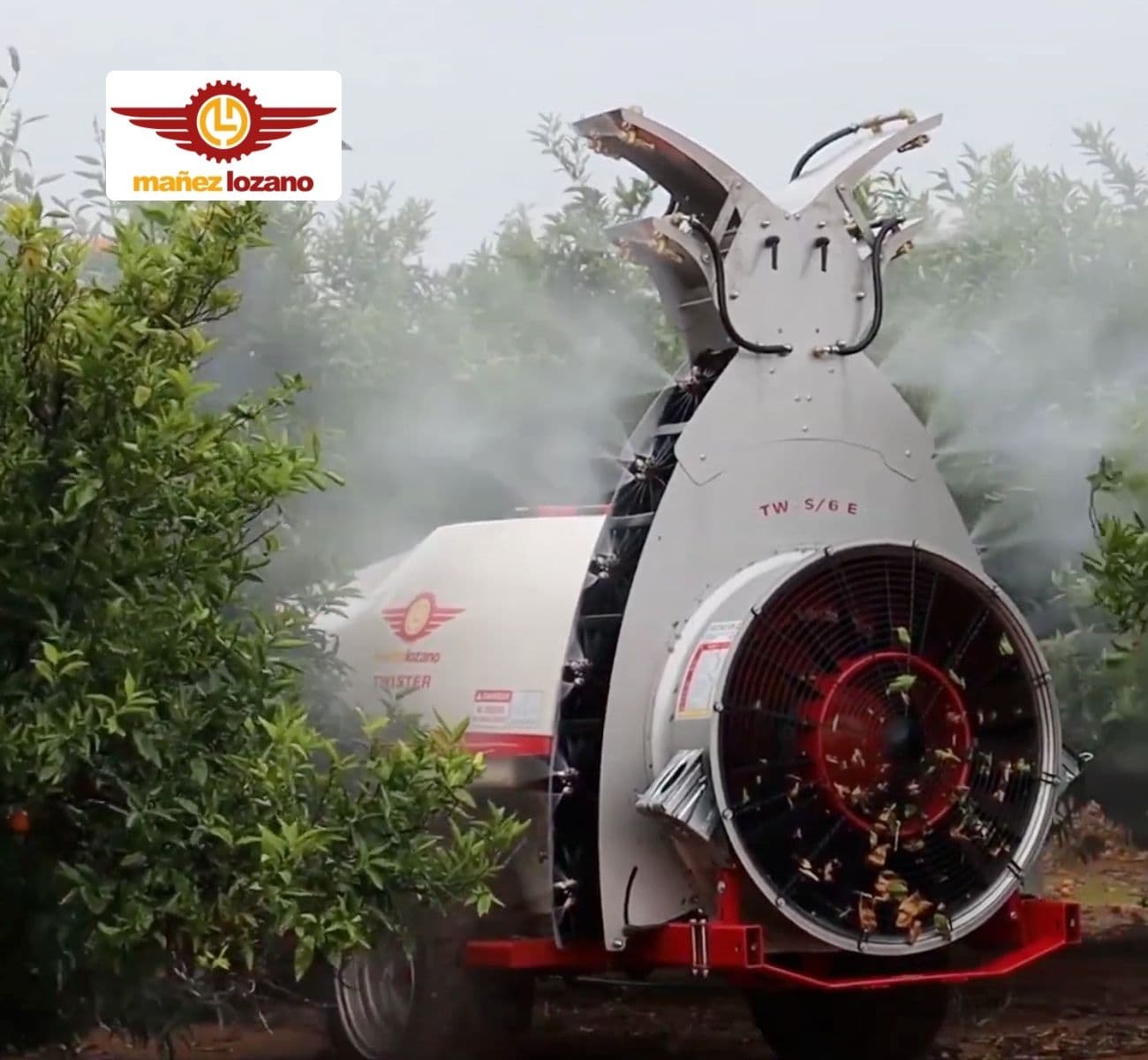
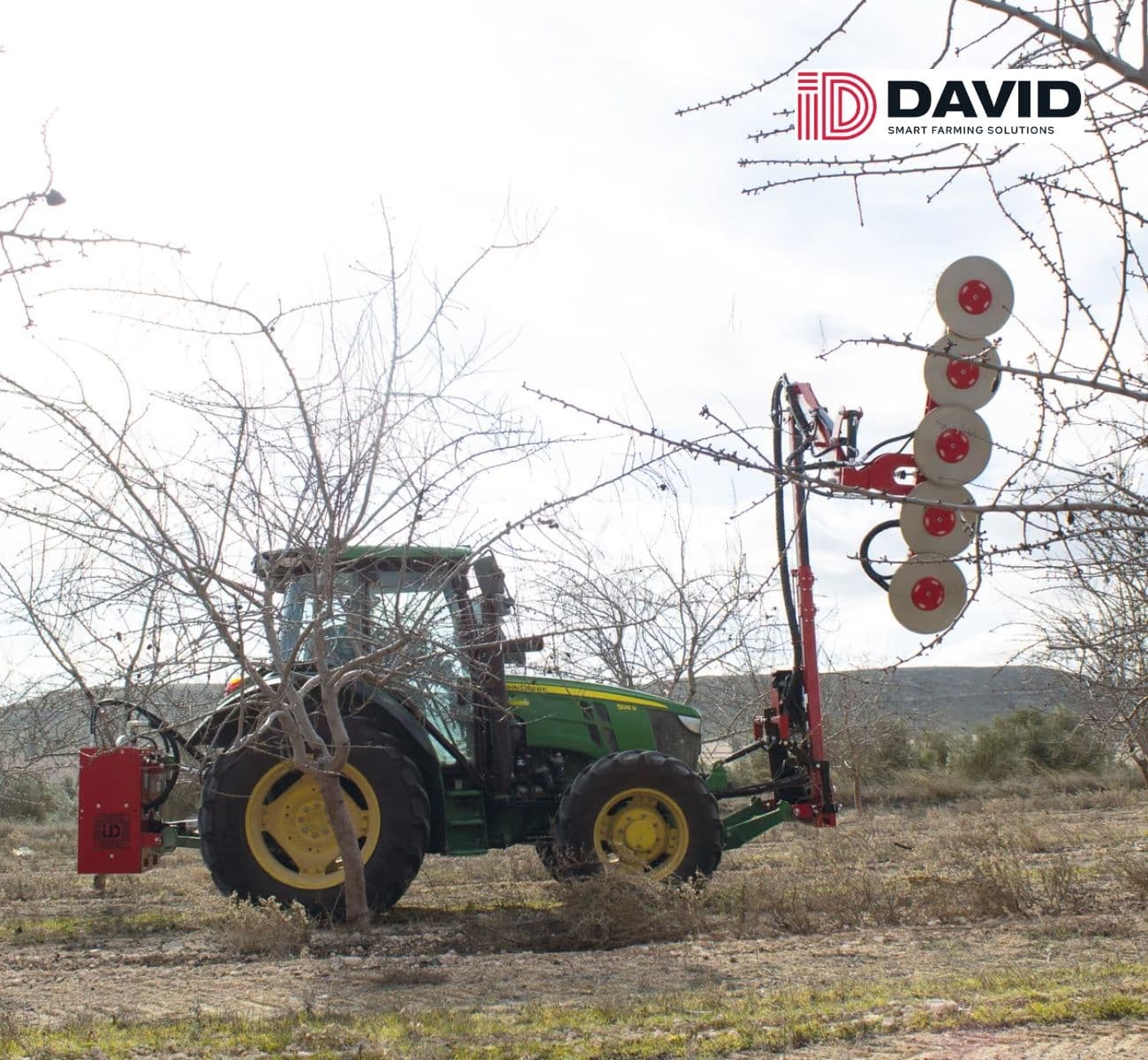
The European and Mediterranean Plant Protection Organization (EPPO) records hazelnut bacterial blight (Xanthomonas arboricola pv. corylina) as present in Iran from a 2006 report in Guilan, while Iran's 2018 quarantine list keeps it among A1 pests, those from outside the country. In single-stem orchards planted for machines, the ID DAVID SURFEED spreads solid manure, the ID-XL weeds the tree row, the Mañez Lozano Mega Twister S6 sprays tall, dense canopies and the ID-REX disc pruner makes lateral and topping cuts.
Recommended Orchard Care & Maintenance Stages



Practical Tips for Hazelnut Orchard Care & Maintenance
Plan supplementary water from late May to late August, every 7 to 10 days, as a 2024 AREEO paper describes for Eshkevarat.
Clear fallen leaves in autumn and prune for air flow against brown leaf spot, as the researcher behind the Astara trials advises.
Avoid wounding trees: an Iranian dieback survey found that the fungi enter through wounds from insects, people, machinery, wind and hail.
Remove suckers at least twice a year, as Türkiye's Hazelnut Research Institute advises: the Alamut paper notes that they are a problem in mechanized orchards.
Watch for the brown marmorated stink bug: EPPO does not list it for Iran but records it in Türkiye, Armenia, Georgia and Azerbaijan.
In orchards planted for machines, weed the tree row without herbicides using an in-row weeder such as the ID DAVID ID-XL, and keep the floor level for harvest.

Hazelnut Harvesting in Iran
Iranian sources describe a largely manual harvest: a 2016 paper says hazelnuts are gathered by hand or by raking up fallen nuts, manually or mechanically, and the abstract of the 2017 panel study states that manual harvesting accounts for over 70% of production cost. In Eshkevarat the harvest usually runs through Shahrivar (late August to late September), a 2024 news report says. The panel named slopes the main barrier to machine harvesting, with poor access roads also high on the list.
In the mechanized system this guide follows, as in Oregon, the trees are not shaken: OSU explains that the thin-barked, shallow-rooted trees would be damaged. The nuts drop onto a leveled, flail-mowed floor, then are swept and picked up in several passes. September rain differs by station: normals of Iran's meteorological organization (IRIMO), published by WMO (period not stated), give Rasht, on the Caspian plain, 157.4 mm, while Qazvin city gets 0.8 mm.
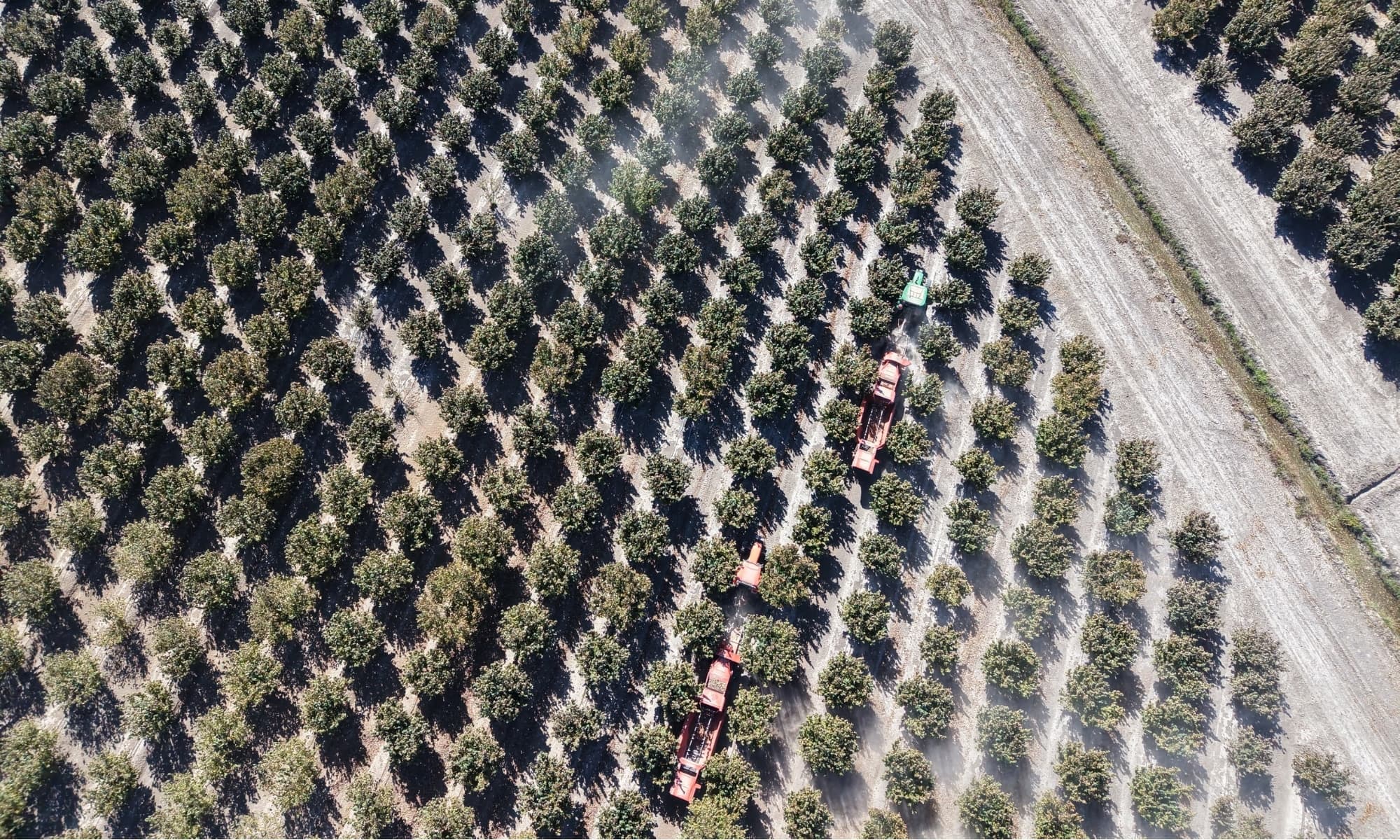
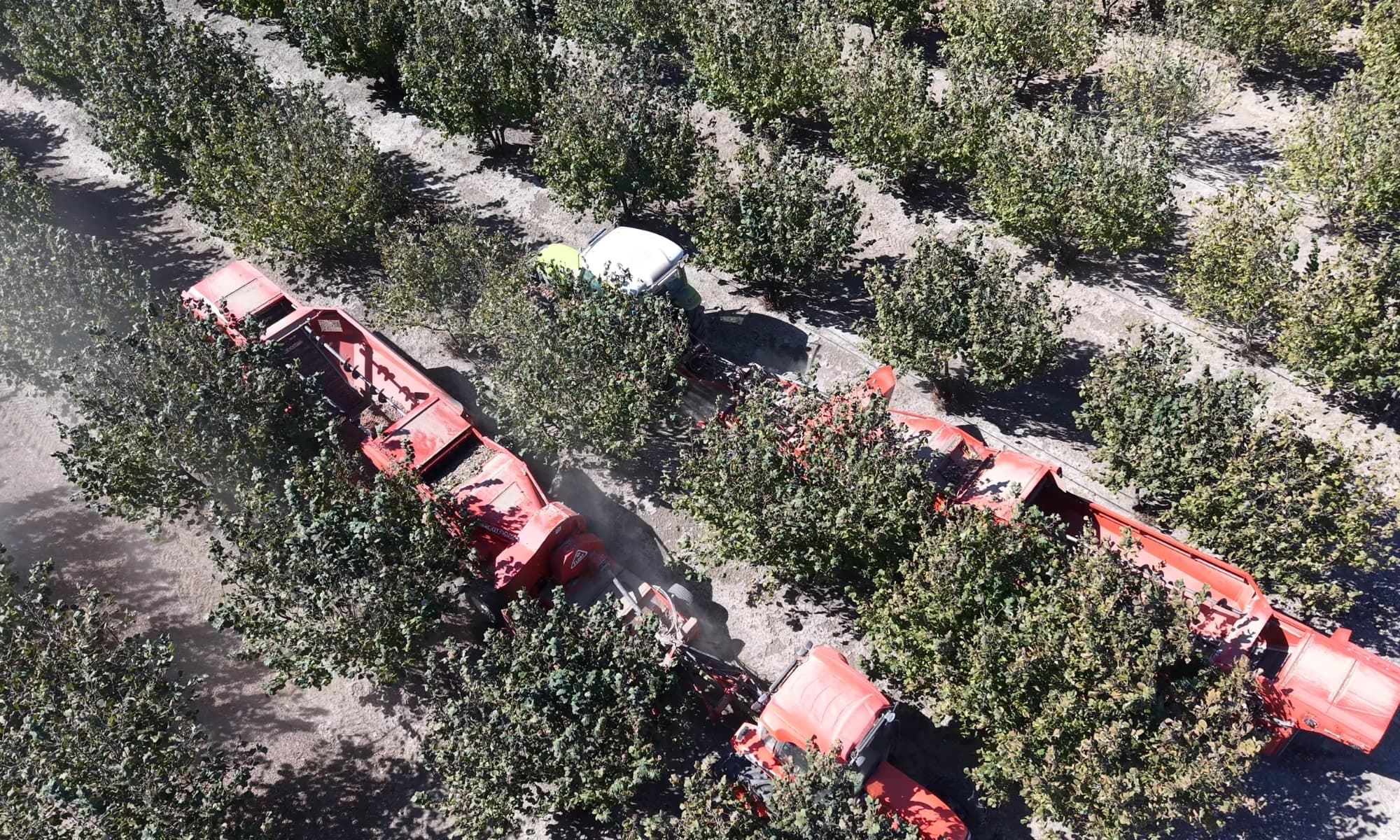
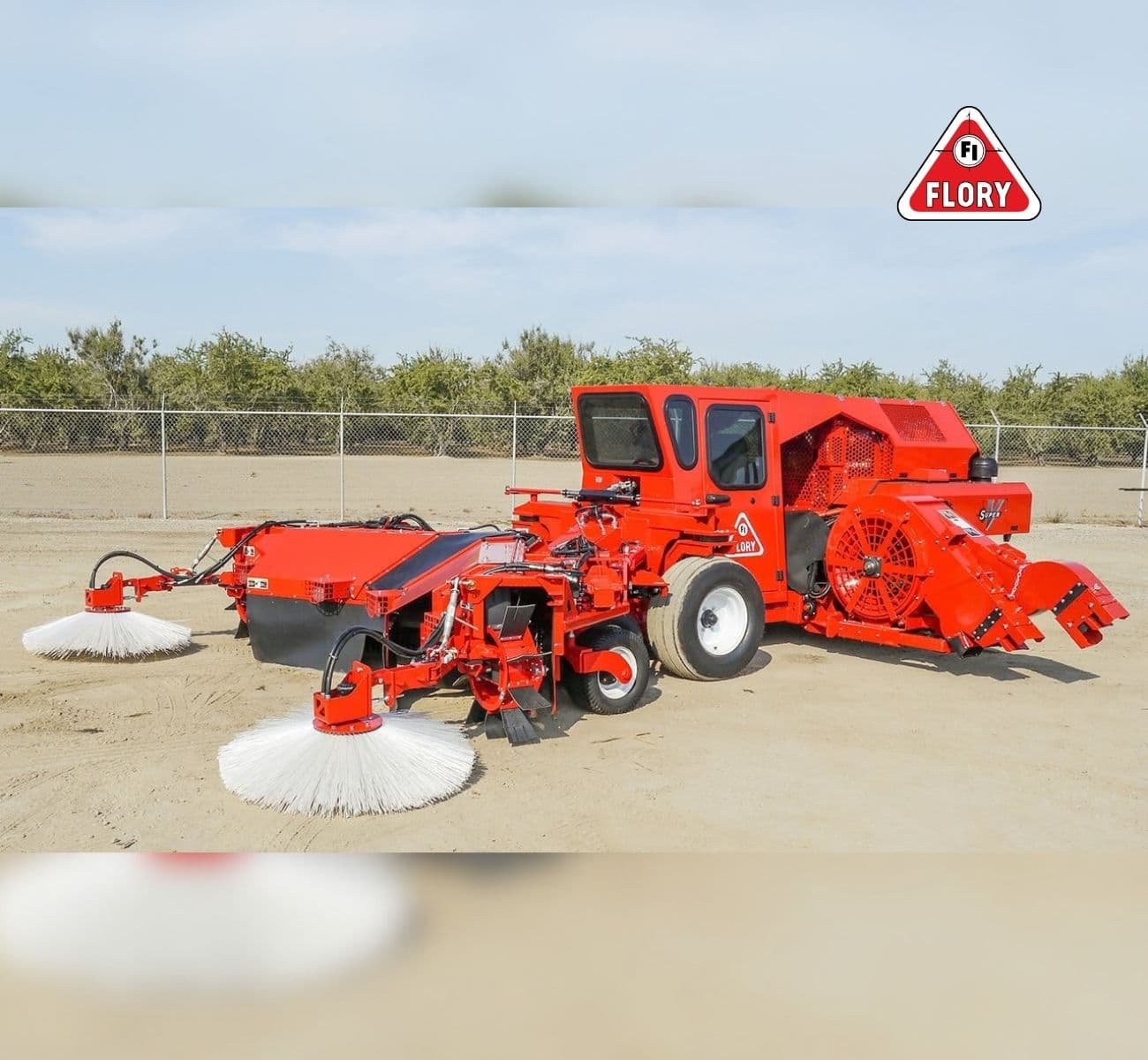
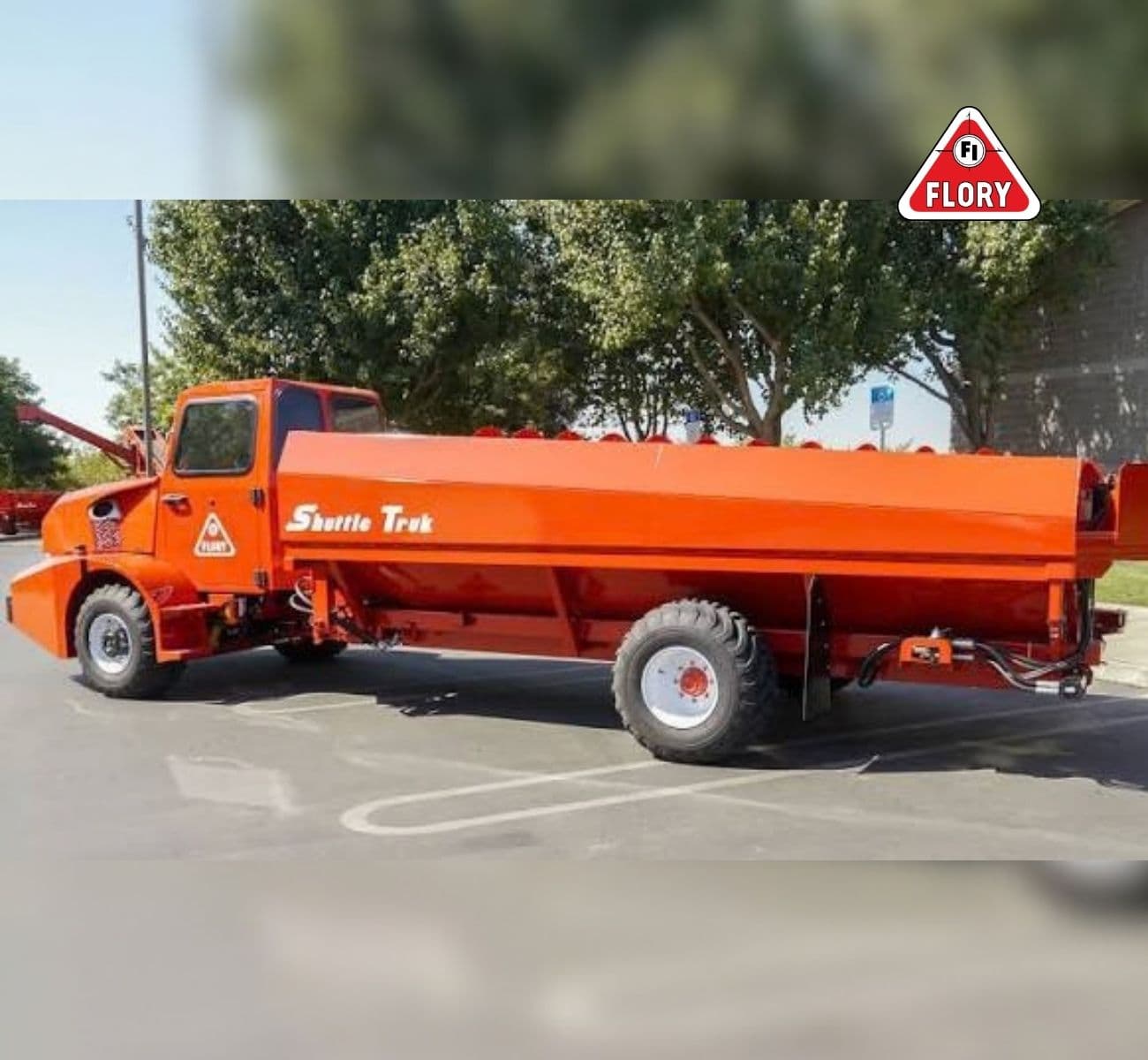
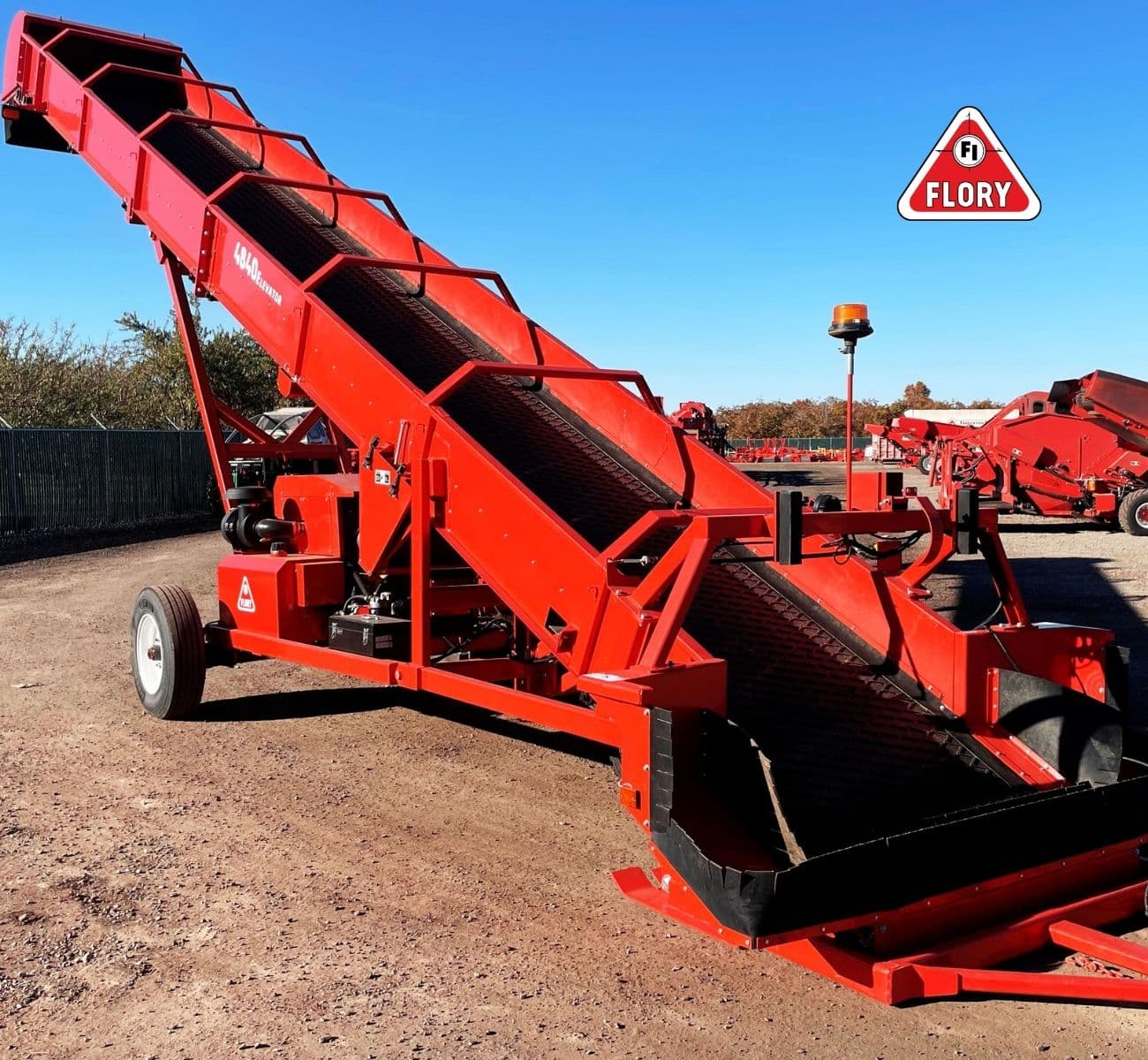
Machines need orchards planted for them. In single-stem orchards on level ground, an on-ground line sweeps the fallen nuts into windrows, picks them up and carries them to trailers, which helps bring the crop in on time with less risk of the nuts deteriorating while they wait. OVE Europe's guides use Flory's line as the reference: the Flory V62 Sweeper, 8772 Harvester (with a mud brush standard for hazelnuts, Flory says), 1500 Conveyor Cart, ST14 Shuttle and 4840 Field Elevator.
Hazelnut Harvest Workflow (Recommended Equipment)


Practical Tips for Hazelnut Harvesting
Level, smooth and flail-mow the orchard floor before nut drop, as Oregon State University describes, so the sweeper can work right up to the trunks.
Pick up fallen nuts in several rounds: for hand collection, Türkiye's Hazelnut Research Institute advises rounds every 3 to 5 days, as nuts left lying turn moldy.
Watch the husks: a 2025 study took its Guilan samples once the green husks had turned yellow and moisture had fallen to 30%.
Gather fallen nuts before autumn rain where possible: British Columbia's hazelnut guide warns that a crop harvested wet causes storage problems.
Be ready for rain on the Caspian side: IRIMO normals published by WMO give Rasht 157.4 mm in September and 215.4 mm in October.
Keep bins of harvested nuts out of the rain until drying: Oregon State University notes that nuts in bins left in the rain before drying can turn moldy.
Get your recommended harvest setup
Enter orchard size, spacing, terrain, and target throughput—we’ll suggest a practical harvest workflow and equipment lineup.

Hazelnut Post-Harvest Handling & Processing in Iran
Iranian sources say little about how farms dry and store hazelnuts. An undated regional news report on Eshkevarat advises harvesting, husking and drying the nuts quickly once ripe, as more than a week in the green husk lowers kernel quality, and a 2016 paper says more than 90% of Guilan's hazelnuts are sold once the green husk is removed. An undated AREEO short paper reports Aspergillus flavus and other molds isolated from hazelnuts in Guilan stores.
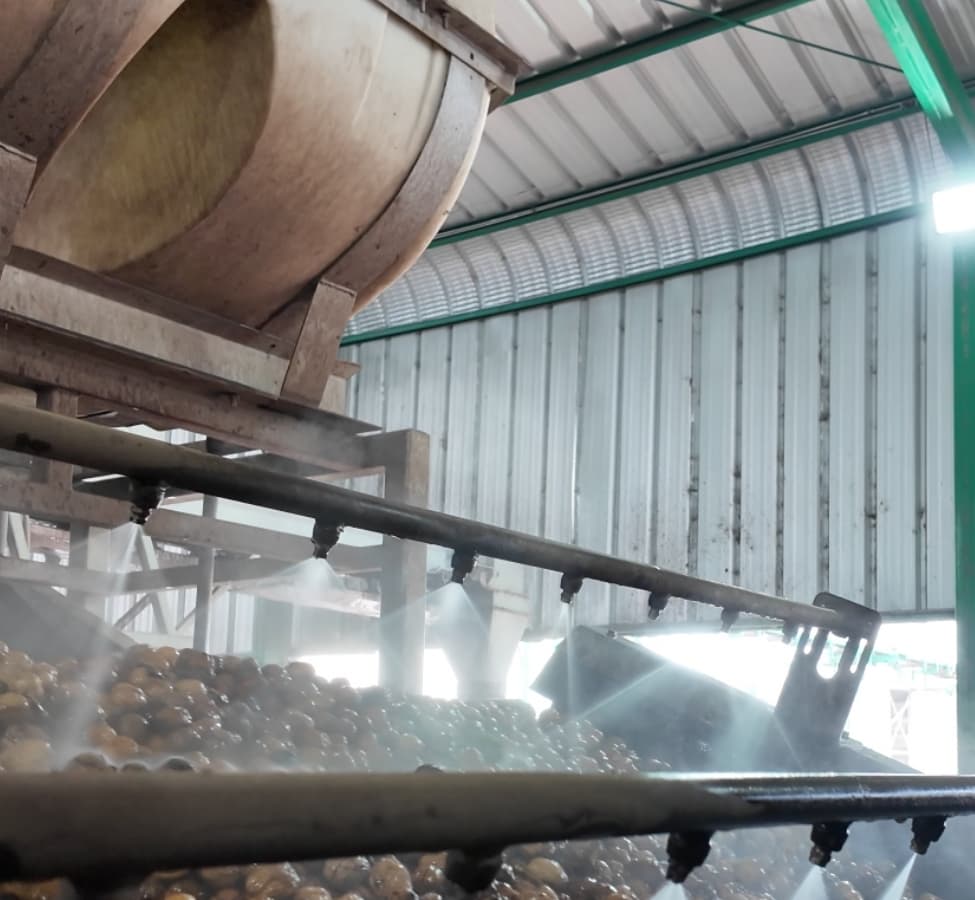
In British Columbia's guide, nuts are husked, cleaned, washed, sanitized and dried to 5 to 8% moisture within 24 hours of harvest. Türkiye's Hazelnut Research Institute advises that dried nuts hold no more than 12% moisture in shell and 6% as kernels, and the Codex code of practice for tree nuts advises storage below 70% relative humidity and at 0 to 10 °C, both where possible.
Most Iranian hazelnuts reach markets without sorting and grading, a 2020 paper notes, and a University of Tehran study tested a cone-type cracker prototype on nuts from Alamut (2022). A 2021 paper cites Iran's national hazelnut standard 247 (2010); its current limits were not found. Jessee, a US maker of nut processing lines, builds drying, in-shell cleaning and sizing, and shelling systems, and it established product lines for hazelnuts in the 1980s.
For general information only. Information may become outdated and does not replace site-specific professional advice. Consult a qualified agronomist and confirm equipment suitability with OVE before acting.

Practical Tips for Hazelnut Post-Harvest Handling & Processing
Husk nuts within days: a regional report on Eshkevarat warns that more than a week in the green husk lowers kernel quality.
Dry hazelnuts promptly after harvest: in British Columbia's guide they are dried to 5 to 8% moisture within 24 hours.
Never leave husk-on nuts in thick layers or heaps: Türkiye's Hazelnut Research Institute warns that they heat up and rot.
Store dried nuts cool and dry, by lot: the Codex code advises, where possible, below 70% relative humidity and at 0 to 10 °C.
Size nuts into narrow grades before cracking: Türkiye's Institute advises 10 to 20 sizes at 0.5 mm steps to reduce kernel damage.
Check stored lots for molds: an undated Iranian study isolated Aspergillus flavus from hazelnuts kept in Guilan stores.
Recommended Post-Harvest Handling & Processing Stages








Plan your post-harvest line
Estimate tons/day, cleaning & drying capacity, storage needs, and cost/kg—then build your equipment plan in phases.