







Hazelnut Orchard Establishment in Italy
Each protected name sets its cultivars: 'Tonda Gentile Trilobata' for the Nocciola del Piemonte protected geographical indication (PGI); 'Tonda Gentile Romana' and 'Nocchione', at least 80% on each farm, for the Nocciola Romana protected designation of origin (PDO); and 'Tonda di Giffoni', with other cultivars up to 10% for pollination, for the Nocciola di Giffoni PGI. Lazio's 2025 integrated-production norms say 'Tonda di Giffoni' is slowly spreading in its new orchards, as a pollinizer and as a main cultivar.
Lazio's norms call for at least one pollinizer in suitable proportions, genetically compatible with the main cultivar and blooming with it. A 2025 study of cultivar fields in Piedmont and near Viterbo, over the 2021/22 to 2023/24 seasons, found pollen shed in the north from late December to mid-February, two to three weeks later in 'Tonda Gentile Romana' and 'Nocchione', and flowering near Viterbo two to four weeks earlier than in the north. In August 2021, a news report expected Piedmont's crop to fall by 30%, mainly because of April frosts.
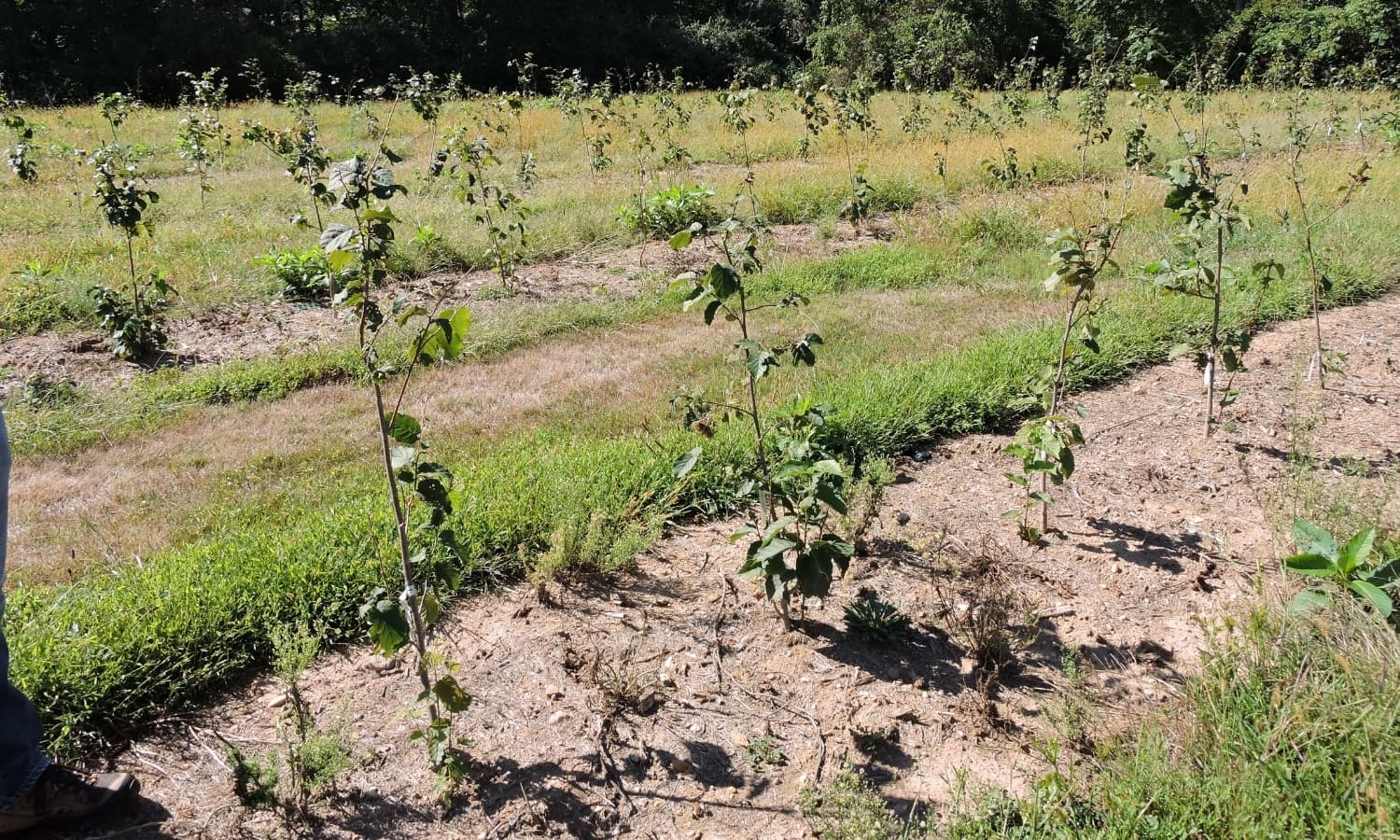
Lazio's norms name the multi-stem bush as the traditional form, with single-stem trees and bush vases also common in new orchards, and link the choice of spacing to soil fertility, training form, irrigation and machines such as self-propelled harvesters. A 2011 Campania monograph says single stems are preferred in new orchards on plains and low hills, as they suit soil work, sucker removal and mechanical harvest better.

Practical Tips for Hazelnut Orchard Establishment
Plant the cultivars of your protected name: 'Tonda Gentile Trilobata' for Nocciola del Piemonte, mainly 'Tonda Gentile Romana' and 'Nocchione' for Nocciola Romana.
Plant at least one pollinizer that is genetically compatible and blooms with the main cultivar, as Lazio's integrated-production norms require.
Keep to your protected name's planting density: 200 to 500 plants per ha for Nocciola del Piemonte, 150 to 650 for Nocciola Romana, up to 800 in new orchards.
Prefer single-stem trees where you plan machine harvest: a 2011 Campania monograph says they suit soil work, sucker removal and mechanical harvest better.
Plant machine-harvested orchards on level ground; a 2017 study of Sicily's Nebrodi mountains advises against machine harvest on slopes over 30% or above 1,000 m.
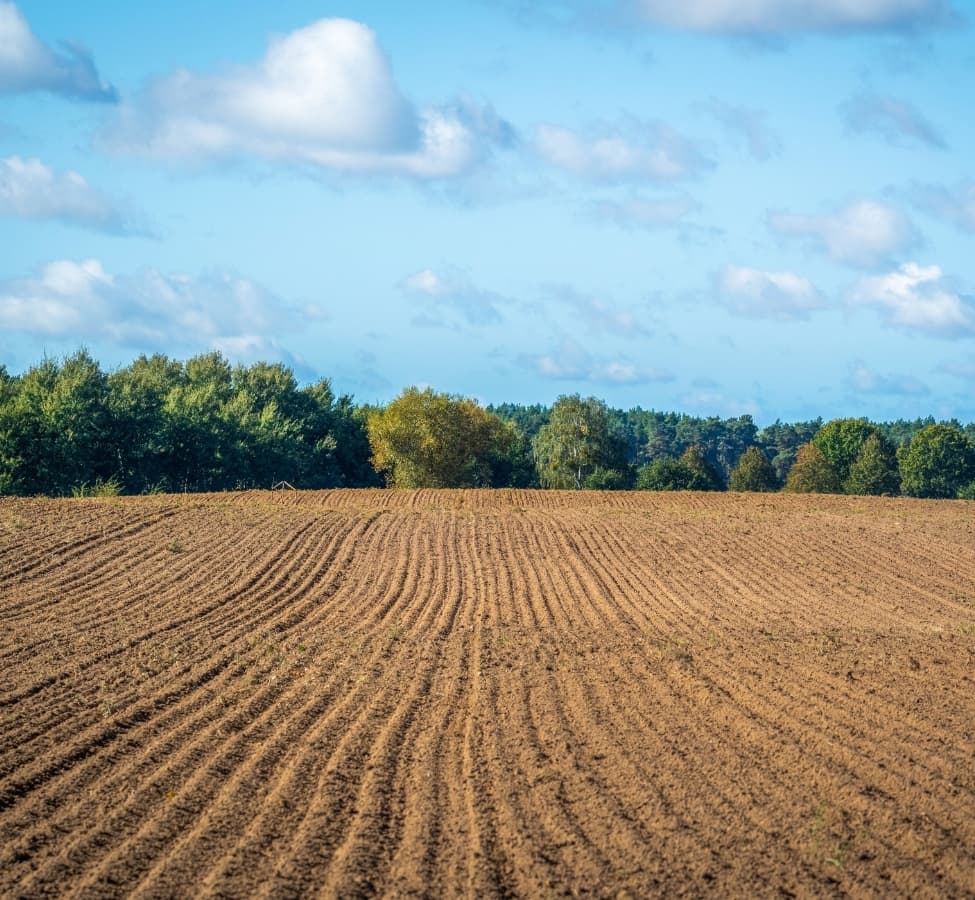
Smooth and firm the orchard floor at least a year before the first commercial harvest, as Oregon State University advises, so sweepers can work up to the trunks.
Recommended Establishment Stages



Hazelnut Orchard Care & Maintenance in Italy
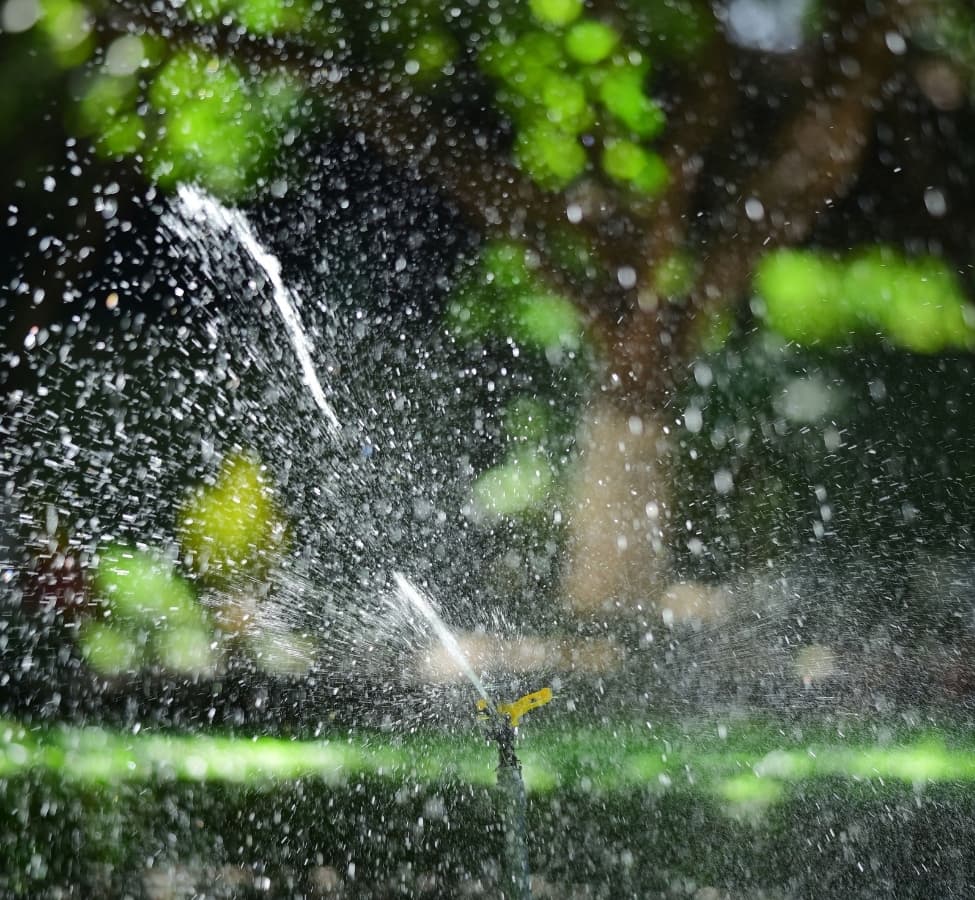
Lazio's 2025 norms say water shortage, mainly from June to August, makes nuts drop before they ripen and lowers kernel yield, and they allow no flood irrigation. In a 2005 to 2007 trial in central Italy, drip at 75% of crop evapotranspiration gave the highest yield per plant. Campania's 2011 monograph warns that summer heat above 35 °C scorches leaves, nuts and trunks, especially in drought without irrigation.
EPPO lists the brown marmorated stink bug (Halyomorpha halys) as widespread in Italy, first recorded in 2007, and in Lazio bug-damaged kernels reached 8 to 10% at the first harvest of 2023, against about 3% the season before, a regional report noted. Piedmont's bulletin of June 2026 advises checking for bugs by beating branches over a sheet and by eye, and reported bacterial blight in the provinces of Alessandria, Asti and Cuneo and powdery mildew in Alta Langa and the Novara area.
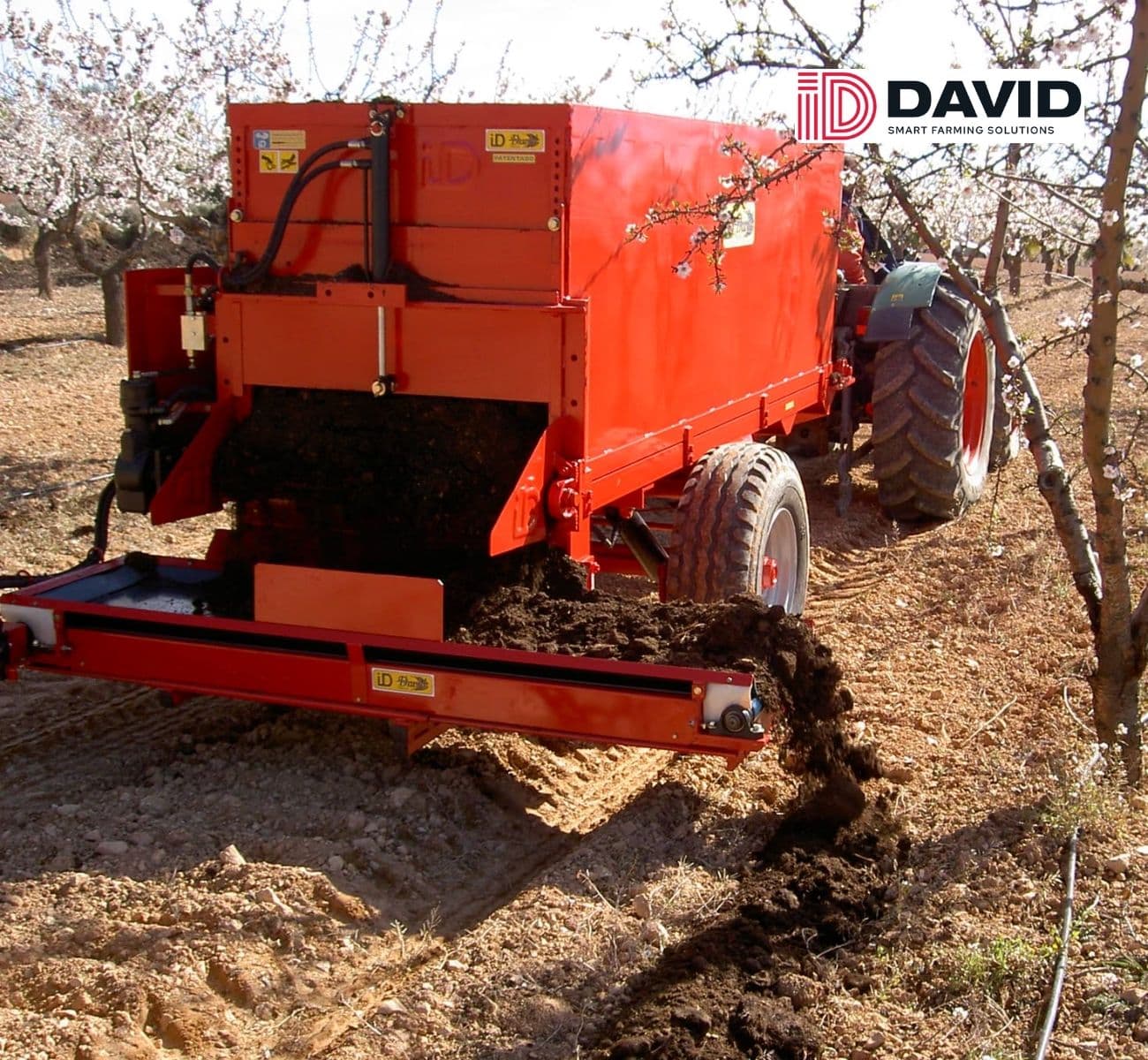
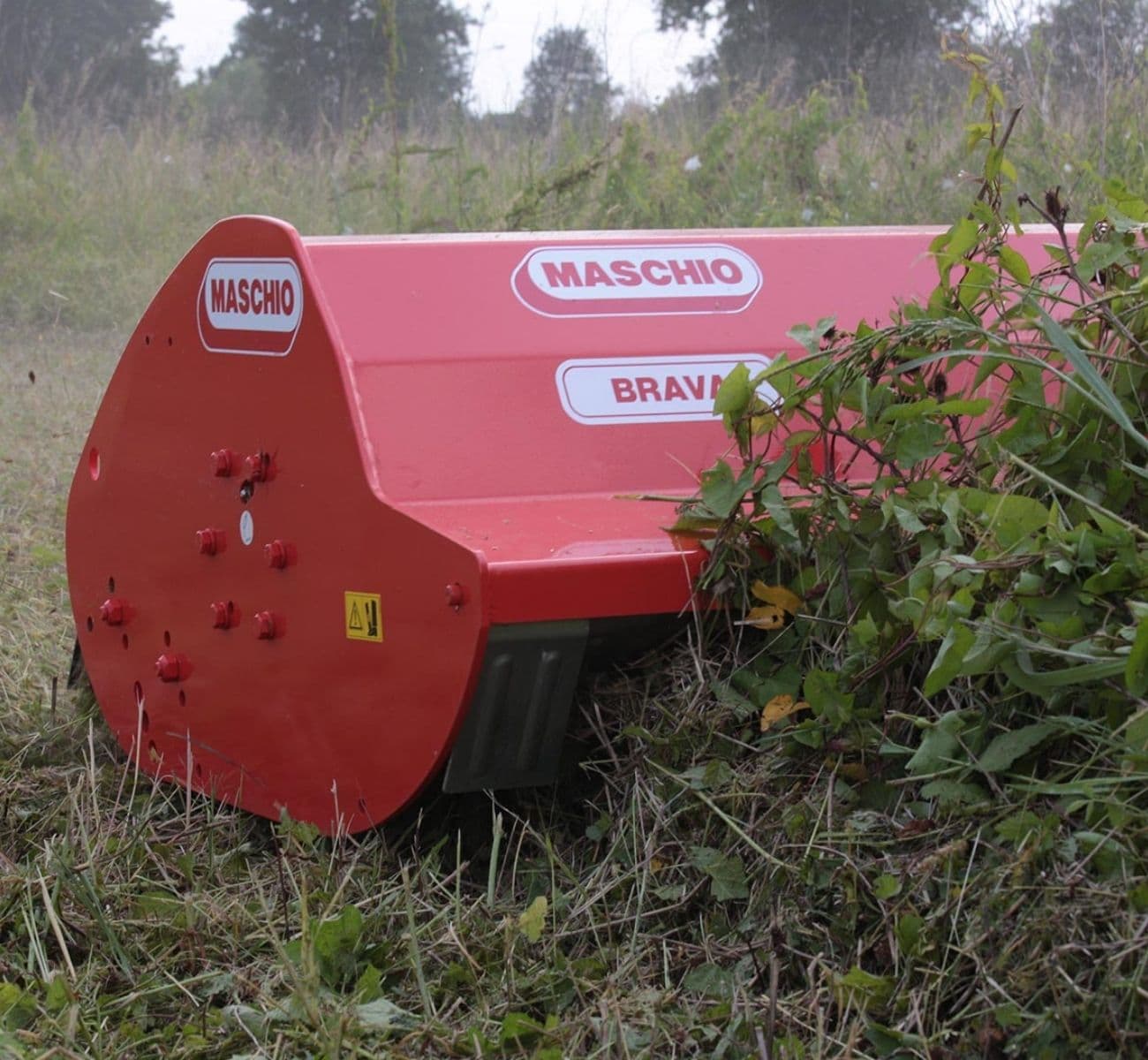
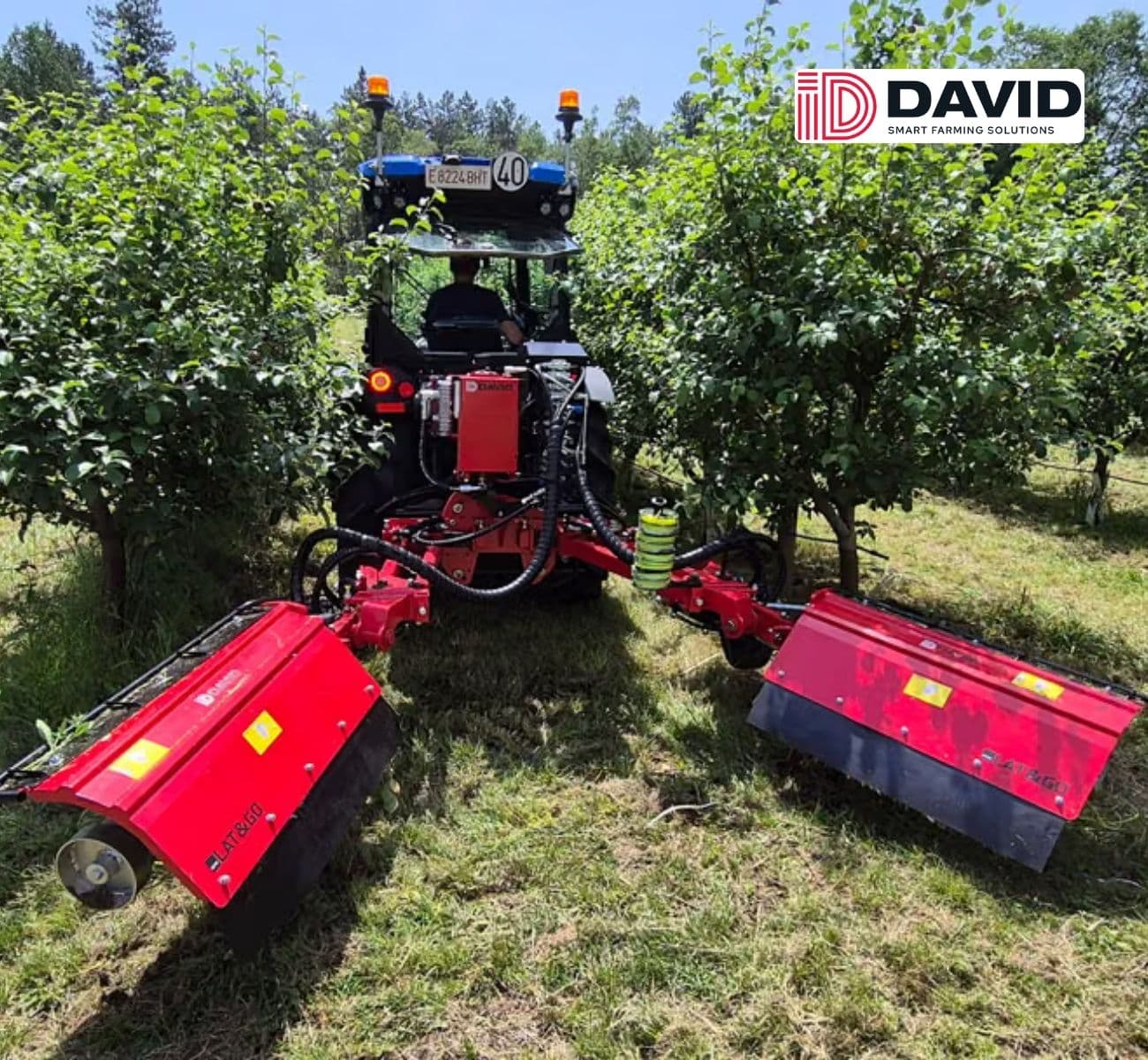
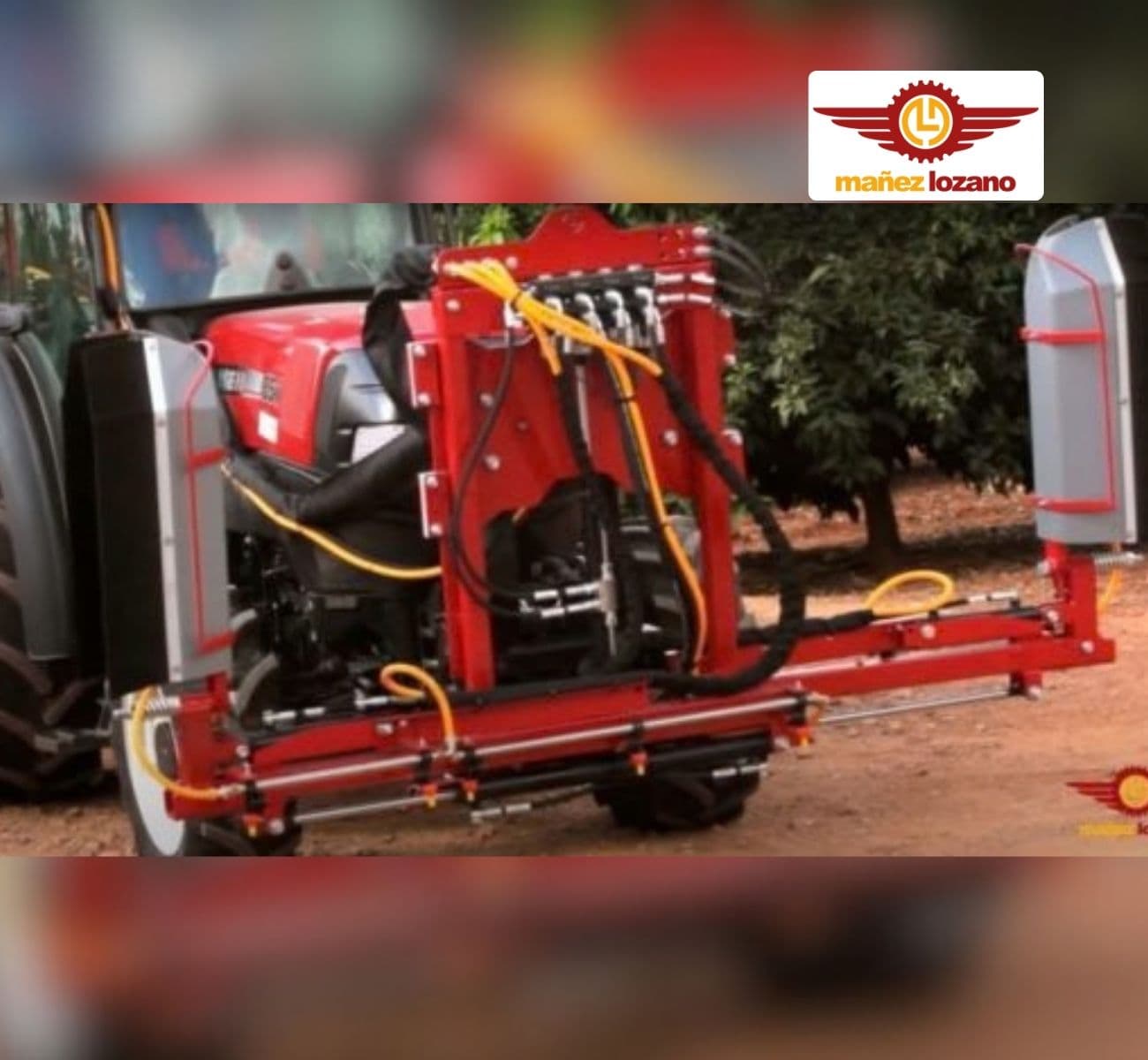
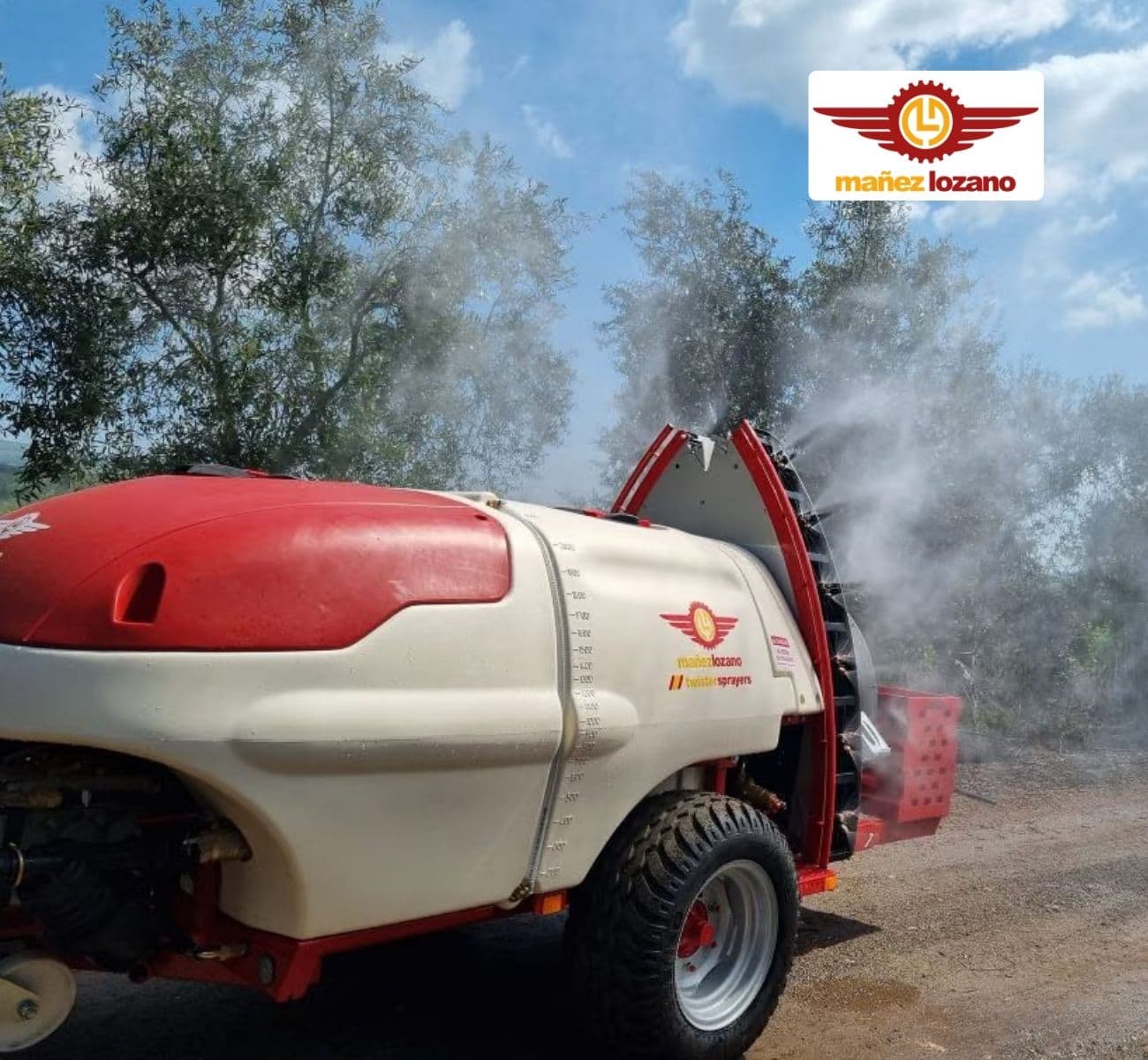
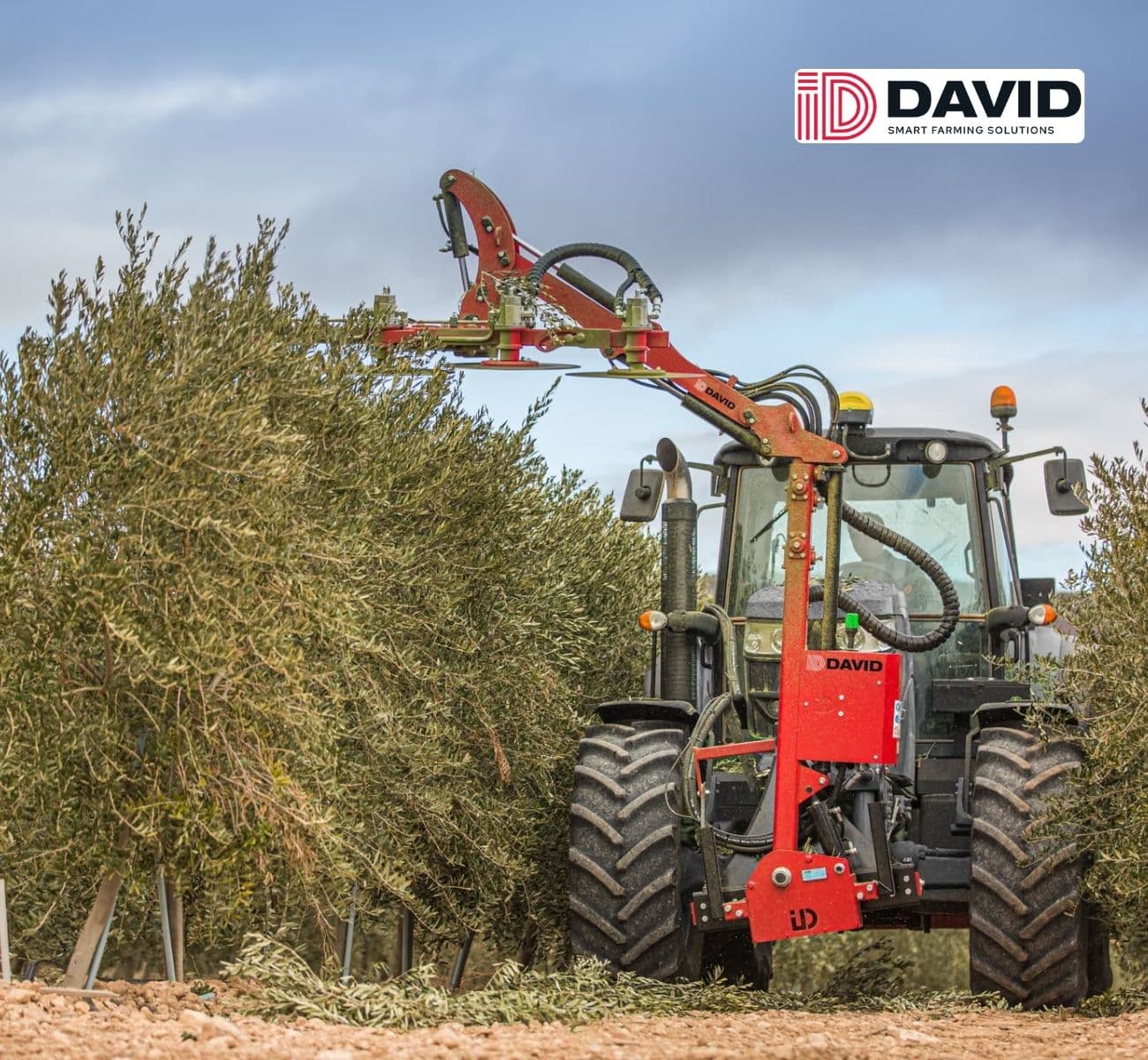
Lazio's norms advise pruning every year, removing about 20% of the wood, as hazel bears on one-year shoots, and a 2023 Lazio regional report noted that after the last flail-mowing growers would not enter the orchards again, to avoid nut drop. In single-stem orchards planted for machines, the ID DAVID ECOFEED spreads solid manure, the ID DAVID LAT&GO string mower controls weeds without herbicides, the Mañez Lozano Narrow Twister S6 sprays tall, dense canopies and the ID DAVID V1 disc pruner makes vertical and horizontal cuts.
Recommended Orchard Care & Maintenance Stages
Practical Tips for Hazelnut Orchard Care & Maintenance
Irrigate by drip rather than by flooding: Lazio's 2025 integrated-production norms for hazelnut allow no flood irrigation.
Consider drip at about 75% of crop evapotranspiration: in a 2005 to 2007 trial in central Italy, that rate gave the highest yield per plant.
Check for stink bugs by beating branches over a sheet and by eye, as Piedmont's June 2026 bulletin advises; its threshold is 2 bugs per plant.
Where soil pH is below 5.5, lime every year, as a 2006 review from Lazio advises against bacterial dieback (Pseudomonas avellanae).
Prune every year, removing about 20% of the wood, as Lazio's norms advise: hazel bears its nuts on one-year shoots.
Keep up sucker removal: Campania's 2011 monograph says the job must not be neglected and names hand tools and brush cutters among the means.

Hazelnut Harvesting in Italy
Around Viterbo, picking nuts up from the ground became the standard on all farms from the mid-1960s, a 2025 history of the district says, and the Nocciola Romana rules allow towed or self-propelled machines. A 2009 paper found mechanization not widespread enough in southern Italy, and a 2017 study says the few orchards still worked in Sicily's Nebrodi mountains are picked by hand. In single-stem orchards planted for machines, mechanized harvesting can bring the crop in on time, with less risk of nuts deteriorating while they wait.
As in Oregon, the system in this guide does not shake the trees: Oregon State University (OSU) explains that the thin-barked, shallow-rooted trees would be damaged, and the Nocciola Romana rules bar early picking from the tree. The nuts drop onto a level, mown floor and are picked up in several passes: Piedmont's 2026 guidance starts the first pass when 40 to 50% have fallen, and a 2006 Lazio review says a second harvest greatly reduces internal rot in nuts left on the ground for some days.
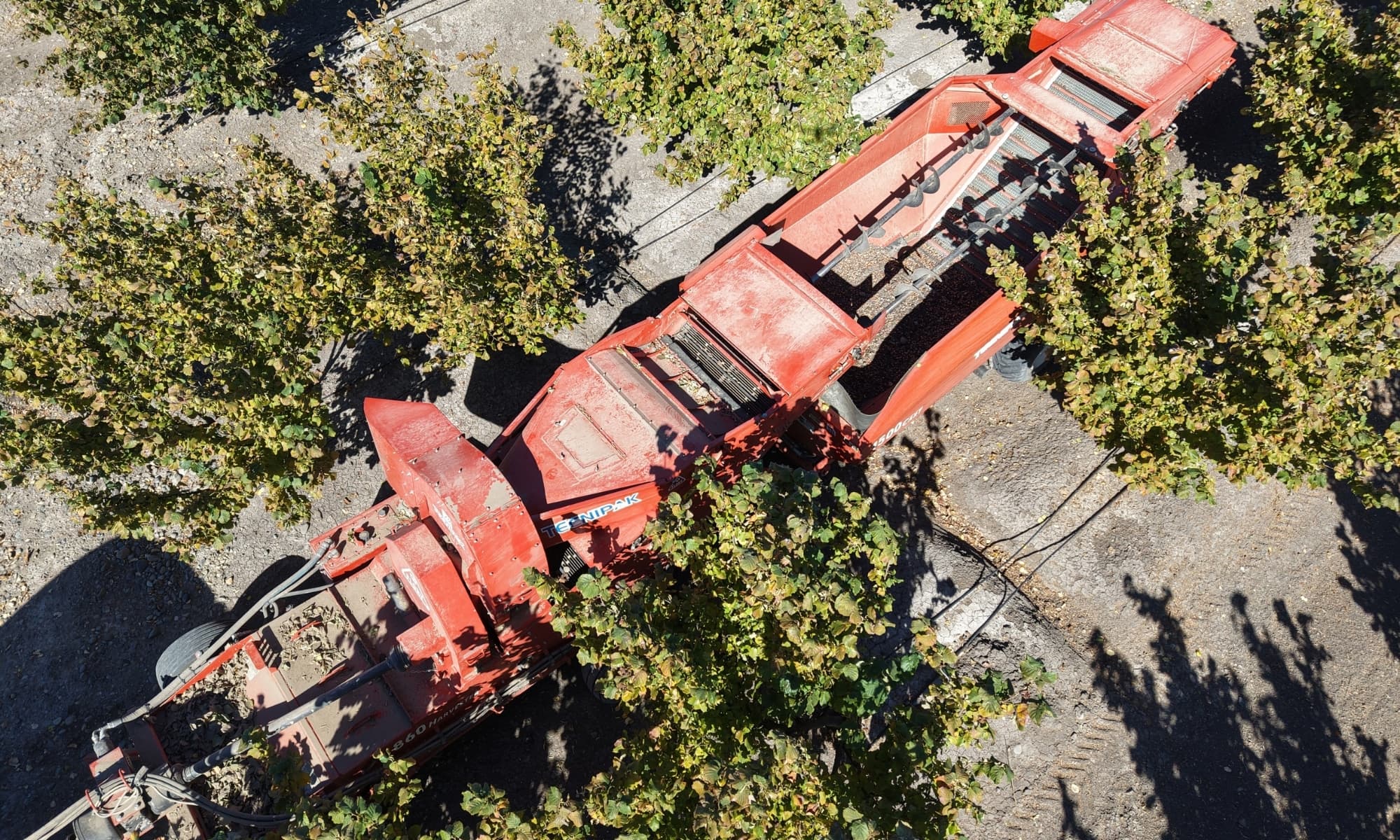
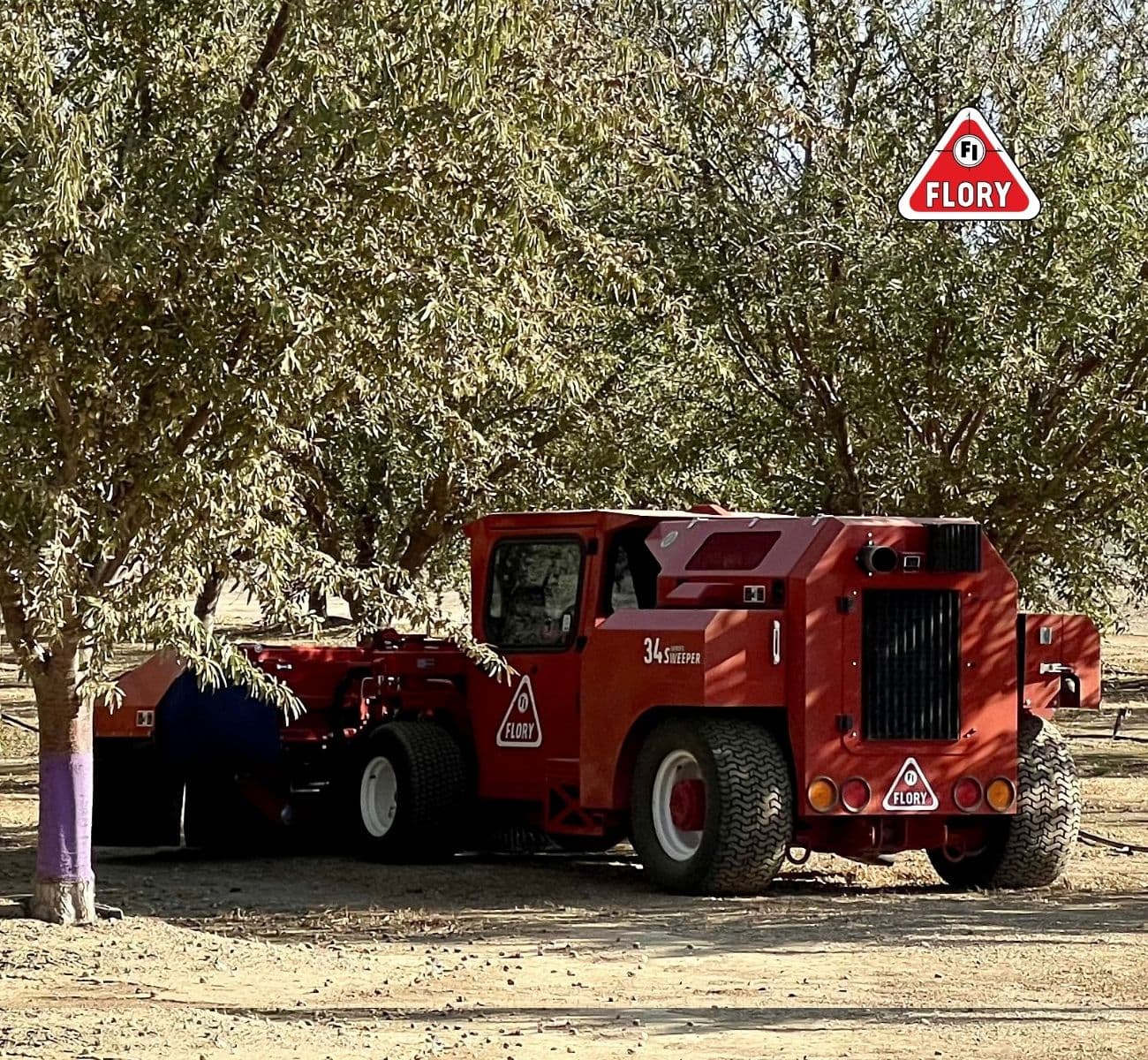
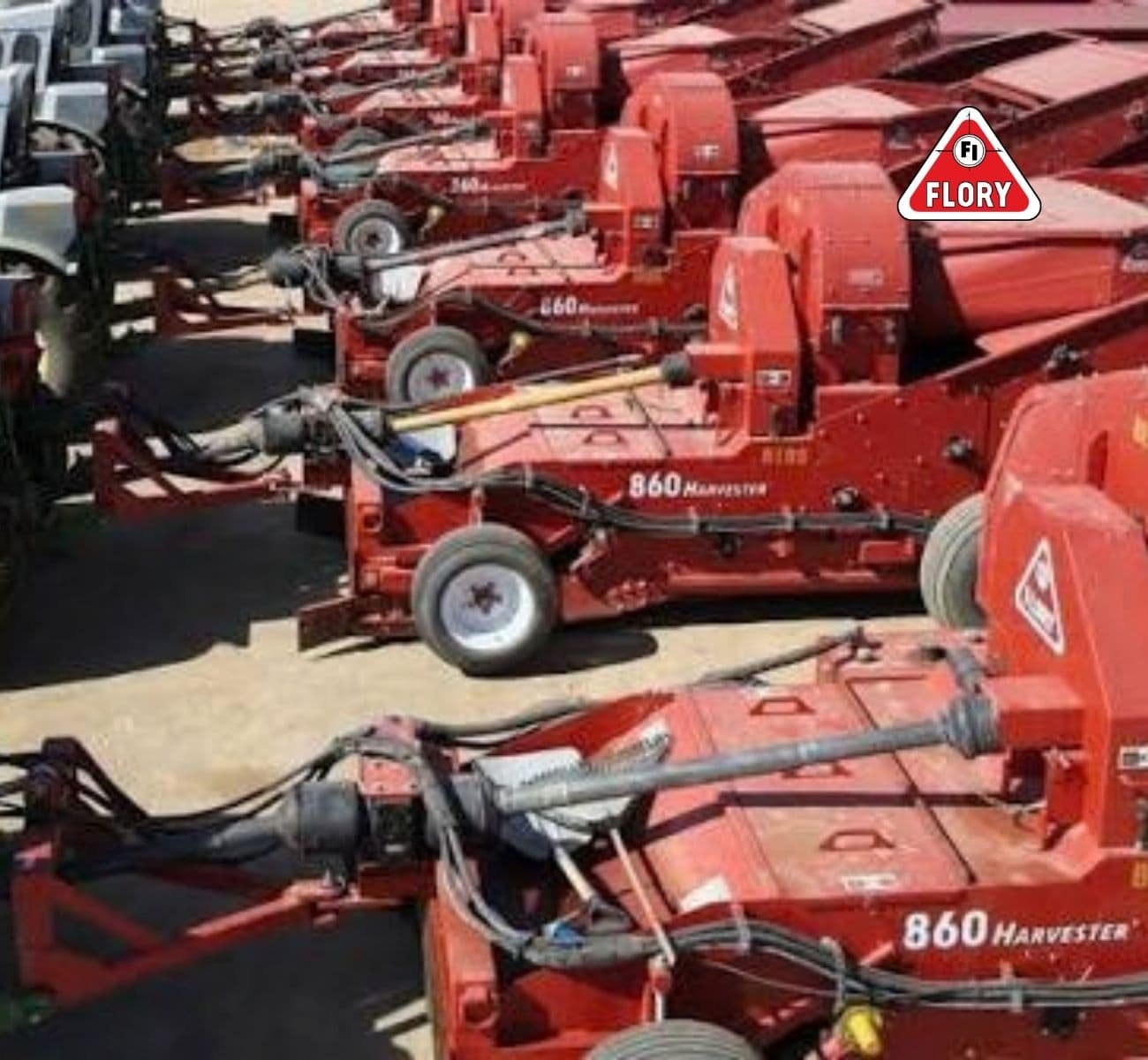
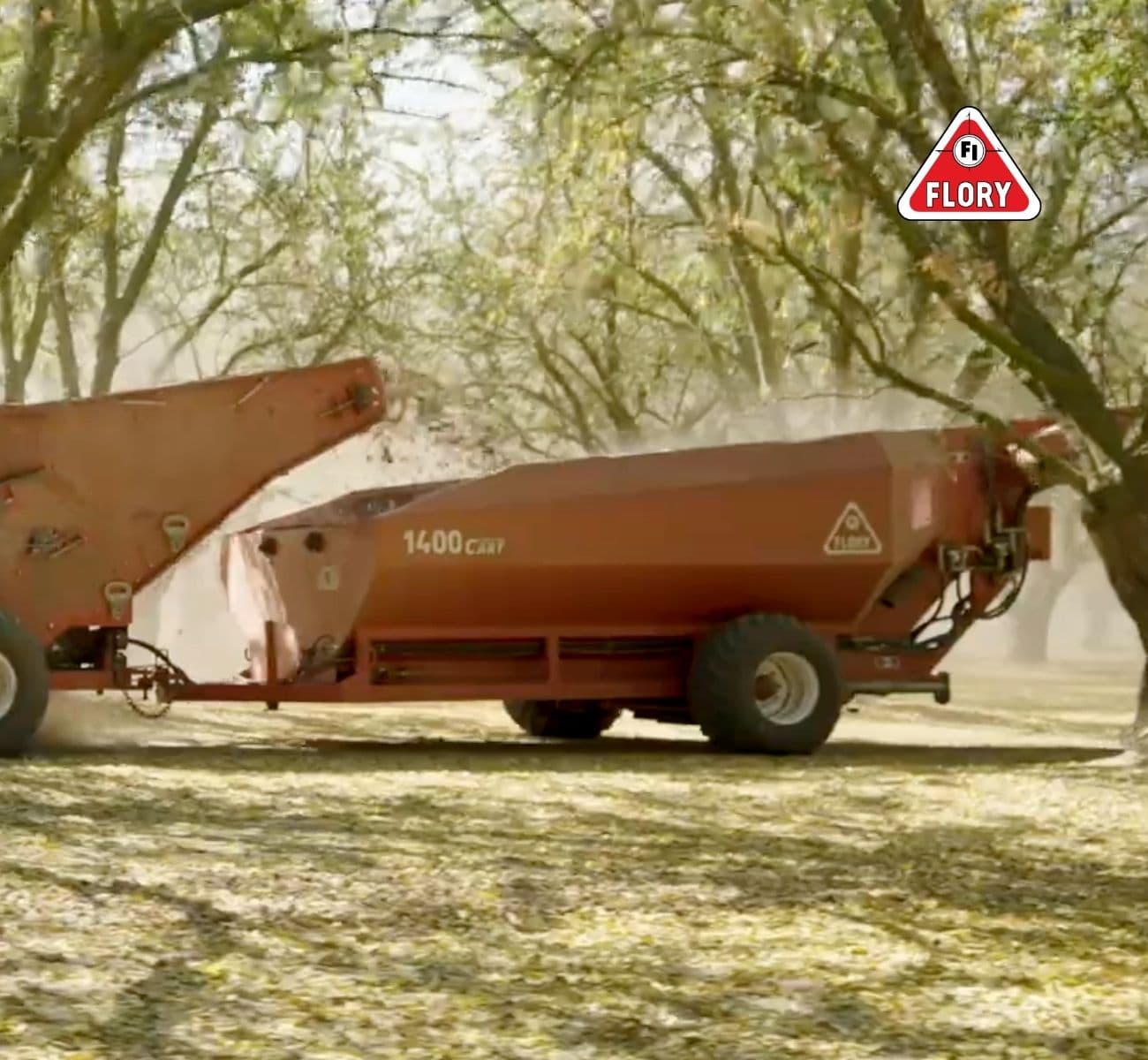
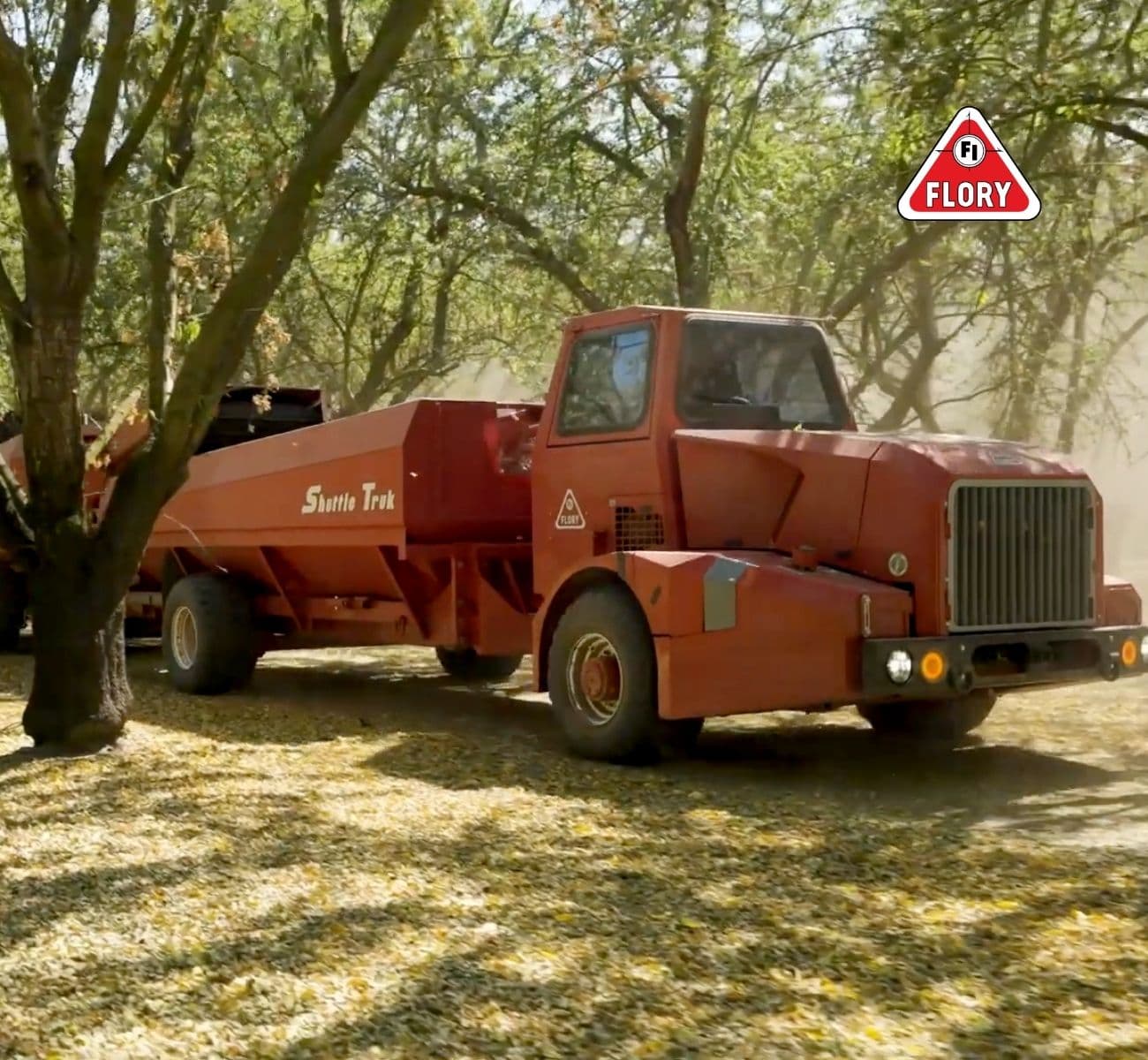
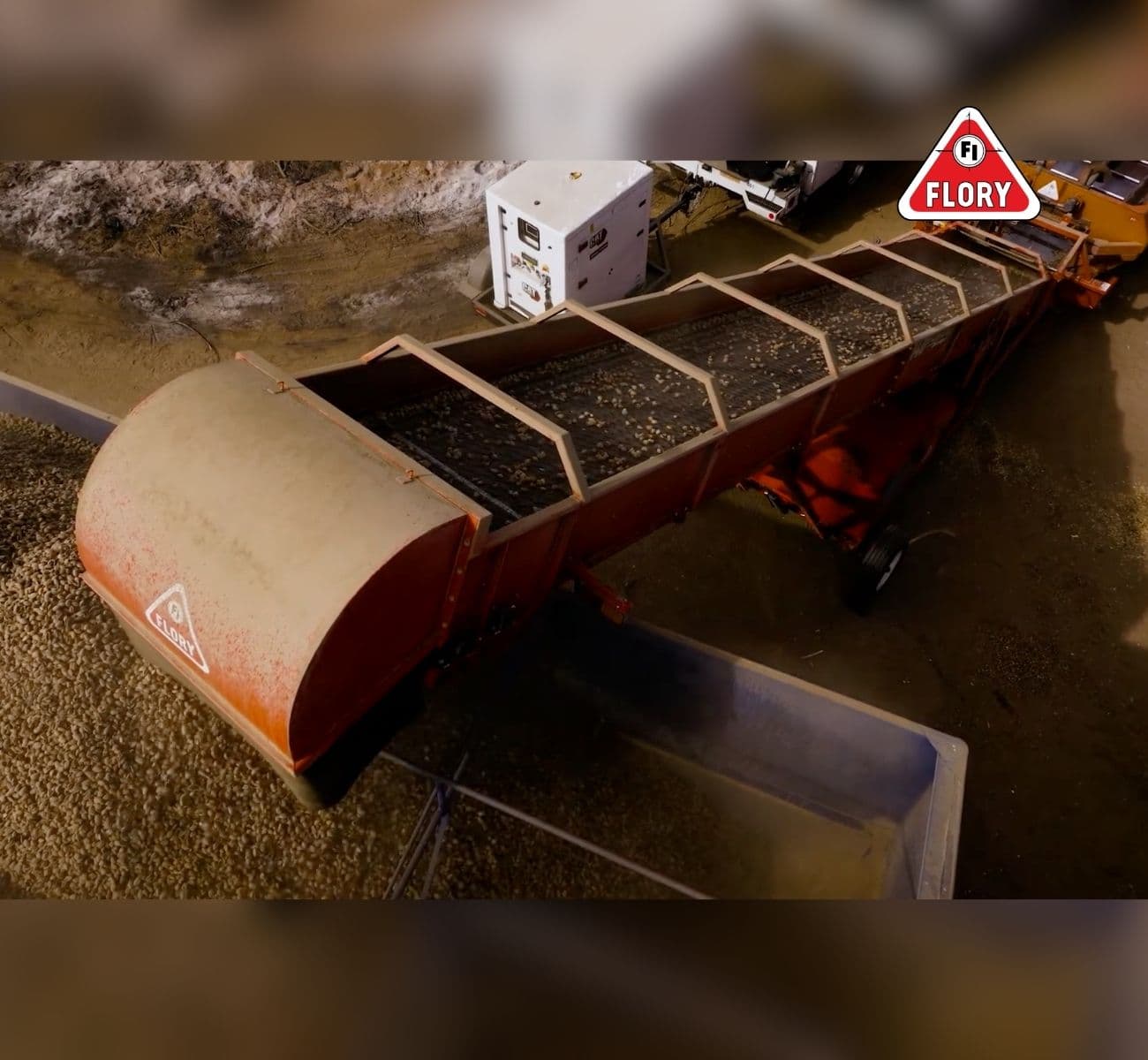
Flory harvesting machinery is available in Italy through OVE Europe for single-stem orchards planted for machines. The Flory 34 Series Sweeper sweeps the nuts into windrows and the 860 Harvester picks them up; the smaller 490 suits hazelnuts in OVE's experience, and Flory lists a mud brush as standard for hazelnuts on the 860. The 1500 Conveyor Cart receives the nuts, the ST14 Shuttle carries them and the 4840 Field Elevator loads trailers for the processing site.
Hazelnut Harvest Workflow (Recommended Equipment)
Practical Tips for Hazelnut Harvesting
Start the first pass when 40 to 50% of the nuts have fallen, as Piedmont's regional hazelnut coordination advised in August 2026.
Do not leave nuts on the ground more than 6 to 7 days, Piedmont's bulletin advises, above all on damp soil, in dense grass or when rain is forecast.
Mow the grass and remove the clippings before nut drop: a 2009 paper on southern Italy says this gives the best surface for picking up nuts.
Plan for wet Septembers as well as dry ones: Piedmont's regional mean rain for September was 54.0 mm in 2022 but 129.5 mm in 2025 (ARPA Piemonte).
Harvest and dry on time: a 2011 Campania monograph says quality depends on it, above all in rainy years, when harvesters cannot move and nuts lie long on the ground.
Check tractor power before choosing a harvester: Flory gives 85 HP as the minimum for the 860, and for the 490 in hazelnuts.
Get your recommended harvest setup
Enter orchard size, spacing, terrain, and target throughput—we’ll suggest a practical harvest workflow and equipment lineup.

Hazelnut Post-Harvest Handling & Processing in Italy
Piedmont's 2026 bulletin advises cleaning and drying each lot as soon as it is harvested, to 12% moisture in the shell, which equals 6% in the kernel, and notes that, as a rule, an hour of drying lowers moisture by one point. The Nocciola Romana and Nocciola di Giffoni rules cap kernel moisture at 6%. Preliminary results of trials in 2004 and 2005 on 46 t of nuts from 12 Langhe farms found small hot-air dryers suitable for lowering hazelnut moisture.
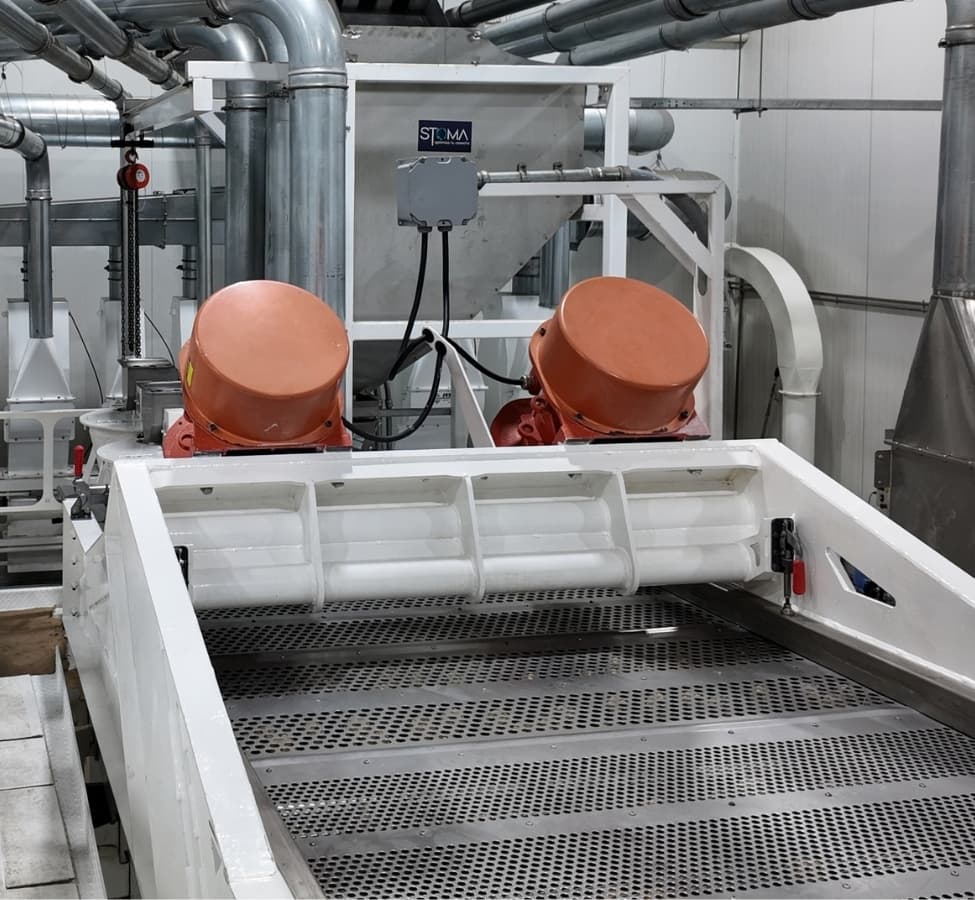
The rules also set kernel yield and size: 40 to 50% and mainly 17 to 21 mm for Nocciola del Piemonte, 28 to 50% and 14 to 25 mm in shell for Nocciola Romana, and at least 43%, with nuts of at least 18 mm, for Nocciola di Giffoni. A 2023 Lazio report named rot and bug damage as the most visible defects in warehouse grading, and noted that lots with many defects are sorted by hand several times.
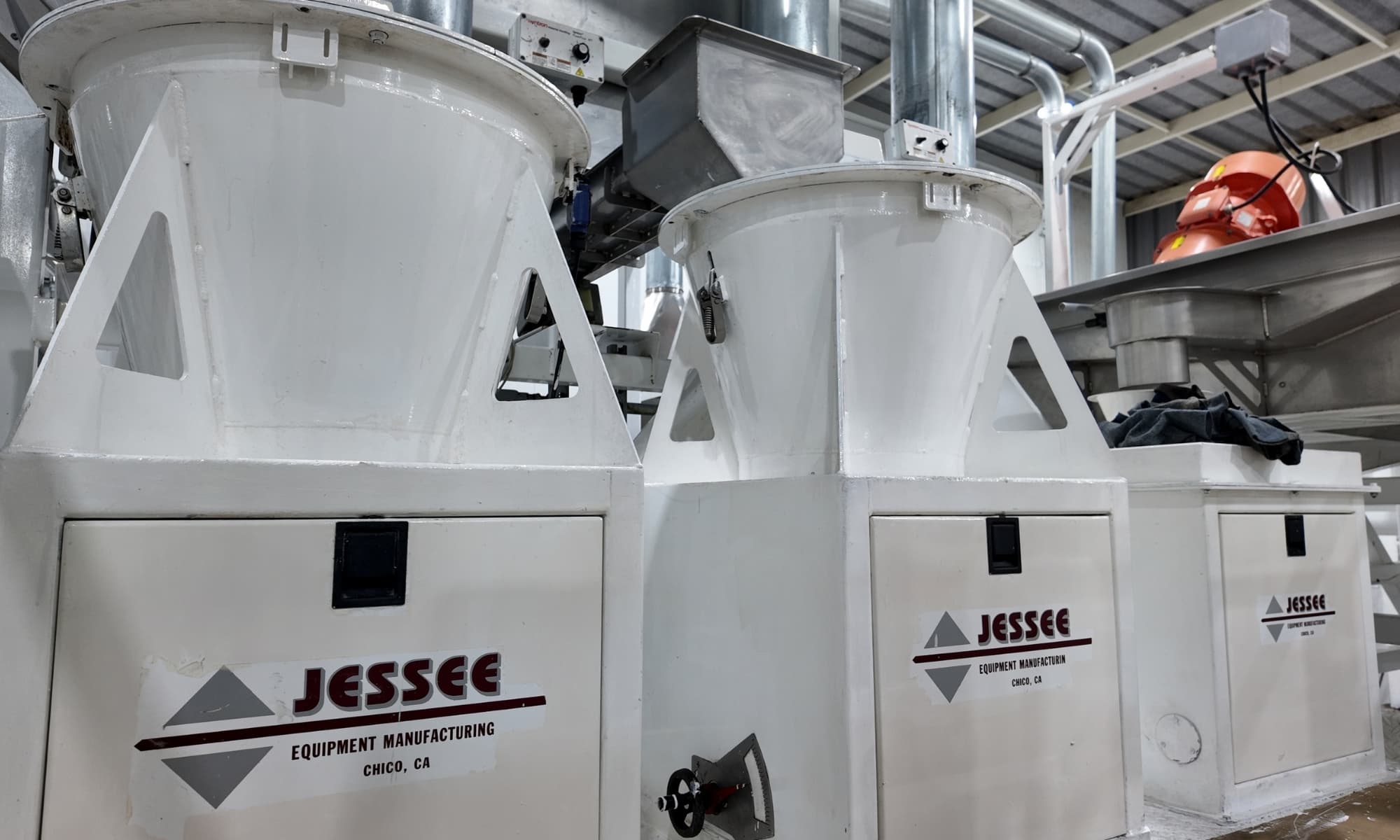
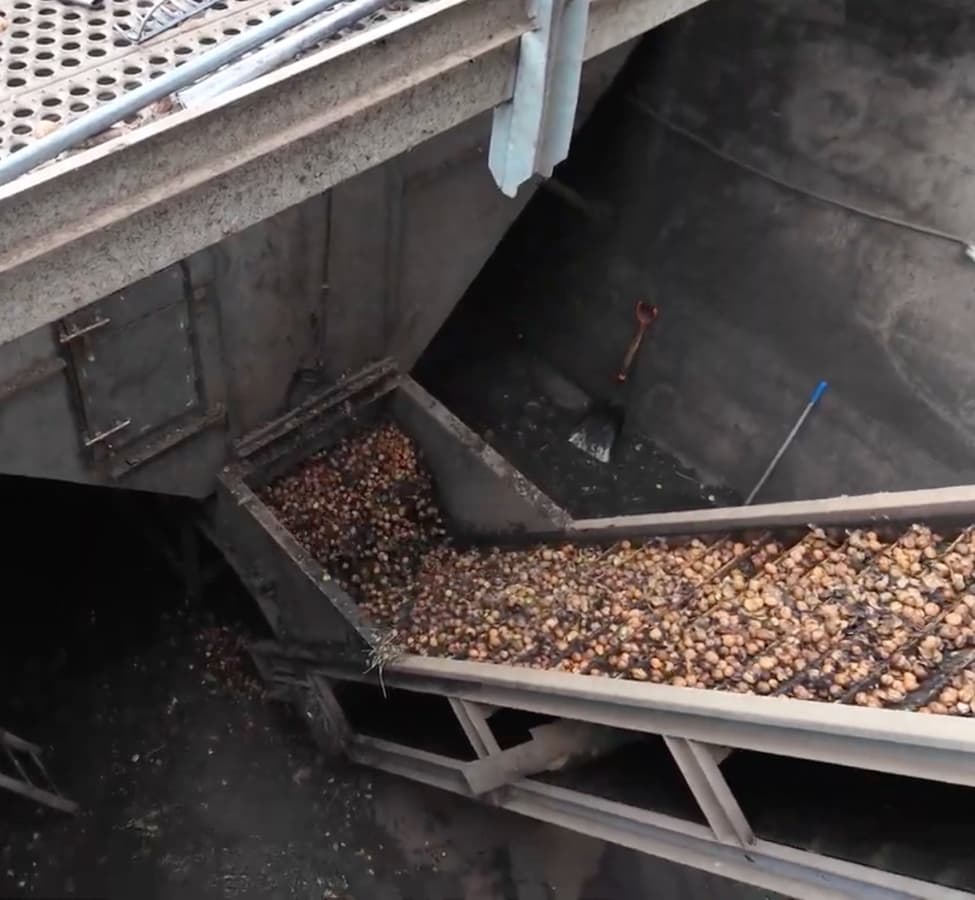
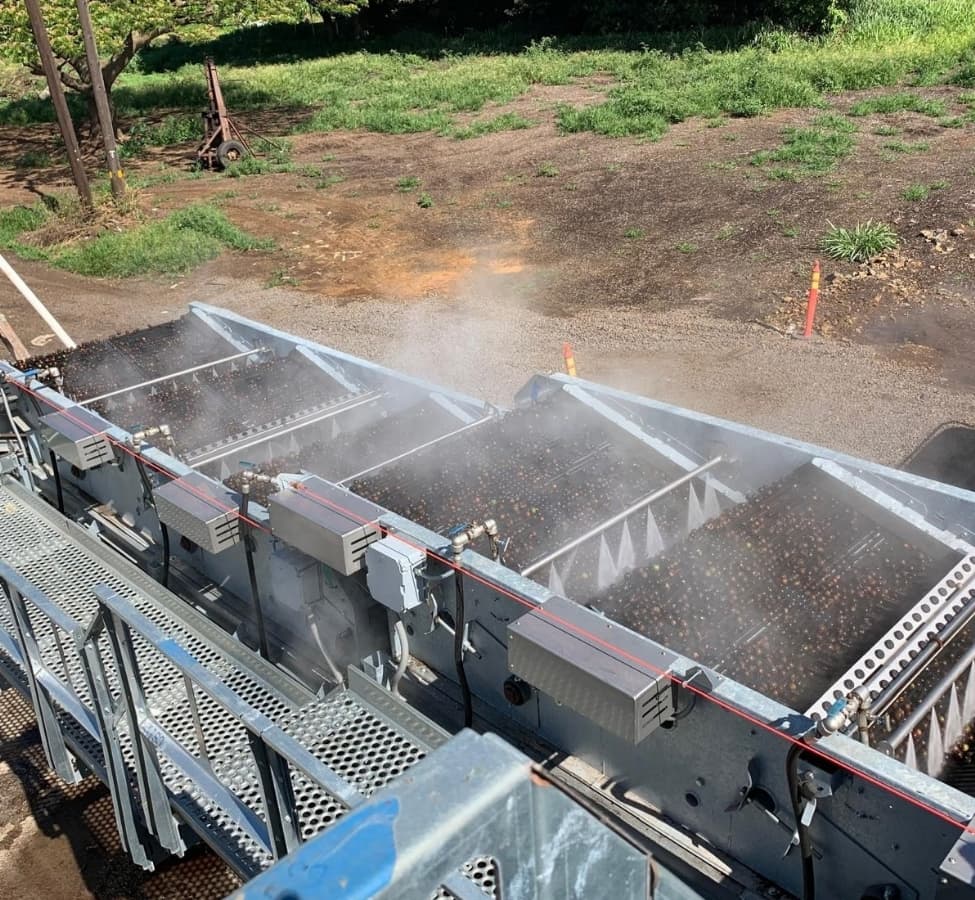
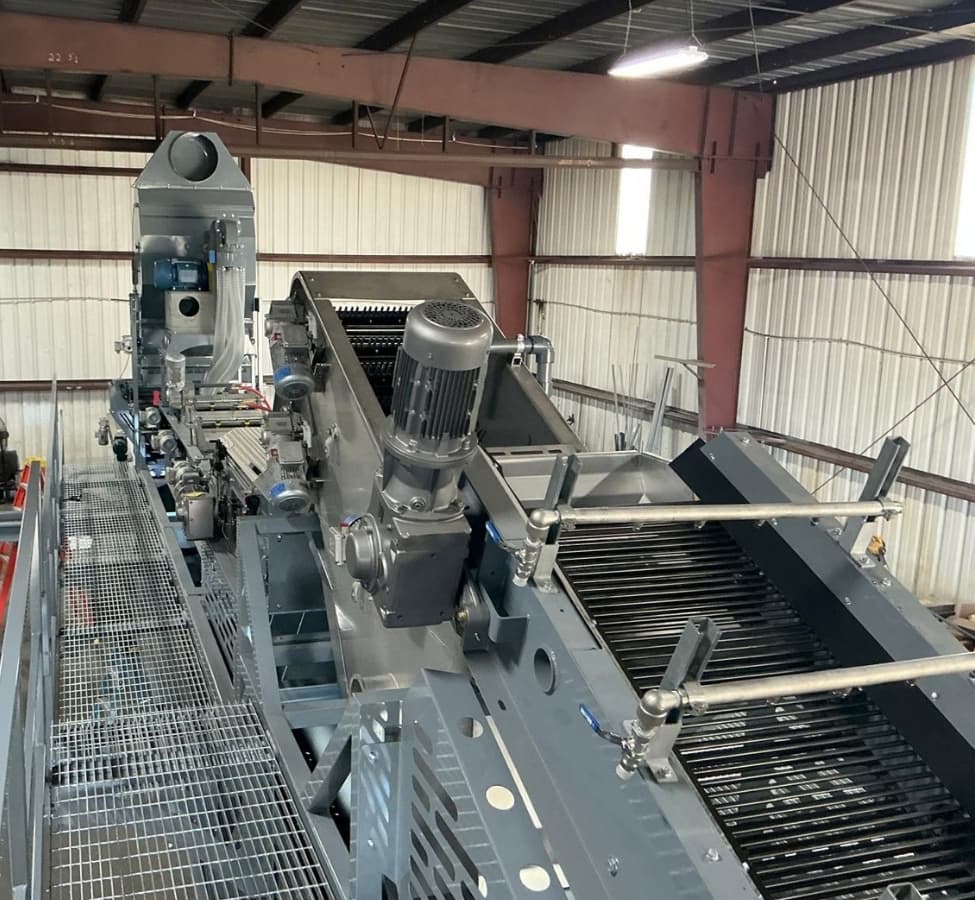
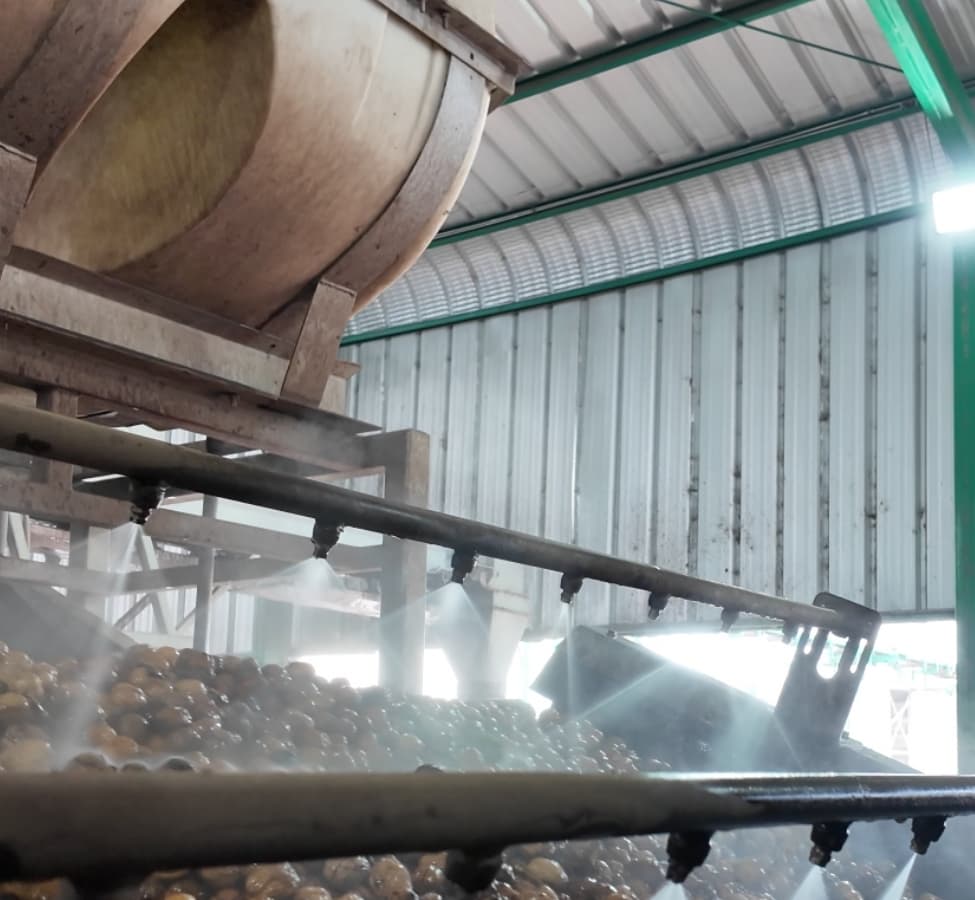
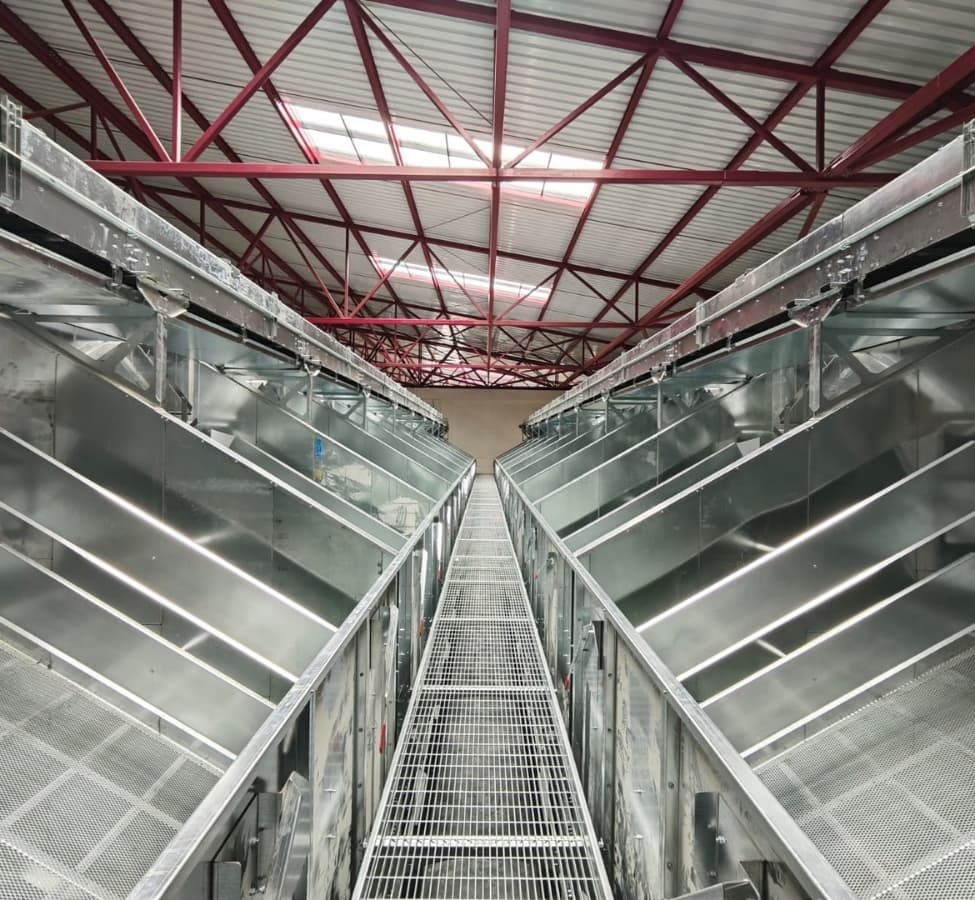
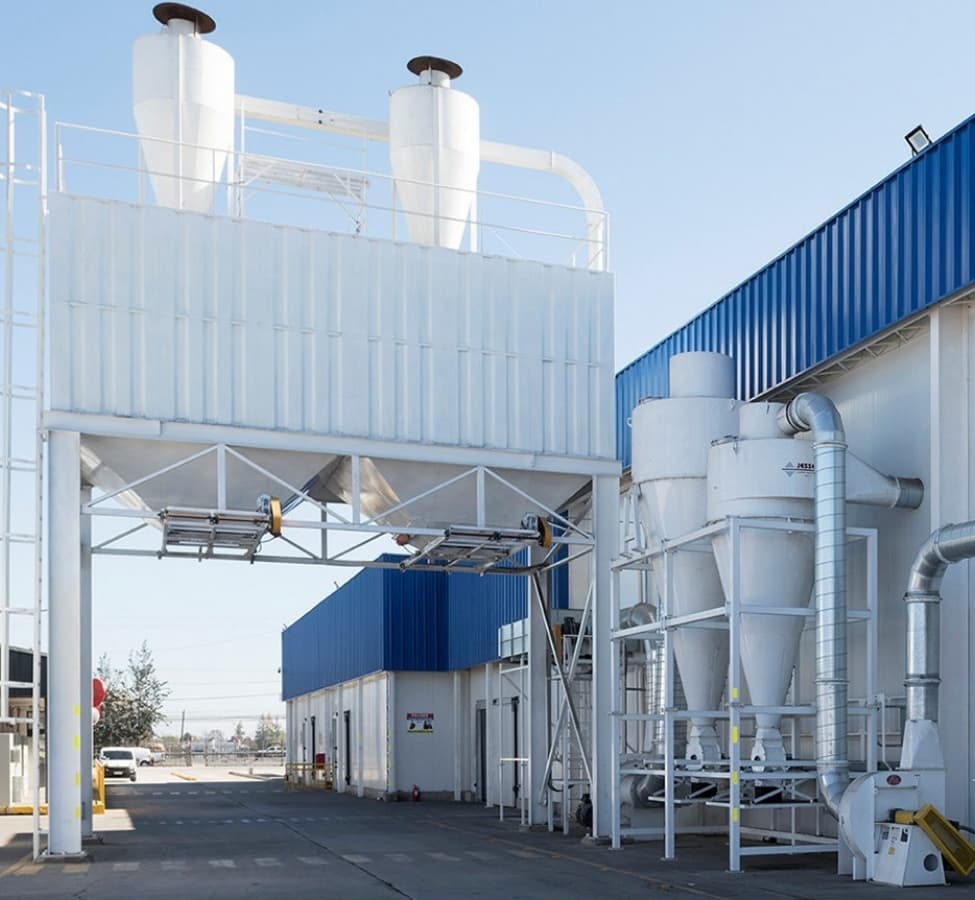
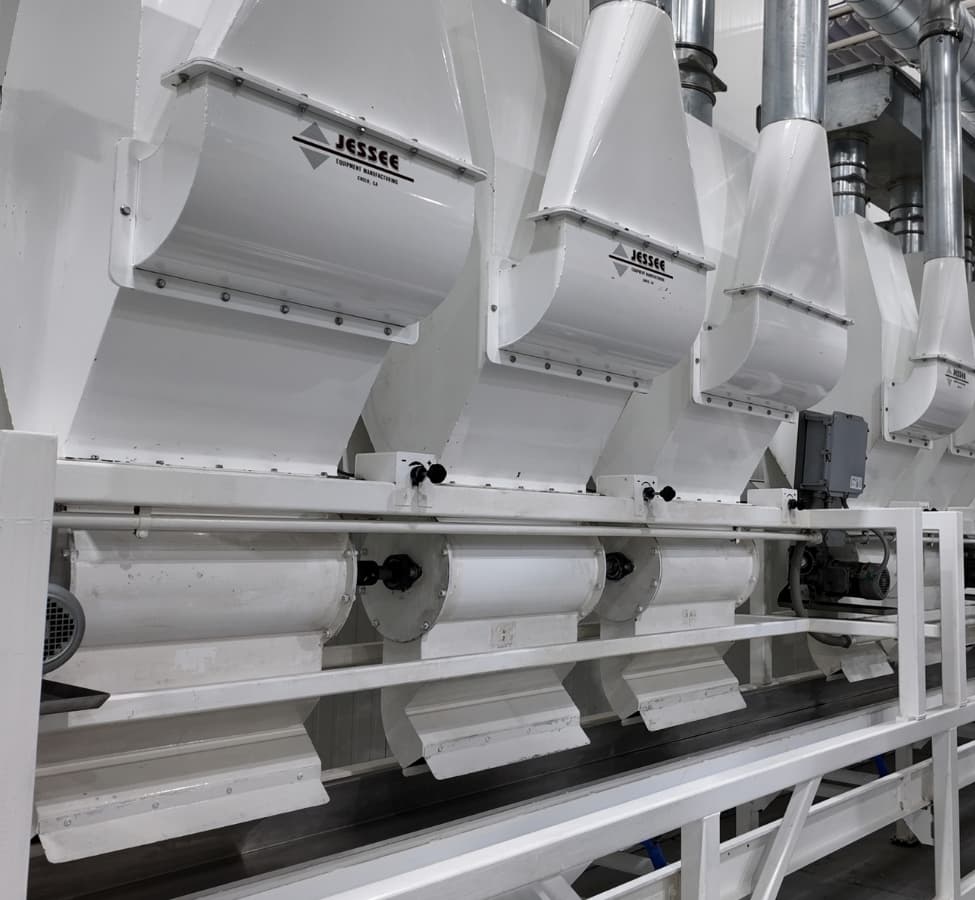
As an EU member, Italy applies Regulation (EU) 2023/915: 5.0 µg/kg of aflatoxin B1 and 10.0 µg/kg in total for hazelnuts for the final consumer or used as an ingredient, and 8.0 and 15.0 µg/kg for nuts to be sorted first. Jessee, whose processing lines OVE Europe supplies, builds drying, in-shell cleaning and sizing, and shelling systems, and it established product lines for hazelnuts in the 1980s.
For general information only. Information may become outdated and does not replace site-specific professional advice. Consult a qualified agronomist and confirm equipment suitability with OVE before acting.
Practical Tips for Hazelnut Post-Harvest Handling & Processing
Clean and dry each lot as it is harvested, as Piedmont's 2026 bulletin advises, to 12% moisture in the shell, or 6% in the kernel.
Check moisture with a meter for dried fruit and nuts, its probe in the harvest bags, as Piedmont's bulletin describes; rain or dew before harvest can change it.
If deliveries outrun the dryer, air the nuts in temporary storage such as metal mesh containers, as Piedmont's 2026 bulletin advises.
In hot, dry seasons, check stored lots often: Piedmont's 2026 bulletin warned that rancidity and rot could spread inside big bags or bins in storage.
Where possible, dry nuts in a dryer rather than in the sun: the Codex code warns that sun-dried nuts face a greater risk of fungal contamination.
Test lots for aflatoxins: in the EU, hazelnuts for the final consumer or used as an ingredient must not exceed 5.0 µg/kg of B1 and 10.0 µg/kg in total.
Recommended Post-Harvest Handling & Processing Stages

Plan your post-harvest line
Estimate tons/day, cleaning & drying capacity, storage needs, and cost/kg—then build your equipment plan in phases.