






Walnut Orchard Establishment in Lebanon
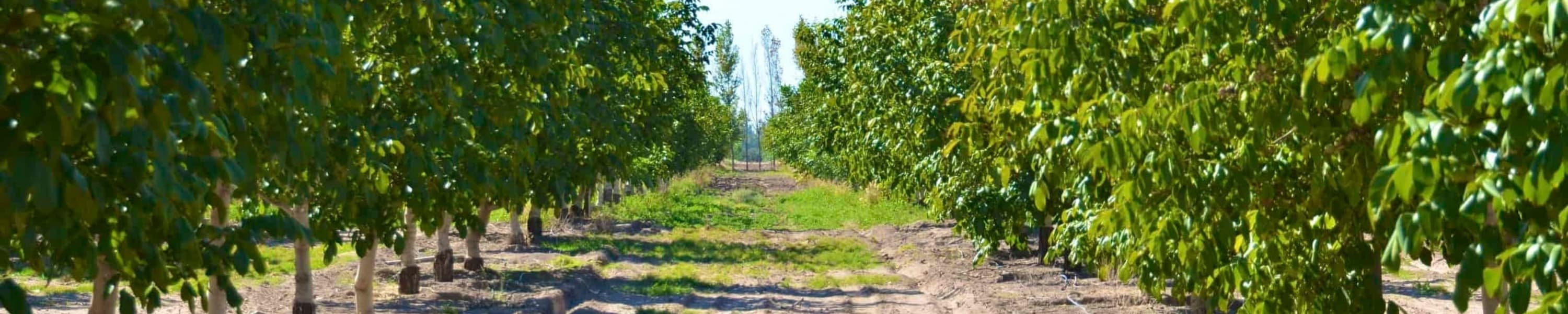
Walnut grows in most Lebanese regions, especially the north and the Bekaa, near rivers, on irrigated land and in home gardens (2025 study). The stands sampled in 2024 lay at 262 to 1,566 m, with 350 to 450 mm of precipitation at the driest site in the north Bekaa and 1,000 to 1,200 mm at the Mount Lebanon sites. In some Akkar villages walnut is a main crop, with dozens of orchards holding hundreds of trees (2023).
Spring frost is a known risk: in spring 2014 frost across the Bekaa, from Hermel to West Bekaa, destroyed walnut flowers and fruit (LBCI). Lebanon's traditional walnuts are local landraces with no named cultivars, often grown from nuts or cuttings and known by nut shape or shell hardness (Dmagh, Kalb, Ferk, Kasi); a 2025 study found high diversity among 35 of them. Imported improved cultivars are replacing them; a young Chandler orchard near Baalbek needed four to five more years to reach full production (trade press, 2023).
Planning matters because walnut is slow to bear: in 2012 a Lebanese expert said improved imported plants can bear in their sixth year, and the press report added that local types need 10 to 15 years to reach full production; a Bekaa grower spaced trees 8 to 10 m apart each way. In 2026 the Minister of Agriculture said imports show an opportunity for farmers to expand walnut area, renew orchards and adopt suitable cultivars and reliable seedlings.

Practical Tips for Walnut Orchard Establishment
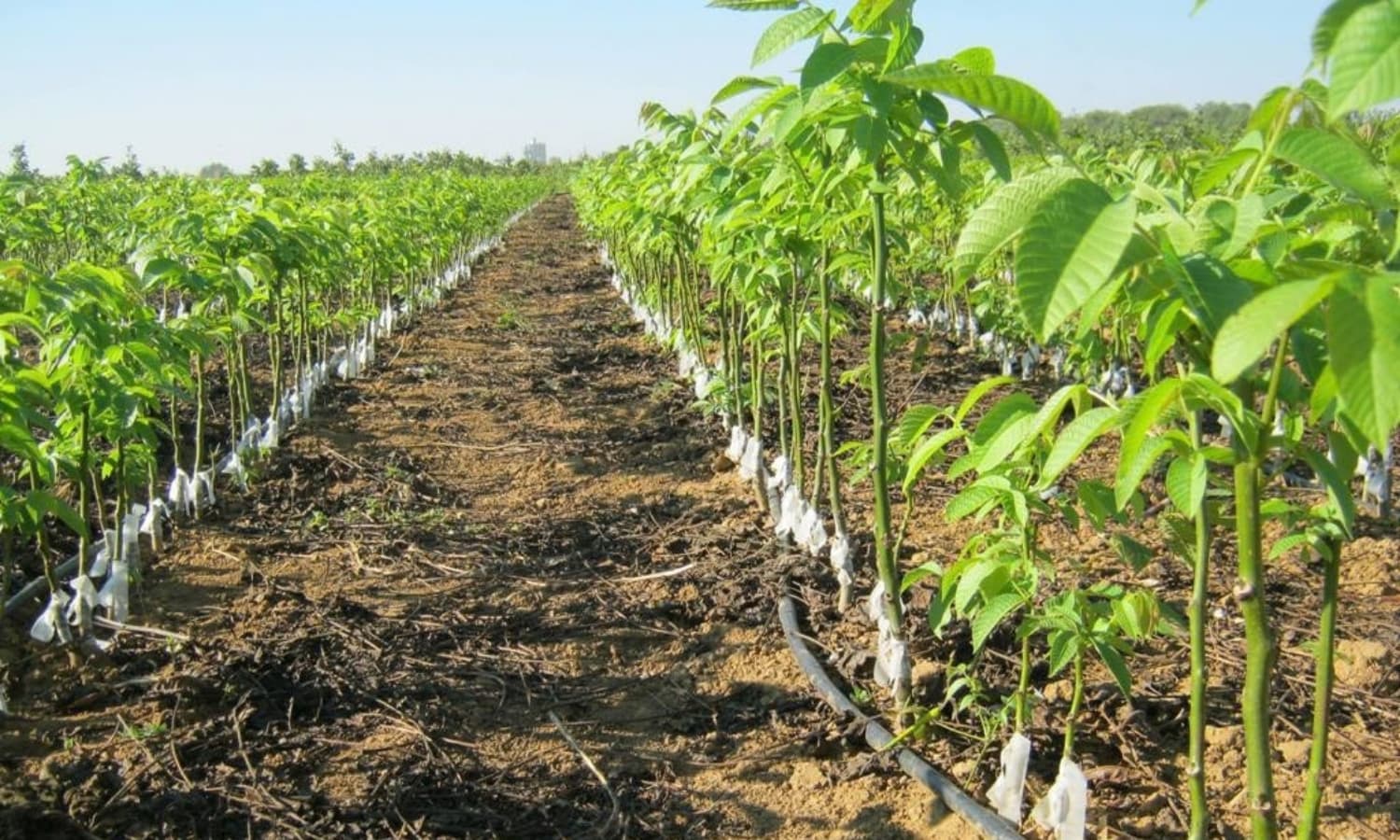
Plant grafted trees of known cultivars: a 2012 press report said local walnut types need 10 to 15 years to reach full production.
Avoid frost pockets and choose late-leafing cultivars where spring frost is common: frost destroyed walnut flowers across the Bekaa in 2014.
Secure water before planting: Lebanese walnut grows mainly near rivers, on irrigated land and in home gardens (2025 study).
Space trees widely: a Bekaa grower used 8 to 10 m each way (2012), and University of California guidance uses about 7.6 to 8.5 m.
For new orchards meant for machines, choose flat or gently sloping land, as in the Bekaa plain; scattered house trees stay hand-harvested.
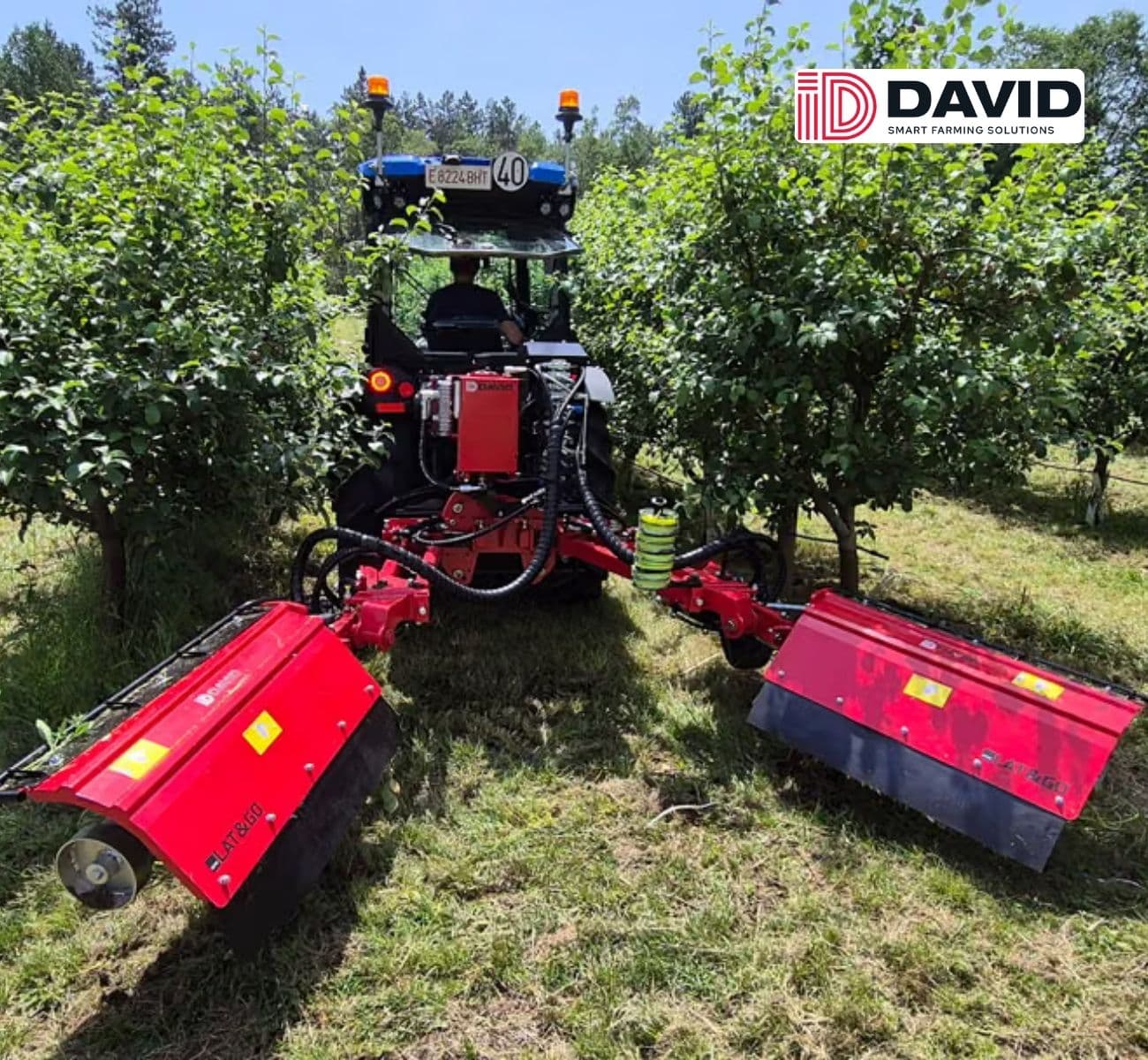
Before planting, plan rows, headlands and access lanes with your machinery supplier, so shakers, sweepers and shuttles can work and turn freely.
Recommended Establishment Stages




Walnut Orchard Care & Maintenance in Lebanon
Walnut pest and disease records for Lebanon are old: EPPO lists codling moth (on information from 1989) and walnut blight (2001) as present, and has no Lebanese record of walnut husk fly, leopard moth or anthracnose. In Akkar, growers reported a worm that destroyed many nuts in 2016 and ate nuts from the inside in 2023, despite routine spraying, and blackened, dried nuts that did not ripen properly in 2016; the pest was not identified (press reports).
No Lebanese walnut thresholds were found, so University of California guidance is a useful reference: trap codling moth from spring and, at harvest, crack out 1,000 nuts to judge damage and plan the next season. In orchards using mating disruption, UC treats in-season damage above 1% after the first generation or 2% after the second as an infestation; it also notes that rain spreads blight bacteria and that early-leafing cultivars suffer most.
Water decides where orchards succeed: Lebanese walnut grows mainly near rivers and on irrigated land, and the driest surveyed site gets only 350 to 450 mm a year (2025 study). FAO-56 gives walnut orchards a crop coefficient of 0.50 at the start of the season, 1.10 at midseason and 0.65 before leaf drop.
Recommended Orchard Care & Maintenance Stages



Practical Tips for Walnut Orchard Care & Maintenance
Hang codling moth traps from spring and crack out a sample of nuts at harvest: EPPO lists the pest as present in Lebanon.
Send damaged nuts for identification before choosing a control: press reports of worm damage in Akkar in 2016 and 2023 did not name the pest.
Watch for blight after rain at bloom: University of California guidance says rain spreads the bacteria and early-leafing cultivars suffer most.
Irrigate young trees through the summer on dry sites: the driest surveyed walnut site, in the north Bekaa, gets only 350 to 450 mm a year.
Estimate blight pressure by having a lab test 50 to 100 buds per block, as University of California guidance suggests.
Note each cultivar's leafing and flowering dates every spring, so later plantings can avoid the sites where frost hits hardest.

Walnut Harvesting in Lebanon

Press reports put the walnut harvest between mid-September and the end of October: in Akkar most orchard owners had finished by mid-October 2023, and a Bekaa grower picked from mid-September to early October (2012). That grower knocked nuts down by striking the branch ends with a long wooden pole and warned that picking before the hull splits spoils kernels in drying; in Akkar, picking and peeling were easier once the hull had come away.
In parts of Akkar a household keeps one or two trees for its winter stores, while in other villages families rely on walnut orchards for annual income (2023). No Lebanese source found describes nets, tree shakers or harvest machines. University of California advisers note that most quality loss occurs in the first 9 hours after harvest, so nuts should not wait long on the ground.
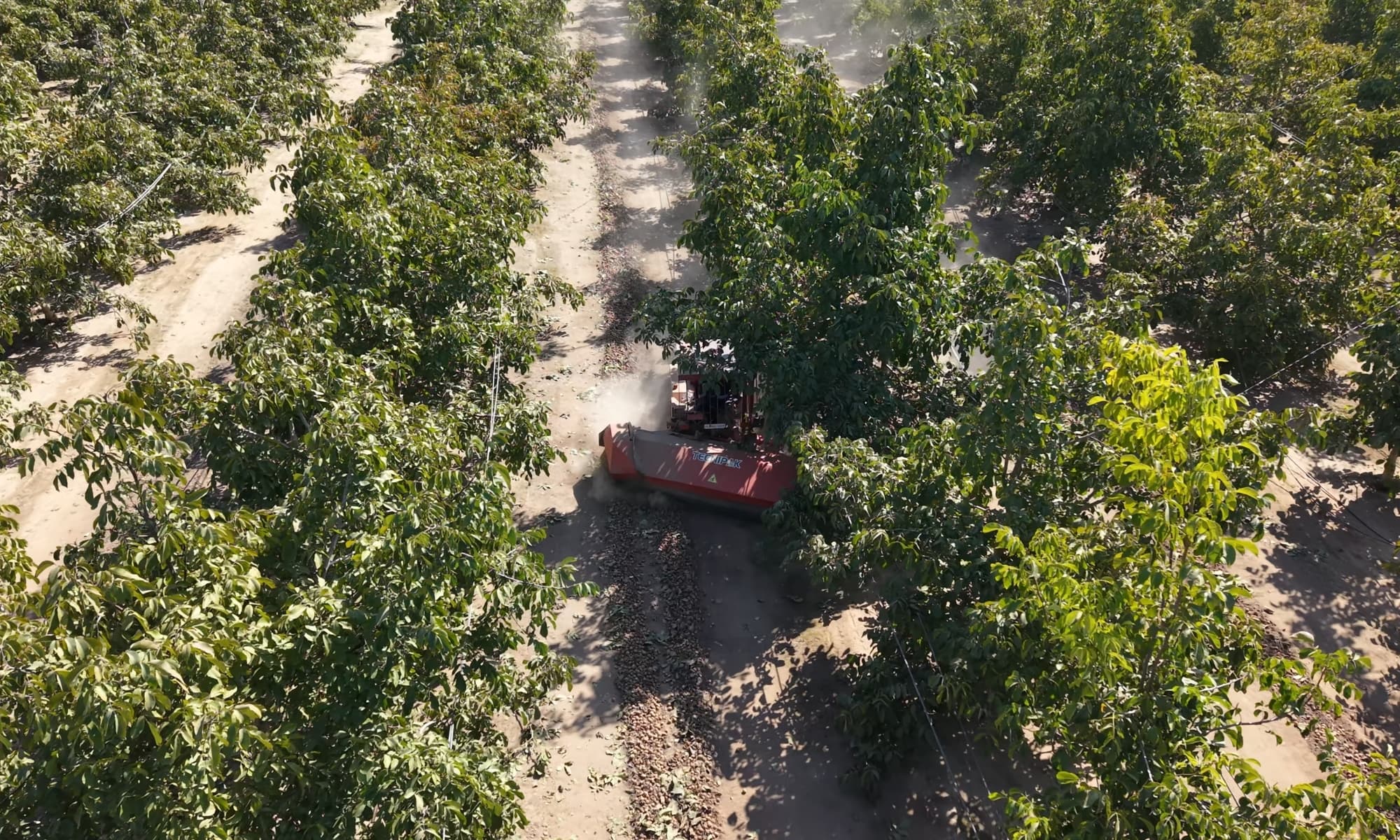
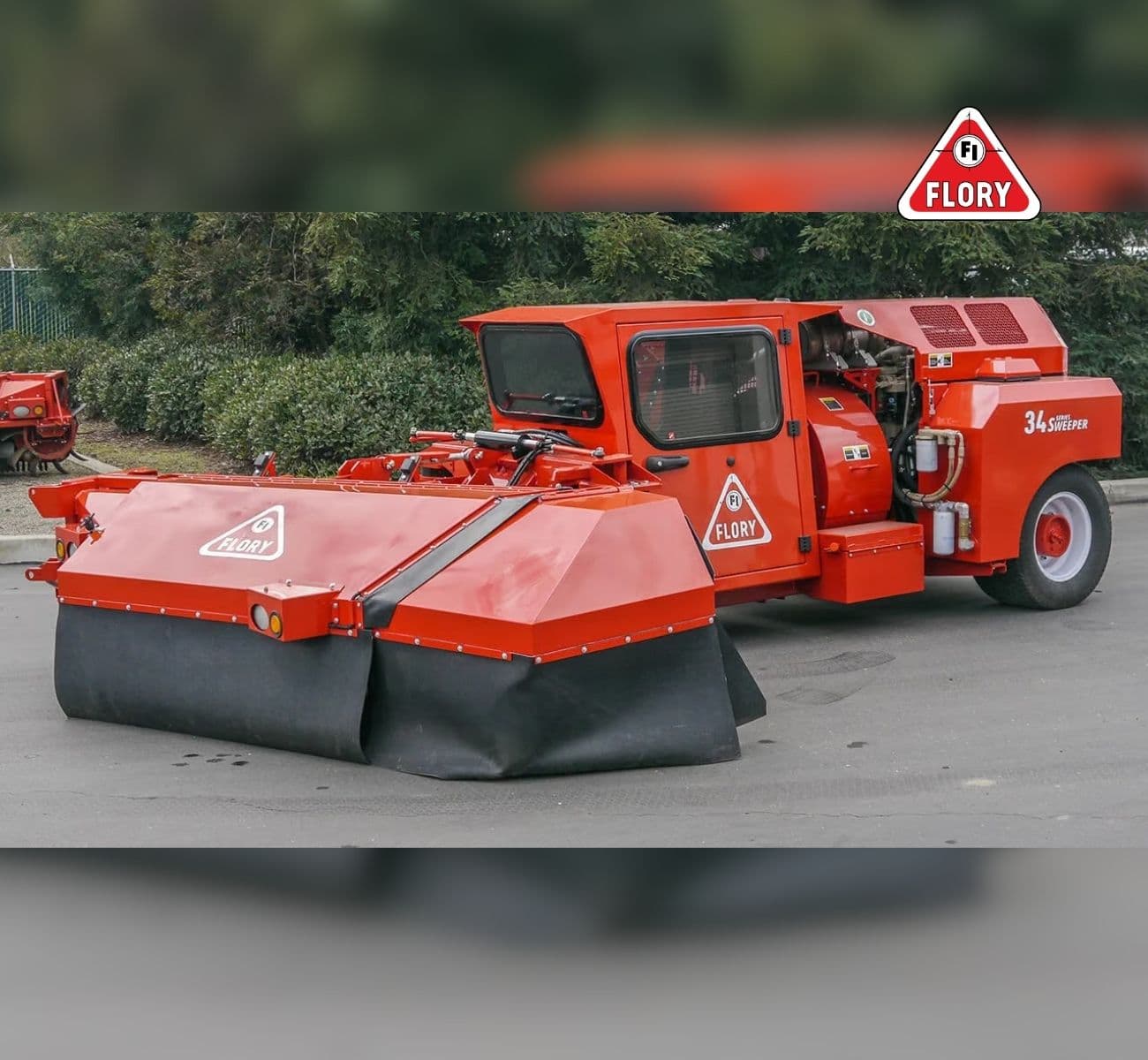
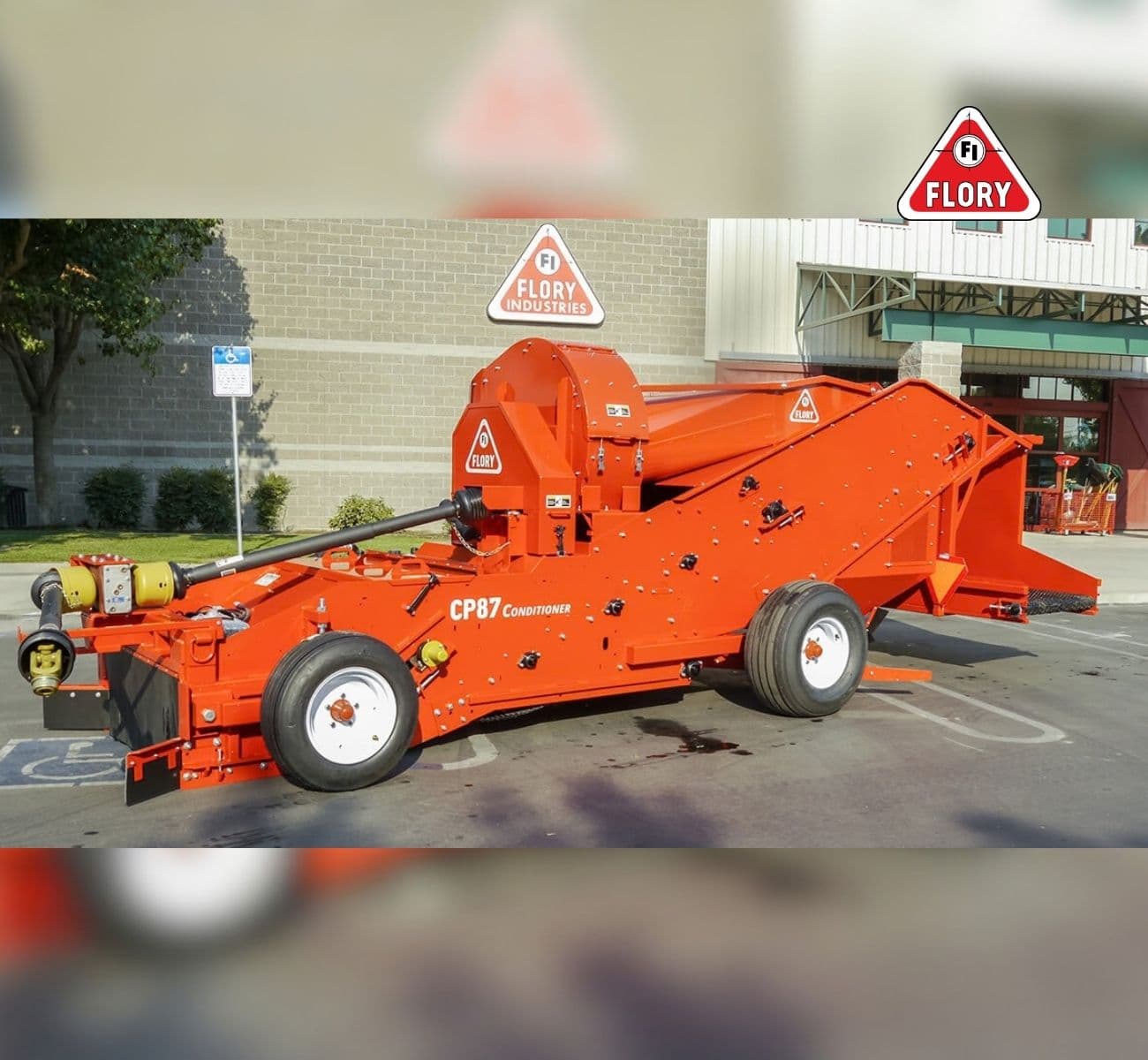
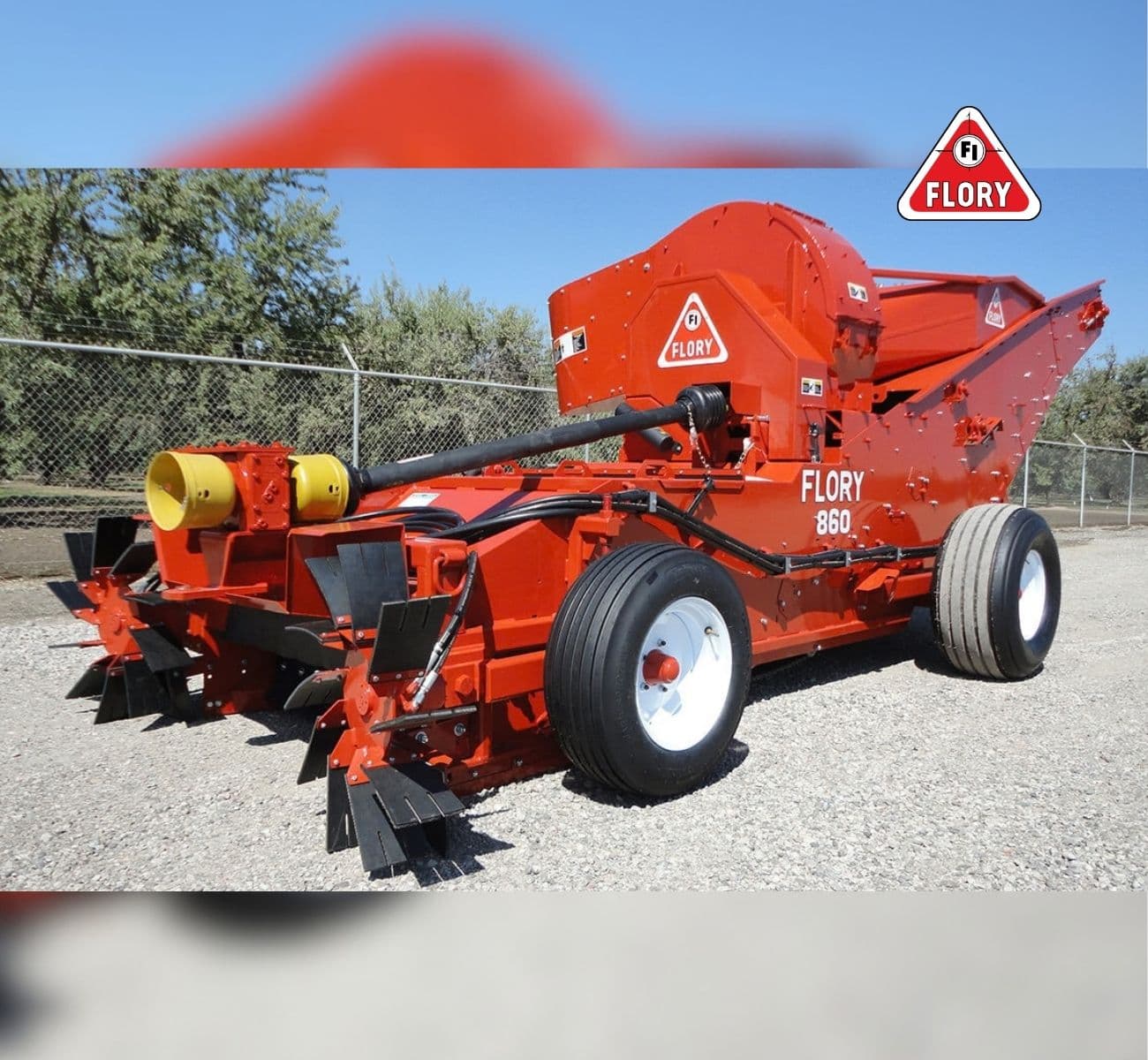
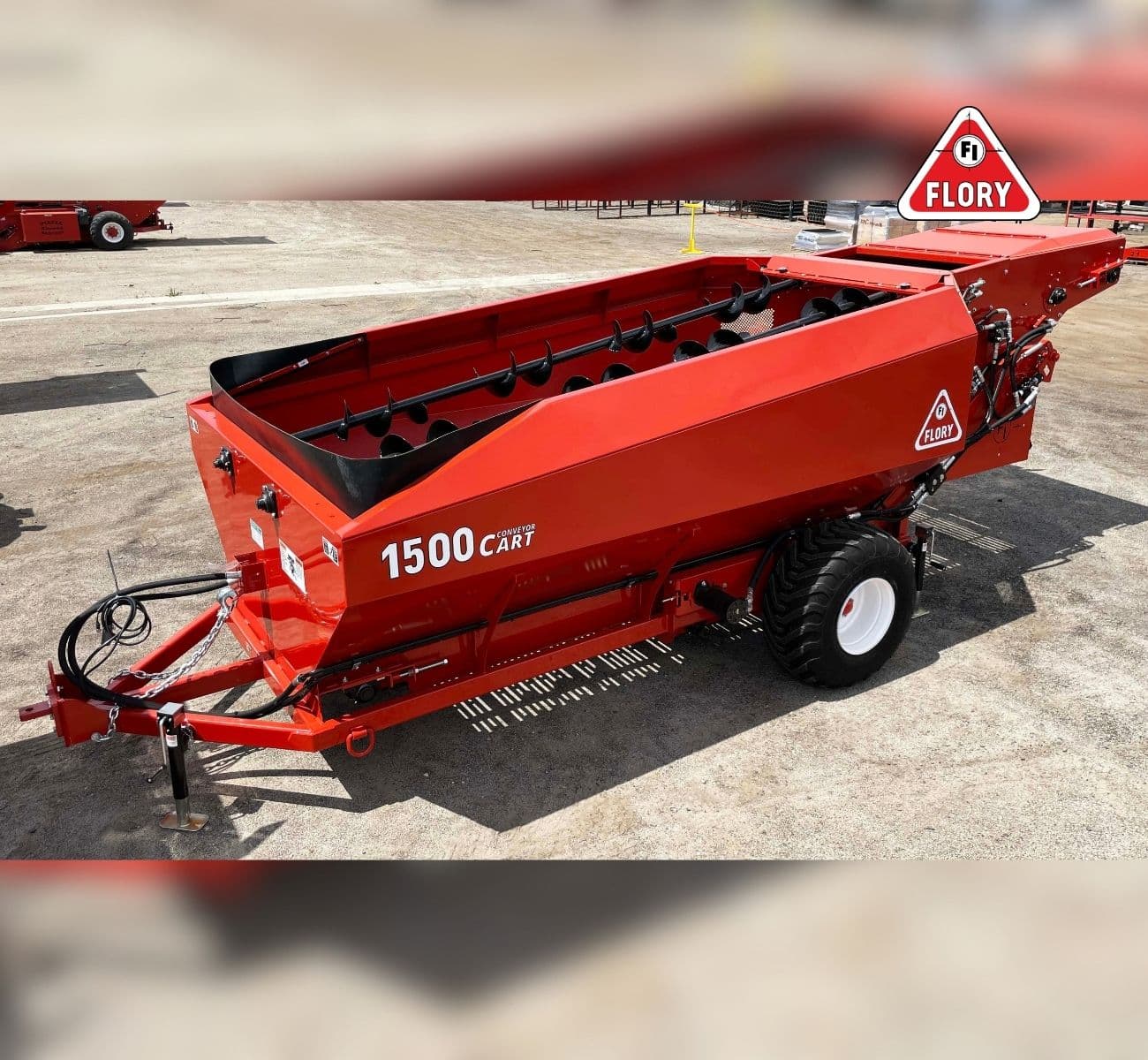
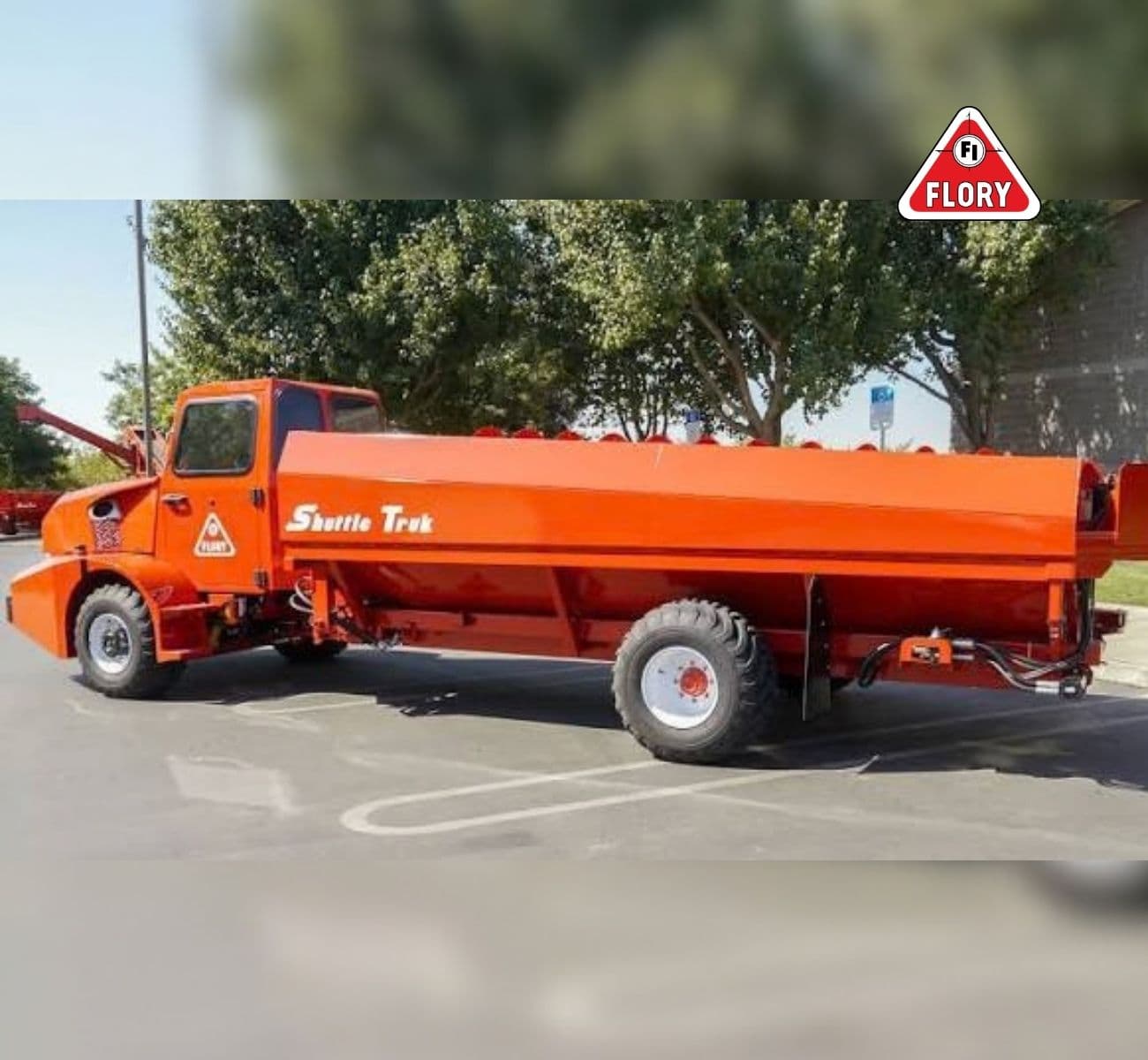
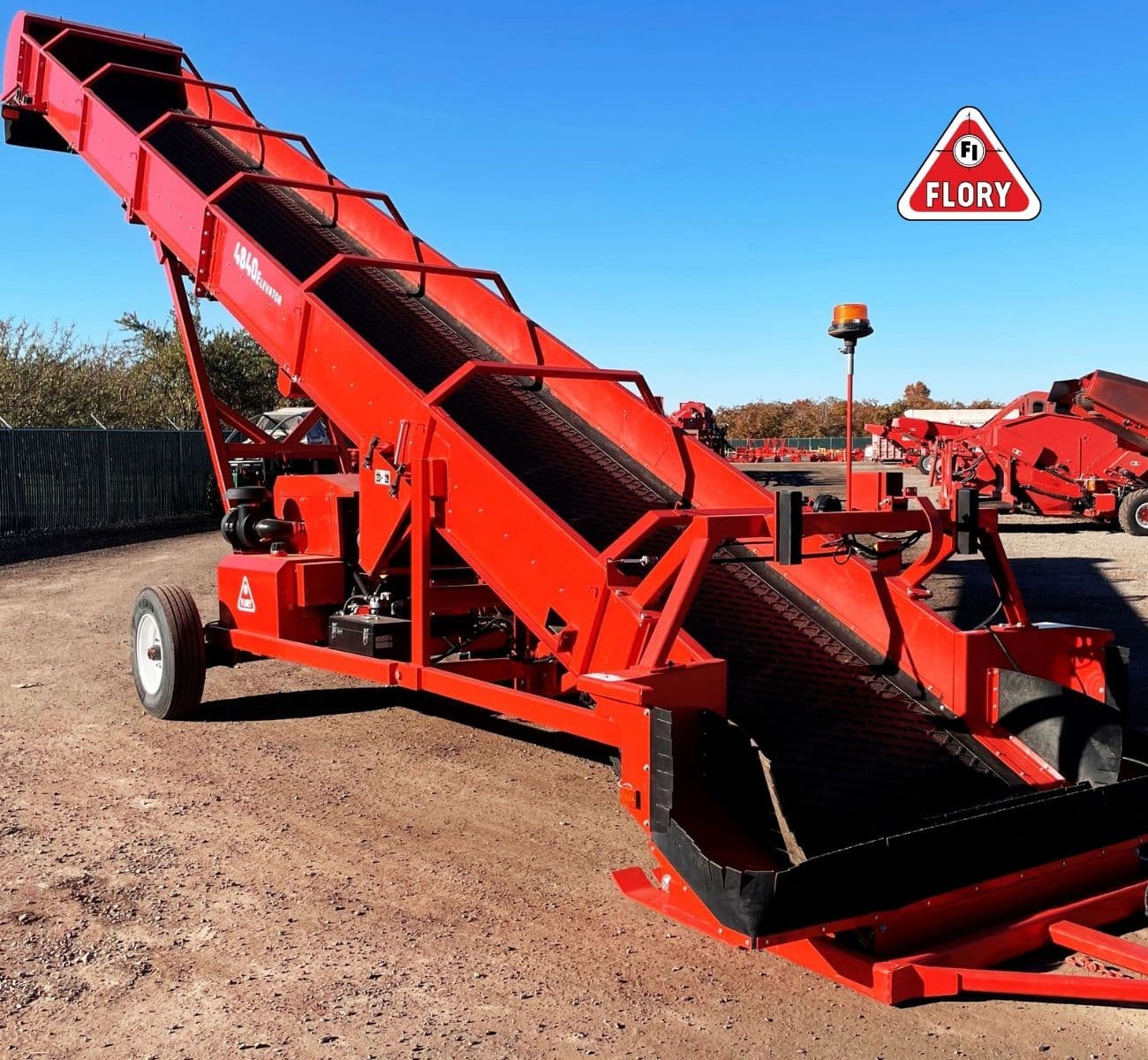
Mechanized harvesting suits new, wide-spaced orchards on flat or gently sloping ground, such as plots in the Bekaa plain, where it brings the crop in quickly. Flory harvesting machinery is available in Lebanon through OVE Europe: a line runs from the VR700 Shaker, 34 Series Sweeper and 860 Harvester, or the smaller 490, to the 1500 Conveyor Cart, ST14 Shuttle and 4840 Field Elevator.
Walnut Harvest Workflow (Recommended Equipment)

Practical Tips for Walnut Harvesting
Wait for the hulls to split before knocking or shaking: picking earlier spoils kernels during drying, a Bekaa grower warned (2012).
Pick up fallen nuts every day: UC advisers say most quality loss occurs in the first 9 hours after harvest.
When knocking nuts down by hand, strike the branch ends with a long pole, as one Bekaa grower described (2012).
Match machines to orchard size: about 70% of Lebanese farm holdings were under 1 ha in the 2010 census, so a full machine line suits larger new orchards.
Before harvest, mow and level the orchard floor and clear branches and stones, so the sweeper and harvester pick up cleanly.
Size the sweeper and harvester to the area shaken each day, so shaken nuts never wait overnight on the ground.
Get your recommended harvest setup
Enter orchard size, spacing, terrain, and target throughput—we’ll suggest a practical harvest workflow and equipment lineup.

Walnut Post-Harvest Handling & Processing in Lebanon
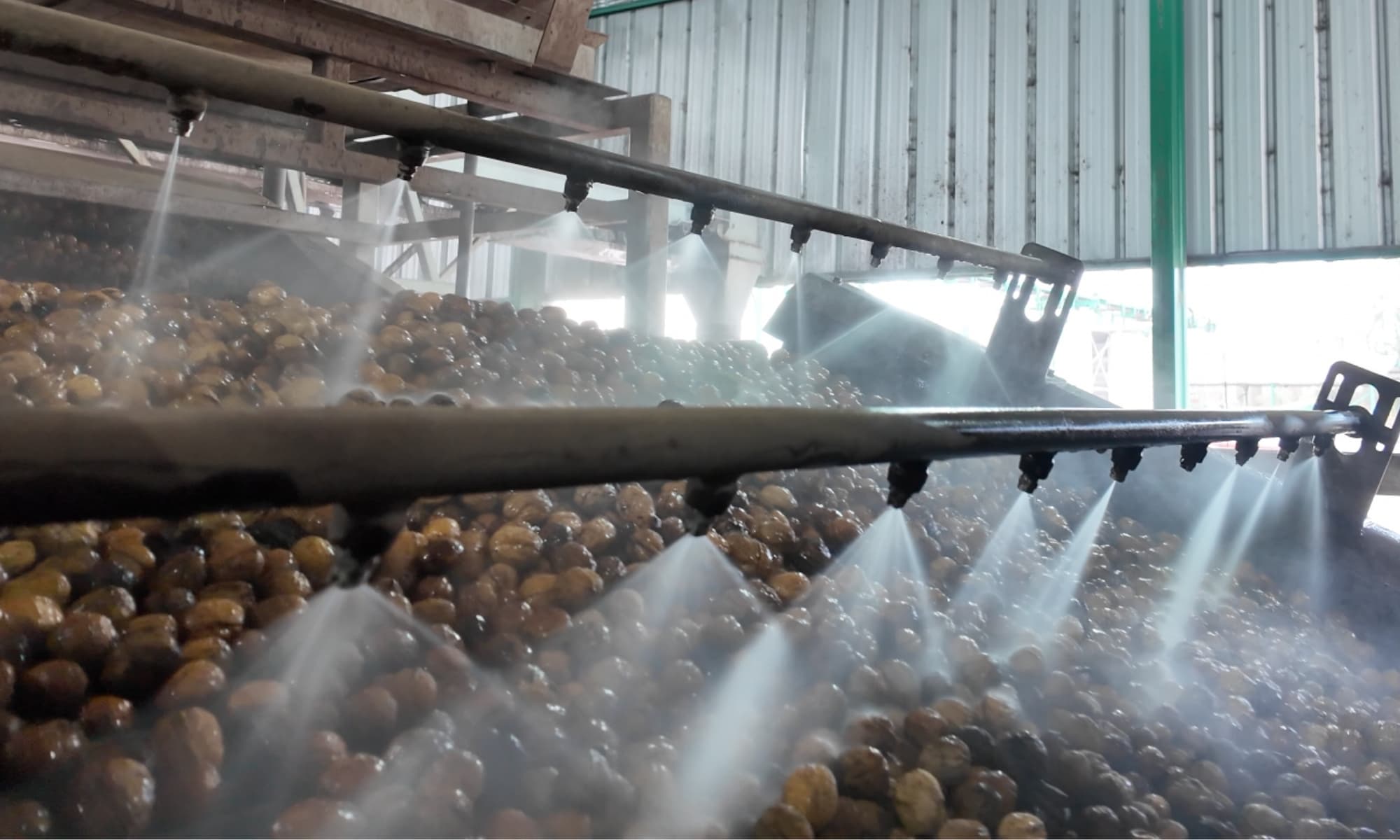
Press reports describe household handling: nuts are peeled once the hull comes away, sun-dried and cracked, and kernels go into winter stores, makdous (aubergines preserved with walnuts in oil) and sweets (2012 and 2023). No Lebanese source gives drying temperatures or target moisture, so general guidance applies: hull promptly and dry the nuts to 8% moisture with air no hotter than 43 °C (University of California).
A 2022 Ministry of Industry decision requires factories that store and pack nuts to follow Lebanese food standards, with mycotoxin limits taken from Lebanese standards or, where none exist, from EU legislation. The UNECE standard DDP-02 for walnut kernels sets moisture at most 5.0% and requires Class I kernels to be no darker than light brown. Jessee, whose processing lines OVE Europe supplies, builds walnut hulling lines and drying, in-shell cleaning and sizing, and shelling systems.
For general information only. Information may become outdated and does not replace site-specific professional advice. Consult a qualified agronomist and confirm equipment suitability with OVE before acting.
Practical Tips for Walnut Post-Harvest Handling & Processing
Hull nuts as soon as possible after collection, as UC guidance advises: the longer the hulls stay on, the more nut quality deteriorates.
Dry to 8% moisture, measured on the whole nut, with air no hotter than 43 °C, and avoid sun drying, which UC guidance says darkens kernels.
Crack a sample from each lot before sale: an Akkar grower found most of his sun-dried nuts damaged inside only after cracking them (2023).
Keep kernels light and dry: UNECE standard DDP-02 requires Class I kernels no darker than light brown and moisture of at most 5.0%.
Ask buyers which mycotoxin limits they apply: a 2022 decision refers nut factories to Lebanese standards, or to EU limits where none exist.
Store dried nuts and kernels in clean, dry, cool rooms free of foreign odors, and keep each lot separate.
Recommended Post-Harvest Handling & Processing Stages









Plan your post-harvest line
Estimate tons/day, cleaning & drying capacity, storage needs, and cost/kg—then build your equipment plan in phases.