






Almond Orchard Establishment in Moldova
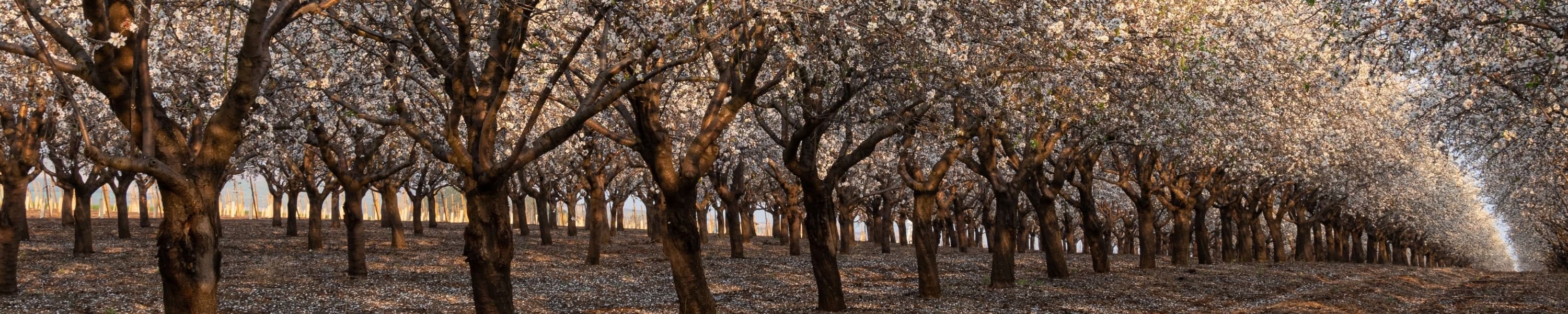
Moldova's Catalogue of Plant Varieties lists eight almond cultivars, all admitted for the central, southern and southeastern zones, not the northern one, and all harvested in September. Perveneț Hramova and Victoria were registered in 2002, Alb Moldovenesc, F2 2052 (Rihter 2052), Hramov Standard, Delicat and the introduced Meteor in 2008, and Cristina in 2014; a horticultural research institute in Chișinău is listed as originator and maintainer of all eight.
The catalogue lists almond seedlings and the almond-peach hybrid GF 677 among its rootstocks but gives no bloom dates or frost behavior, and spring frost has been costly: frost in early April 2022 damaged almonds in bloom in the south, EastFruit reported, and the same outlet wrote in 2021 that spring frosts had sped up the removal of old almond orchards.
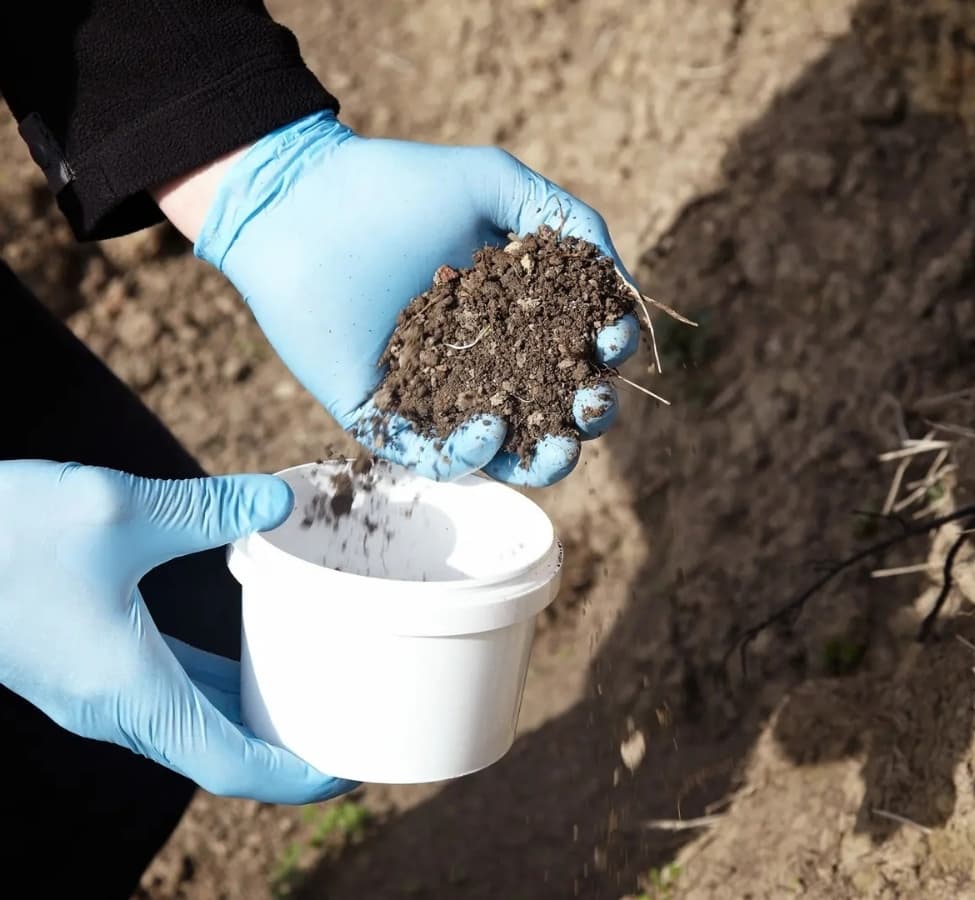
A farm profiled in 2022 said its first almond trees, planted in 2008, bore no fruit until a full soil analysis identified the problem, so test the soil and choose sites free of cold air pockets before planting. No Moldovan source on spacing was found: plan rows, headlands and trunk height around the shaker, sweeper and harvester, and check them with OVE Europe.

Practical Tips for Almond Orchard Establishment
Choose cultivars from the national catalogue: all eight registered almond cultivars are admitted for the central, southern and southeastern zones, not the northern one.
Avoid frost pockets: frost in early April 2022 damaged almonds in bloom in southern Moldova, EastFruit reported.
Test the soil before planting: one farm's trees, planted in 2008, bore no fruit until a full soil analysis identified the problem.
Use registered rootstocks: the national catalogue lists almond seedlings and the almond-peach hybrid GF 677.
Ask the nursery about each cultivar's bloom time: the catalogue gives none, and early bloom meets more frost.
Plan rows, headlands and tree form for the shaker, sweeper and harvester before planting, and check trunk clearance with OVE Europe.
Recommended Establishment Stages




Almond Orchard Care & Maintenance in Moldova
Almond has a very short dormancy, EastFruit wrote in January 2023: after it, even a short warm spell can restart growth and bloom, when the trees have no frost resistance, and a January thaw may be the greater risk in the south. Warm spells do occur: the State Hydrometeorological Service recorded +17.0 °C at Ceadîr-Lunga on 9 January 2025, a January value seen about once in 30 to 40 years, though flower-bud losses in the main fruit crops stayed within the natural norm that winter.
Spring frost and summer drought both struck in 2025, the service reported. Frosts of -1 to -3 °C occurred almost everywhere on 6 to 13 April, and of -4 to -6 °C in the northern half on 7, 9 and 11 April; the month's frosts damaged fruit crops in bloom (almond is not named). From June to August the southern half had atmospheric and soil drought, with 10 to 16 days of 35 °C or more in the south against a norm of 3 days. No Moldovan irrigation guidance for almond was found.
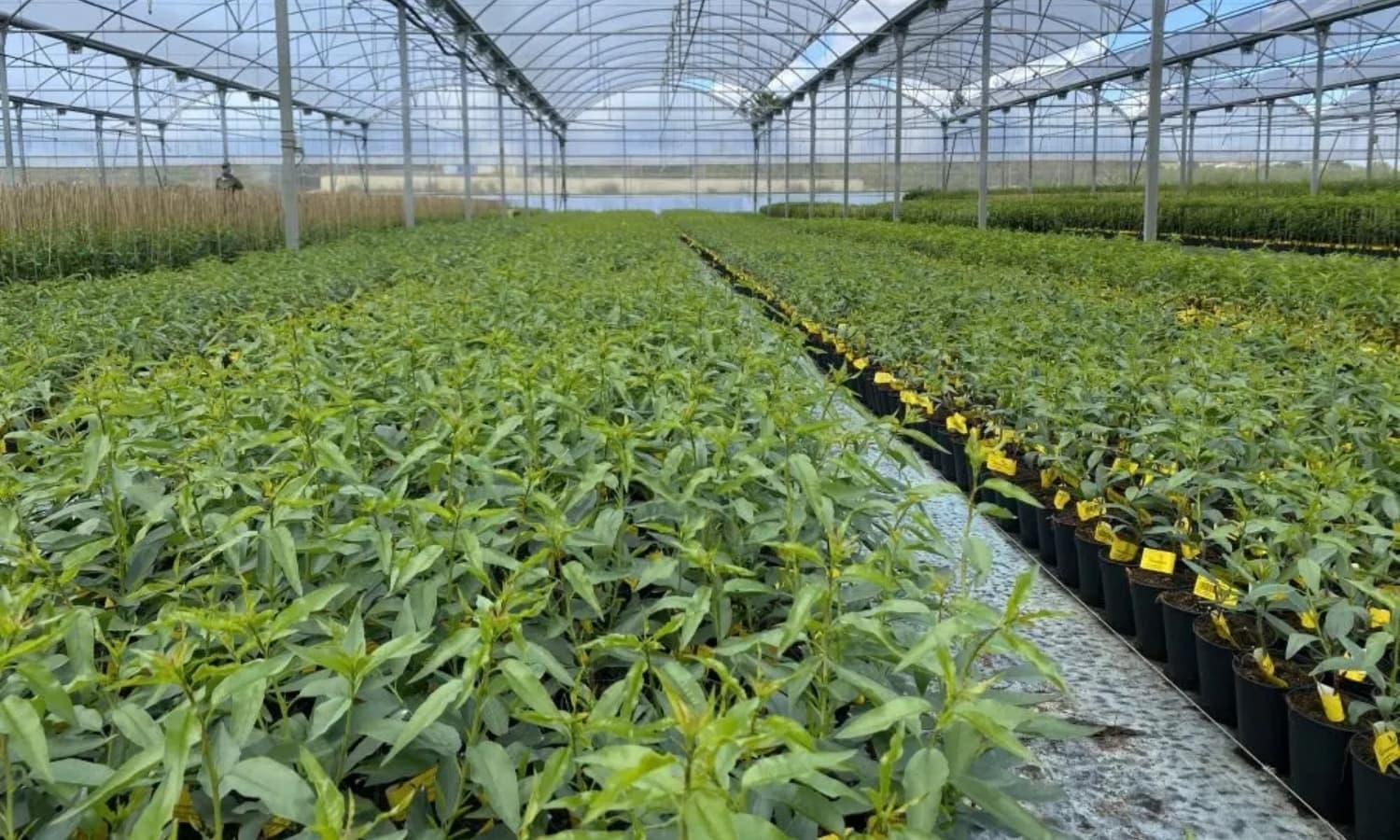
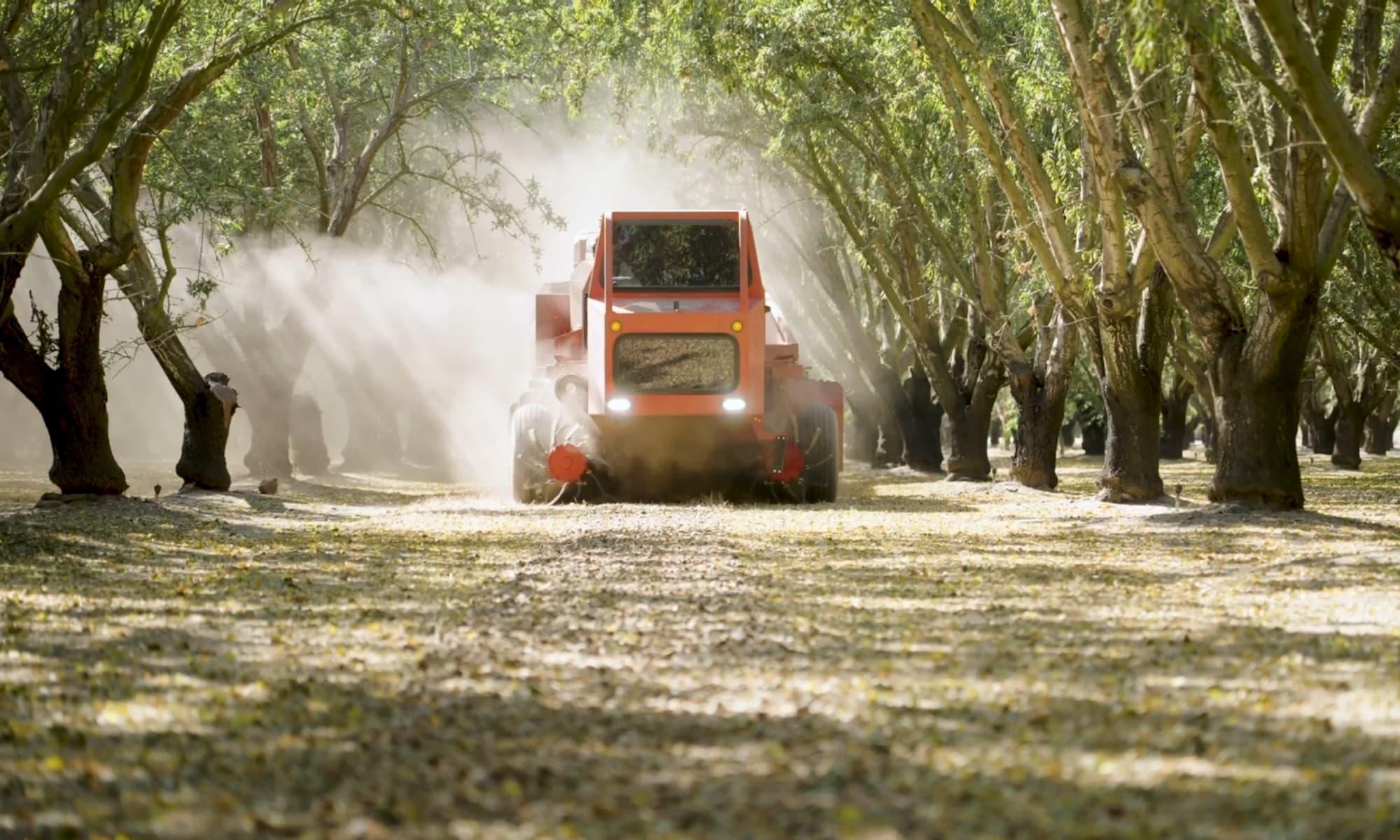
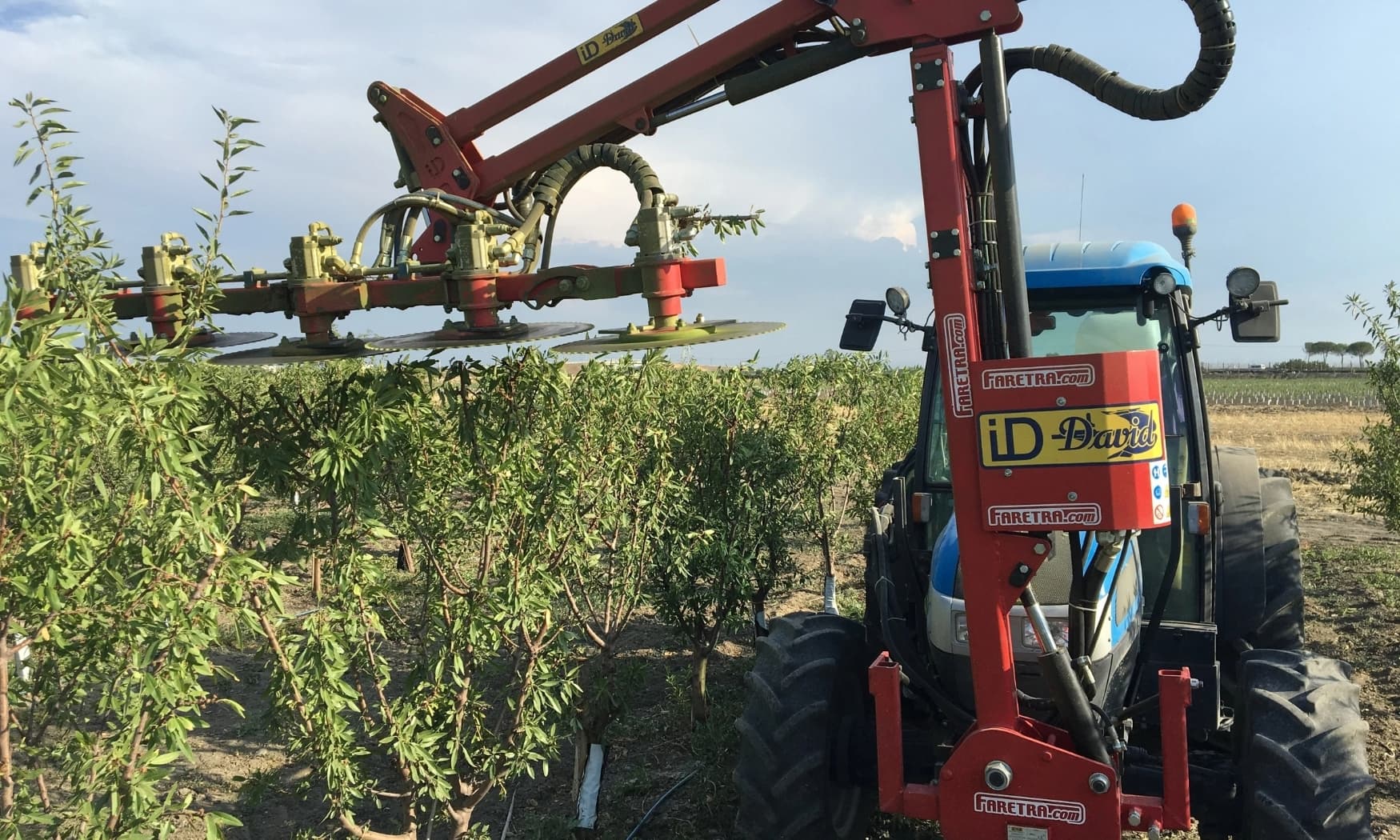
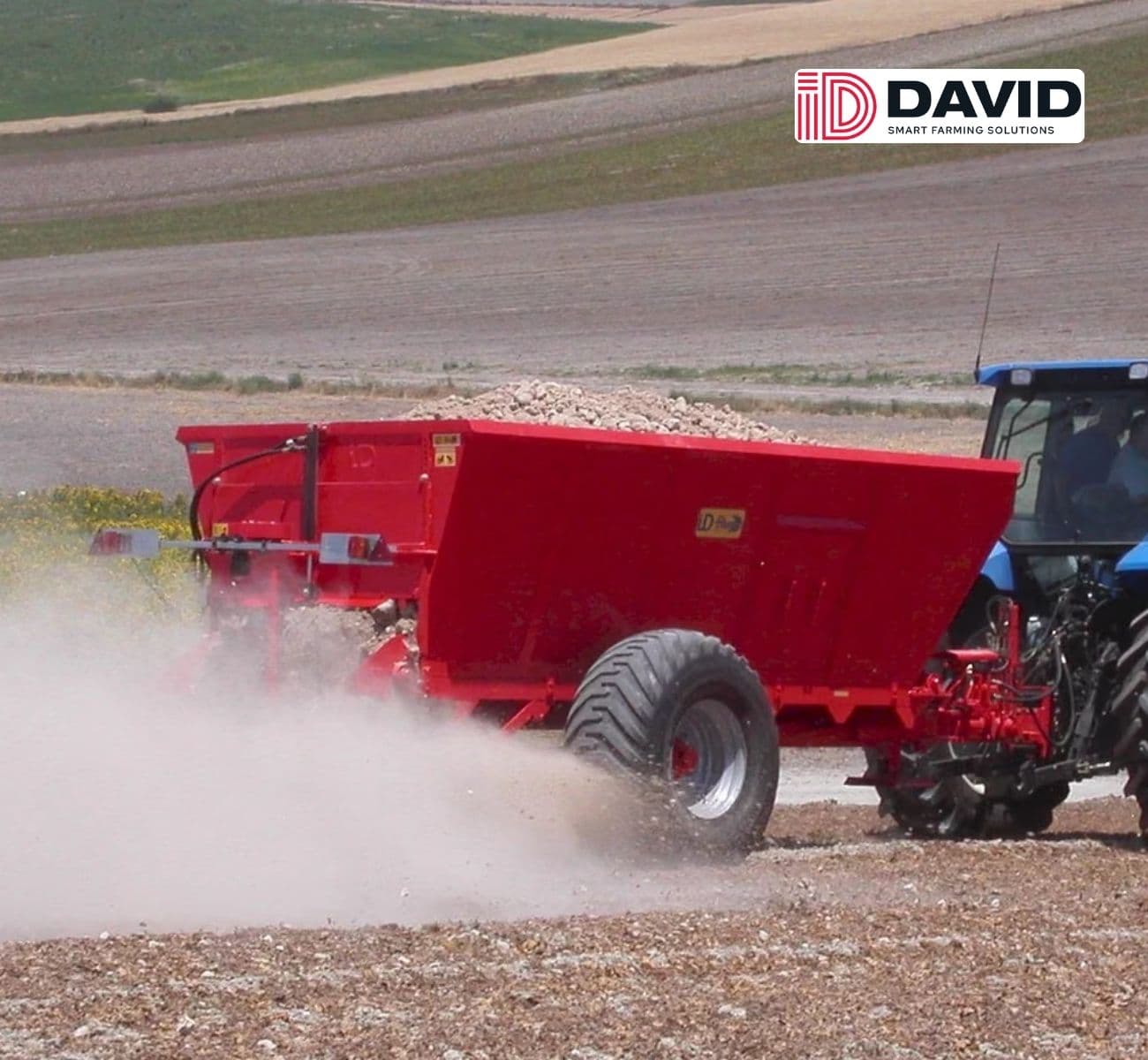
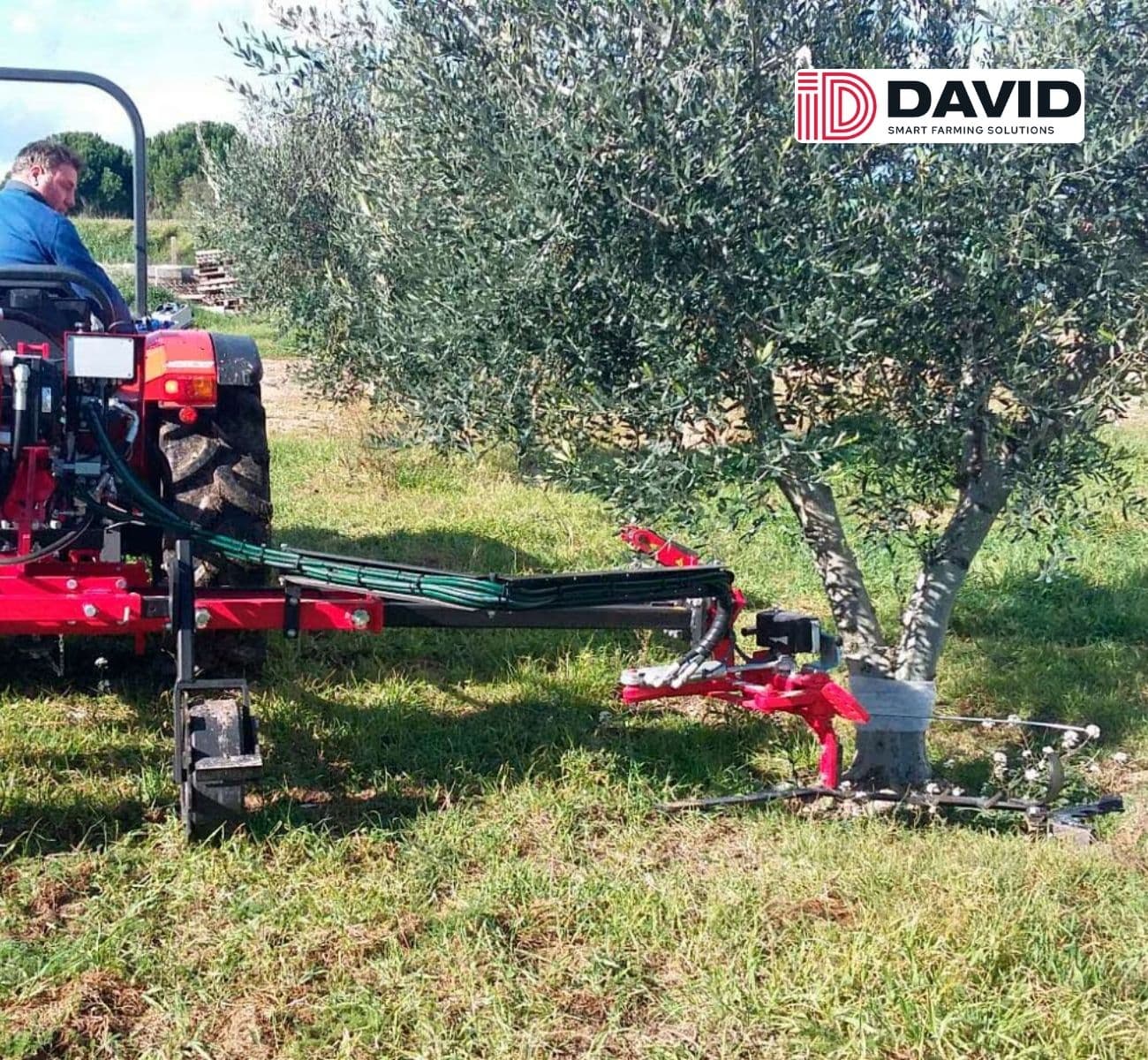
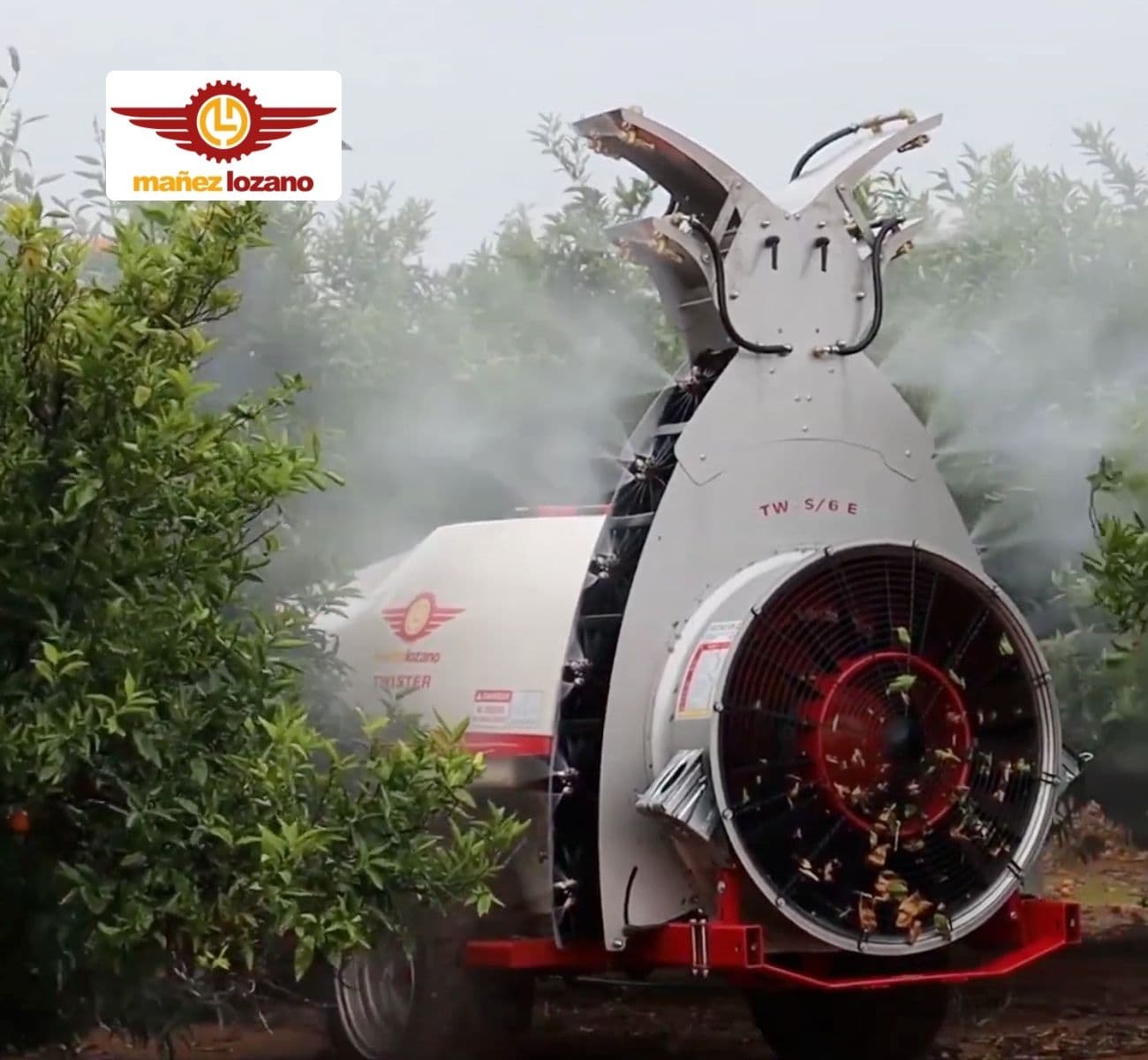
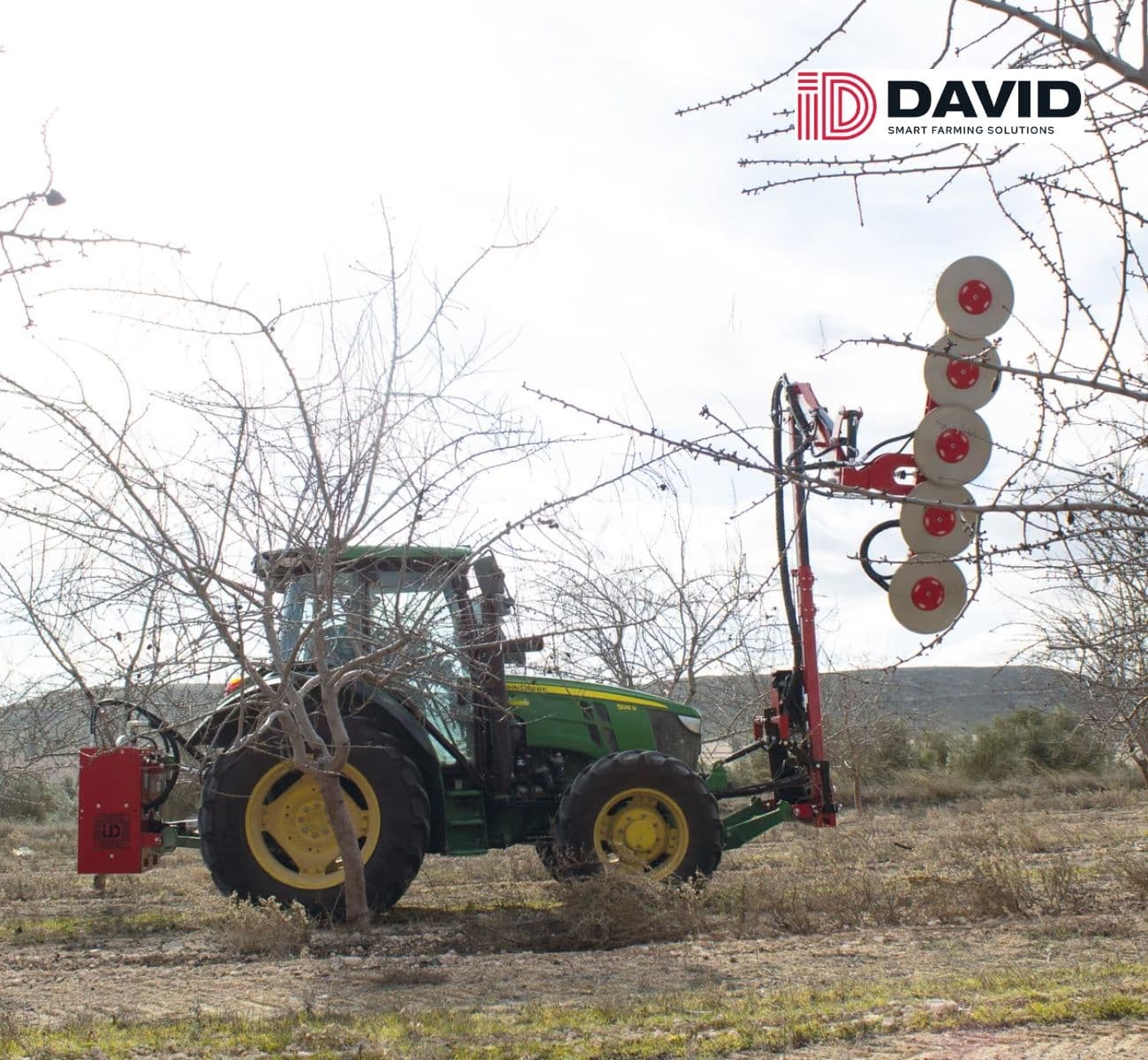
EPPO lists Xanthomonas arboricola pv. pruni, a bacterial pathogen of almond and stone fruit, as present in Moldova on 1980 information, and does not list the almond seed wasp or the peach twig borer there, which is not proof of absence. For care work, the ID DAVID SURFEED spreads solid manure, the ID-XL weeds the tree row, the Mañez Lozano Mega Twister S6 sprays tall, dense canopies and the ID DAVID ID-REX disc pruner makes lateral and topping cuts.
Recommended Orchard Care & Maintenance Stages



Practical Tips for Almond Orchard Care & Maintenance
Watch winter thaws: EastFruit wrote in 2023 that even a short warm spell can restart almond growth and bloom.
Follow the State Hydrometeorological Service's frost warnings at bloom: the service reported that April 2025 frosts damaged fruit crops in bloom.
Irrigate where water allows: the southern half of Moldova had atmospheric and soil drought from June to August 2025.
Watch for bacterial spot: EPPO lists Xanthomonas arboricola pv. pruni, a pathogen of almond and stone fruit, as present in Moldova, on 1980 information.
Keep the tree row weed-free with an in-row weeder such as the ID DAVID ID-XL, and keep the orchard floor level for harvest.
Spray tall, dense canopies evenly with a trailed airblast sprayer such as the Mañez Lozano Mega Twister S6.

Almond Harvesting in Moldova
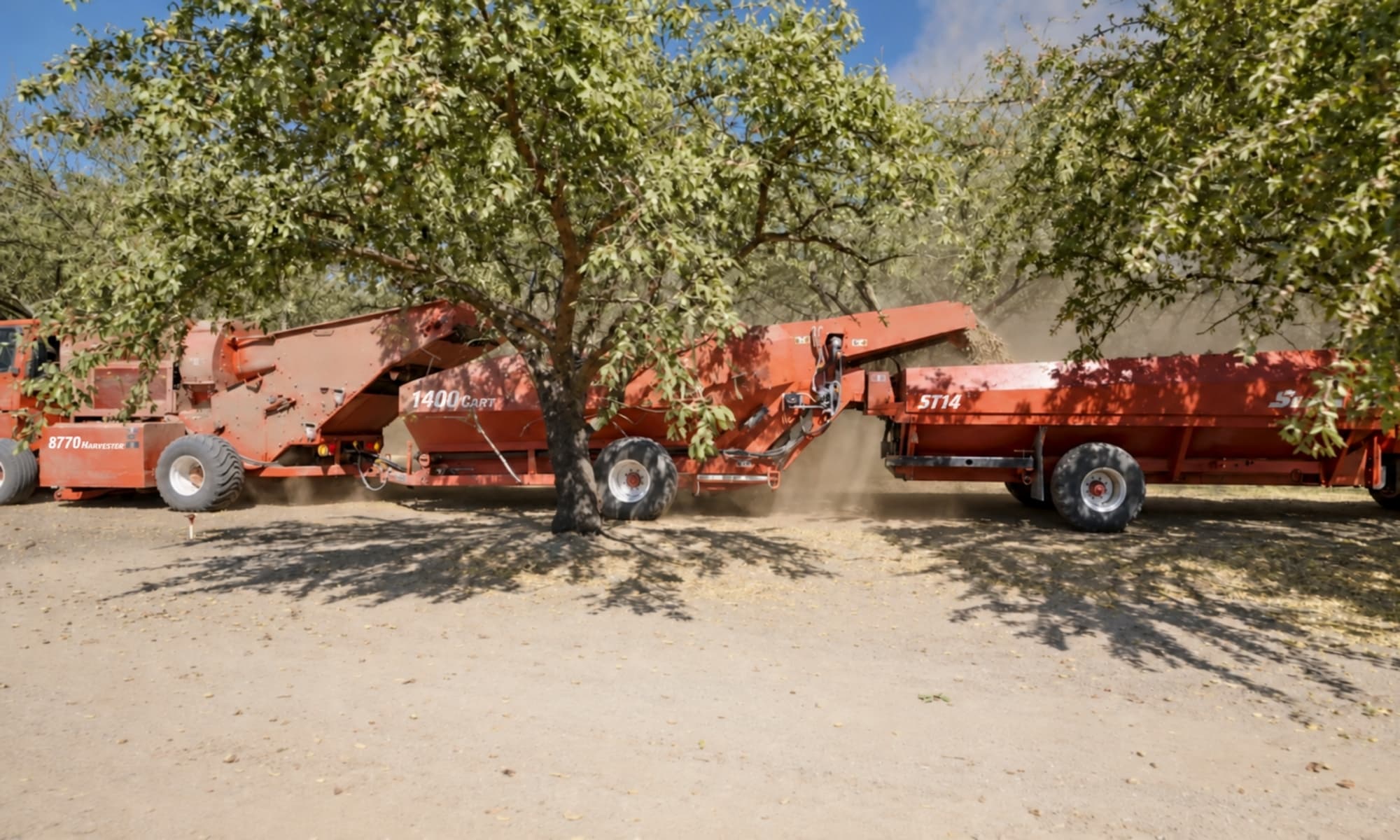
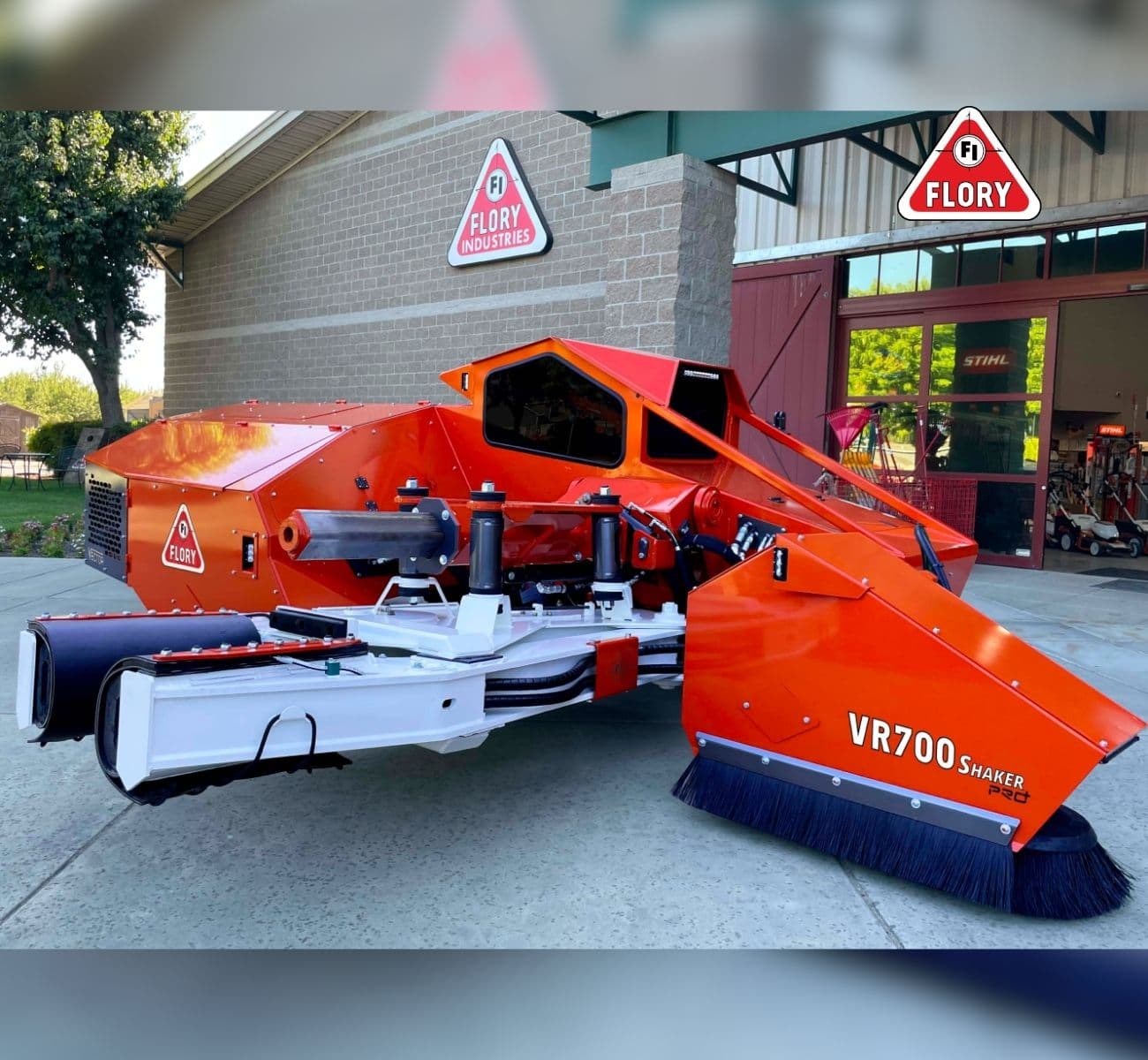
Two 2022 stories from Moldova describe machine harvesting. A group of five producers in the south said that collecting almonds by hand had taken up to two months of daily work and lost a good part of the crop, while machines let them harvest much faster and on time; a farm profiled the same year said it gathers its almonds with specialized machinery. In orchards planted for machines on suitable ground, mechanized harvesting can bring the crop in on time, with less risk of nuts deteriorating while they wait.
All registered cultivars are harvested in September, and September rain varies widely. Cahul in the south averages 48 mm on 7 days with at least 0.1 mm (1961 to 1990, via WMO), but on 14 to 16 September 2024, 130 to 190 mm fell in some central and southern districts, amounts the State Hydrometeorological Service said occur in September about once in 20 to 40 years, and Leova and Cantemir had 105 mm in 8 hours. This guide therefore shows prompt pickup, with hulling and drying at once, alongside catching frames.
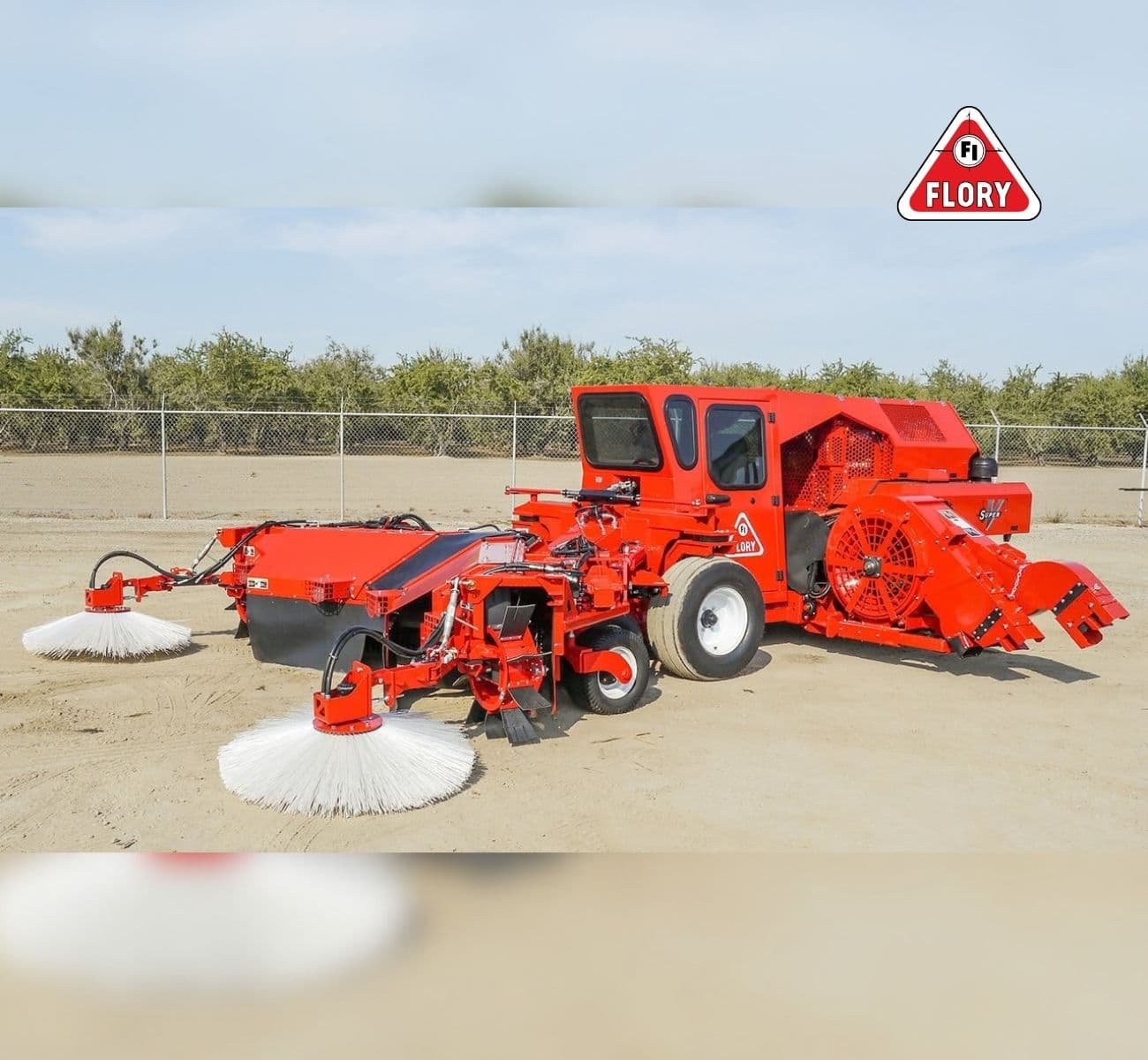
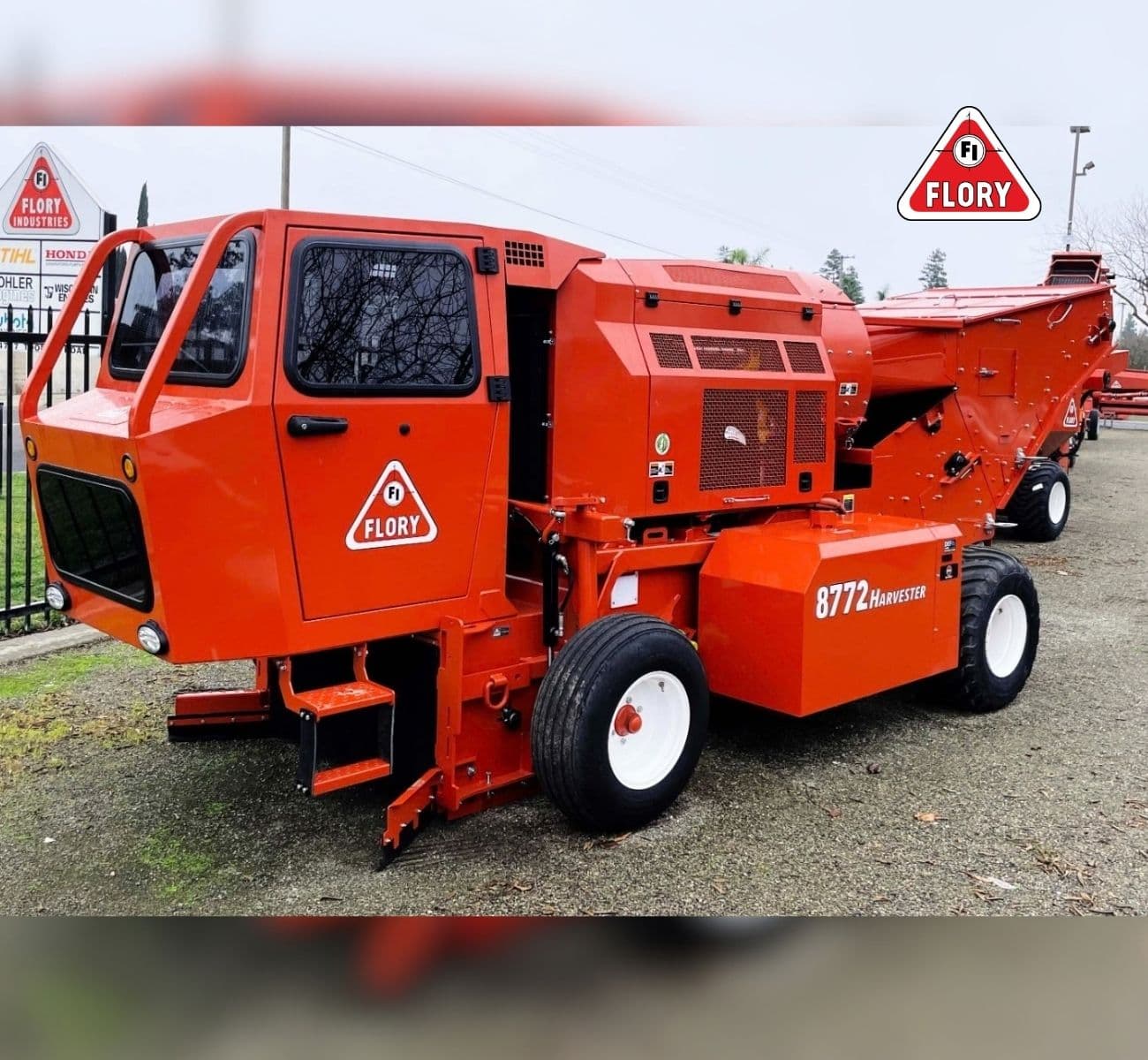
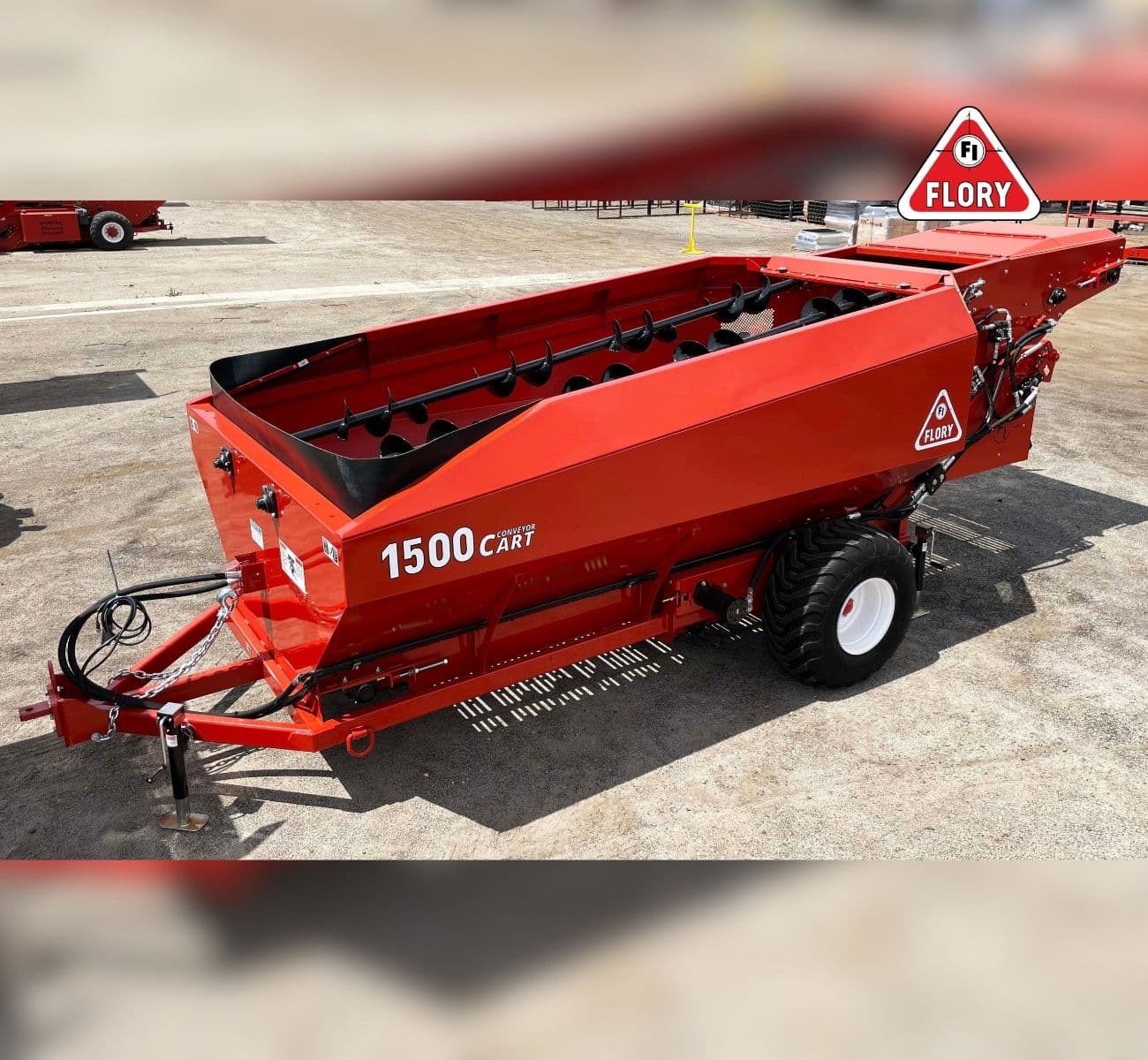
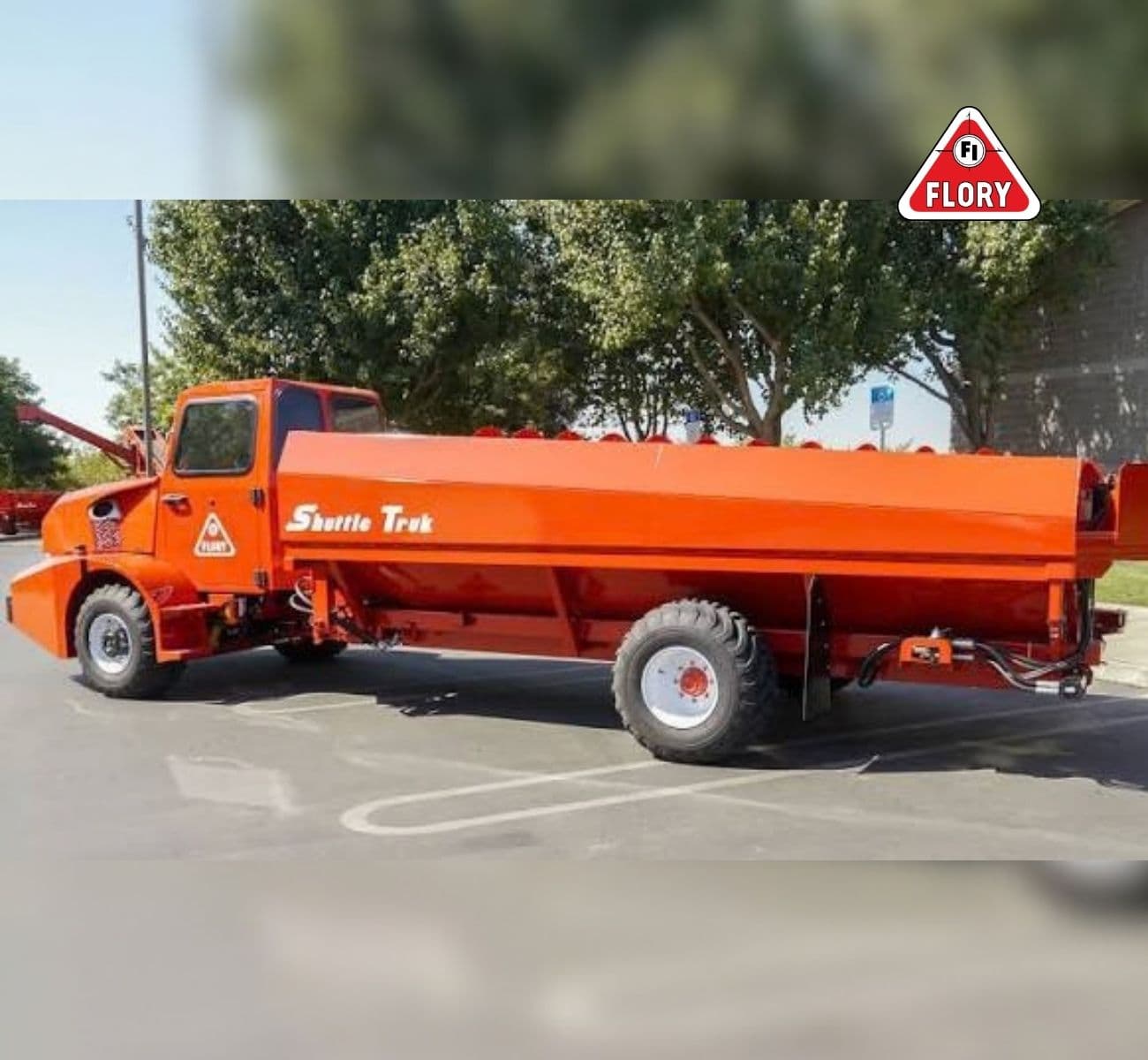
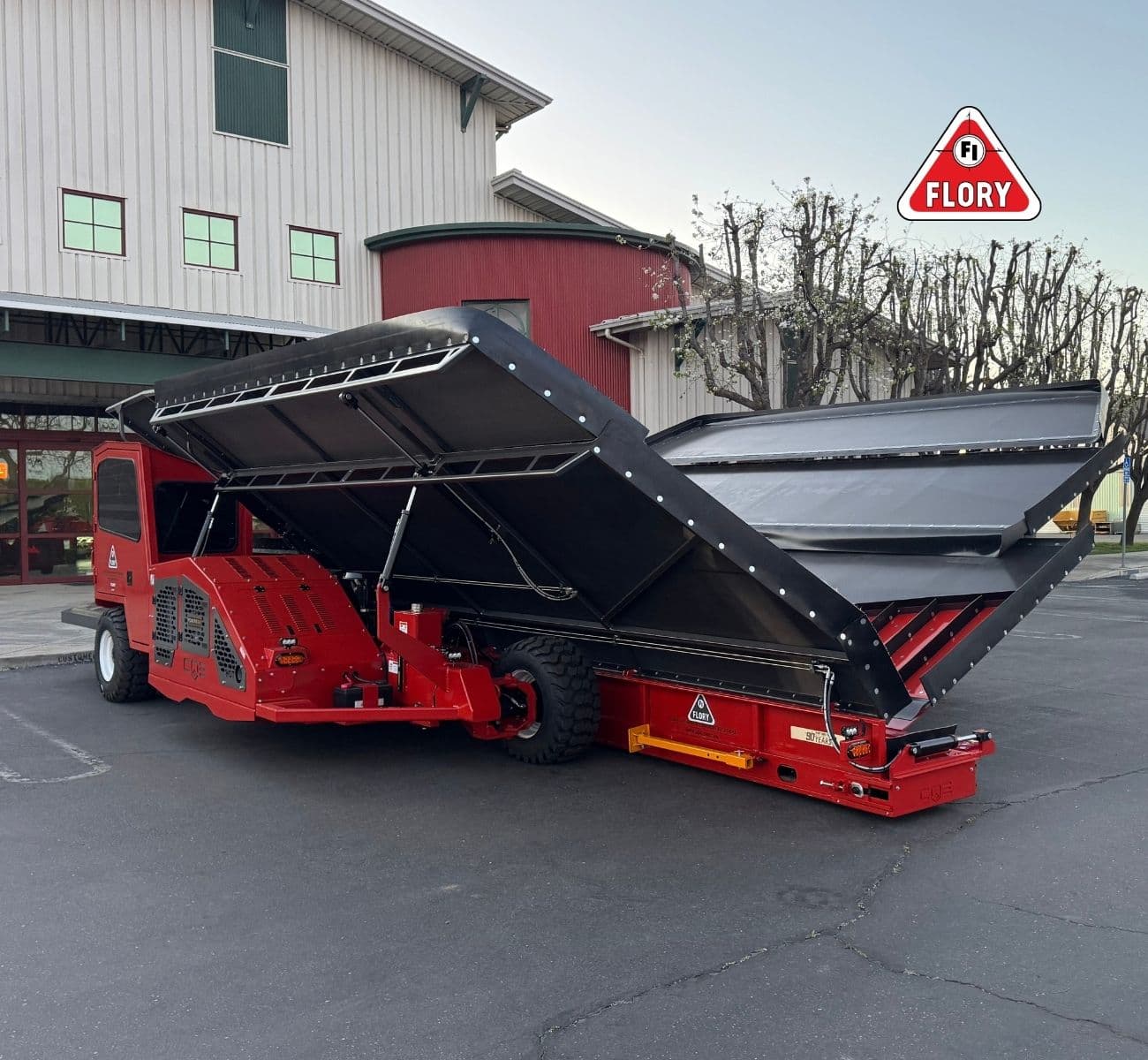
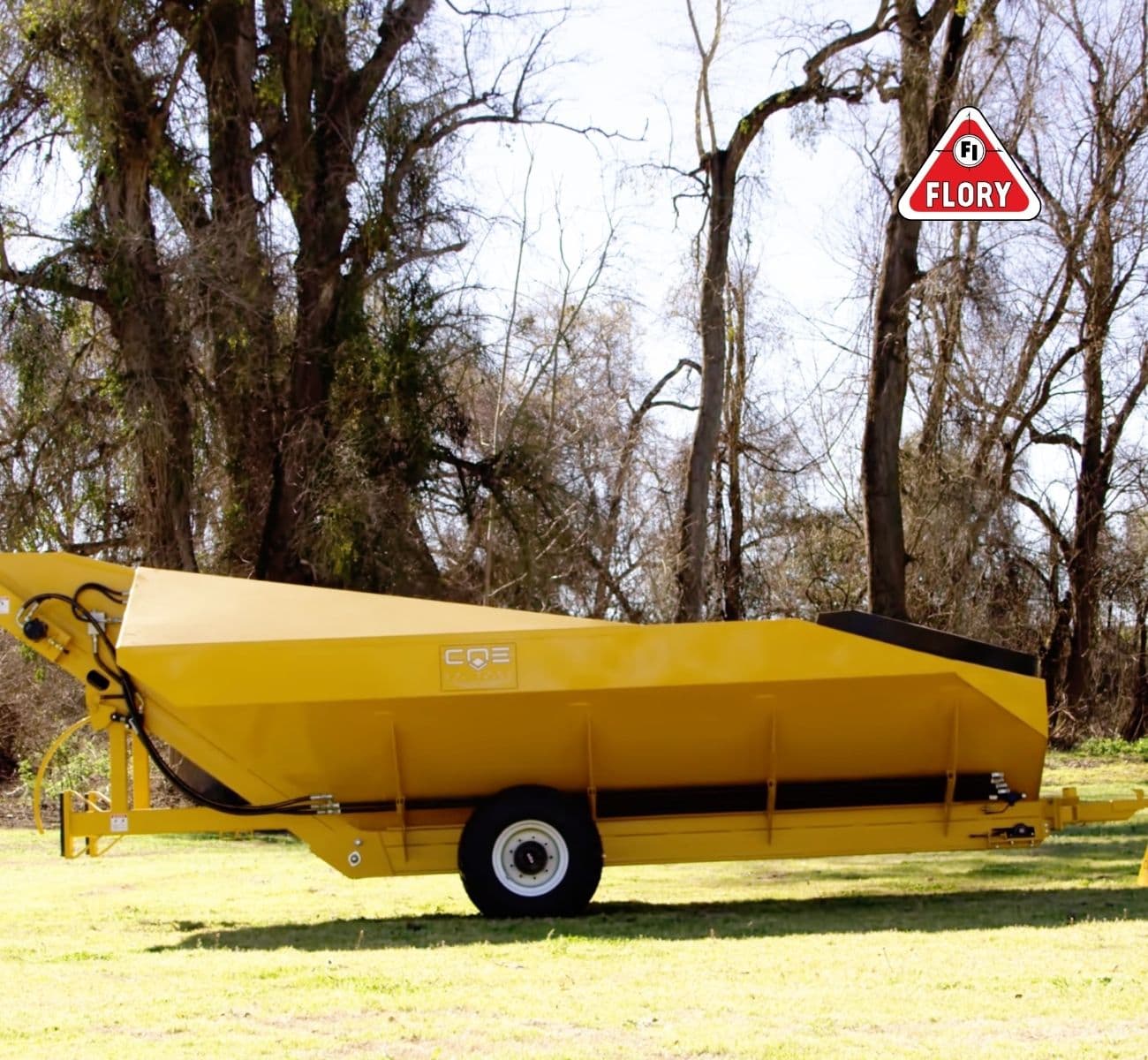
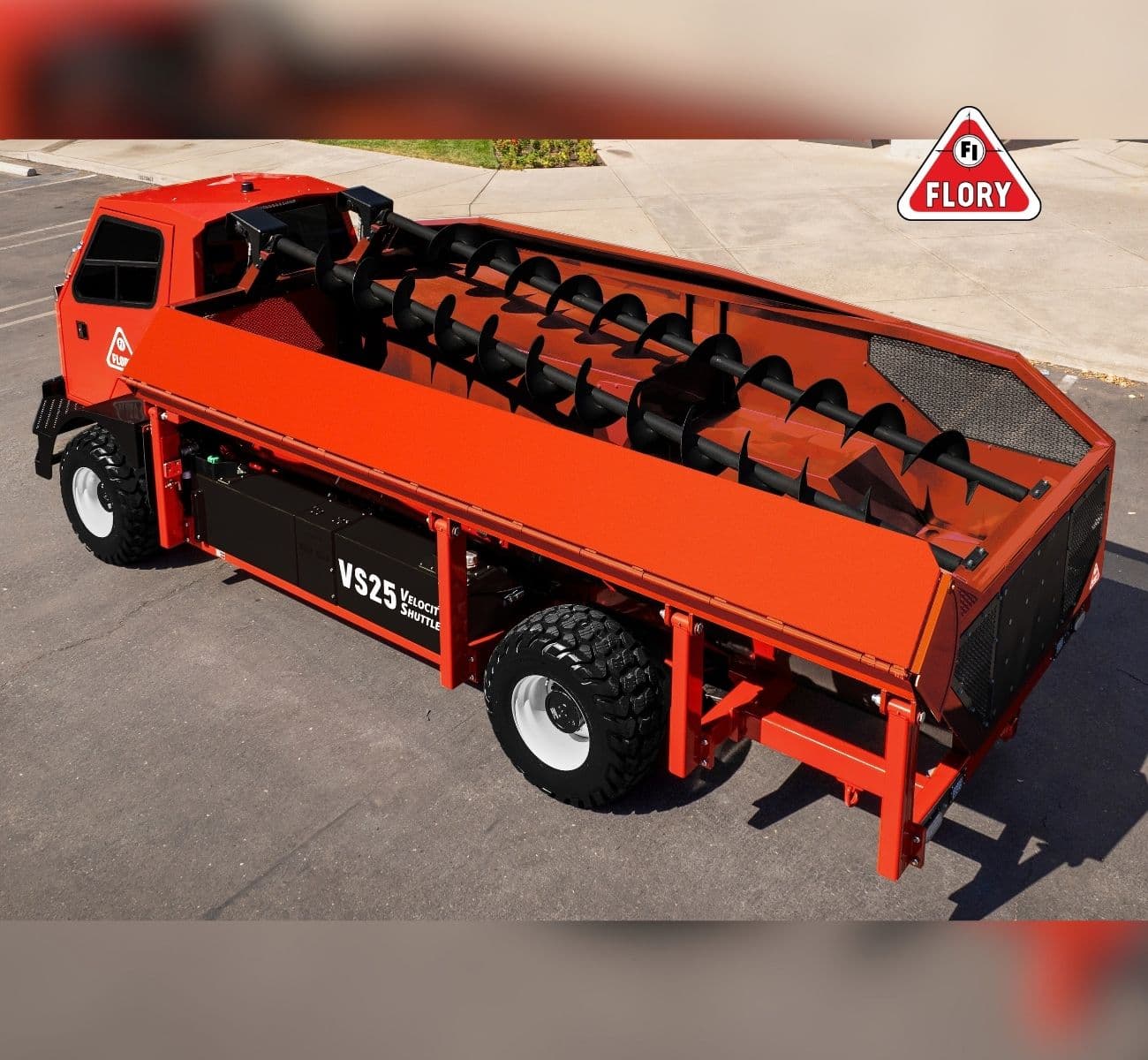
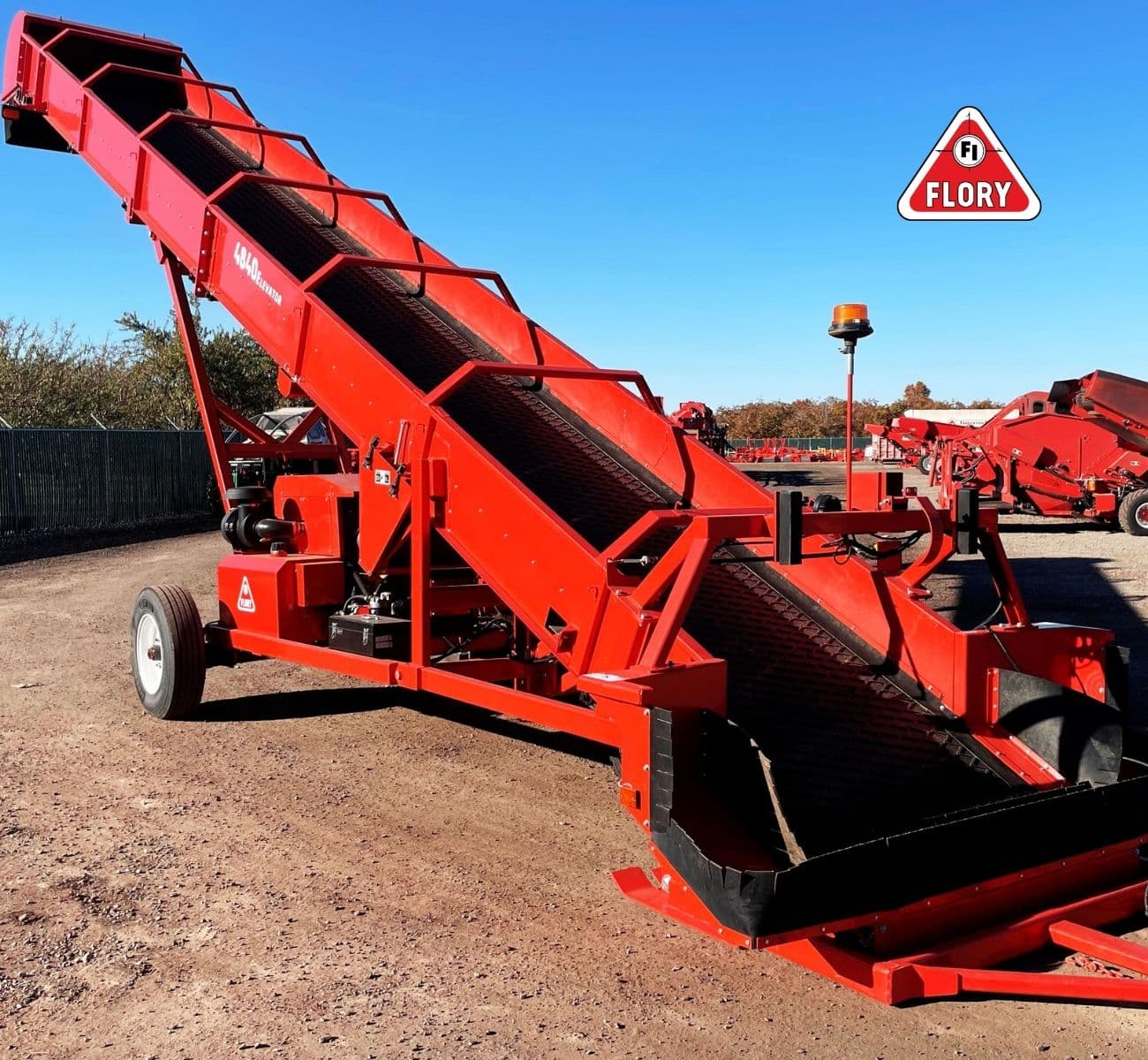
Flory harvesting machinery is available in Moldova through OVE Europe for both systems. On the ground, the VR700 Shaker, V62 Sweeper and 8772 Harvester feed the 1500 Conveyor Cart and ST14 Shuttle. Off the ground, the Flory COE C7 Shaker and L2 Receiver catch the almonds in a frame around the trunk, the Flory COE B8 Cart and VS25 Shuttle carry them, and the 4840 Field Elevator loads trailers in both systems.
Almond Harvest Workflow (Recommended Equipment)

Practical Tips for Almond Harvesting
Track hull split from the first split hulls in the top southwestern part of the tree, and shake once nuts come off well, as University of California guidance advises.
Plan for September rain: Cahul averages 48 mm that month, but 2.5 to 5.5 times the monthly norm fell on 40% of the country in ten days in 2024.
Shake briefly: a 2024 literature review by Technical University of Moldova engineers gives an average vibration time of 2.0 to 3.5 seconds for almonds.
Sweep and pick up soon after shaking, then hull and dry the almonds off the ground; University of California guidance adds that quick removal limits ant damage.
Where almonds must stay off wet ground, use catching frames: the Flory COE C7 Shaker works with the L2 Receiver.
Keep shakers and frames for orchards planted for machines, never household or young trees, terraces or steep slopes.
Get your recommended harvest setup
Enter orchard size, spacing, terrain, and target throughput—we’ll suggest a practical harvest workflow and equipment lineup.

Almond Post-Harvest Handling & Processing in Moldova
A Moldovan farm profiled in 2022 said it takes its machine-harvested almonds to cleaning facilities and a drying chamber, where they dry for up to 40 hours at no more than 34 °C. In this workflow, promptly picked or frame-caught almonds are hulled while the hulls are fresh and then dried in the shell under control, out of the rain.
Moldova voted for the interstate standard GOST 32857-2014 for sweet almond kernels, which sets three classes and a moisture limit of 6.5%. Government Decision 724/2024 on contaminants in food transposes Regulation (EU) 2023/915, which allows 8.0 µg/kg of aflatoxin B1 and 10.0 µg/kg in total in almonds for consumers, and 12.0 and 15.0 µg/kg in almonds to be sorted first.
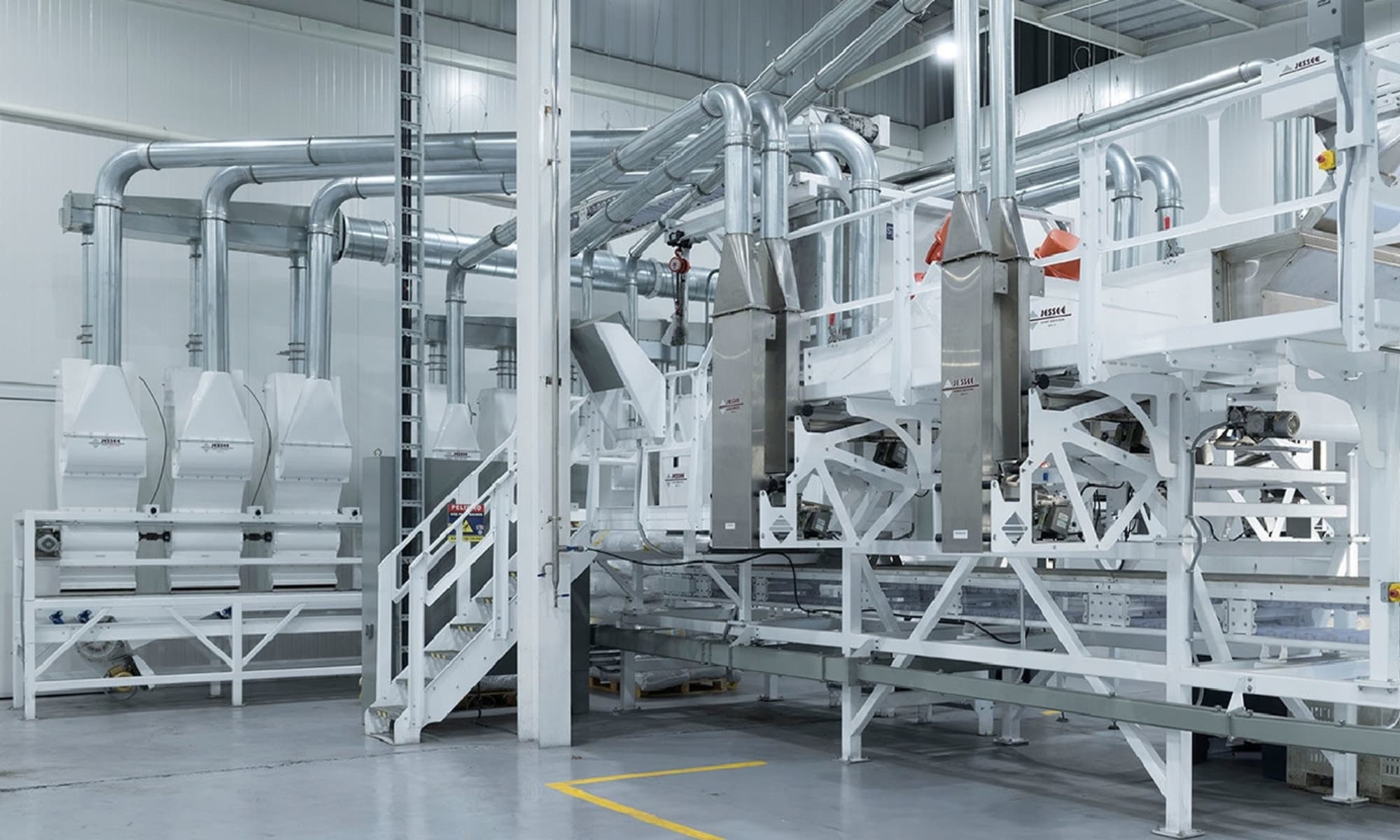
Moldova imported 234.8 t of shelled almonds in 2025, 85.8 t of it from the United States, its largest supplier every year from 2015 to 2024, and exported 146.9 t in shell, two thirds of it to Türkiye and most of the rest to Italy (UN Comtrade via WITS). Jessee, whose processing lines OVE Europe supplies, builds hulling, drying, in-shell cleaning and sizing, and shelling systems; its Airlegs nut cleaner was developed for the almond industry.
For general information only. Information may become outdated and does not replace site-specific professional advice. Consult a qualified agronomist and confirm equipment suitability with OVE before acting.
Practical Tips for Almond Post-Harvest Handling & Processing
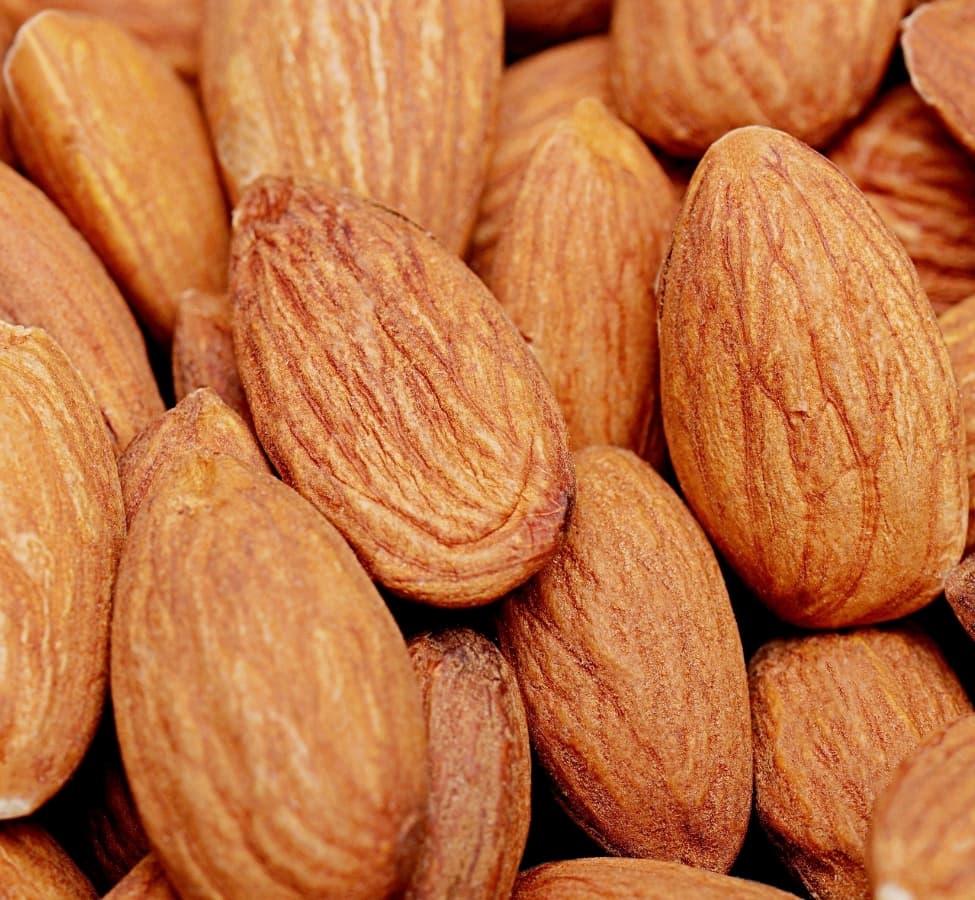
Hull promptly picked or frame-caught almonds while the hulls are fresh, then dry the nuts in the shell before storage.
Dry under control, out of the rain: one Moldovan farm said in 2022 that it dries almonds for up to 40 hours at no more than 34 °C in a drying chamber.
Never pick up or stockpile rain-wet almonds: University of California guidance warns that stockpiling wet nuts risks mold and concealed damage.
Dry kernels to 6.5% moisture at most, the limit set by GOST 32857-2014, the standard Moldova voted for.
Keep each lot separate by cultivar and orchard block, and store dried almonds in a dry, clean place.
Test lots bound for the EU against Regulation (EU) 2023/915: 8.0 µg/kg of aflatoxin B1 and 10.0 µg/kg in total for almonds sold to consumers.
Recommended Post-Harvest Handling & Processing Stages







Plan your post-harvest line
Estimate tons/day, cleaning & drying capacity, storage needs, and cost/kg—then build your equipment plan in phases.