


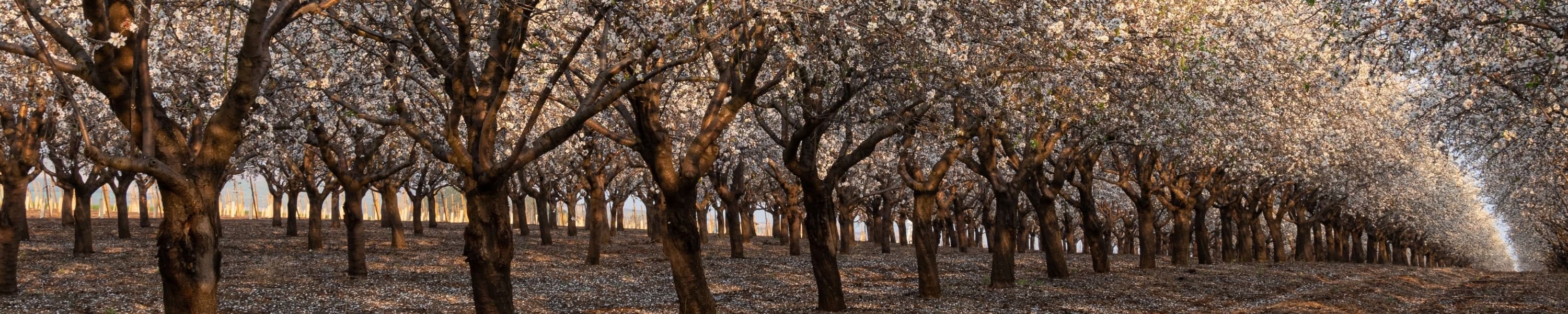




Almond Orchard Establishment in Morocco
A 2004 extension bulletin by INRA Morocco researchers groups almond cultivars by bloom time: Desmayo blooms in January, Marcona and its pollinizer Fournat de Brézenaud in mid-February, and the late-blooming Ferragnès and Ferraduel at the end of February or in early March. It notes that INRA had recently recommended the self-fertile Lauranne and Mandaline, and gives critical frost temperatures of -3 °C at white bud, -1.5 °C at full bloom and -0.5 °C at young fruit.
The bulletin notes that the main cultivars of the first three groups are self-incompatible, as are seedling trees, and advises one row of the pollinizer for every two rows of the main cultivar and four beehives per hectare from the first open flowers. In modern orchards, almond is grafted on Marcona, a 2003 extension bulletin notes; it gives 200 to 280 trees per hectare for rain-fed and 300 to 400 for irrigated orchards.
Rain-fed almonds give worthwhile yields and quality only with more than 500 mm of rain a year, the 2003 bulletin notes, and almond dislikes alkaline soils and heavy, airless clay. Choose deep, well-drained sites outside frost pockets, plan drip irrigation where rain falls short and water is available, and before planting lay out rows, headlands and trunk height for shakers and catching frames.
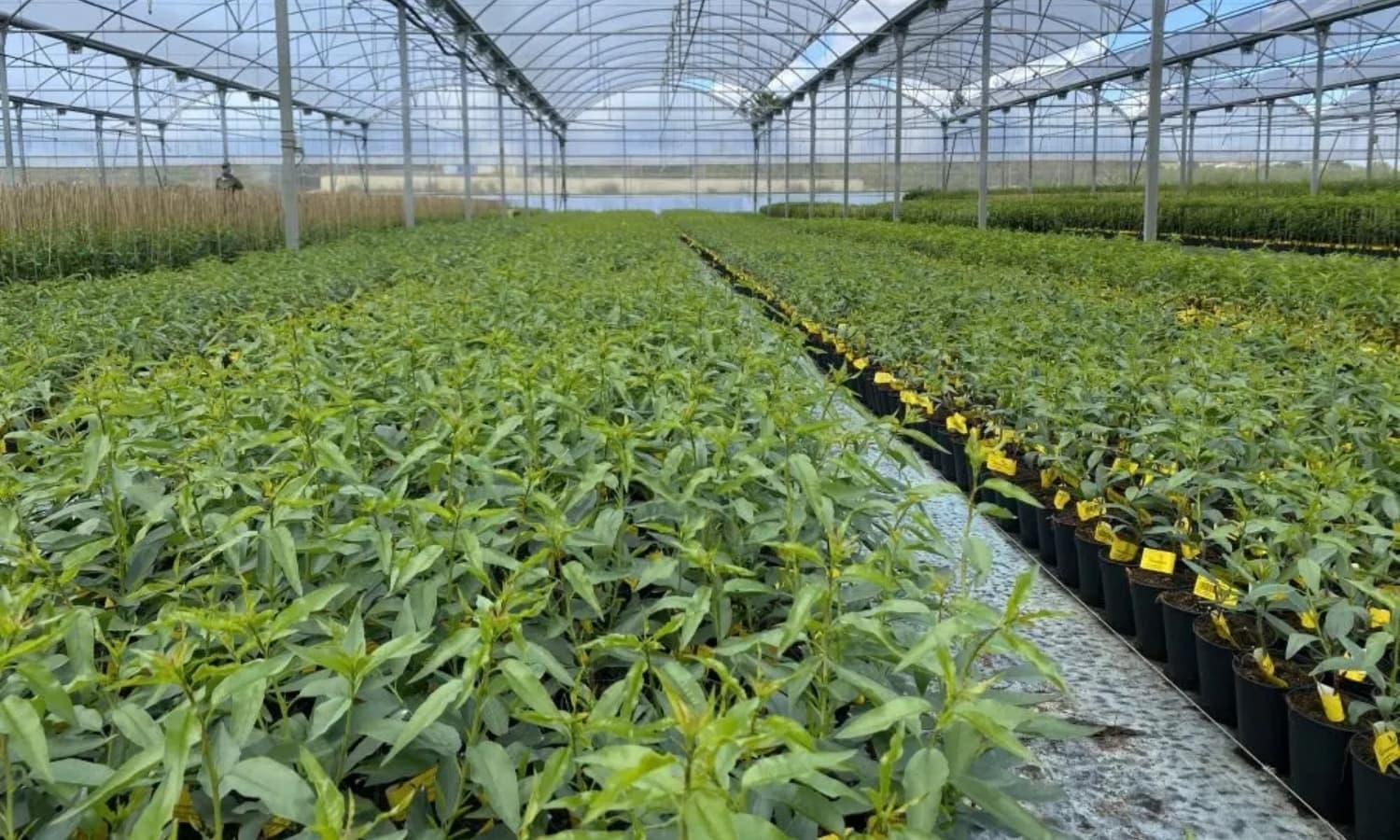

Practical Tips for Almond Orchard Establishment
Favor late-blooming Ferragnès and Ferraduel on frost-prone sites: the 2004 bulletin dates their bloom to late February or early March.
Plant one row of a pollinizer for every two rows of the main cultivar, as the 2004 bulletin advises for self-incompatible cultivars.
Bring about four beehives per hectare into the orchard as the first flowers open, as the 2004 bulletin advises.
Keep almonds out of frost pockets: the 2004 bulletin puts the critical temperature at -1.5 °C at full bloom and -0.5 °C at young fruit.
Where yearly rain is below 500 mm, plan drip irrigation if water is reliably available: the 2003 bulletin ties worthwhile rain-fed yields to more rain.
Plan rows, headlands and tree form for the shaker, sweeper and harvester before planting, and check trunk clearance with OVE Europe.
Recommended Establishment Stages
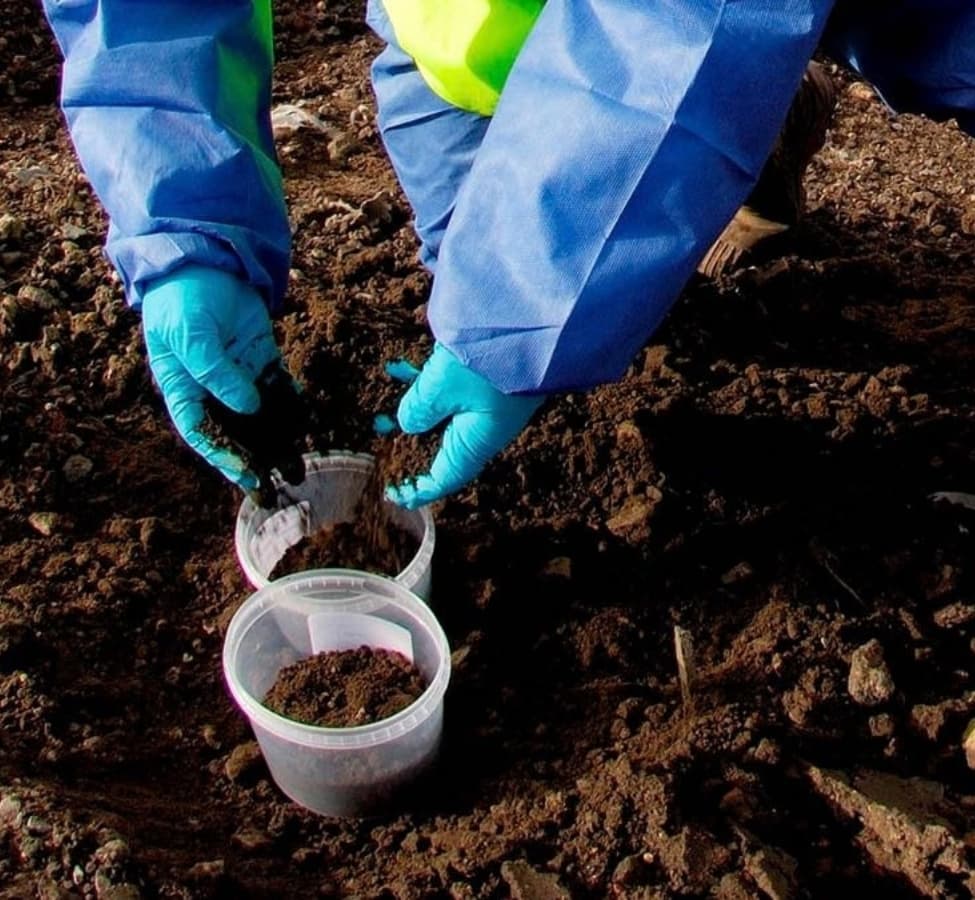

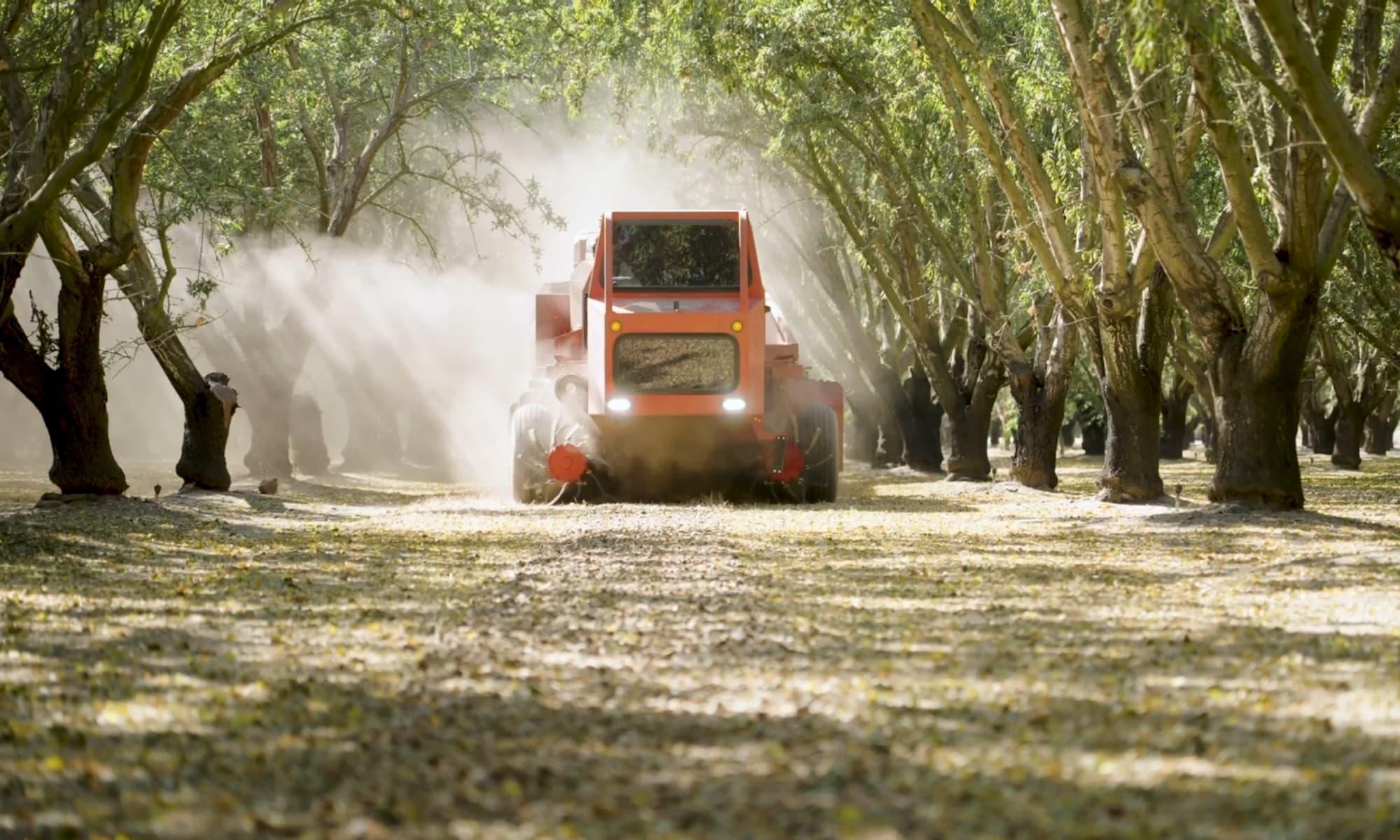



Almond Orchard Care & Maintenance in Morocco
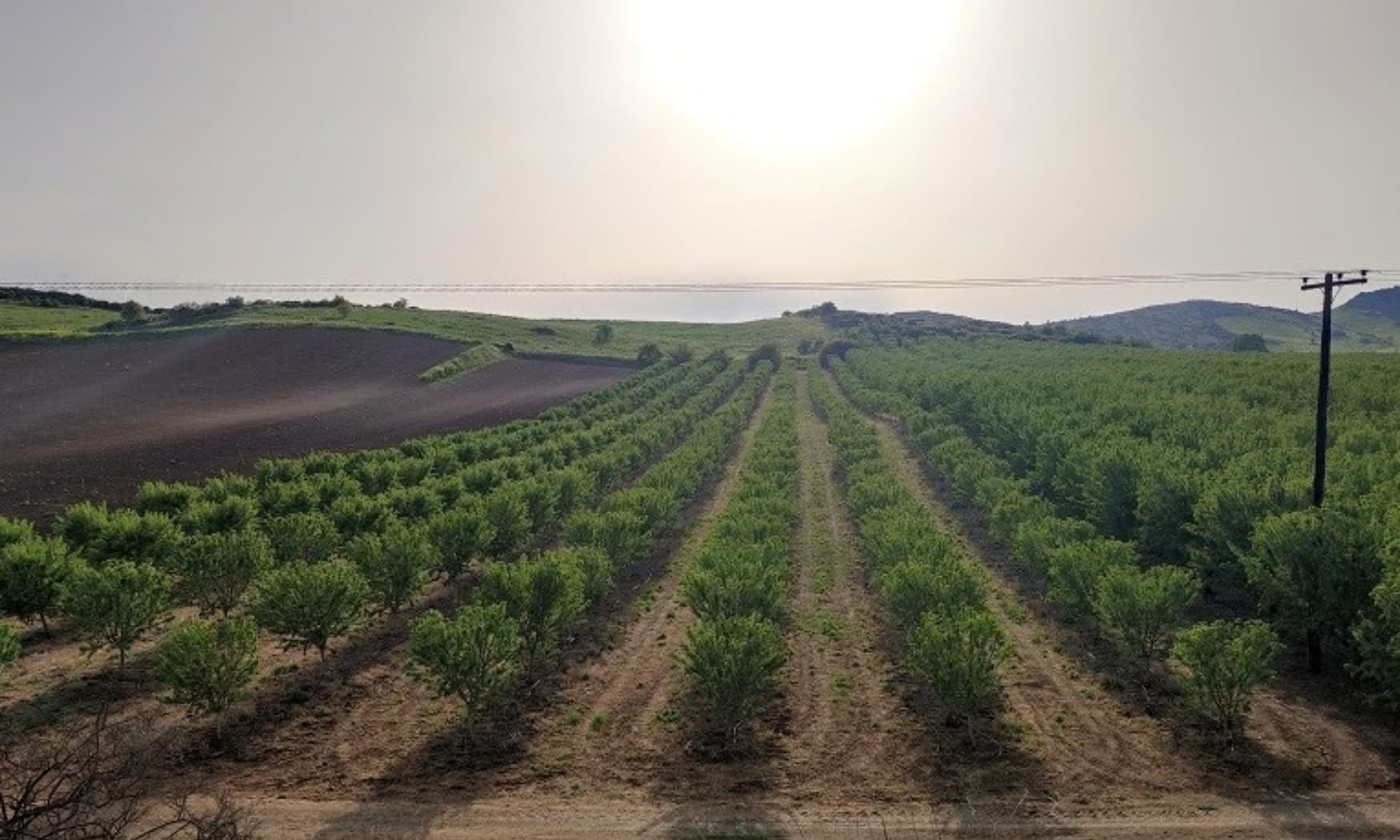
In most cases almond in Morocco is grown without irrigation, the 2003 bulletin notes. It puts the crop's water needs at 800 to 850 mm a year, advises watering in May, June and July, when needs peak, and notes that drip irrigation can be used. The national weather service rated 2024 the sixth consecutive year of drought in Morocco.
A 2016 review by a researcher at the National School of Agriculture in Meknès names mites, aphids, bark beetles and the flat-headed root borer, which attacks trees weakened by drought, among the main pests, and Monilia blossom blight, leaf curl, anthracnose and shot hole among the diseases. It advises sanitation: prune out affected branches, remove dead wood and fruit mummies, and burn infested wood on the spot.
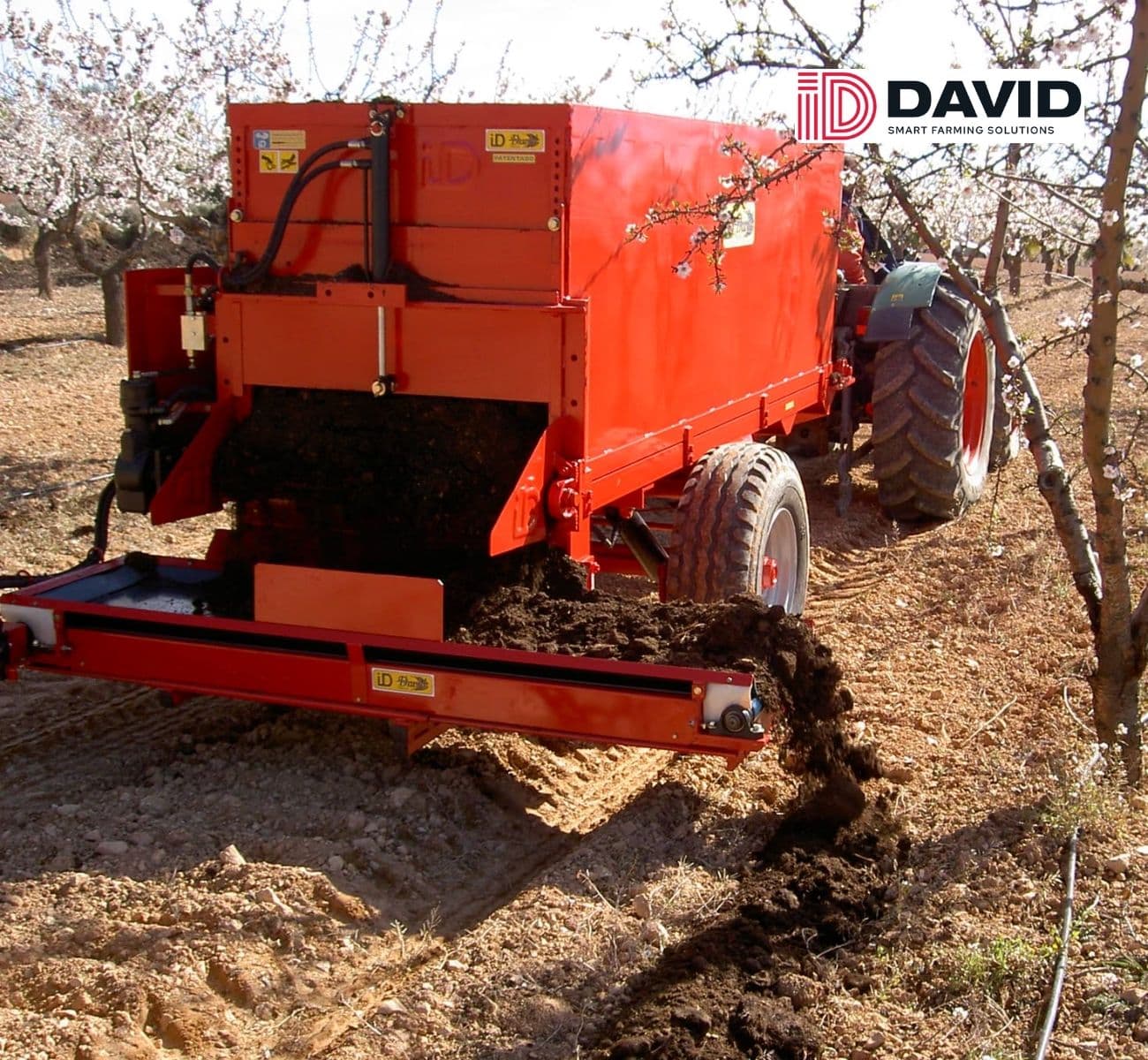
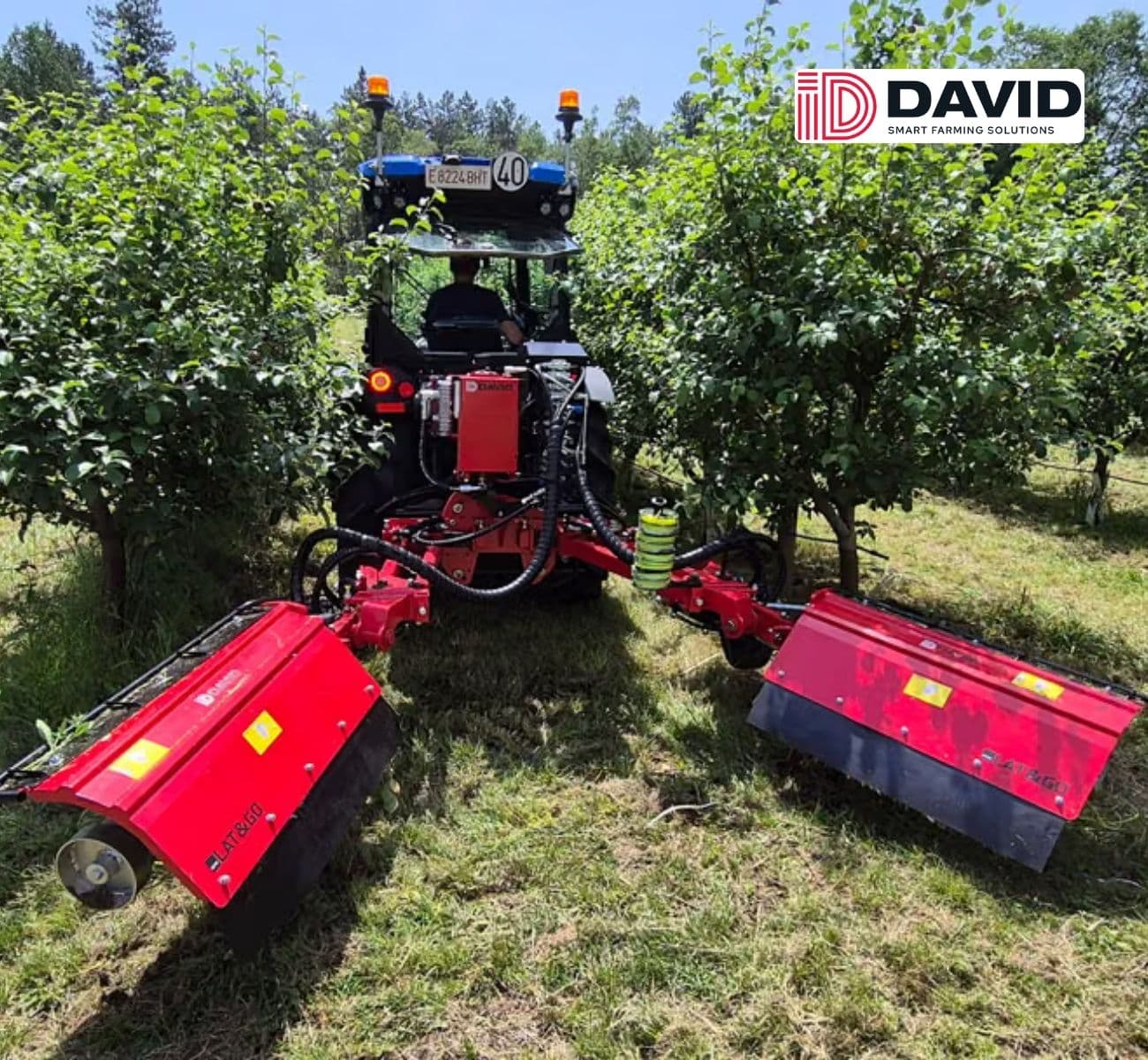
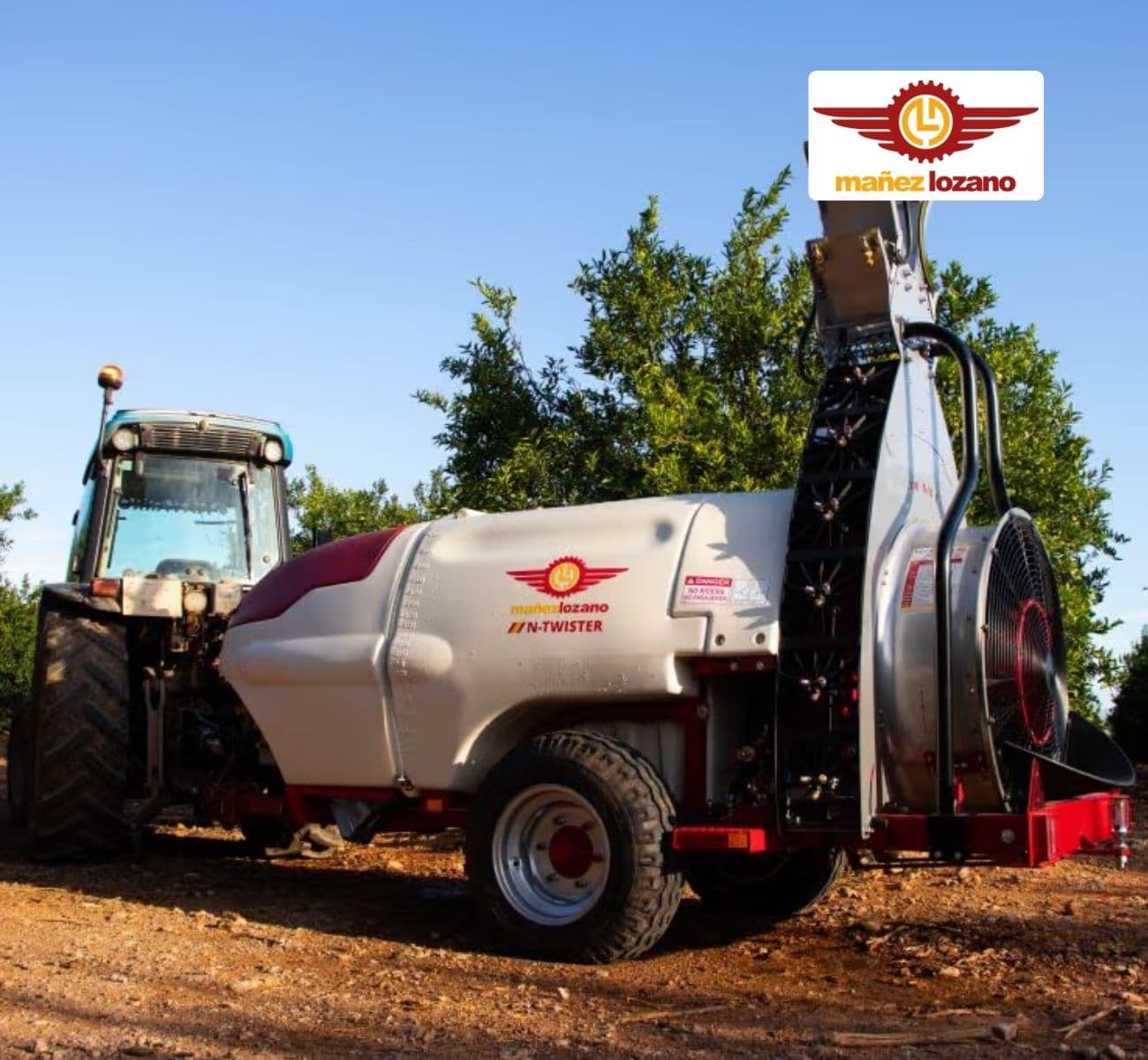
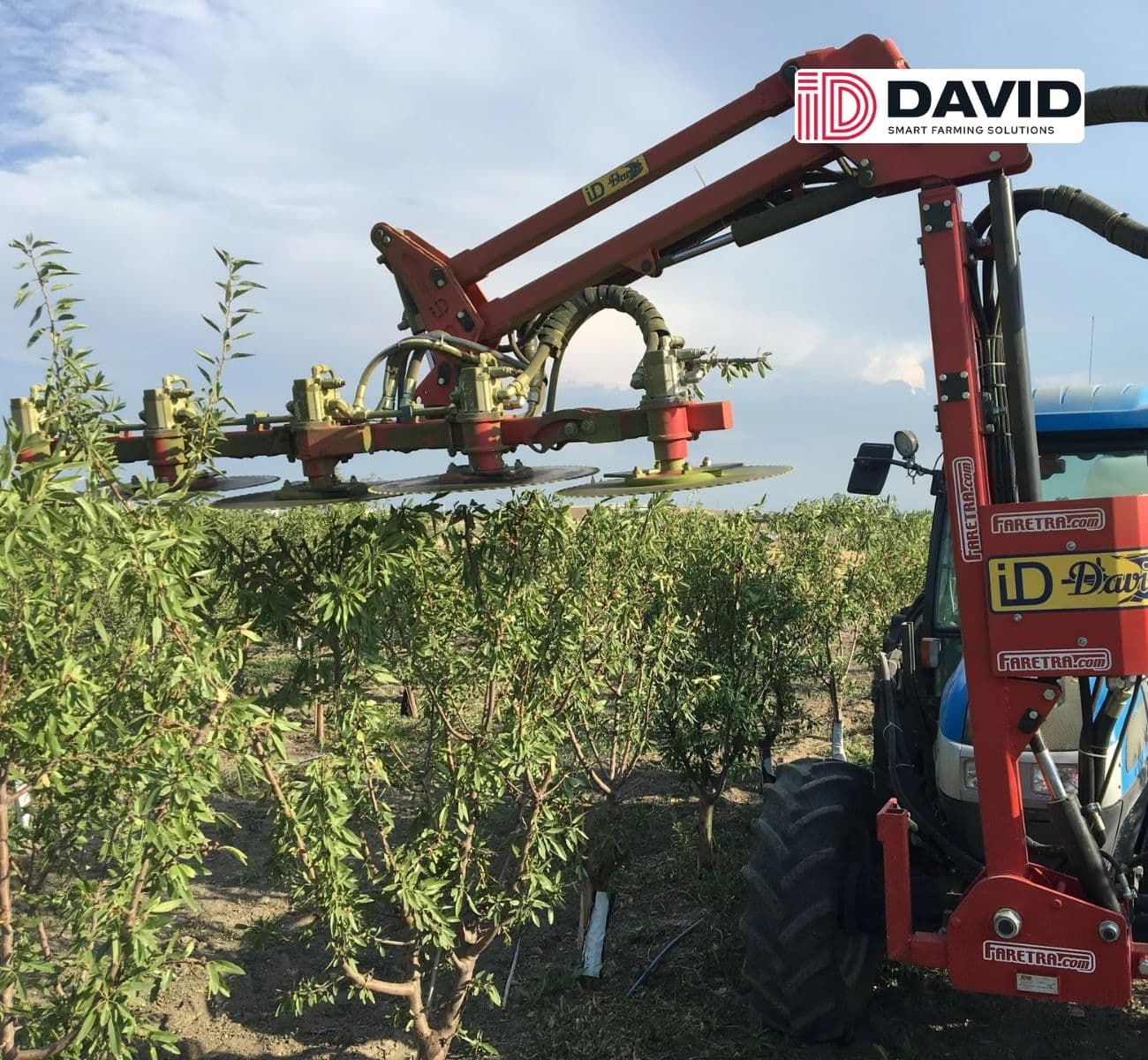
Summers are hot: Fès averages a 35.1 °C maximum in August (1991 to 2020), and Béni Mellal reached 47.7 °C on 23 July 2024. For care work, the ID DAVID ECOFEED spreads solid manure, the ID DAVID LAT&GO string mower controls weeds without herbicides, the Mañez Lozano Narrow Twister S6 sprays tall, dense canopies and the ID DAVID V1 disc pruner makes vertical and horizontal cuts.
Recommended Orchard Care & Maintenance Stages



Practical Tips for Almond Orchard Care & Maintenance
Water in May, June and July where water allows: the 2003 bulletin puts almond's peak water needs in those months.
Keep trees vigorous through dry years: the 2016 review notes that the flat-headed root borer attacks trees weakened by drought.
Remove fruit mummies and dead wood, and burn infested wood on the spot, as the 2016 review advises.
Watch for fungal diseases in humid springs: the 2003 bulletin warns that almond suffers from high humidity at bloom and during fruit growth.
Control weeds without herbicides with a string mower such as the ID DAVID LAT&GO, and keep the orchard floor level for harvest.
Spray tall, dense canopies evenly with a narrow trailed airblast sprayer such as the Mañez Lozano Narrow Twister S6.

Almond Harvesting in Morocco
In Morocco, almonds are harvested by hand, the 2003 bulletin notes. A 2021 study from the Oriental reports a harvest from mid-July to the end of August, with the nuts spread in the open to dry in the sun before processing, and 1981 surveys dated ripening in the south from late June to mid-August. In orchards planted for machines on suitable ground, mechanized harvesting can bring the crop in on time, with less risk of nuts deteriorating while they wait.
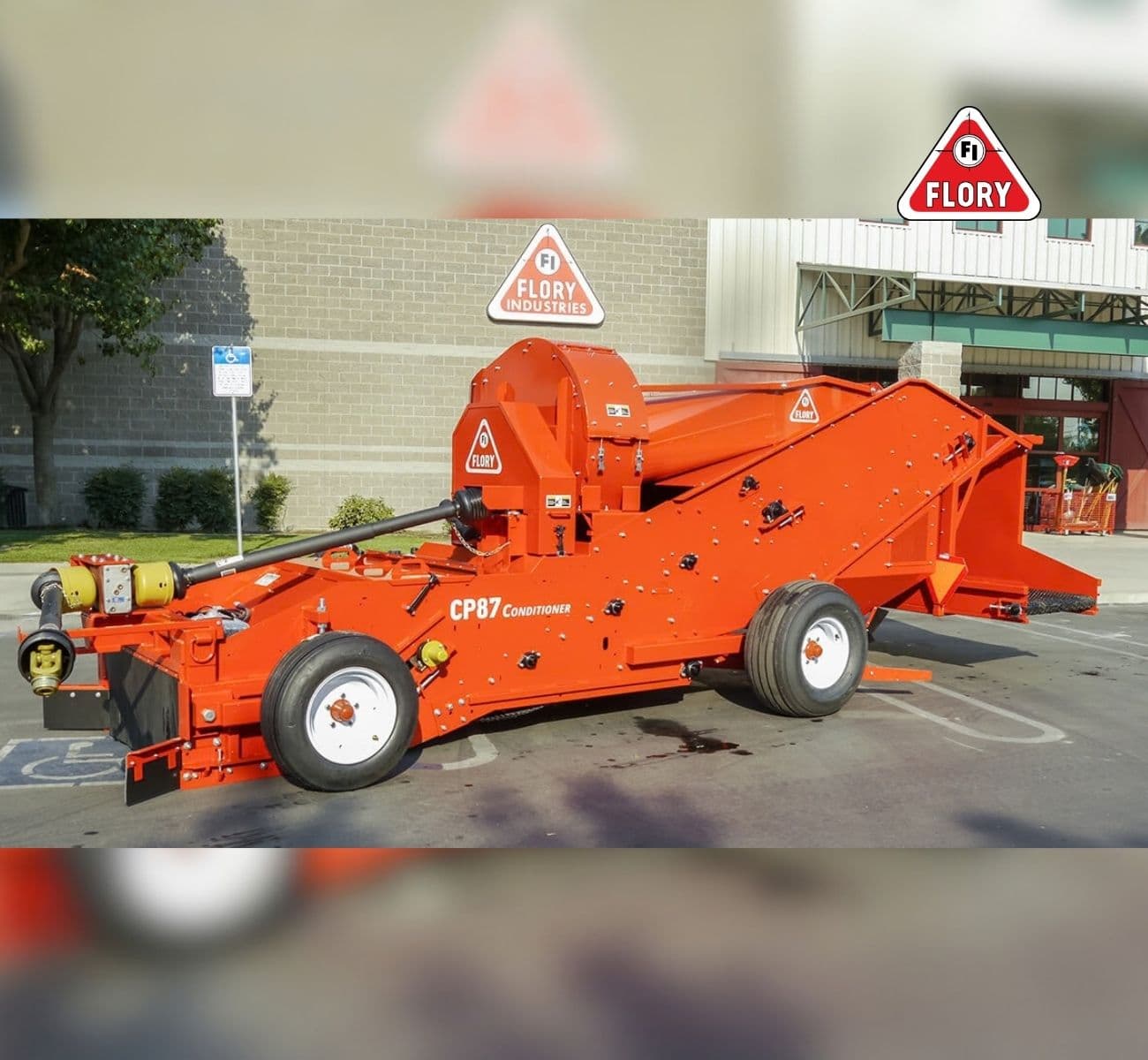
The harvest dates reported fall in dry months: Fès averages 1.1 mm in July and 4.9 mm in August, and Oujda 1.5 and 6.4 mm, on 2 rain days a month (1991 to 2020, via WMO), against 18.0 to 22.6 mm in September. Storms still flooded Azilal and Al Haouz on 24 and 25 August 2022, and the area between Oujda and Taourirt on 29 August. No Moroccan source describes drying shaken almonds on the orchard floor, so this guide shows it, with the Flory CP87, only as an option for July and August harvests in flat orchards when forecasts are dry.
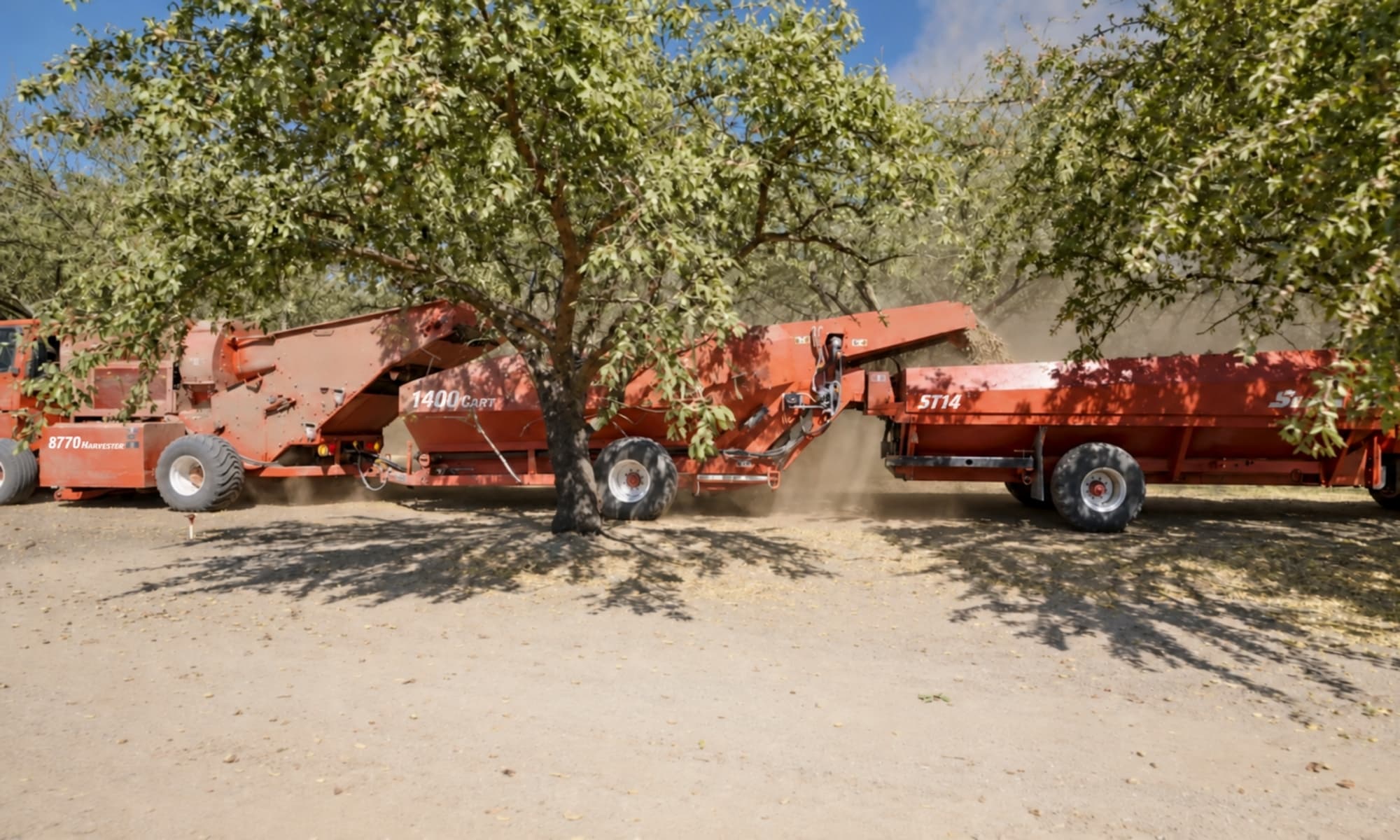
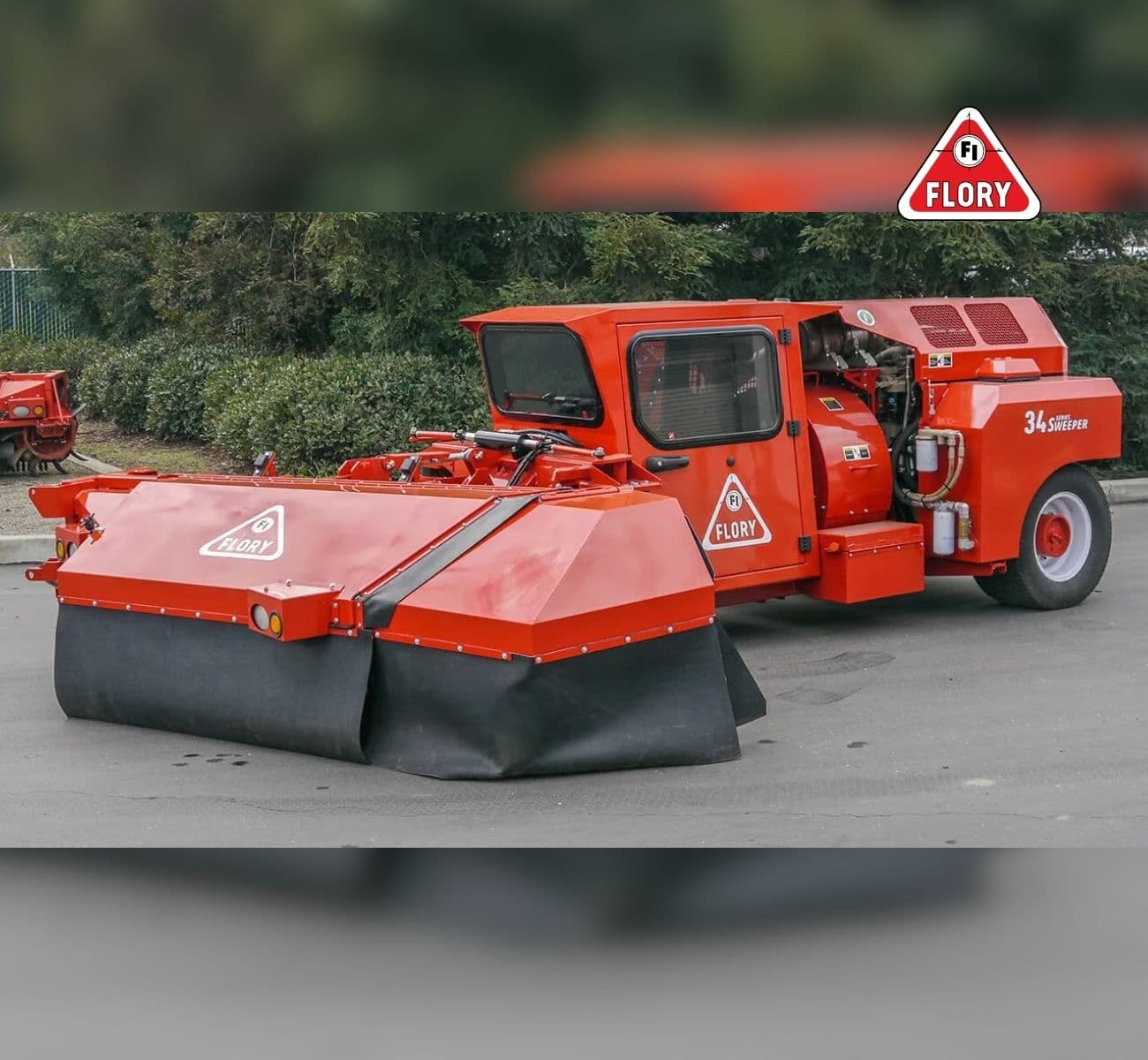
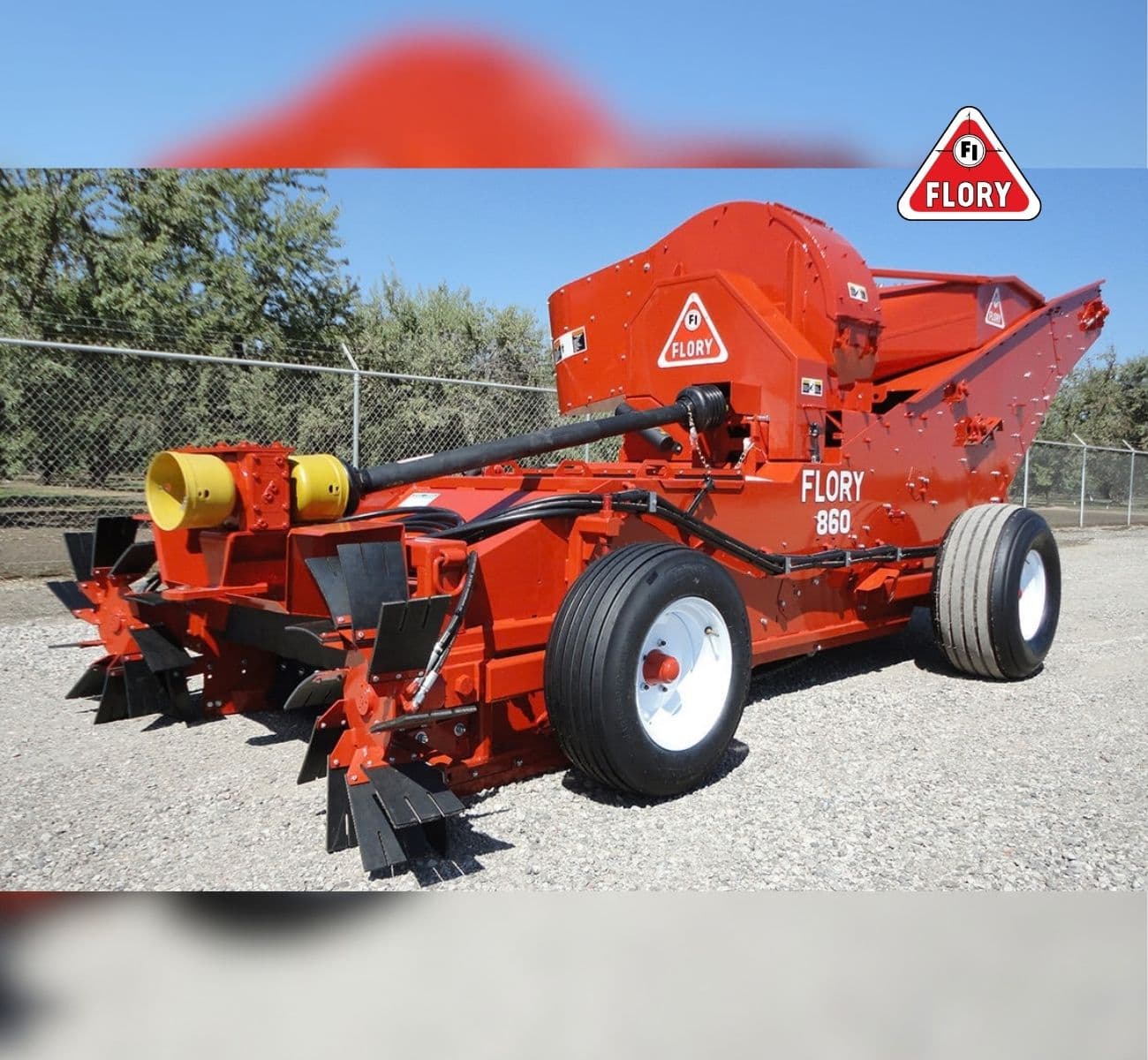
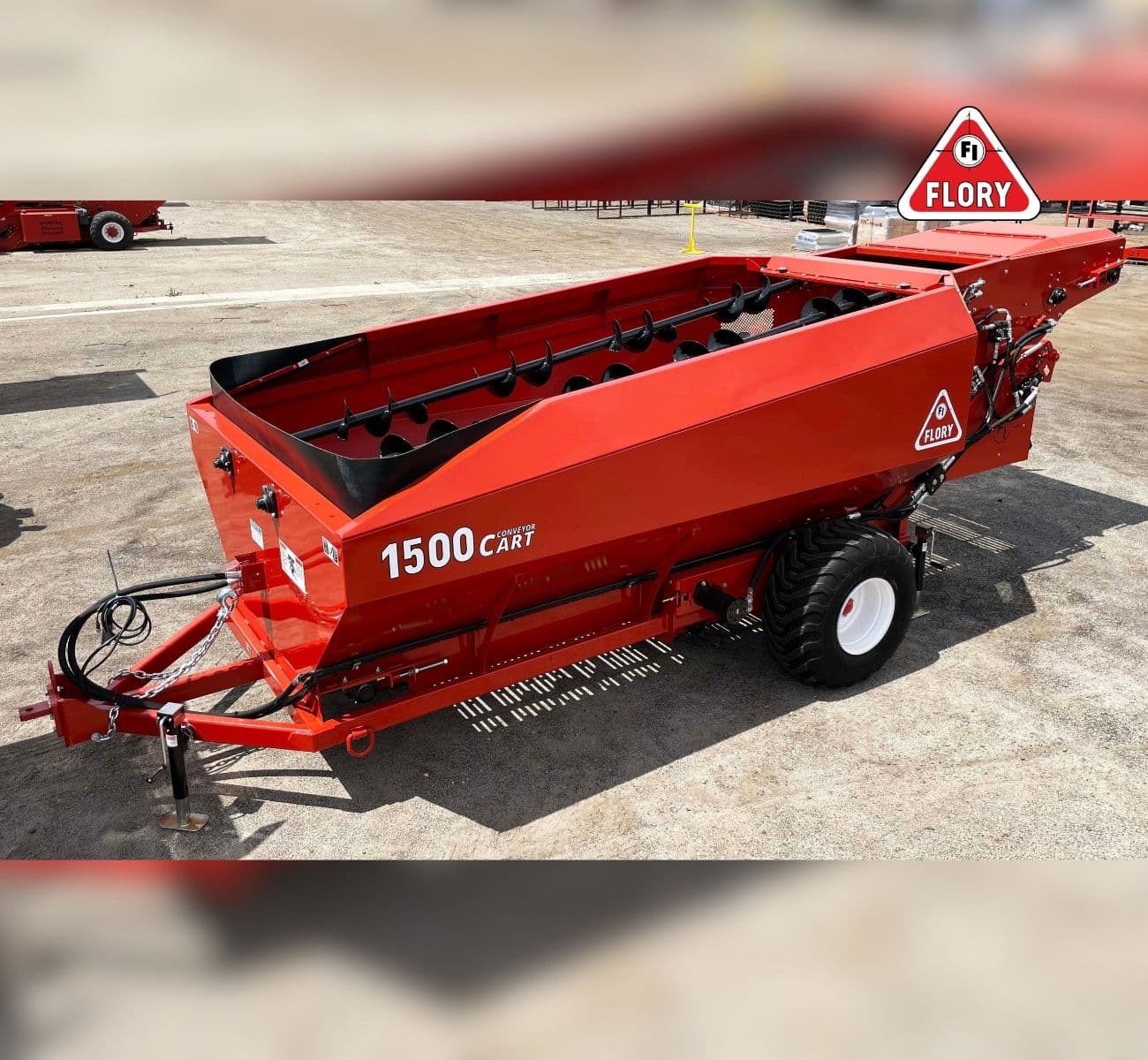
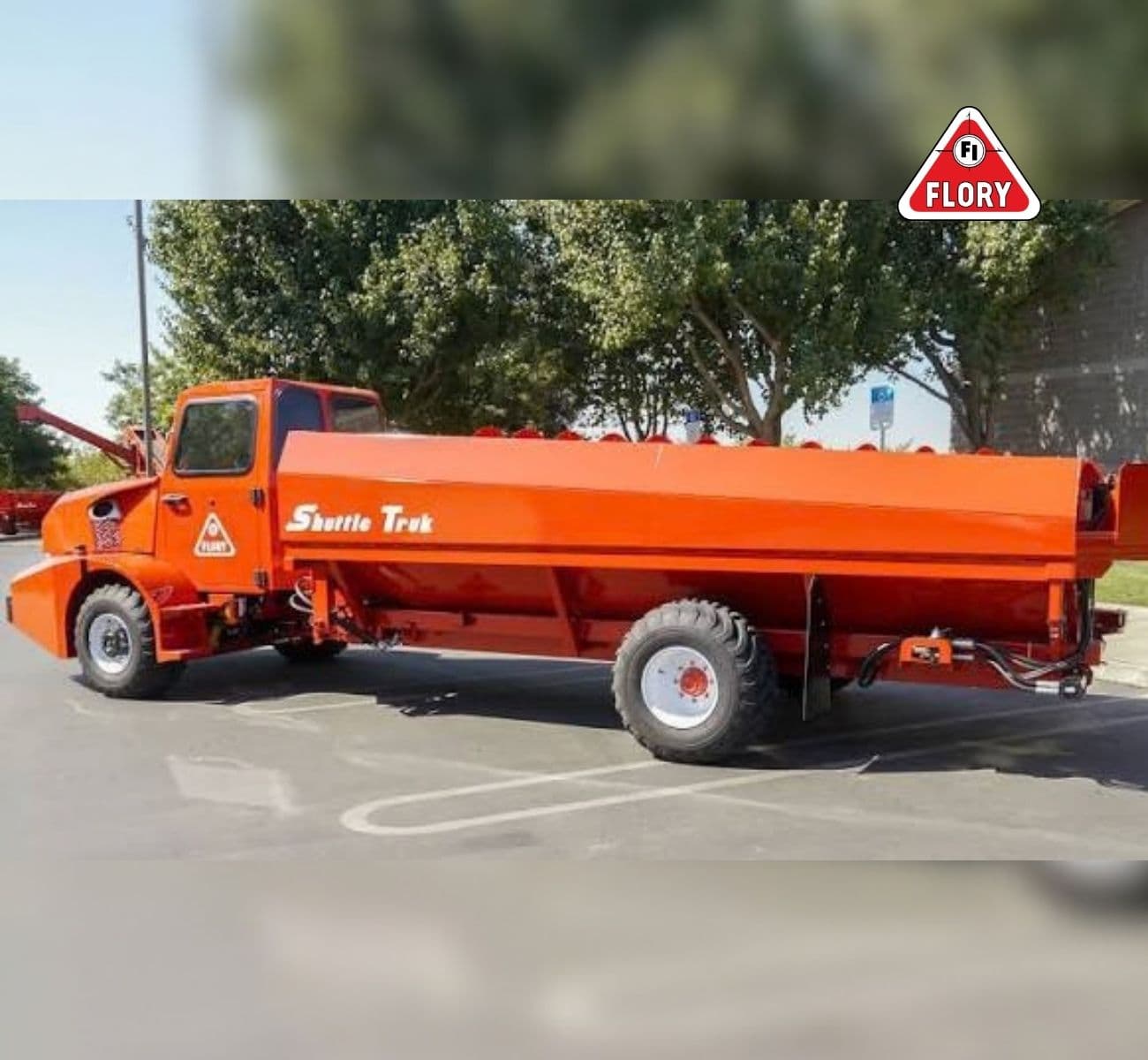
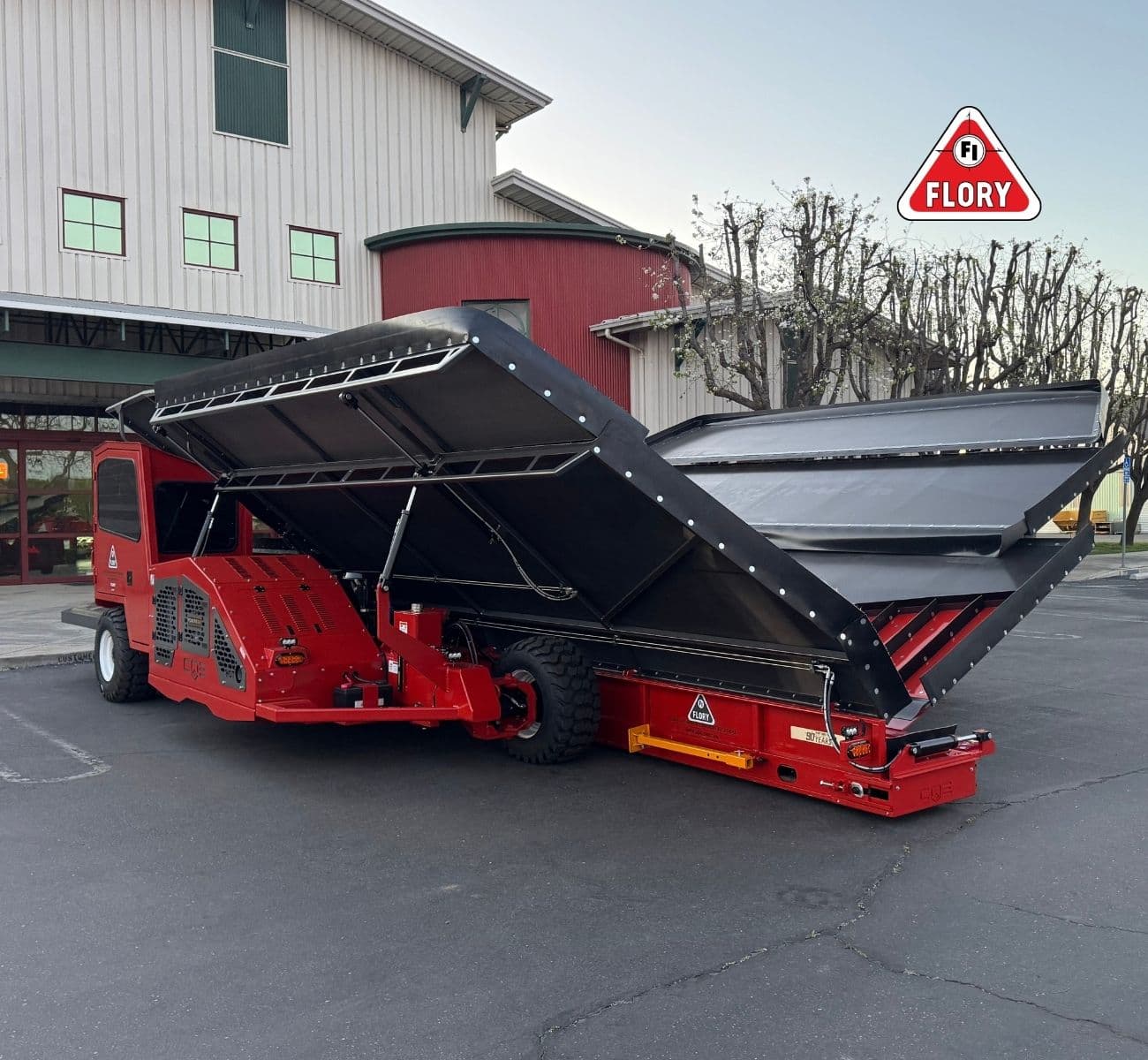
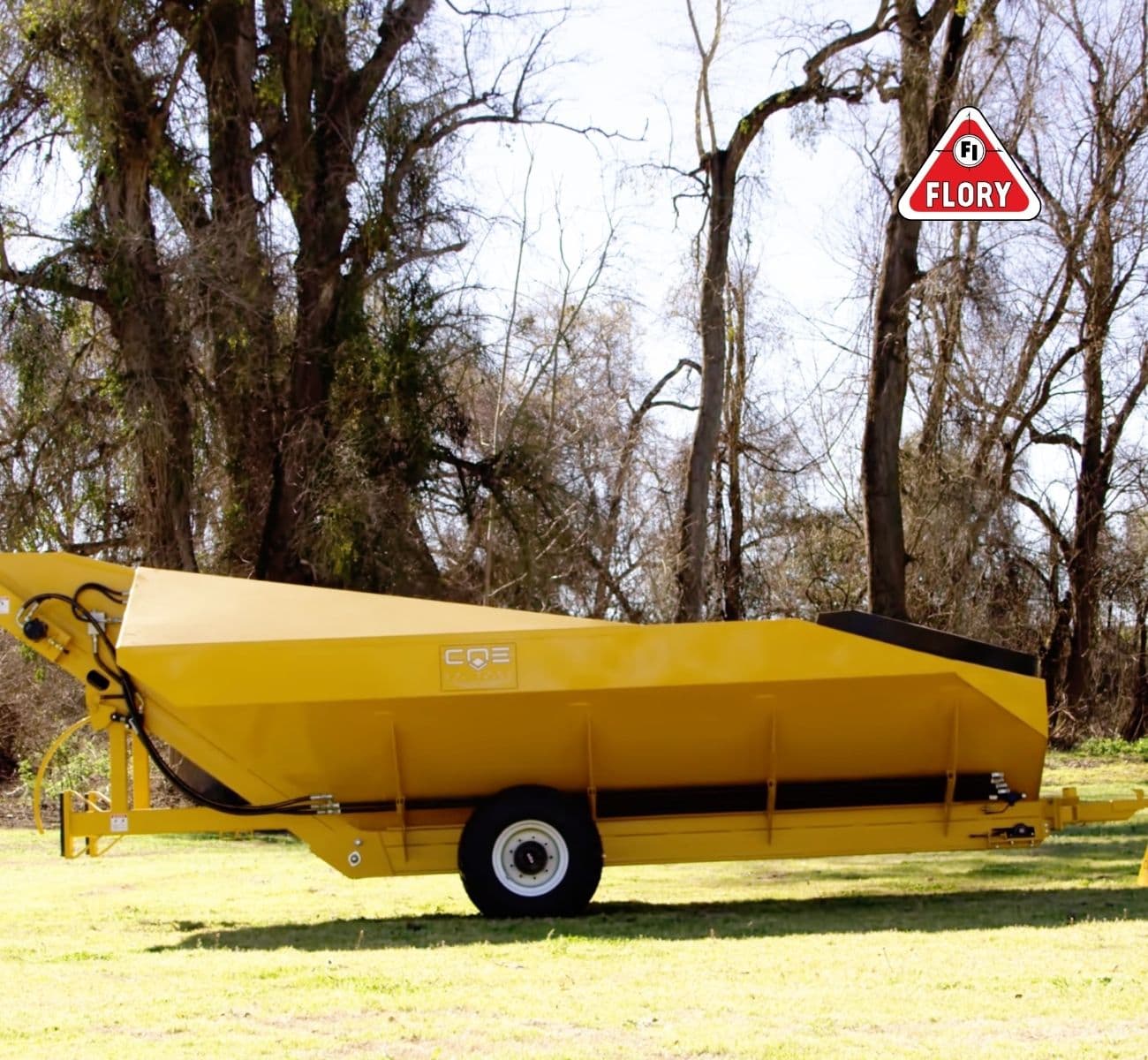
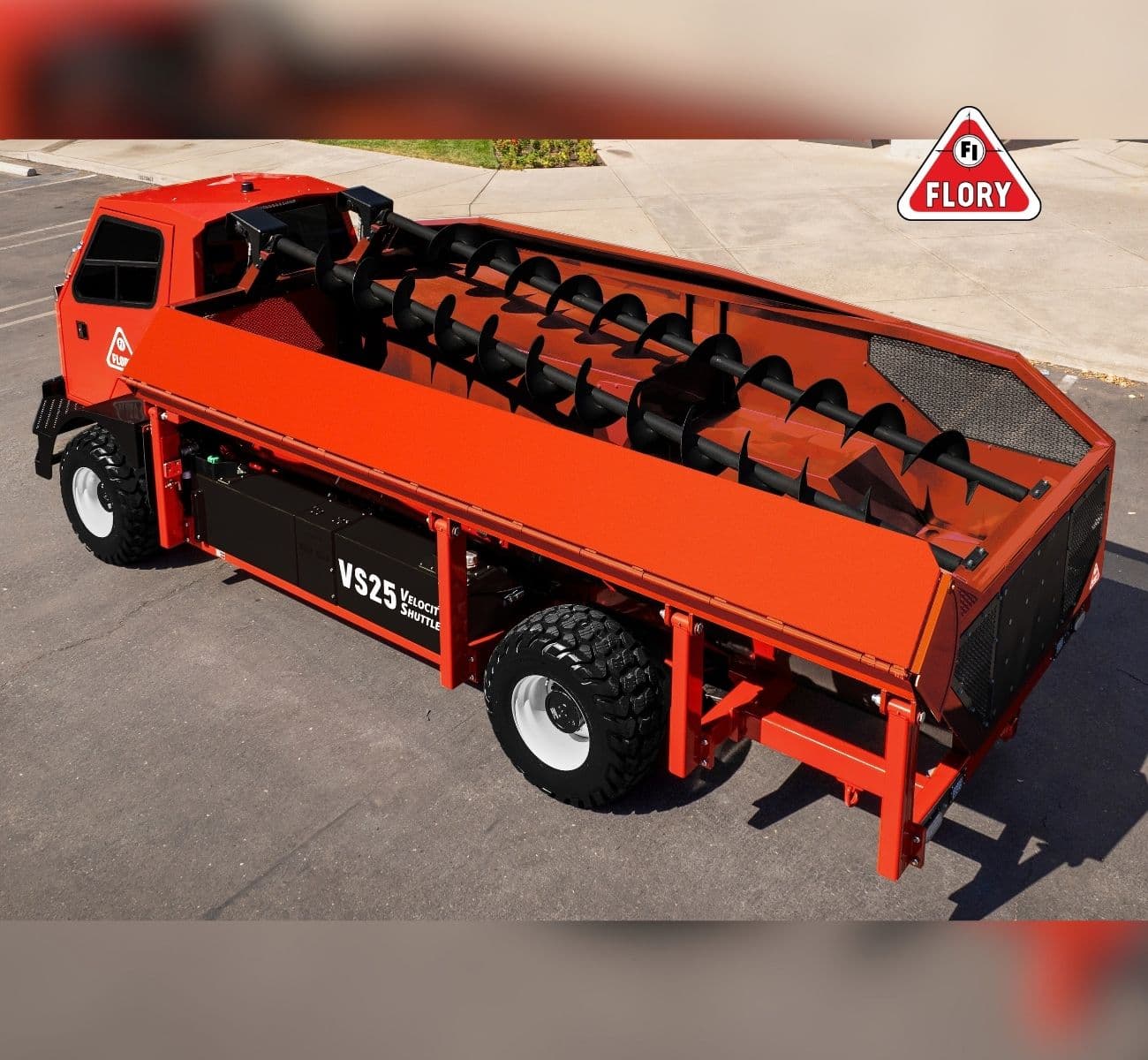
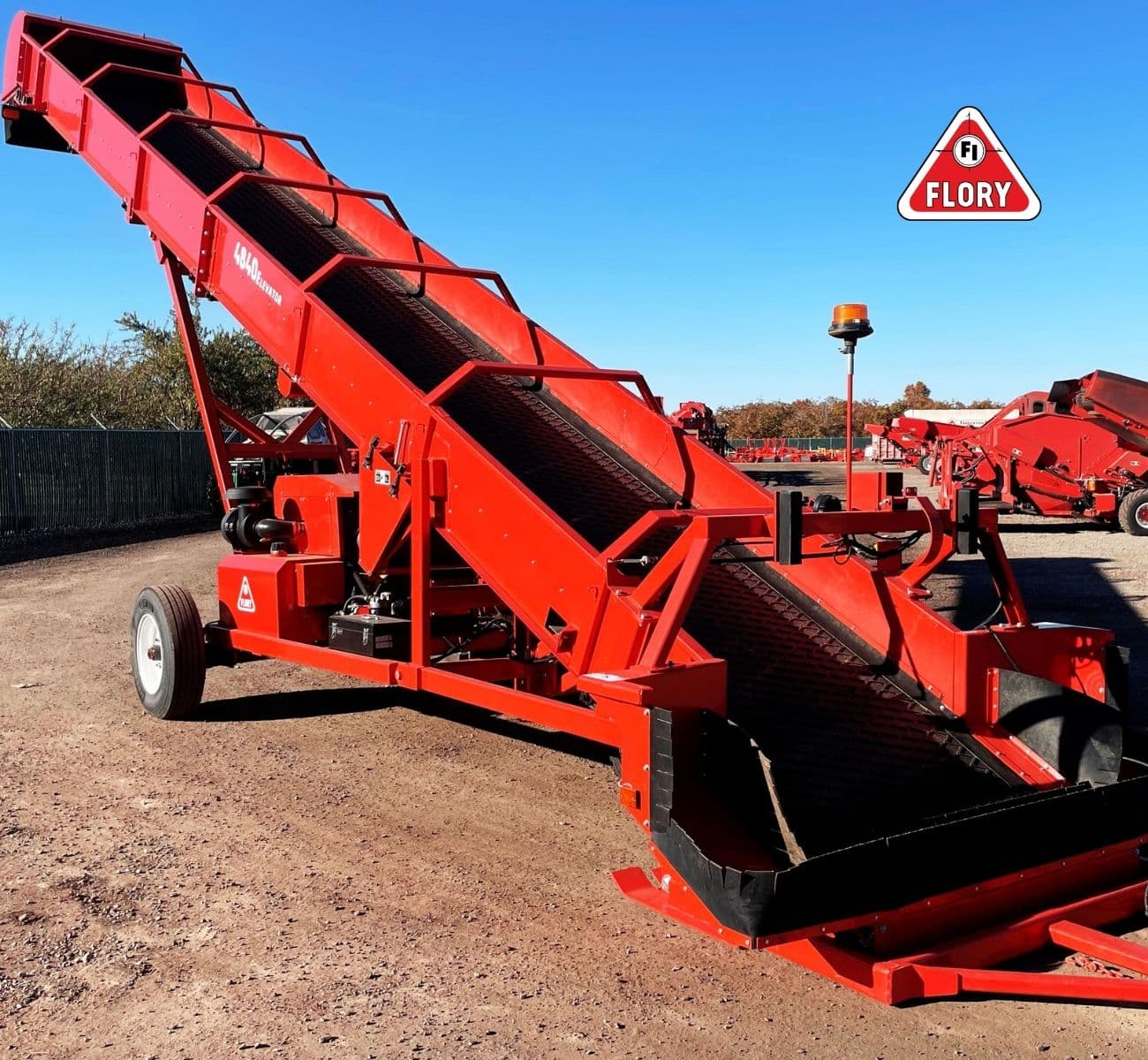
Flory harvesting machinery is available in Morocco through OVE Europe for both systems. On the ground, the VR700 Shaker, 34 Series Sweeper, CP87 Conditioner and 860 Harvester (or the smaller 490) work with the 1500 Conveyor Cart and ST14 Shuttle. Off the ground, the Flory COE C7 Shaker and L2 Receiver catch the almonds in a frame around the trunk, the Flory COE B8 Cart and VS25 Shuttle carry them, and the 4840 Field Elevator loads trailers in both systems.
Almond Harvest Workflow (Recommended Equipment)


Practical Tips for Almond Harvesting
Track hull split from the first split hulls in the top southwestern part of the tree, and shake once nuts come off well, as University of California guidance advises.
Leave shaken almonds on the ground only while the forecast stays dry: Fès averages 22.6 mm in September, against 4.9 mm in August.
Keep ground time short: University of California guidance links ant damage to the time almonds spend on the orchard floor.
After drying on the floor, sweep almonds into windrows; a conditioner such as the Flory CP87 cleans and re-lays them so they dry faster before pickup.
Where storms threaten or harvest runs into September, pick up promptly or, in orchards planted for machines, catch nuts with the Flory COE C7 Shaker and L2 Receiver.
Use shakers and frames only in larger orchards planted for machines, never on scattered seedling trees, small plots, steep slopes or plots mixed with other crops.
Get your recommended harvest setup
Enter orchard size, spacing, terrain, and target throughput—we’ll suggest a practical harvest workflow and equipment lineup.

Almond Post-Harvest Handling & Processing in Morocco
In the Oriental, almonds have traditionally been hulled and cracked by hand by rural women, a 2018 conference abstract notes, with processing machines then being installed. The 2003 bulletin says almonds in shell keep 7 to 8 months at room temperature below 70% relative humidity. In this workflow, ground-dried almonds arrive with dry hulls and are dried further only if needed, while frame-caught almonds are hulled first and then dried in the shell.
Morocco's limits for contaminants in food, revised in 2022, allow 8.0 µg/kg of aflatoxin B1 and 10.0 µg/kg in total in almonds for direct consumption or use as an ingredient, and 12.0 and 15.0 µg/kg in almonds to be sorted or treated first, the same values as Regulation (EU) 2023/915 sets. A 2021 study from the Oriental notes that defective batches are unsaleable and that broken or defective kernels traditionally go into almond paste.
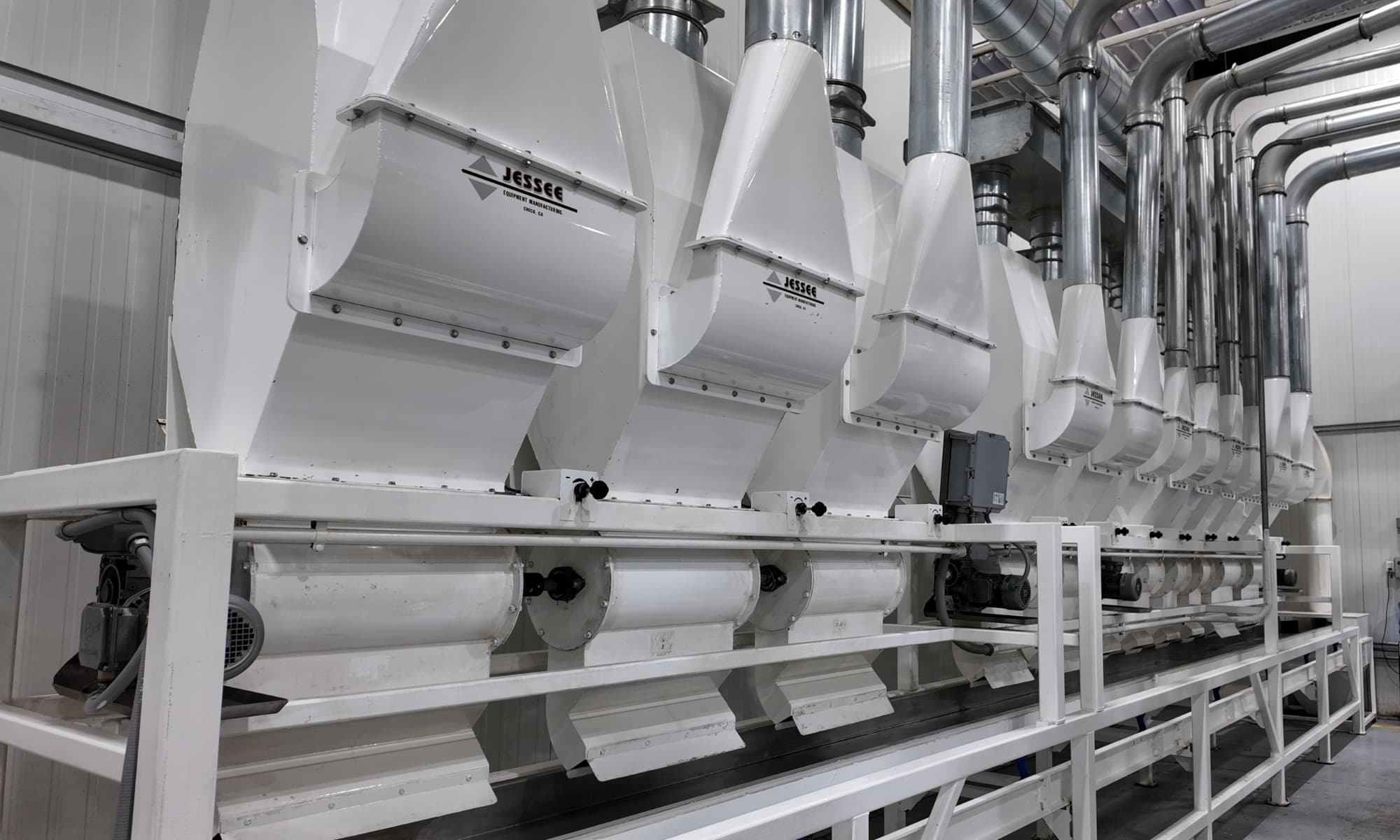
Morocco has imported more almonds than it exported every year from 2017 to 2025. In 2025 it imported 36,140.6 t of shelled almonds, 98.8% of them by weight from the United States, and exported 297.3 t of shelled almonds, mainly to Denmark and Germany (UN Comtrade via WITS). Jessee, whose processing lines OVE Europe supplies, builds hulling, drying, in-shell cleaning and sizing, and shelling systems; its Airlegs nut cleaner was developed for the almond industry.
For general information only. Information may become outdated and does not replace site-specific professional advice. Consult a qualified agronomist and confirm equipment suitability with OVE before acting.
Practical Tips for Almond Post-Harvest Handling & Processing
Pick up ground-dried almonds as soon as they are dry, then hull them and check moisture before storage.
Hull frame-caught almonds while the hulls are fresh, then dry the nuts in the shell before storage.
Never pick up or stockpile rain-wet almonds: University of California guidance warns that stockpiling wet nuts risks mold and concealed damage.
Store almonds in shell below 70% relative humidity: the 2003 bulletin gives them 7 to 8 months at room temperature.
Test lots for aflatoxins: Morocco's limits for almonds for direct consumption are 8.0 µg/kg of B1 and 10.0 µg/kg in total, as in the EU.
Grade out broken and defective kernels: a 2021 study from the Oriental notes that defective batches are unsaleable.
Recommended Post-Harvest Handling & Processing Stages







Plan your post-harvest line
Estimate tons/day, cleaning & drying capacity, storage needs, and cost/kg—then build your equipment plan in phases.