


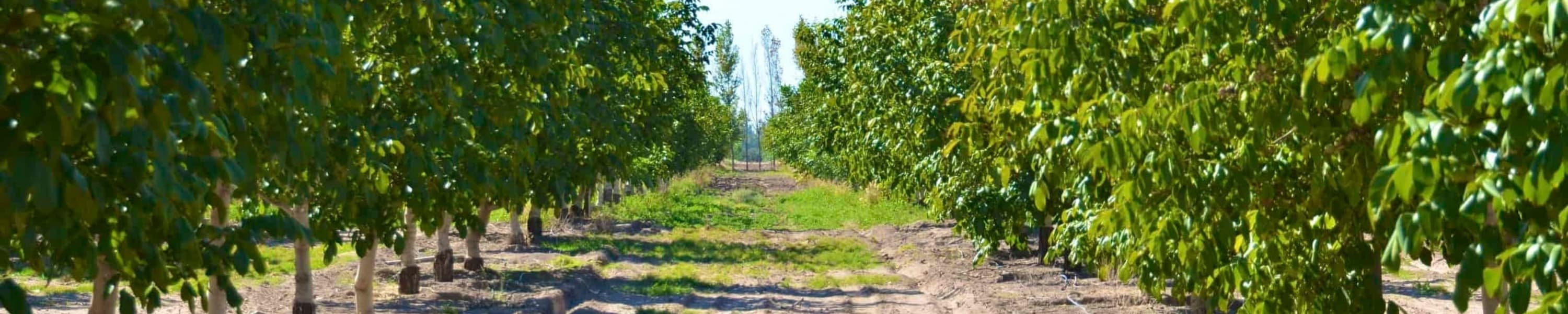




Walnut Orchard Establishment in Morocco
Walnut is a mountain crop in Morocco. A 2006 technology-transfer bulletin of the Ministry of Agriculture, written by INRA researchers, placed existing plantings in valleys at about 1,200 to 1,700 m, and a 2019 study sampled 11 sites in the Middle and High Atlas at 650 to 1,996 m, with 210 to 700 mm of rain a year. Trees stand mainly along watercourses and at plot edges, in clumps or alone (2019 thesis).
Most trees are seedlings: more than half of Morocco's cultivated walnut trees grew from seed (2019 thesis), and in 2021 the head of the fruit-tree interprofession said propagation was still done only by seed (Le360). Trees introduced in 1984 as cultivars such as Izvor, Drianovo and Cheinovo, called 'Roumi' by farmers, were ungrafted seedlings and leafed early in INRA trials; INRA and ENA Meknès surveys found about a hundred local clones, some with nuts comparable to Franquette and Lara.
For new orchards, the 2006 bulletin suggested propagating the best local trees by grafting, mixing two or three cultivars or adding pollinizers, and spacing trees 8 by 9 m to 12 by 12 m; it proposed trials of less chill-demanding Californian cultivars such as Chandler at medium altitude. No Moroccan source found describes a modern grafted walnut orchard, so new plantings call for careful cultivar trials.
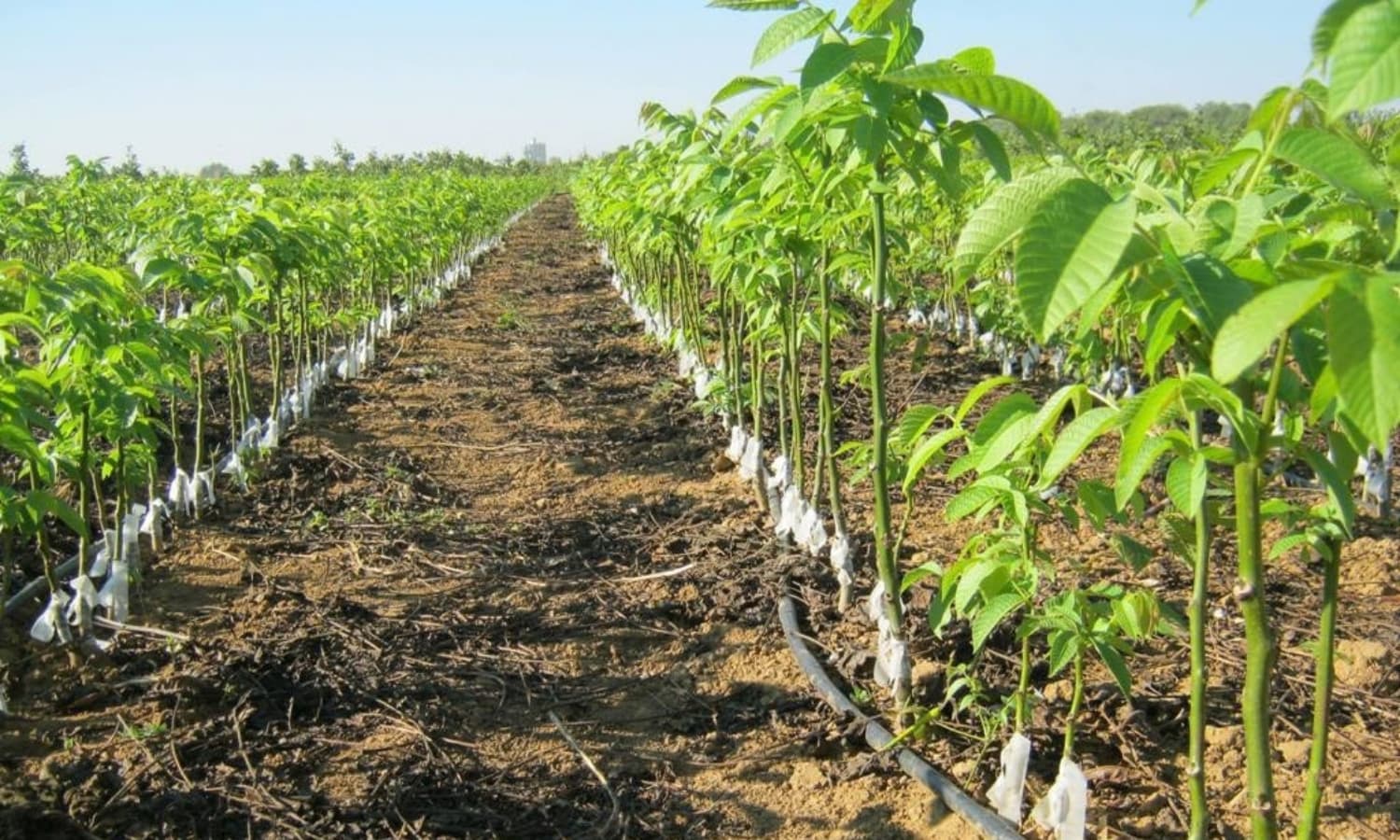

Practical Tips for Walnut Orchard Establishment
Plant grafted trees of known cultivars: the 2006 Ministry bulletin noted that seedling trees bear late and often give small nuts.
Mix two or three cultivars or add pollinizers, as the 2006 bulletin advised, because a walnut cultivar's pollen does not fully cover its own female bloom.
Choose cultivars for their leafing date: the 1984 introductions leafed early in INRA trials, and UC guidance says early-leafing cultivars suffer most from blight.
Space trees widely, at 8 by 9 m to 12 by 12 m as the 2006 bulletin suggested, since walnut is a large tree that needs plenty of light.
Secure a reliable water supply before planting: farmers in one Al Haouz commune reported less snow and rain since the 1990s (2025 study).
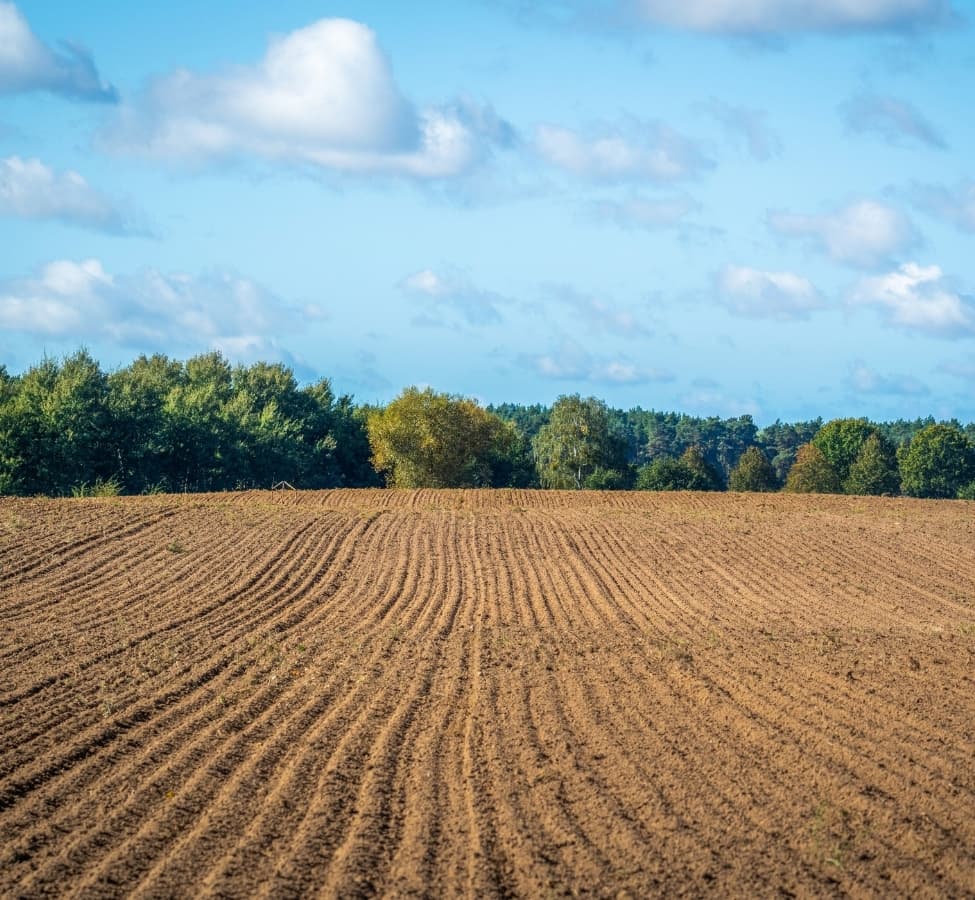
For orchards meant for machines, choose flat or gently sloping valley land and plan rows, headlands and access lanes before planting.
Recommended Establishment Stages




Walnut Orchard Care & Maintenance in Morocco
Walnut in the High Atlas depends on running water. In one Al Haouz commune studied in 2022 and 2023, trees along earthen canals drew water from seepage, walnut trees beside a canal could die once it was lined with cement, and in drought farmers gave trees priority over annual crops for water. Farmers there reported hotter weather and less snow and rain since the 1990s (2025 study).
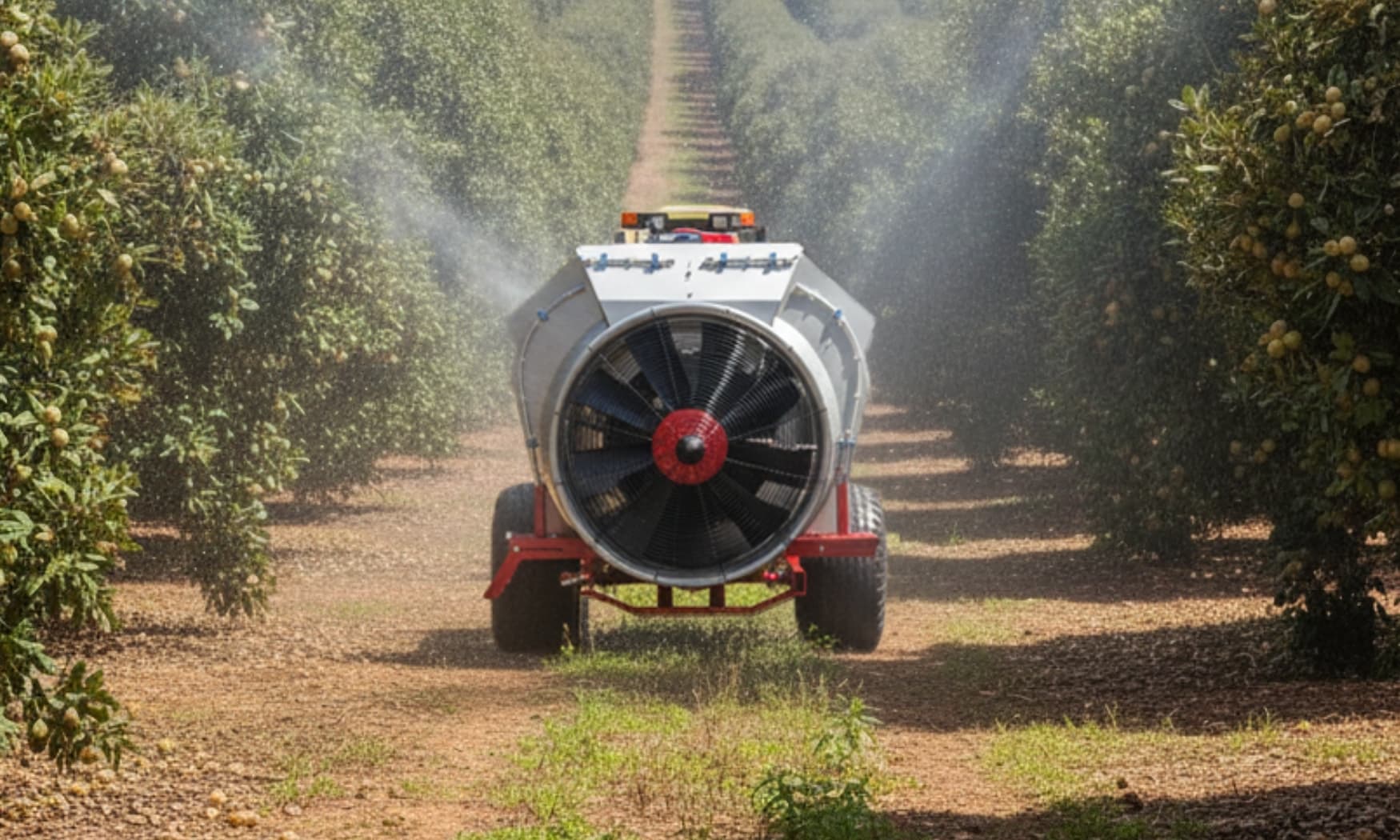
Codling moth is recorded in Morocco (EPPO), and the 2006 Ministry bulletin called it frequent on walnut, as was bacterial blight, with anthracnose found mainly in humid zones; it also noted that walnuts were often grown without chemical treatments. EPPO's database has no Moroccan entry for walnut blight, which the bulletin did report, or for walnut husk fly, and no current official walnut pest guidance was found.
As no Moroccan walnut thresholds were found, University of California guidance is a useful reference: hang codling moth traps from spring and crack out 1,000 nuts at harvest to judge damage. Rain spreads blight bacteria, and early-leafing cultivars suffer most. For water planning, FAO-56 gives walnut orchards crop coefficients of 0.50 at the start of the season, 1.10 at midseason and 0.65 before leaf drop.
Recommended Orchard Care & Maintenance Stages


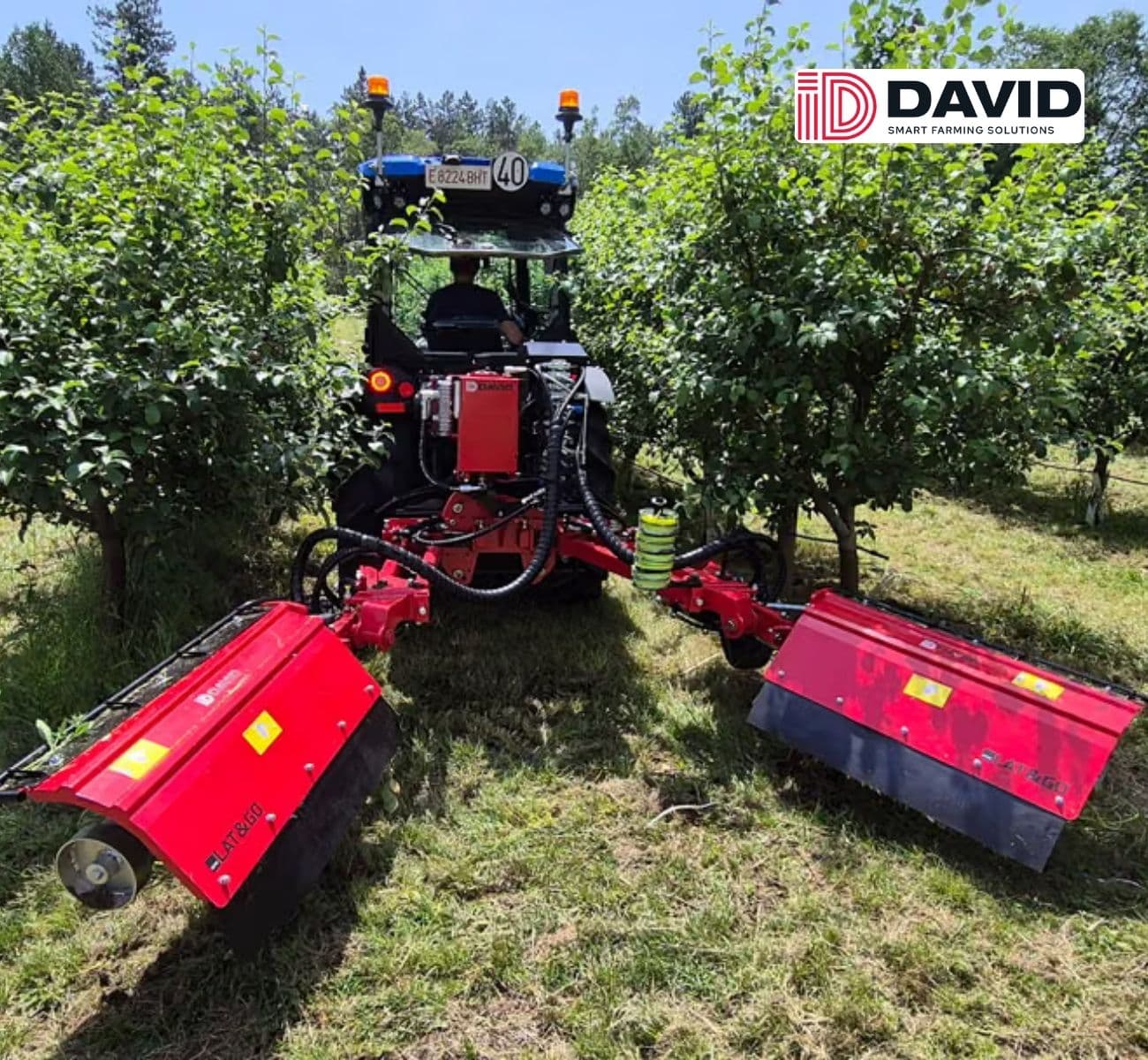

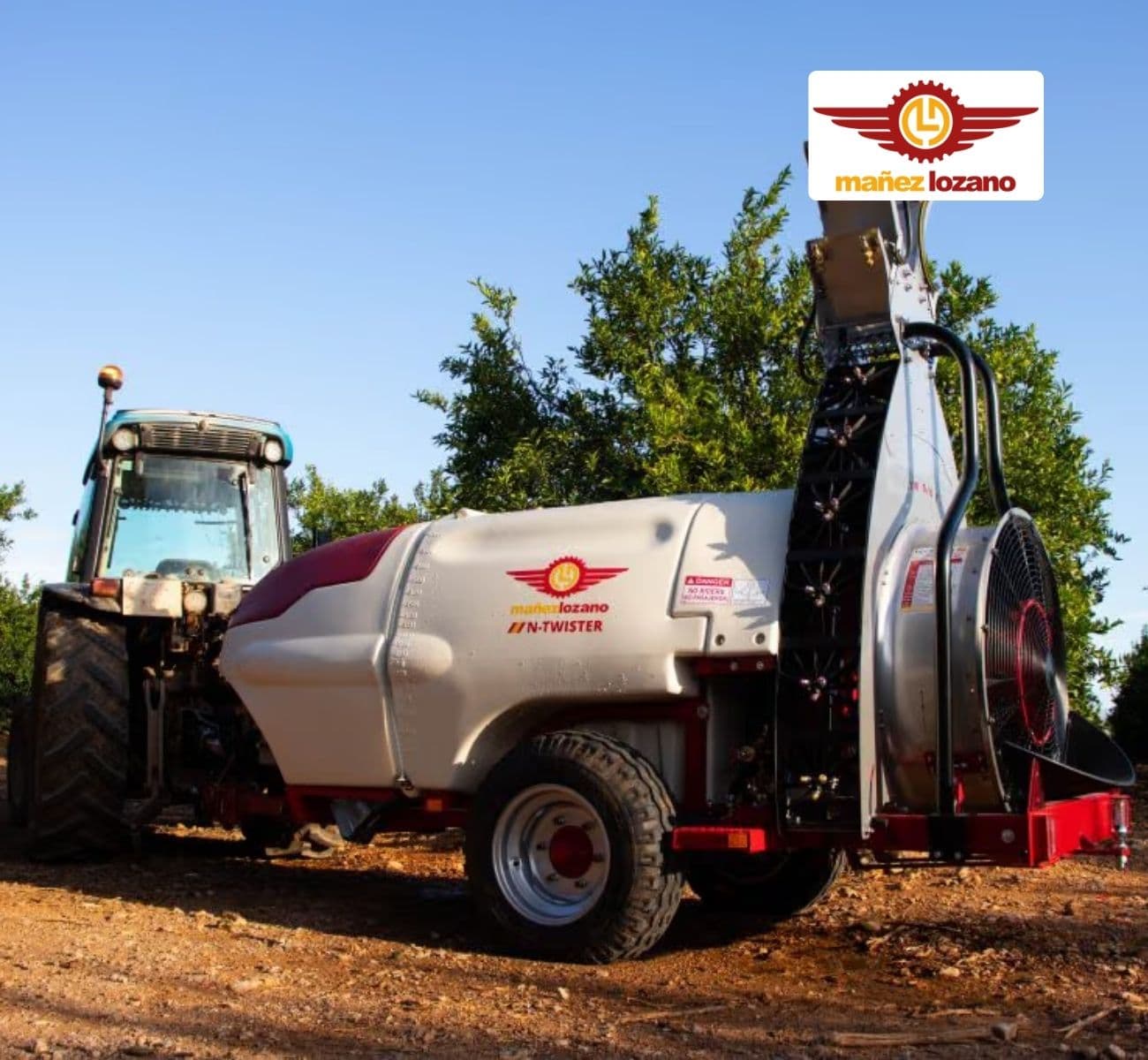
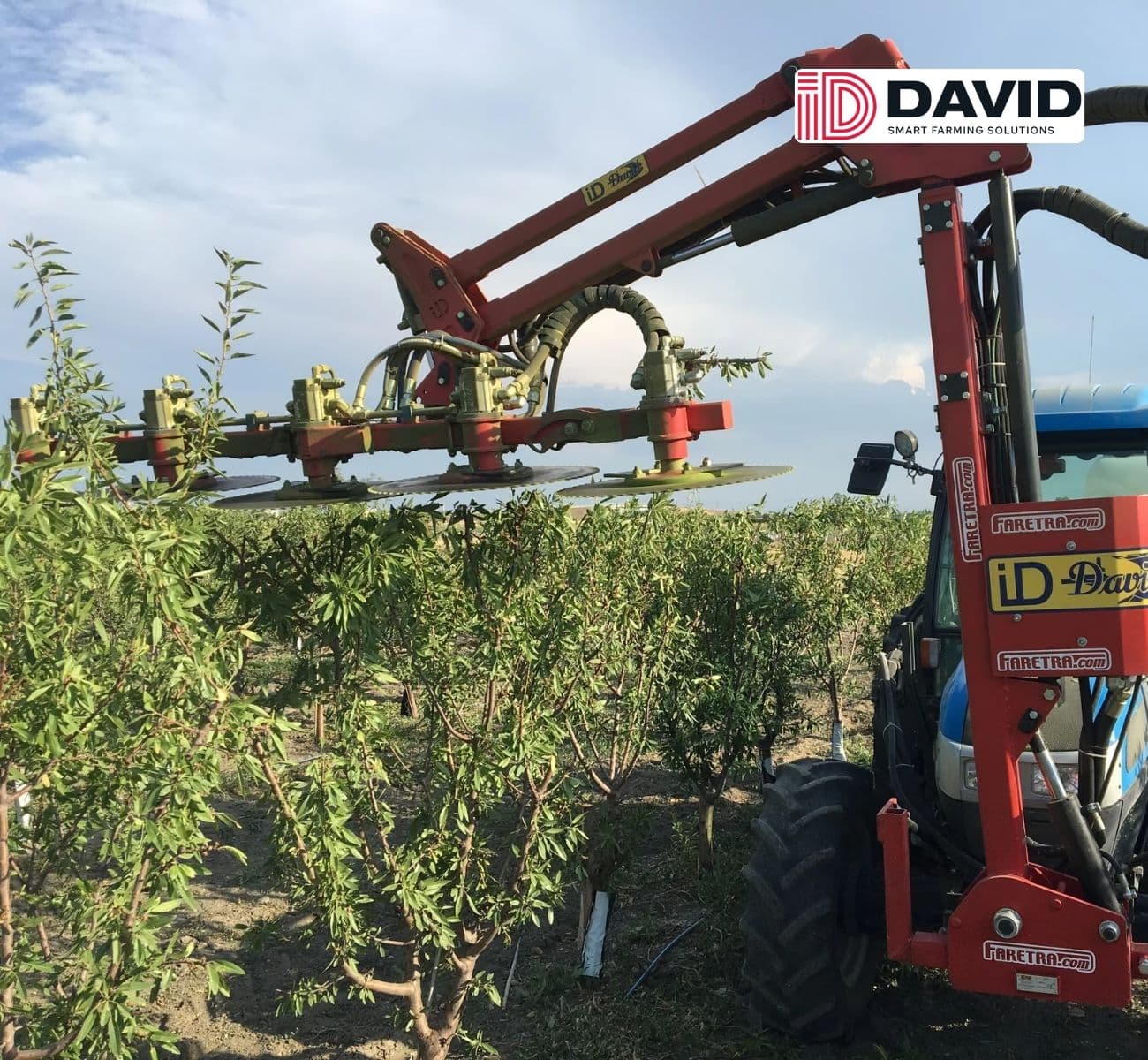
Practical Tips for Walnut Orchard Care & Maintenance
Give trees priority for water in drought, as farmers in one Al Haouz commune told researchers in 2022 and 2023: a dead tree takes many years to replace.
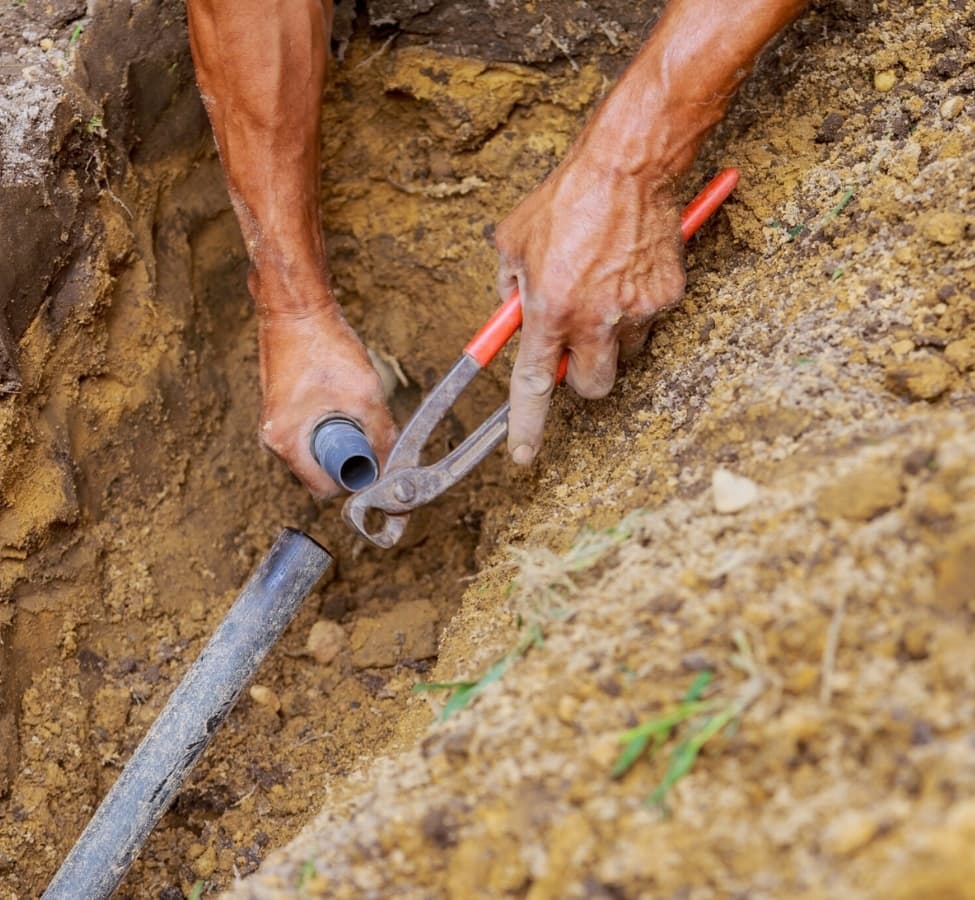
If an earthen canal is lined with cement, plan new watering for the walnut trees beside it, which relied on its seepage (2025 study).
Hang codling moth traps from spring and crack out 1,000 nuts at harvest to judge damage, as University of California guidance advises.
Check young nuts for blight after spring rain: the 2006 Ministry bulletin called it frequent on walnut, and UC guidance says rain spreads the bacteria.
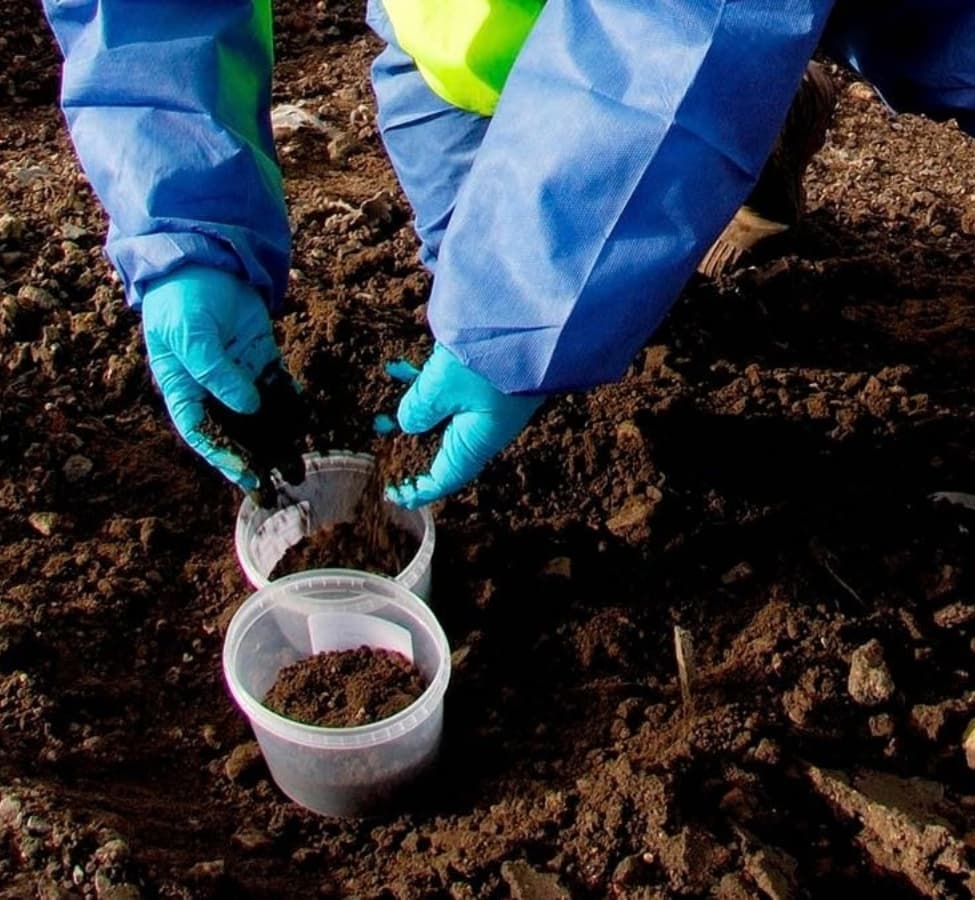
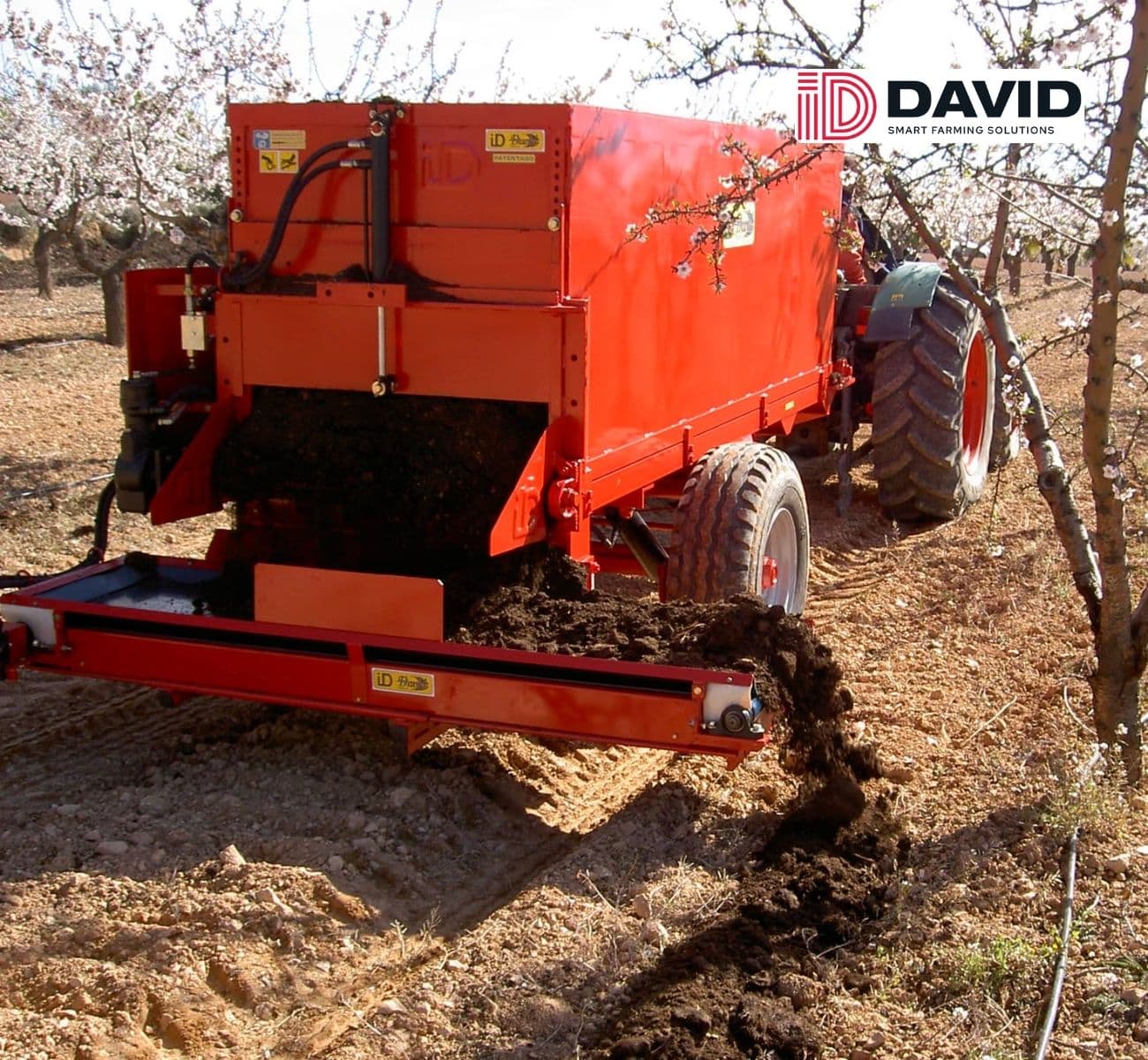
Base fertilization on soil and leaf analysis: the 2006 bulletin noted that Morocco had no national research on walnut nutrient needs.
Water deeply but avoid standing water around trunks: walnut does not tolerate waterlogged soil (2019 thesis, citing earlier literature).

Walnut Harvesting in Morocco

In High Atlas villages around Imlil, the walnut harvest falls in mid to late September on a single date set by the village, and no family may start earlier; the men also agree whether to start at the top or the bottom of the valley. Young men climb the trees and shake the branches with long sticks, children, women and men gather the nuts from the ground, and mules and donkeys carry them home (SNRT News, 2021 and 2023).
Timing matters: in 2023 some Al Haouz villages had begun by 25 September, while others waited, held back by fear of climbing after the 8 September earthquake and a shortage of workers, as walnuts were already falling onto roadsides and fields. Codex guidance calls for harvest as soon as practicable after maturity and quick removal of nuts from the ground.
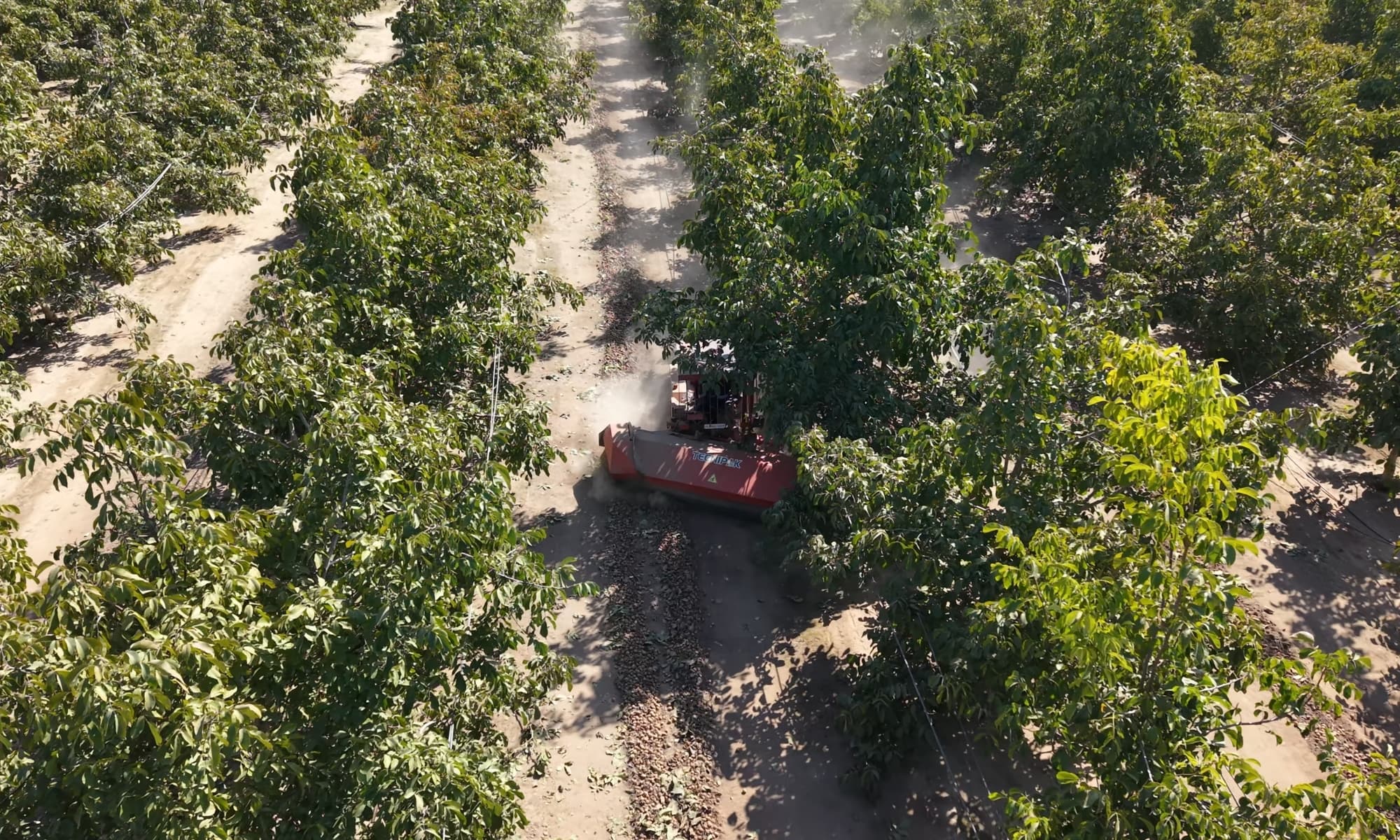
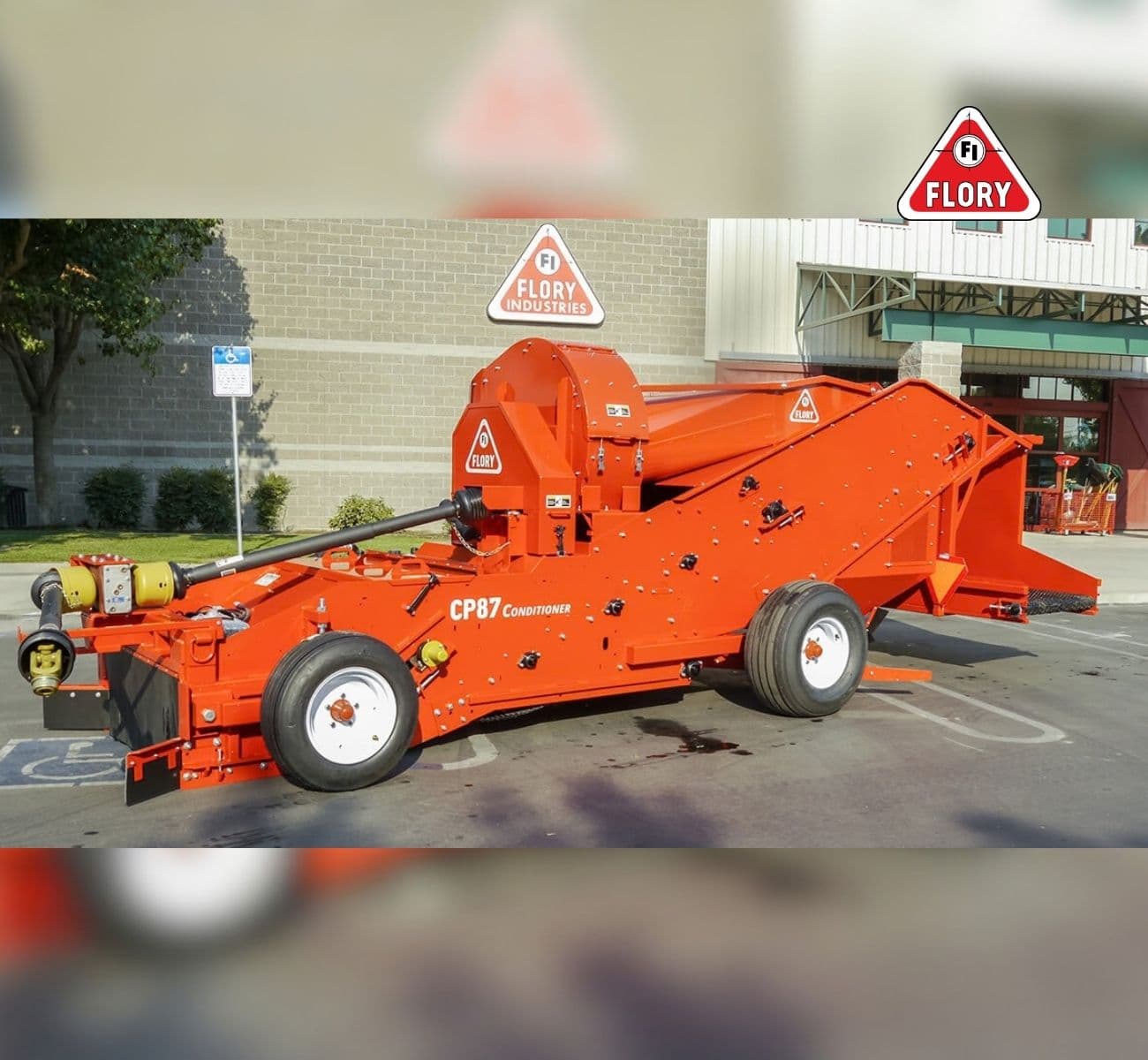
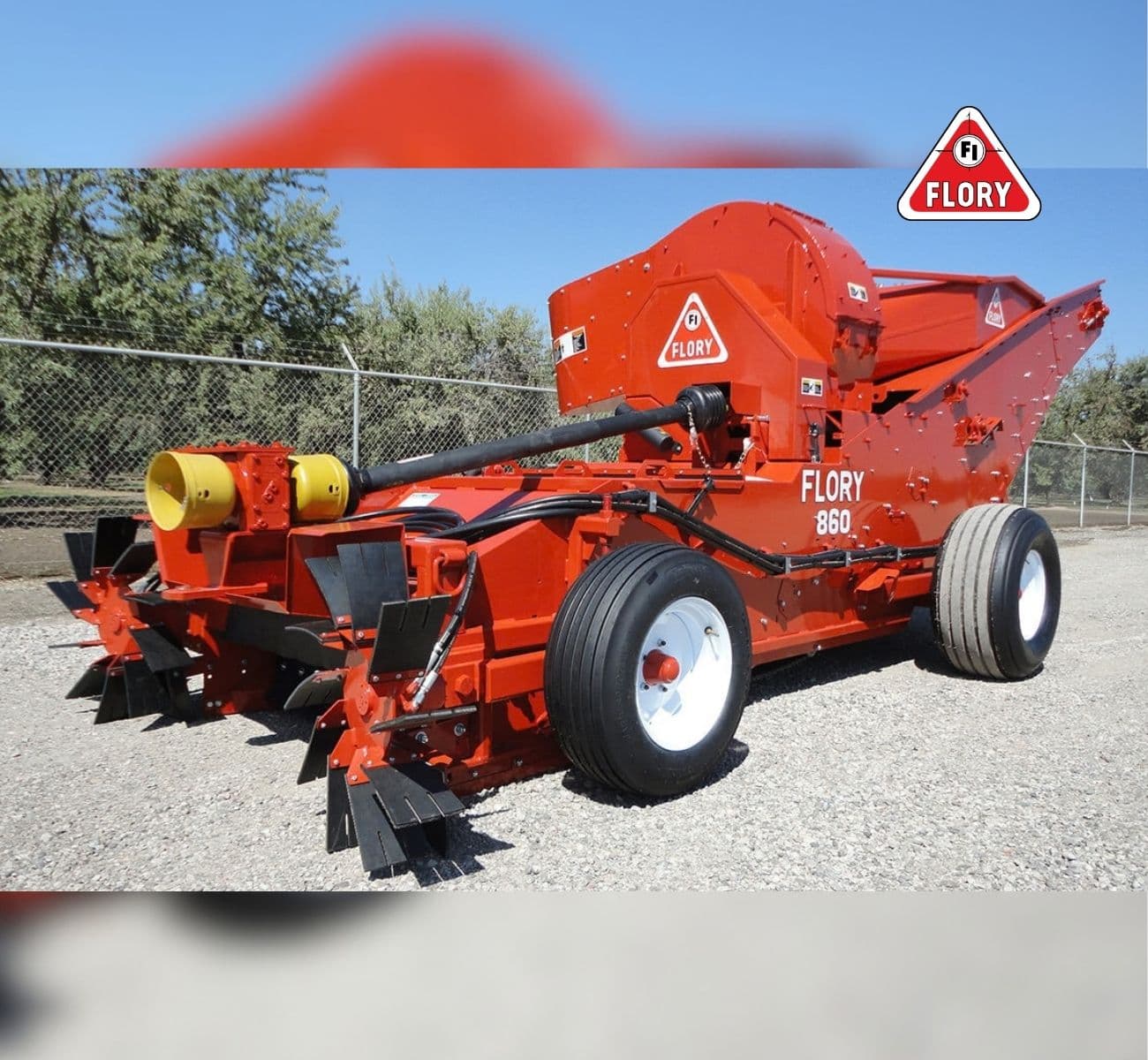
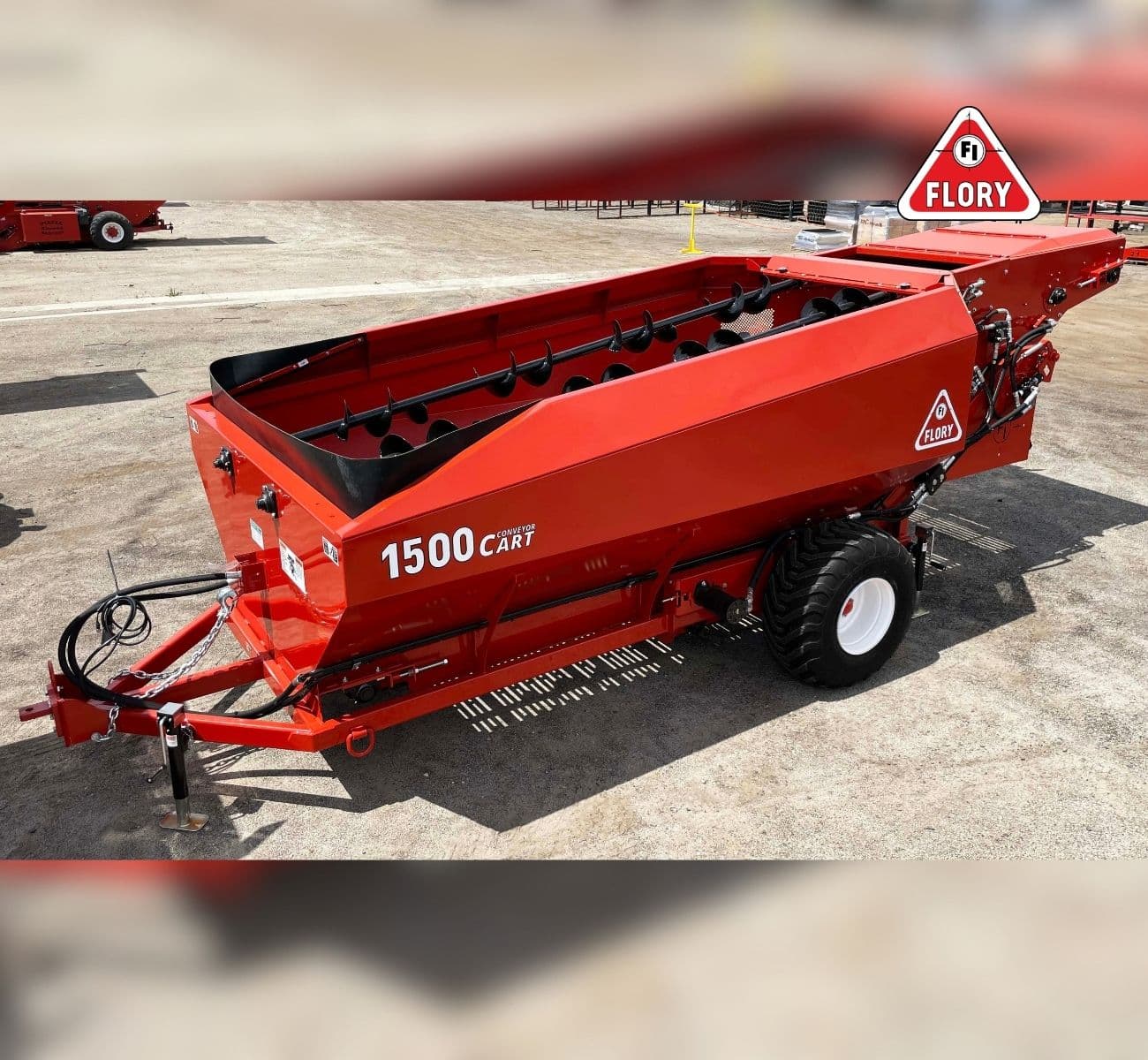
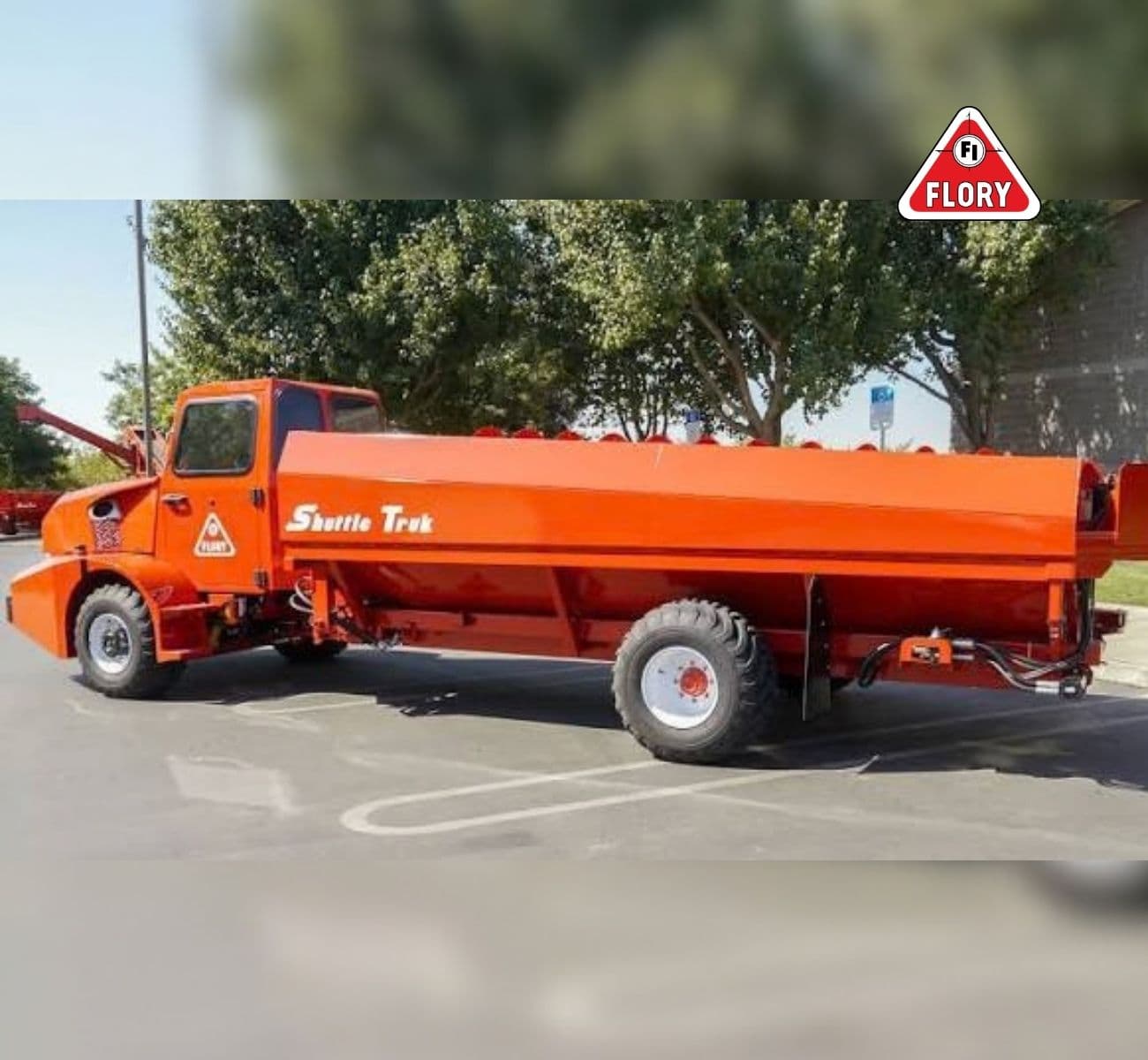
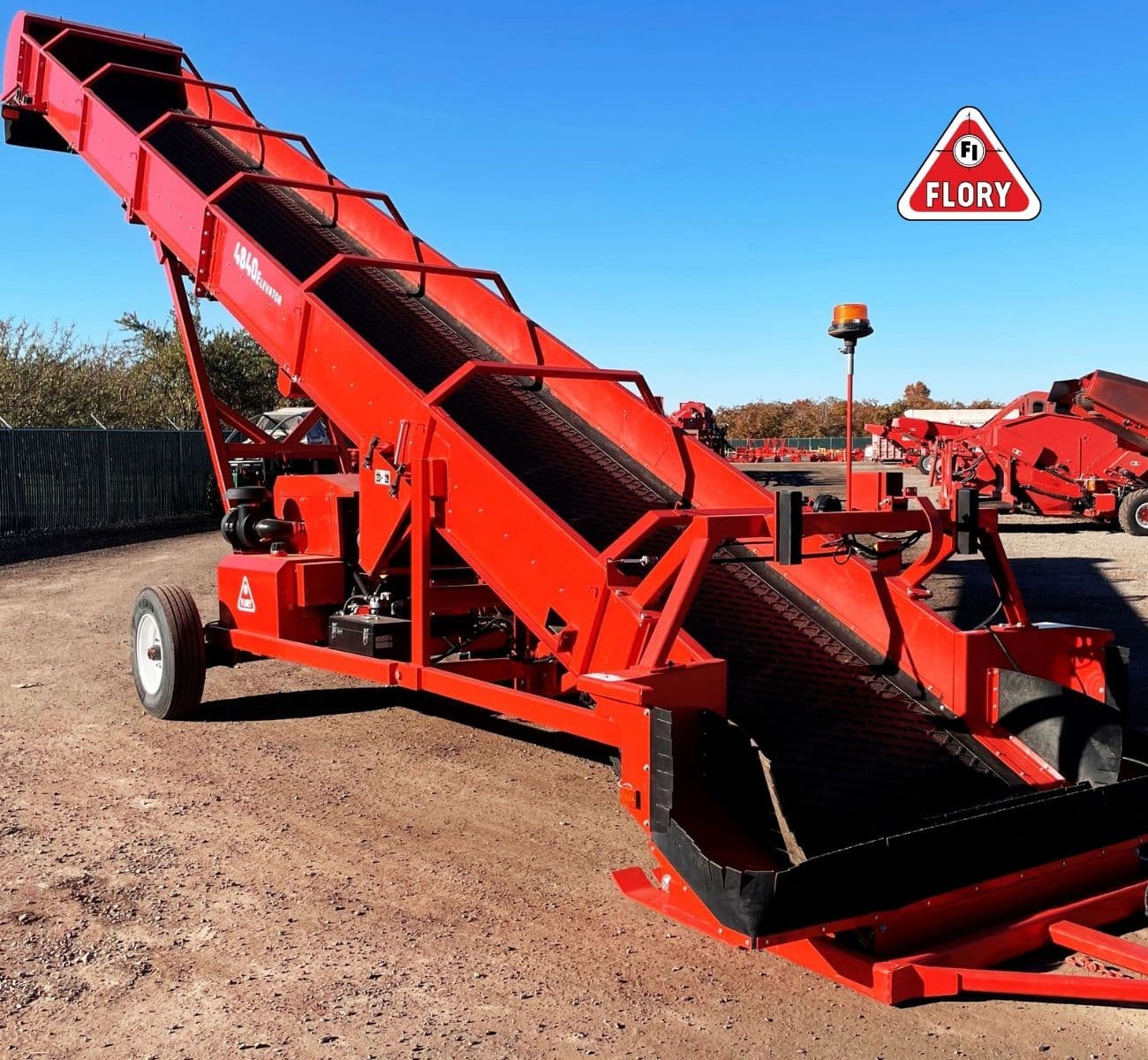
No source found describes mechanized walnut harvesting in Morocco, and machines do not suit old trees on terraces, canal banks and steep slopes. In new orchards planted in rows on flat or gently sloping valley land, machines can shake, sweep and pick up the crop on time. Flory harvesting machinery is available in Morocco through OVE Europe: a line runs from the VR700 Shaker, 34 Series Sweeper and 860 Harvester, or the smaller 490, to the 1500 Conveyor Cart, ST14 Shuttle and 4840 Field Elevator.
Walnut Harvest Workflow (Recommended Equipment)

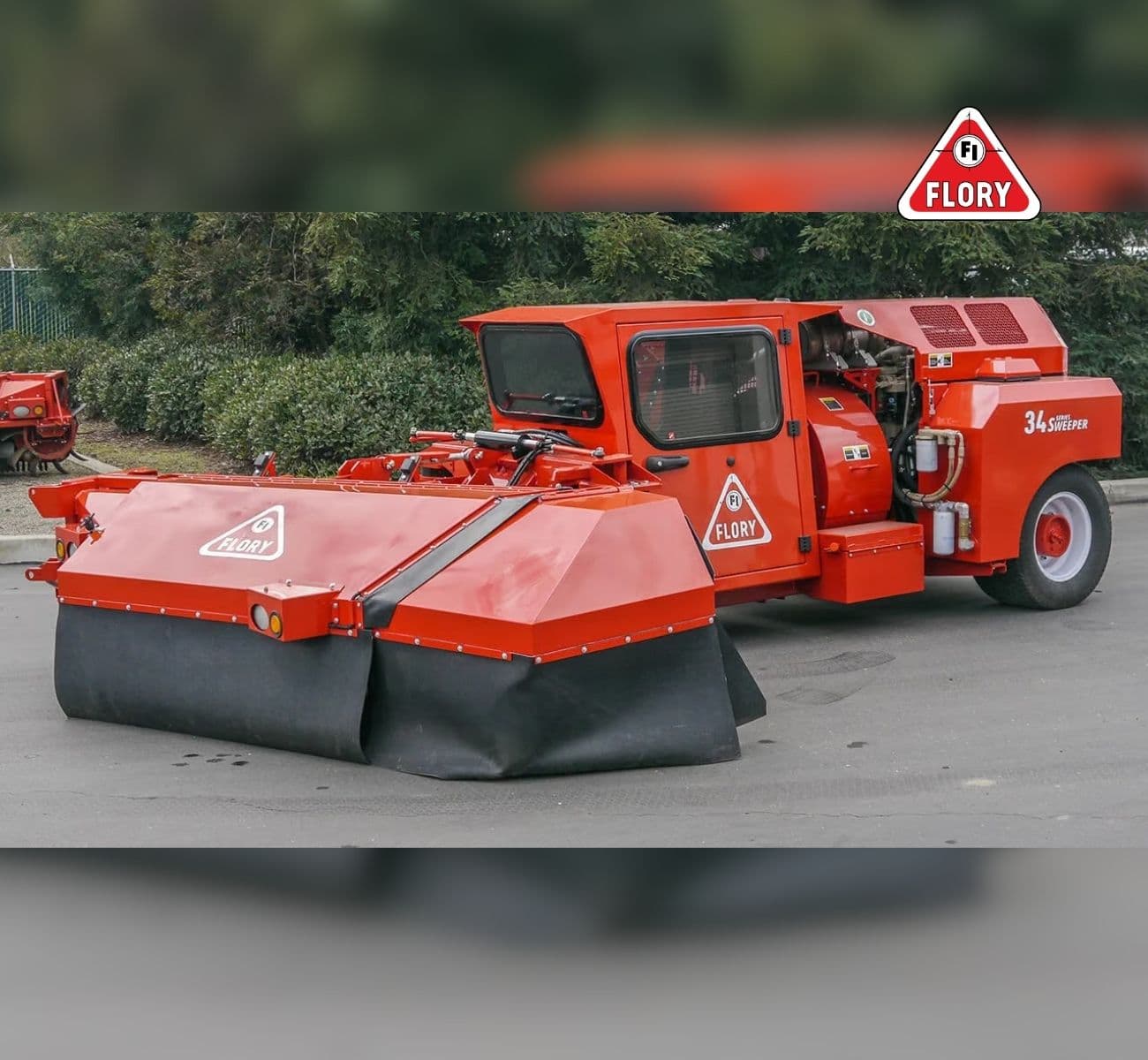
Practical Tips for Walnut Harvesting
Set the harvest date by ripeness, not custom alone: UC guidance starts harvest once a high share of nuts on the tree have split hulls.
Collect fallen nuts every day: the Codex code of practice on aflatoxins in tree nuts calls for nuts on the ground to be removed as soon as possible.
Cut the need to climb where you can: a researcher told SNRT News in 2021 that climbing walnut trees is always dangerous, and some villages lacked workers in 2023.
Check tractor power first: Flory's 860 and 490 harvesters need 85 hp or more in walnuts, so choose the tractor and harvester together.
Before harvest, mow and level the orchard floor and clear branches and stones, so the sweeper and harvester pick up cleanly.
Harvest old trees on terraces and canal banks by hand, and keep machines for orchards with rows and level ground they can work.
Get your recommended harvest setup
Enter orchard size, spacing, terrain, and target throughput—we’ll suggest a practical harvest workflow and equipment lineup.

Walnut Post-Harvest Handling & Processing in Morocco
Around Imlil, families spread the walnuts on house roofs to dry in the sun and can keep them all year; some sell part to traders and keep part to sell when demand rises at festivals such as Mawlid, Ashura and Laylat al-Qadr (SNRT News, 2021). Moroccan consumers prefer walnuts in shell (Hespress, 2023), and Morocco imports them almost only in shell.
No Moroccan source found describes walnut hulling, mechanical drying or cracking. Codex guidance calls for prompt hulling and drying and, where possible, storage at 0 to 10 °C, and University of California guidance warns that sun drying darkens kernels. Under joint order 2410-22 of 2022, tree nuts such as walnuts may hold at most 2.0 µg/kg of aflatoxin B1 (4.0 µg/kg in total) for direct consumption and 5.0 and 10.0 µg/kg if still to be sorted, the same values as in 2016.
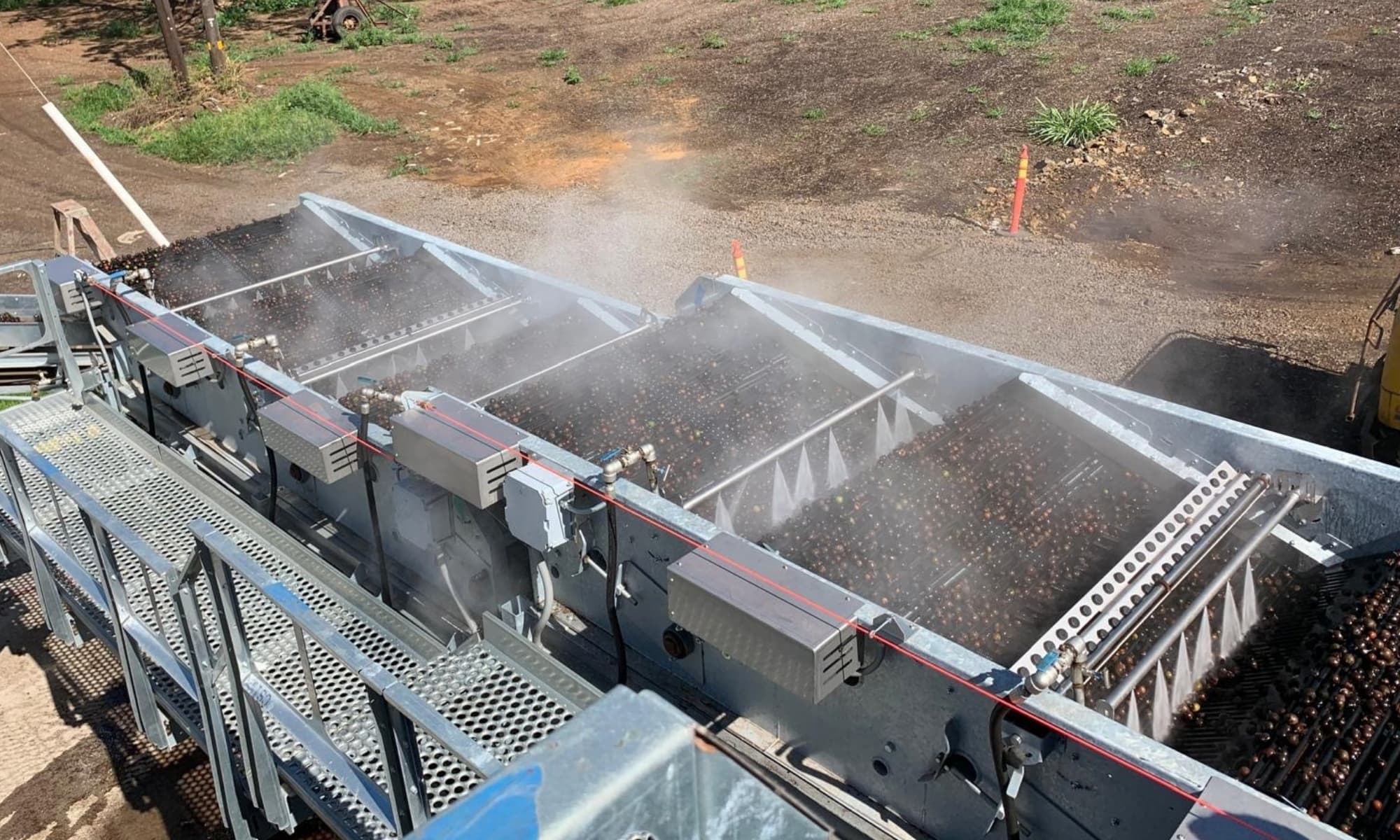
Morocco's records also show a small but growing kernel export trade: 11.3 t in 2023 and 91.6 t in 2025, almost all to Spain (UN Comtrade via WITS). Jessee, whose processing lines OVE Europe supplies, builds walnut hulling lines and drying, in-shell cleaning and sizing, and shelling systems.
For general information only. Information may become outdated and does not replace site-specific professional advice. Consult a qualified agronomist and confirm equipment suitability with OVE before acting.
Practical Tips for Walnut Post-Harvest Handling & Processing
Hull walnuts soon after harvest and dry them without delay, as the Codex code of practice on aflatoxins in tree nuts advises.
Dry walnuts out of direct sun, ideally in a dryer: University of California guidance warns that drying in the sun darkens the kernel.
Dry to 8% moisture, measured on the whole nut, with air no hotter than 43 °C, as University of California guidance advises.
Store dried nuts cool and dry, at 0 to 10 °C and below 70% relative humidity where possible, as Codex guidance suggests.
Test each lot for aflatoxins before sale: joint order 2410-22 allows at most 2.0 µg/kg of aflatoxin B1 in tree nuts eaten directly.
Remove insect-damaged and early-split nuts before storage, as the Codex code of practice on aflatoxins in tree nuts advises.
Recommended Post-Harvest Handling & Processing Stages









Plan your post-harvest line
Estimate tons/day, cleaning & drying capacity, storage needs, and cost/kg—then build your equipment plan in phases.