


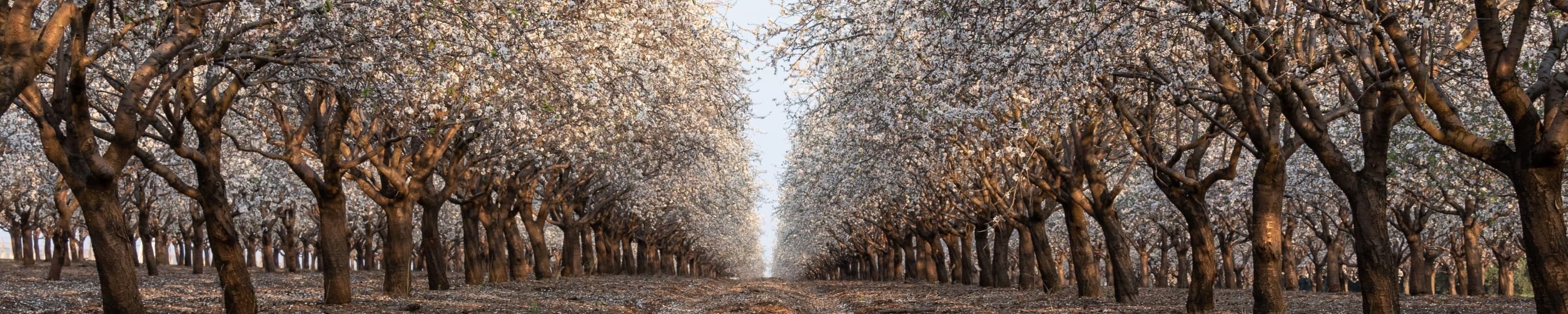




Almond Orchard Establishment in Namibia
No Namibian source names almond cultivars, rootstocks or nurseries. The Namibian Agronomic Board's 2022 baseline study of fruit producers, traders and nurseries does not mention almonds, and the growers it surveyed named a lack of established standard nurseries and limited knowledge of grafting among their challenges; about 20% said they import their fruit tree seedlings.
Namibia is arid: in most areas potential evapotranspiration is an order of magnitude higher than rainfall, the Atlas of Namibia notes, so almonds would need full irrigation. Irrigated grapes and dates are grown along the Orange River and at Naute Dam, and the Atlas also names aquifers and the Hardap Dam among other water sources for irrigation. Frost is common in winter, and temperatures can fall below -10 °C when cold fronts pass.
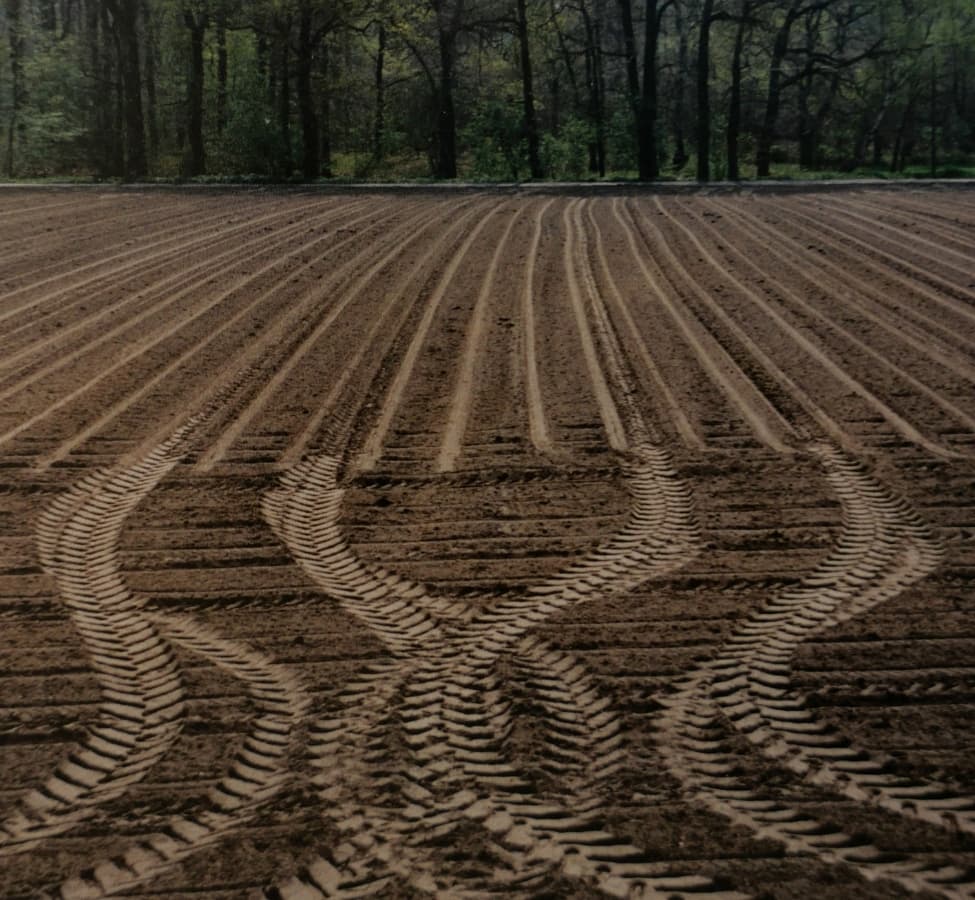
Guidance from South Africa fills some gaps: its Agricultural Research Council notes that most almond cultivars are self-incompatible and need a compatible pollinizer, and recommends 5 to 8 hives per hectare; on one farm near Hopetown, in the Northern Cape, flowering comes around September (2022 report). Test cultivars on a small irrigated plot first, and plan rows, headlands and trunk height for shakers and catching frames before planting.
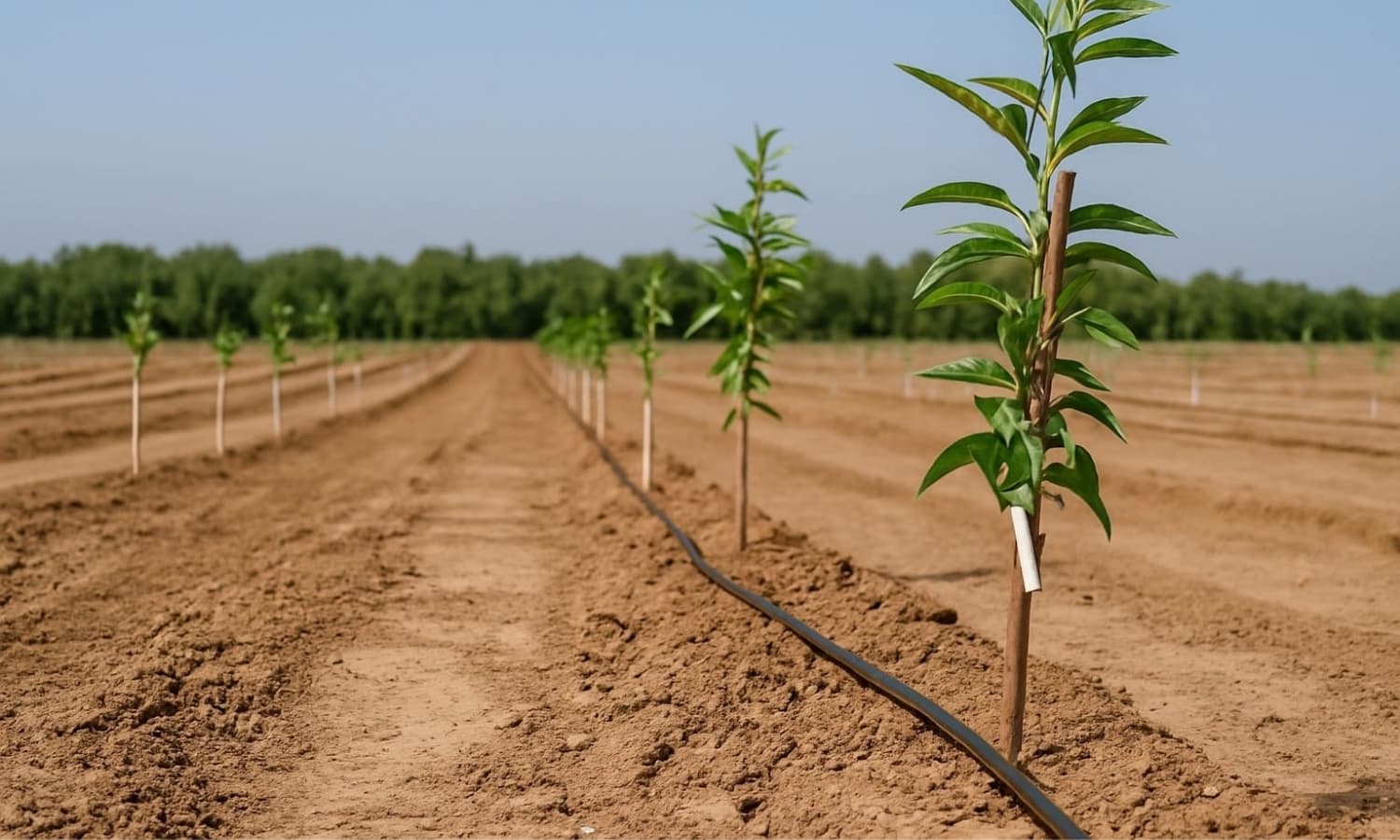

Practical Tips for Almond Orchard Establishment
Test almond cultivars on a small irrigated plot first: no Namibian source names cultivars, rootstocks or nurseries for the crop.
Secure a reliable water source before planting: in most of Namibia, potential evapotranspiration is an order of magnitude higher than rainfall.
Plant a compatible pollinizer and bring in 5 to 8 hives per hectare at bloom, as South Africa's Agricultural Research Council recommends.
Check frost risk on each site: the Atlas of Namibia notes that frost is common in winter and that some of the lowest temperatures are recorded in the south.
Buy healthy grafted trees from reliable nurseries: growers in the Board's 2022 study named the lack of established standard nurseries as a challenge.
Plan rows, headlands and tree form for the shaker, sweeper and harvester before planting, and check trunk clearance with OVE Europe.
Recommended Establishment Stages
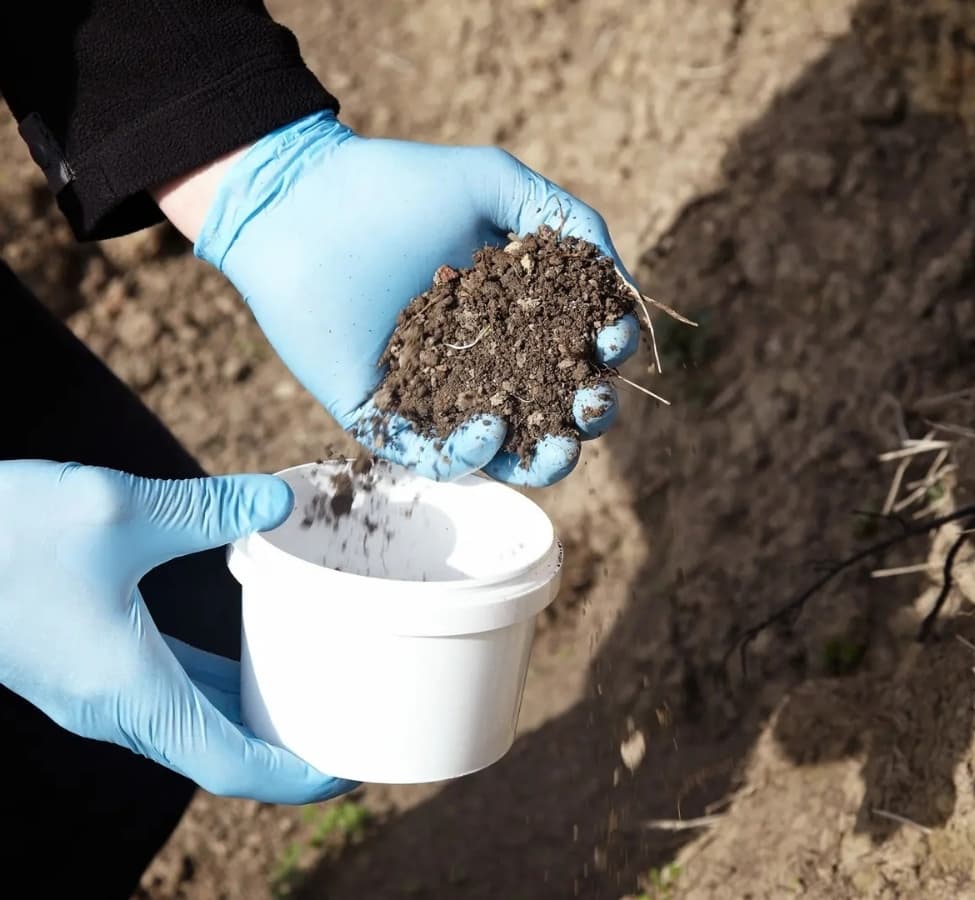




Almond Orchard Care & Maintenance in Namibia
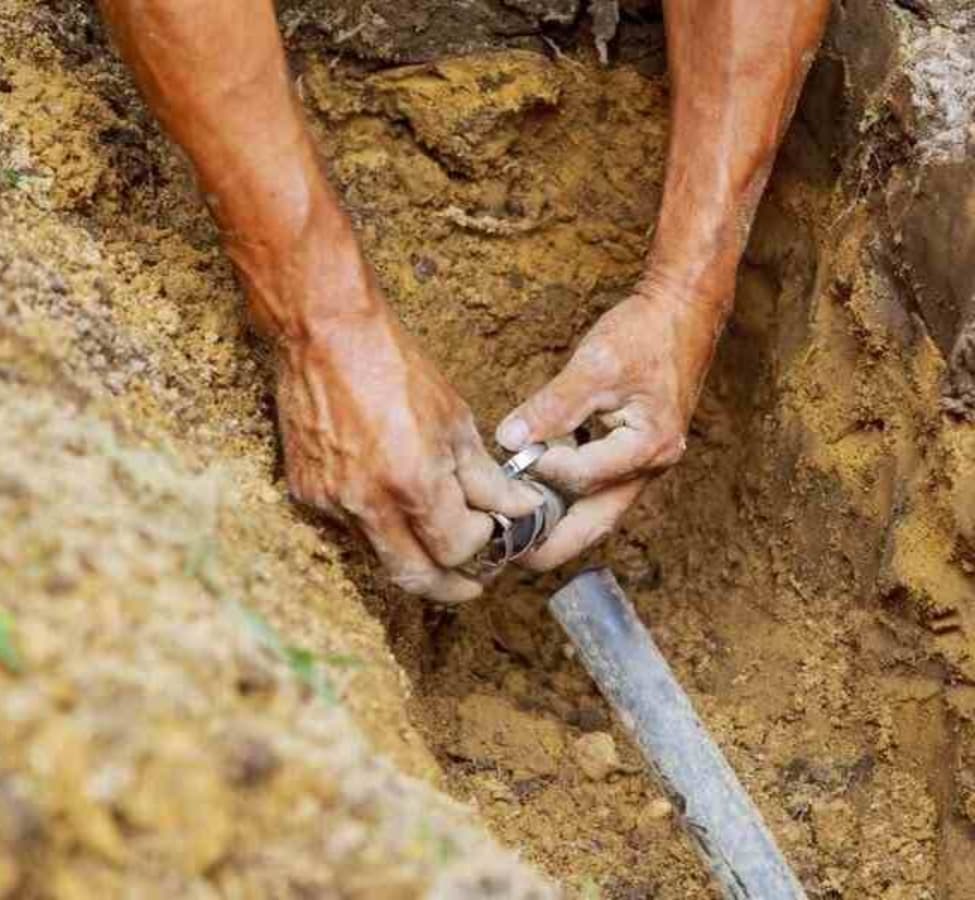
In most areas almost all rain falls between September and April, the Atlas of Namibia notes, so almonds would rely on irrigation through the long dry season. Most fruit producers in the Namibian Agronomic Board's 2022 study watered their trees with a hose pipe, and center pivot and furrow systems were hardly used for fruit. For almonds, plan drip lines with good filtration; no Namibian source gives the crop's water needs.
No Namibian guidance on almond pests or diseases was found. EPPO lists Xanthomonas arboricola pv. pruni, the cause of bacterial spot of almond and stone fruit, as present and widespread in South Africa but does not list it for Namibia, which does not prove it is absent. Fruit growers in the 2022 study named fruit flies, birds and powdery mildew among the problems of fruit in general.
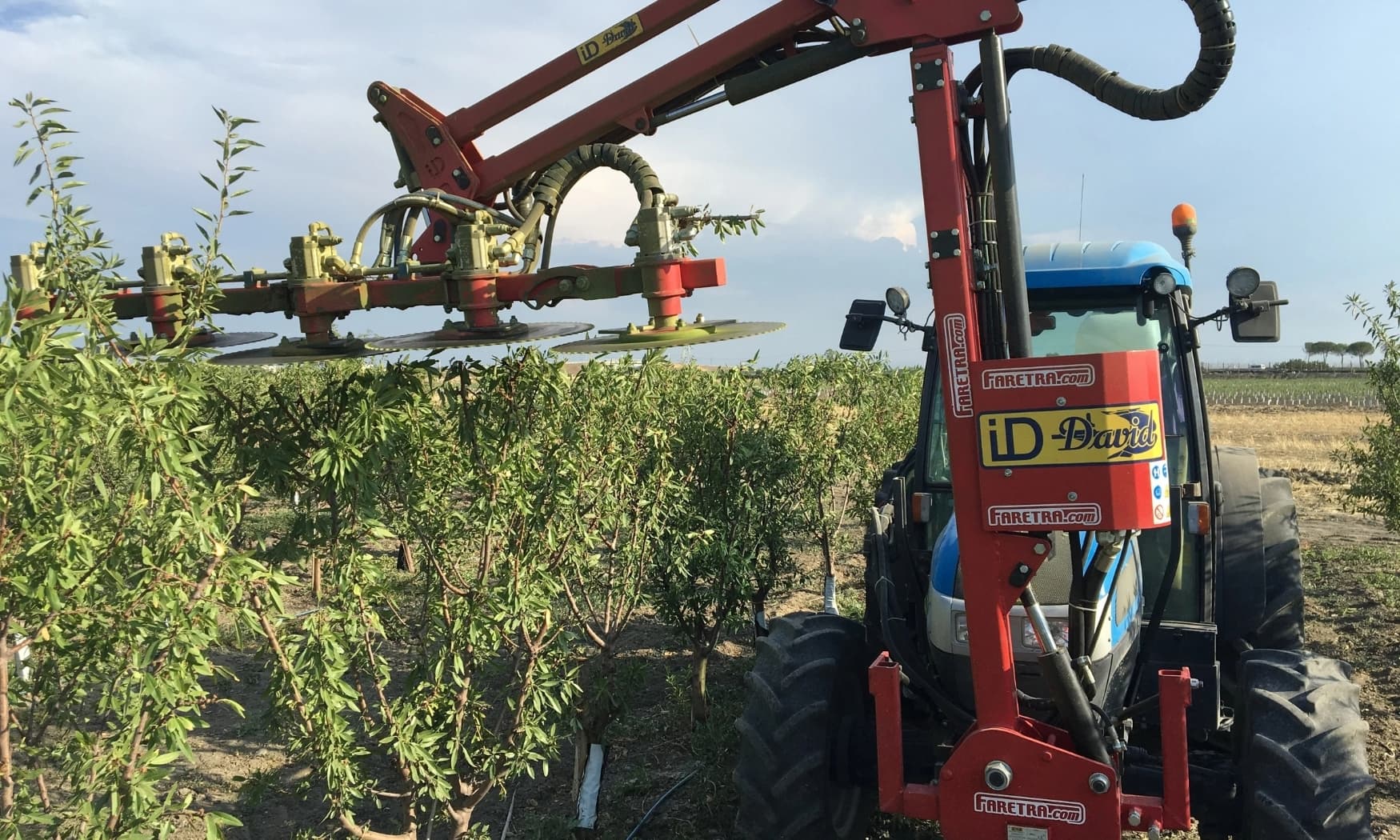
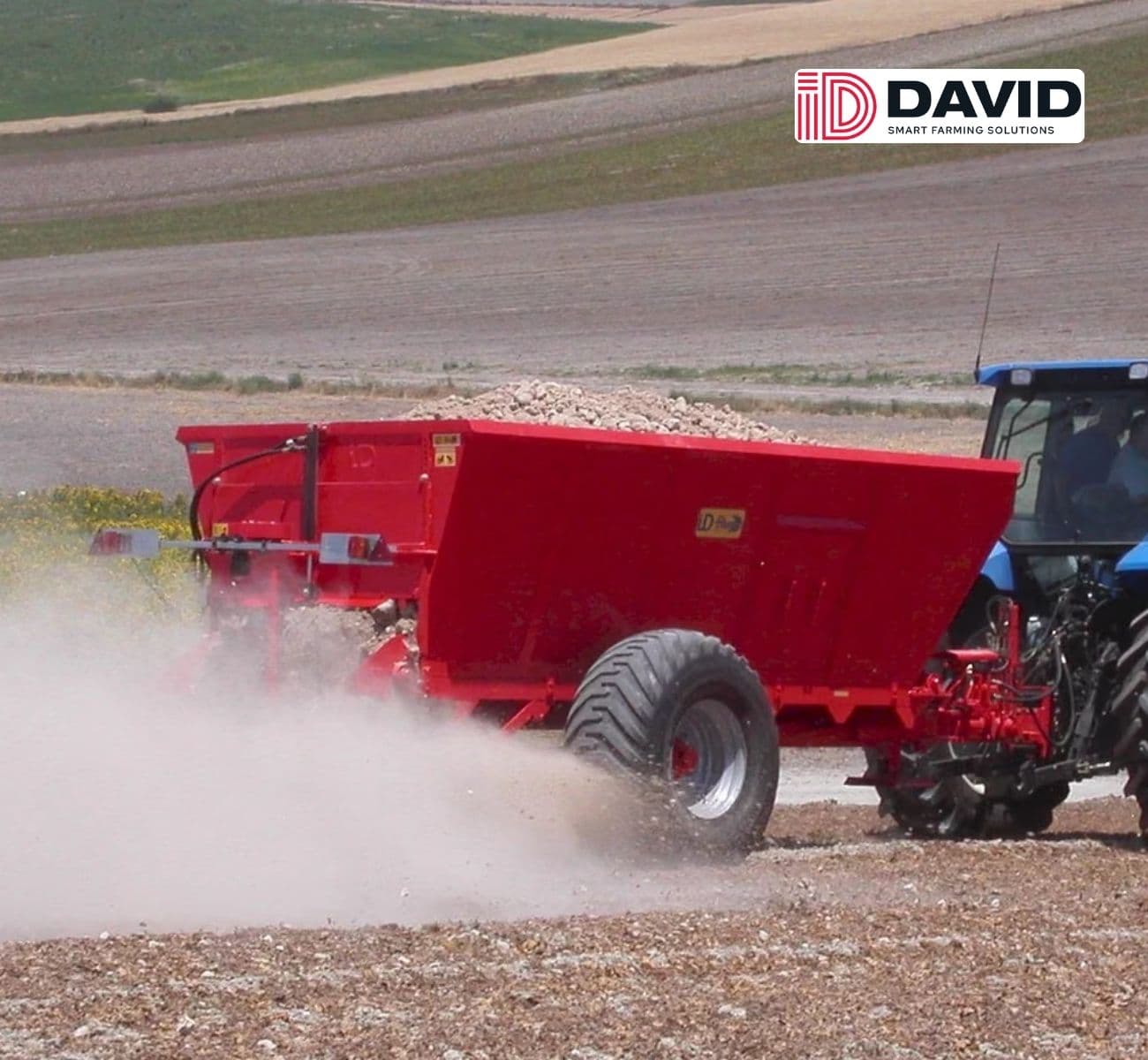
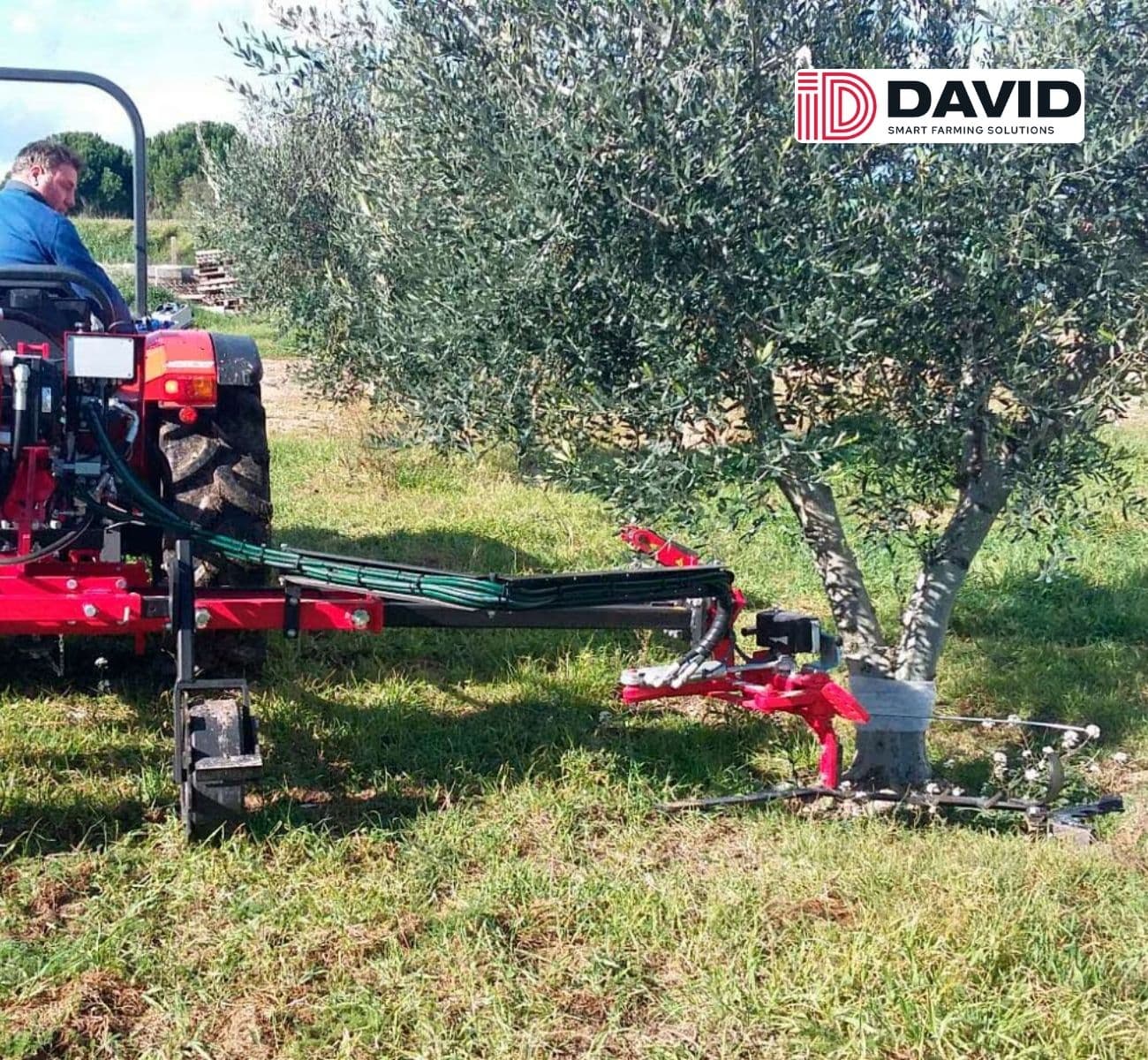
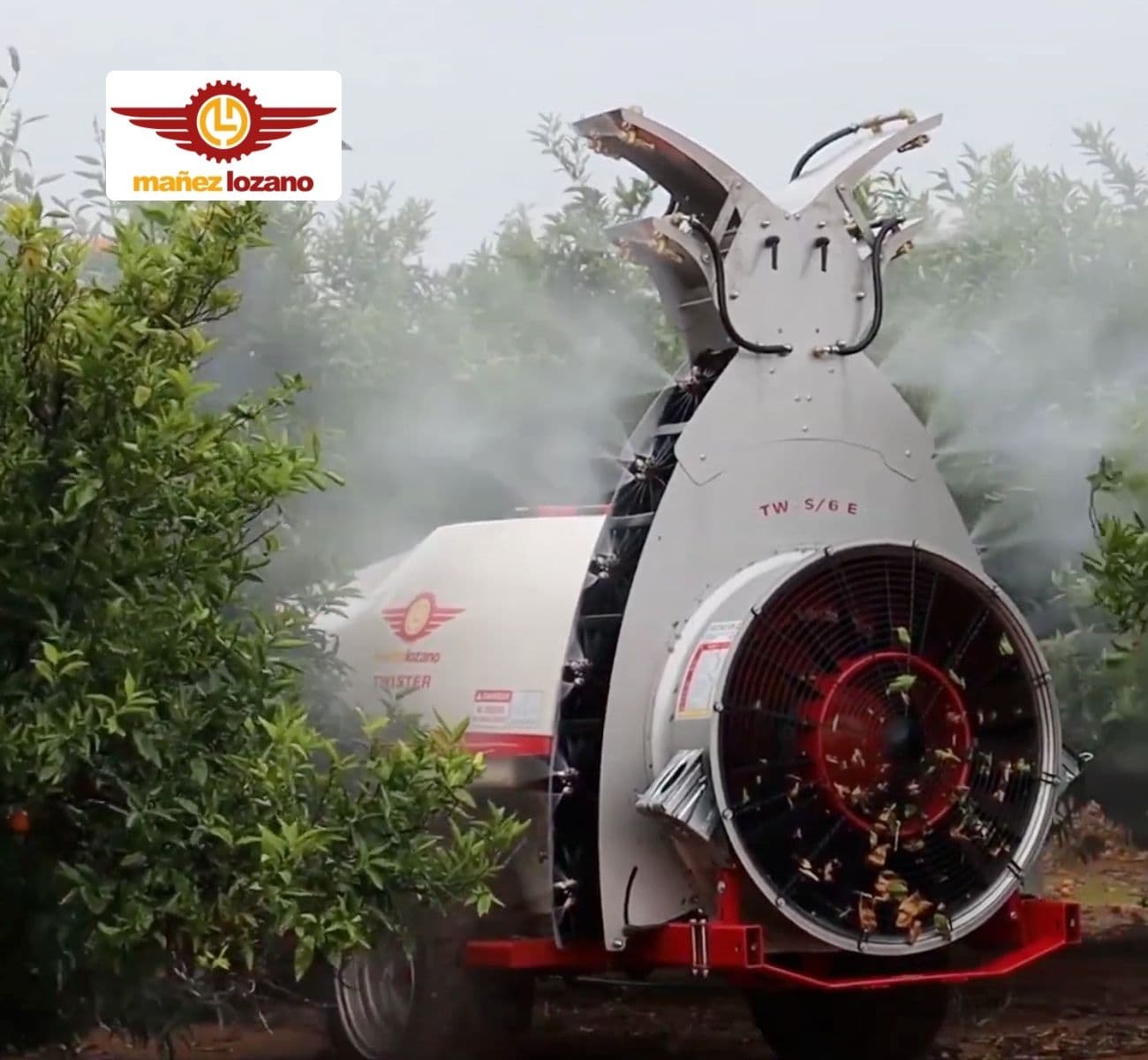
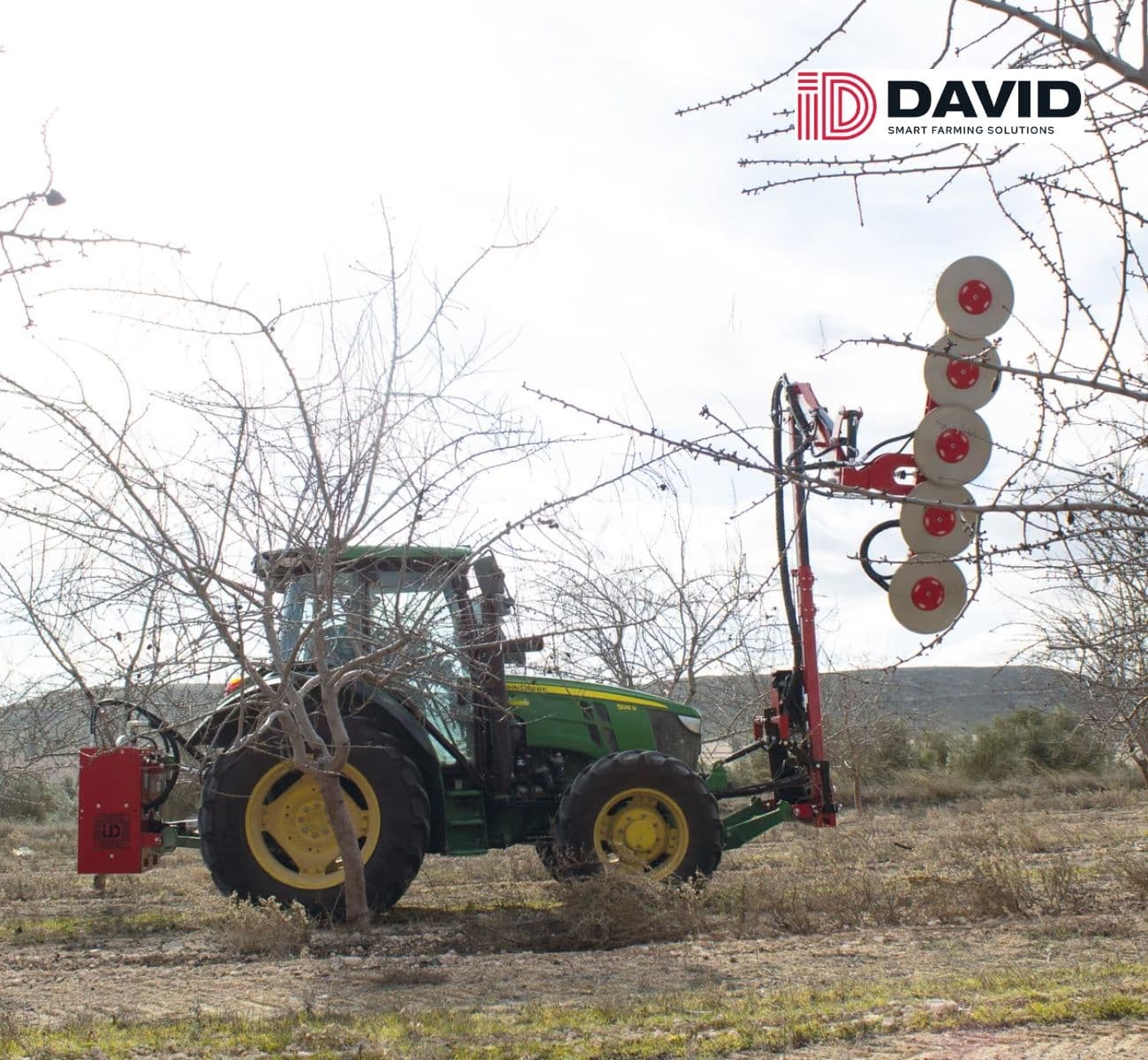
Summers are hot: Windhoek averaged a 31.4 °C maximum in December over 1961 to 1990 (WMO), and in the far south and southeast average maximum temperatures exceed 36 °C in the hottest months, the Atlas notes. For care work, the ID DAVID SURFEED spreads solid manure, the ID-XL weeds the tree row, the Mañez Lozano Mega Twister S6 sprays tall, dense canopies and the ID DAVID ID-REX disc pruner makes lateral and topping cuts.
Recommended Orchard Care & Maintenance Stages



Practical Tips for Almond Orchard Care & Maintenance
Plan drip irrigation for the whole dry season: in most areas almost all rain falls between September and April, the Atlas of Namibia notes.
Protect young trees from heat: in the far south and southeast, average maximum temperatures exceed 36 °C in the hottest months (Atlas of Namibia).
Ask for plant-health documents with imported trees: EPPO lists bacterial spot of almond as present and widespread in South Africa.
Watch frost forecasts in late winter and at bloom: the Atlas of Namibia notes that temperatures can fall below -10 °C when cold fronts pass.
Keep the tree row weed-free with an in-row weeder such as the ID DAVID ID-XL, and keep the orchard floor level for harvest.
Spray tall, dense canopies evenly with a trailed airblast sprayer such as the Mañez Lozano Mega Twister S6.

Almond Harvesting in Namibia
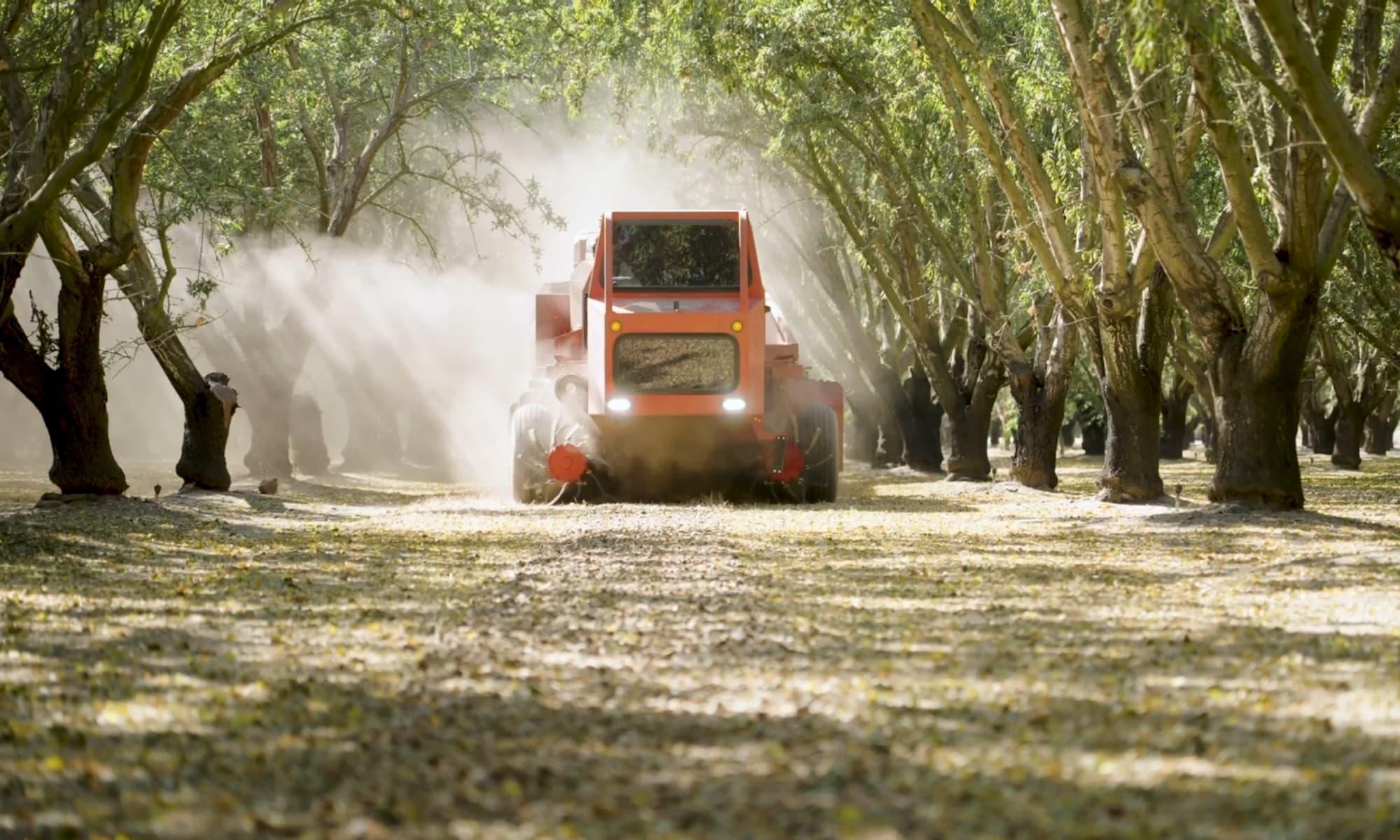
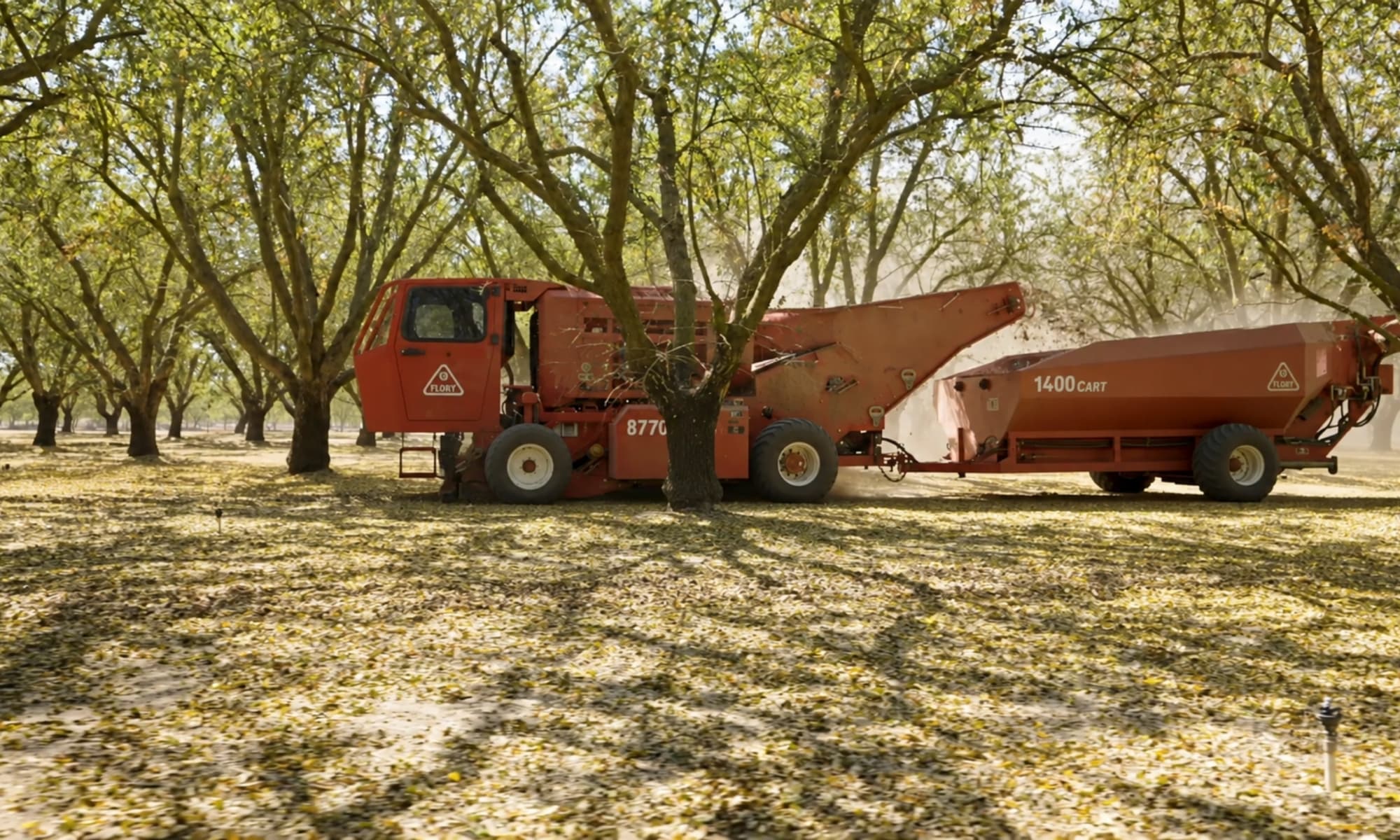
No Namibian source describes an almond harvest. In the southern hemisphere almonds ripen in late summer and early autumn: one farm near Hopetown in South Africa's Northern Cape usually harvests around March (2022 report). University of California guidance says almonds can be harvested as soon as all the nuts on the tree have reached hull split. In orchards planted for machines on suitable ground, mechanized harvesting can bring the crop in on time, with less risk of nuts deteriorating while they wait.
That is the rainy season in most of Namibia: February and March bring the highest falls over its southern and western thirds, mostly from convective storms, and totals vary widely between seasons, the Atlas notes. Windhoek, in central Namibia, averaged 91.4 mm on 12 days of 0.1 mm or more in February and 69.6 mm on 10.8 in March (1961 to 1990, WMO). Fruit growers in the 2022 study named heavy rain damage among their challenges. This guide therefore shows prompt pickup, with hulling and drying at once, alongside catching frames.
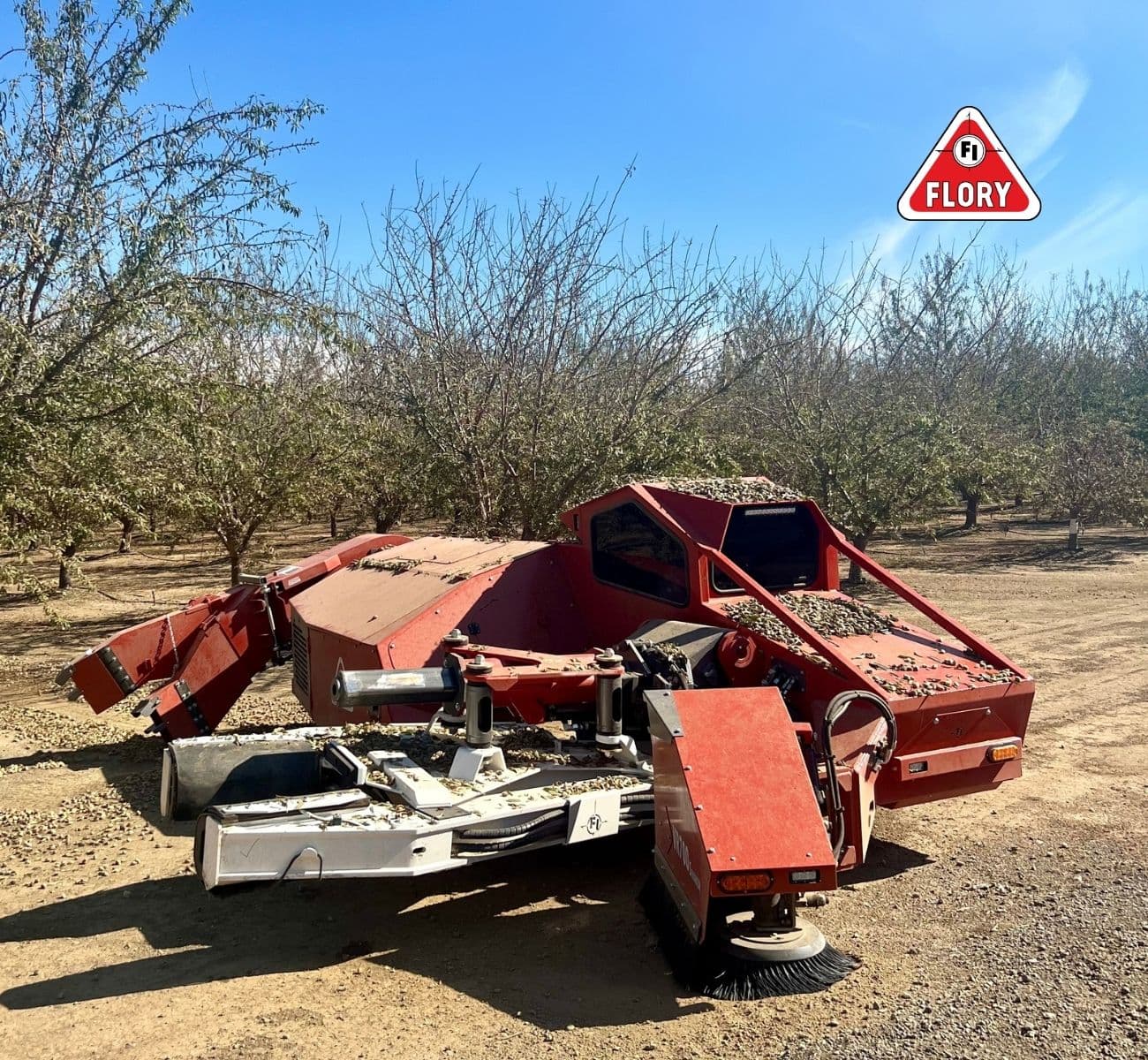
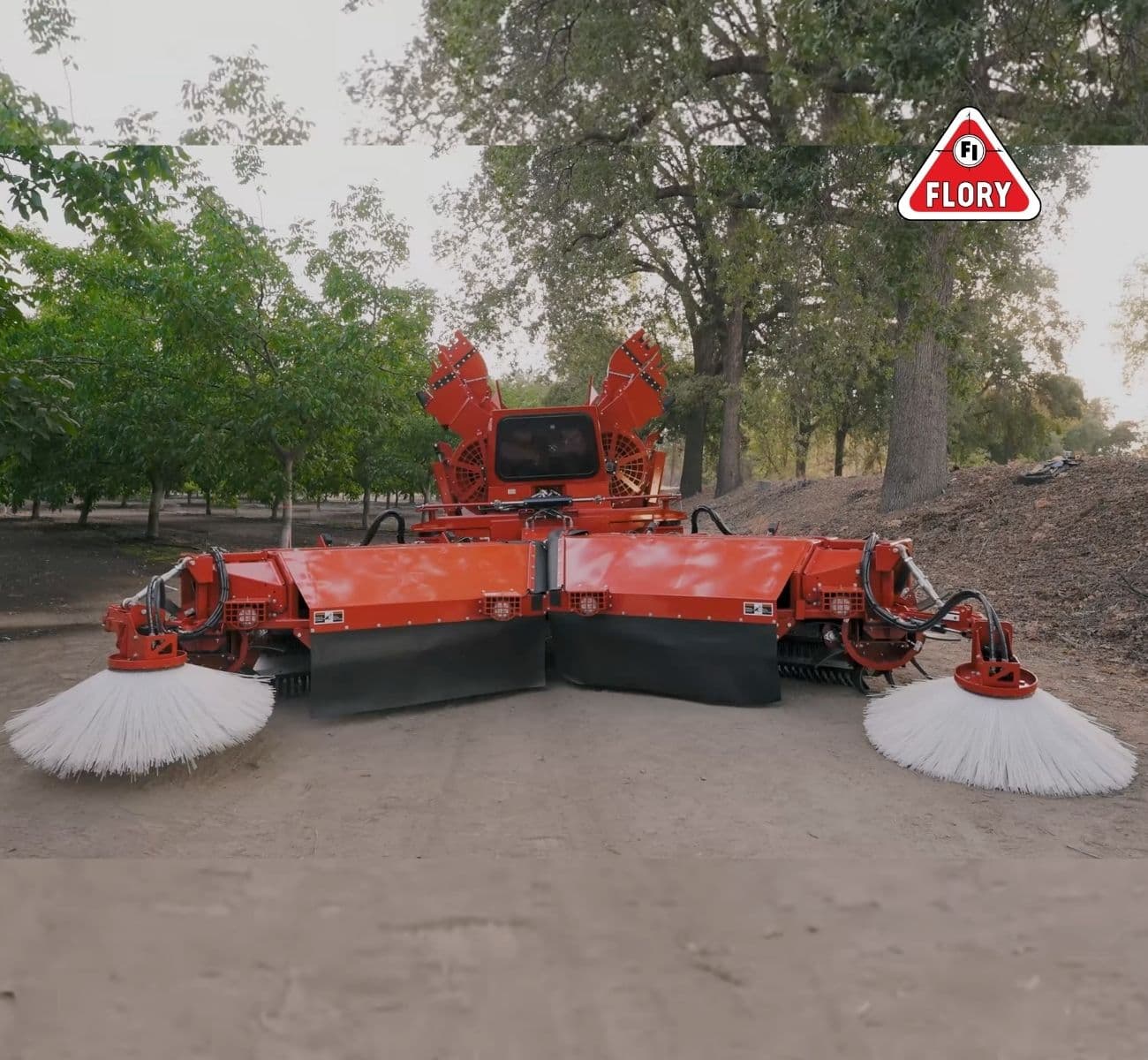
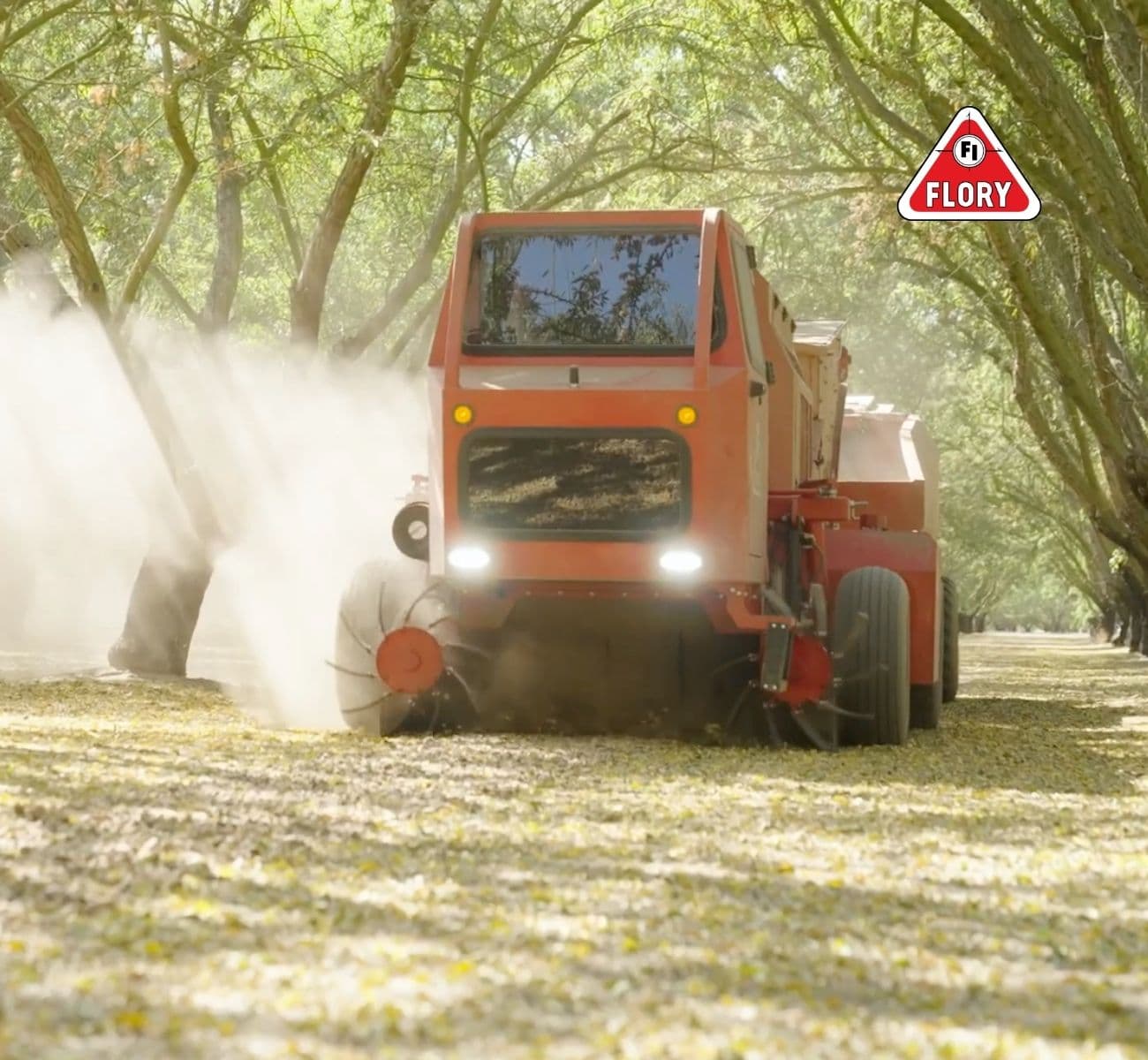
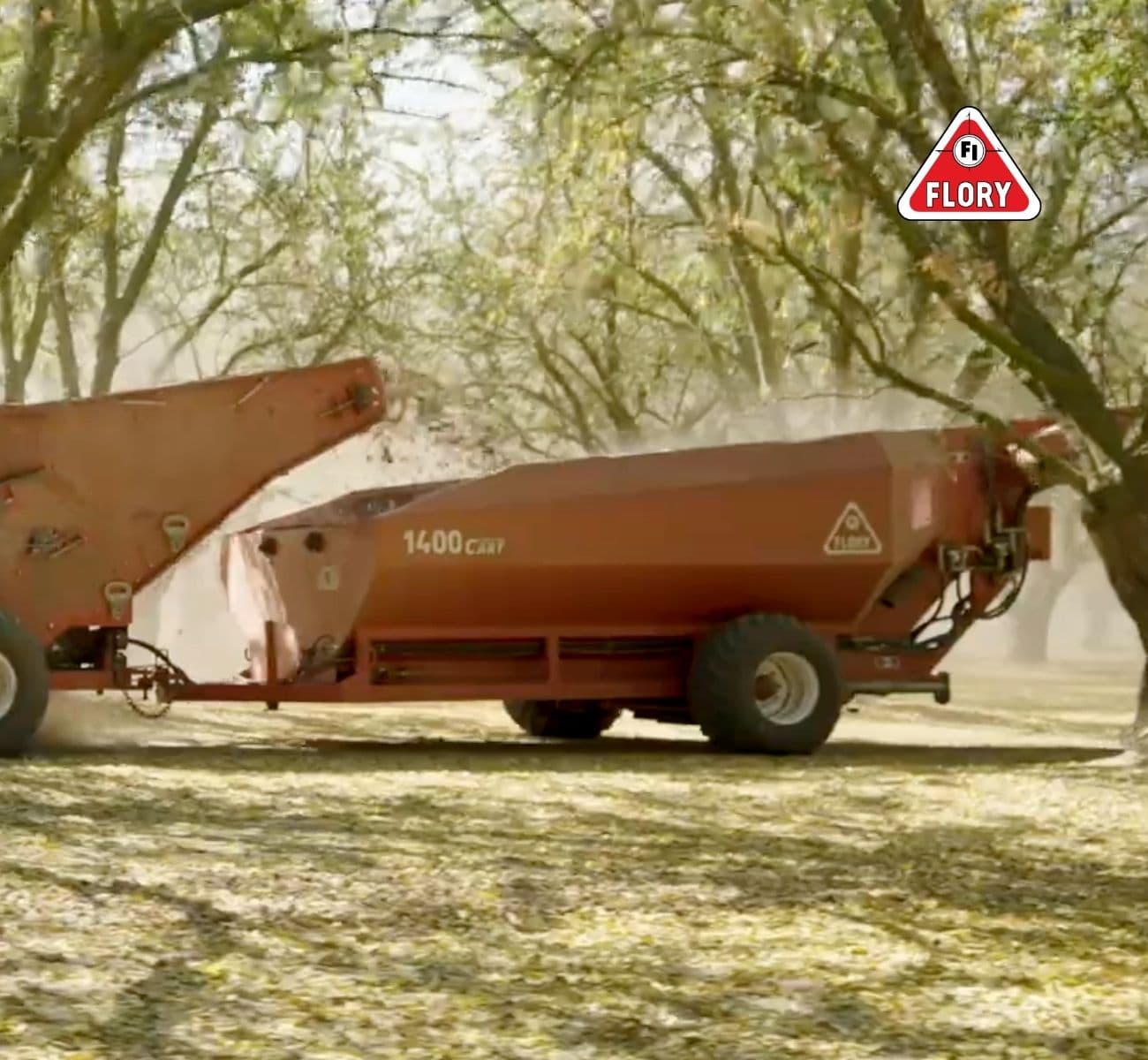
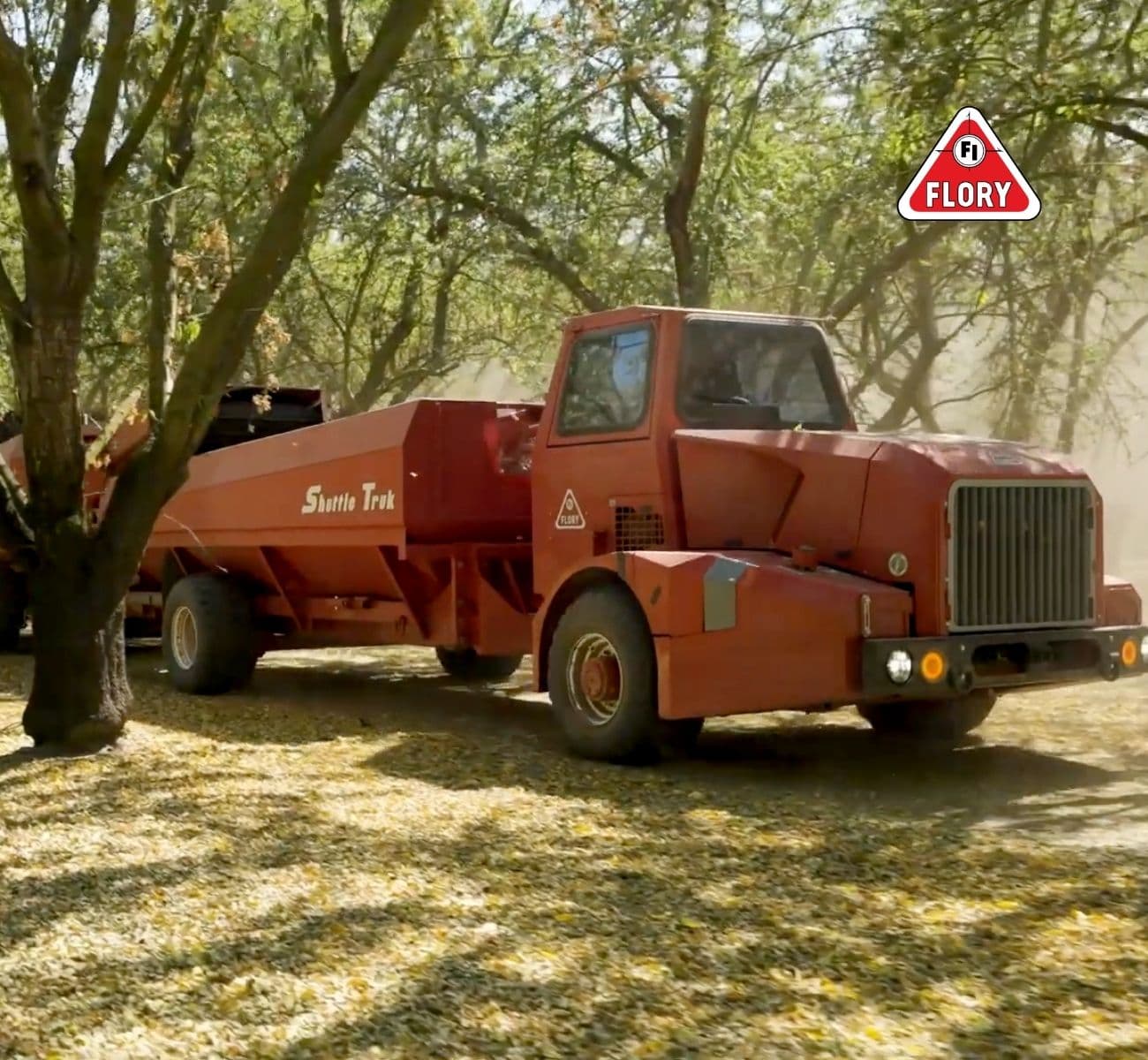
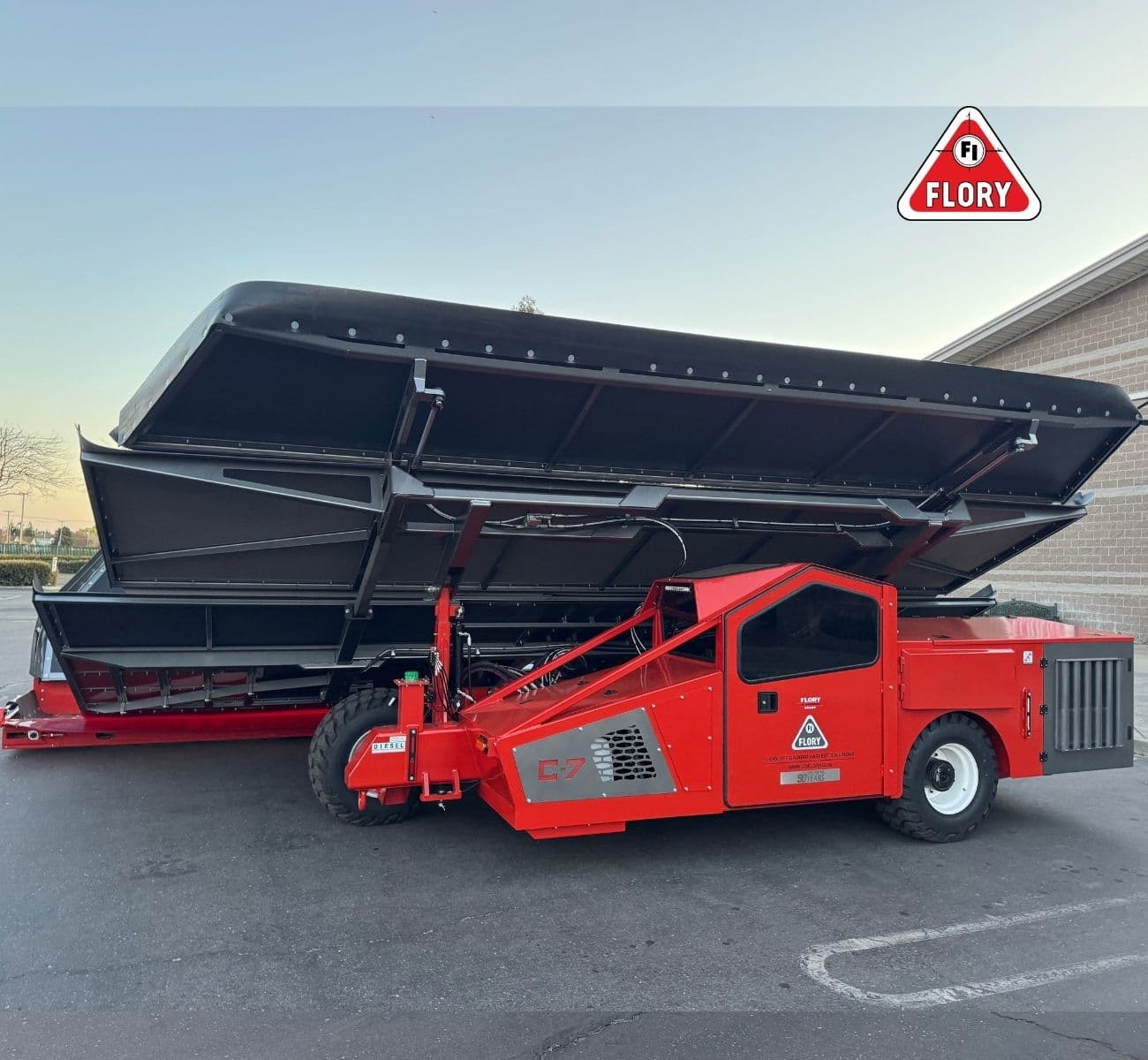
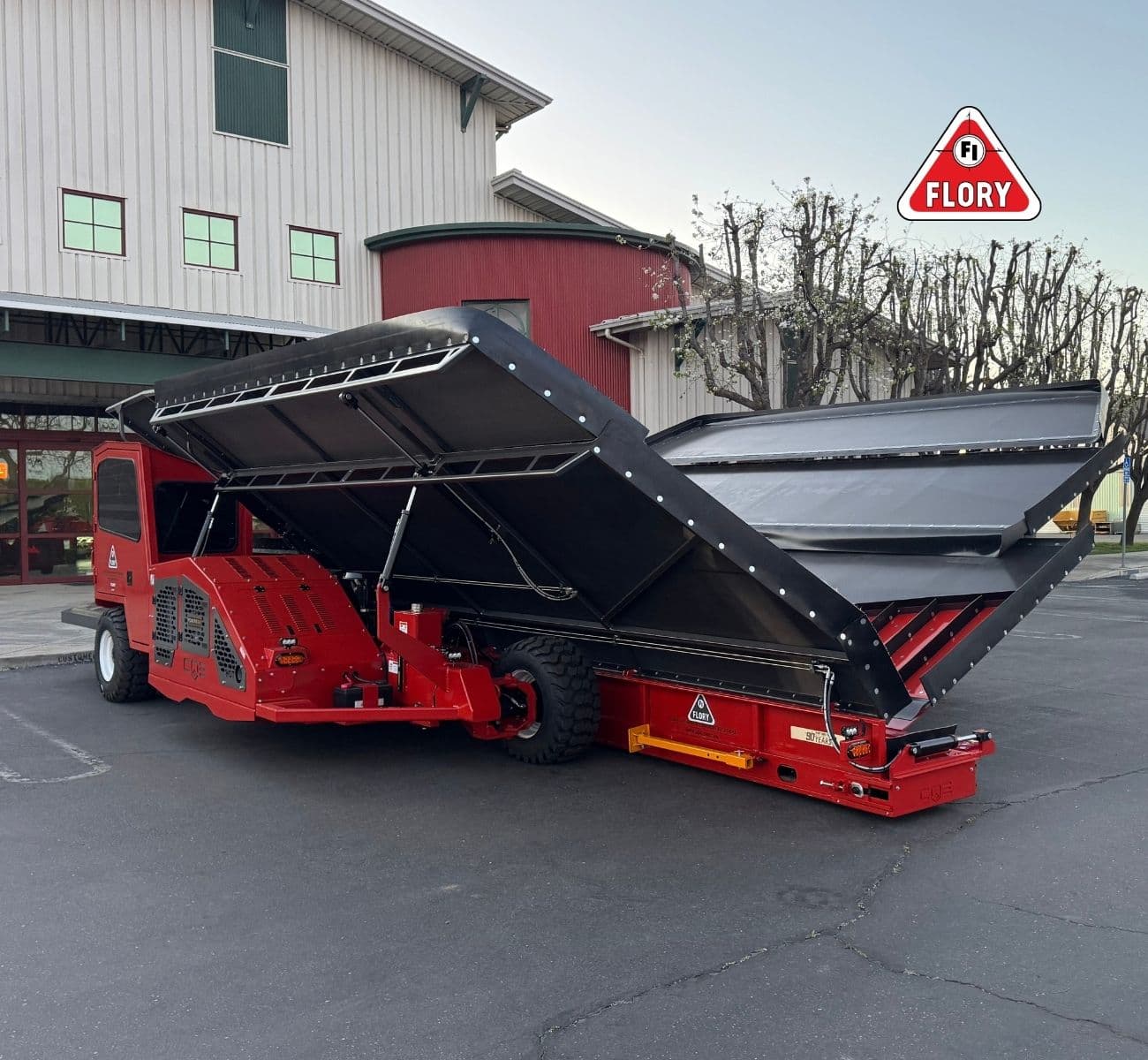
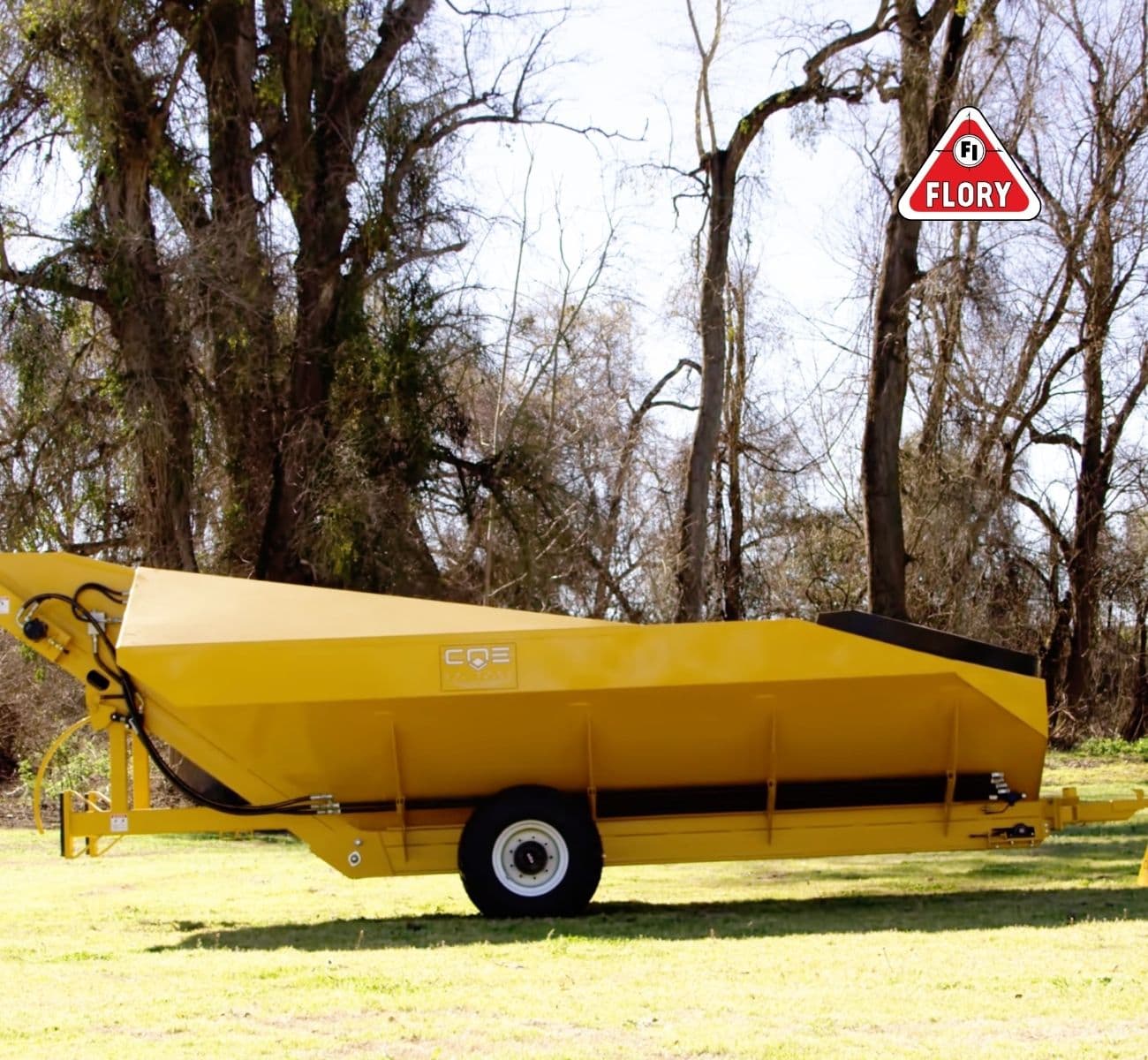
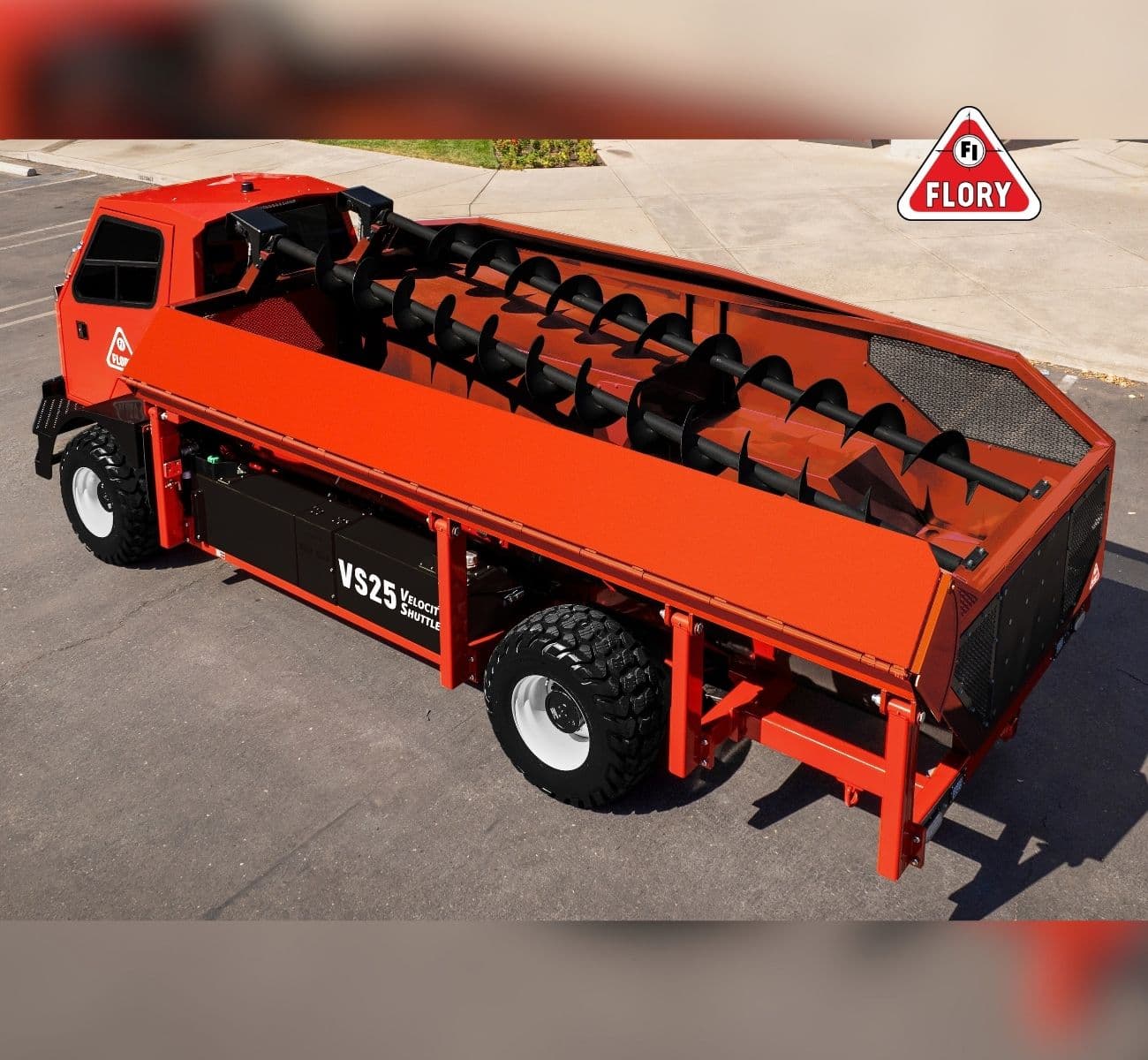
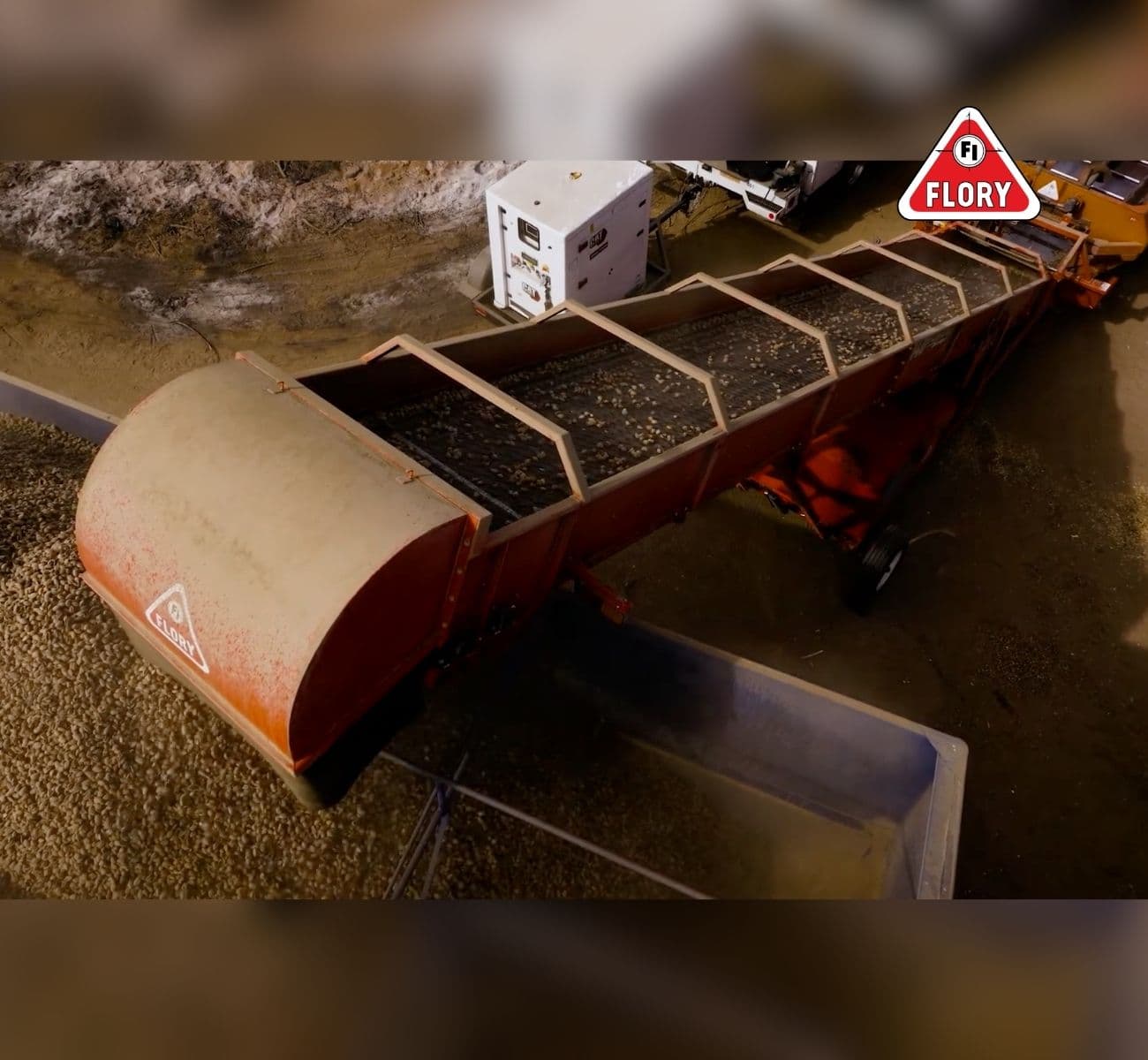
Flory harvesting machinery is available in Namibia through OVE Europe for both systems. On the ground, the VR700 Shaker, V62 Sweeper and 8772 Harvester feed the 1500 Conveyor Cart and ST14 Shuttle. Off the ground, the Flory COE C7 Shaker and L2 Receiver catch the almonds in a frame around the trunk, the Flory COE B8 Cart and VS25 Shuttle carry them, and the 4840 Field Elevator loads trailers in both systems.
Almond Harvest Workflow (Recommended Equipment)
Practical Tips for Almond Harvesting
Track hull split through late summer and shake once all the nuts on the tree have split, as University of California guidance advises.
Plan for rain at harvest: February and March bring the highest falls over Namibia's southern and western thirds (Atlas of Namibia).
Pick up promptly after shaking: University of California guidance notes that ant damage to nuts increases the longer they lie on the ground.
If rain wets almonds on the ground, do not stockpile them wet: University of California guidance warns of mold and concealed damage.
Where almonds must stay off wet ground, use catching frames: the Flory COE C7 Shaker works with the L2 Receiver.
Use shakers, frames and sweepers only in orchards planted for machines, never on scattered or garden trees or stony slopes.
Get your recommended harvest setup
Enter orchard size, spacing, terrain, and target throughput—we’ll suggest a practical harvest workflow and equipment lineup.

Almond Post-Harvest Handling & Processing in Namibia
No Namibian source describes almond hulling, drying or storage. The Codex code of practice on aflatoxins in tree nuts, which covers almonds, calls for hulling as soon as possible after harvest and drying to a water activity below 0.70 at 25 °C; it notes that hulled nuts left to sun-dry face a greater risk of contamination and that mechanical dryers should be available and used. Promptly picked or frame-caught almonds therefore need hulling and drying off the ground before storage.
No numeric aflatoxin limit for nuts was found for Namibia. Its food regulations of 1968, as amended in 1994, state that no food intended for human consumption may contain aflatoxin, while a 2025 study described mycotoxins as not regulated in Namibia and used EU limits as its reference. Regulation (EU) 2023/915 allows 8.0 µg/kg of aflatoxin B1 and 10.0 µg/kg in total in almonds for consumers, and 12.0 and 15.0 µg/kg in almonds to be sorted first.
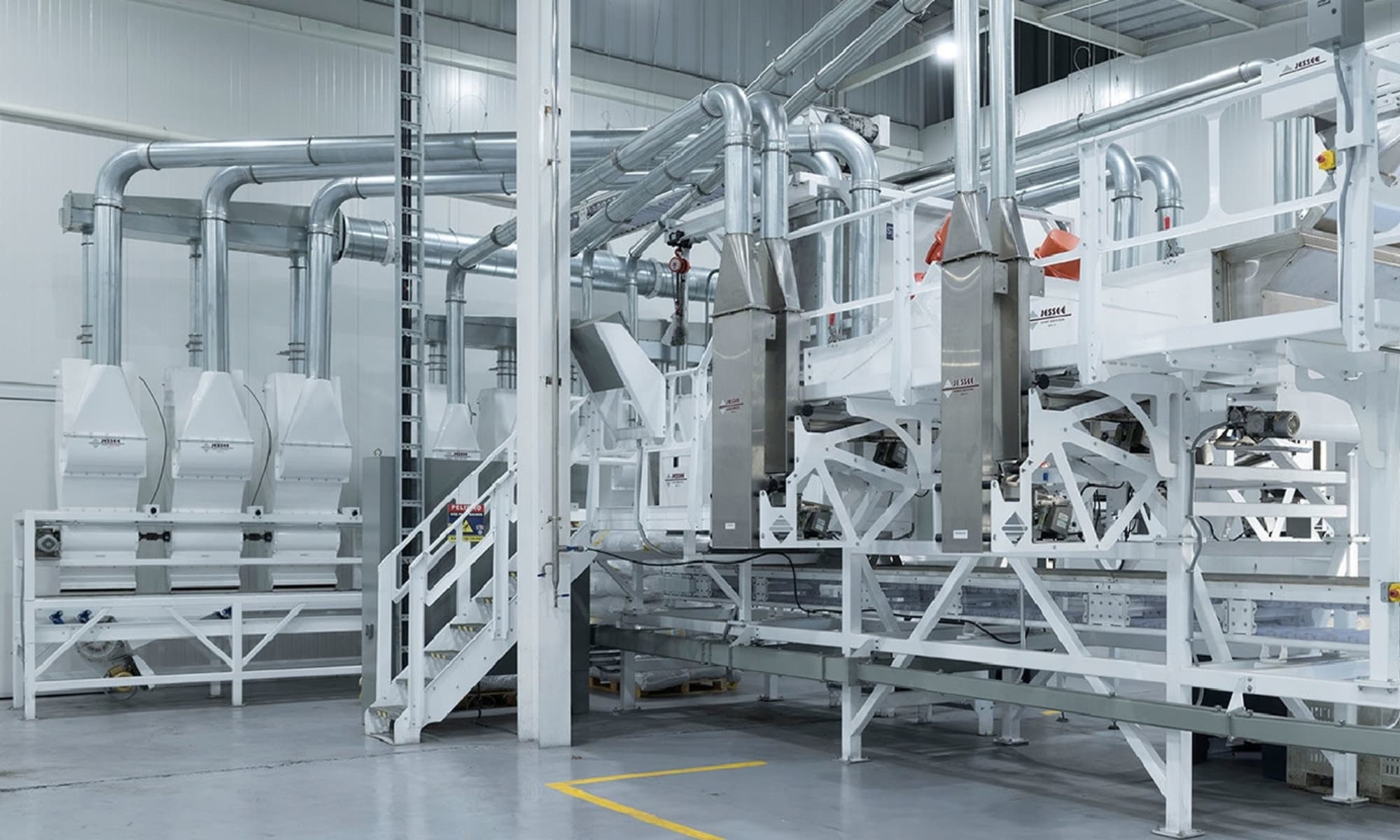
Namibia imported more almonds than it exported in every year from 2015 to 2025, almost all from South Africa. In 2025 it imported 8,763 kg of shelled almonds and 1,184 kg in shell and exported none (UN Comtrade via WITS). Jessee, whose processing lines OVE Europe supplies, builds hulling, drying, in-shell cleaning and sizing, and shelling systems; its Airlegs nut cleaner was developed for the almond industry.
For general information only. Information may become outdated and does not replace site-specific professional advice. Consult a qualified agronomist and confirm equipment suitability with OVE before acting.
Practical Tips for Almond Post-Harvest Handling & Processing
Hull promptly picked or frame-caught almonds while the hulls are fresh, then dry the nuts in the shell before storage.
Dry almonds off the ground in mechanical dryers: the Codex code of practice notes that hulled nuts left to sun-dry face a greater risk of contamination.
Dry to a water activity below 0.70 at 25 °C and store below 70% relative humidity, as the Codex code of practice advises.
Test lots for aflatoxins before sale: Namibia's food regulations of 1968, amended in 1994, allow no aflatoxin in food for human consumption.
Keep each lot separate by cultivar and orchard block, and store dried almonds in a dry, clean place.
Plan sales with imports in mind: Namibia imported 8,763 kg of shelled almonds in 2025, almost all from South Africa.
Recommended Post-Harvest Handling & Processing Stages







Plan your post-harvest line
Estimate tons/day, cleaning & drying capacity, storage needs, and cost/kg—then build your equipment plan in phases.