


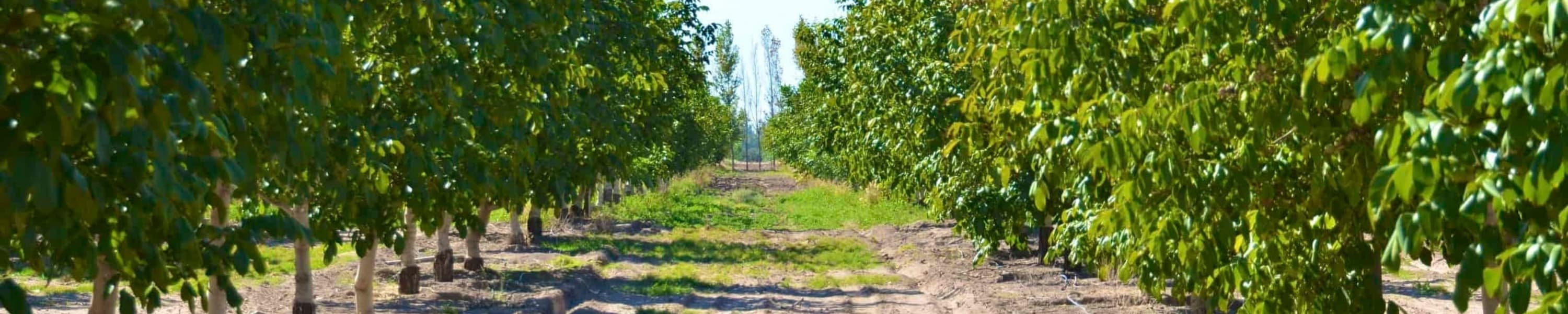




Walnut Orchard Establishment in North Macedonia
The State Statistical Office estimates walnut trees and output each year, not orchard area. Its 2017 table recorded 201,116 walnut trees, with the most in Radoviš (18,131, only 4,891 of them bearing), Kriva Palanka (12,923) and Kičevo (7,400), and individual holdings had 92% of them. North Macedonia is 79% mountainous, and in 2016, 60.8% of its holdings farmed less than 1 ha, often in several scattered plots (national strategy, 2020).
Young trees are coming on: in 2024, 45,000 of the 256,000 trees were not yet bearing, and in 2017 only 275 of the 15,475 trees of agricultural companies and cooperatives were bearing. No walnut growing guide or cultivar list from North Macedonia was found, so cultivar choice rests on outside guidance and each site's frost risk; the 2011 rulebook on fruit planting material lists walnut, with pre-basic, basic, certified and standard categories.
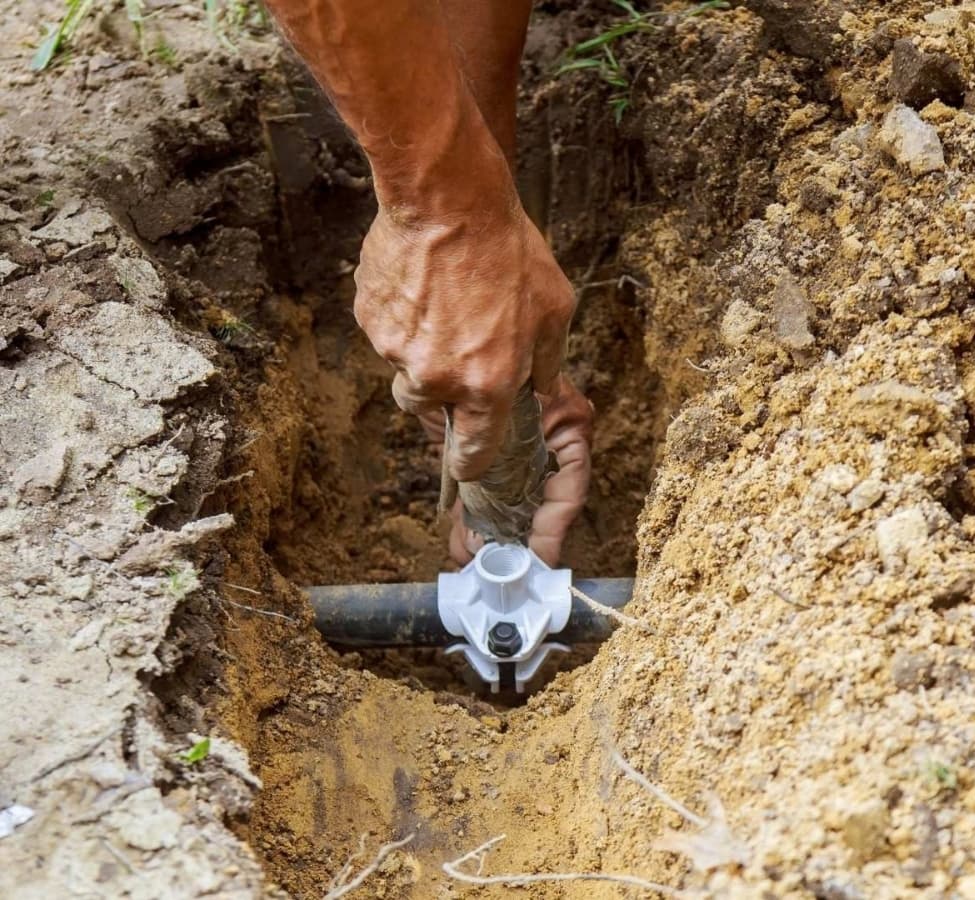
Late spring frost is a frequent risk for fruit trees: the extension agency warned in 2013 that frosts come before, during and after flowering and can destroy flowers and young fruit. It advised late-flowering cultivars, vigorous rootstocks that delay flowering and sites where growth starts late, and its orchard-establishment brochure calls for clearing stones and roots, leveling and plowing 60 to 100 cm deep after a soil analysis.
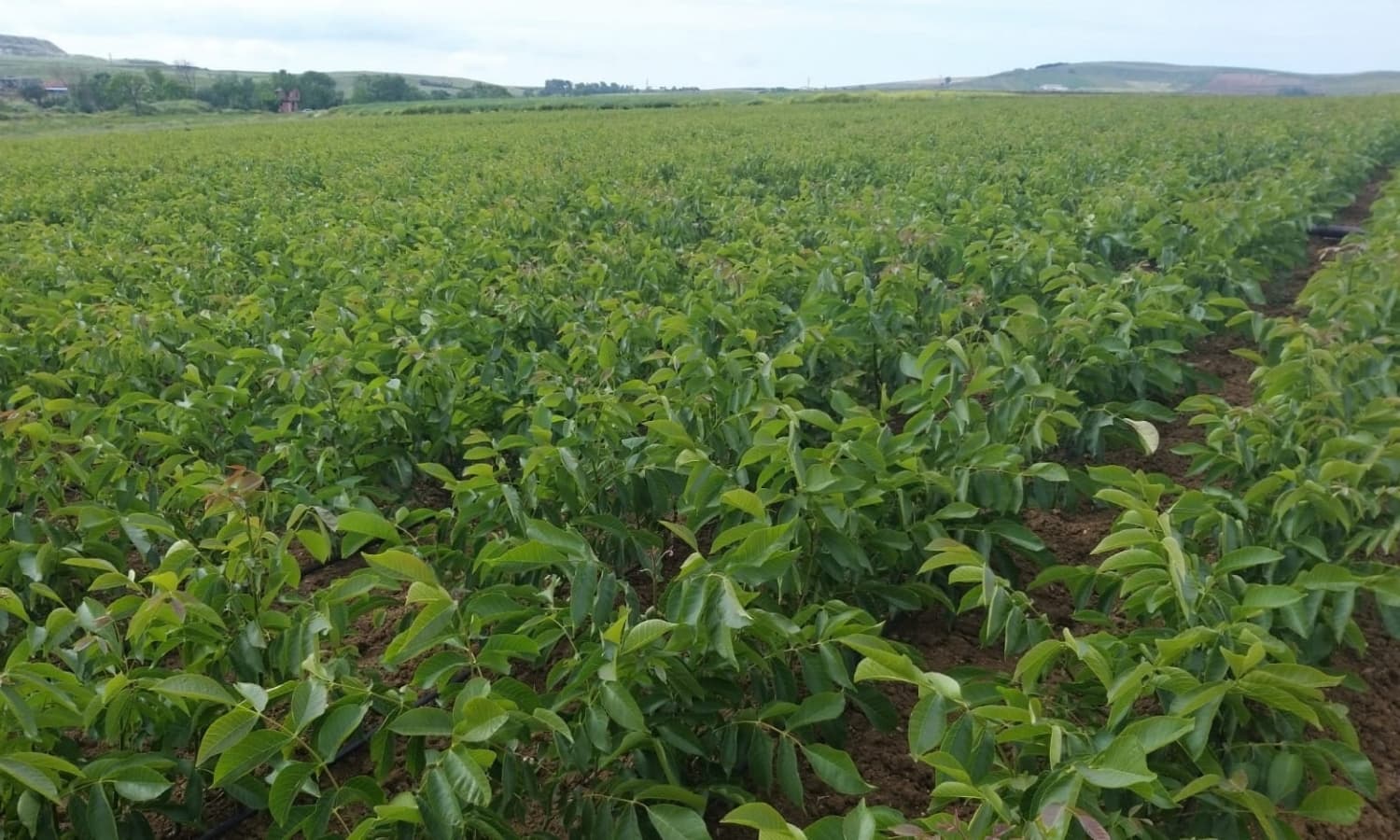

Practical Tips for Walnut Orchard Establishment
Buy certified grafted trees: the 2011 rulebook on fruit planting material covers walnut, with pre-basic, basic and certified categories.
Keep new orchards out of frost pockets: the extension agency warned in 2013 that late spring frosts strike fruit trees before, during and after flowering.
Favor late-flowering cultivars, vigorous rootstocks that delay flowering and sites where growth starts late, as the extension agency advised in 2013.
Prepare the plot as the extension agency's brochures advise: clear stones and roots, level the ground and plow 60 to 100 cm deep after a soil analysis.
Plant in autumn where you can, with the graft union about 5 to 8 cm above the soil, as the extension agency's planting brochure advises.
For orchards meant for machines, choose a consolidated plot on flat or gently sloping valley land and plan rows, headlands and access lanes before planting.
Recommended Establishment Stages





Walnut Orchard Care & Maintenance in North Macedonia
North Macedonia's 2021 lists of harmful organisms place walnut husk fly among pests that do not occur in the country and prohibit its introduction; EPPO has no North Macedonia record either. Walnut blight is listed among organisms that do occur and is regulated on walnut plants, although no field report from North Macedonia was found. Thousand cankers disease is listed as present in the EU but not in North Macedonia.
A 2014 Goce Delčev University study of walnut anthracnose in the east of the country reported symptoms seen more and more often. No codling moth data for walnut in North Macedonia were found, so University of California guidance is a useful reference: trap codling moth from spring and crack out 1,000 nuts at harvest to judge damage. UC guidance also notes that rain spreads blight bacteria and that early-leafing cultivars suffer most.
No national walnut guidance on irrigation or nutrition was found. According to the 2020 national strategy, irrigation systems covered about a quarter of arable land, about 123,000 ha, but the Ministry put the effectively irrigated area at 24,303 ha in 2019. FAO-56 gives walnut orchards crop coefficients of 0.50 at the start of the season, 1.10 at midseason and 0.65 before leaf drop, a basis for planning water.
Recommended Orchard Care & Maintenance Stages



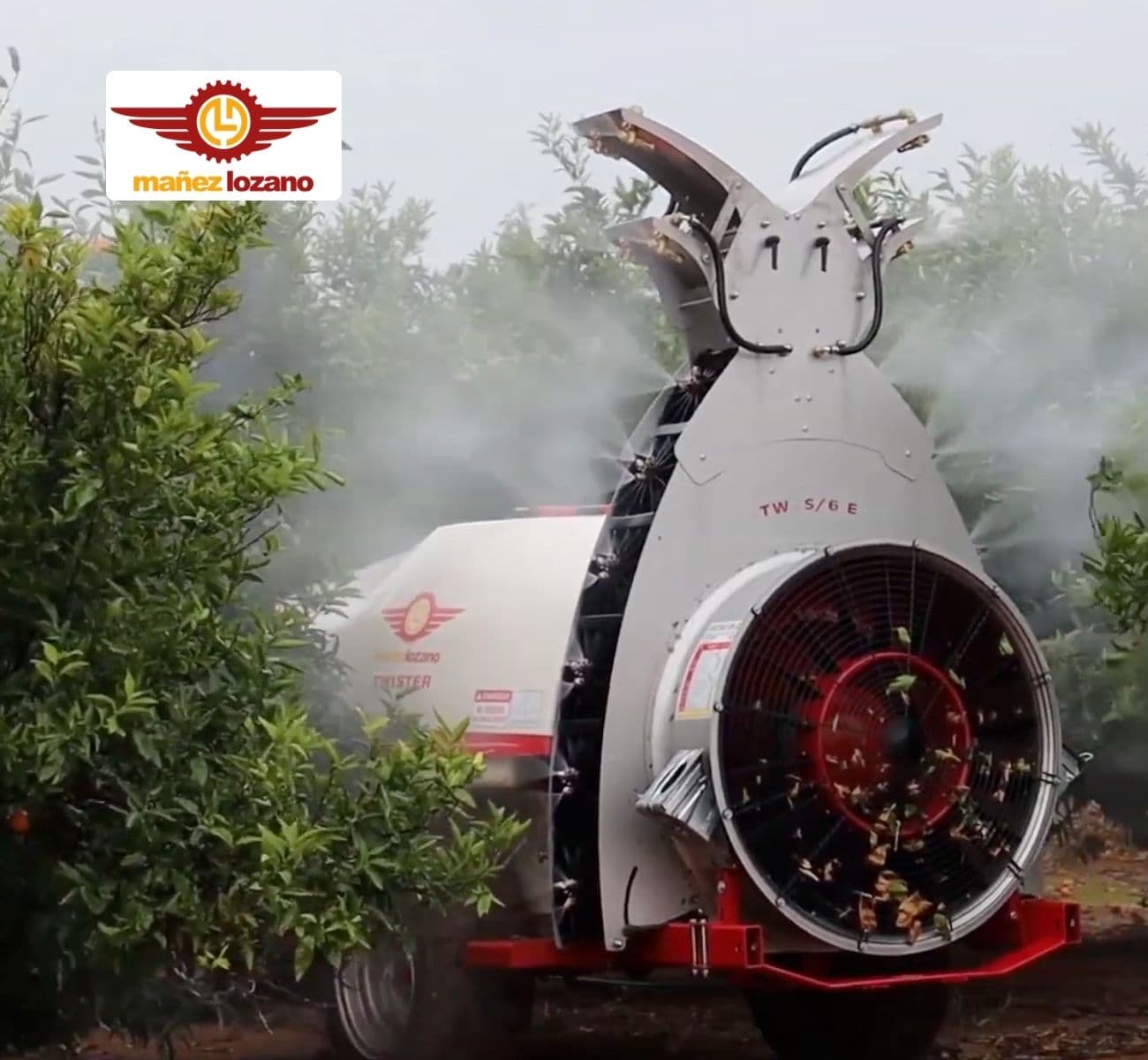
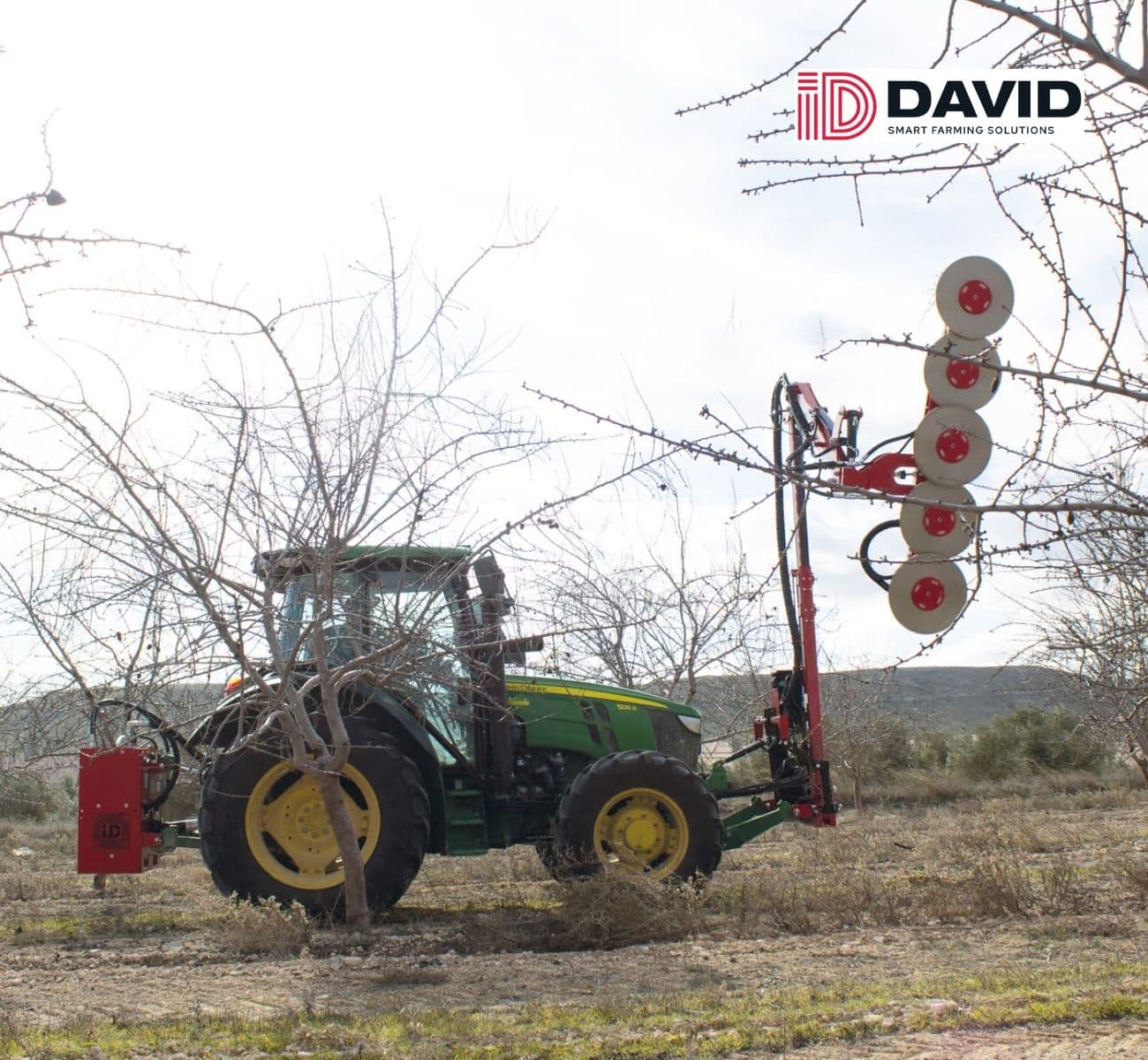
Practical Tips for Walnut Orchard Care & Maintenance
Report any suspected walnut husk fly to the plant health authority: national rules list it as a pest that does not occur in North Macedonia.
Watch for walnut husk fly with unbaited yellow sticky traps hung high in dense foliage; University of California guidance hangs them by June 1.
Hang codling moth traps from spring and crack out 1,000 nuts at harvest to judge damage, as University of California guidance advises.
Check young nuts for blight after spring rain: rain spreads the bacteria, and early-leafing cultivars suffer most (UC guidance).
Secure water before planting: only 24,303 ha of farmland were effectively irrigated in 2019, against about 123,000 ha served by irrigation systems.
Base fertilization on soil and leaf analysis, since no national walnut nutrition guidance was found.

Walnut Harvesting in North Macedonia

No source from North Macedonia found describes how walnuts are harvested today, who picks them or how quickly fallen nuts are collected. Agricultural companies and cooperatives reported buying from growers or selling from their own production only 3 to 171 t of walnuts in shell a year in 2020 to 2024, against estimated crops of 4,189 to 6,165 t (SSO). Around Berovo, young green walnuts were traditionally picked for a preserve before the shell hardened, and walnut preserve is still on offer there (Republika, 2026).
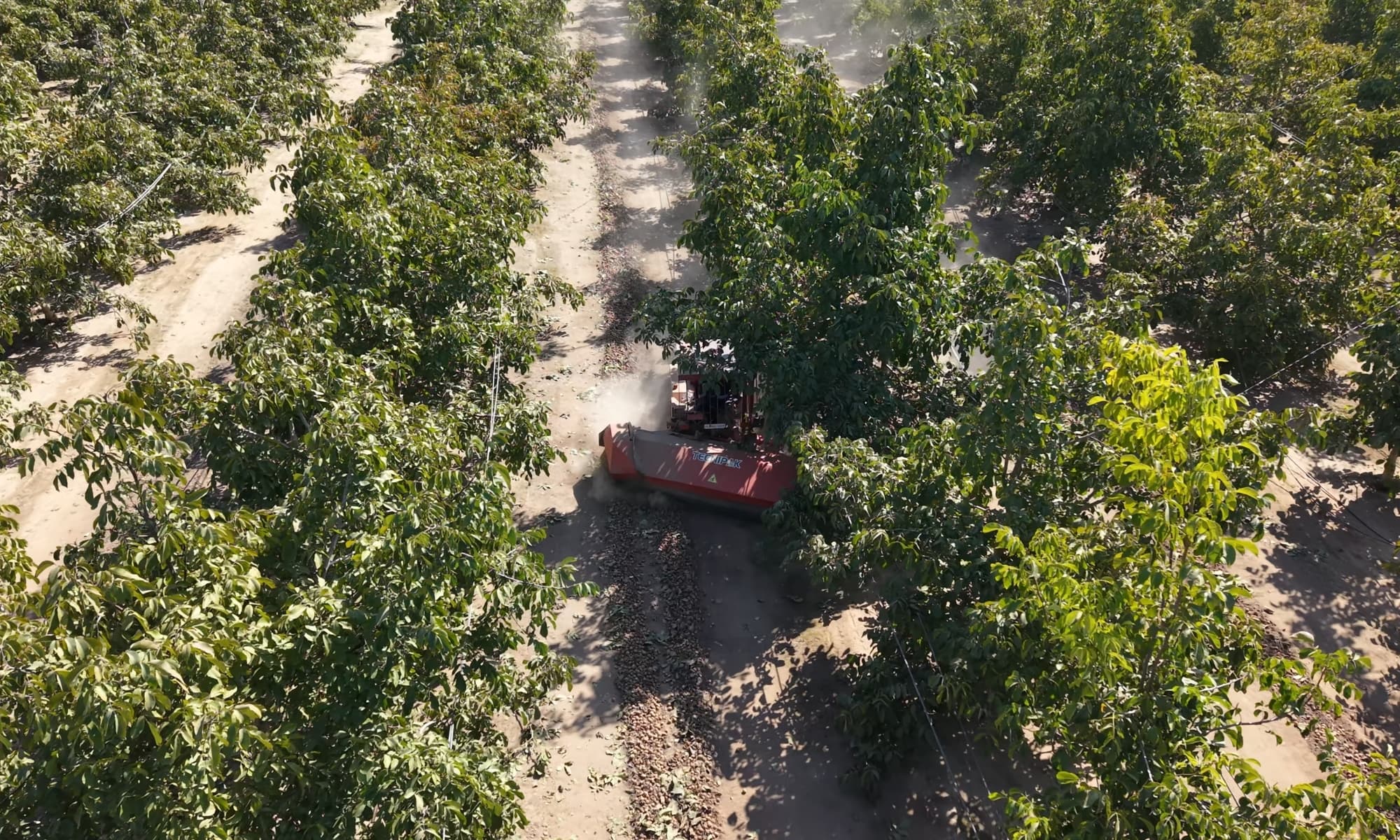
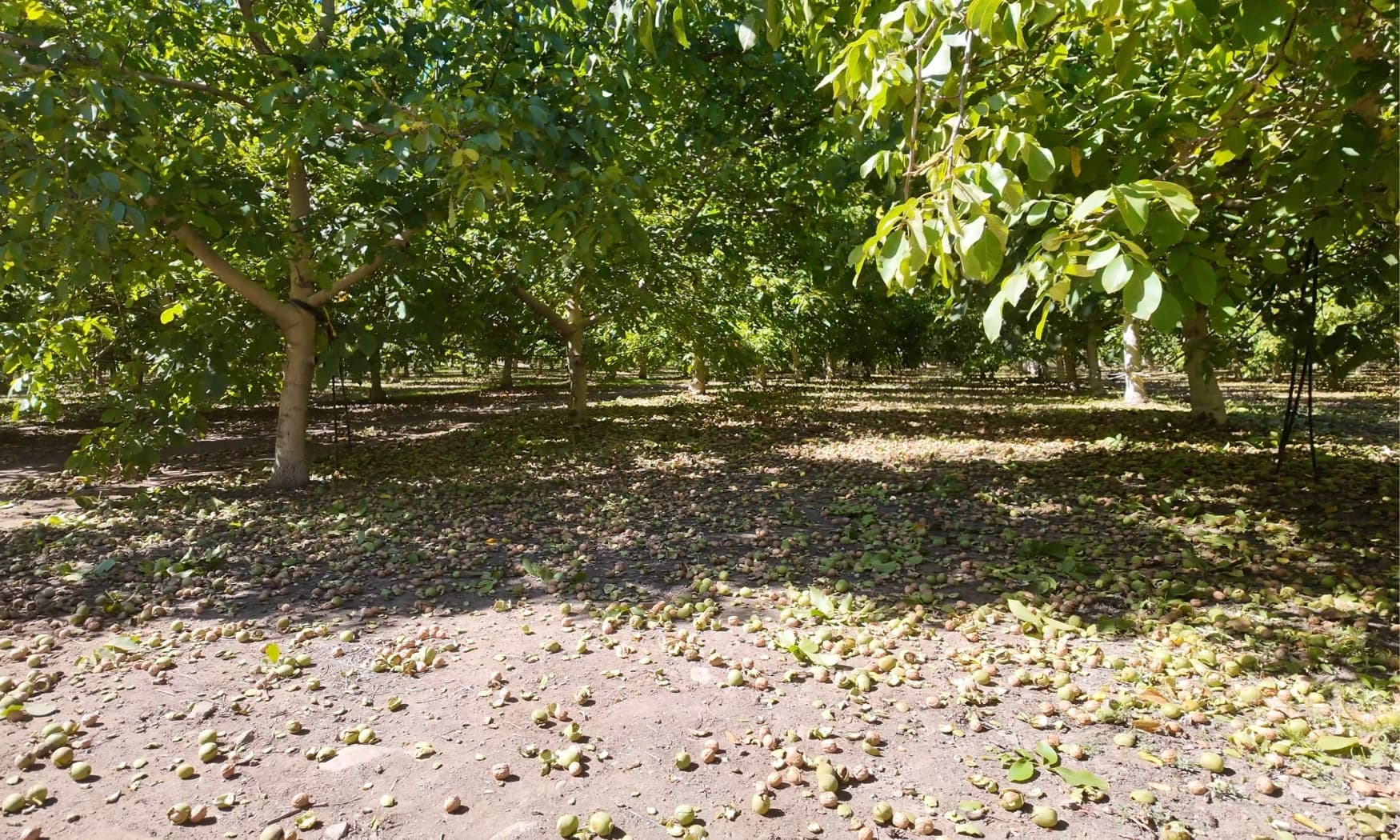
University of California guidance starts harvest once a high share of hulls have split and finishes pickup quickly, since most quality loss occurs in the first 9 hours after harvest. In larger orchards, mechanized harvesting shakes, sweeps and picks up the crop on time, so nuts spend less time on the ground.
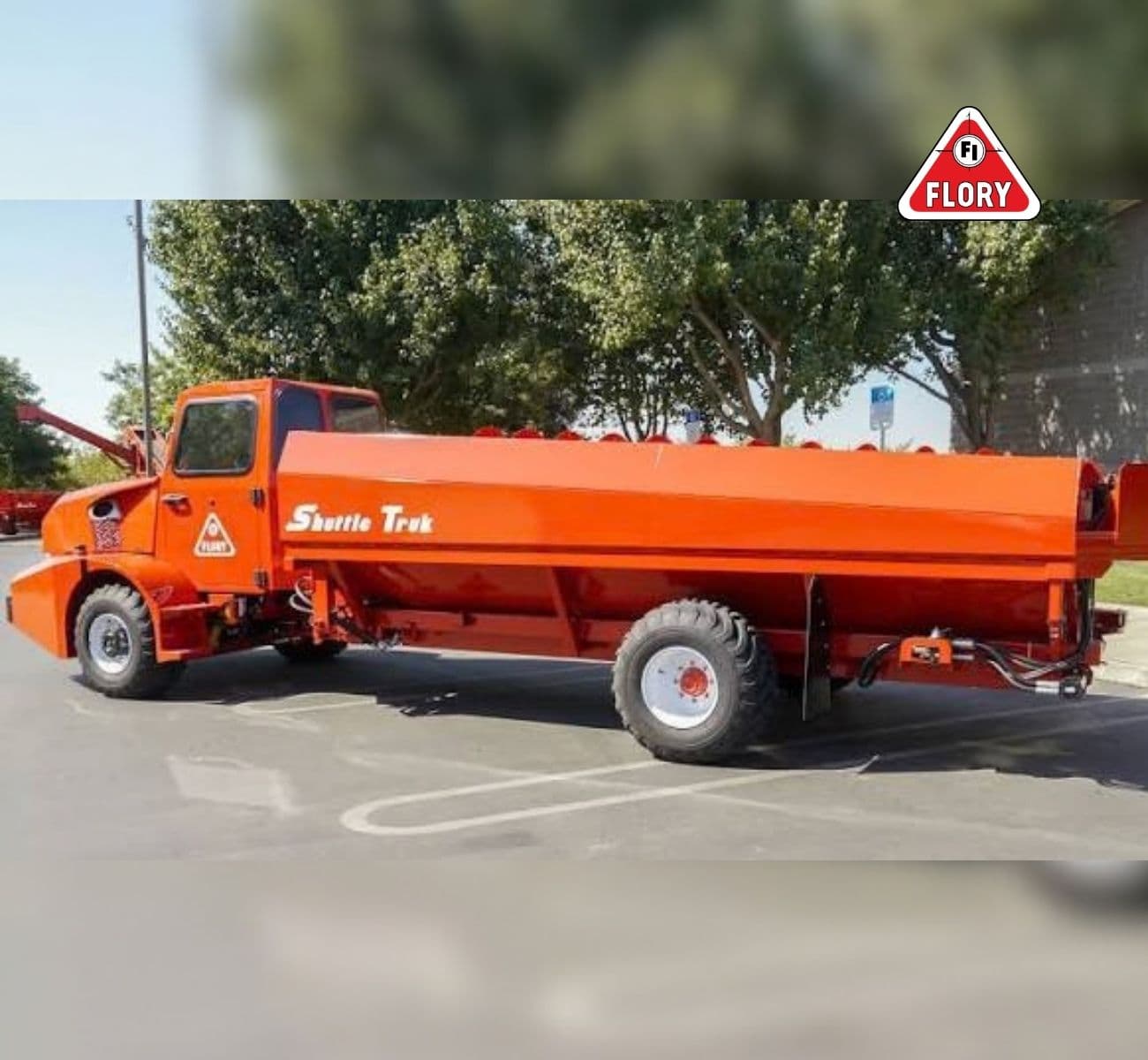
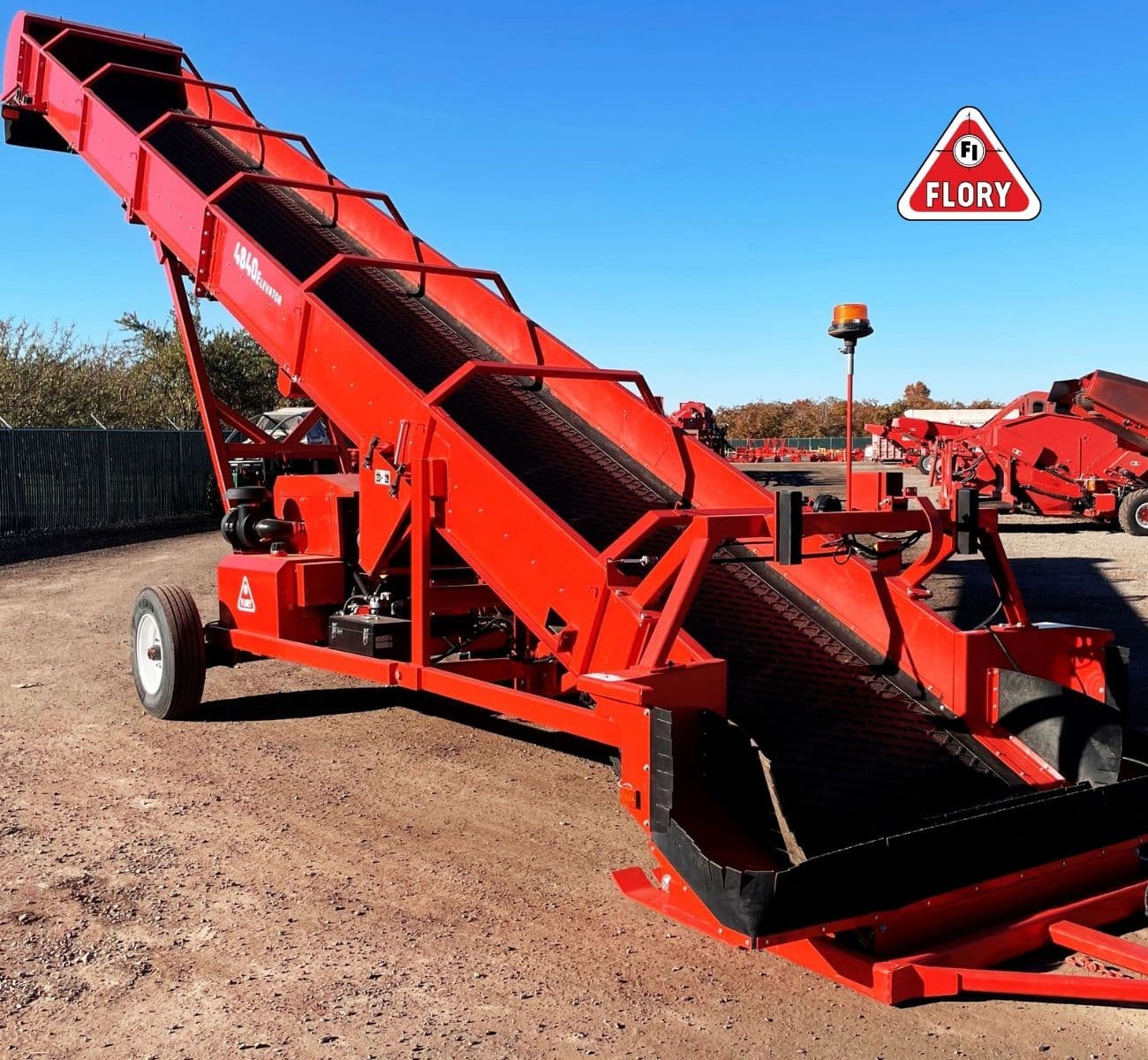
With most trees on family holdings and many farms split into small plots, machines suit consolidated orchards on flat or gently sloping valley land, not single trees by houses and fields. Flory harvesting machinery is available in North Macedonia through OVE Europe: a line runs from the VR700 Shaker, V62 Sweeper and 8772 Harvester to the 1500 Conveyor Cart, ST14 Shuttle and 4840 Field Elevator.
Walnut Harvest Workflow (Recommended Equipment)

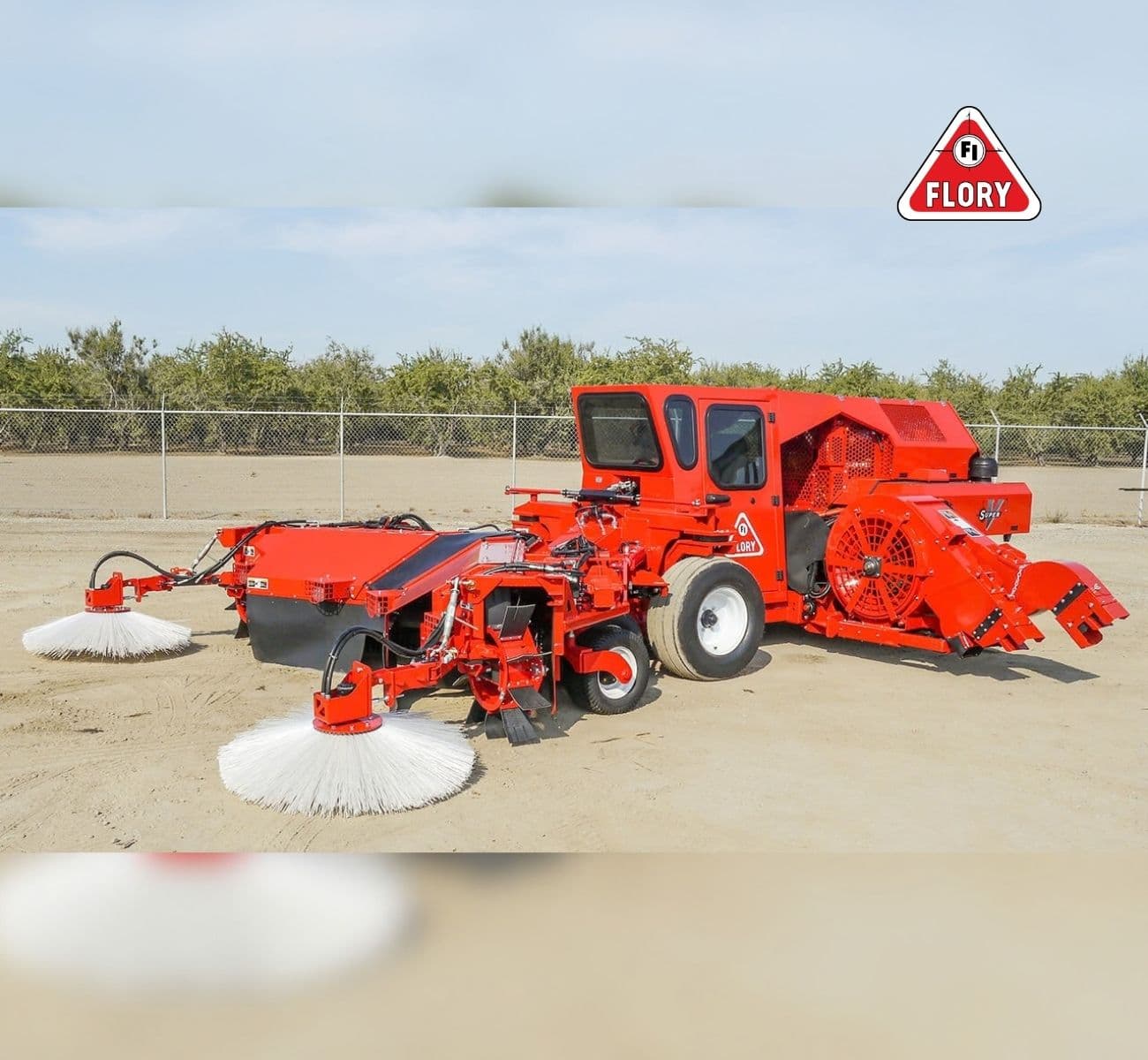
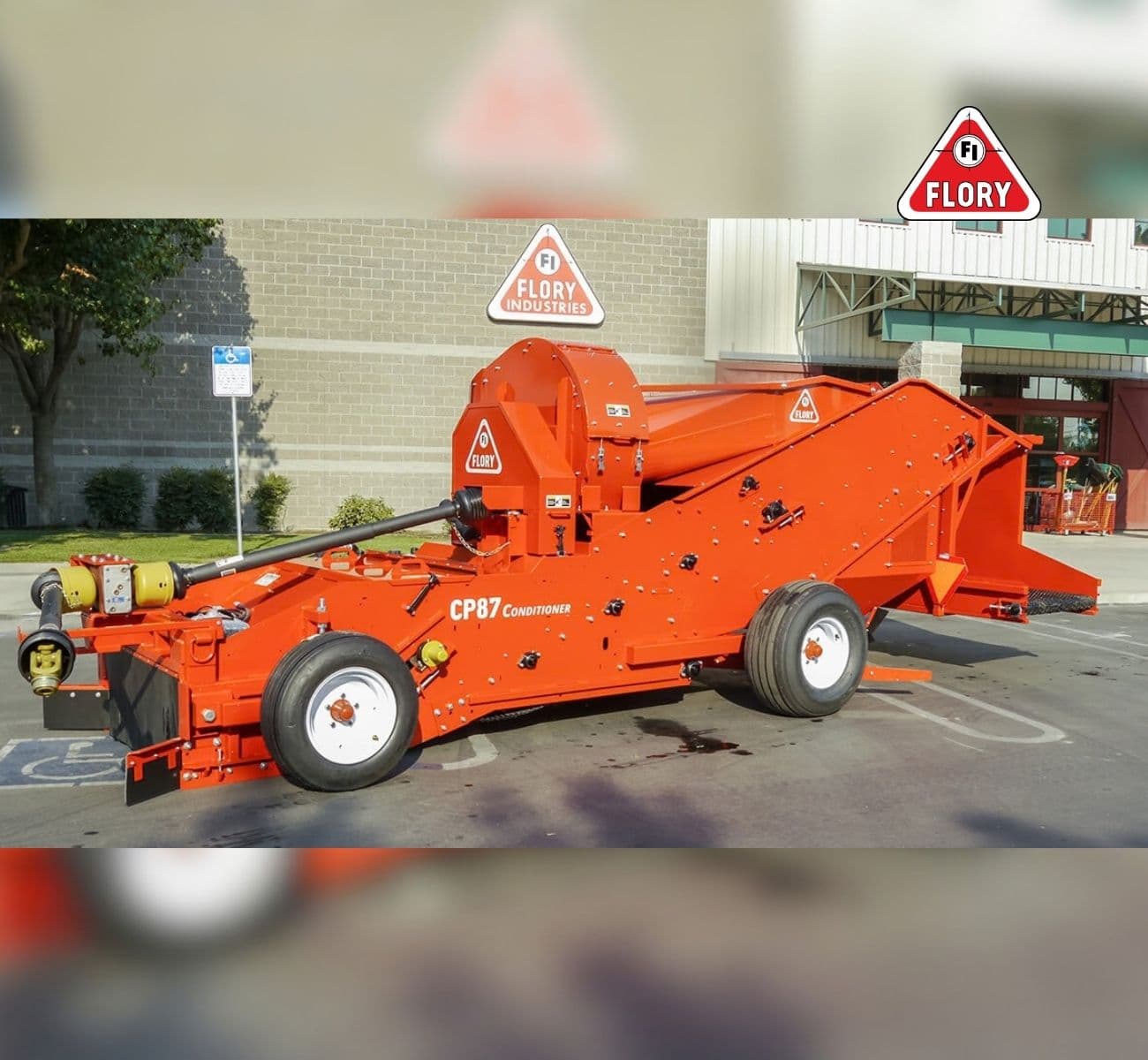


Practical Tips for Walnut Harvesting
Start harvest once most hulls have split: University of California guidance begins when a high share of nuts on the tree have split hulls.
Pick up fallen nuts every day: UC advisers say most quality loss occurs in the first 9 hours after harvest.
Harvest single trees by houses and on field edges by hand, and keep machines for consolidated orchards with rows they can work.
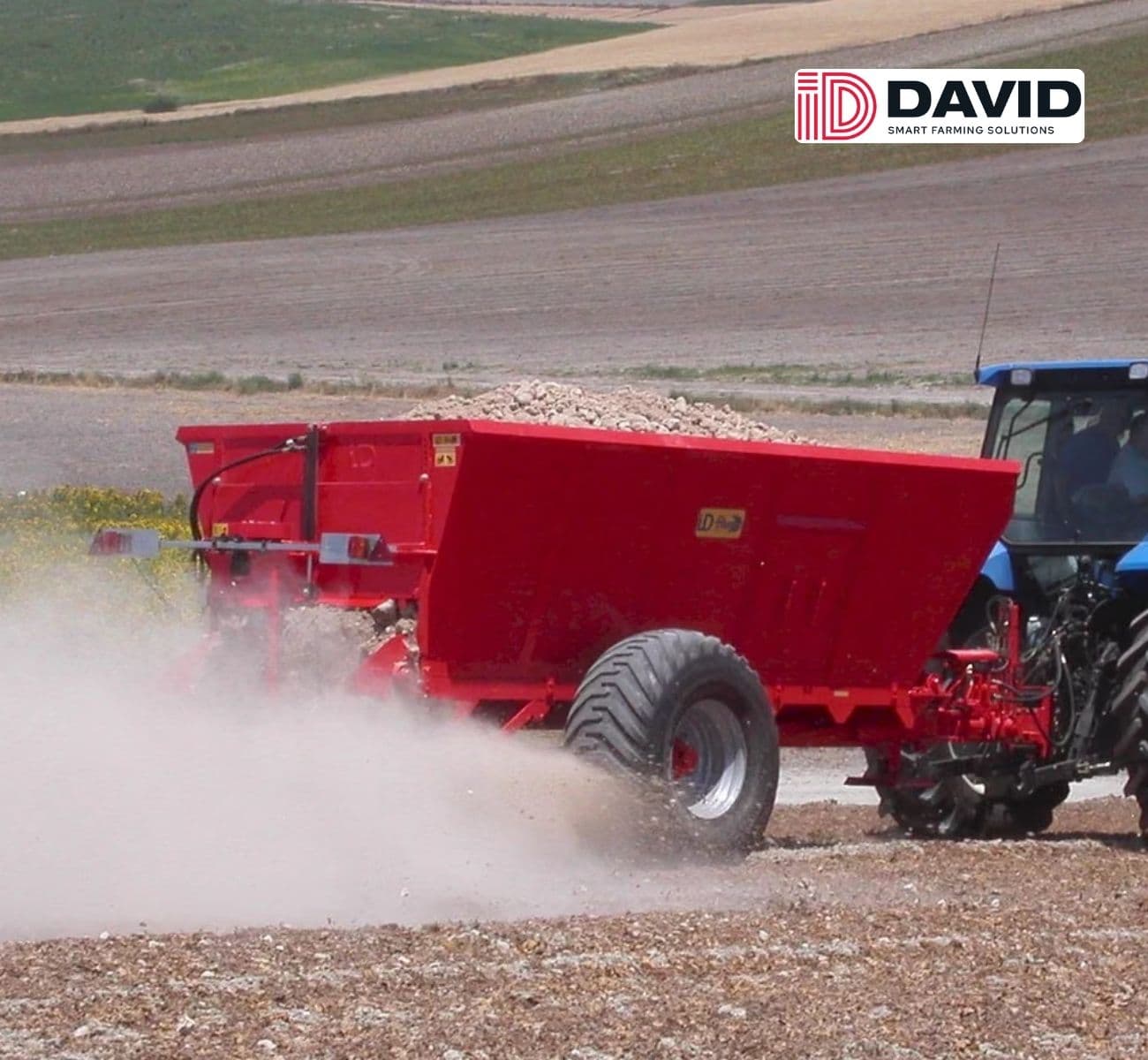
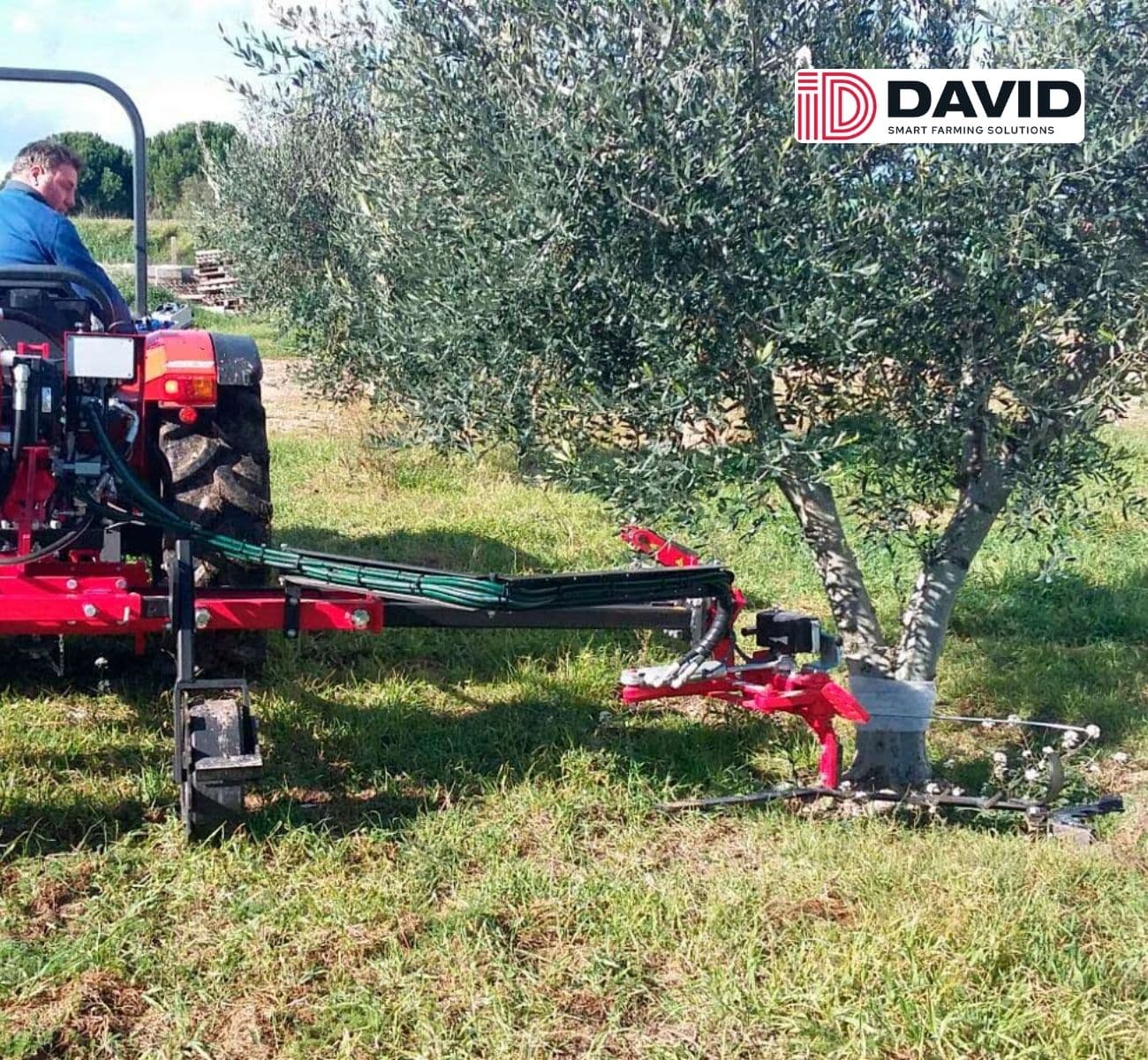
Before harvest, mow and level the orchard floor and clear branches and stones, so the sweeper and harvester pick up cleanly.
Match sweeping and pickup capacity to the shaker, so shaken nuts do not wait on the ground.
Record hull split and harvest dates by block each autumn, since no published local harvest calendar was found.
Get your recommended harvest setup
Enter orchard size, spacing, terrain, and target throughput—we’ll suggest a practical harvest workflow and equipment lineup.

Walnut Post-Harvest Handling & Processing in North Macedonia
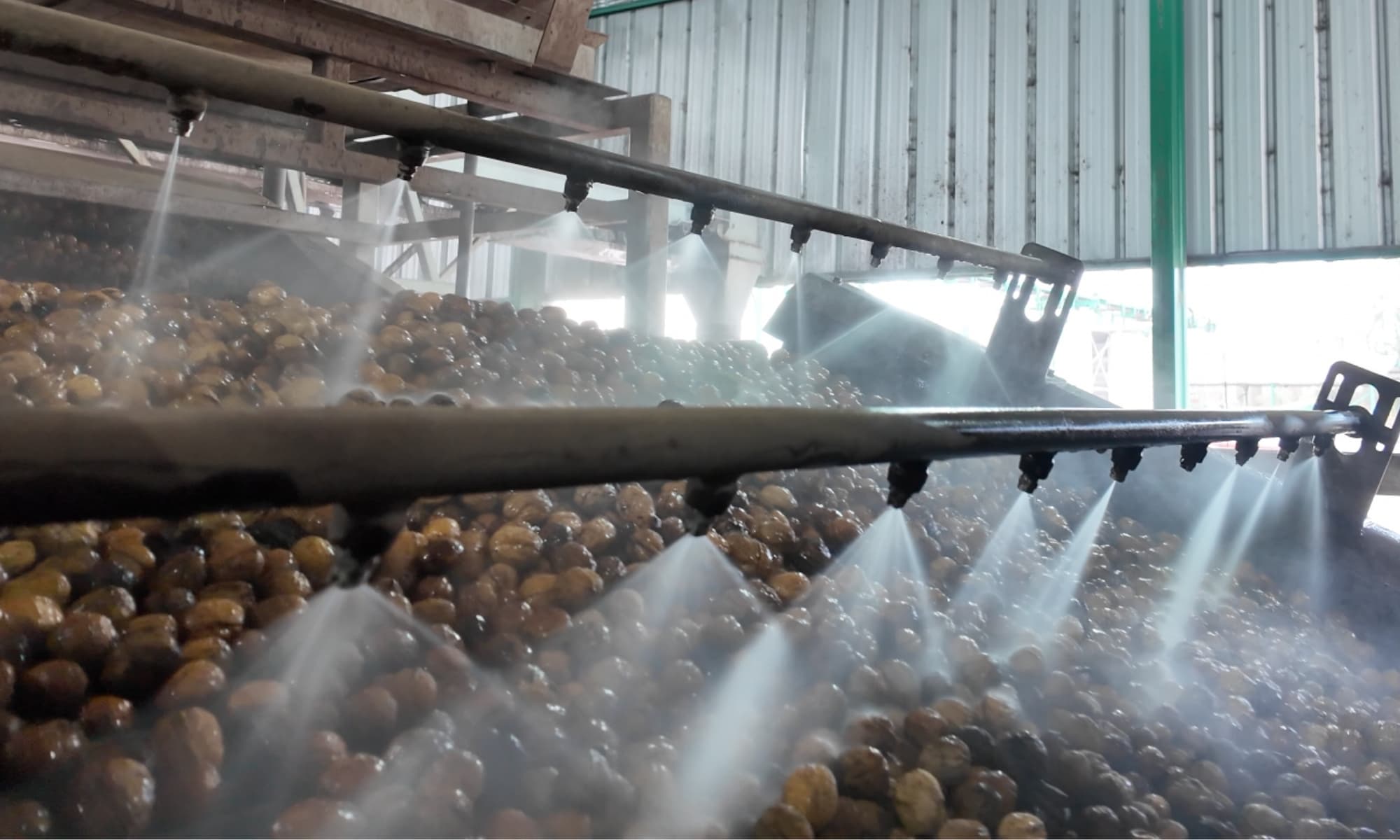
No source from North Macedonia found describes how walnuts are hulled, dried, stored or cracked, so general guidance applies: hull promptly and dry the nuts to 8% moisture with air no hotter than 43 °C (University of California). Walnuts belong to Badnik, the Orthodox Christmas Eve on 6 January: they are set on the festive table and given to carol singers, and in January 2025 they sold for about 600 denars a kilo in several places (Telma).
The current contaminants rulebook of 2024 states that it is aligned with EU Regulation 2023/915, which caps tree nuts for direct use at 2.0 µg/kg of aflatoxin B1 and 4.0 µg/kg of total aflatoxins, and nuts still to be sorted at 5.0 and 10.0 µg/kg. Food and Veterinary Agency inspectors turned back a 22 t walnut import in March 2026 and, in November 2025, seized 1,060 kg of shelled walnuts carried in bulk in a vehicle without labels or documents of origin and quality.
Trade is mostly in kernels: in 2025 North Macedonia imported 917 t of kernels and 54 t in shell, and exported 29 t of walnuts in all (UN Comtrade via WITS). Jessee, whose processing lines OVE Europe supplies, builds walnut hulling lines and drying, in-shell cleaning and sizing, and shelling systems.
For general information only. Information may become outdated and does not replace site-specific professional advice. Consult a qualified agronomist and confirm equipment suitability with OVE before acting.
Practical Tips for Walnut Post-Harvest Handling & Processing
Hull walnuts soon after harvest and dry them without delay, as the Codex code of practice on aflatoxins in tree nuts advises.
Dry to 8% moisture, measured on the whole nut, with air no hotter than 43 °C, as University of California guidance advises.
Avoid drying in full sun: University of California guidance warns that drying walnuts in the sun darkens the kernel.
Test each lot for aflatoxins before sale: EU Regulation 2023/915, which the 2024 rulebook aligns with, caps aflatoxin B1 in tree nuts eaten directly at 2.0 µg/kg.
Label each lot and keep its documents: in November 2025 inspectors seized 1,060 kg of shelled walnuts carried in bulk without proof of origin and quality.
Store dried nuts cool and dry, at 0 to 10 °C and below 70% relative humidity where possible, as Codex guidance suggests.
Recommended Post-Harvest Handling & Processing Stages









Plan your post-harvest line
Estimate tons/day, cleaning & drying capacity, storage needs, and cost/kg—then build your equipment plan in phases.