







Hazelnut Orchard Establishment in Poland
Polish sources place most plantations in the east: a 2005 paper said hazelnut was grown mostly in central-eastern Poland, and a 2022 page of the Wielkopolska Agricultural Advisory Center in Poznań puts 42% of the national area in the Lublin region, citing no source. The 2005 paper described the cultivars then grown there as old, mostly from the 19th century, with large nuts that confectioners did not use but consumers bought directly.
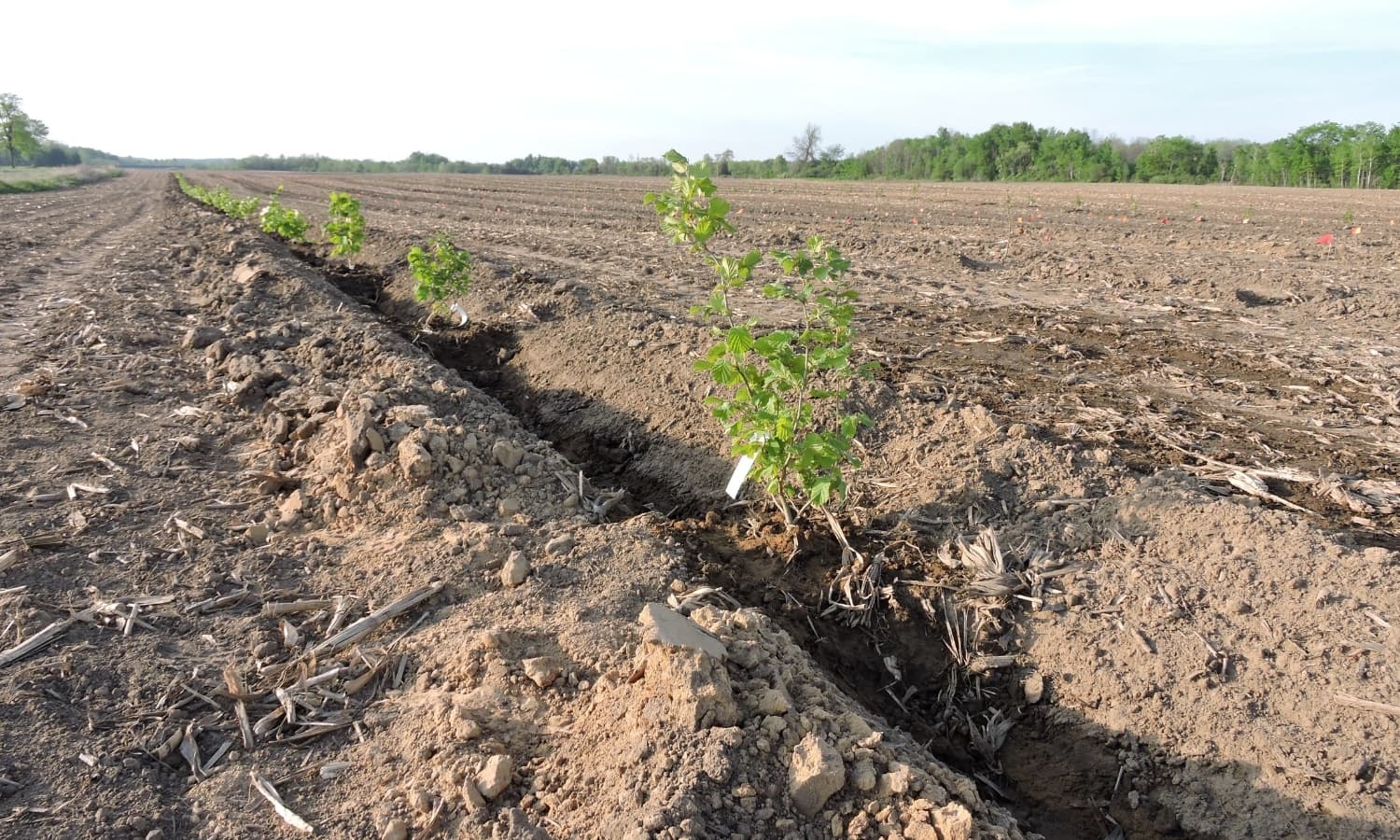
Poland's integrated-production methodology for hazel, approved in October 2025, notes that almost all cultivars are self-incompatible and that some cultivars are incompatible with each other, so as a precaution it usually suggests two pollinizer cultivars, most often in two or three rows of the main cultivar to two of pollinizers, no more than 20 m apart. It recommends trees on a trunk, about 80 cm high where nuts will be harvested by machine, with rows usually 4 m apart, or wider, such as 5 m, for some machines.
Hazel blooms very early, in February or March after a few warm days, the methodology says; if the warm spell is too short, pollination is weak and the male catkins largely freeze, killing their pollen, so fruiting is slight or absent. It advises small elevations facing south-east, south-west or west, or slightly raised flat land from which cold air drains in early spring, and warns against south-facing slopes and frost pockets.

Practical Tips for Hazelnut Orchard Establishment
Plant two pollinizer cultivars within 20 m of the main cultivar, as Poland's methodology suggests: almost all hazel cultivars are self-incompatible.
Keep one cultivar per row, as the Wielkopolska Agricultural Advisory Center advises, to make machine harvest easier.
Raise trunks to about 80 cm where nuts will be harvested by machine, as Poland's integrated-production methodology requires.
Avoid sandy or impermeable soils and a high water table, as the Wielkopolska Agricultural Advisory Center advises; Poland's methodology deems pH 6.5 to 7.2 suitable.
Avoid frost pockets and south-facing slopes, which warm early and bring bloom forward before frosts return, as the methodology warns.
Level the field before planting: the methodology warns that any unevenness will later make harvest much harder, machine harvest above all.
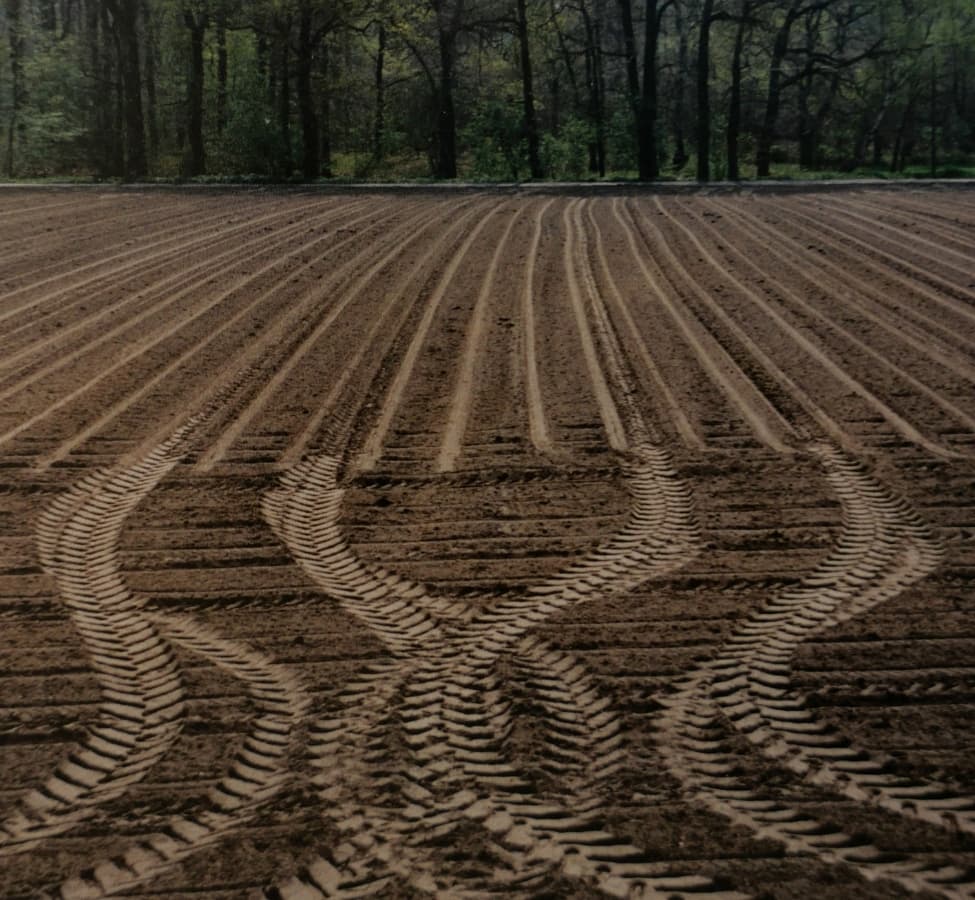
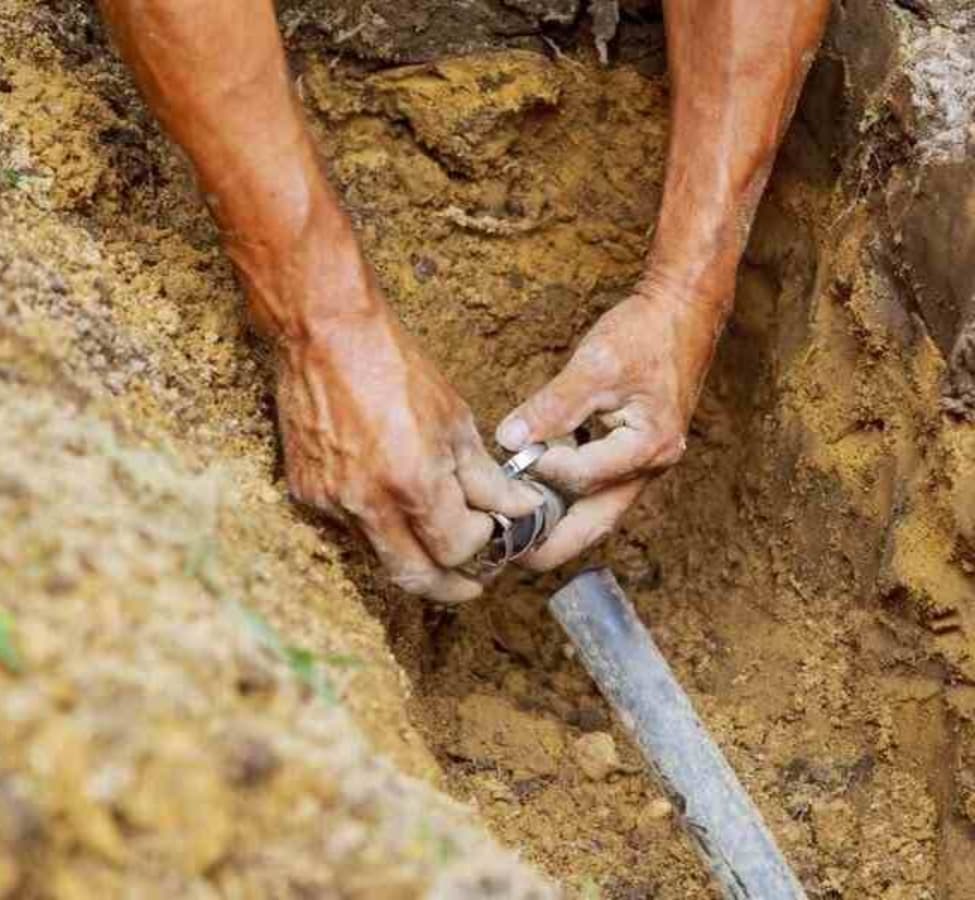
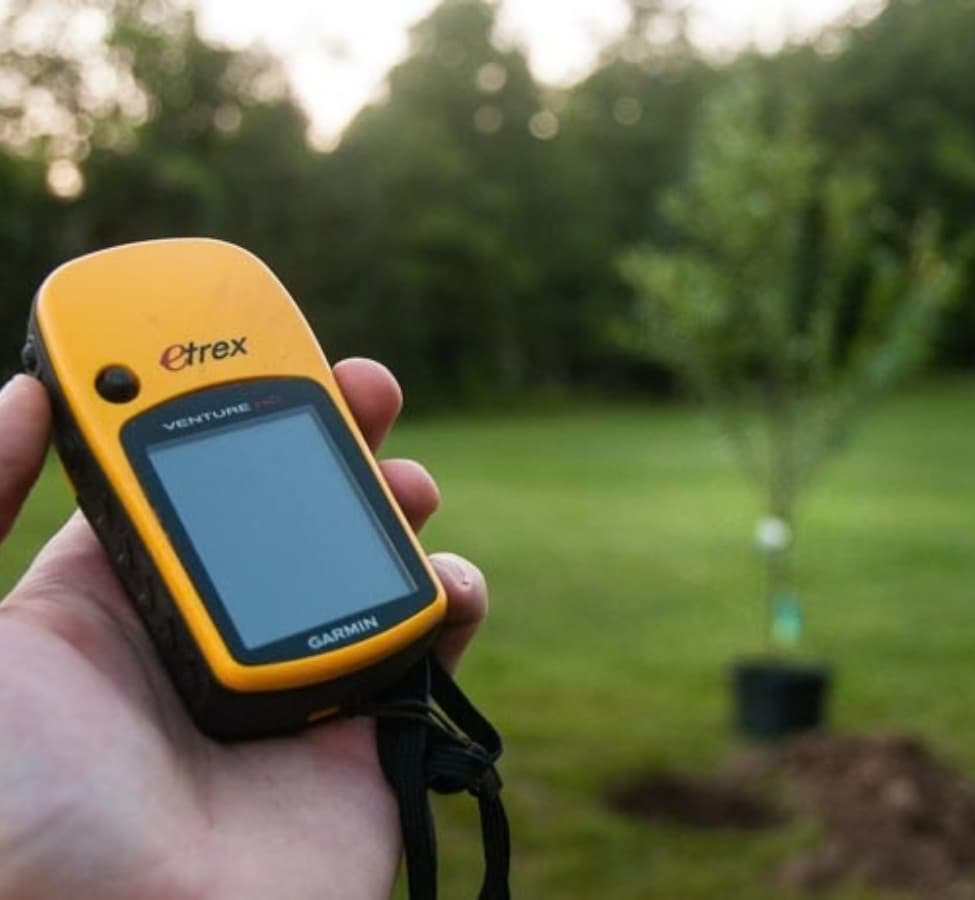
Recommended Establishment Stages


Hazelnut Orchard Care & Maintenance in Poland
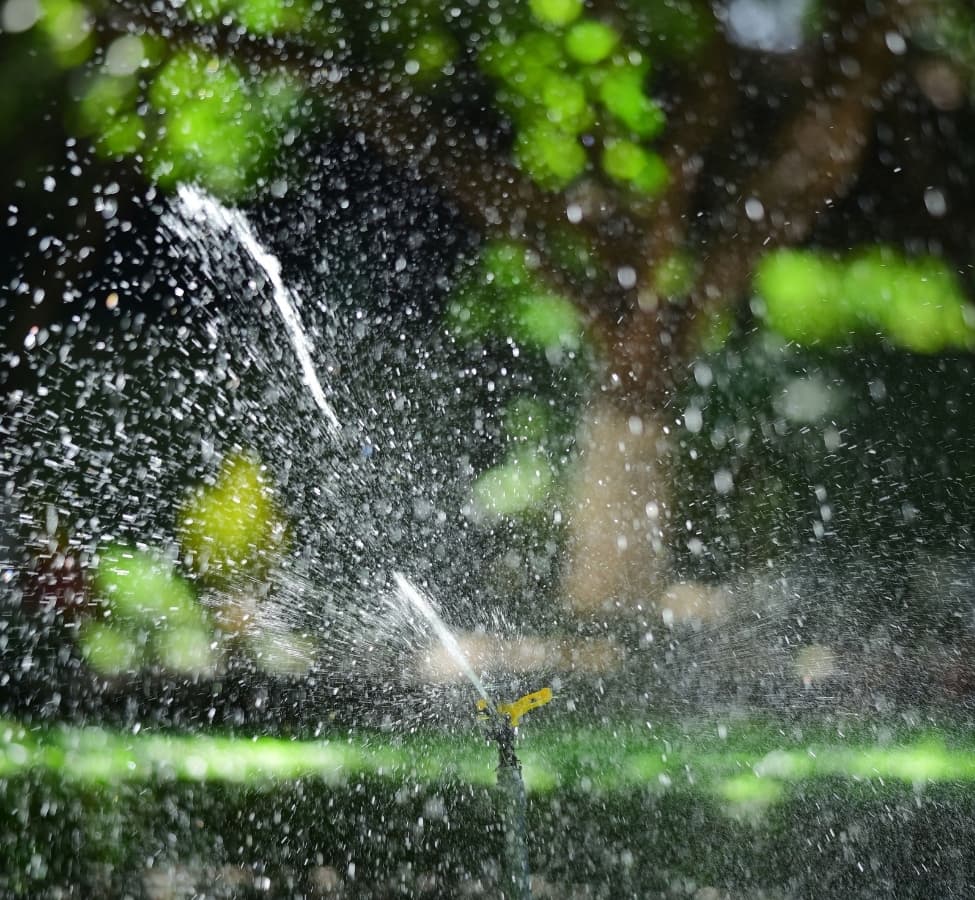
The methodology puts hazel's water need at 550 to 600 mm of rain and notes that the growing-season total is sometimes much lower. In dry years, it says, hazel on light soils needs regular irrigation, above all in the first years after planting; irrigation needs in July average about 2.7 mm a day and can exceed 4 mm in extremely dry years, and drip systems are recommended. IMGW-PIB classed 2025 as a dry year, with August extremely dry in almost all of south-eastern Poland.
The methodology names spider mites, leafrollers, aphids, the hazelnut weevil and the big bud mite as pests of greater economic weight; at a plantation near Kraków not treated with insecticides, weevil-damaged nuts averaged 7.0 to 21.4% a year in 2000 to 2003. Wielkopolska's advisers called brown rot the most dangerous disease in 2022. EPPO records bacterial blight (Xanthomonas arboricola pv. corylina), first found in central Poland in 2007, and the new hazelnut powdery mildew (Erysiphe corylacearum), first seen in Lublin in 2018.
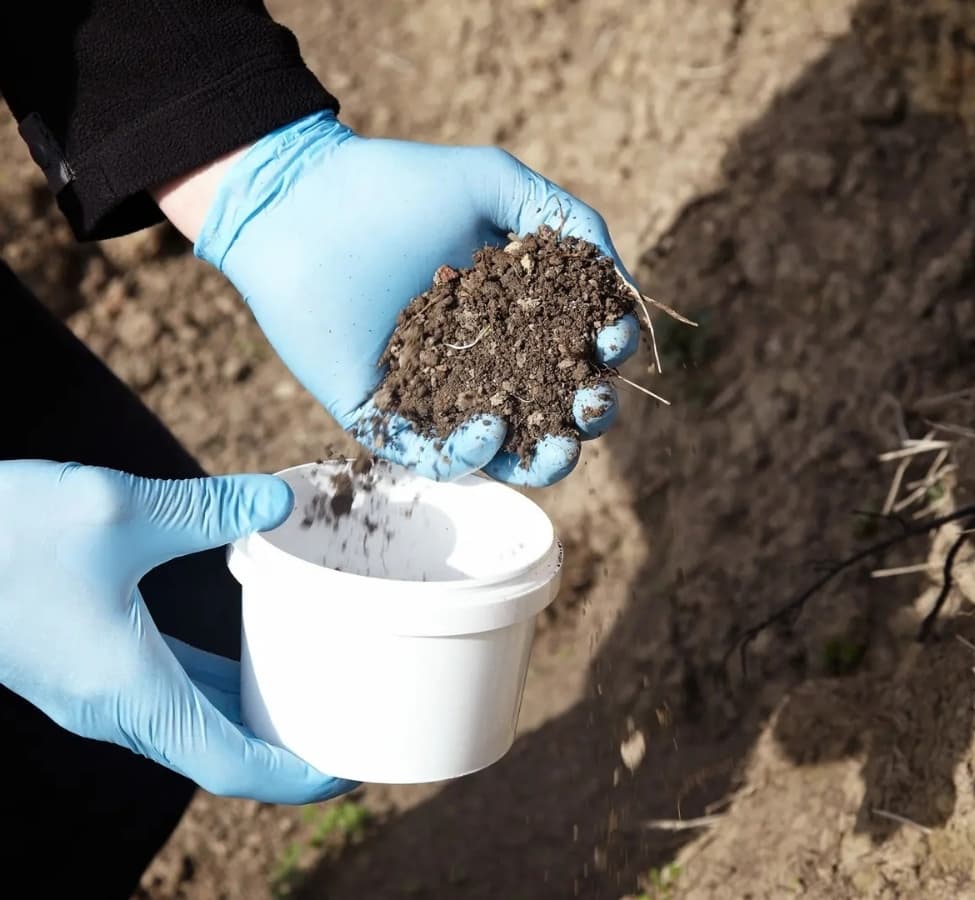
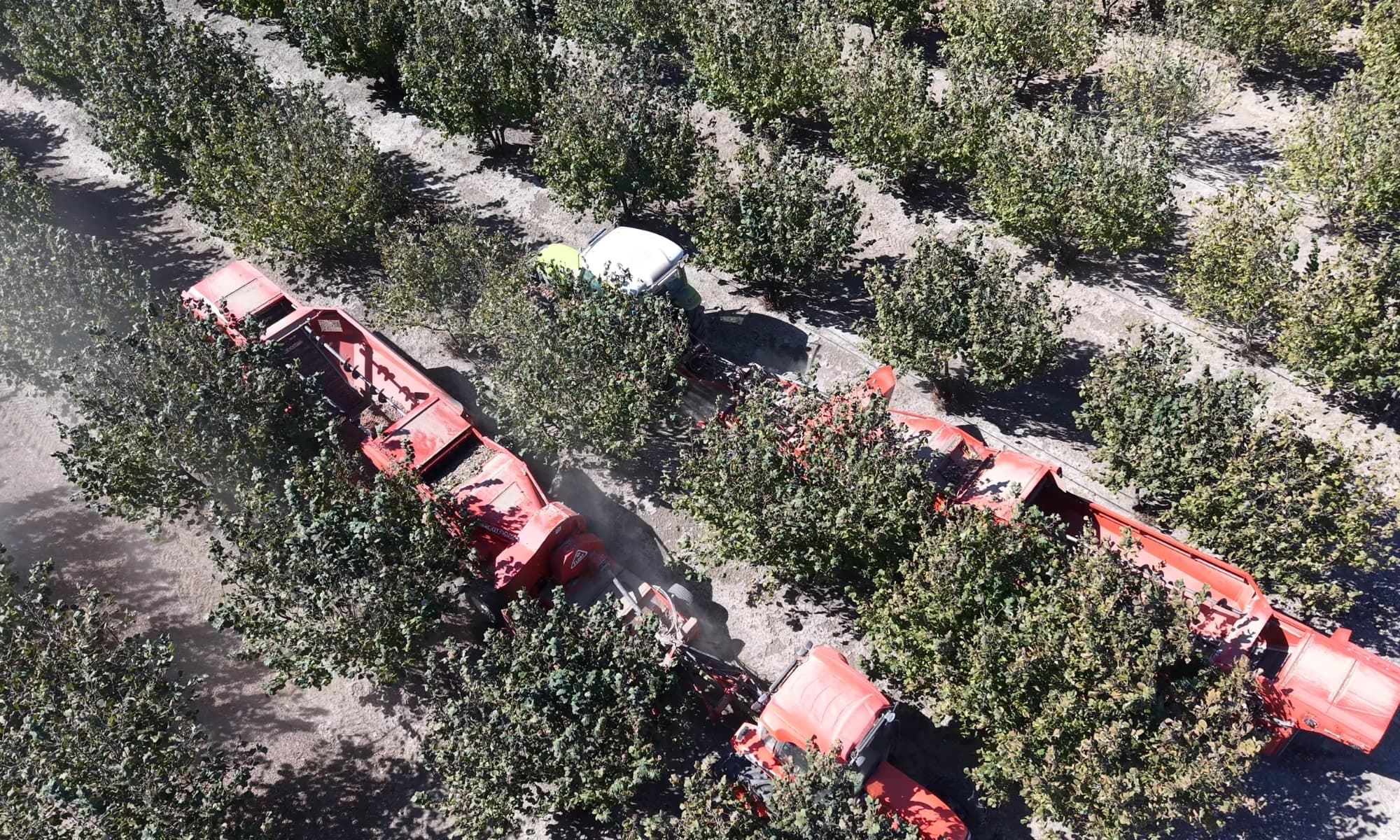
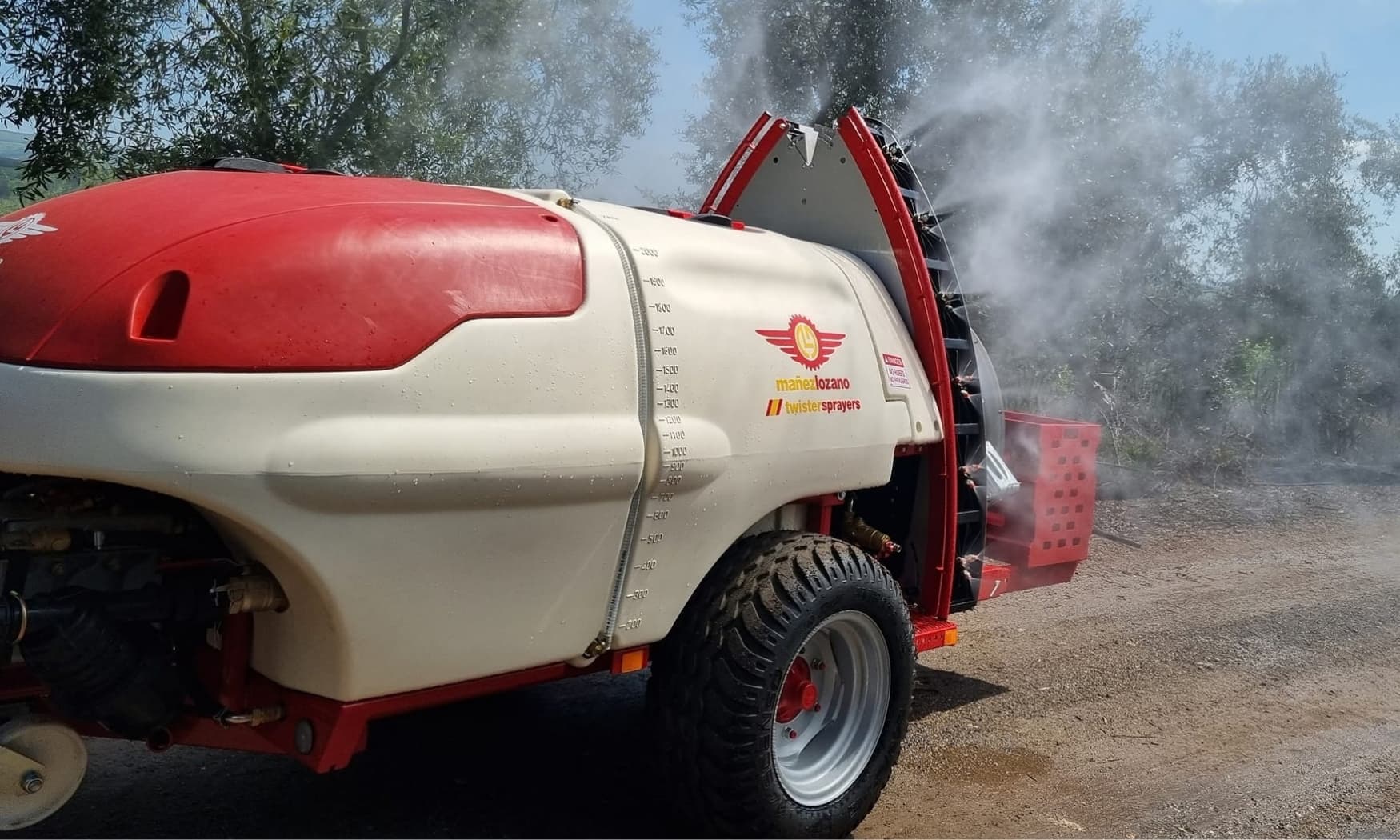
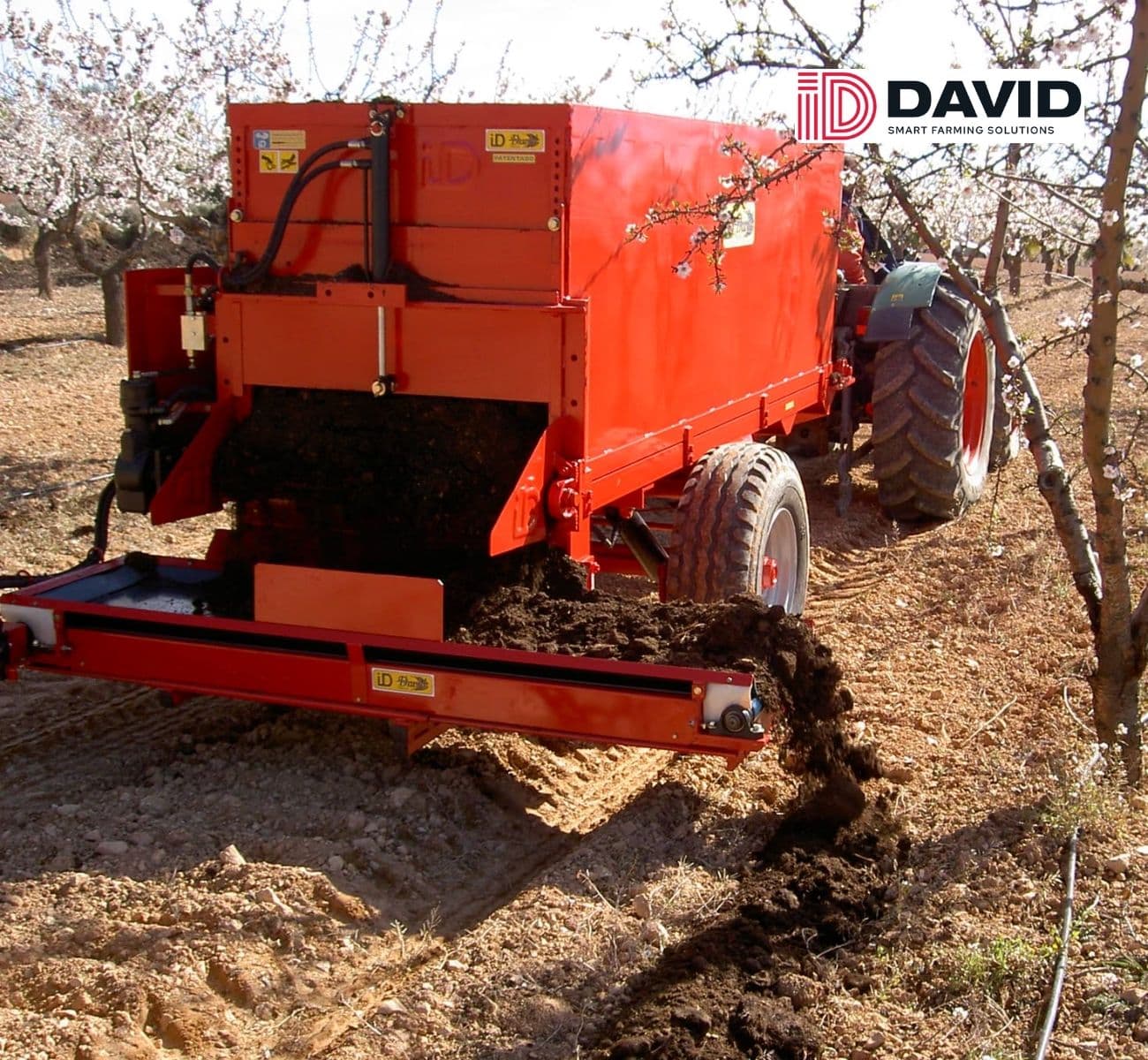
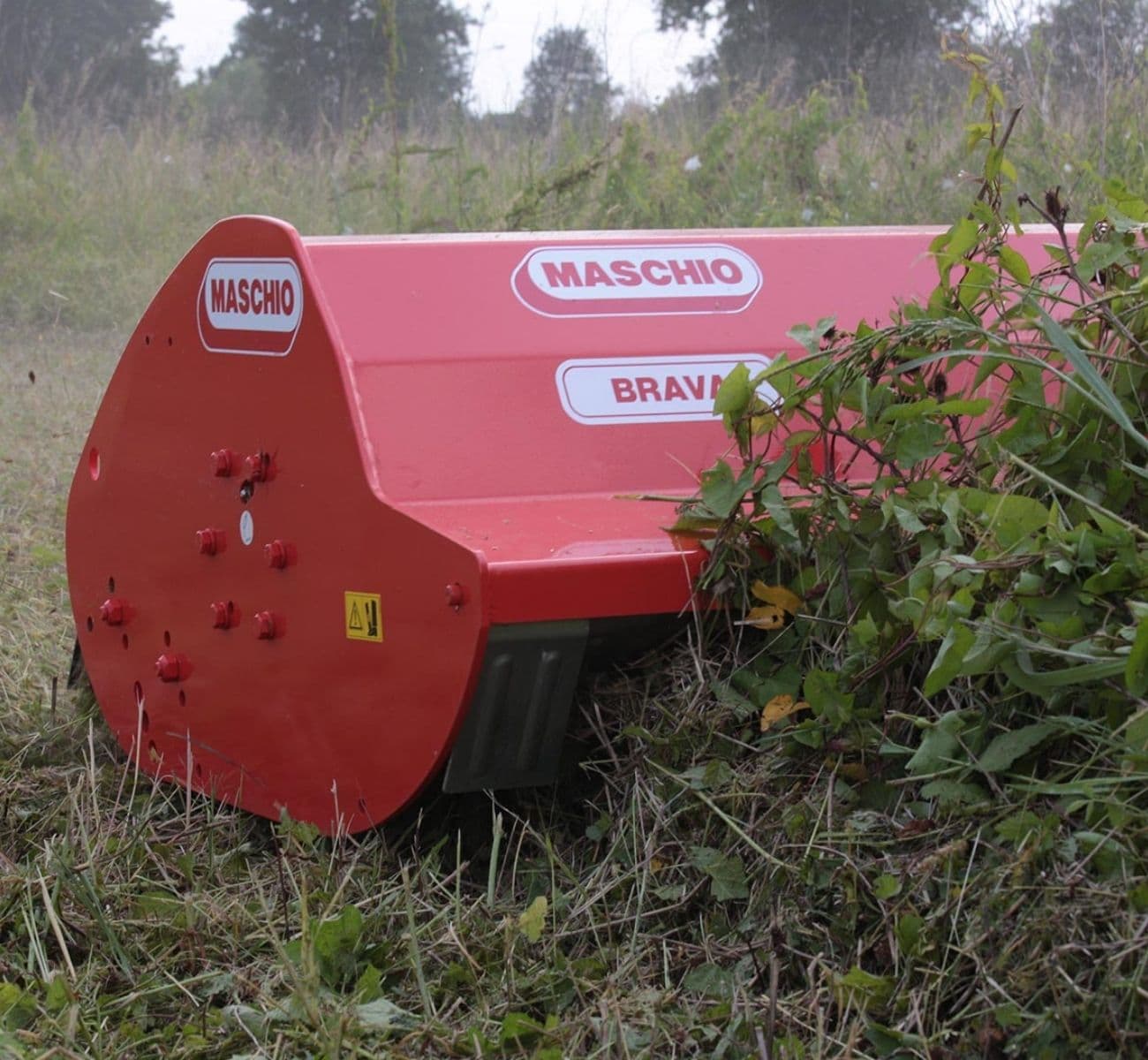
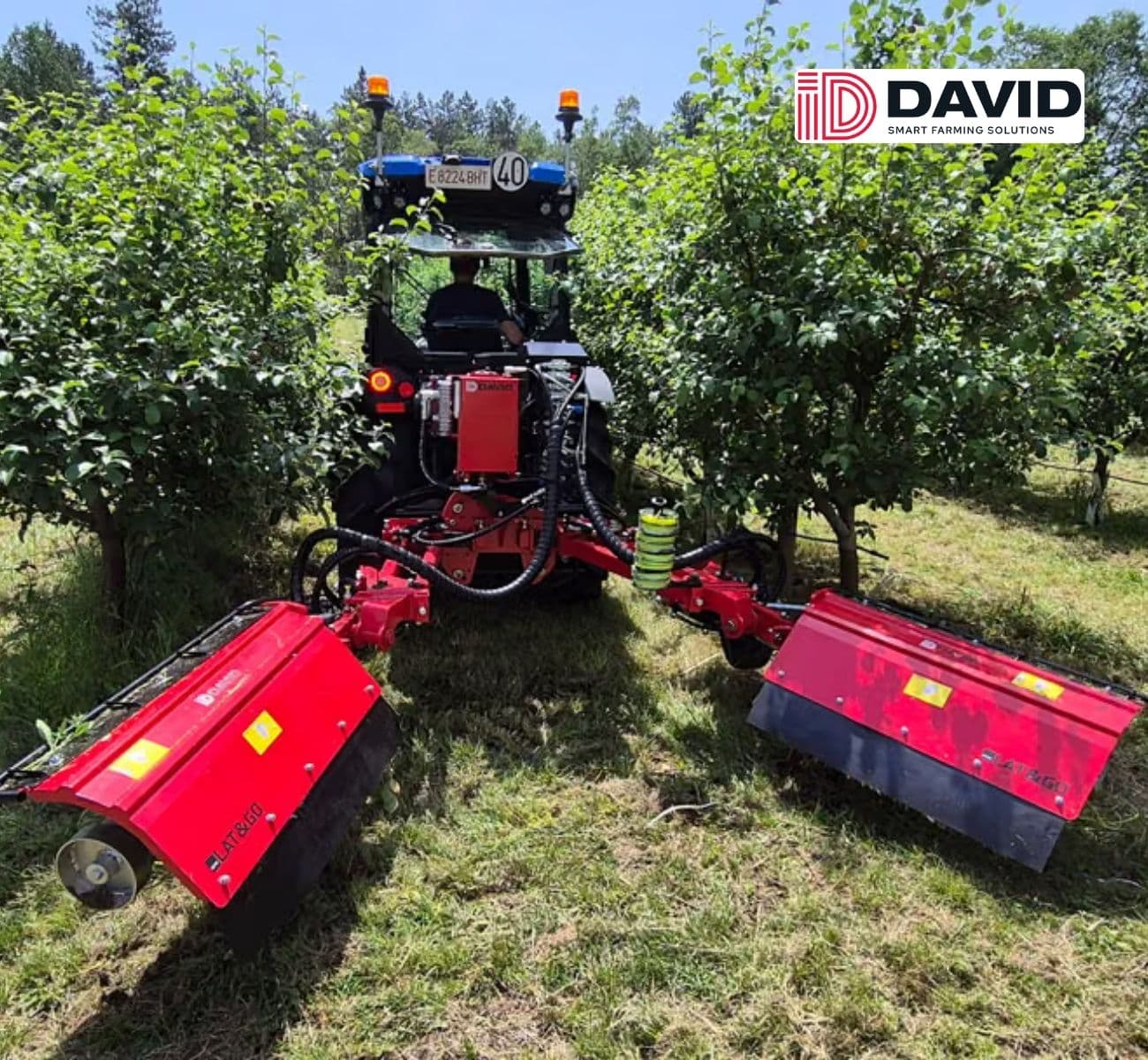
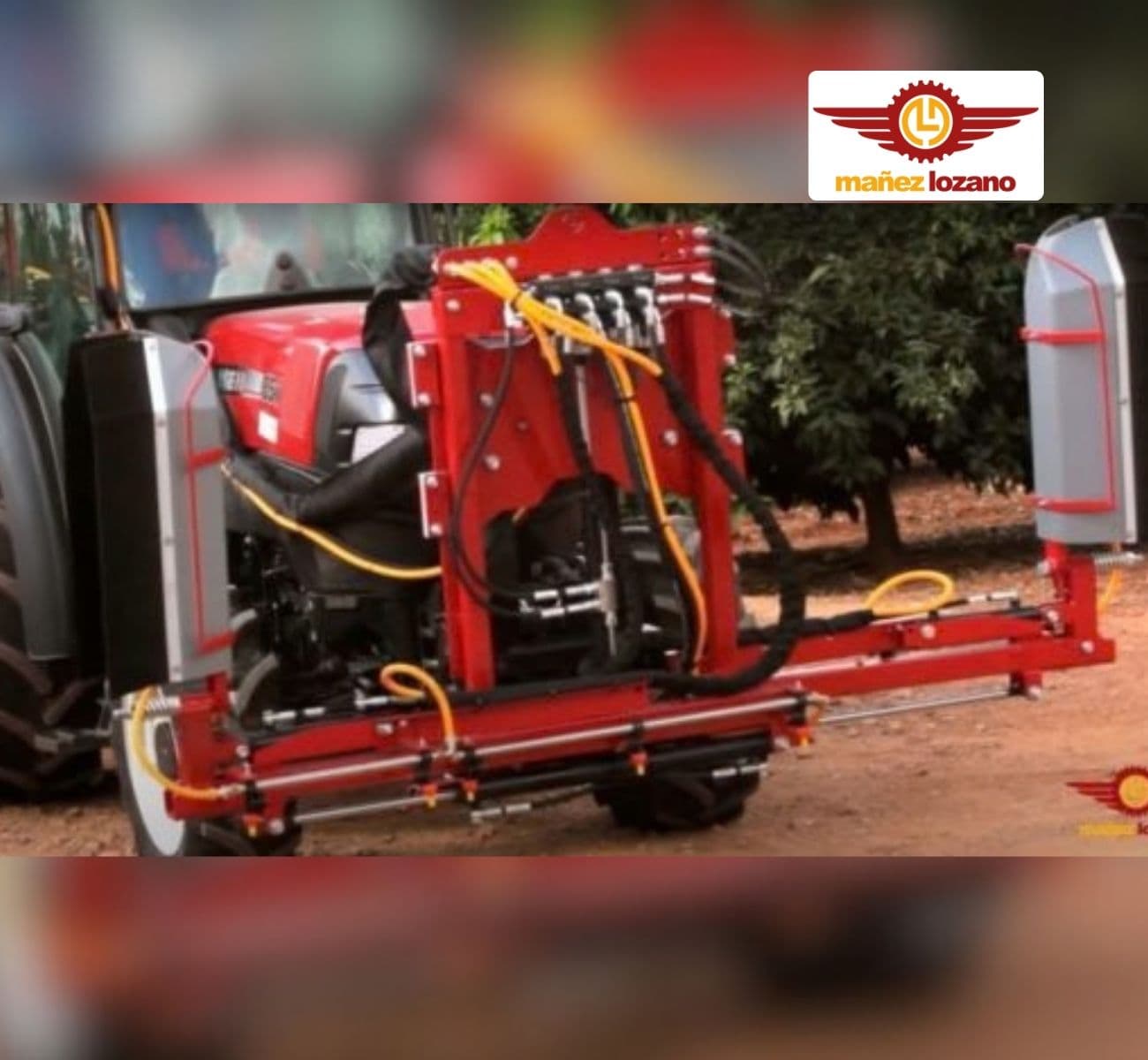
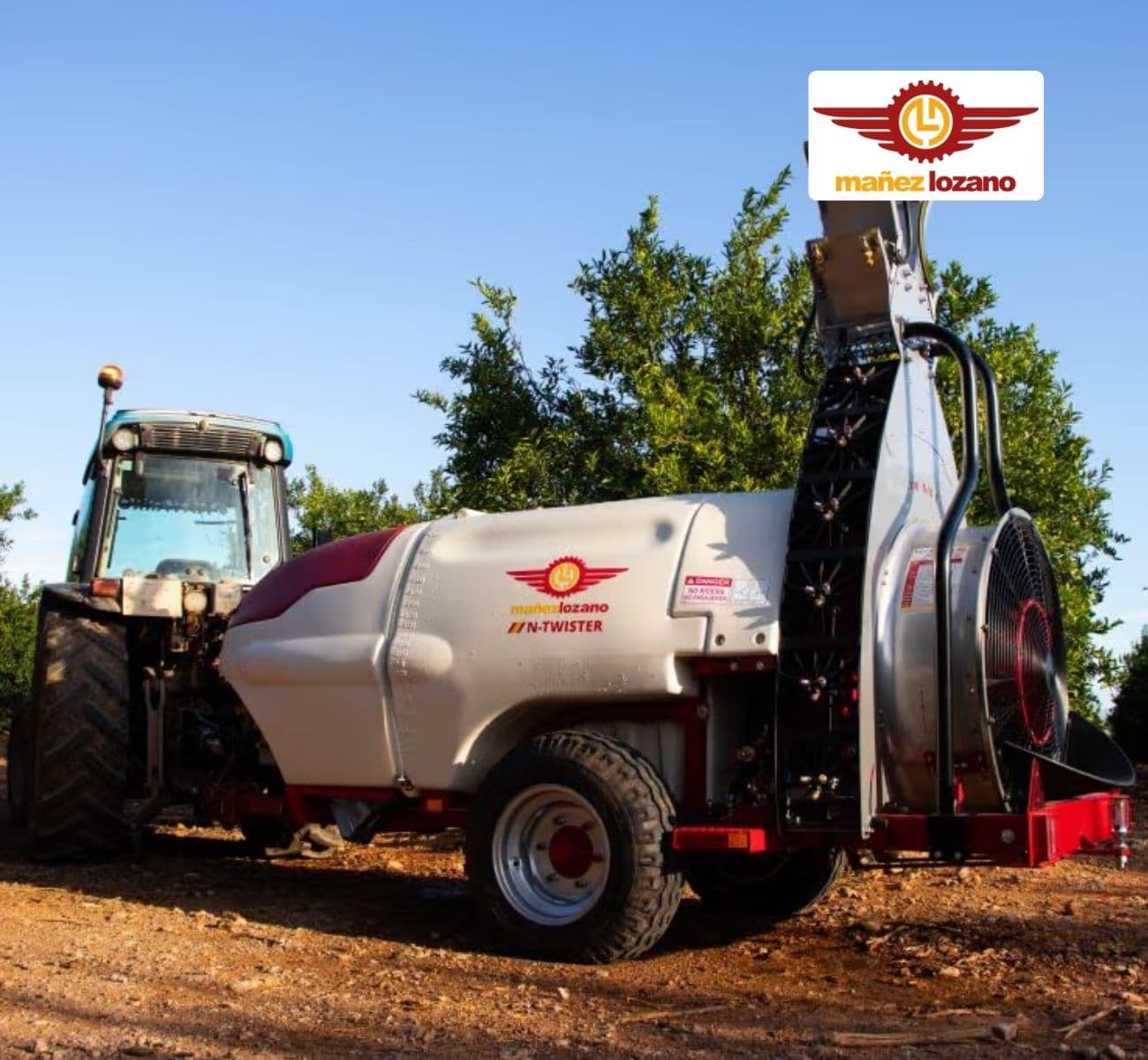
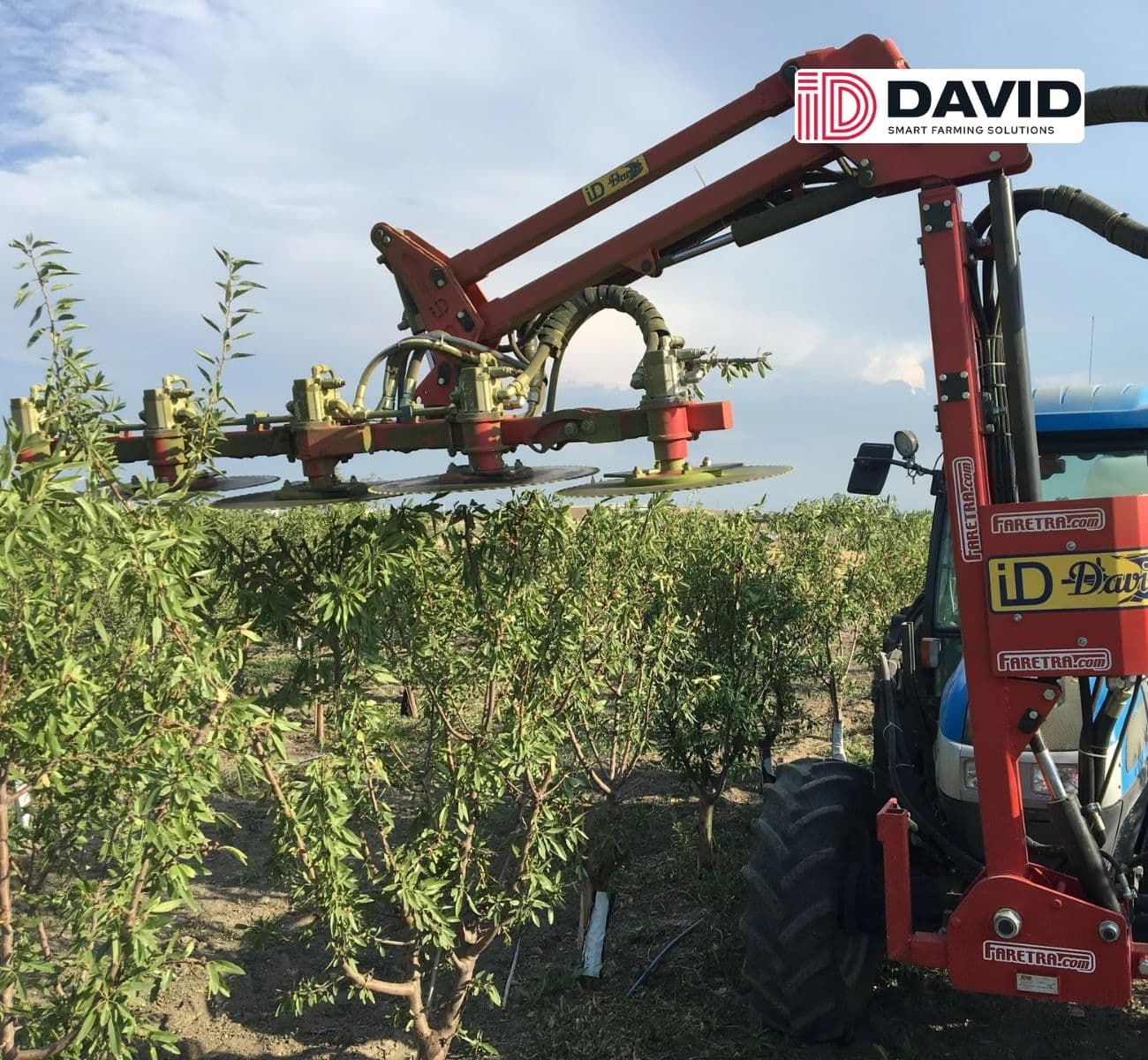
On a plantation described in a 2023 farm report, where all the work was done by hand, cutting the lower shoots alone took three months, and the methodology says suckers must be removed on young and old plantations alike. In single-stem orchards planted for machines, the ID DAVID ECOFEED spreads solid manure, the ID DAVID LAT&GO string mower controls weeds without herbicides, the Mañez Lozano Narrow Twister S6 sprays tall, dense canopies and the ID DAVID V1 disc pruner makes vertical and horizontal cuts.
Recommended Orchard Care & Maintenance Stages

Practical Tips for Hazelnut Orchard Care & Maintenance
Irrigate hazel on light soils in dry years, above all in the first years after planting, as Poland's integrated-production methodology advises.
Space drip emitters every 30 to 40 cm on light soils and every 50 cm on heavy soils, as Poland's methodology suggests.
Check for big bud mite in late autumn or early spring; InHort's 2024 monitoring guide sets the threshold at 15% of buds infested.
Monitor hazelnut weevil adults in May and June by beating branches over a sheet, as InHort's guide describes; no threshold has been set.
Make the last shallow cultivation of a bare fallow in July at the latest, before expected rain, and level the soil carefully, as the methodology advises.
Watch for the brown marmorated stink bug (Halyomorpha halys): EPPO lists few occurrences in Poland, on information dated 2019, and no record on hazel was found.

Hazelnut Harvesting in Poland
Poland's methodology says hand harvest prevails on small plantations, while on large ones rotary rakes or brushes move the nuts to the middle of the inter-row and vacuum-like harvesters suck them up and clean them. Shakers with a sheet under the canopy are rarely used, and a 2023 farm report called larger areas a real challenge, especially when people, not machines, do all the work. In single-stem orchards planted for machines, mechanized harvesting can bring the crop in on time, with less risk of nuts deteriorating while they wait.
The system in this guide does not shake the trees: Oregon State University (OSU) explains that the thin-barked, shallow-rooted trees would be damaged. The methodology places nut drop from mid-August to October and says machine pickup works well only on bare fallow with a well-settled surface or on very low-mown turf. Harvests are repeated because the nuts ripen unevenly, Wielkopolska's advisers note, and in a Lubelskie orchard sampled for a 2019 study, fallen nuts were collected in September 2016 and 2017.
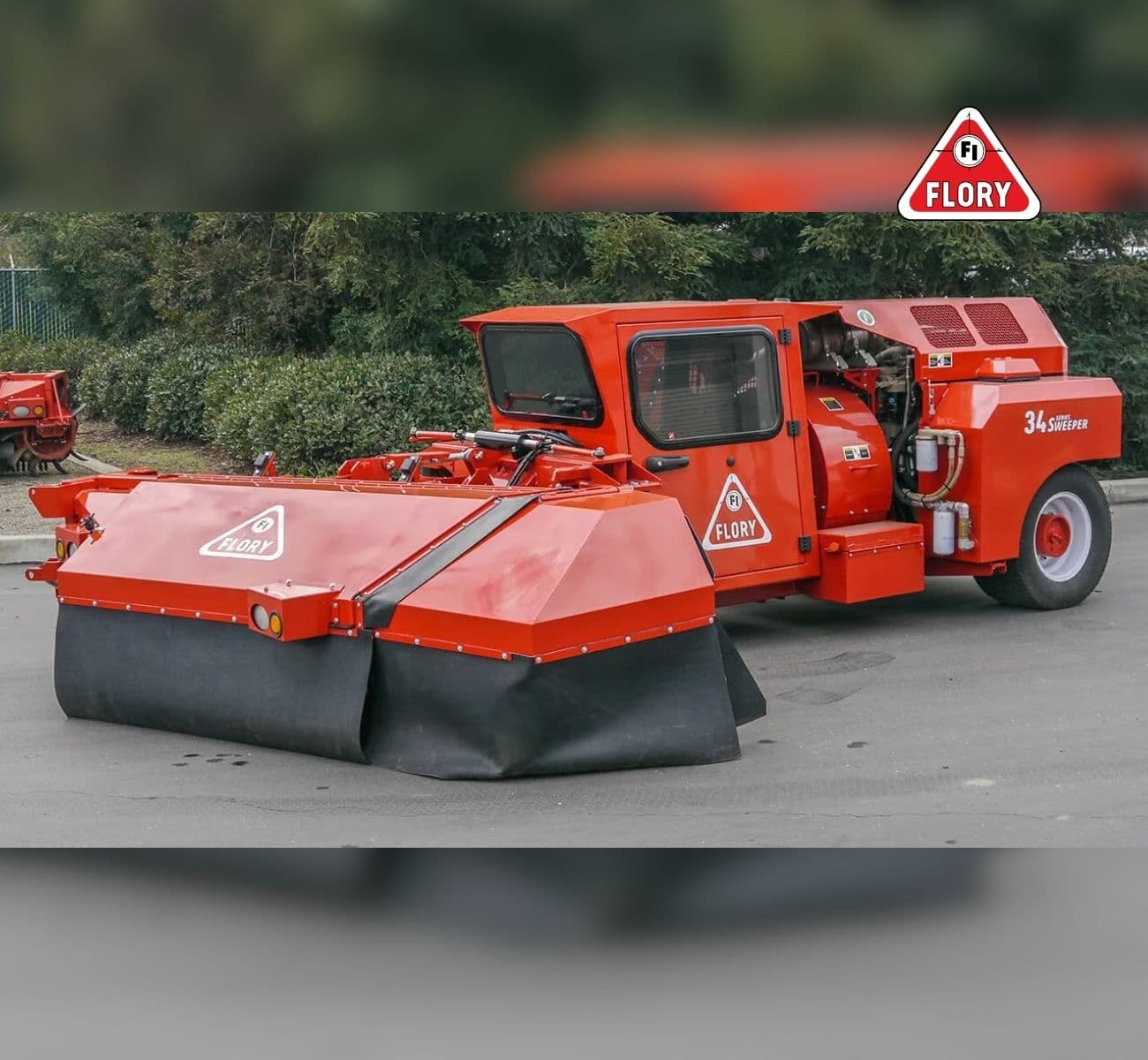
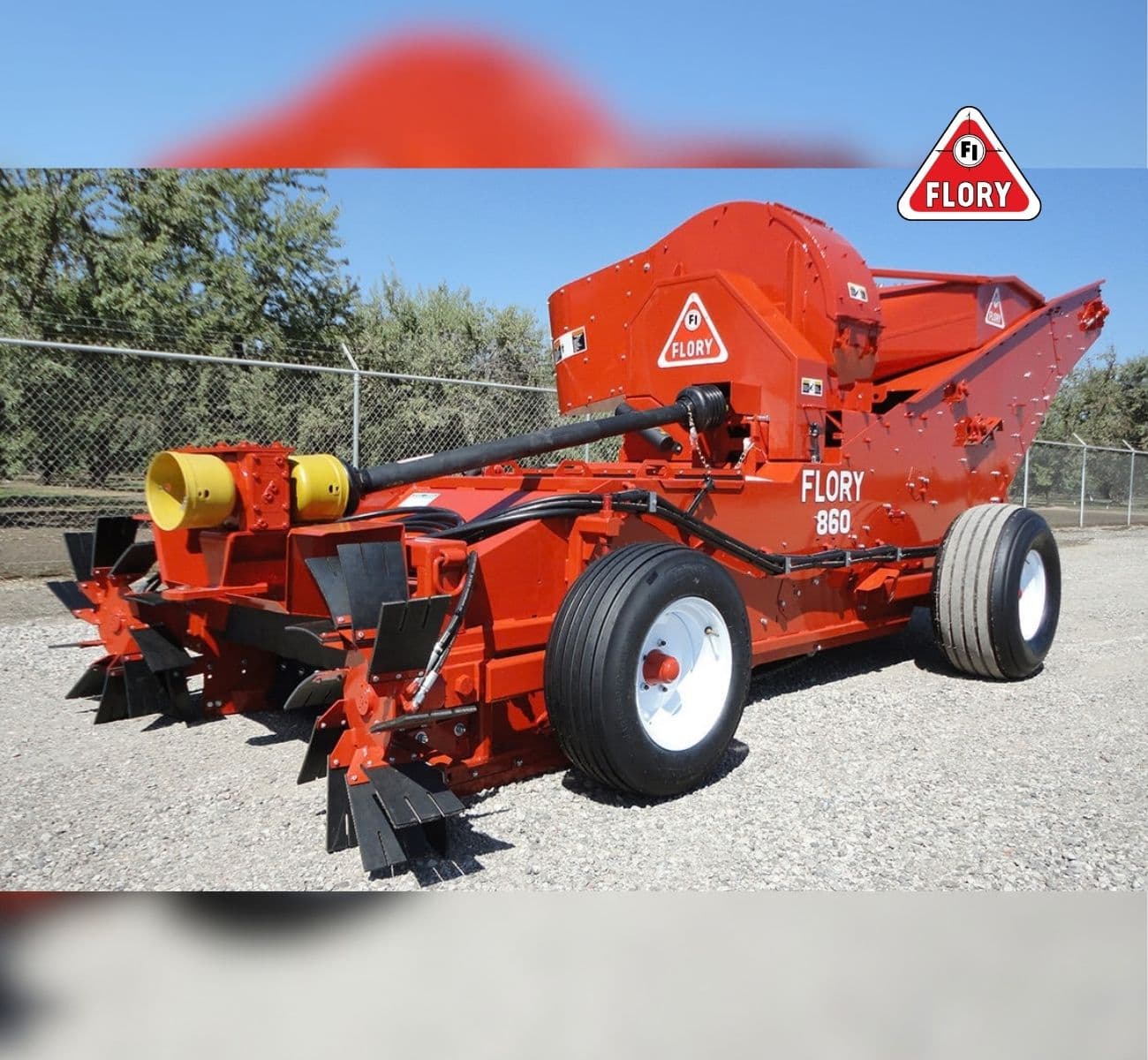
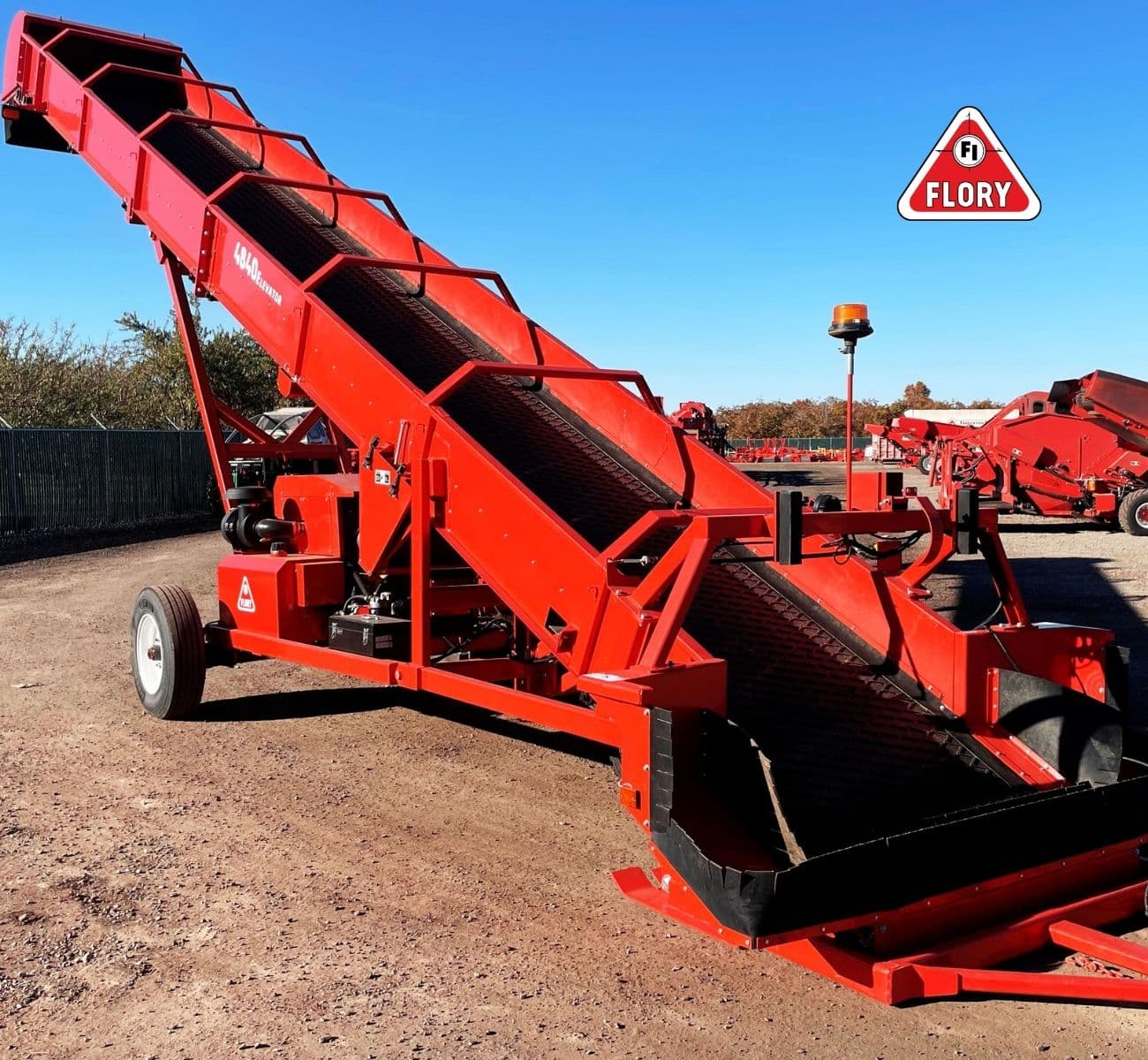
Flory harvesting machinery is available in Poland through OVE Europe for single-stem orchards planted for machines. The Flory 34 Series Sweeper sweeps the nuts into windrows and the 860 Harvester picks them up; the smaller 490 suits hazelnuts in OVE's experience, and Flory lists a mud brush as standard for hazelnuts on the 860. The 1500 Conveyor Cart receives the nuts, the ST14 Shuttle carries them and the 4840 Field Elevator loads trailers for the processing site.
Hazelnut Harvest Workflow (Recommended Equipment)


Practical Tips for Hazelnut Harvesting
Mow the sward as low as 1 to 2 cm before nut drop, as Poland's methodology advises, to make picking up the nuts easier.
Keep weeds down from mid-August to October: the methodology notes that they hinder the collection of nuts lying on the ground.
Be ready for wet and dry Septembers: IMGW-PIB put September rain at Kraków at 132 to 199% of the 1991-2020 normal in 2023 to 2025, and at Warsaw at 20 to 50%.
Keep totes of harvested nuts out of the rain while they wait for processing, as the Pacific Northwest plant disease handbook advises.
Clean and repair harvesters before use, and clean them between orchards, as British Columbia's guide advises, to limit contamination and the spread of disease.
Check tractor power before choosing a harvester: Flory gives 85 HP as the minimum for the 860, and for the 490 in hazelnuts.
Get your recommended harvest setup
Enter orchard size, spacing, terrain, and target throughput—we’ll suggest a practical harvest workflow and equipment lineup.

Hazelnut Post-Harvest Handling & Processing in Poland
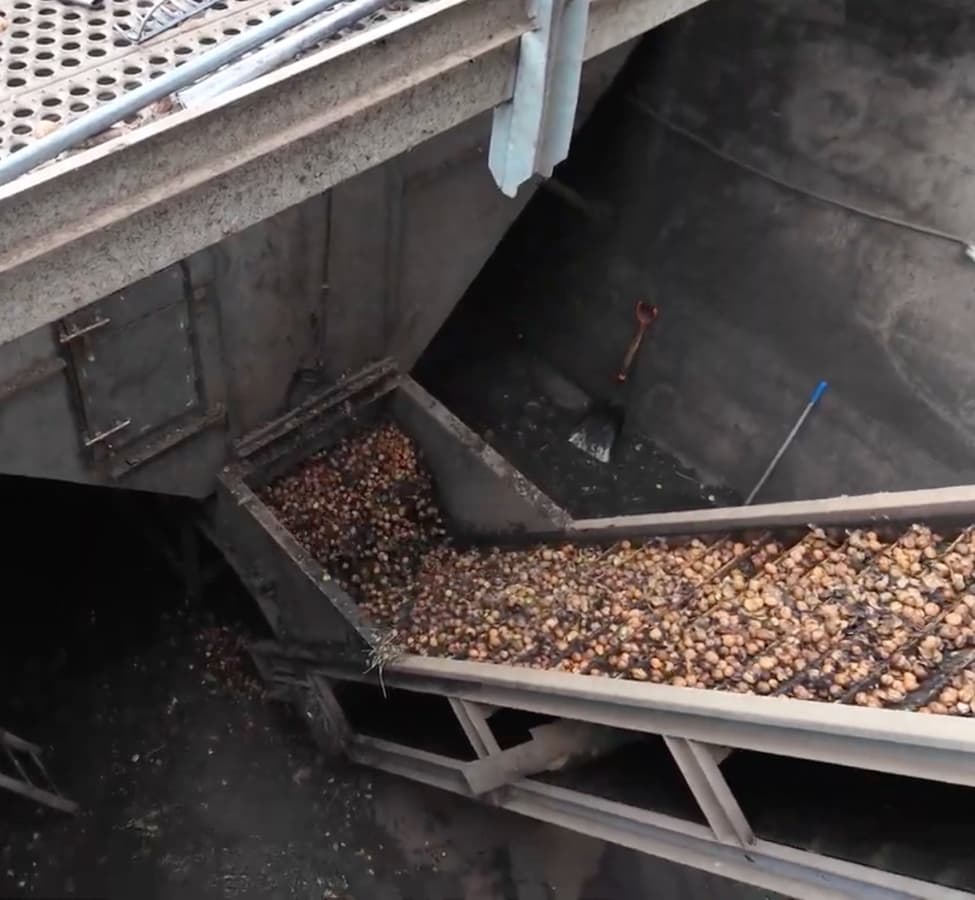
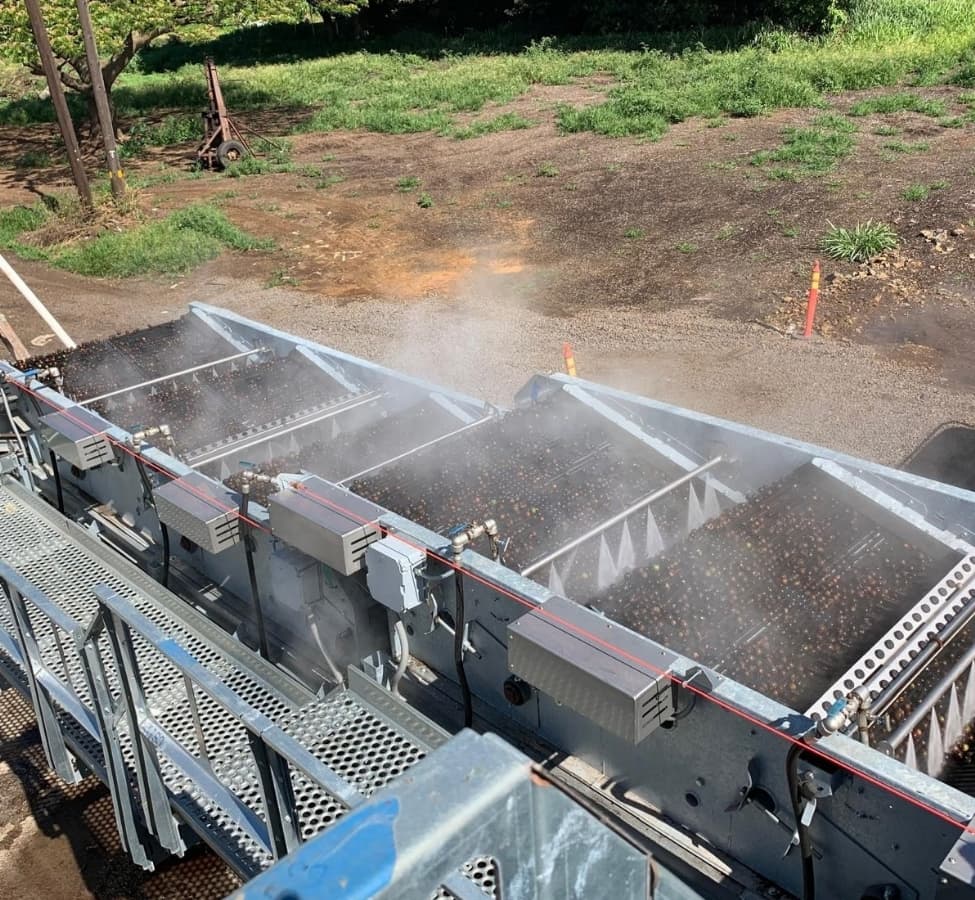
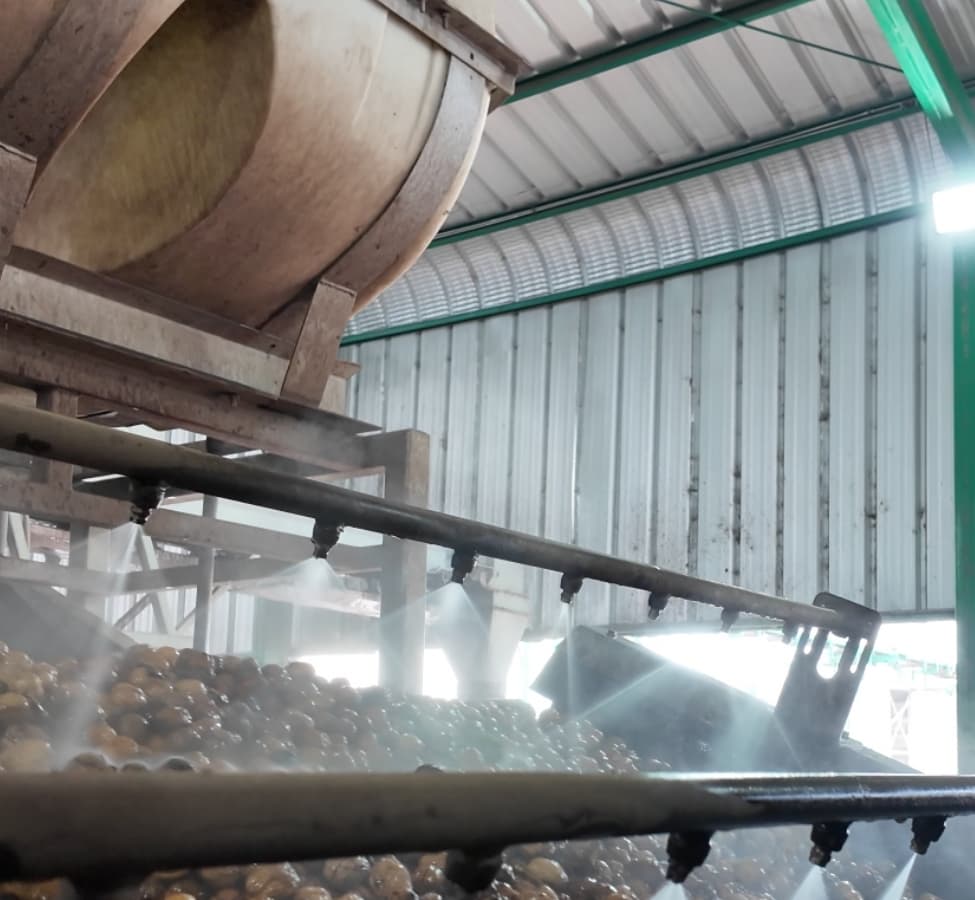
Polish sources say little about husking, drying or storage. The Wielkopolska Agricultural Advisory Center advises drying the nuts right after harvest, and a 2019 study of six cultivars from a Lubelskie orchard dried its samples to 6% kernel moisture. British Columbia's guide describes nuts husked, cleaned, washed, sanitized and dried to 5 to 8% moisture within 24 hours of harvest, and in OSU research, drying at 43 to 49 °C and 40% relative humidity improved drying efficiency and retained quality.
Under UNECE's 2025 standards, in-shell hazelnuts may contain at most 12.0% moisture for the whole nut or 7.0% for the kernel, and kernels at most 6.0%. As an EU member, Poland applies Regulation (EU) 2023/2429, under which shelled hazelnuts need not conform to the marketing standard except for the indication of their country of origin. The Codex code advises storage, if possible, below 70% relative humidity and at 0 to 10 °C.
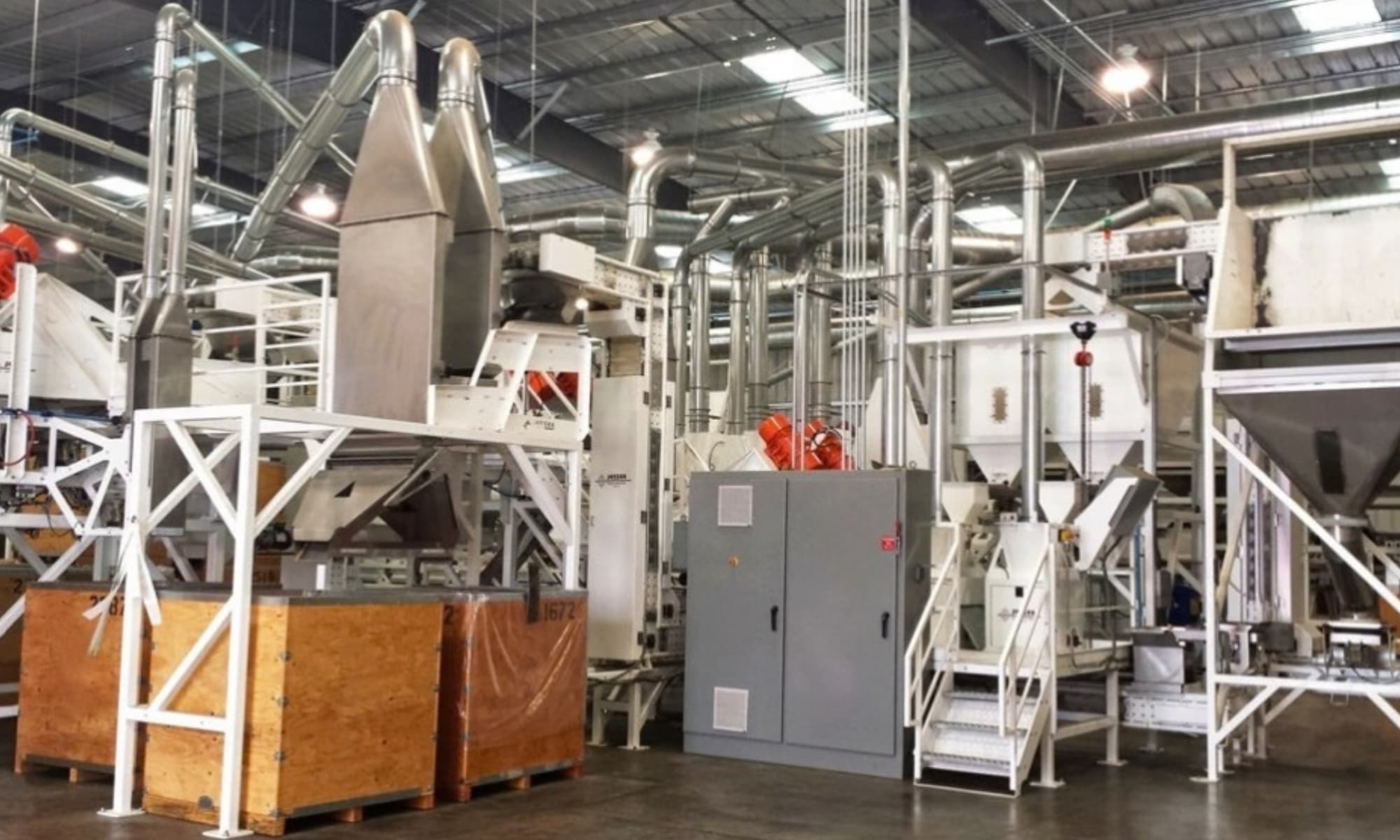
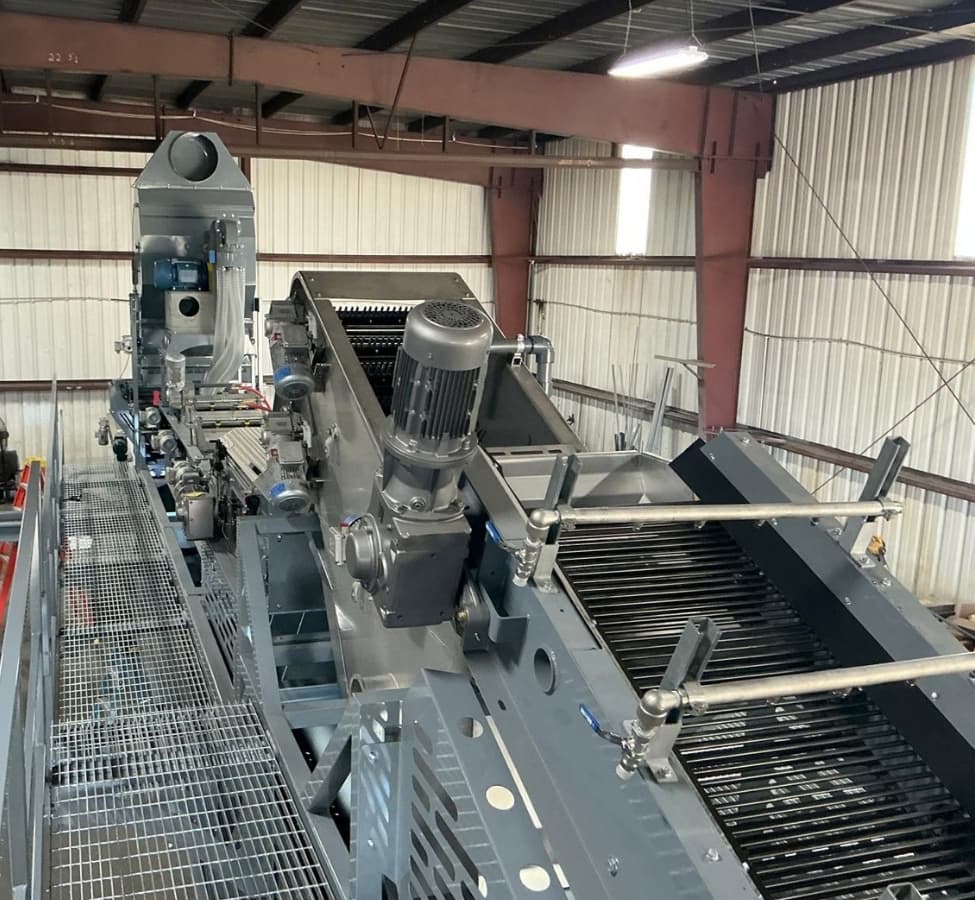
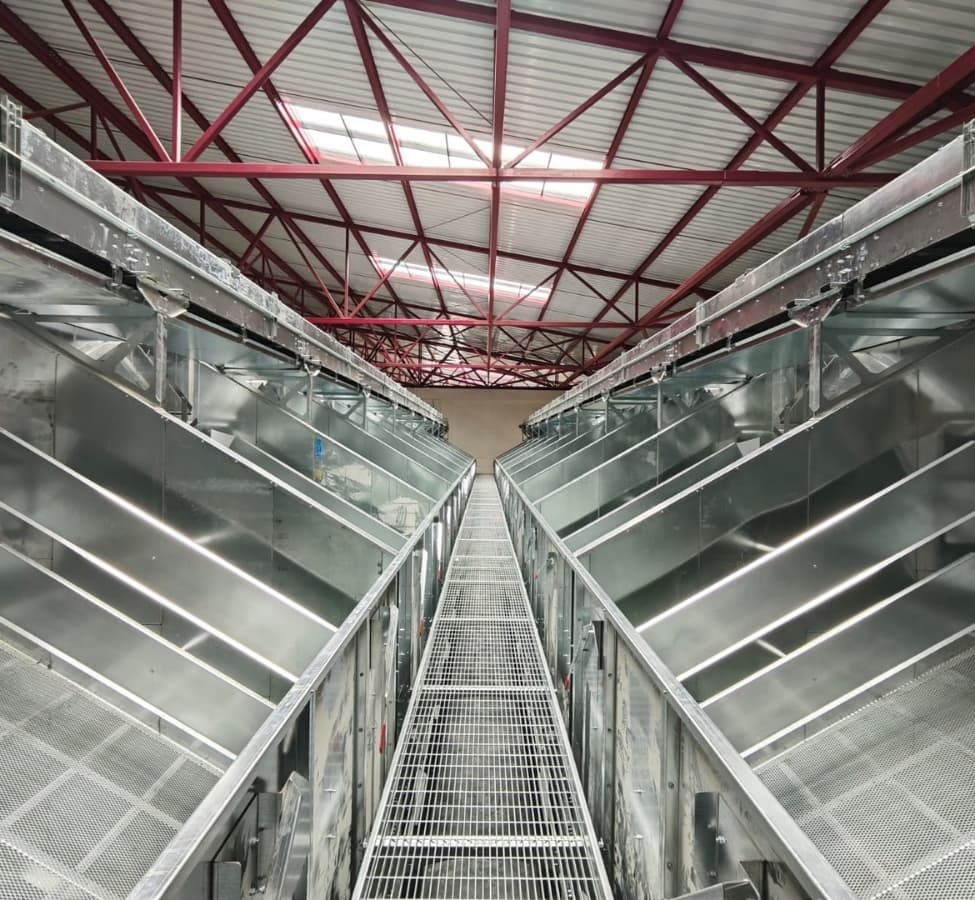
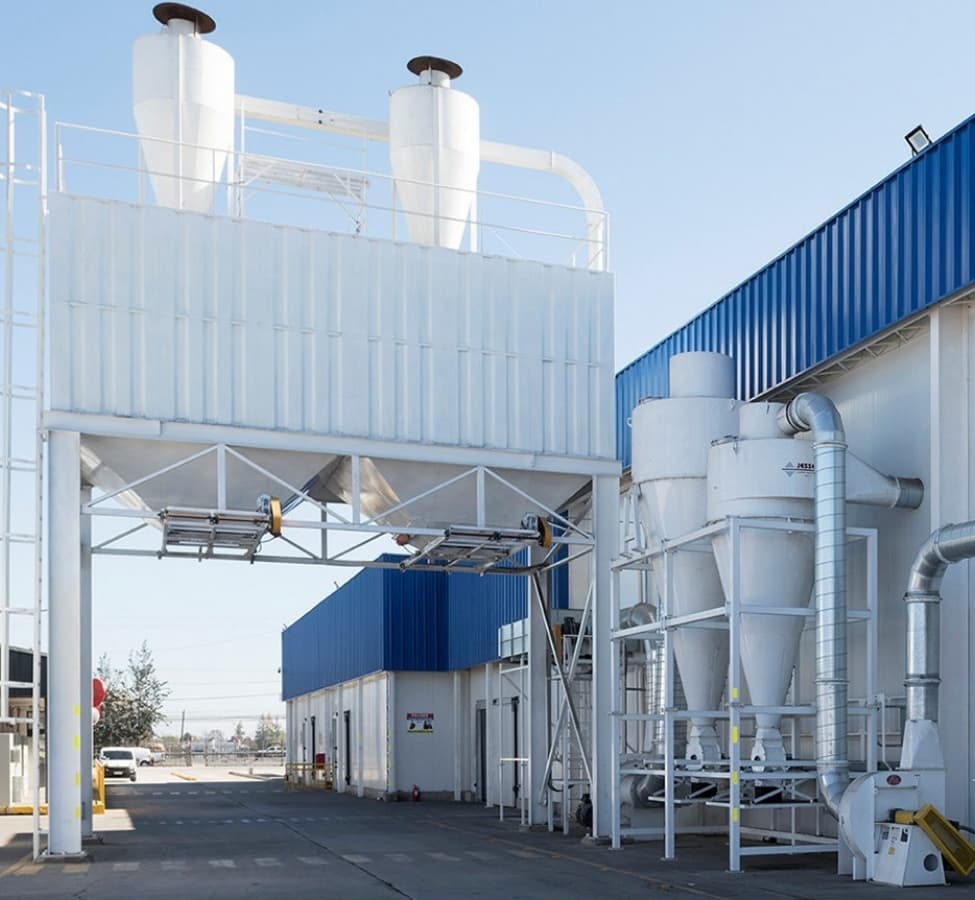
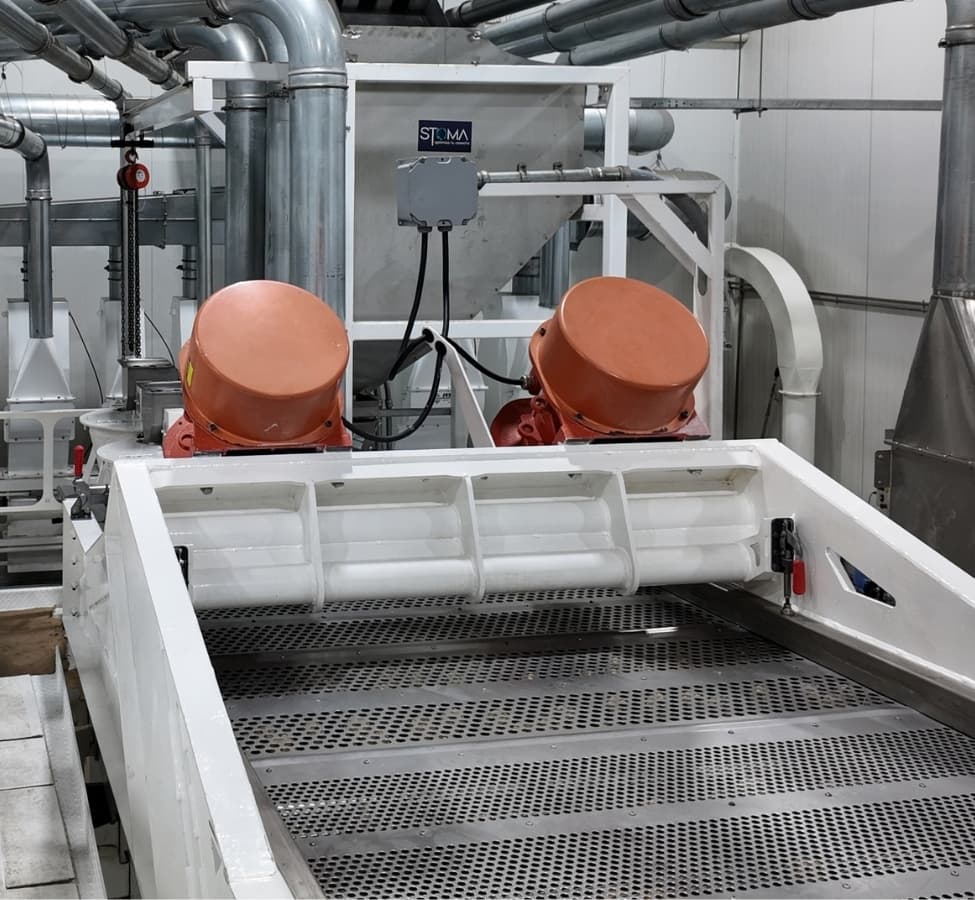
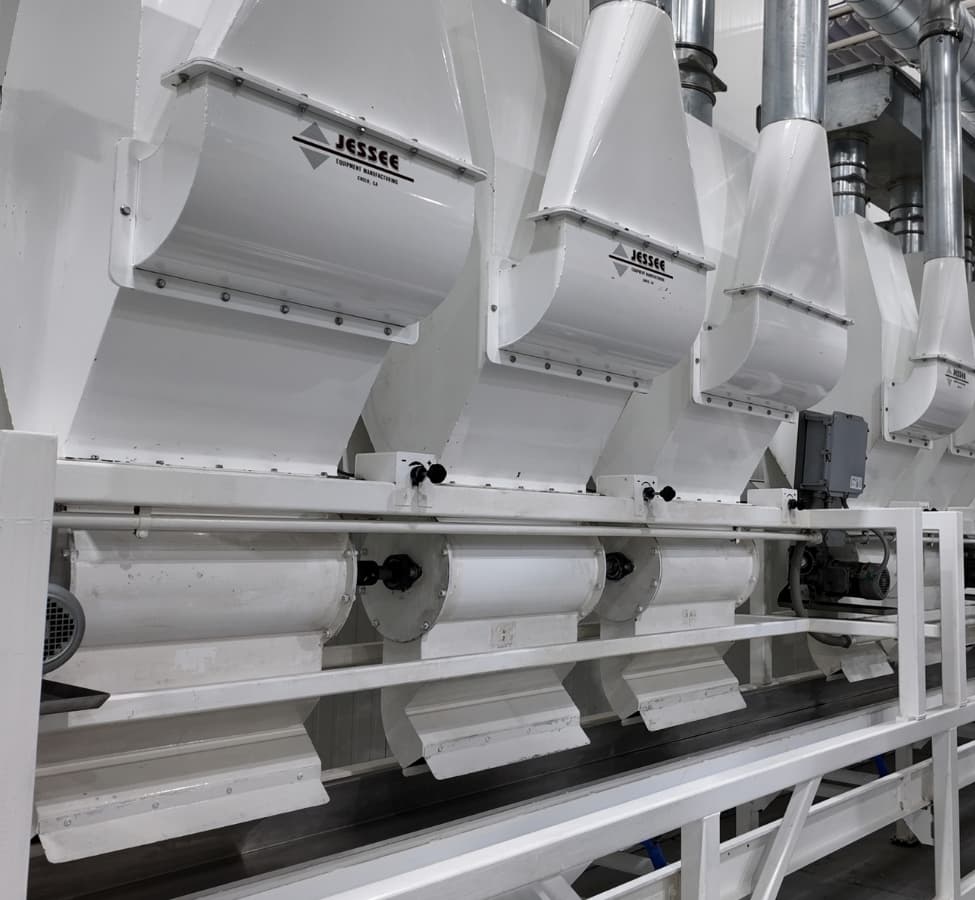
Poland also applies Regulation (EU) 2023/915: 5.0 µg/kg of aflatoxin B1 and 10.0 µg/kg in total for hazelnuts for the final consumer or used as an ingredient, and 8.0 and 15.0 µg/kg for nuts to be sorted first. Jessee, whose processing lines OVE Europe supplies, builds drying, in-shell cleaning and sizing, and shelling systems, and it established product lines for hazelnuts in the 1980s.
For general information only. Information may become outdated and does not replace site-specific professional advice. Consult a qualified agronomist and confirm equipment suitability with OVE before acting.
Practical Tips for Hazelnut Post-Harvest Handling & Processing
Dry nuts promptly after harvest: British Columbia's guide gives 5 to 8% moisture within 24 hours, after husking, cleaning and washing.
Where possible, dry nuts in a dryer rather than in the sun: the Codex code warns that sun-dried nuts face a greater risk of contamination from fungal growth or pests.
Consider drying air at 43 to 49 °C and 40% relative humidity: in OSU research, these conditions improved drying efficiency and kept quality.
Keep in-shell nuts within 12.0% moisture for the whole nut or 7.0% for the kernel, the limits in UNECE's 2025 standard for in-shell hazelnuts.
Test lots for aflatoxins: in the EU, hazelnuts for the final consumer or used as an ingredient must not exceed 5.0 µg/kg of B1 and 10.0 µg/kg in total.
Sort out damaged, rotten, empty and rancid nuts after collection and move them to processing as soon as possible, as the Codex code advises.
Recommended Post-Harvest Handling & Processing Stages
Plan your post-harvest line
Estimate tons/day, cleaning & drying capacity, storage needs, and cost/kg—then build your equipment plan in phases.