


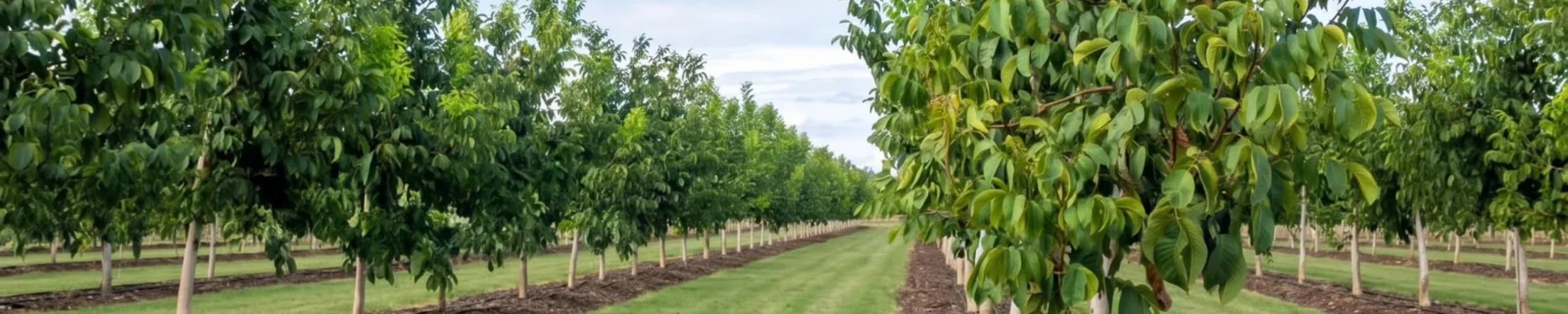




Walnut Orchard Establishment in Portugal
Walnut is grown in two very different ways in Portugal. A 2020 report for the national nut competence center (CNCFS) found it grown mostly as scattered trees or in small orchards, and the CNCFS listed holdings under 1 ha (over 80%) and scattered, generally very old trees with irregular crops among the sector's weaknesses. New drip-irrigated orchards have spread in the Alentejo, where the walnut area grew from 686 ha in 2012 to 2,437 ha in 2021 (INE), while the north and center held 55% of the area that year.
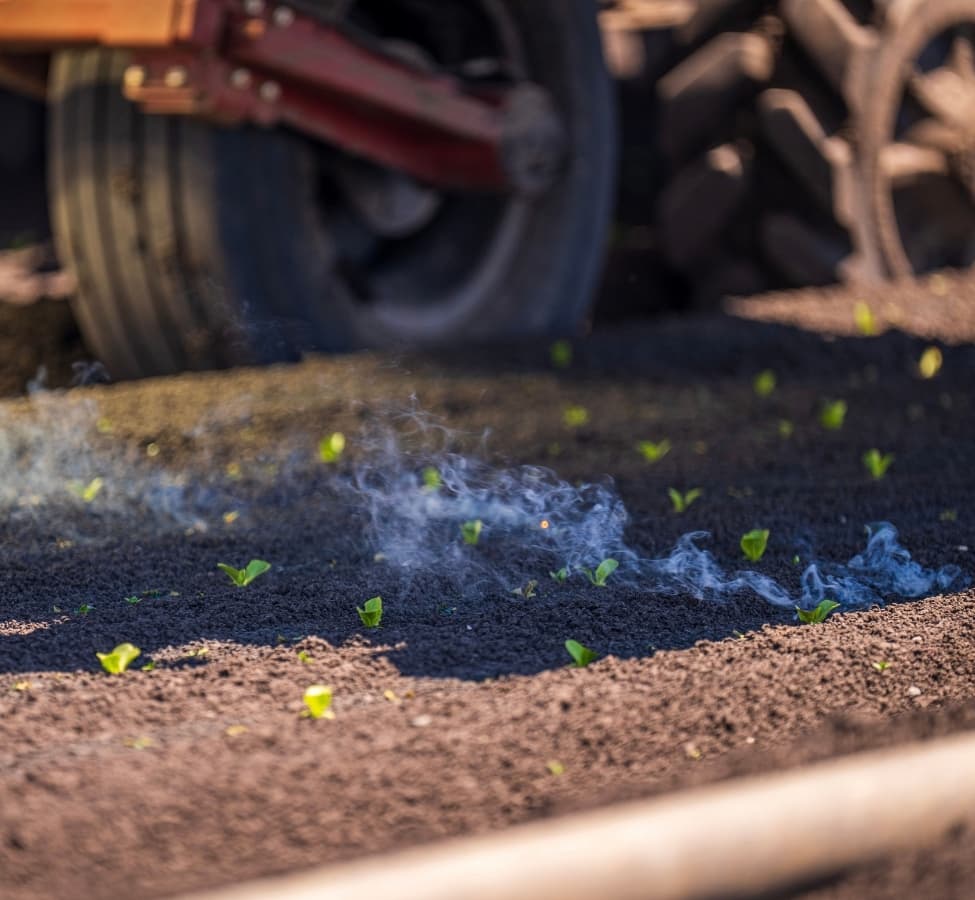
The CNCFS walnut manual (2017) notes that walnut adapts to many soils but prefers deep, well-drained, light and fertile ones with a pH of 6.5 to 7.5, any water table below 1.5 m and no salinity, and about 600 to 800 hours between 0 and 10 °C in winter. It sees frost, above all in spring, as walnut's main climatic limit, warns that heat and dry air can sunburn exposed nuts, and notes ridges about 0.5 m high along the rows, built one to two years ahead, on thin, irrigated soils with clay in the subsoil.
Chandler is the cultivar documented in new orchards: a 2021 thesis puts it at 70 to 80% of one Alentejo group's orchards, and a 12 ha Almeirim orchard planted in 2021 chose it too, while Franquette is quoted on the Bragança market. The national register lists one walnut variety, the traditional 'Rego' (INIAV, 2016). The manual's indicative spacings run from 9 × 8 to 12 × 12 m for vigorous, terminal-bearing cultivars to 7 × 4 to 8 × 8 m for lateral bearers, and commercial crops generally start from about the seventh year (Florestas.pt, 2022).
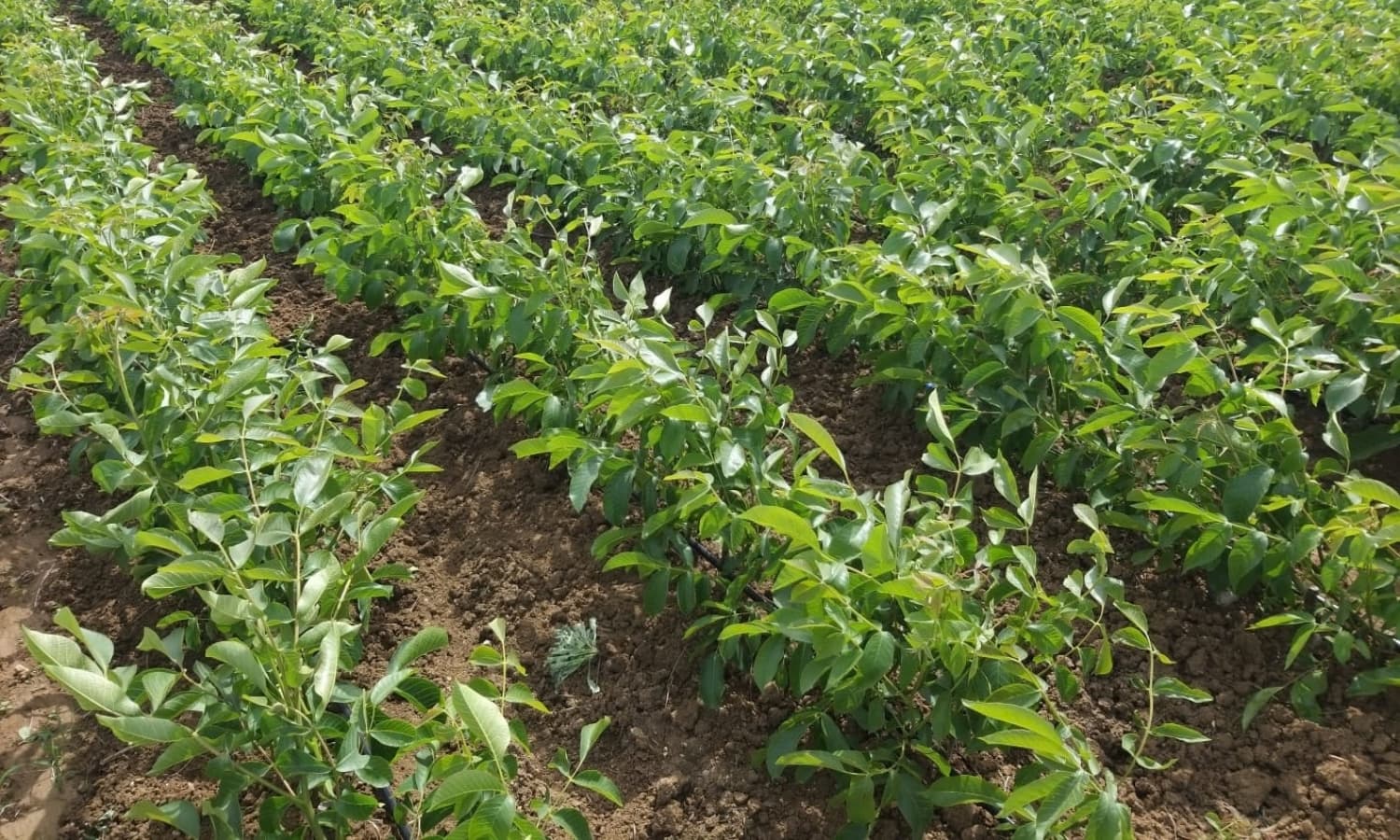

Practical Tips for Walnut Orchard Establishment
Favor deep, well-drained soil with a pH of 6.5 to 7.5, on sites where any water table lies below 1.5 m, as the CNCFS walnut manual advises.
On thin, irrigated soils with clay in the subsoil, build ridges along the rows about 0.5 m high and up to 2 m wide, one to two years ahead (CNCFS).
In colder, continental or mountain areas, choose later-leafing cultivars (CNCFS): the manual sees frost, above all in spring, as walnut's main climatic limit.
Plant two-year-old trees with one year of graft from mid-February to mid-March, keeping the graft union above the soil, as the CNCFS manual advises.
Plan two or even three pollinizer cultivars and place them with the prevailing wind in mind, since walnut trees usually shed pollen before their female flowers open.
Leave at least 0.5 m of clear trunk for the shaker head and start the first branches 75 to 100 cm above the ground (CNCFS, 2017).
Recommended Establishment Stages




Walnut Orchard Care & Maintenance in Portugal
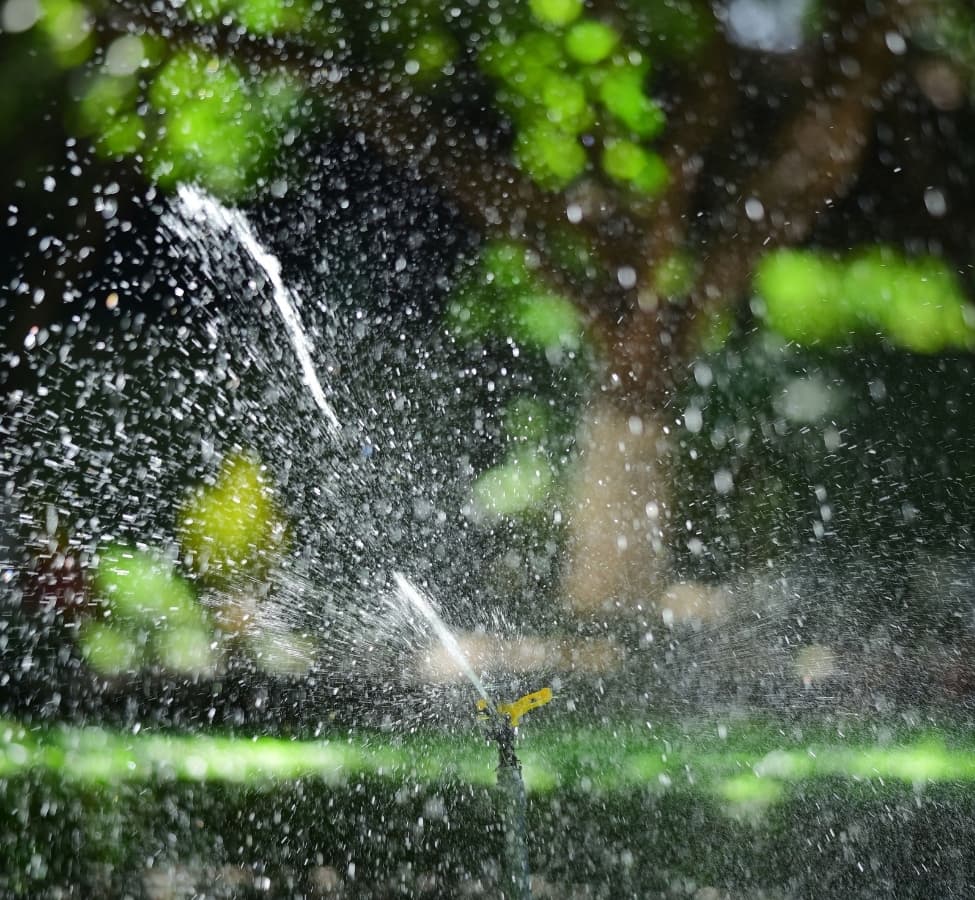
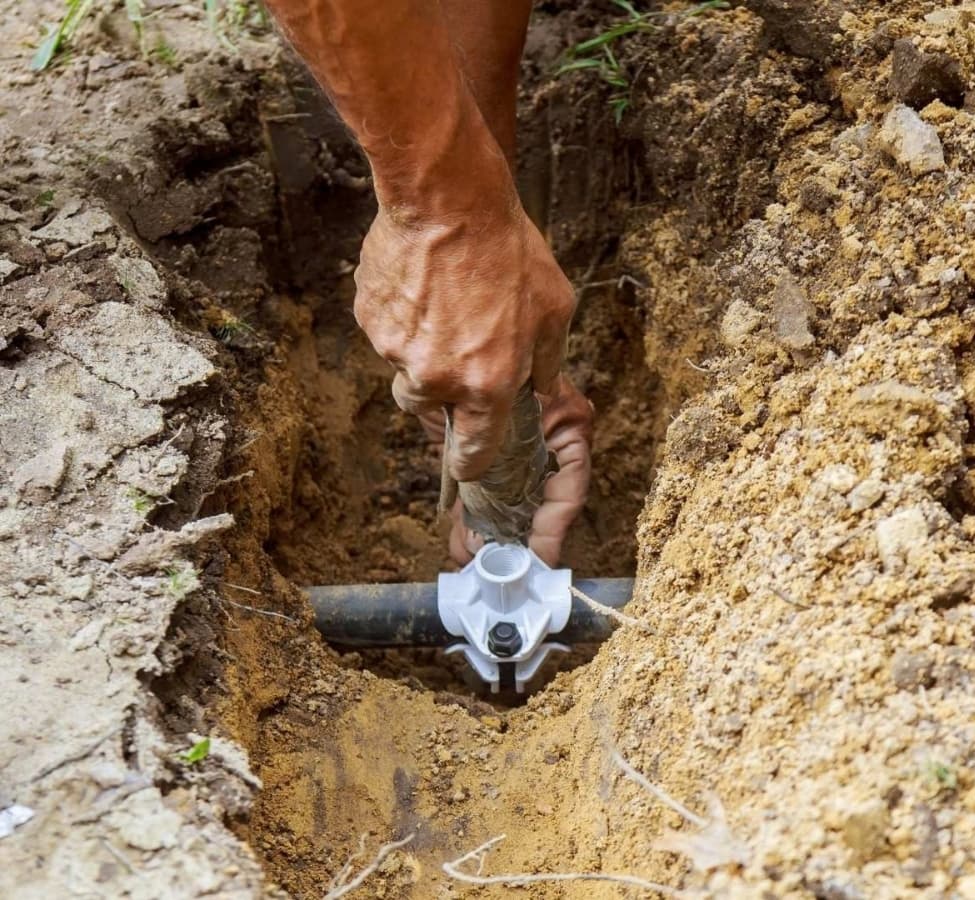
Irrigation is central to walnut care in Portugal. The CNCFS manual advises against growing walnut in dry areas without irrigation, gives indicative needs of about 5,000 to 10,000 m³/ha a season and 40 to 50 m³/ha a day while nuts form and grow, from May to July, rules out sprinklers because they favor blight, and calls drip the usual system in modern plantings. In the Alqueva irrigation area, EDIA, the scheme's operator, lists an authorized allocation of 7,000 m³/ha for walnut.
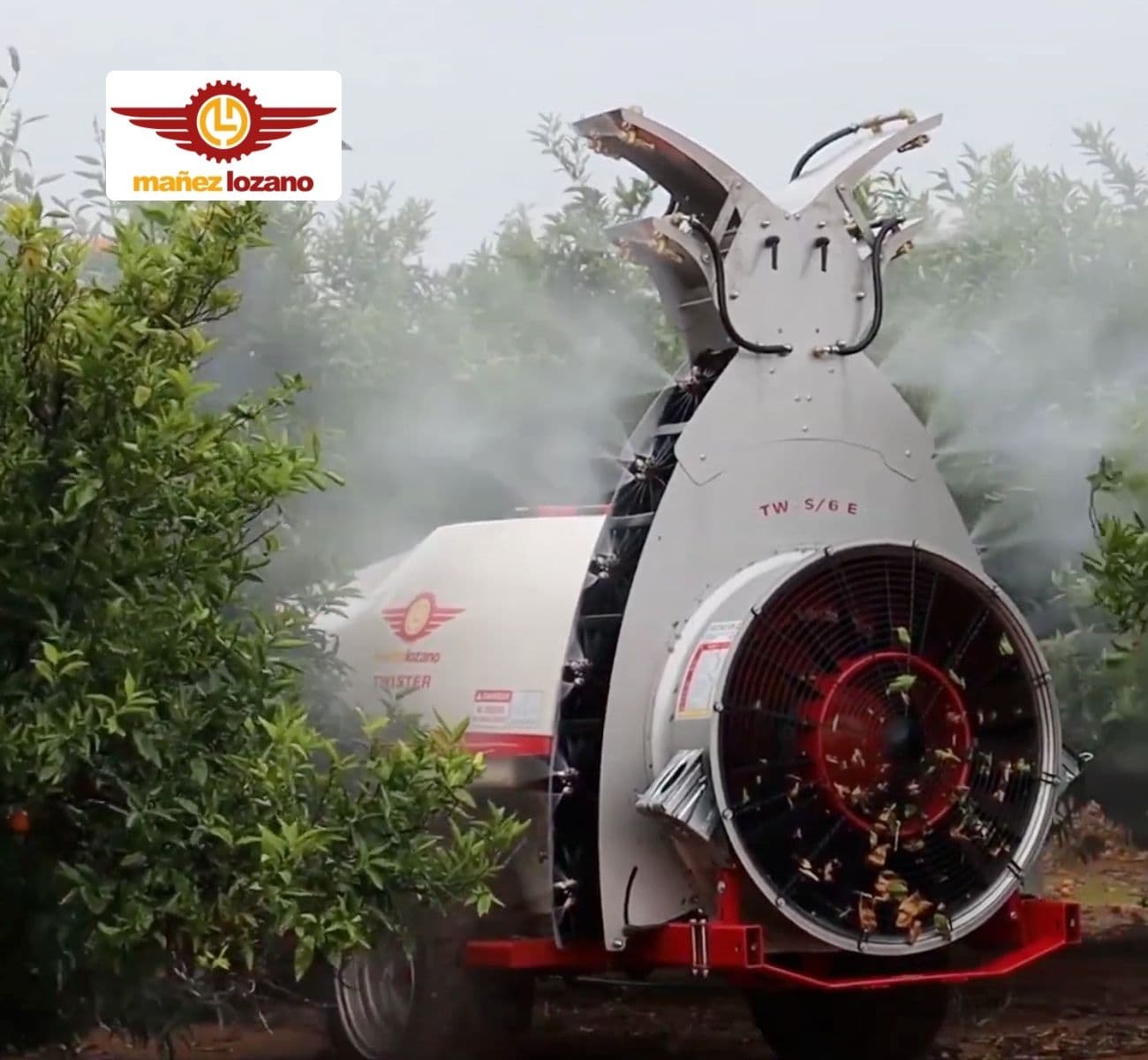
The CNCFS manual names blight and codling moth as walnut's most serious problems. An INIAV and University of Porto study begun in 2014 found blight in 14 regions and notes that losses can exceed 40%, and the Entre Douro e Minho warning service flagged walnut as highly sensitive at flowering in April and May 2023. The service reports that walnut husk fly was first identified in that region in summer 2014, although EPPO lists no record for Portugal.
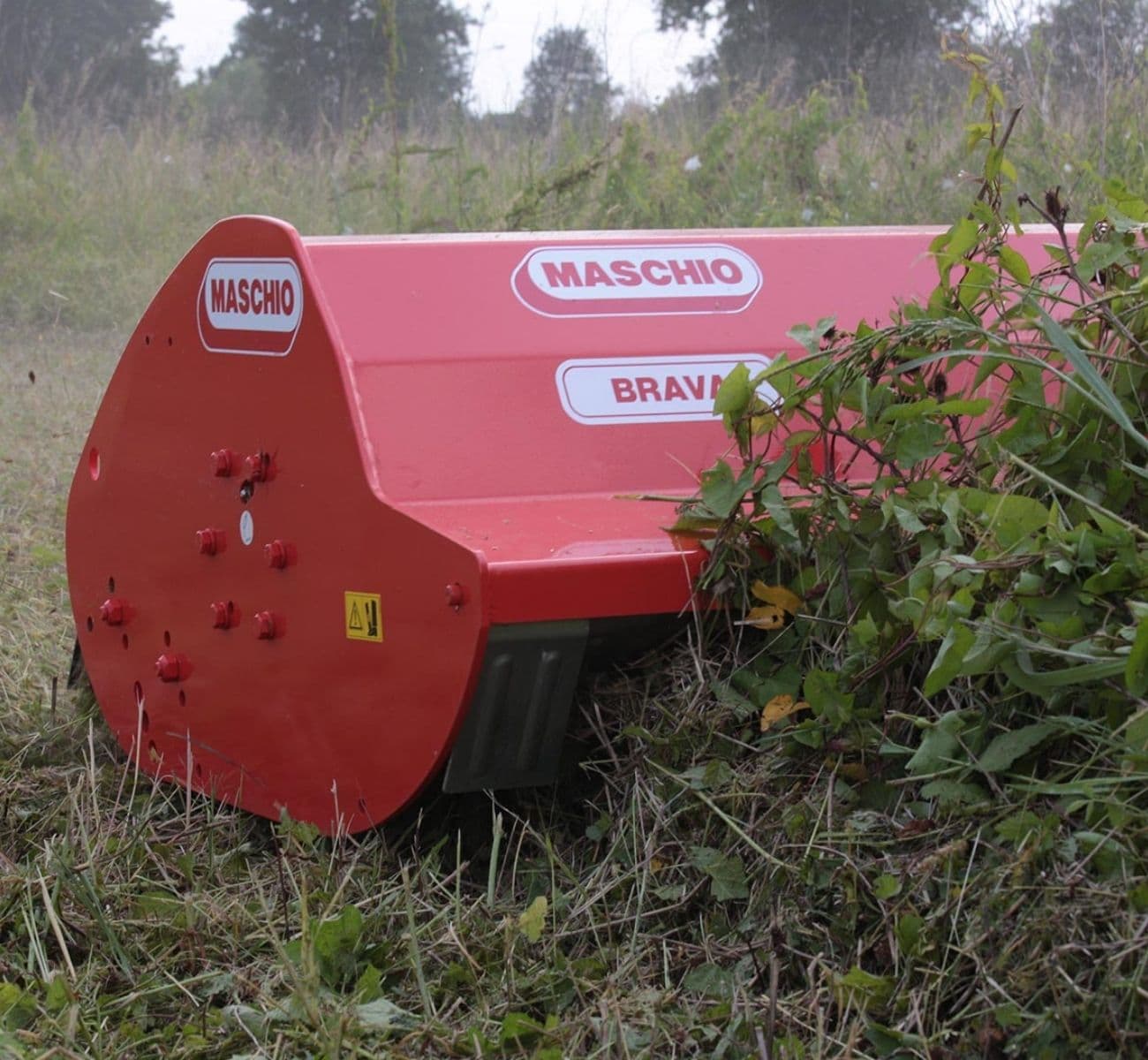
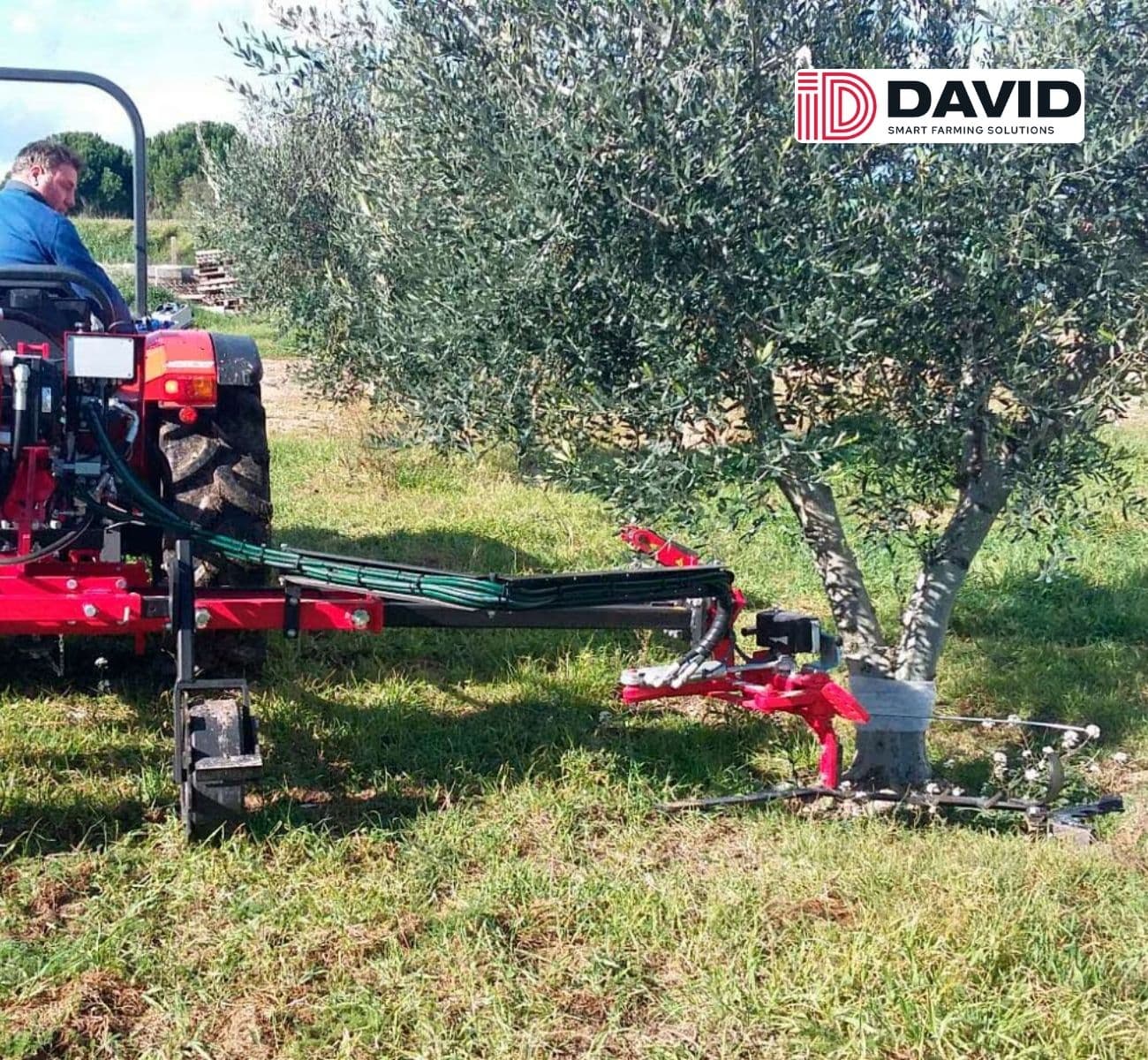
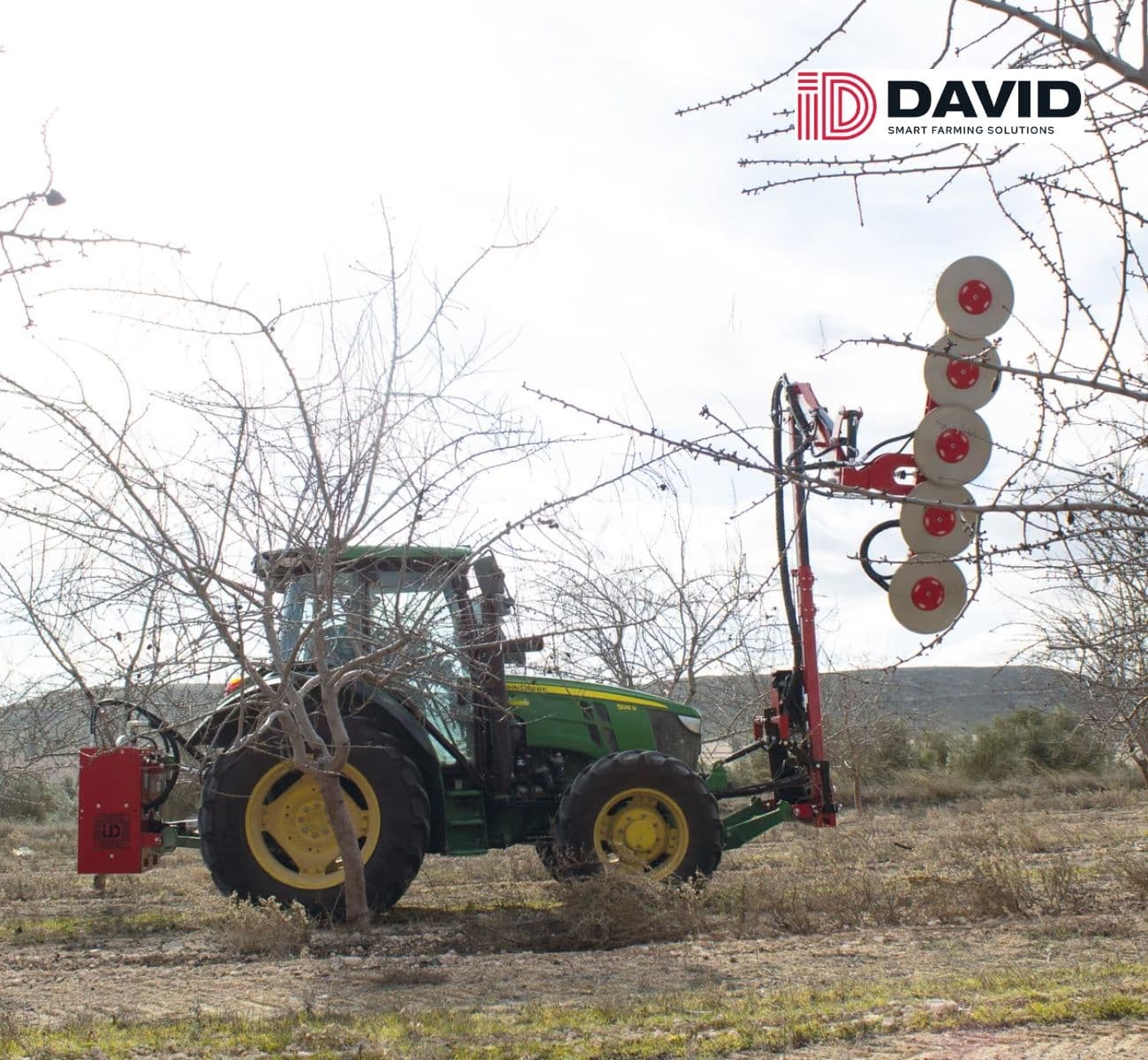
For nutrition, the manual calls leaf analysis essential to gauge the trees' real needs, wants maintenance fertilization to be complete, with macro- and micronutrients, and counts use of the existing irrigation system among fertigation's advantages. It treats pruning as a way to manage light in the canopy, advises an open canopy and no irrigation at flowering against blight, and recommends no-tillage with a cover in the alleys, warning against deep plowing.
Recommended Orchard Care & Maintenance Stages

Practical Tips for Walnut Orchard Care & Maintenance
Schedule drip irrigation from evapotranspiration data and soil sensors, and give the most water from May to July, when nuts form and grow (CNCFS).
Never water walnut trees by sprinkler and do not irrigate at flowering: the CNCFS manual links both to walnut blight.
Hang yellow traps for walnut husk fly in early June, at least 2 to 3 m high, and check them at least twice a week, as the regional warning service advises.
Hang pheromone traps for codling moth before flights begin, to time any control: in a cold Vinhais orchard in 2019, catches ran from 5 June to 7 October.
Compare leaf analysis results only with reference values sampled at the same time and by the same method, as the CNCFS manual advises.
Prune to let light into the canopy and remove unwanted shoots by green pruning, since the CNCFS manual notes that pruning weakens walnut trees.

Walnut Harvesting in Portugal
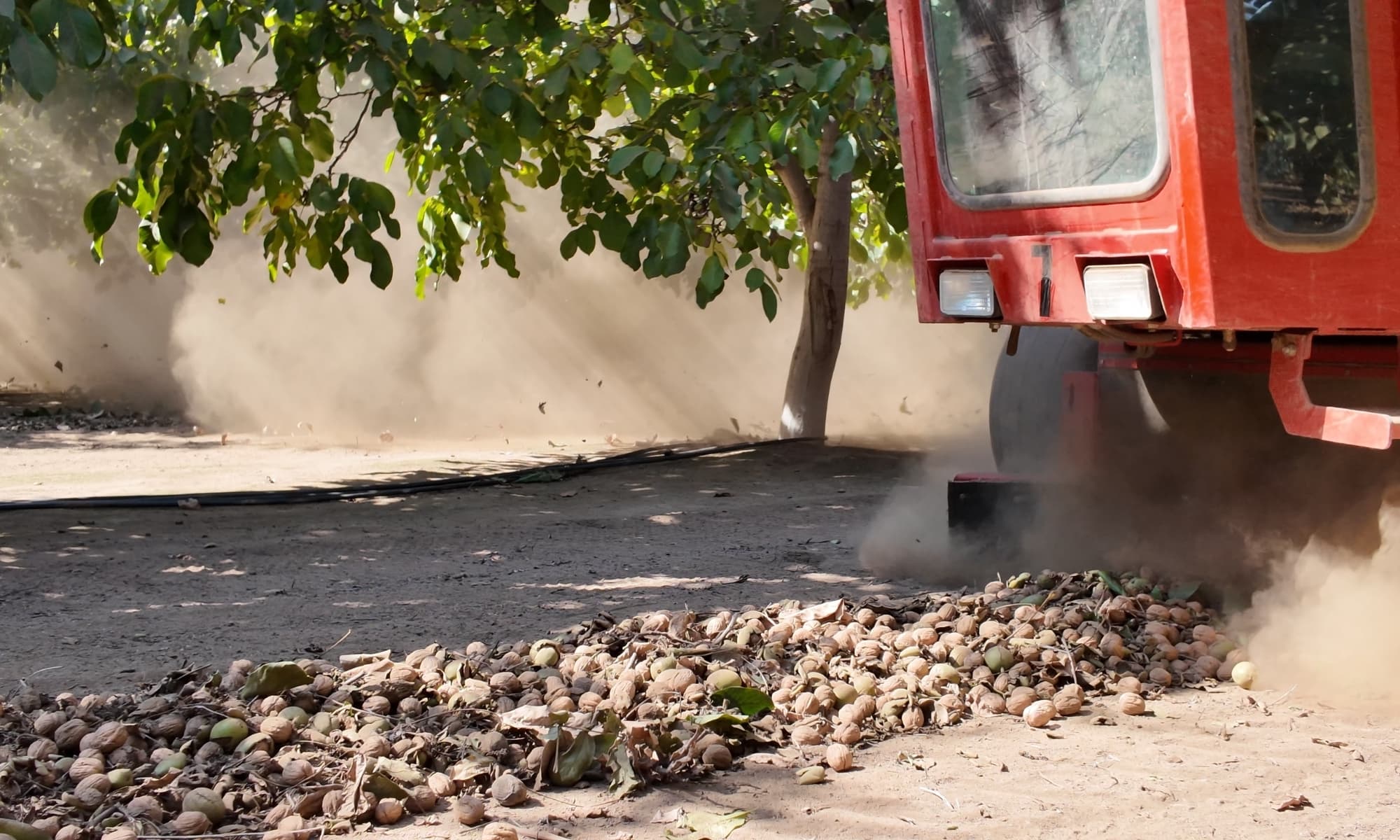
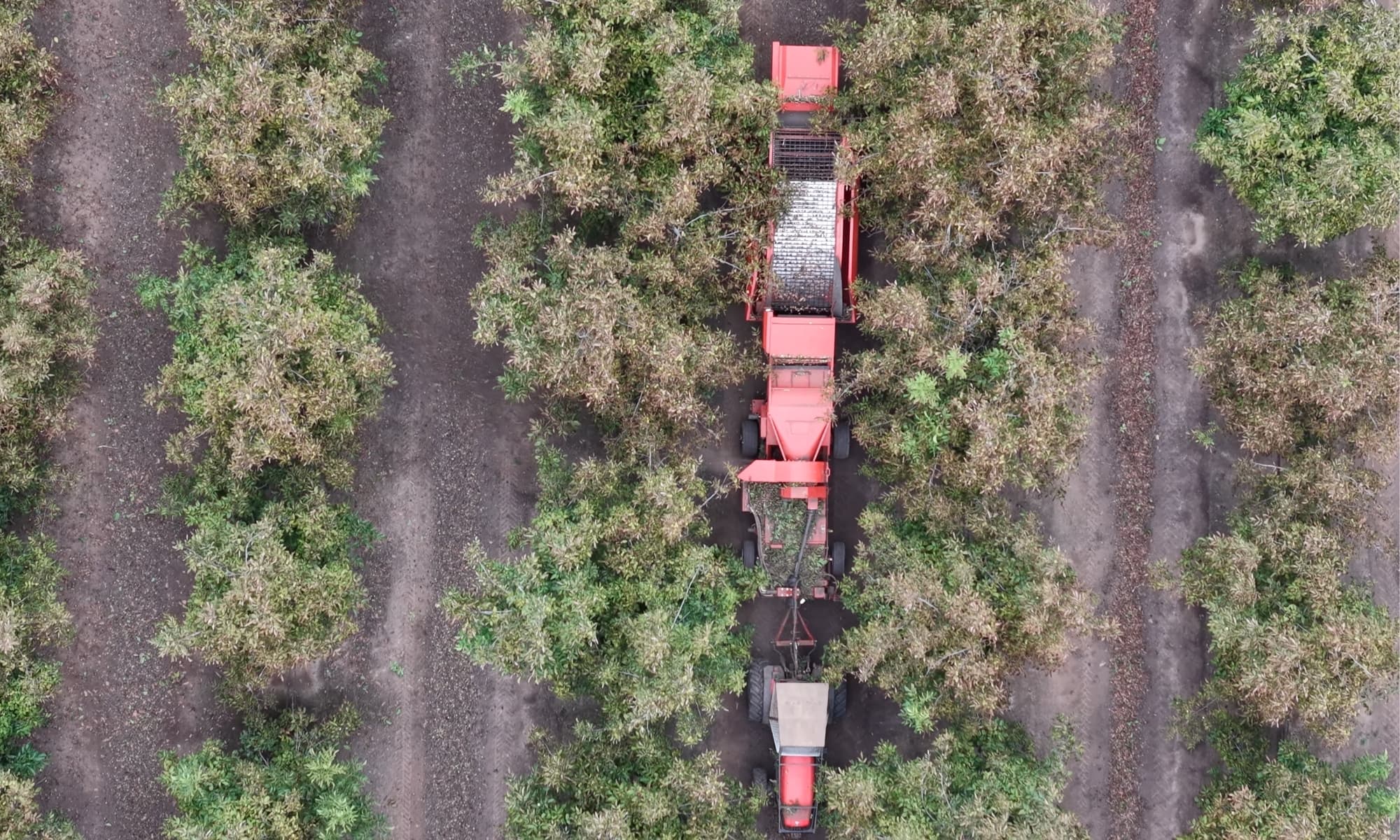
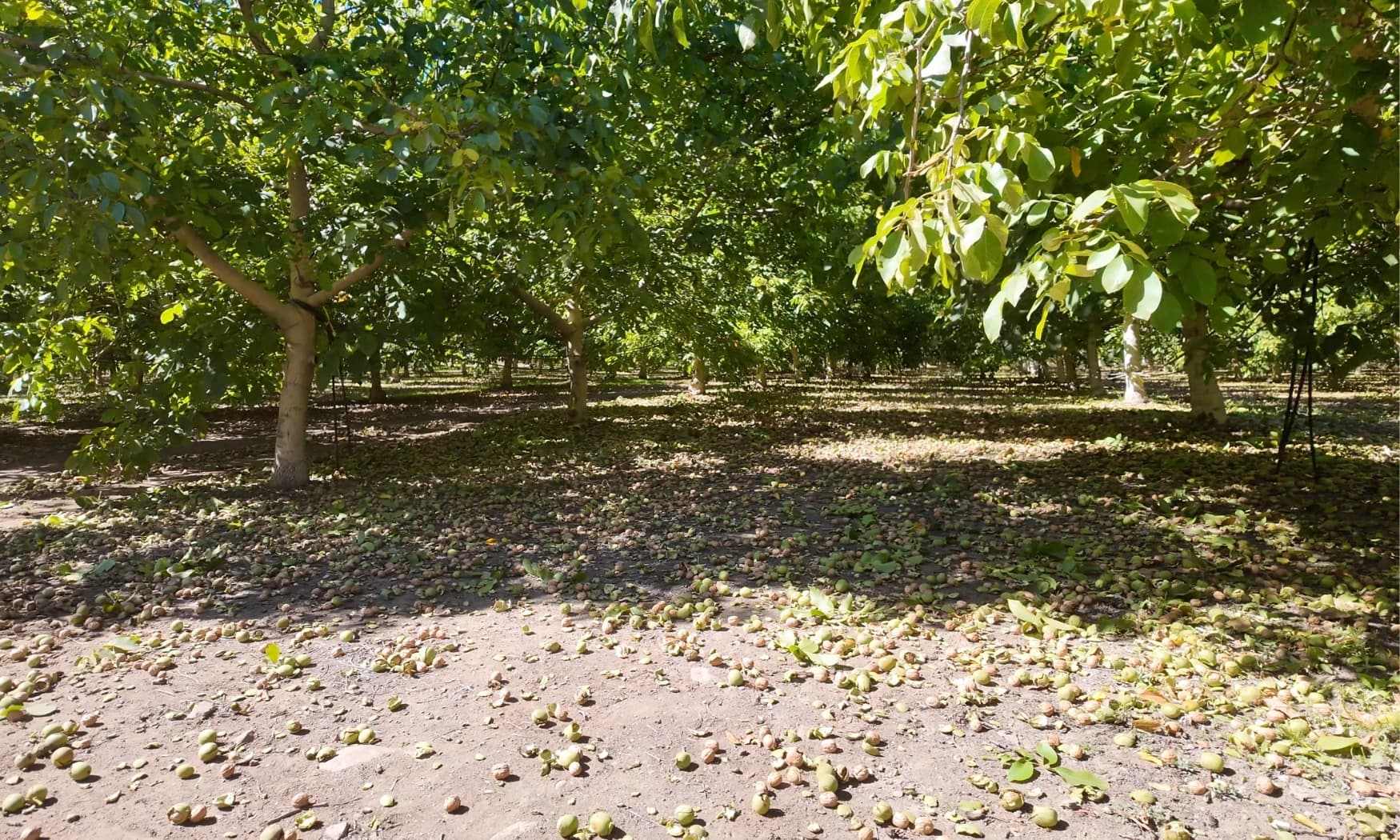
Portuguese guidance describes two ways to harvest. By hand, nuts fall on their own or are knocked down with poles and picked up from the ground, at about 80 to 120 kg per person a day; a trunk shaker drops about 90 to 95% of the nuts, at 1 to 2 trees a minute with one operator (CNCFS, 2017). Hand pickup can reach 40 to 45% of total production costs (Florestas.pt, 2022), and in 2023 Ribatejo growers used both manual and automated means.
The manual places harvest from late September to late October, and one Alentejo group harvests in October and November. Nuts should not lie on the ground for more than 3 days and must be hulled and dried at once. In 2023, the crop came about a week early in the Ribatejo and Alentejo, and heavy October rain hampered pickup and drying and hit the late Chandler. Mechanized harvesting shakes, sweeps and picks up the crop on time, so nuts spend less time on the ground.
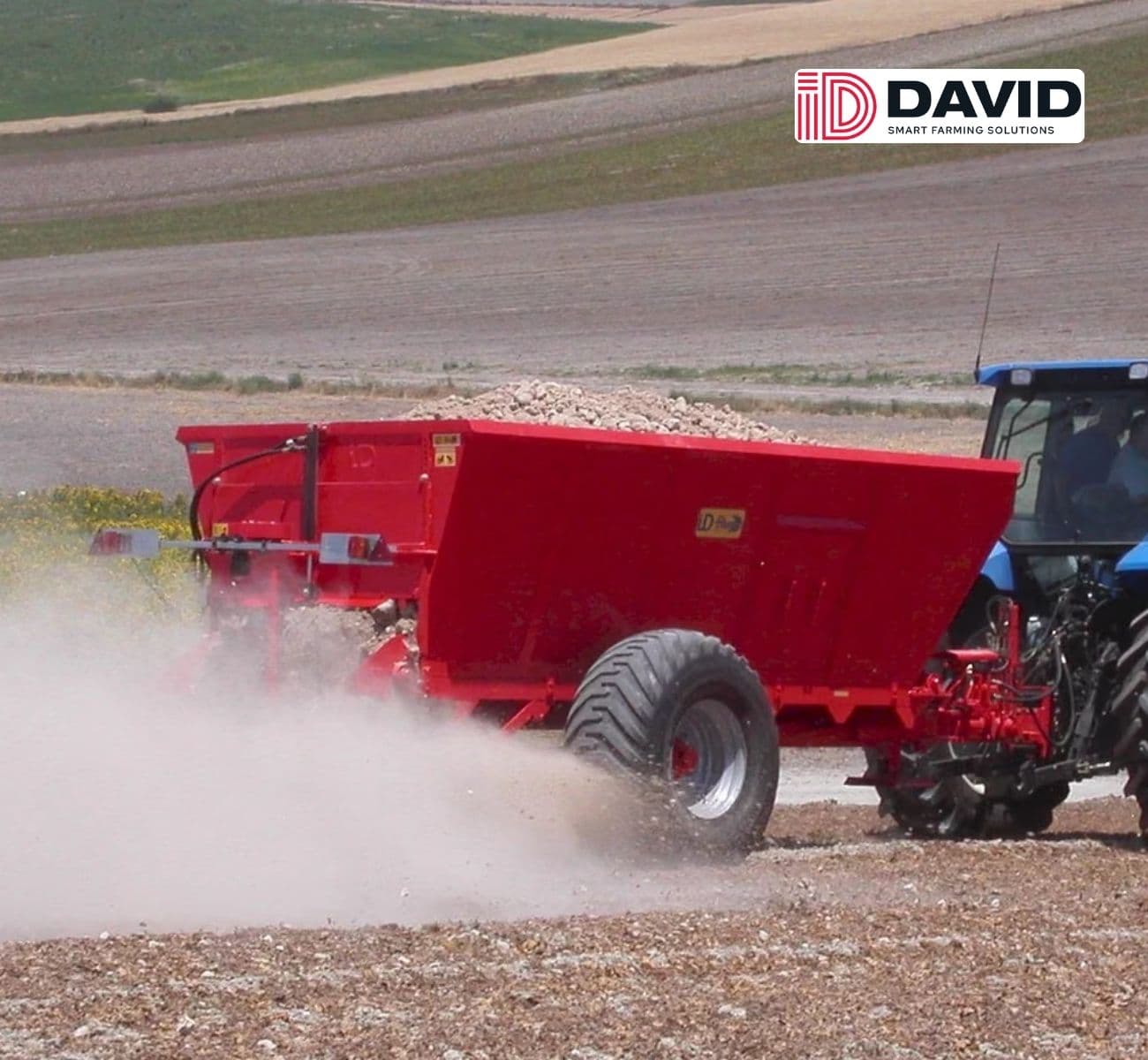
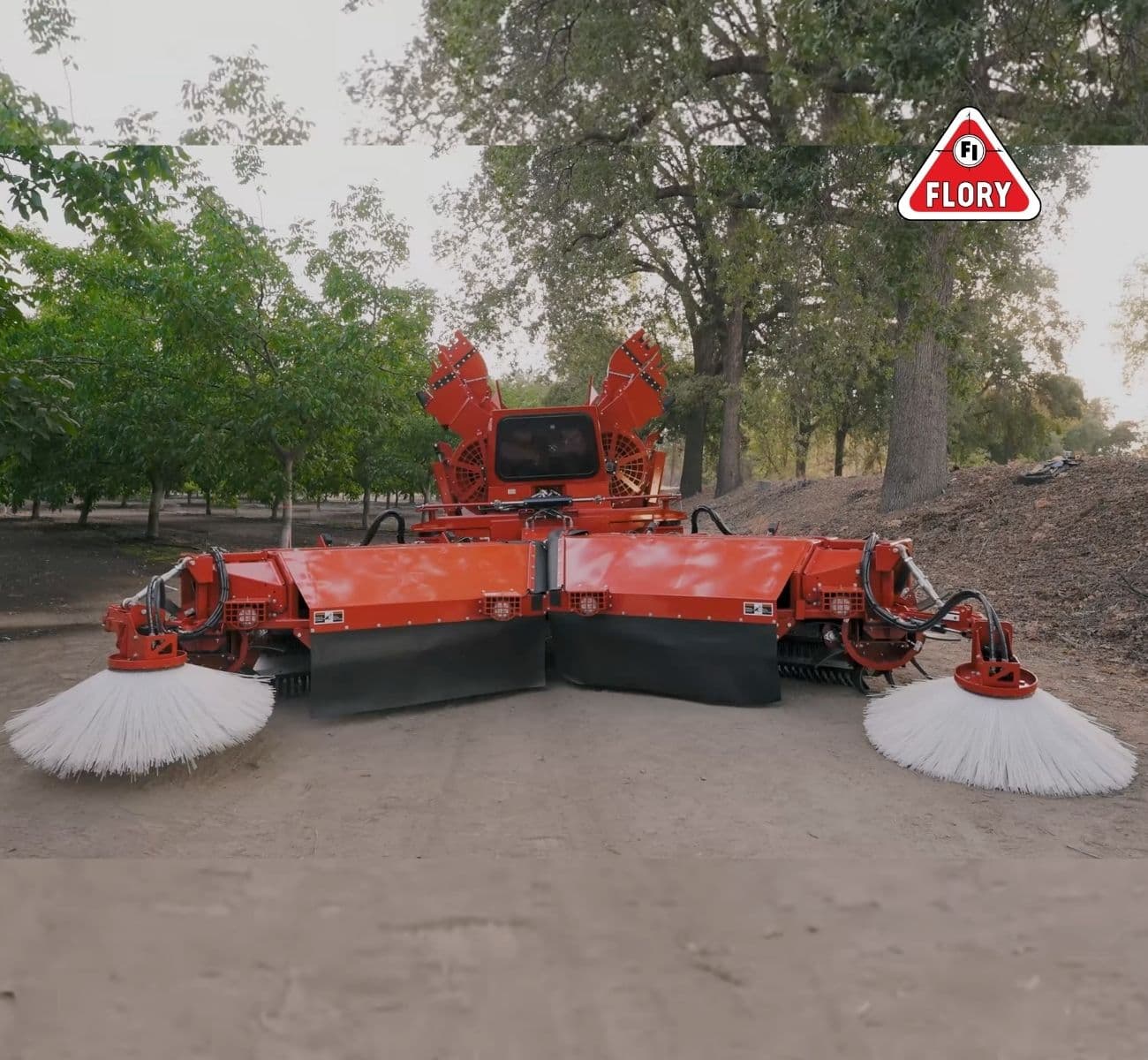
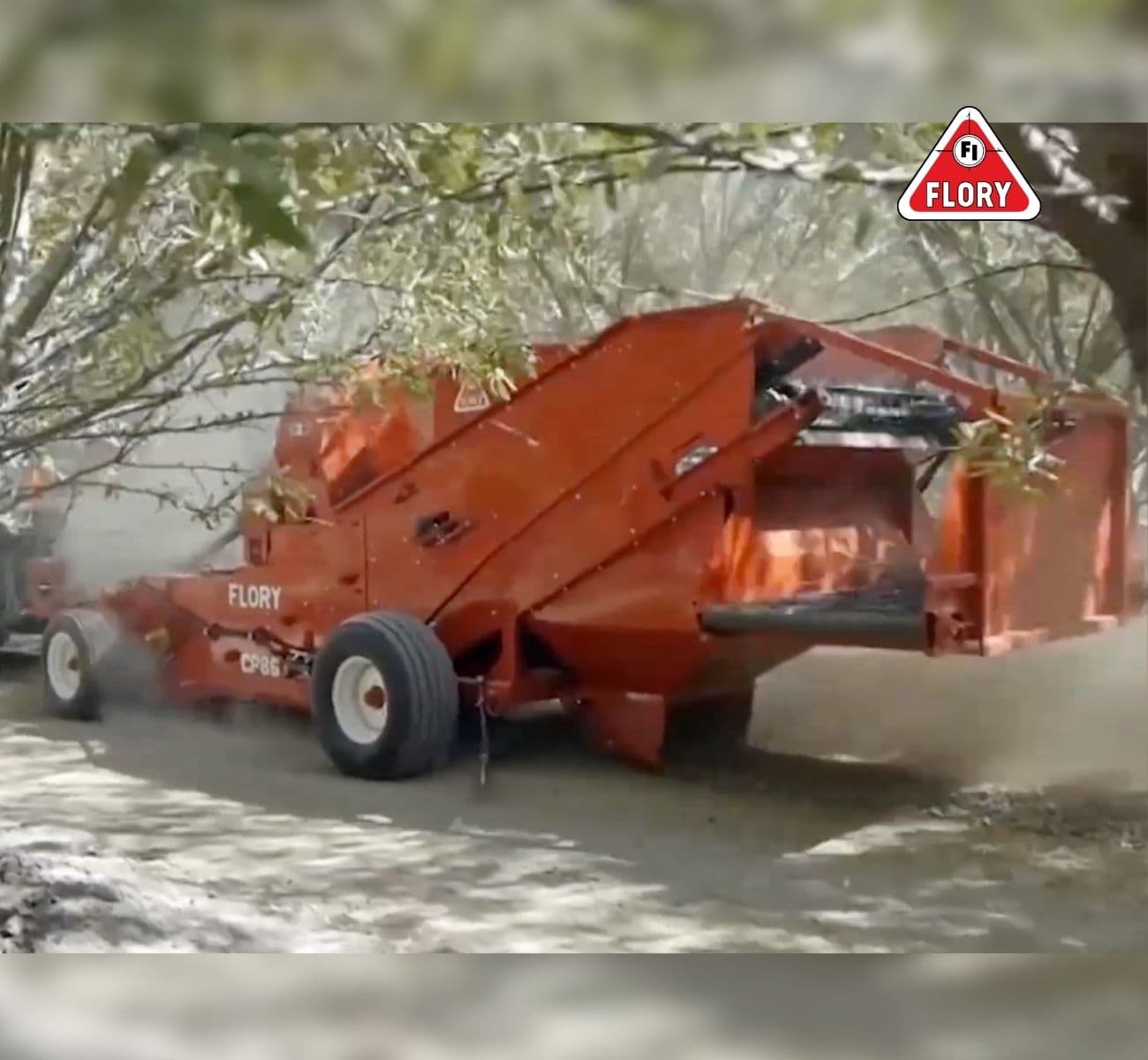
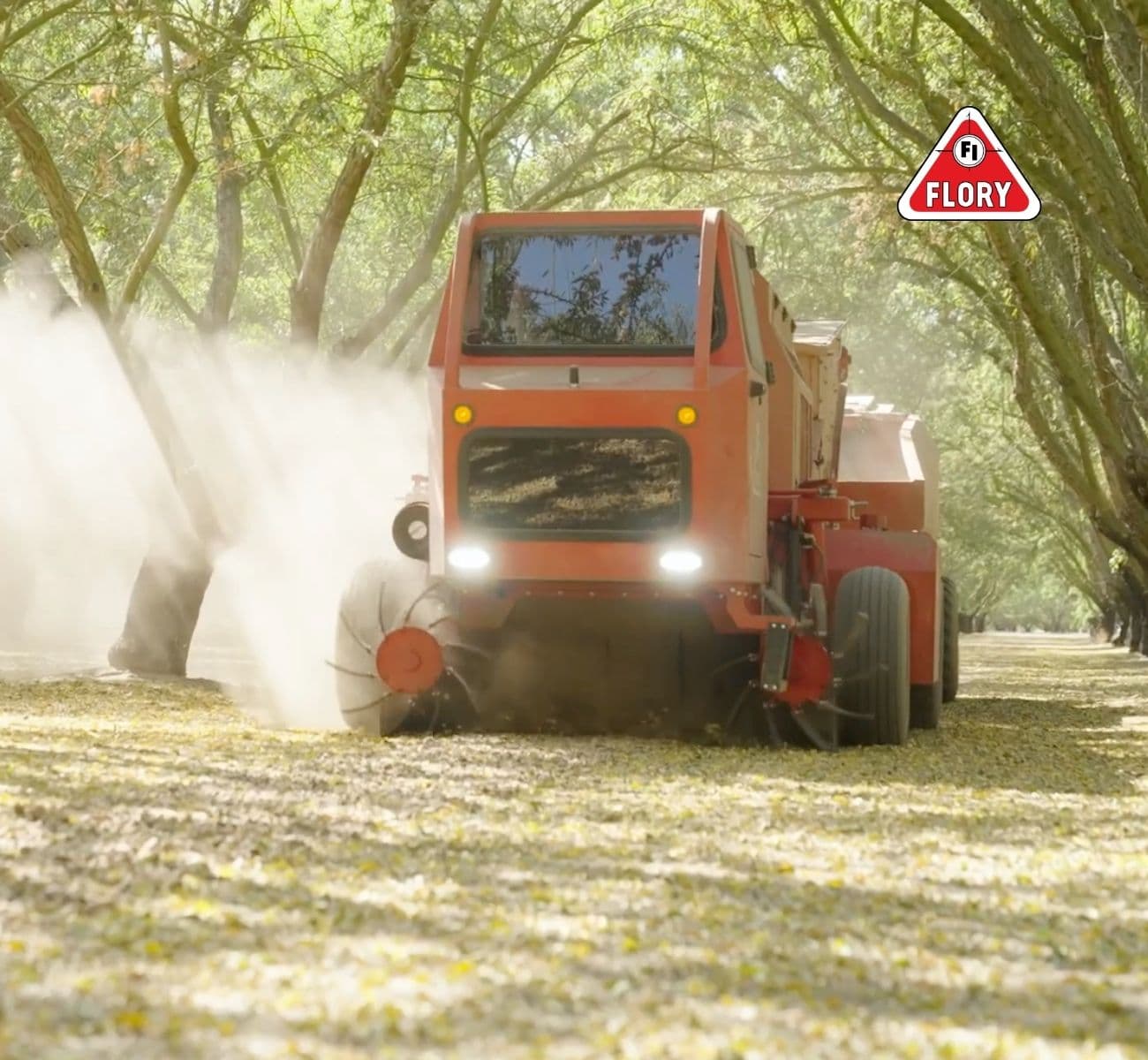
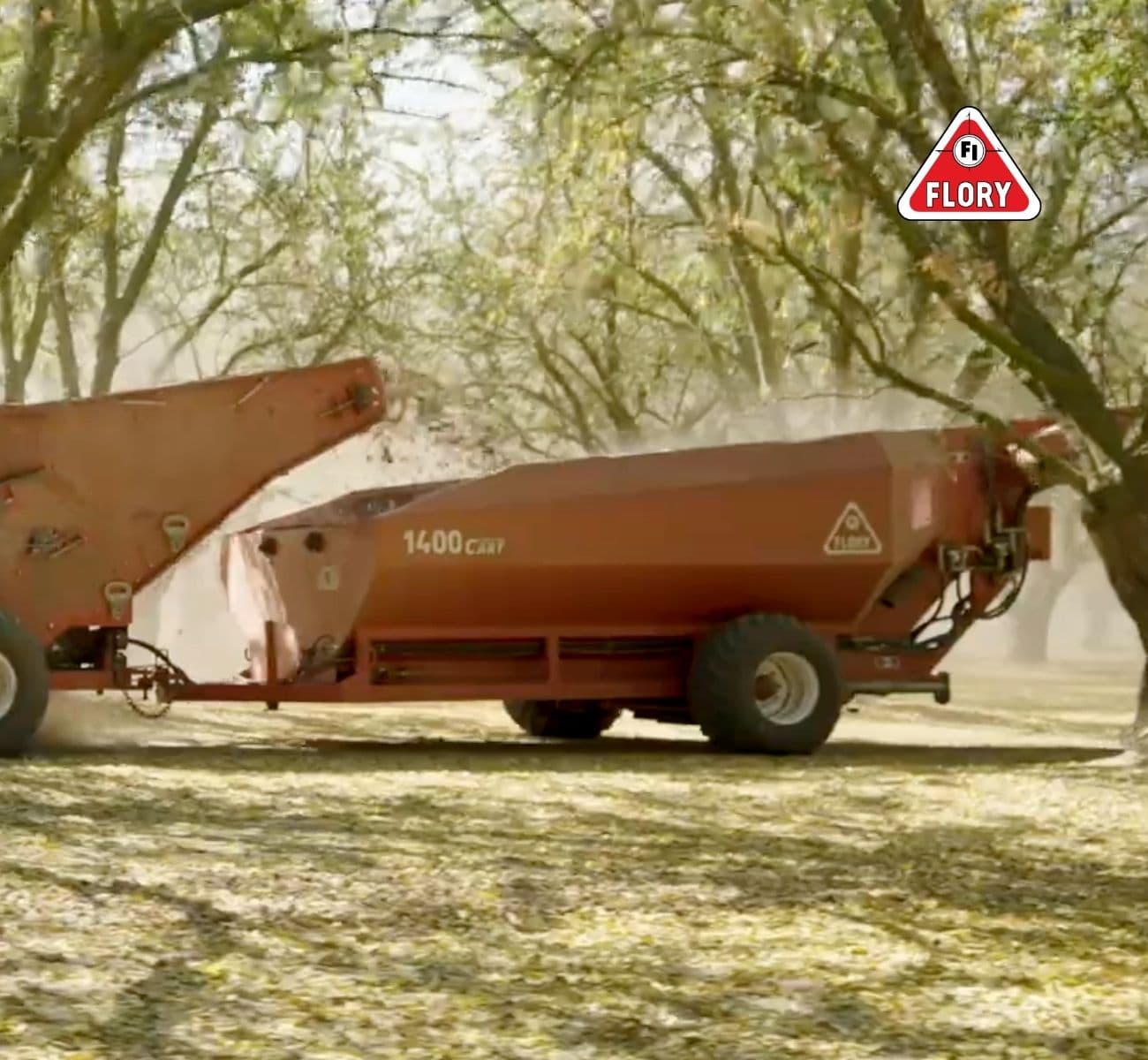
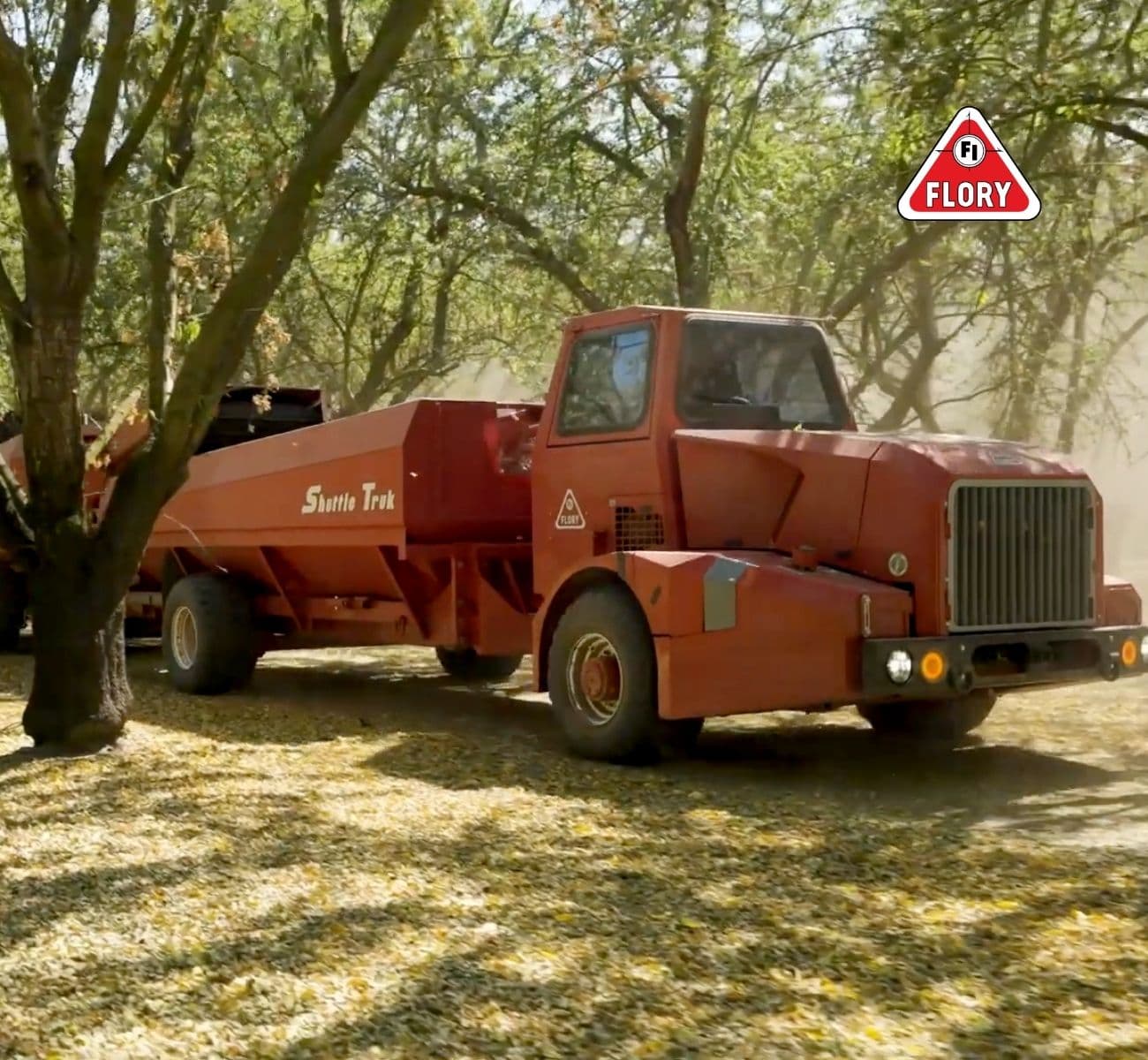
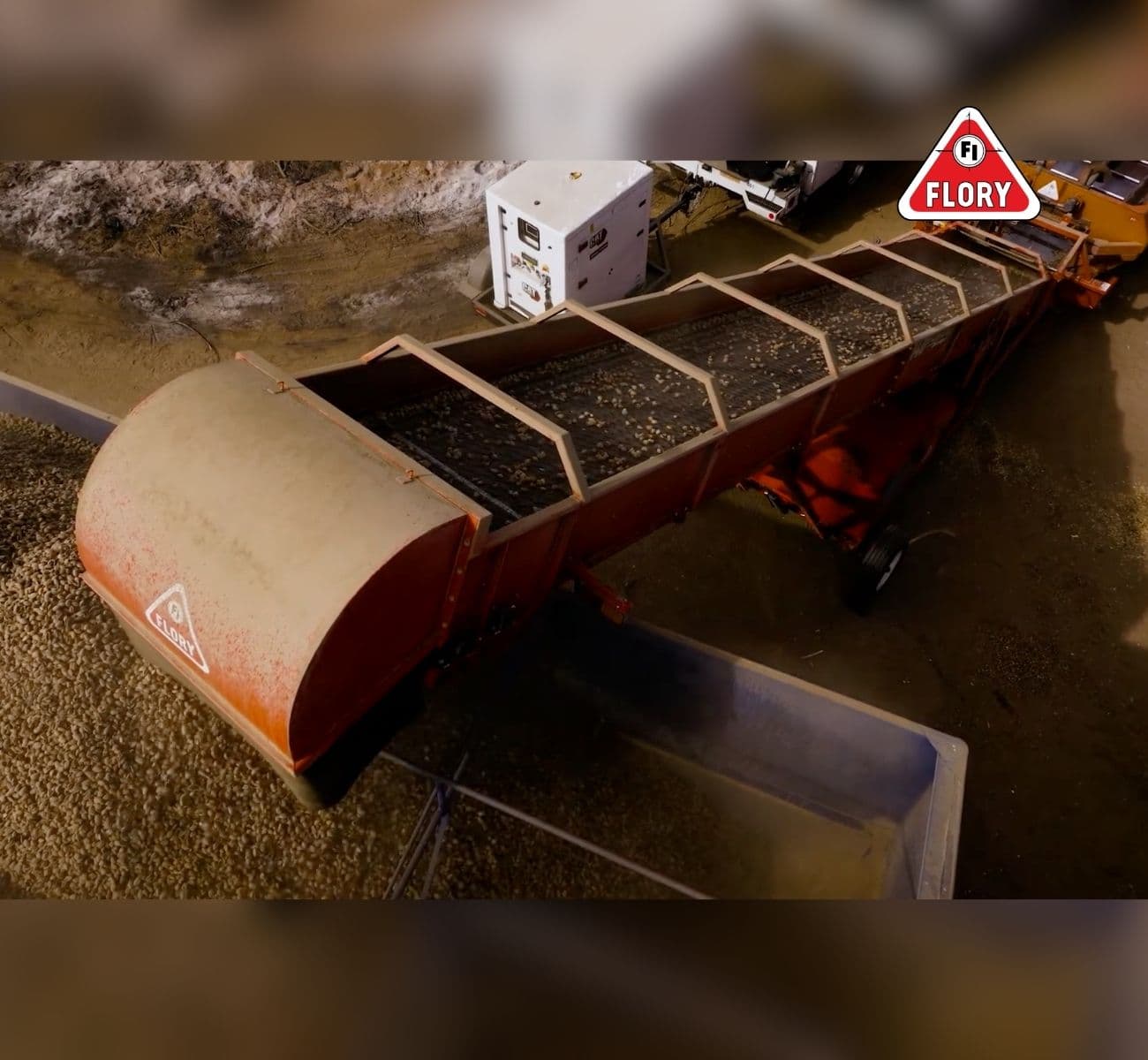
Machines suit planted orchards with clear trunks and room between rows, not scattered old trees or small, wet or steep plots. Flory harvesting machinery is available in Portugal through OVE Europe: a line runs from the VR700 Shaker, V62 Sweeper and 8772 Harvester to the 1500 Conveyor Cart, ST14 Shuttle and 4840 Field Elevator, with the CP87 Conditioner as an option where windrows carry leaves and sticks.
Walnut Harvest Workflow (Recommended Equipment)

Practical Tips for Walnut Harvesting
Pick up shaken or fallen nuts within 3 days at most, as the CNCFS manual advises, and hull and dry them without delay.
Check each block and cultivar, and start shaking once a high share of hulls have split, the point at which University of California guidance says harvest begins.
Plan for autumn rain in late cultivars: in 2023, heavy October rain hampered pickup and drying and hit the late Chandler crop.
Before harvest, mow and level the orchard floor and clear branches and stones, so the sweeper and harvester pick up cleanly.
Match sweeping and pickup capacity to the shaker's pace, so shaken nuts do not wait on the ground.
Harvest scattered old trees by hand, with poles and tarps or nets, and keep shakers for planted orchards with at least 0.5 m of clear trunk.
Get your recommended harvest setup
Enter orchard size, spacing, terrain, and target throughput—we’ll suggest a practical harvest workflow and equipment lineup.

Walnut Post-Harvest Handling & Processing in Portugal
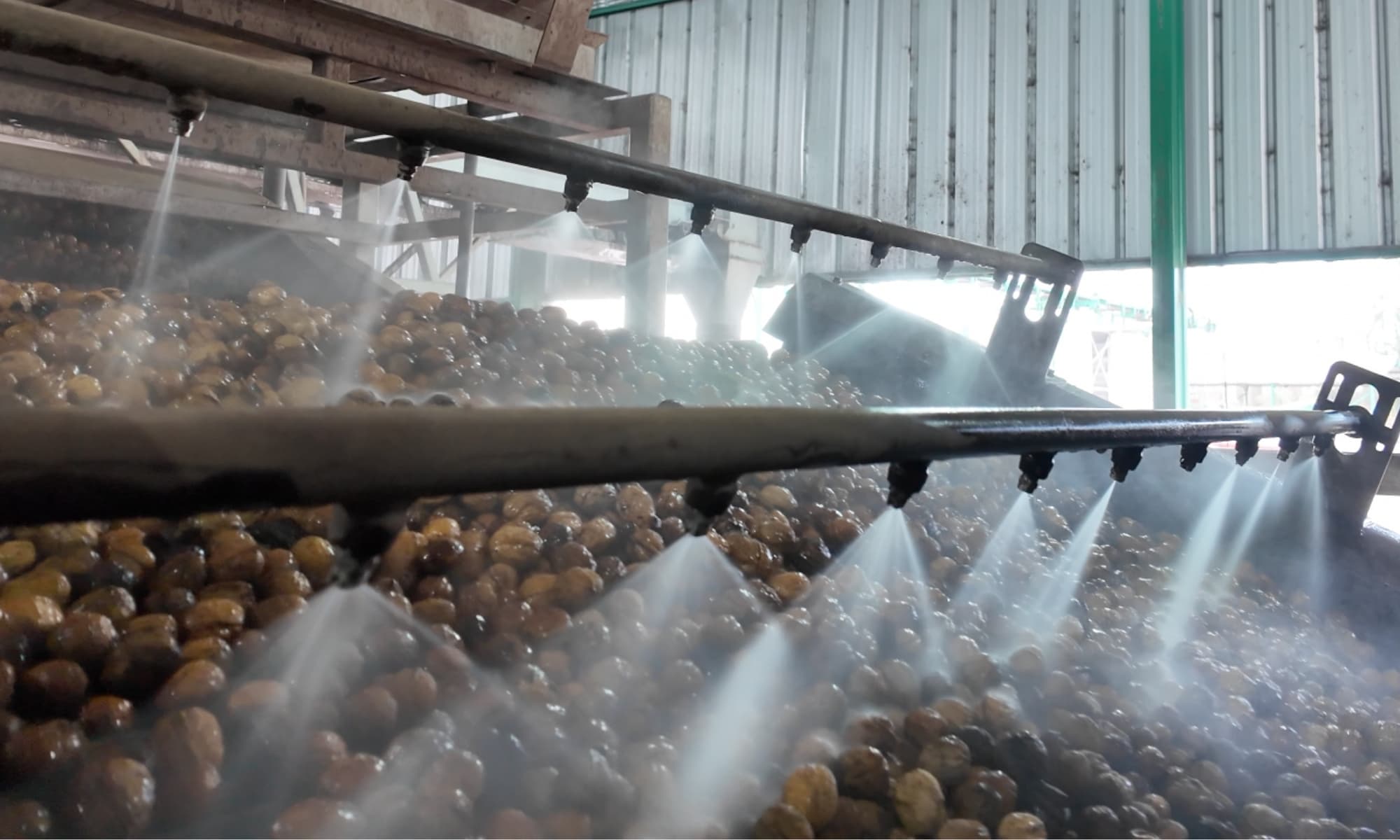
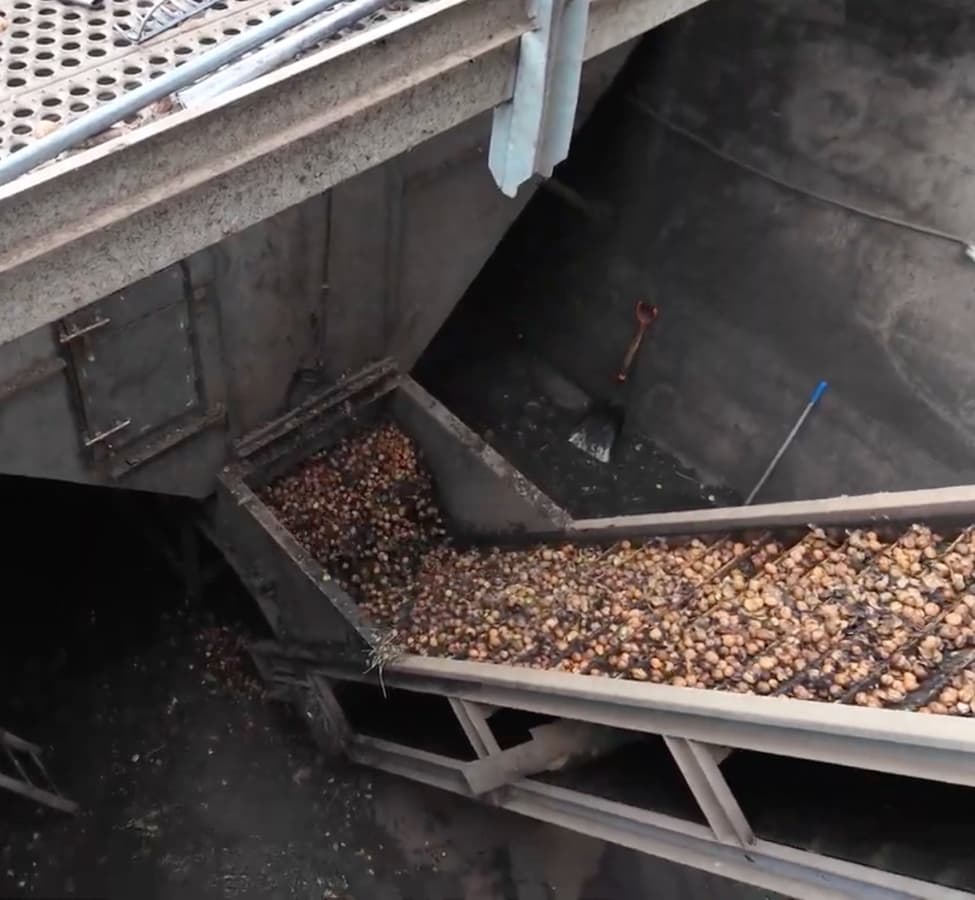
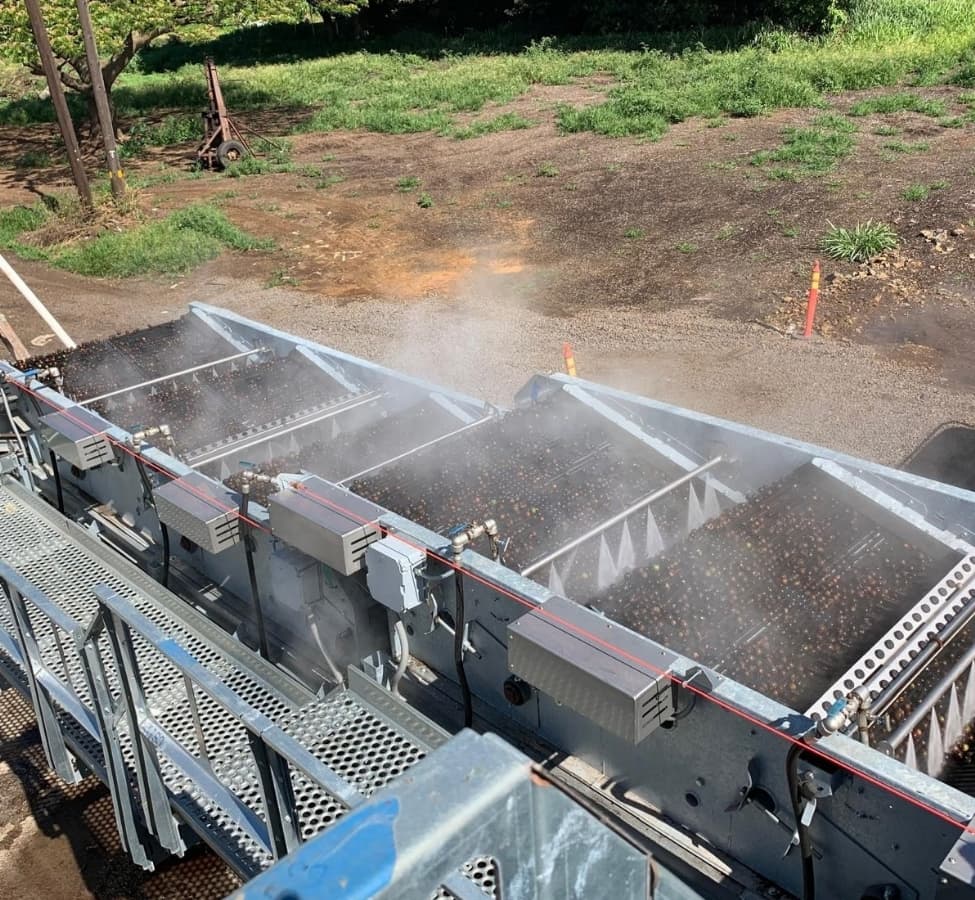
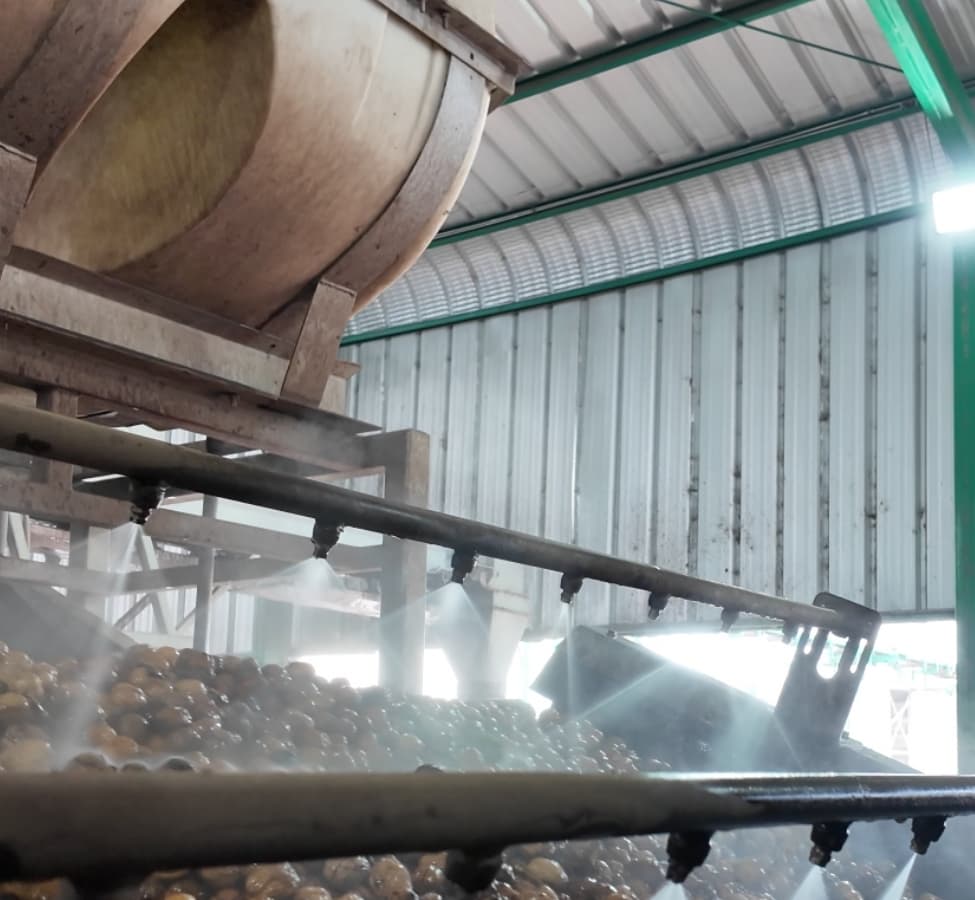
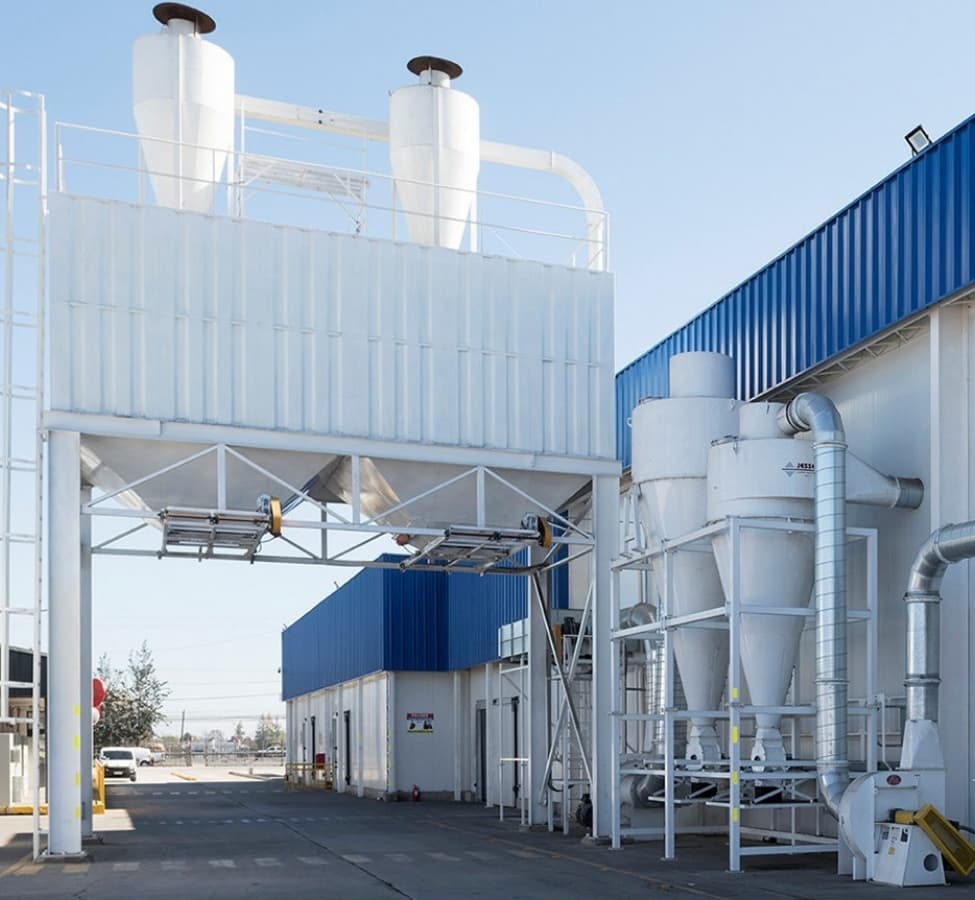
Processing capacity is recent. A 2020 journal article noted that Portugal then had no professional plants able to crack walnuts in quantity and quality, and in 2019 one Alentejo group trucked its nuts to a plant in Spain. Nogam's plant near Évora, working since the 2020 campaign and inaugurated in 2021, cleans, dries, sizes, shells and packs kernels and takes other growers' nuts; a 12 ha Almeirim orchard planted in 2021 sent part of its first crop there for washing and drying.
A 2021 thesis on one Alentejo group describes the practice: all nuts are washed after hulling to keep shells from darkening, drying in Portugal takes 24 to 36 hours on average, dried nuts should hold no more than 12% moisture whole or 8% as kernels, and storage should not exceed 6 months. University of California guidance adds that drying air should not exceed 43 °C. Walnuts are traditionally sold in shell, in sacks graded by size from 28/30 mm to 34 mm and above (2017).
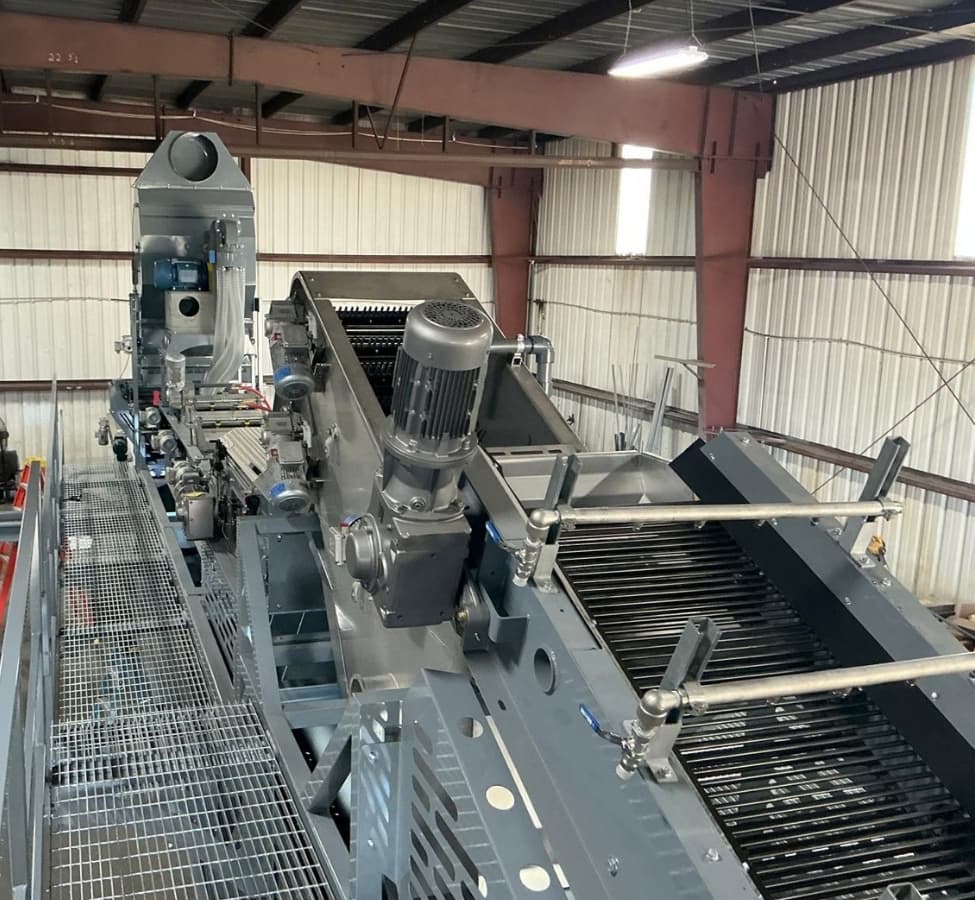
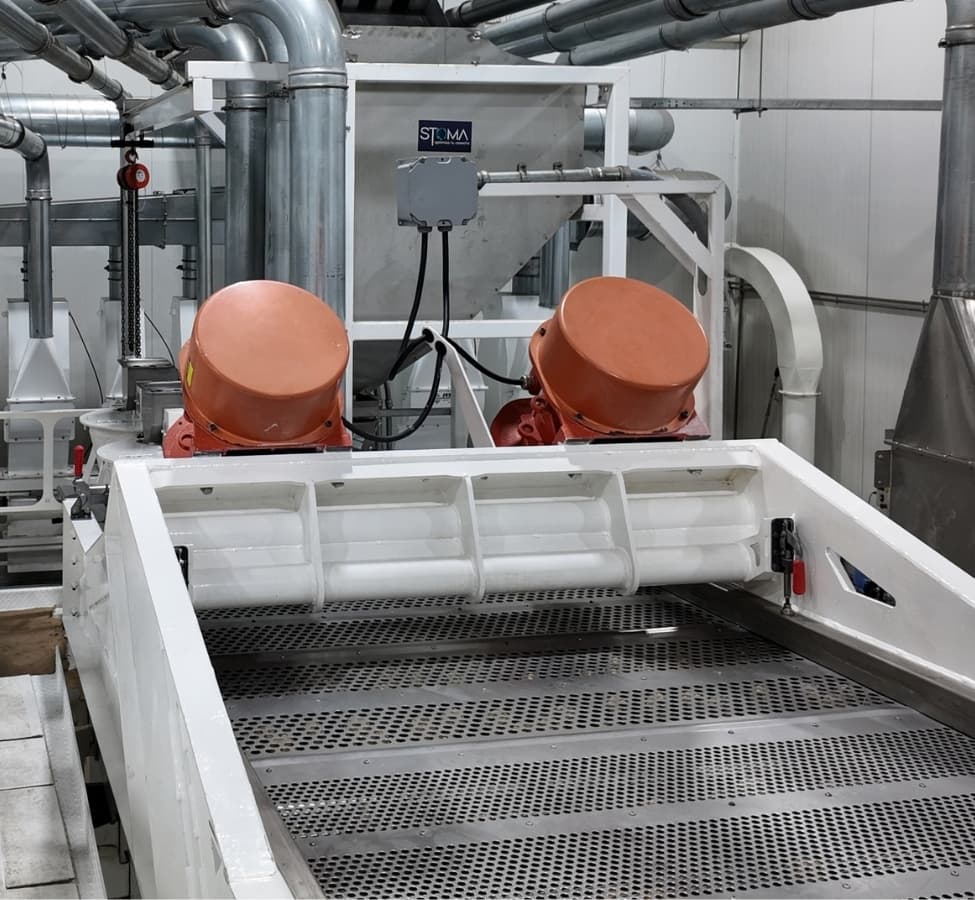
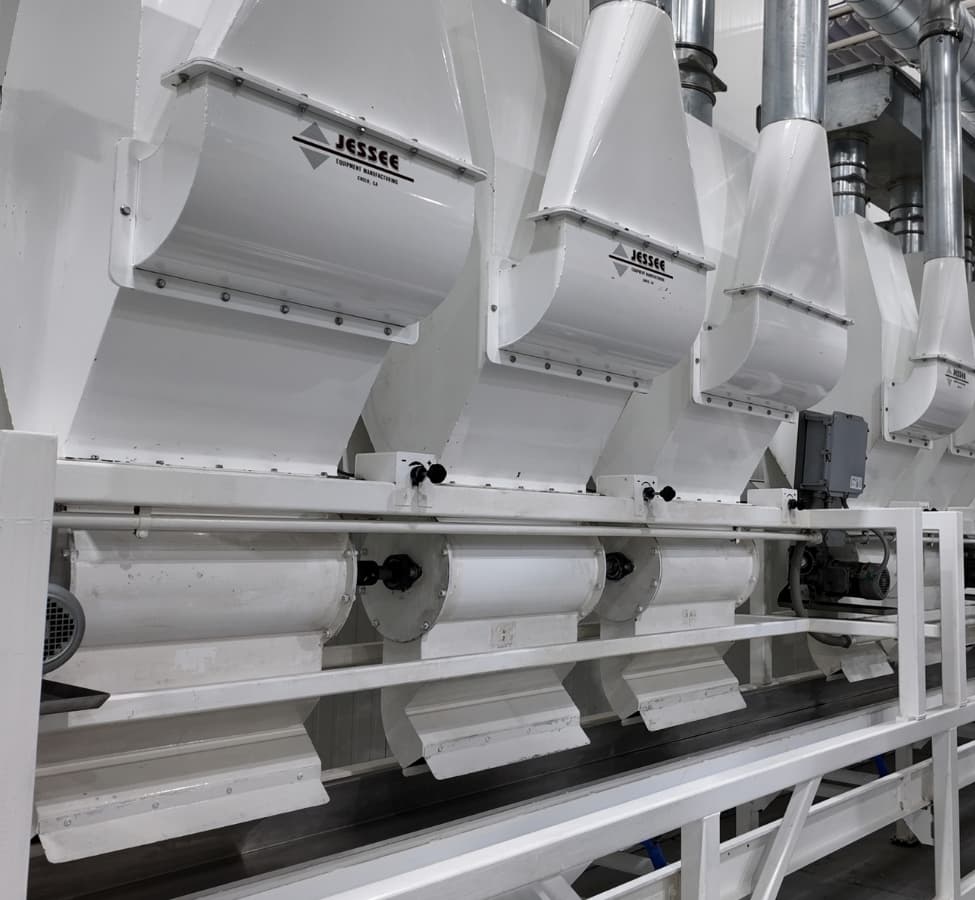
The 2020 journal article also described walnut sales as mainly domestic, from October to February, and still shaped by intermediaries. EU Regulation 2023/915 caps tree nuts for the final consumer at 2.0 µg/kg of aflatoxin B1 and 4.0 µg/kg in total. Jessee, whose processing lines OVE Europe supplies, builds walnut hulling lines and drying, in-shell cleaning and sizing, and shelling systems.
For general information only. Information may become outdated and does not replace site-specific professional advice. Consult a qualified agronomist and confirm equipment suitability with OVE before acting.
Practical Tips for Walnut Post-Harvest Handling & Processing
Hull and wash nuts on the day of pickup: a 2021 thesis on an Alentejo group notes that washing after hulling keeps shells from darkening.
Dry whole nuts to 12% moisture or less (8% for kernels), the limits a 2021 Portuguese thesis gives, with air no hotter than 43 °C (UC).
Book drying capacity before harvest: a 12 ha Almeirim orchard had to send part of its first crop to another plant for washing and drying.
Grade in-shell nuts by size before sale: on the Bragança market, Franquette is quoted by caliber, below or above 30 mm, and sold in sacks.
Test each lot for aflatoxins: EU Regulation 2023/915 allows tree nuts for the final consumer at most 2.0 µg/kg of B1 and 4.0 µg/kg in total.
Store dried nuts on pallets in a dry, insulated store with rodent control, and plan to sell them within about 6 months (2021 thesis).
Recommended Post-Harvest Handling & Processing Stages

Plan your post-harvest line
Estimate tons/day, cleaning & drying capacity, storage needs, and cost/kg—then build your equipment plan in phases.