


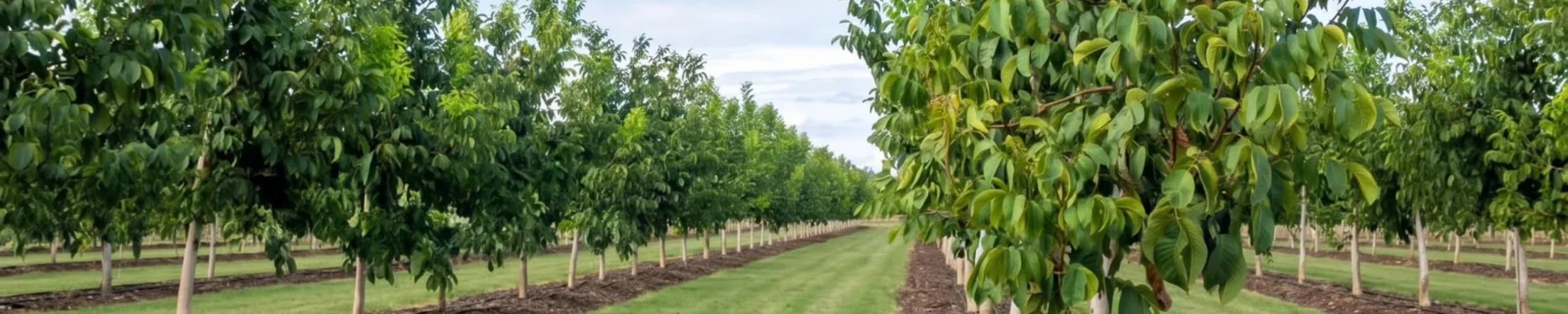




Walnut Orchard Establishment in Russia
A 2026 dissertation from the North Caucasus horticulture research center in Krasnodar places most walnut plantings on family farms and household plots and sees a positive trend in new industrial orchards in the South. Researchers in Orel put the northern border of industrial growing in Rostov Oblast. In Dagestan, walnut took 25 ha of the more than 870 ha of new orchards planted in 2024.
Late spring frost is one of the main limits in the South: in April 2020, frosts of -1.2 to -2.7 °C at fruit-bud swelling damaged catkins, female flowers and one-year wood in a Krasnodar breeding garden and cut its crop. Further north, winter cold decides: a 2017 Voronezh study reports that walnut tolerates brief drops to -25 °C, that -35 °C or long snowless spells can cause serious damage, and that it needs a sum of active temperatures above 3,000 °C a season.
A 2026 Krasnodar dissertation counts 36 walnut cultivars in the State Register, at least nine of them bred at the Krasnodar center, and notes that most existing plantings are of foreign cultivars and most domestic ones yield less for weak or absent lateral bearing. In the center's collection (2022 to 2024), local cultivars and selections broke bud from 23 March to 11 April, and Chandler and Fernor were the latest, from 15 to 23 April, but its researchers name winter lows of -22 to -23 °C and below as a key limit for both.
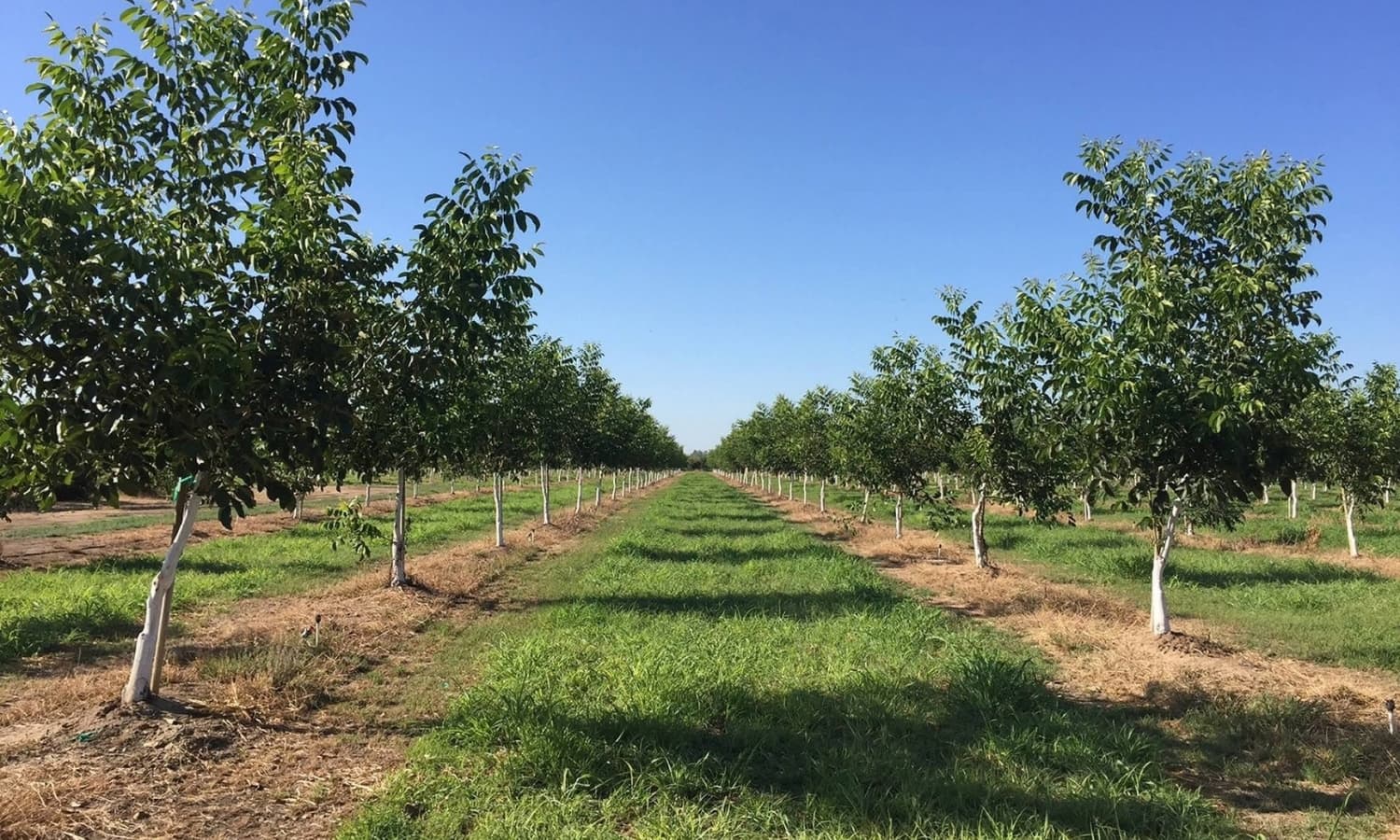

Practical Tips for Walnut Orchard Establishment
Choose sites sheltered from cold and drying winds, on level ground or south-facing slopes, as Russian walnut studies advise.
Avoid frost pockets and favor late-leafing cultivars: frosts of -1.2 to -2.7 °C in April 2020 damaged flowers in a Krasnodar breeding garden.
North of the main southern regions, check winter records first: in Voronezh, -35 °C or long snowless spells can seriously damage walnut.
Choose cultivars from the State Register and check each description for the ripening period and, where given, a recommended region.
Plant pollinizer cultivars, or cultivars whose male and female flowers overlap, since walnut flowering is mostly protandrous (2026 Krasnodar dissertation).
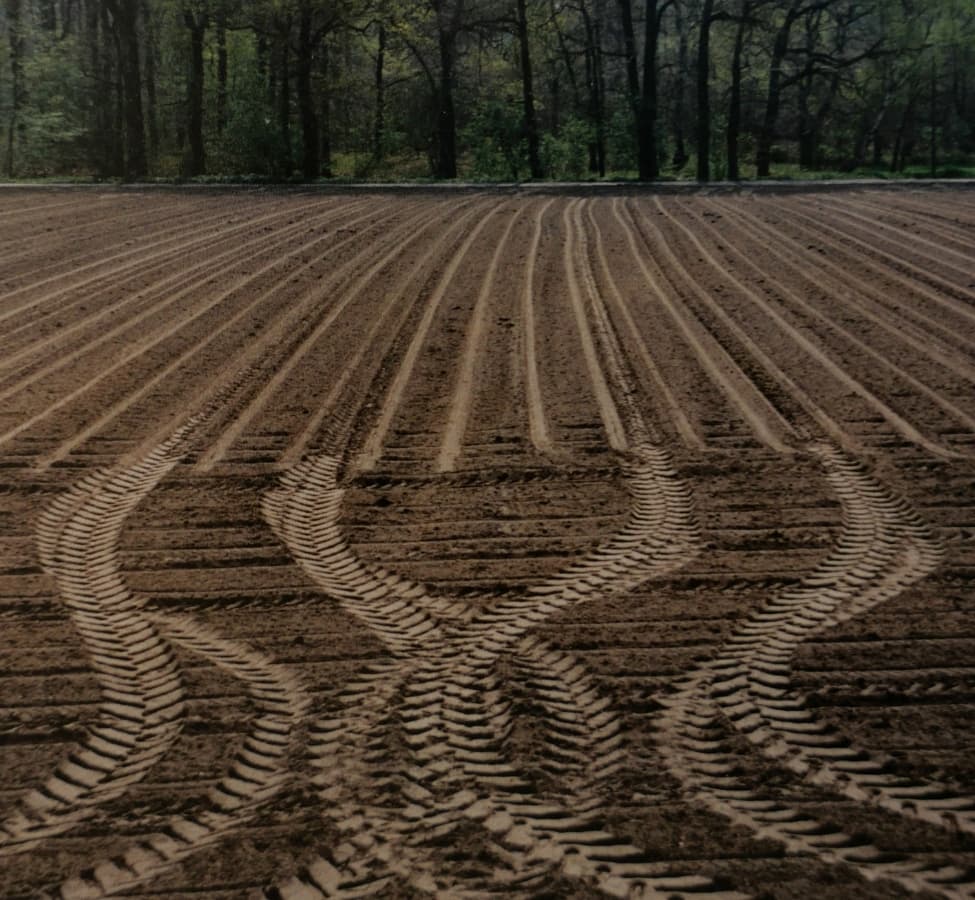
For machine harvesting, mark straight rows, headlands and access lanes before planting, since no Russian source found describes a walnut layout for machines.
Recommended Establishment Stages



Walnut Orchard Care & Maintenance in Russia
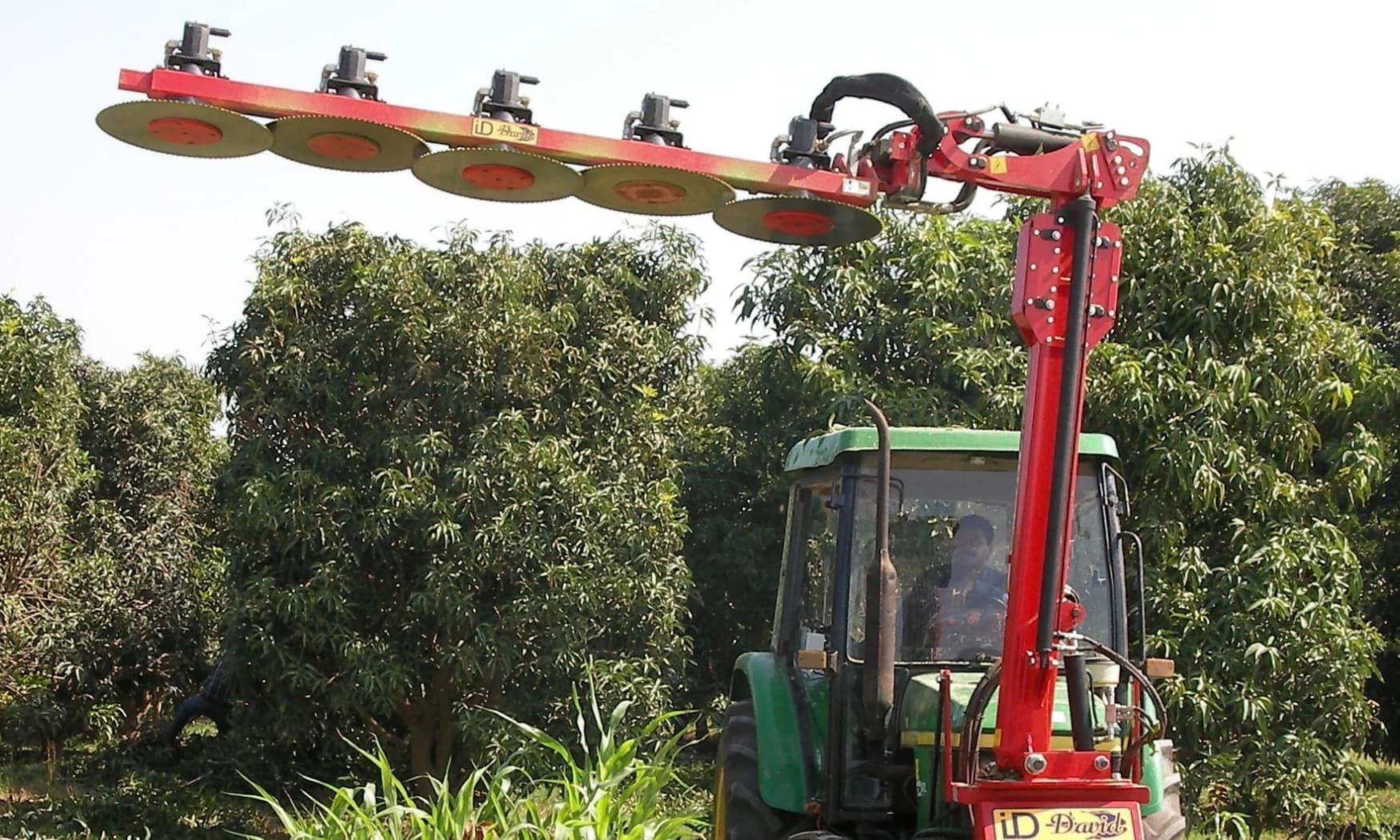
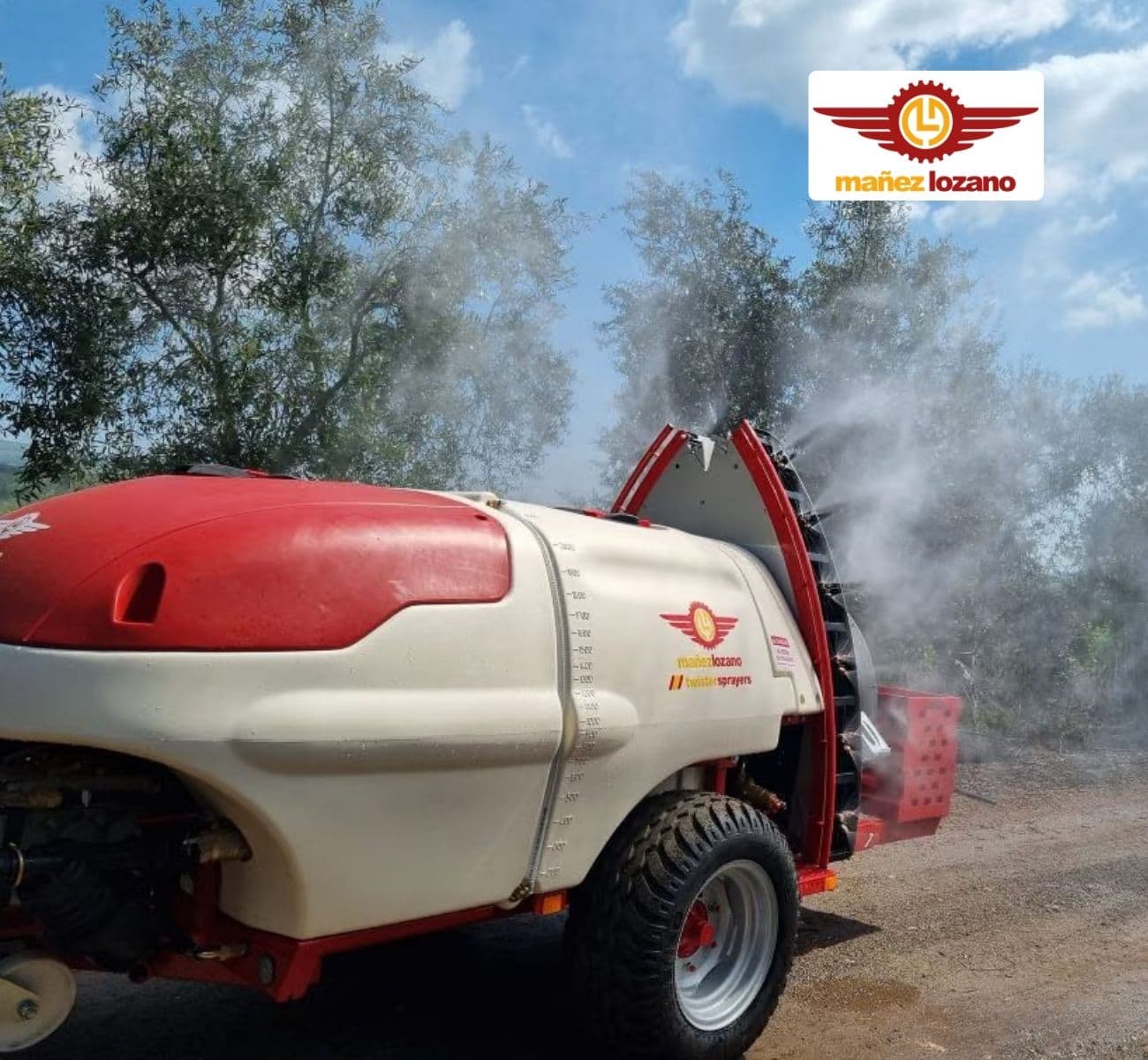
Russian researchers name walnut blight and brown spot (anthracnose) as the main diseases, and a 2024 Orel paper notes that most of the current walnut assortment is susceptible to brown spot. EPPO lists walnut blight as present in Russia, including the South. No incidence data by region were found, so University of California guidance is a useful reference: rain spreads the blight bacteria, and early-leafing cultivars suffer most.
Fall webworm is a regulated pest: it is on the EAEU's A2 quarantine list, and EPPO records it as widespread in Southern Russia. A municipal quarantine notice names walnut among its favored hosts, gives two generations a year, and asks owners to cut out and destroy nests with caterpillars and to report finds to Rosselkhoznadzor, the plant health authority. Codling moth is present, while EPPO has no Russian record of walnut husk fly.
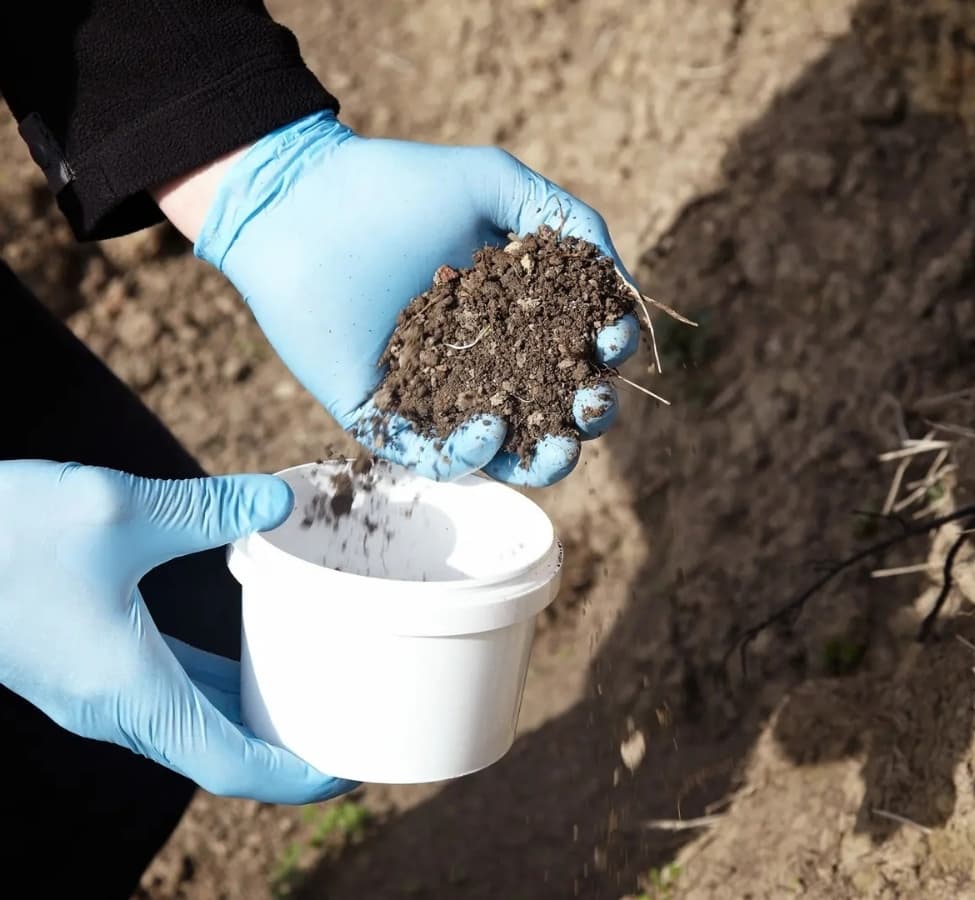
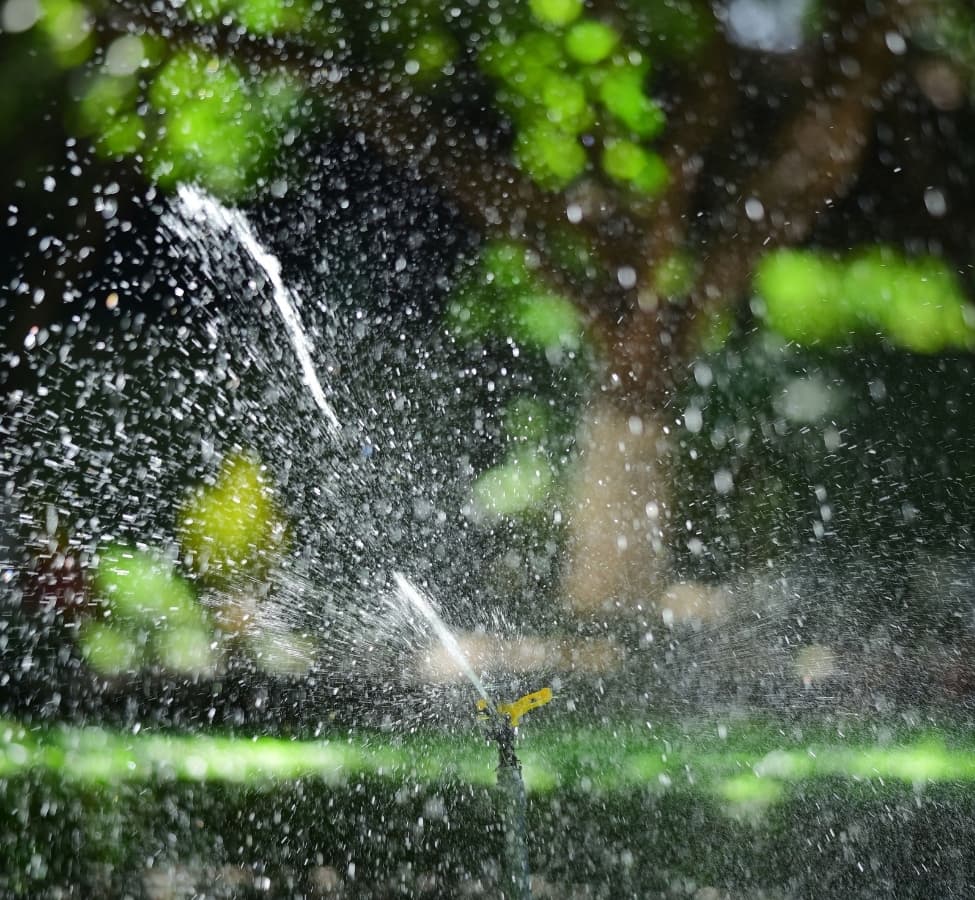
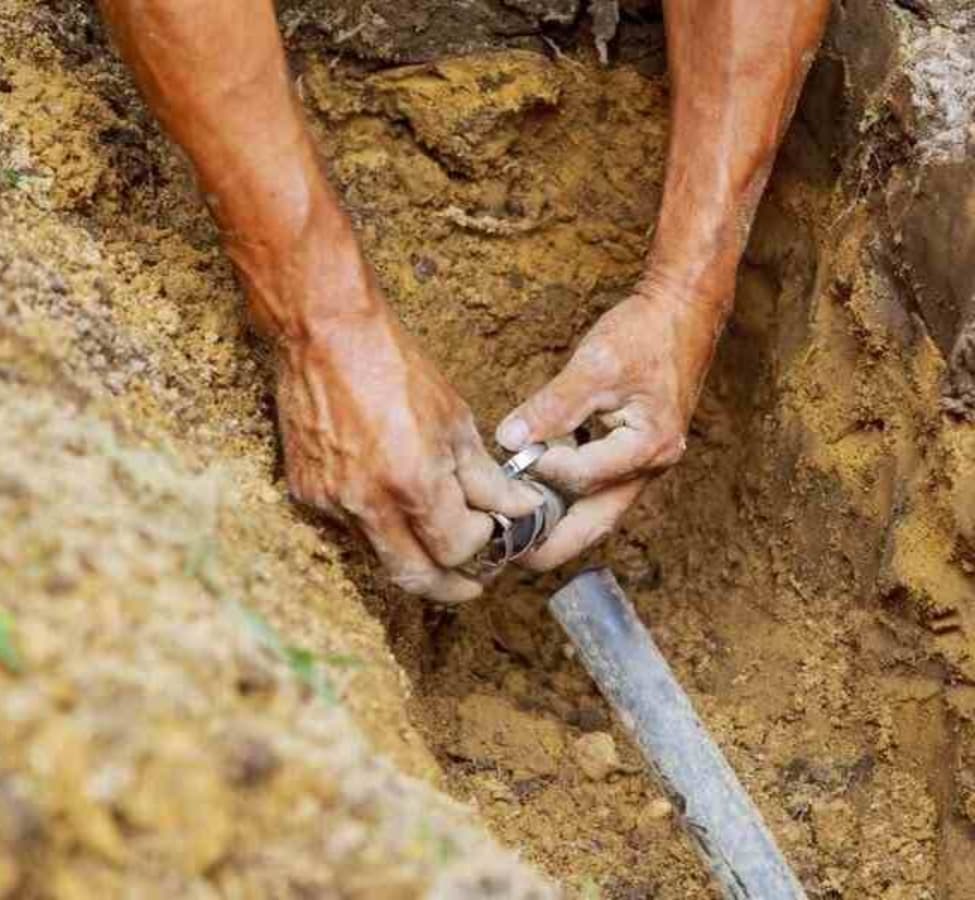
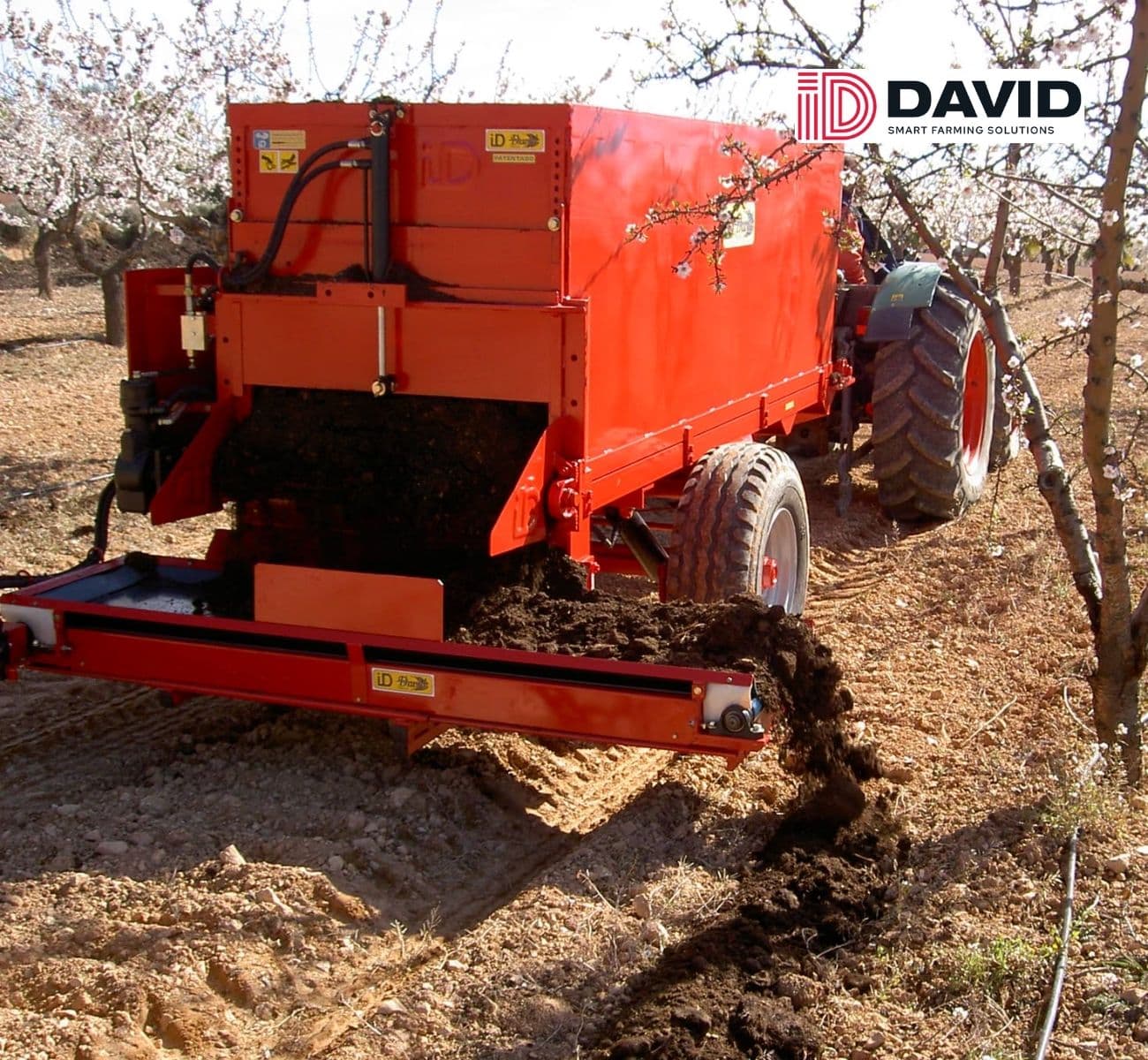
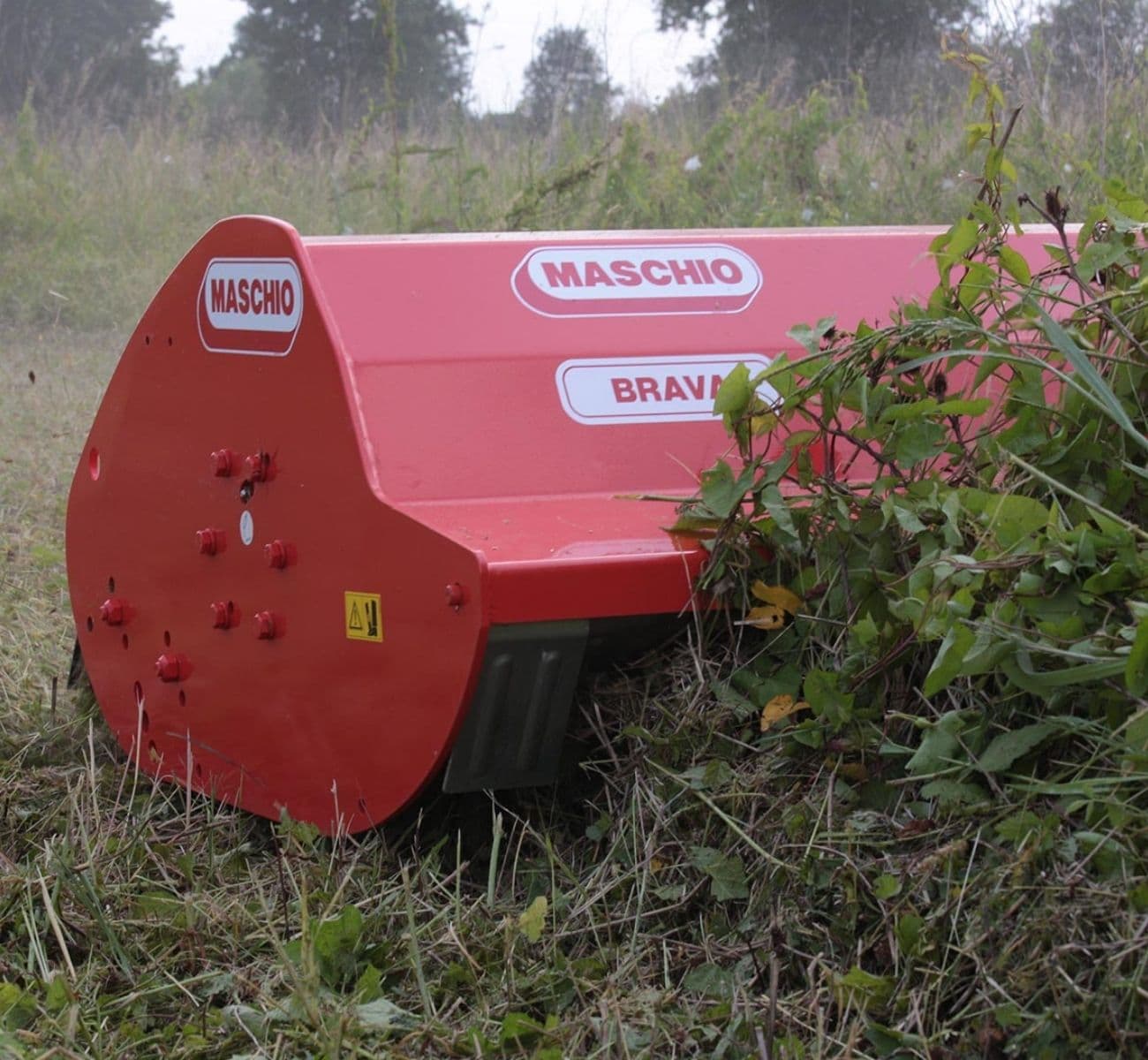
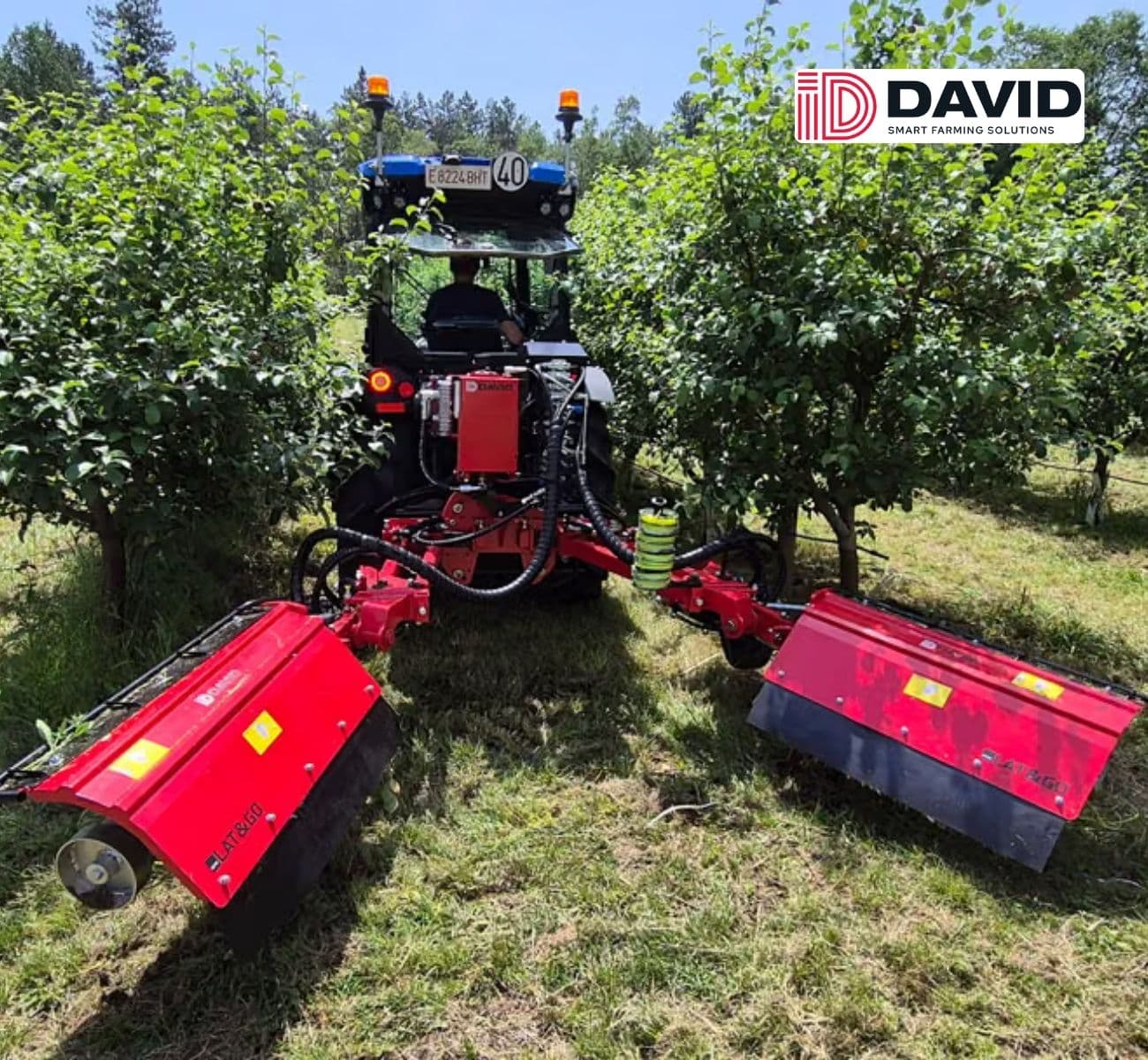
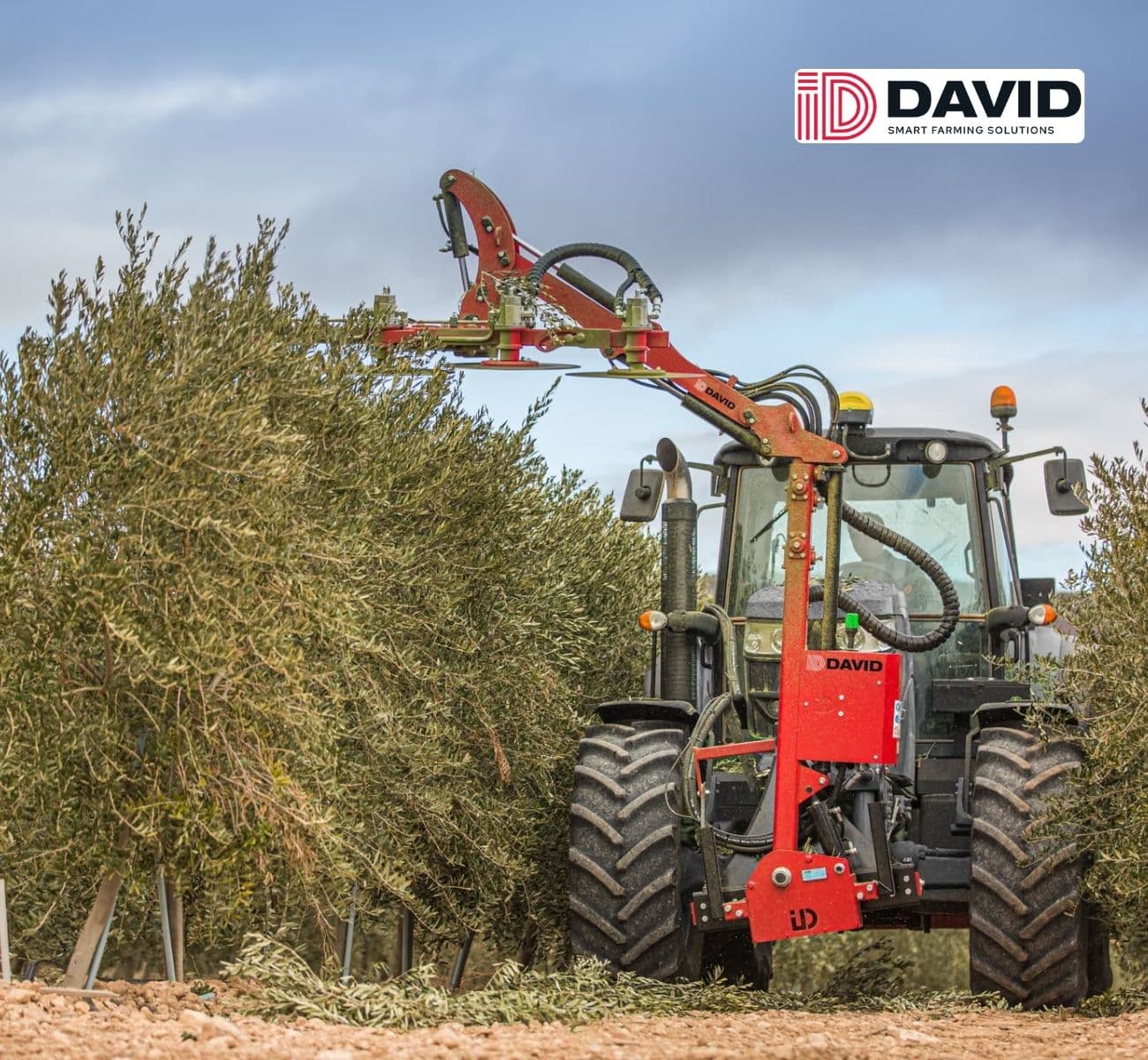
A 2026 Krasnodar dissertation gives walnut 600 to 900 mm of rain a year, and a 2017 Voronezh study advises irrigation where rainfall is short. No Russian walnut guidance on fertilization, pruning or the orchard floor was found, so growers can follow general practice: soil and leaf analysis before feeding, an open canopy that dries quickly after rain, and a mown cover between rows.
Recommended Orchard Care & Maintenance Stages

Practical Tips for Walnut Orchard Care & Maintenance
Cut out and destroy fall webworm nests as soon as they appear, and report finds to Rosselkhoznadzor, as a municipal quarantine notice asks.
Scout for brown spot every season: a 2024 Orel paper notes that most of the current walnut assortment is susceptible to it.
Check young nuts for blight after spring rain: rain spreads the bacteria, and early-leafing cultivars suffer most (University of California).
Track codling moth with traps from spring and crack out 1,000 nuts at harvest to judge damage, as University of California guidance advises.
Plan irrigation where rainfall stays below about 600 mm, the level below which a 2026 Krasnodar dissertation calls irrigation necessary for walnut.
Base fertilization on soil and leaf analysis, since no Russian walnut fertilization guidance was found.

Walnut Harvesting in Russia
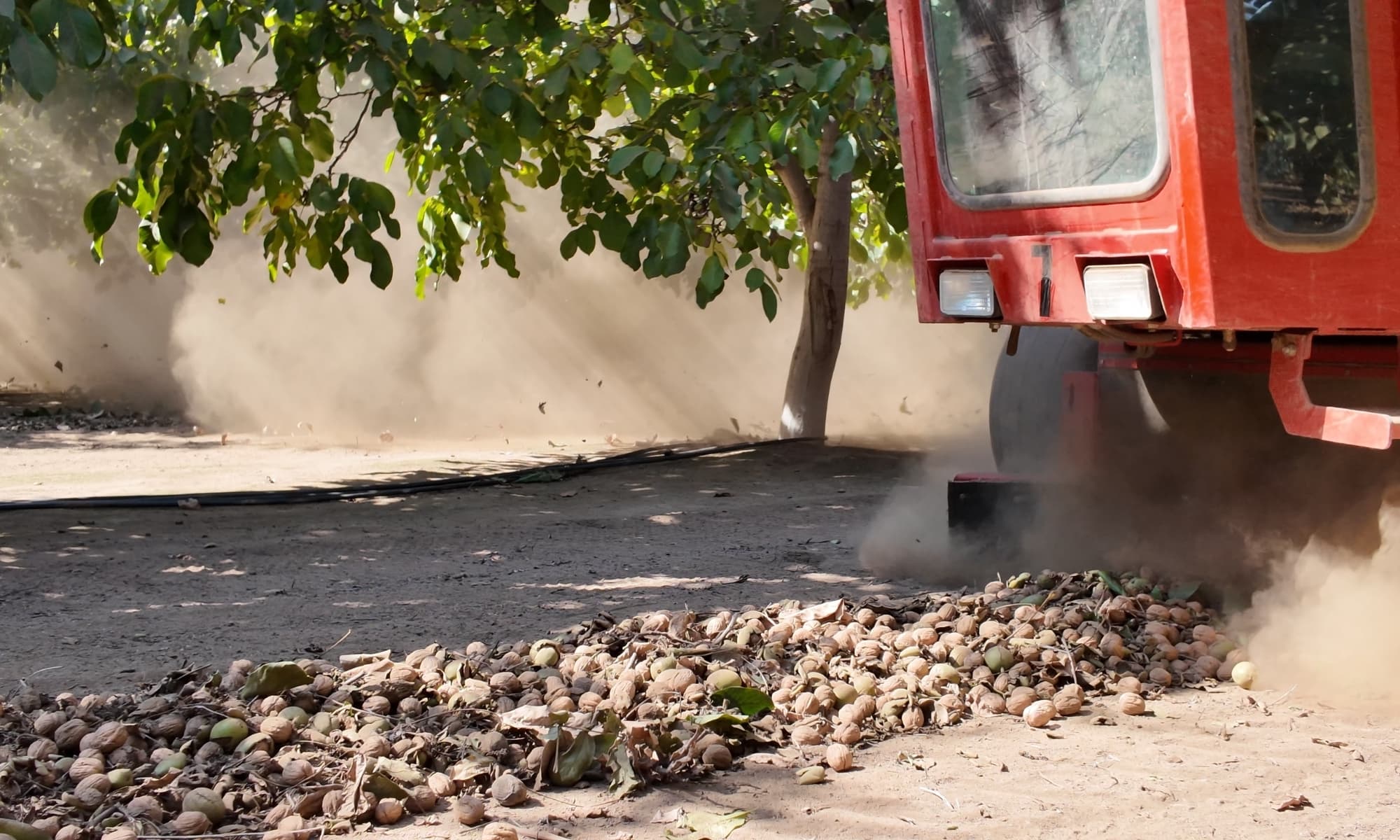
No Russian source found describes how walnuts are harvested on farms today. The State Register describes Urozhainy, a Krasnodar cultivar, as ripening in mid-September, and a regional news site, calling 2026 an exceptional crop year, reported households in Orel Oblast picking several buckets from each mature tree from late September. As the nuts ripen, the hull darkens, dries and splits, releasing the nut (2026 Krasnodar dissertation).
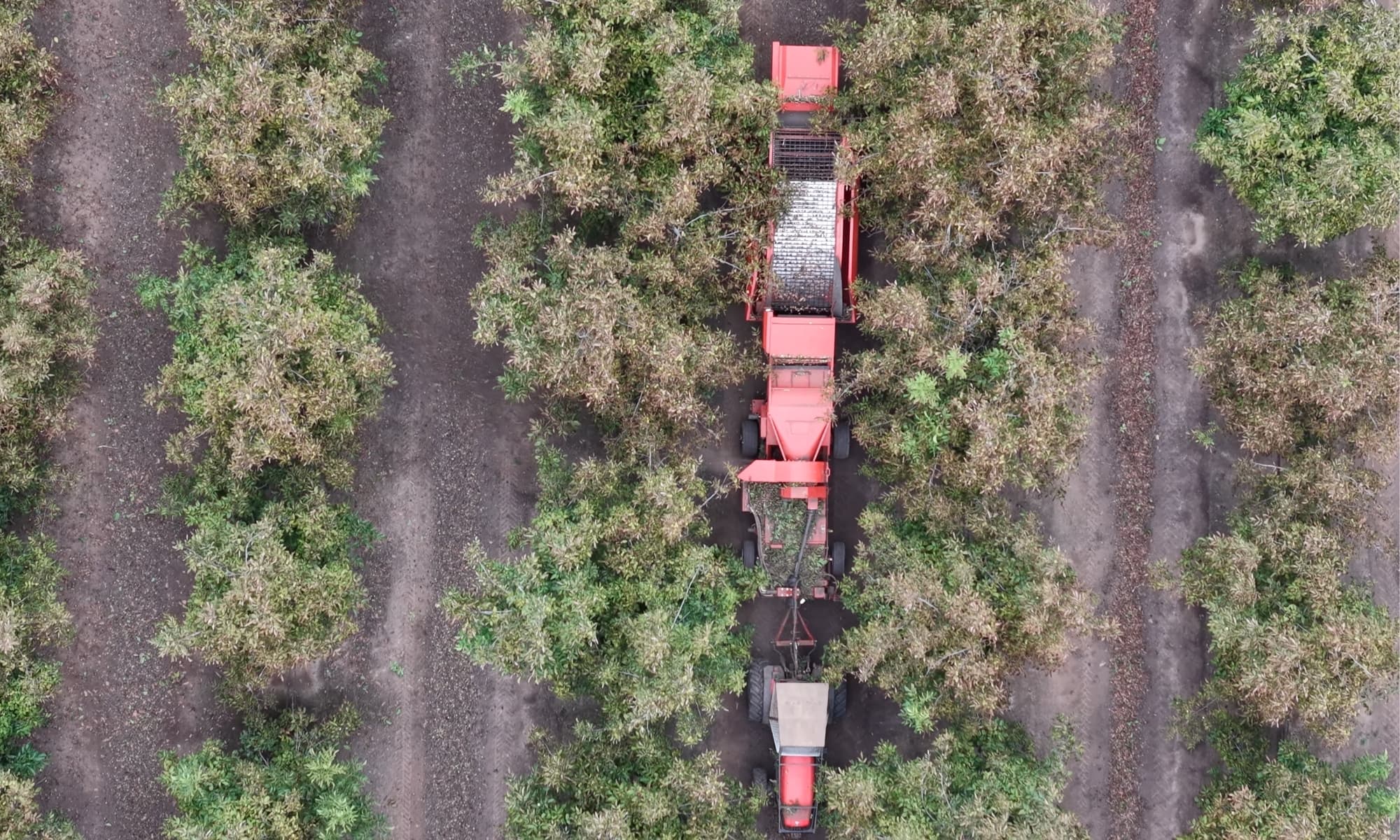
University of California guidance starts harvest once a high share of hulls have split and finishes pickup quickly, since most quality loss occurs in the first 9 hours after harvest. In larger orchards planted for machines, mechanized harvesting shakes, sweeps and picks up each block on time, so nuts spend less time on the ground.
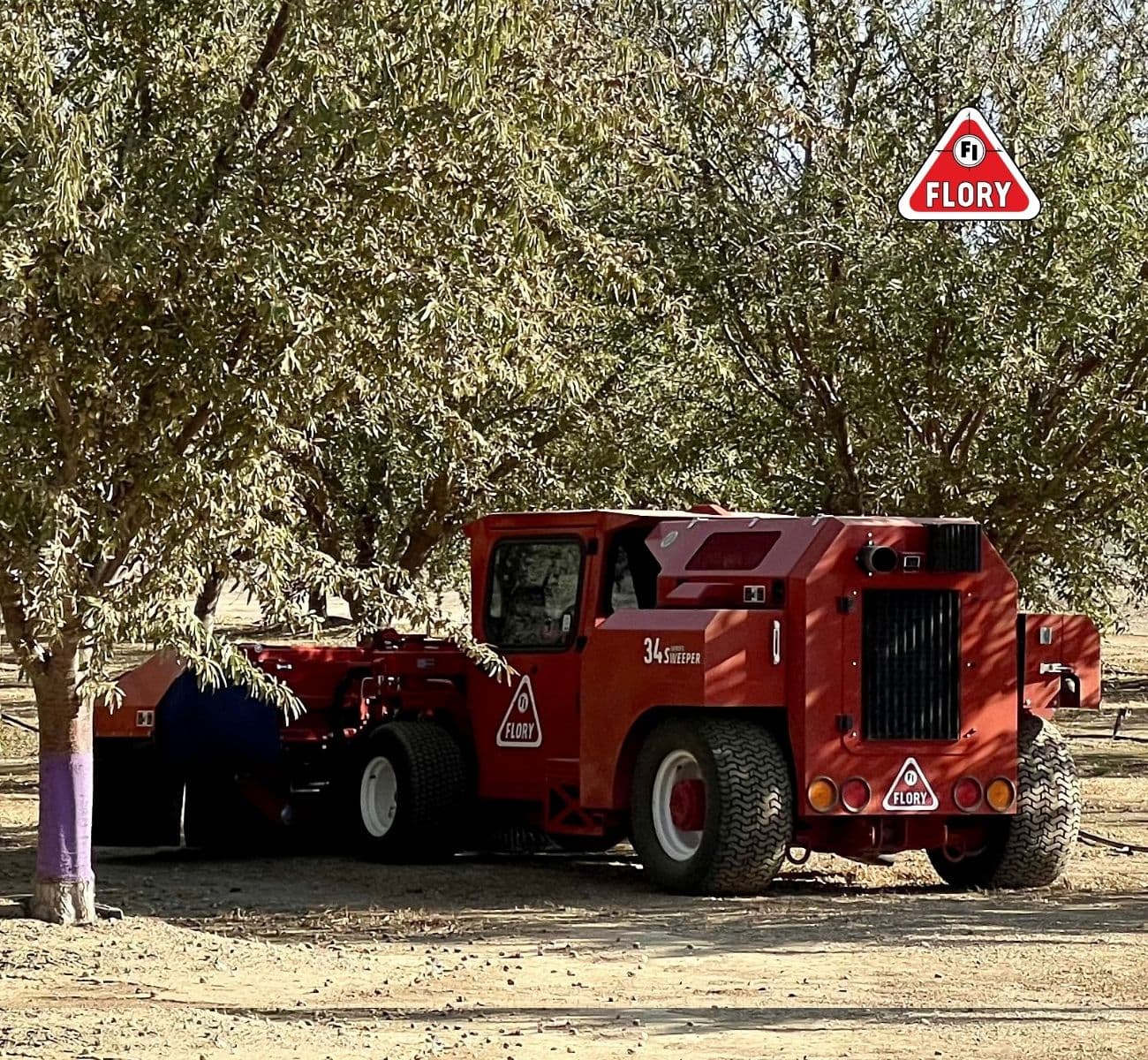
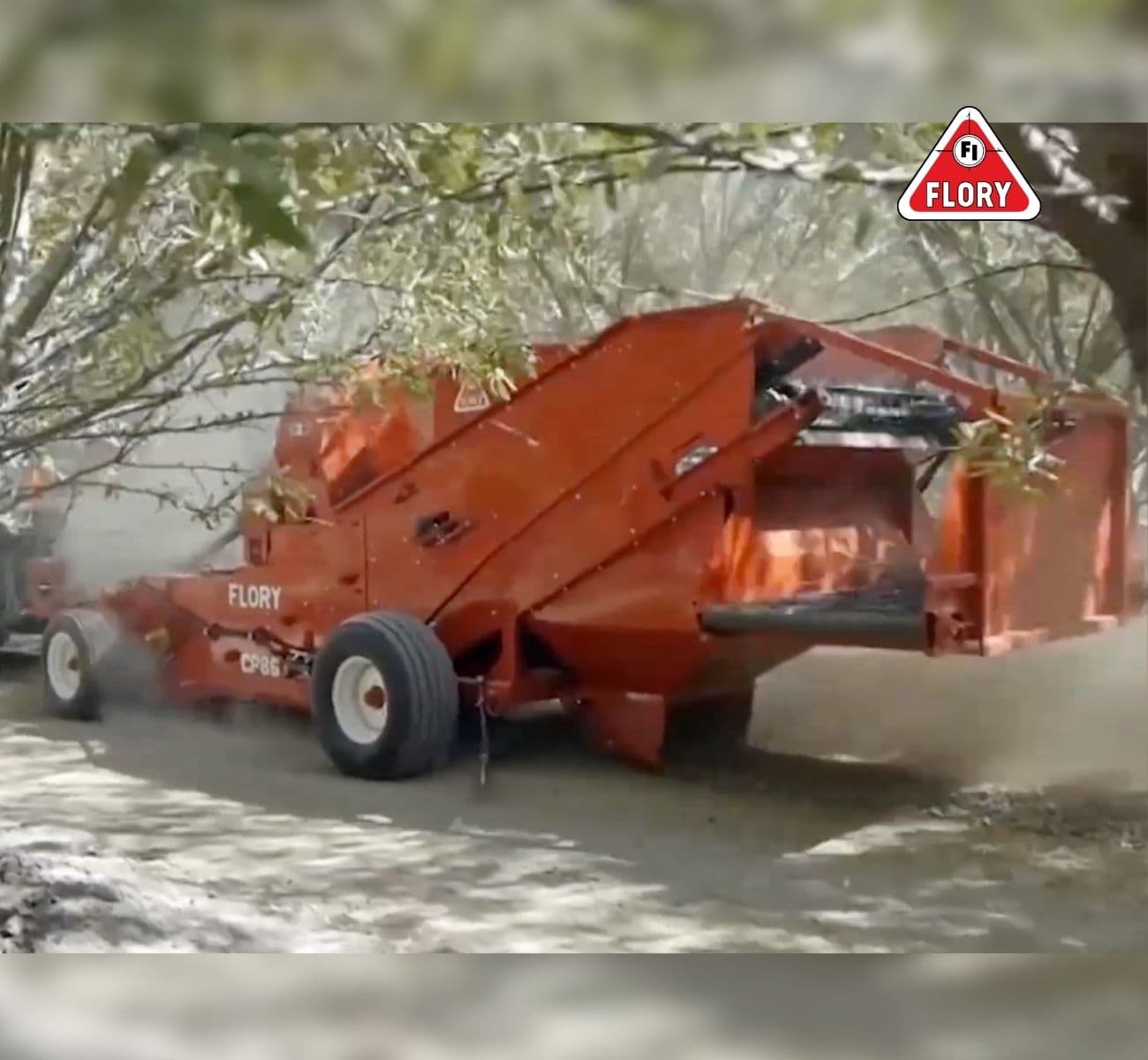
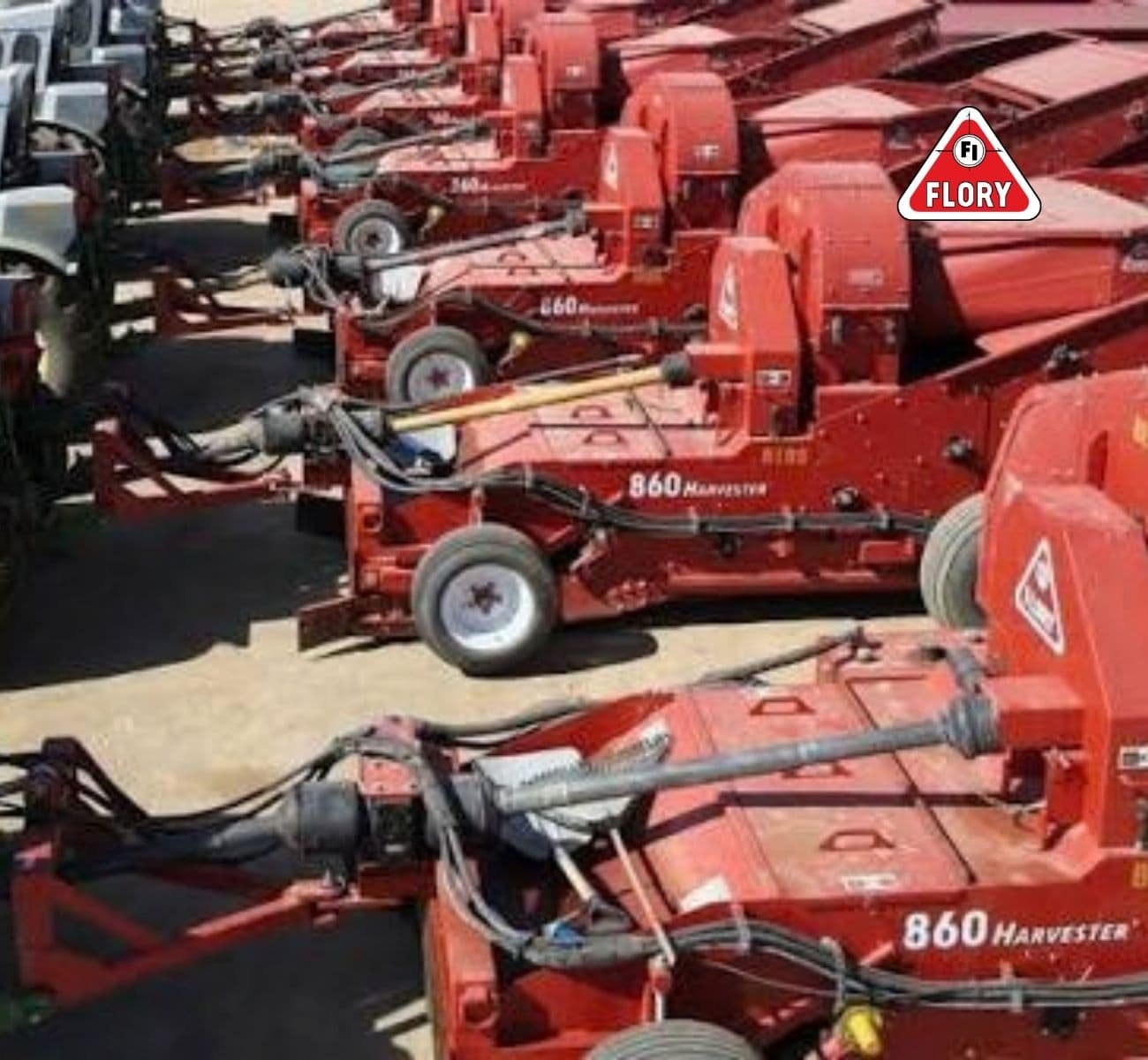
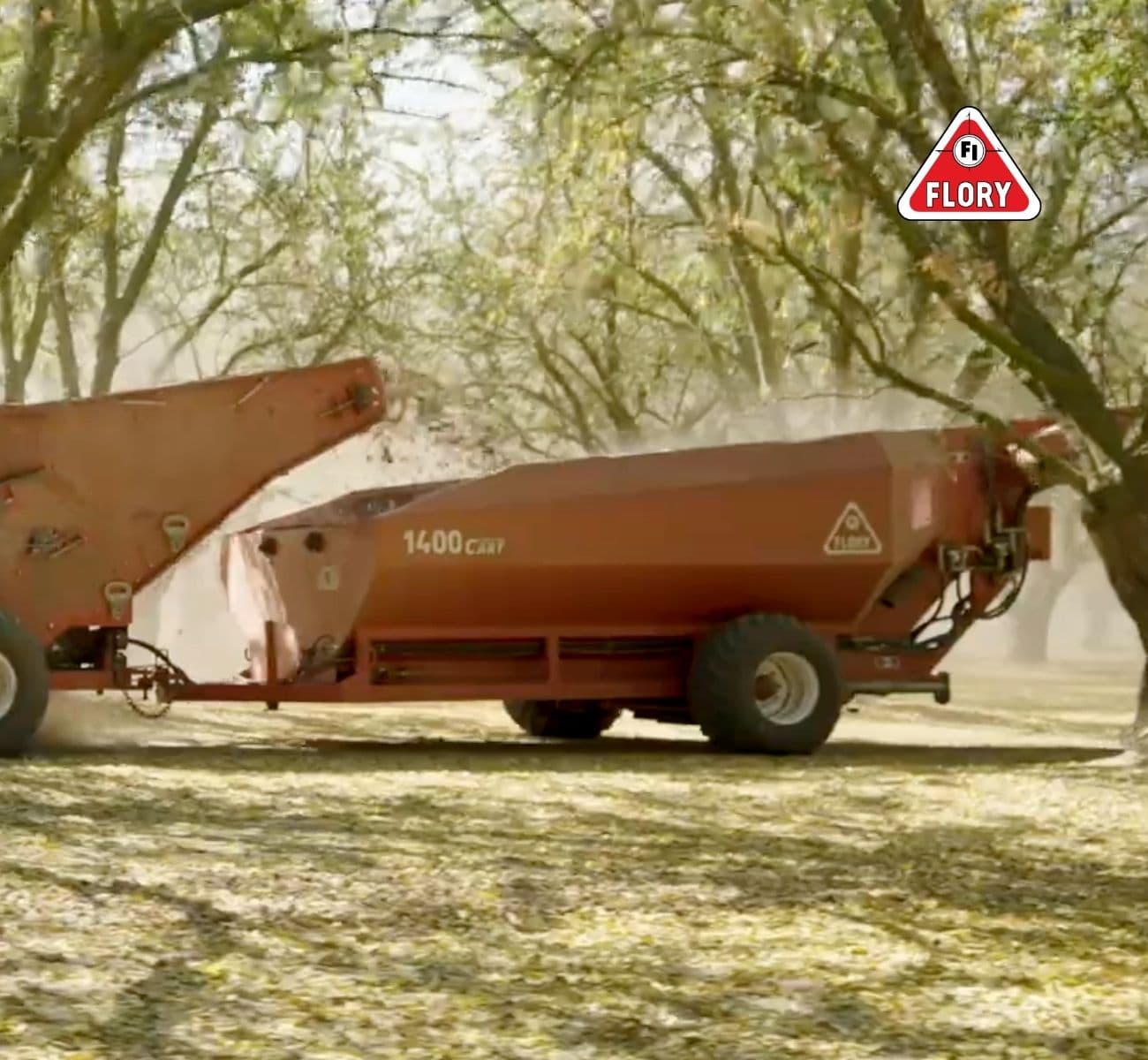
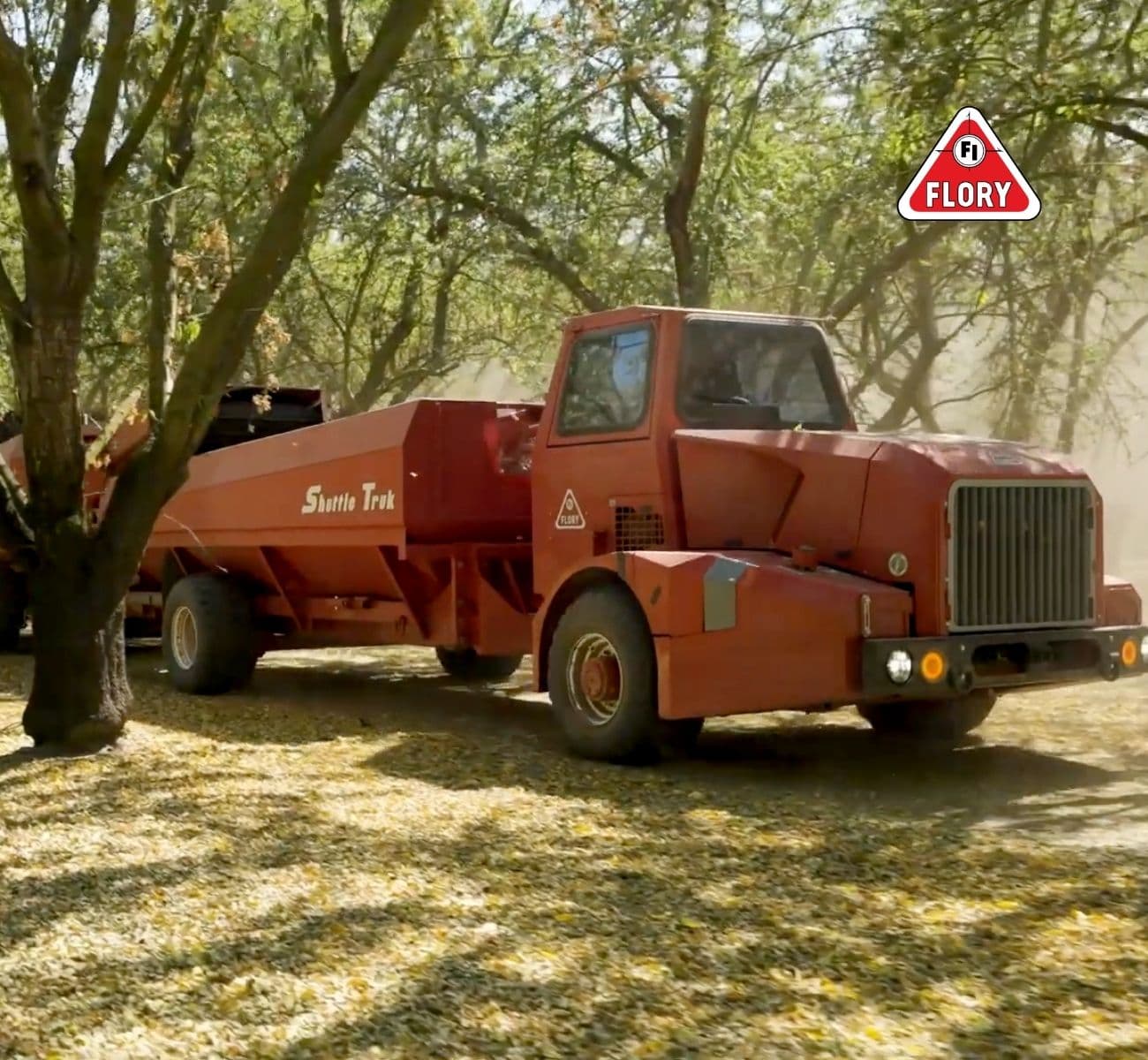
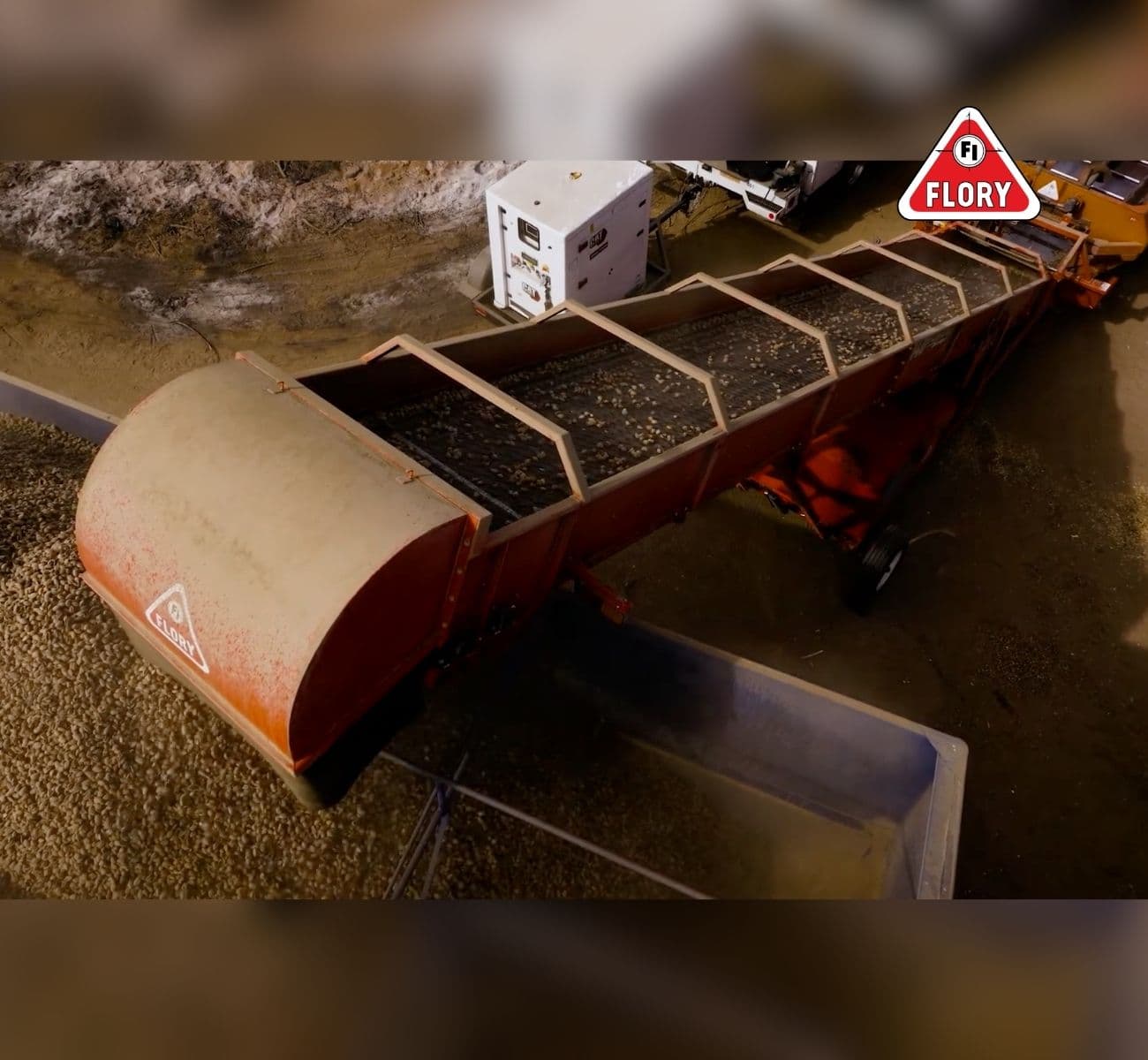
Present-day mechanized walnut harvesting is not described in the Russian sources found, and machines suit planted orchards with clear trunks and room between rows, not household or old scattered trees. OVE Europe's guides use Flory's line as the reference: the VR700 Shaker shakes the trunk, the 34 Series Sweeper and 860 Harvester, or the smaller 490, sweep and pick up the nuts, and the 1500 Conveyor Cart, ST14 Shuttle and 4840 Field Elevator move them to the trailers.
Walnut Harvest Workflow (Recommended Equipment)

Practical Tips for Walnut Harvesting
Begin shaking a block once a high share of its hulls have split, the point at which University of California guidance starts harvest.
Collect fallen nuts daily: University of California advisers say most quality loss occurs in the first 9 hours after harvest.
Pick household and old scattered trees by hand, and keep machines for planted orchards whose rows they can work.
Mow and level the orchard floor and remove branches and stones before harvest, so nuts can be swept cleanly.
Size sweeping and pickup capacity to the shaker's daily output, so shaken nuts are off the ground the same day.
Note hull split and harvest dates for each block every year, since no Russian harvest calendar for walnut was found.
Get your recommended harvest setup
Enter orchard size, spacing, terrain, and target throughput—we’ll suggest a practical harvest workflow and equipment lineup.

Walnut Post-Harvest Handling & Processing in Russia
Russian standards set the targets. GOST 32874-2014 for walnuts in shell, in force since 2016, has three grades, requires at least 26 mm for the top and first grades and 24 mm for the second, and caps moisture at 12.0% for the nut and 8.0% for the kernel. GOST 16833-2014 caps kernel moisture at 5.0% and wants light-colored kernels in the top grade.
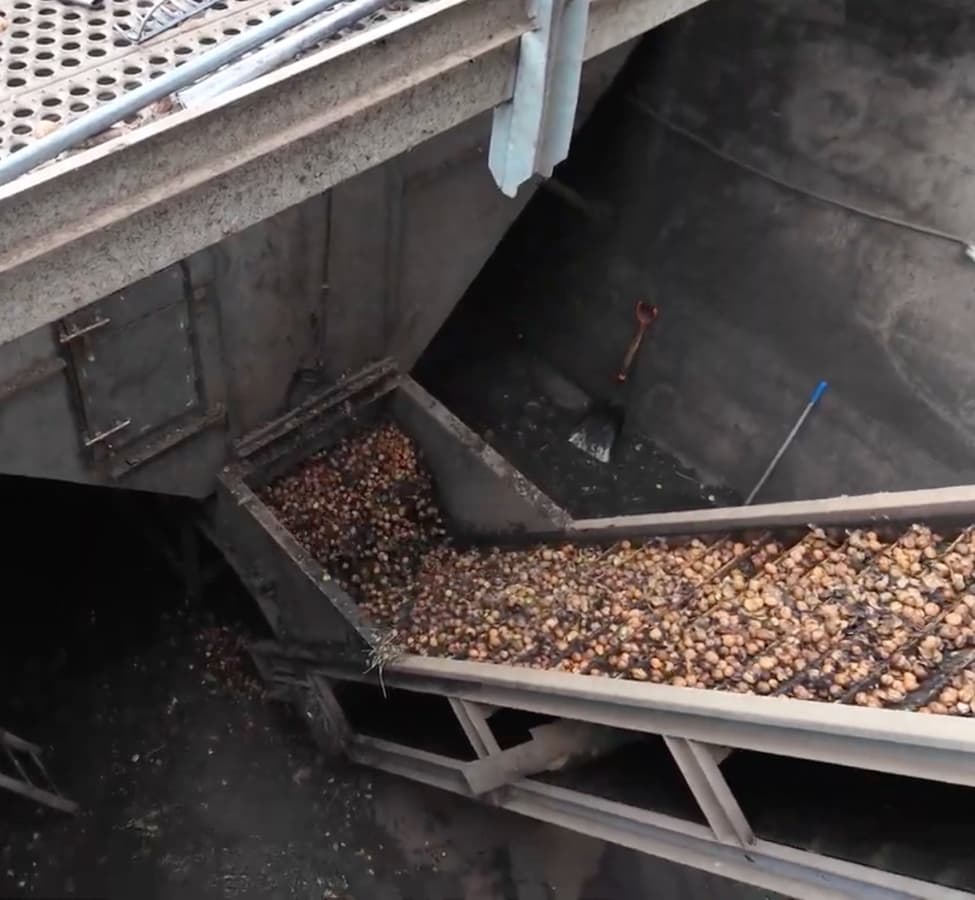
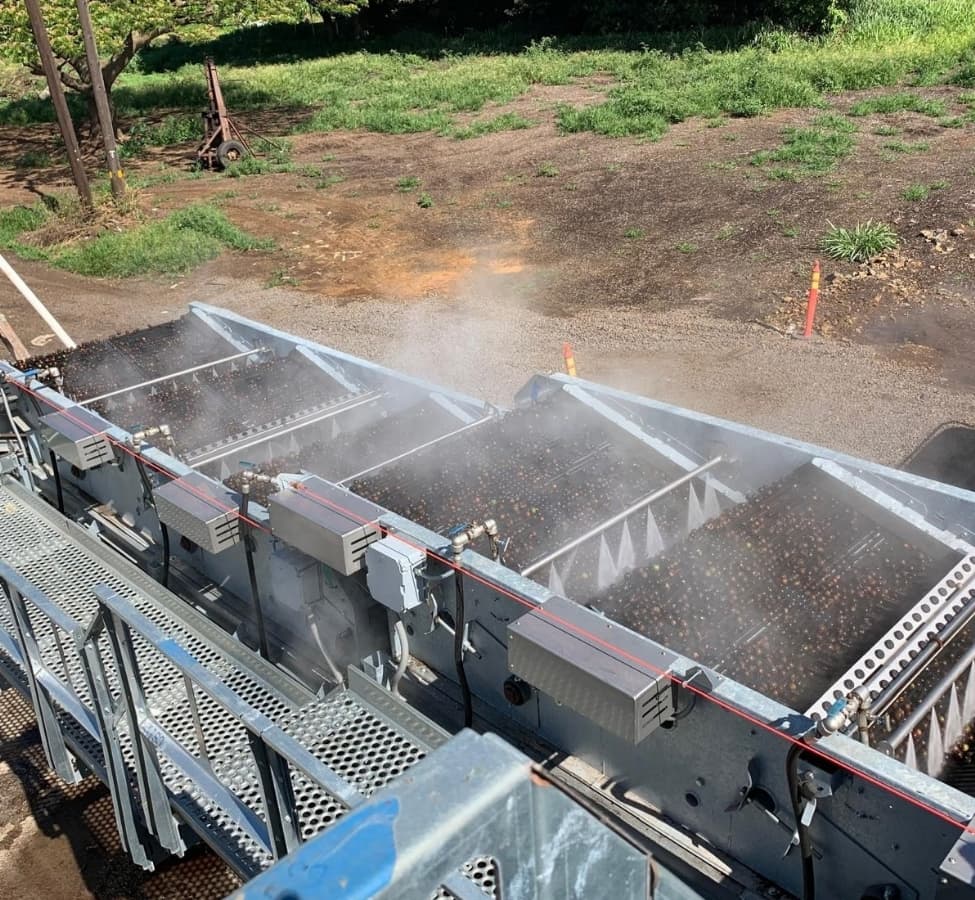
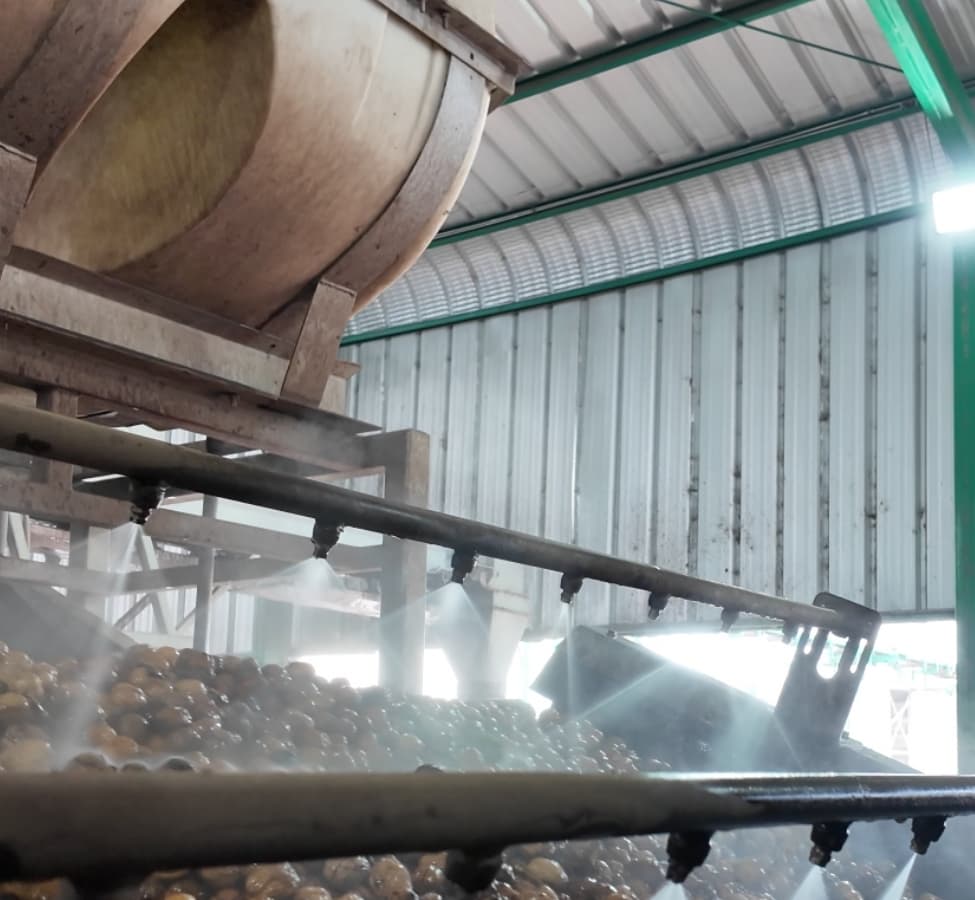
The EAEU food safety regulation TR TS 021/2011 limits aflatoxin B1 in nuts to 0.005 mg/kg. No Russian source found describes how walnuts are hulled, washed or dried on farms, so general guidance applies: hull the nuts promptly and dry them with air no hotter than 43 °C (University of California). GOST 32874-2014 allows washing and bleaching if kernel quality is not affected.
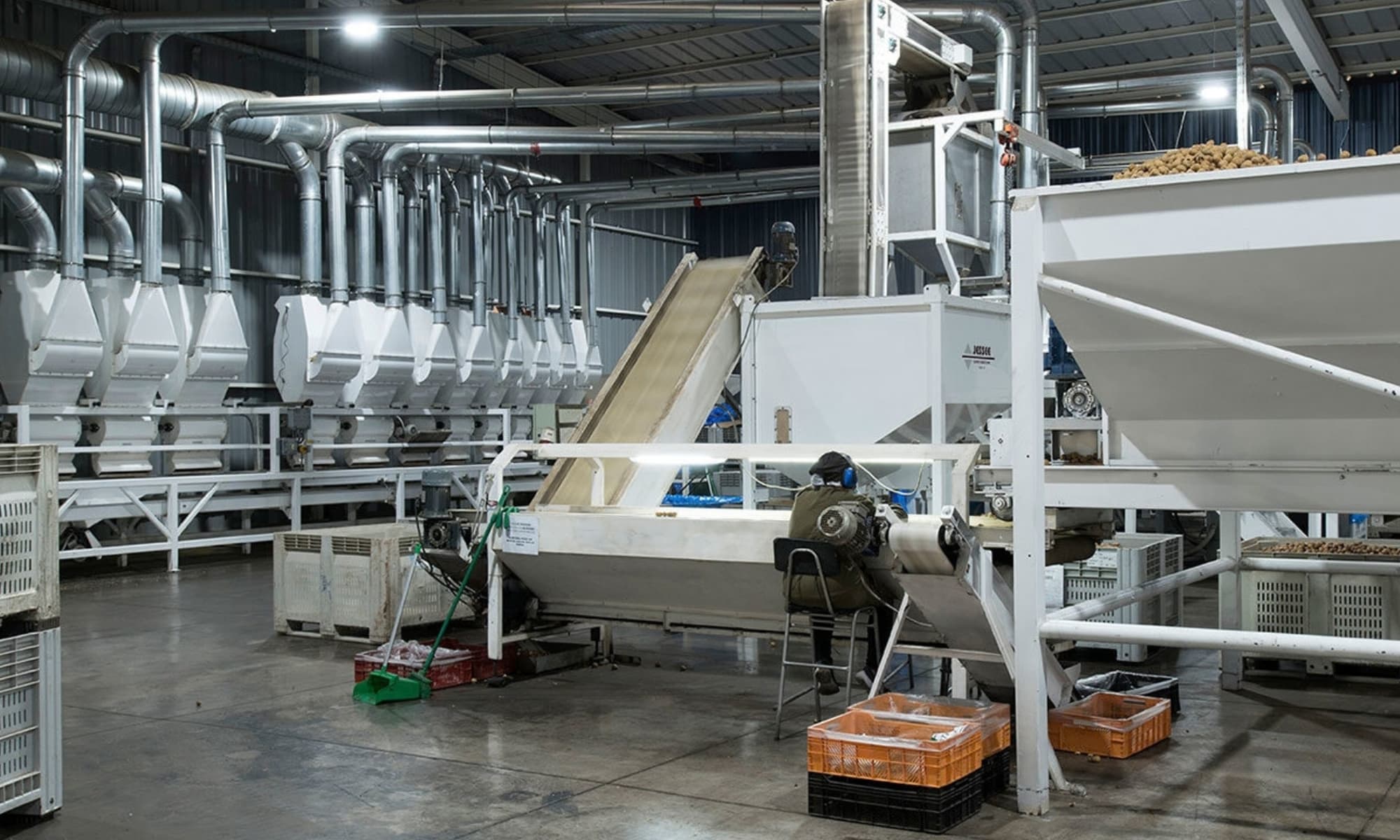
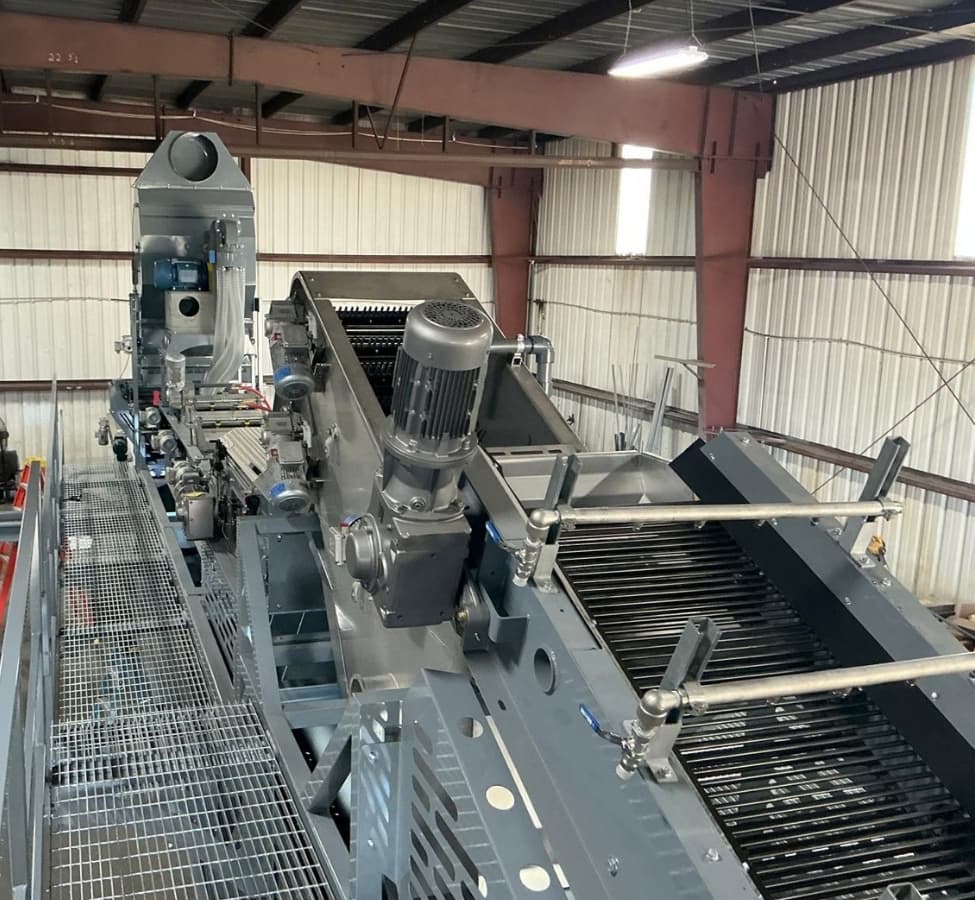
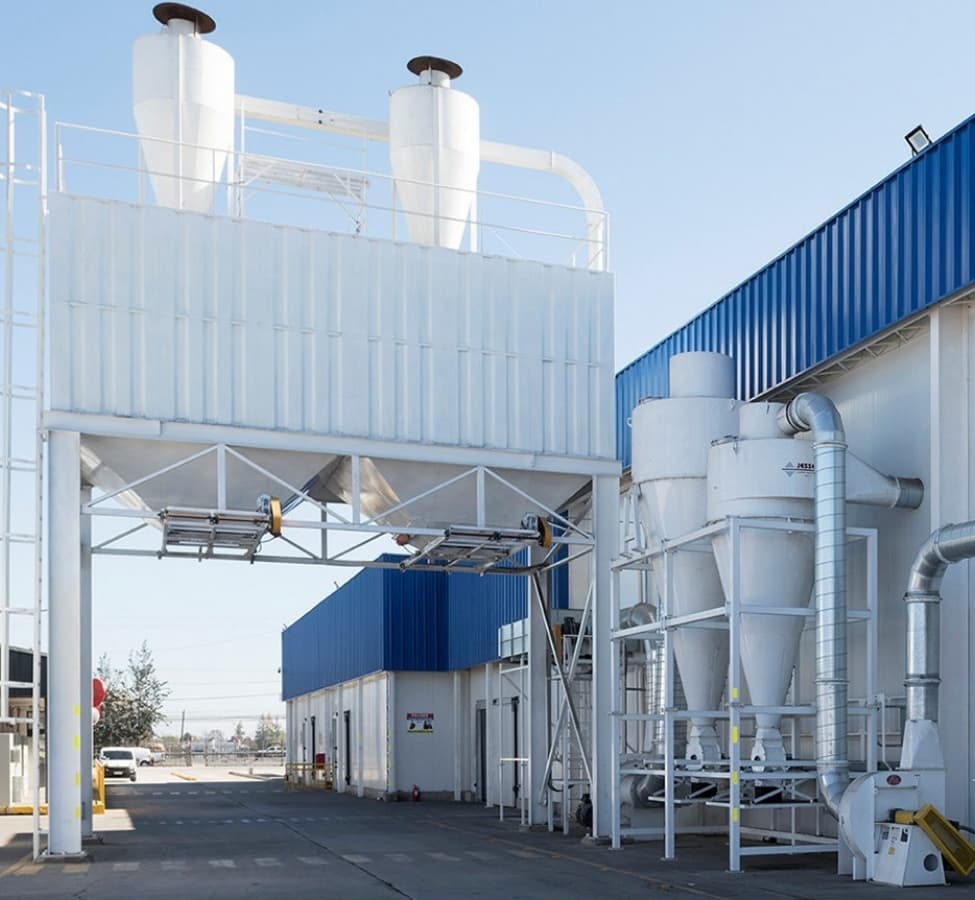
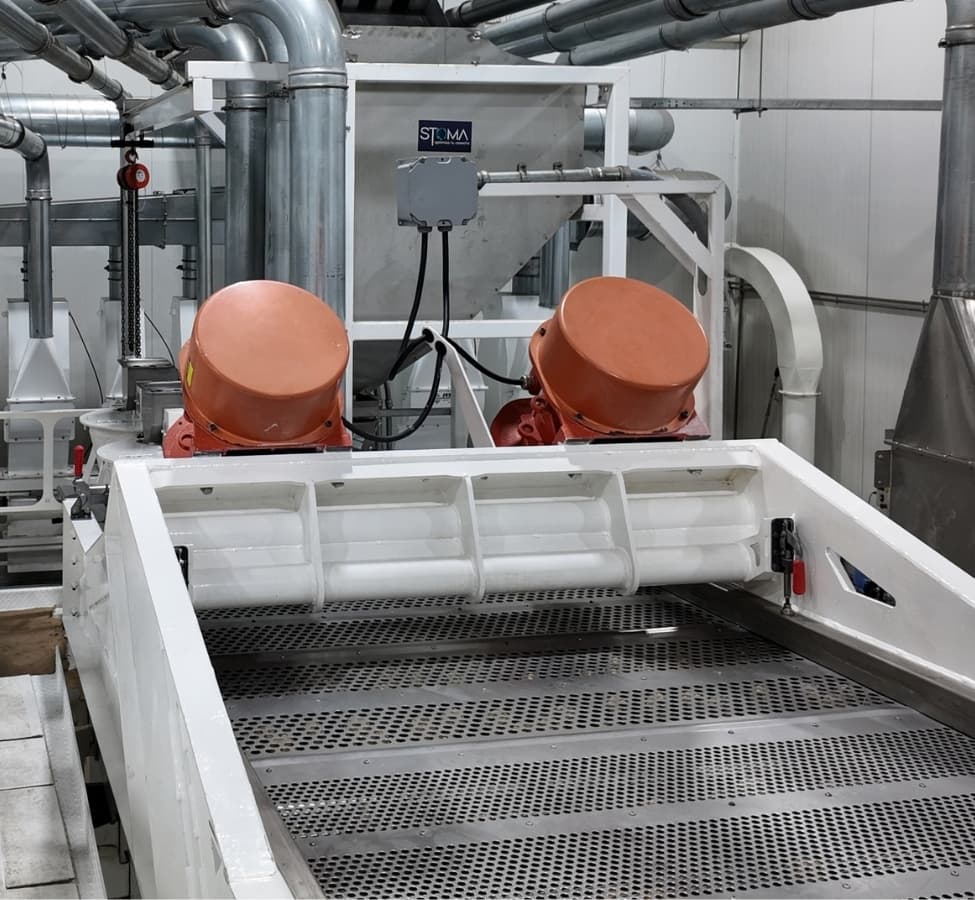
Imports remain large: in 2025, China reported shipping 5,448 t of walnut kernels to Russia, and Chile 137 t (UN Comtrade via WITS). Jessee, a US maker of nut processing lines, builds walnut hulling lines and drying, in-shell cleaning and sizing, and shelling systems.
For general information only. Information may become outdated and does not replace site-specific professional advice. Consult a qualified agronomist and confirm equipment suitability with OVE before acting.
Practical Tips for Walnut Post-Harvest Handling & Processing
Hull walnuts soon after harvest and dry them without delay, before the hulls stain the shells or start to mold.
Dry in-shell nuts to no more than 12% moisture, with the kernel at 8% or less (GOST 32874-2014), using air no hotter than 43 °C (UC).
Size nuts before packing: GOST 32874-2014 asks for at least 26 mm in the top and first grades and 24 mm in the second.
Test each lot for aflatoxins: TR TS 021/2011 limits aflatoxin B1 in nuts to 0.005 mg/kg; check the current text.
Store dried nuts in clean, dry rooms free of foreign odors, as GOST 32874-2014 requires, and keep each lot separate.
Keep kernels at 5% moisture or less and sort them by color, since GOST 16833-2014 wants light kernels in the top grade.
Recommended Post-Harvest Handling & Processing Stages


Plan your post-harvest line
Estimate tons/day, cleaning & drying capacity, storage needs, and cost/kg—then build your equipment plan in phases.