







Hazelnut Orchard Establishment in Serbia
An undated extract of Serbia's register of recognized varieties lists 19 hazel cultivars, among them 'Tonda di Giffoni', 'Tonda Gentile Romana' and 'Hall's Giant', and Turkish hazel (Corylus colurna) as a rootstock. A 2025 monograph on the 2023 agricultural census, citing a 2020 source, names 'Ennis', 'Tonda Gentile delle Langhe', 'Tonda Gentile Romana', 'Tonda di Giffoni' and 'Istarski dugi' as the leading cultivars in new plantings, with 'Rimski', 'Nocchione' and 'Hall's Giant' as pollinizers.
Turkish hazel is a separate tree species: hazel has been grafted on it in Serbia since 1989, and a 2007 paper reports that the Faculty of Agriculture in Novi Sad had observed it since 1992 to select non-suckering rootstocks. At one nursery in 2020 and 2021, whip-and-tongue grafting from late March to late April succeeded in 75.53% of cases on average. The same monograph describes mostly large plantations, partly bush form and partly tree form.
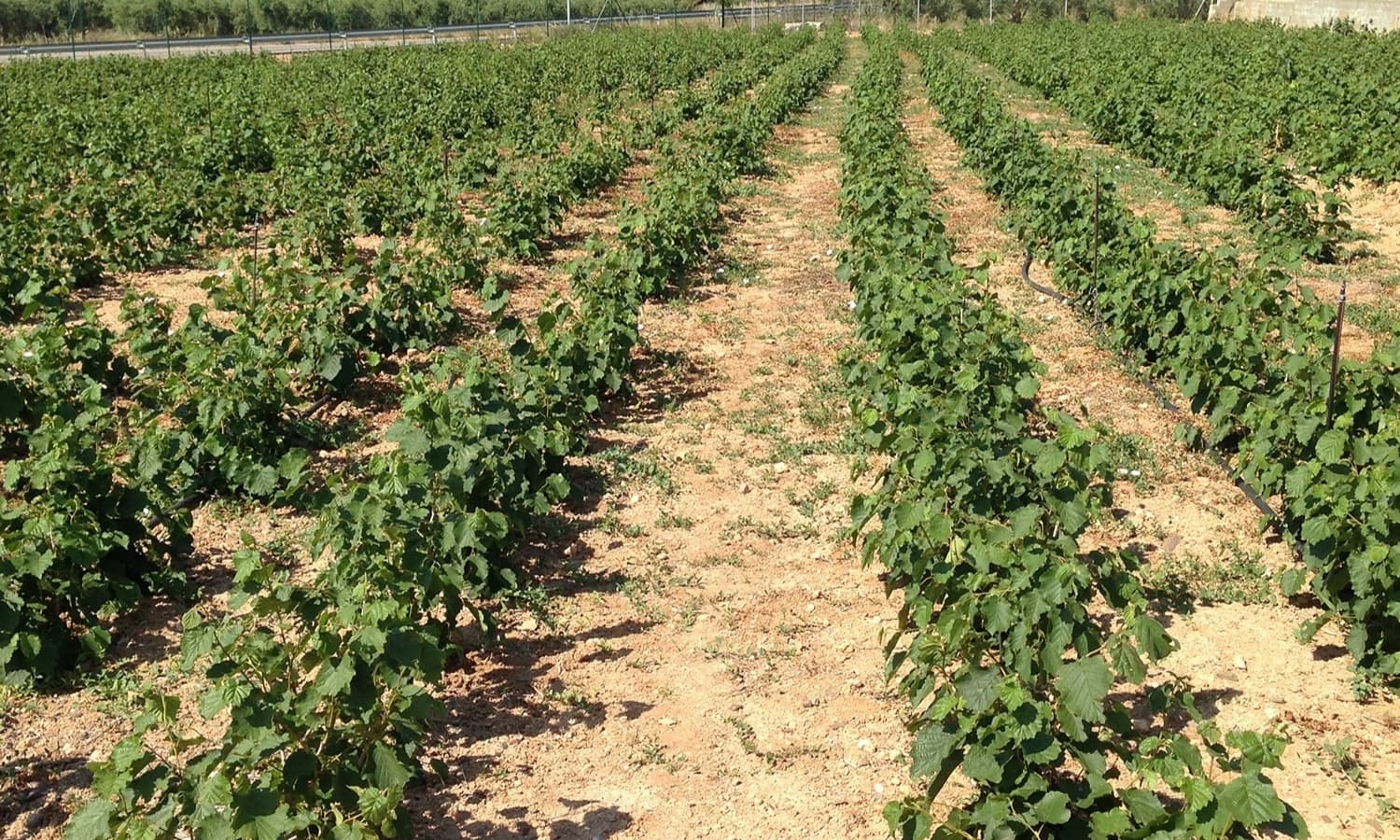
The 2025 monograph notes that natural conditions in parts of central Serbia are more favorable for hazel, although Vojvodina has the most plantings. A 2017 forum post on Serbia's agricultural advisory portal names neutral to slightly acid soils, pH 5 to 7.5 with over 3% humus, as best for hazel, calls drip irrigation necessary in most cases and warns that early spring frosts from -4 °C can damage up to 50% of young shoots. A 2025 report from Kikinda describes one large operation's irrigation systems on 440 ha, linked to the canal network.

Practical Tips for Hazelnut Orchard Establishment
Plant compatible pollinizers: Oregon State University (OSU) notes that a hazelnut tree cannot set nuts with its own pollen.
For single trunks without suckers, consider trees grafted on Turkish hazel, observed in Novi Sad from 1992 to select non-suckering rootstocks.
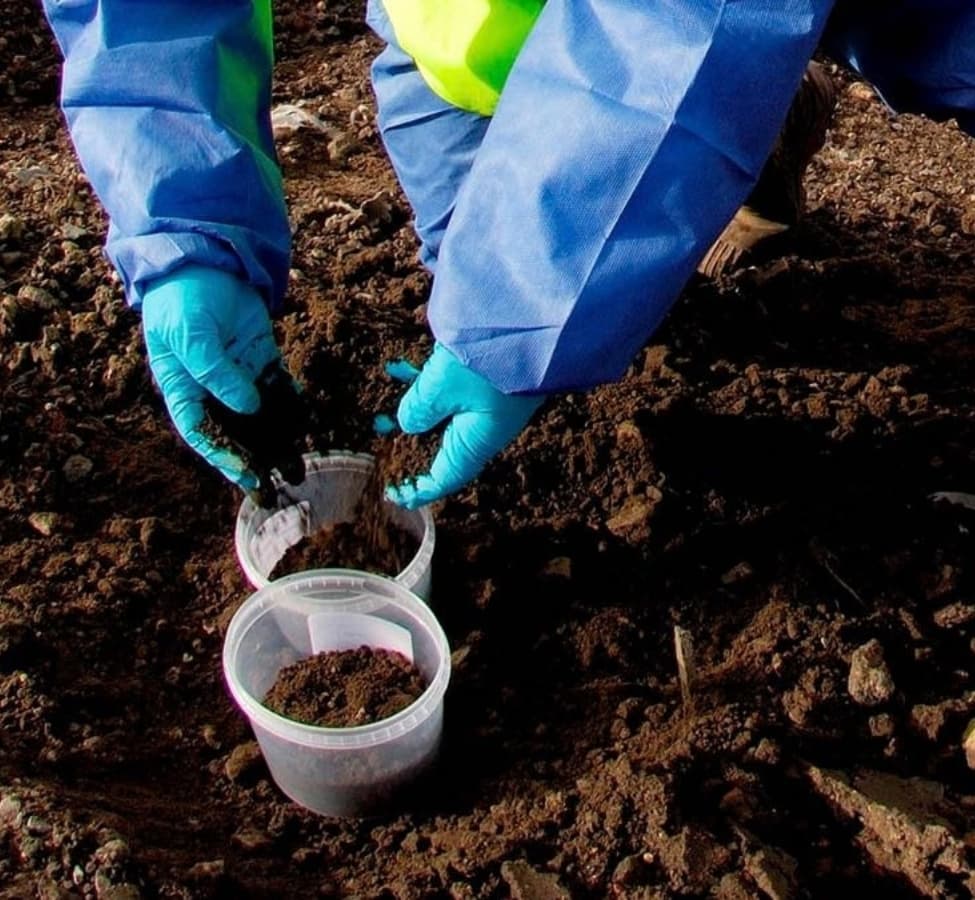
Favor neutral to slightly acid soils, pH 5 to 7.5 with over 3% humus, which a 2017 forum post on Serbia's advisory portal names as best for hazel.
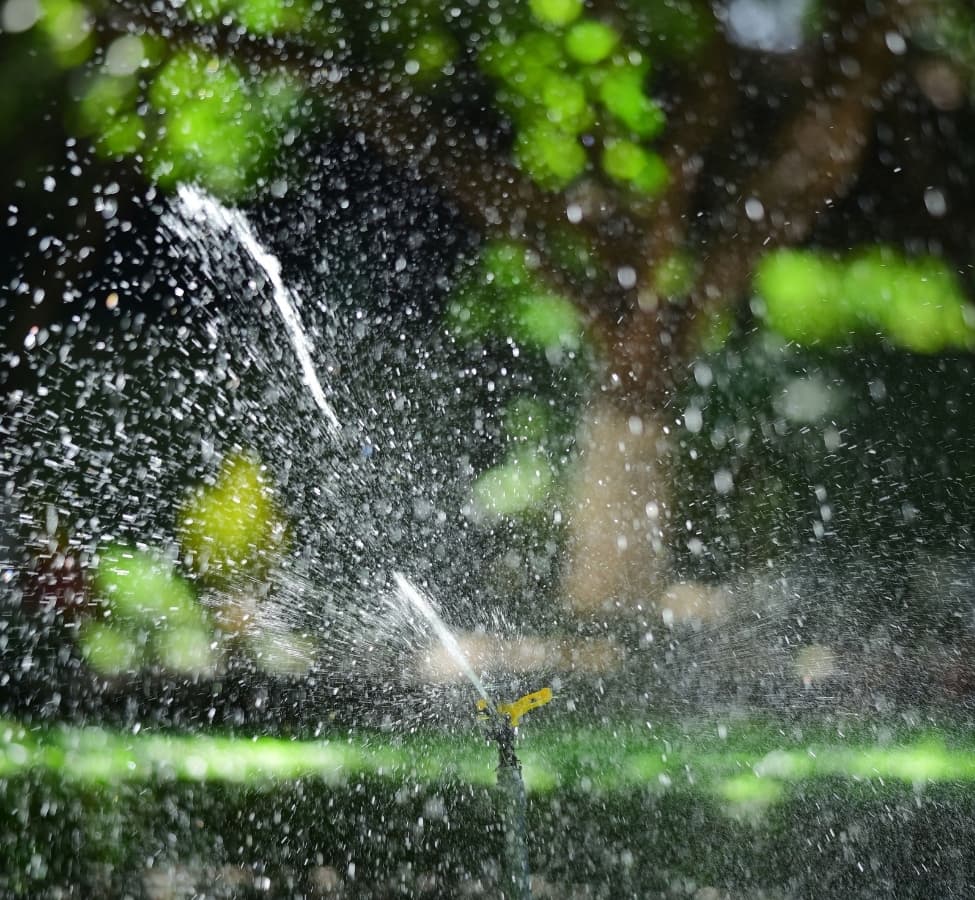
Plan drip irrigation from the start: a 2017 forum post on Serbia's advisory portal calls it necessary for hazel in most cases.
Where you plan machine harvest, train single-trunk trees and keep the rows on level ground; some Serbian plantations are already tree form.
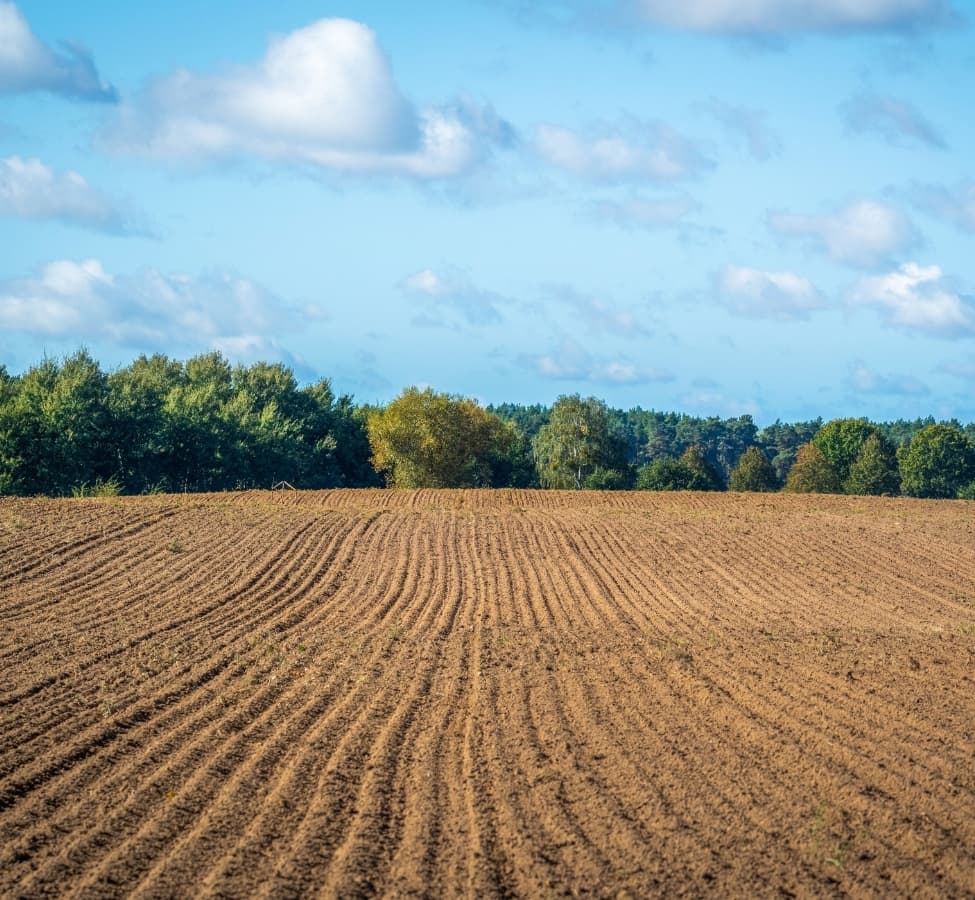
Smooth and firm the orchard floor at least a year before the first commercial harvest, as OSU advises, so sweepers can work up to the trunks.
Recommended Establishment Stages

Hazelnut Orchard Care & Maintenance in Serbia
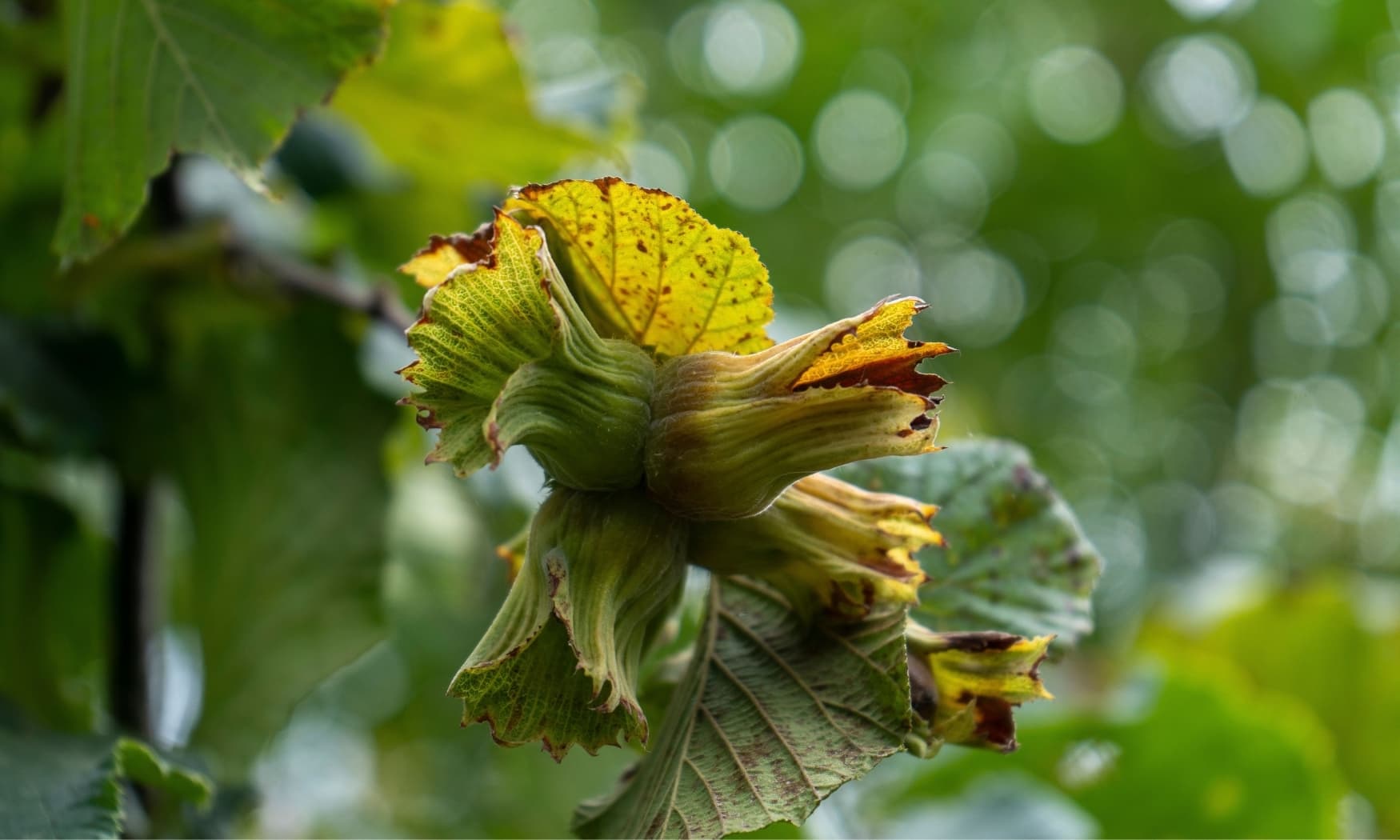
Serbia's weather service (RHMZ) describes a moderate-continental climate, with June the rainiest month and 540 to 820 mm a year in lower regions (1961 to 1990 normals). Recent summers were hot and dry: June 2025 was the driest June in 55 years, highs reached 44 °C in the Morava valley and the south in late July 2025, and August 2026 was the hottest and second driest since 1951. RHMZ's review of the 2024/2025 season also reports exceptionally low hazelnut yield and quality.
EPPO lists the brown marmorated stink bug (Halyomorpha halys) as present and widespread in Serbia, first found there in 2015; Serbian researchers have observed its damage on hazelnuts and monitor it with pheromone traps. Erysiphe corylacearum, a powdery mildew of hazel, was found in May 2023 on 90% of the trees in an orchard in South Bačka District. EPPO lists bacterial blight as present in Serbia, but not eastern filbert blight, which is not proof of absence.
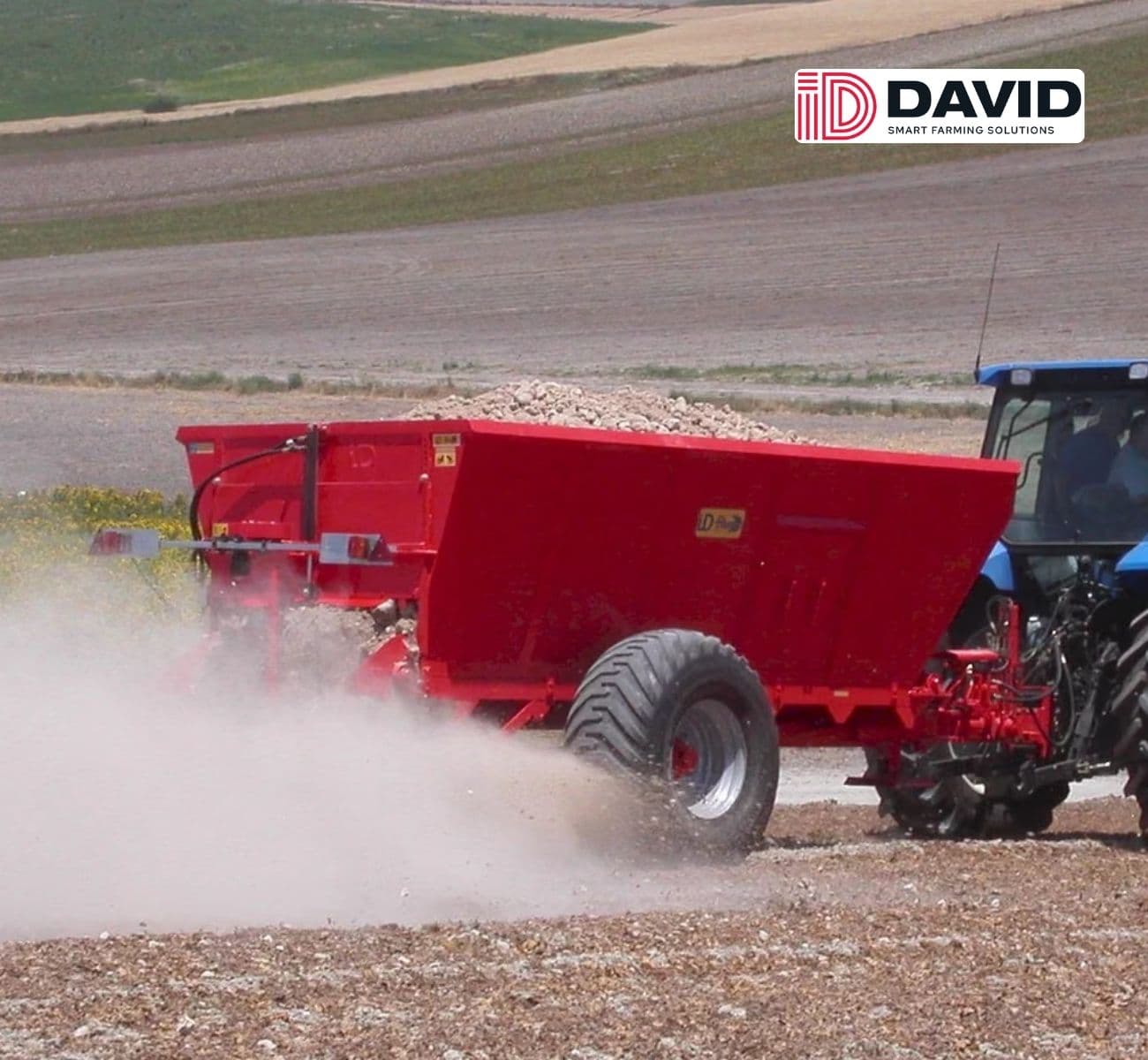
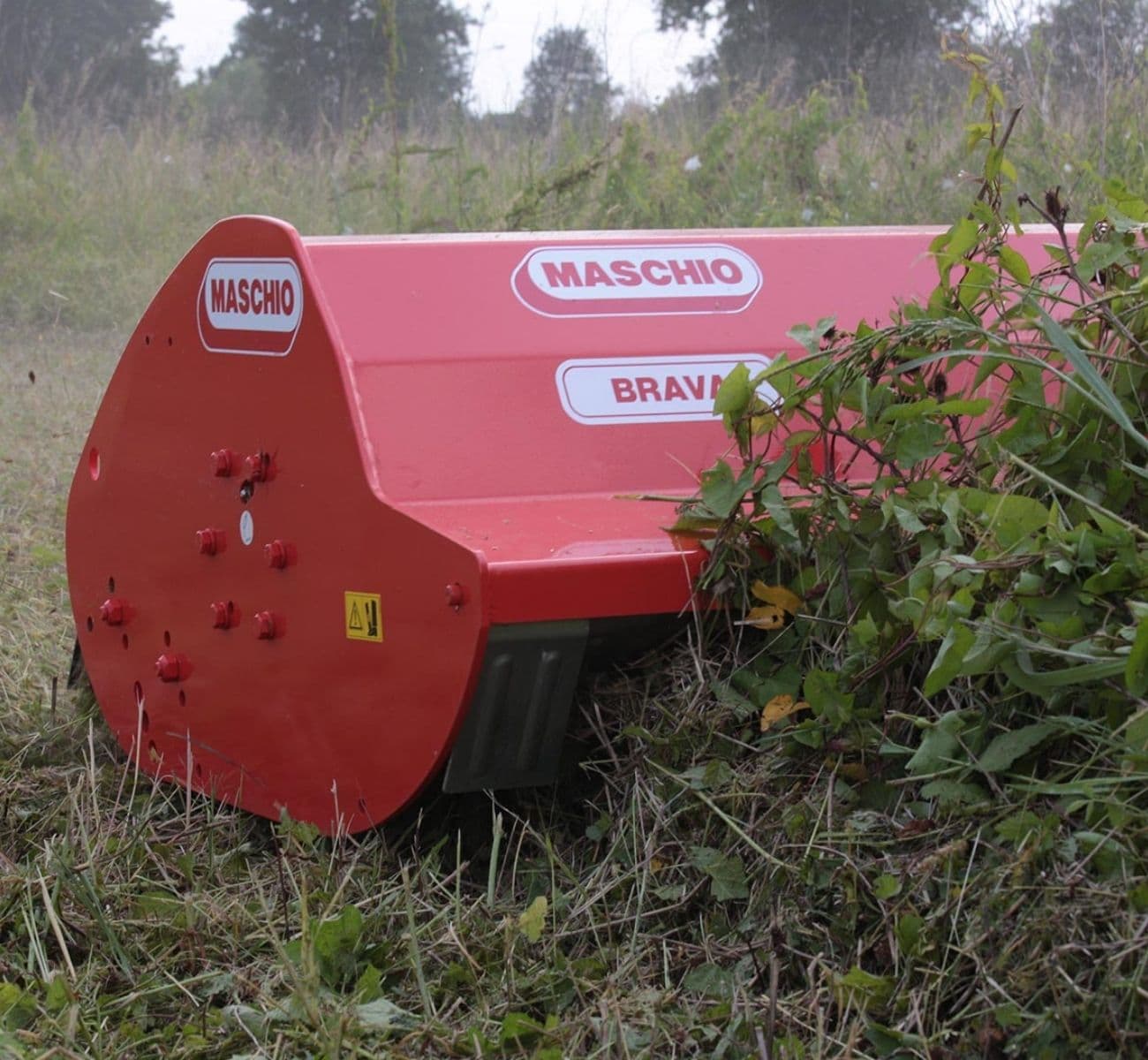
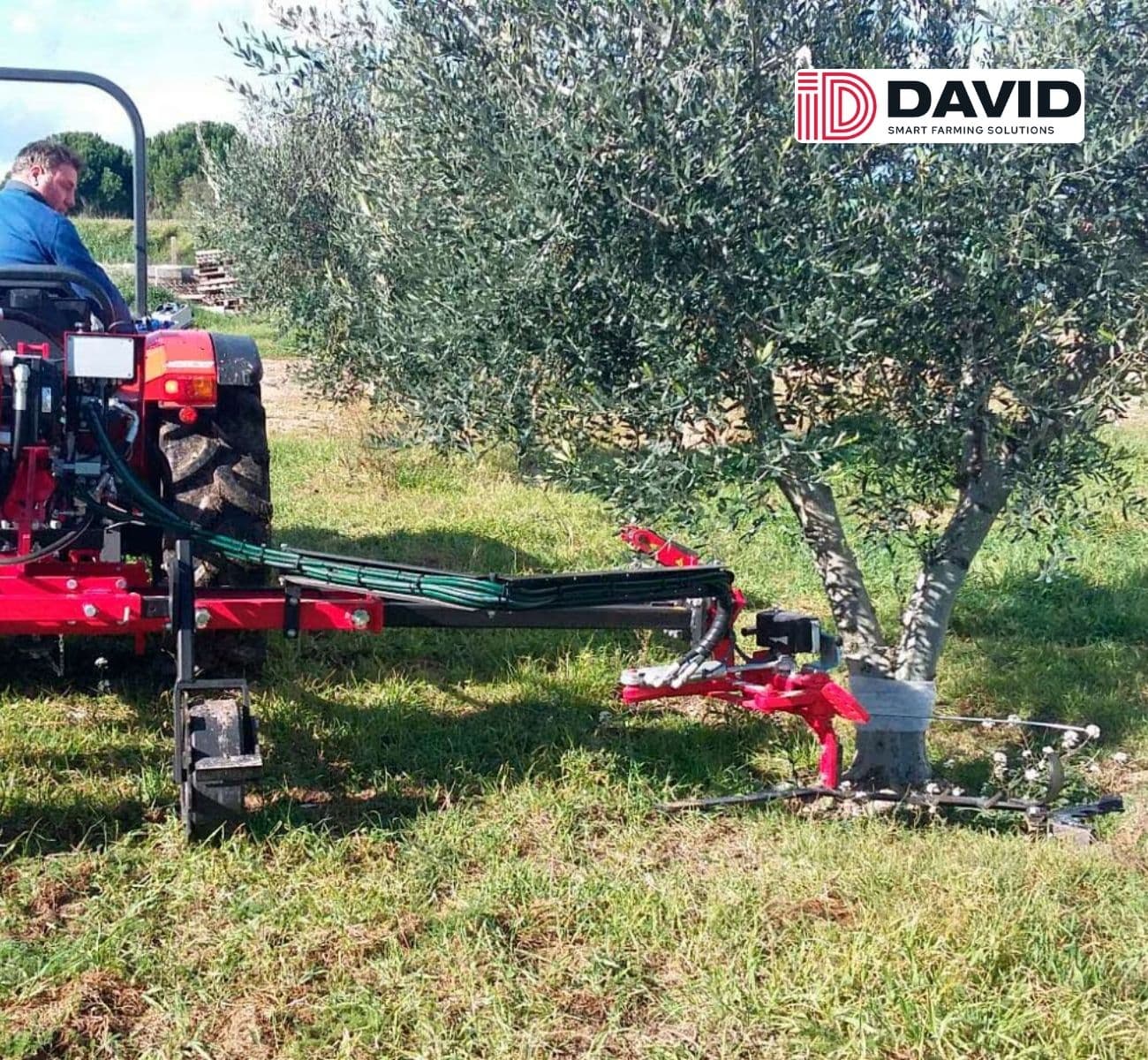
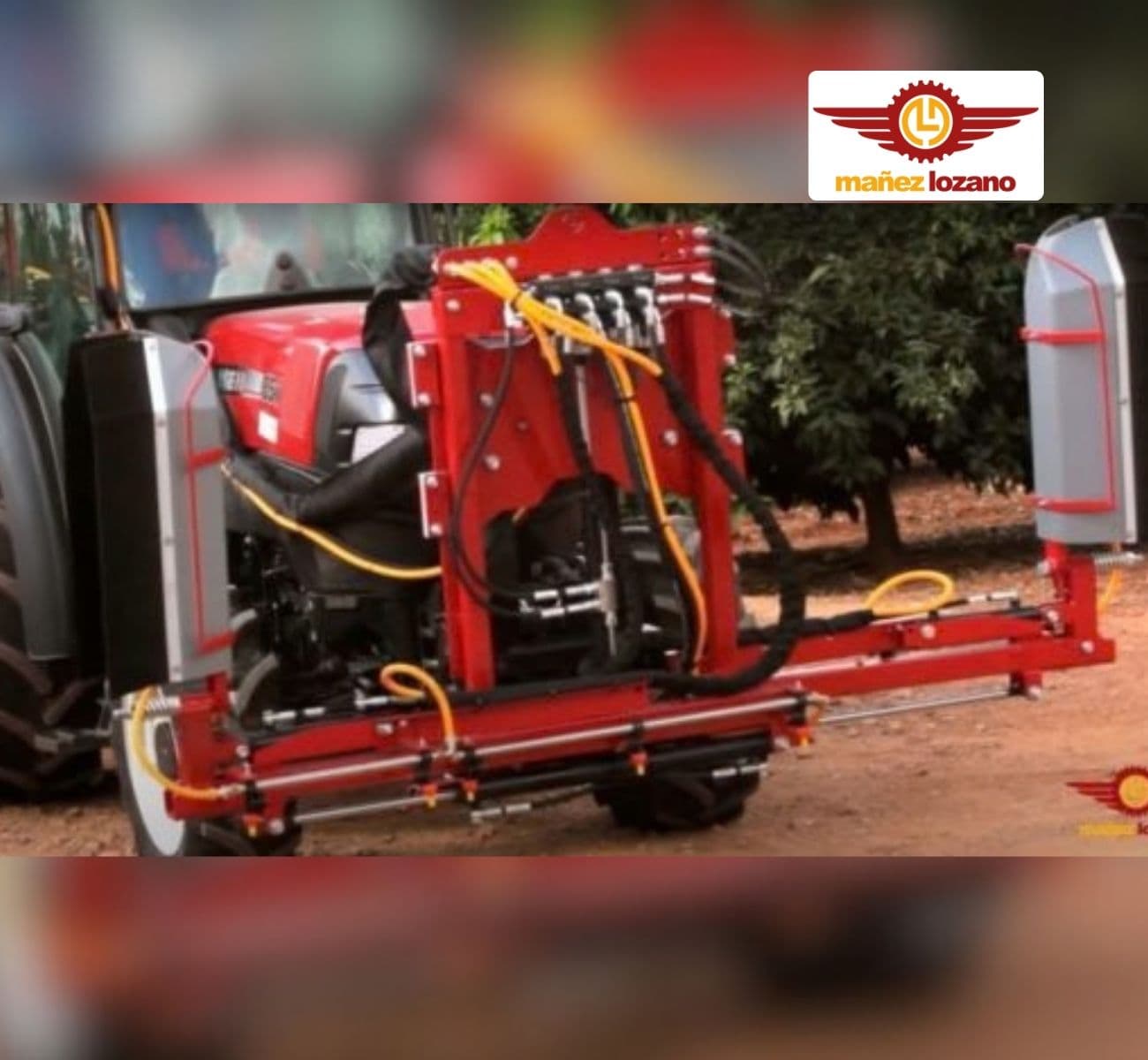
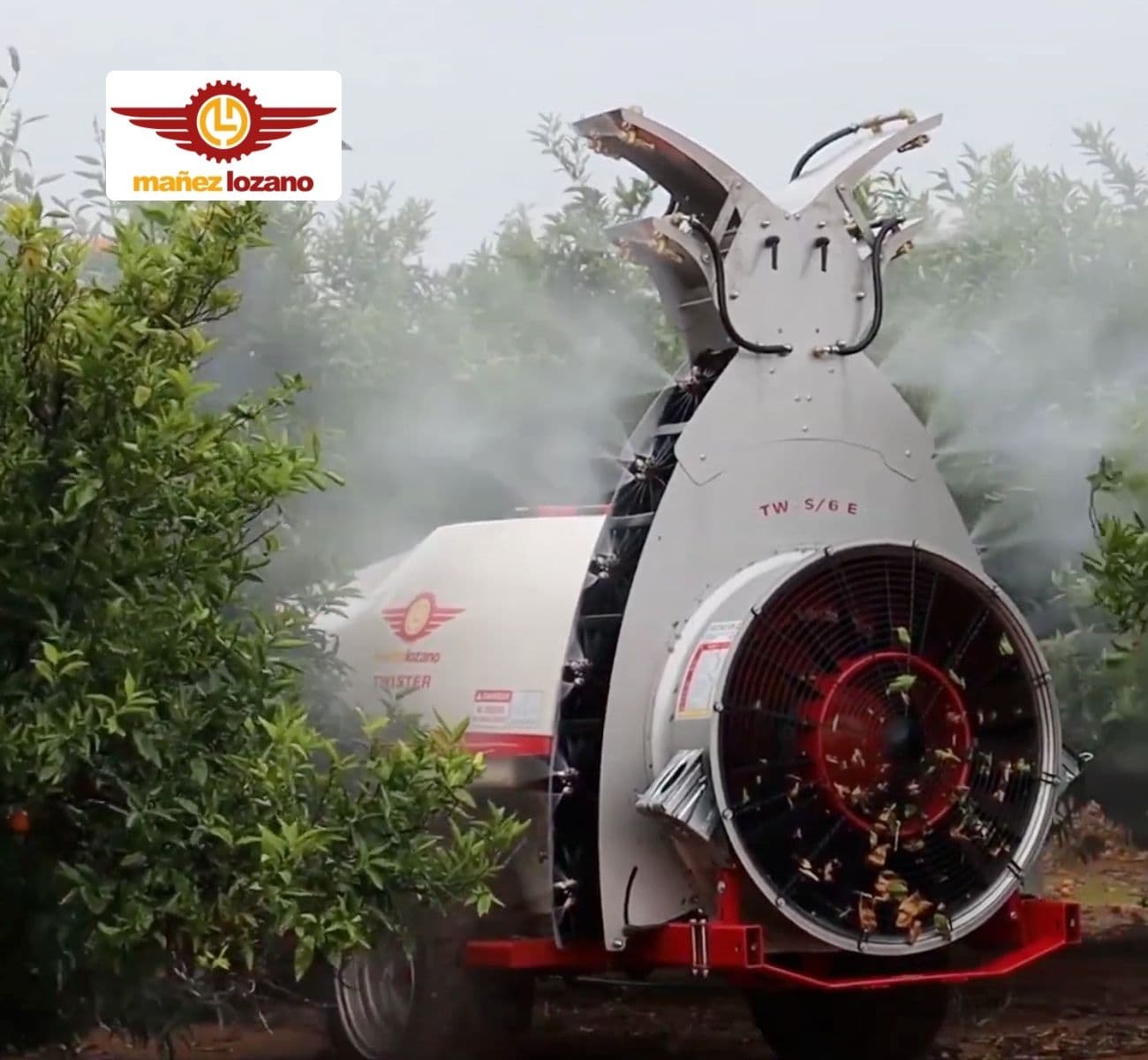
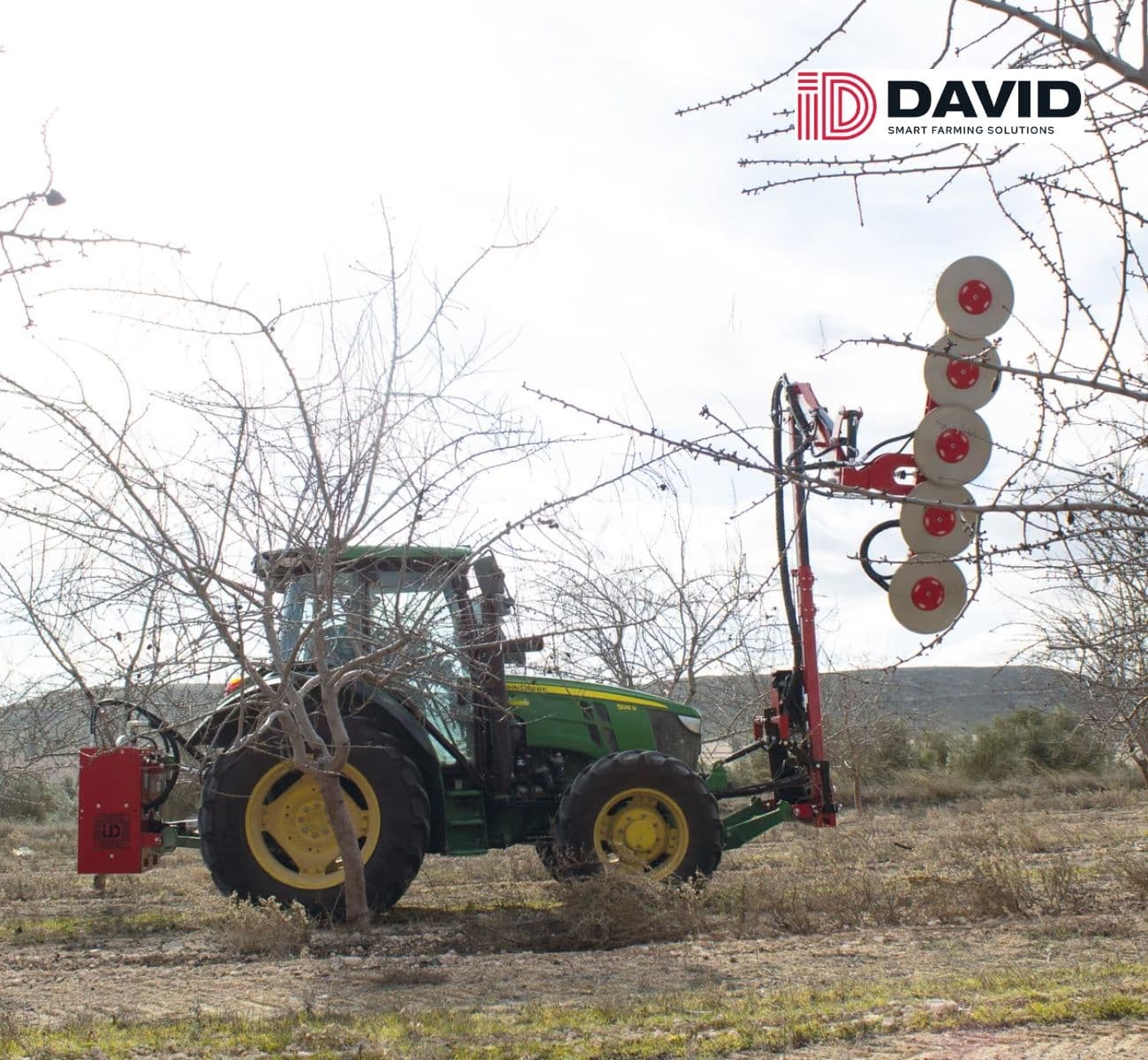
On a 40 ha plantation near Crvenka described in 2021, machinery did most of the work except pruning, while a large operation in Kikinda hires 70 to 100 seasonal workers for pruning and hoeing (2025). In single-stem orchards planted for machines, the ID DAVID SURFEED spreads solid manure, the ID-XL weeds the tree row, the Mañez Lozano Mega Twister S6 sprays tall, dense canopies and the ID-REX disc pruner makes lateral and topping cuts.
Recommended Orchard Care & Maintenance Stages

Practical Tips for Hazelnut Orchard Care & Maintenance
Plan water for hot, dry summers: RHMZ called June 2025 the driest June in 55 years and August 2026 the second driest August since 1951.
Monitor the brown marmorated stink bug with pheromone traps, especially in August, as a 2020 Serbian paper advises.
Against the hazelnut weevil, cultivate the soil around the trees in April and collect fallen nuts, as a Serbian advisory note recommends.
Check leaves for powdery mildew: Erysiphe corylacearum was found on 90% of the trees in a South Bačka orchard in May 2023.
Inspect new orchards for eastern filbert blight for 2 years after planting, as OSU advises; EPPO lists it as present only in Canada and the USA.
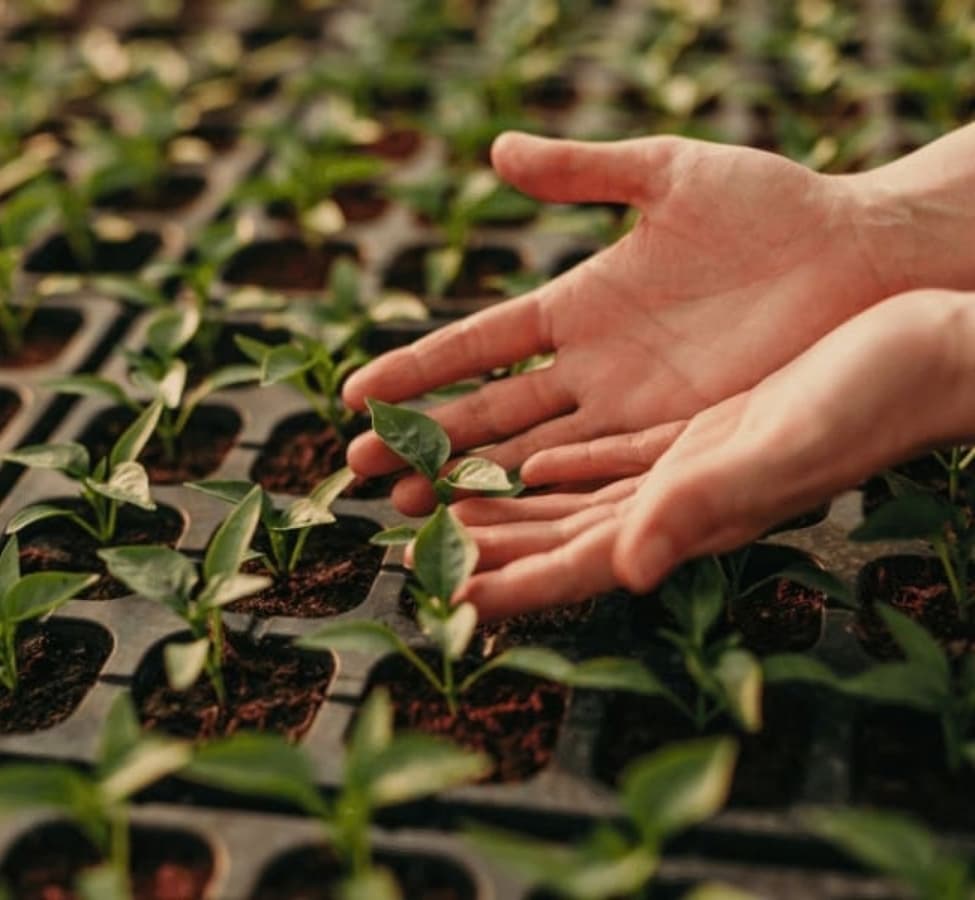
Remove suckers from own-rooted single-trunk trees: OSU notes that all hazelnut varieties produce them.

Hazelnut Harvesting in Serbia
A fruit adviser of the Vranje advisory service (2019) describes harvest usually in two passes, as nuts on one tree do not ripen together, with tractor-driven shakers as most efficient and vacuum machines for pickup; by hand, one worker gathers about 20 kg in eight hours. In 2021, a harvester on the plantation near Crvenka, its make not named, was said to replace about a hundred workers a day. In single-stem orchards planted for machines, mechanized harvesting can bring the crop in on time, with less risk of nuts deteriorating while they wait.
Unlike the shaking the adviser describes, the system in this guide does not shake the trees: OSU explains that the thin-barked, shallow-rooted trees would be damaged. The nuts drop onto a level, mown floor and are picked up in several passes; the adviser judges ripeness by a yellowing, drying husk. RHMZ's 1981 to 2010 normals give Sombor 53.1 mm of rain in August and 54.4 mm in September, on 9 and 10 days of 0.1 mm or more.
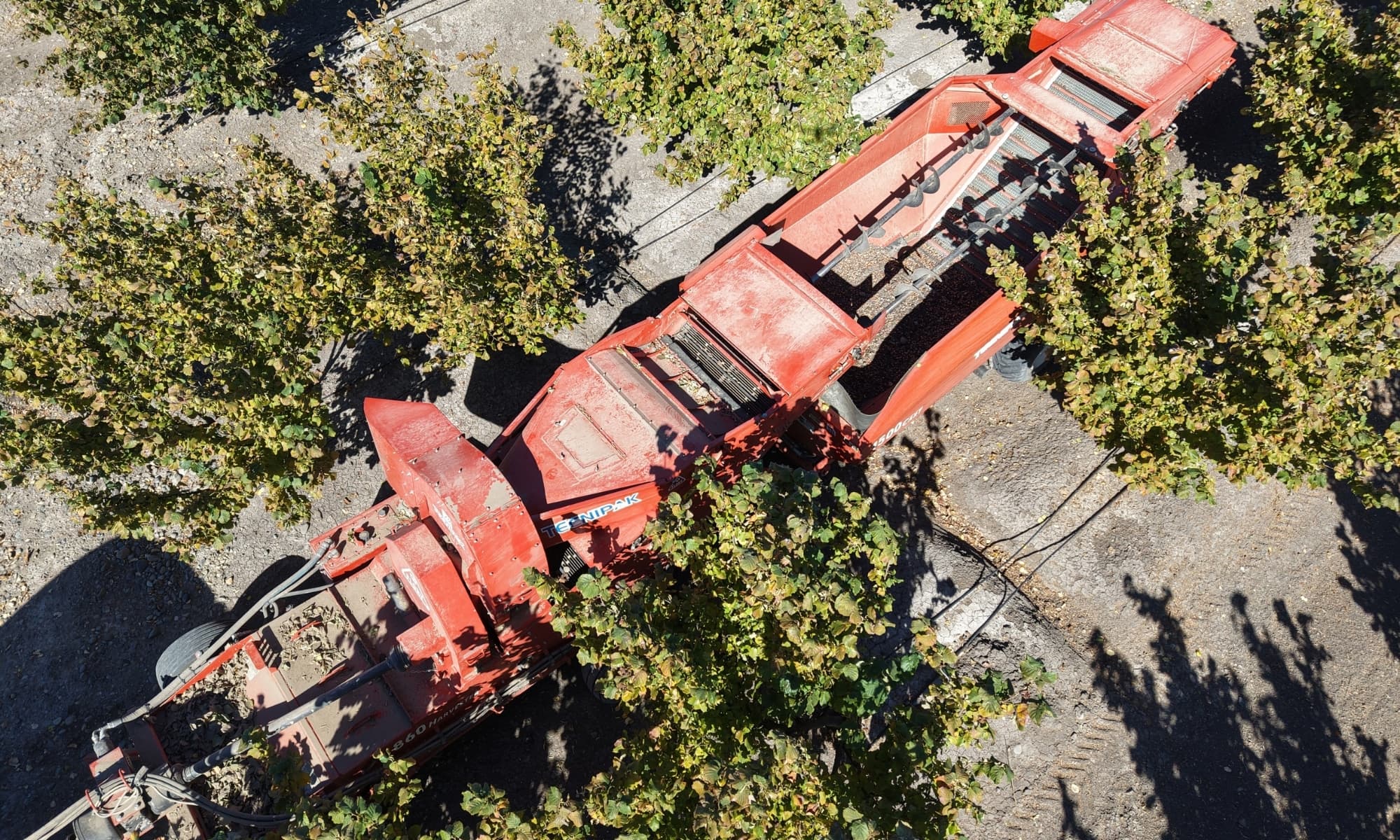
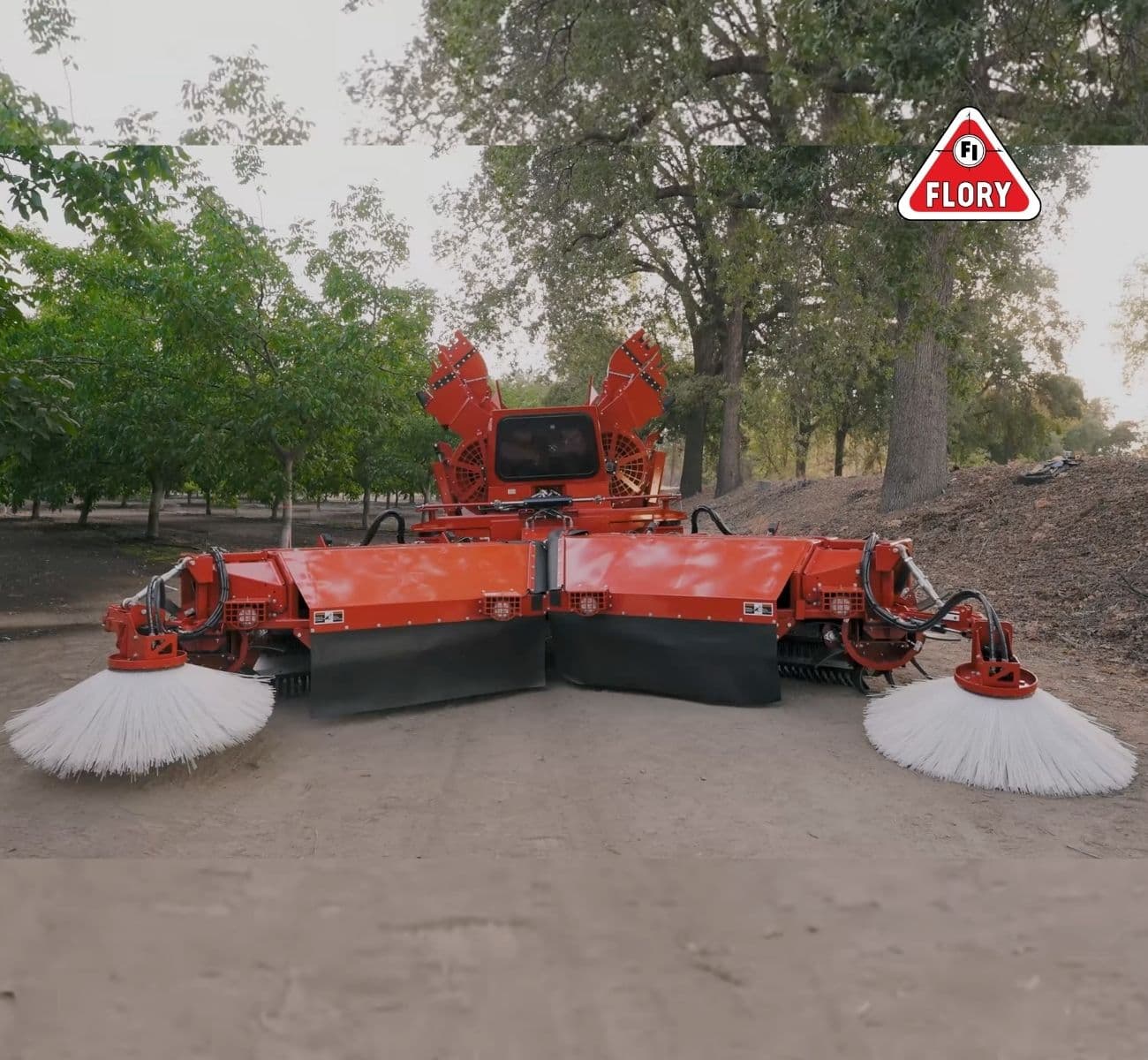
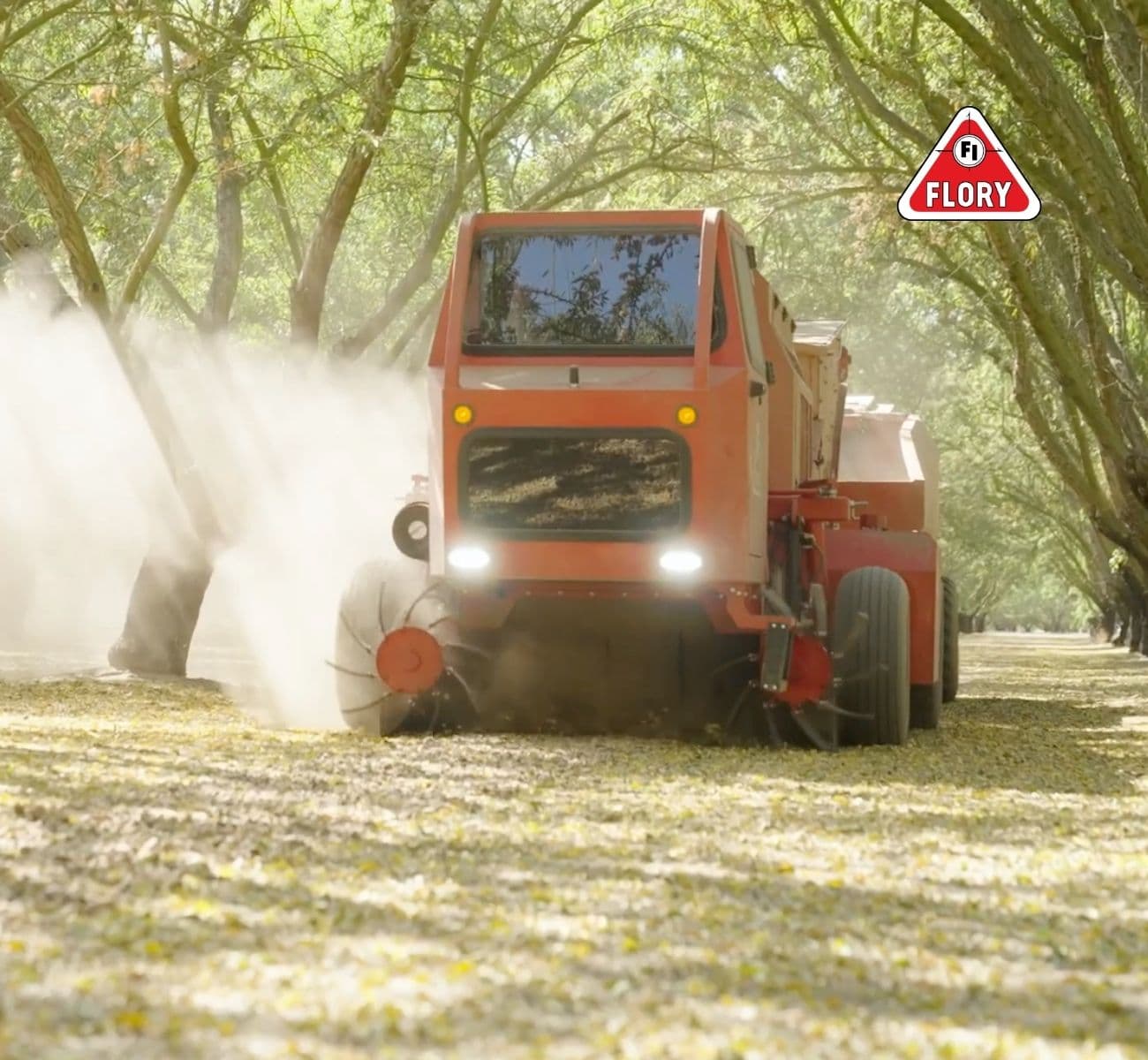
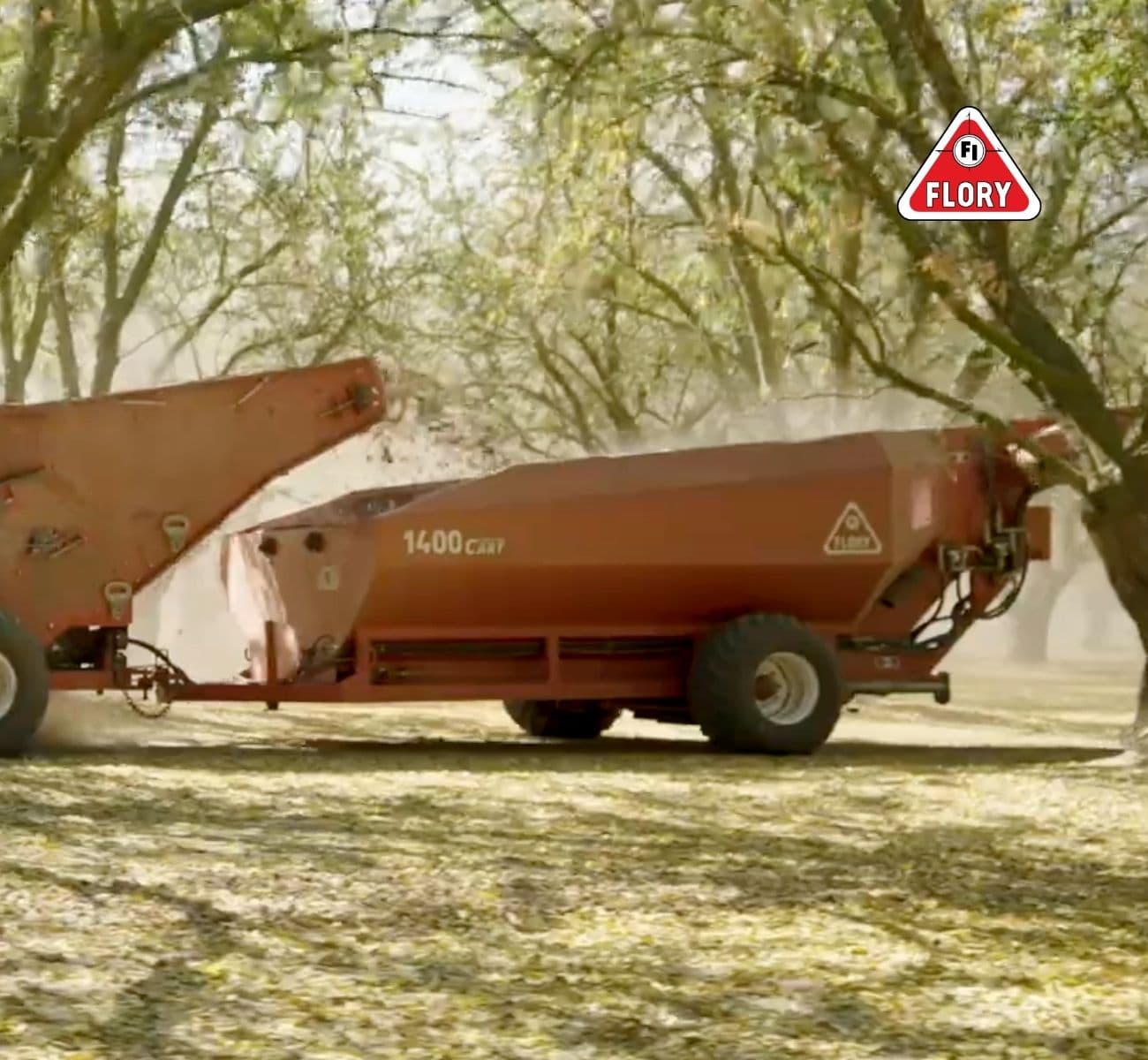
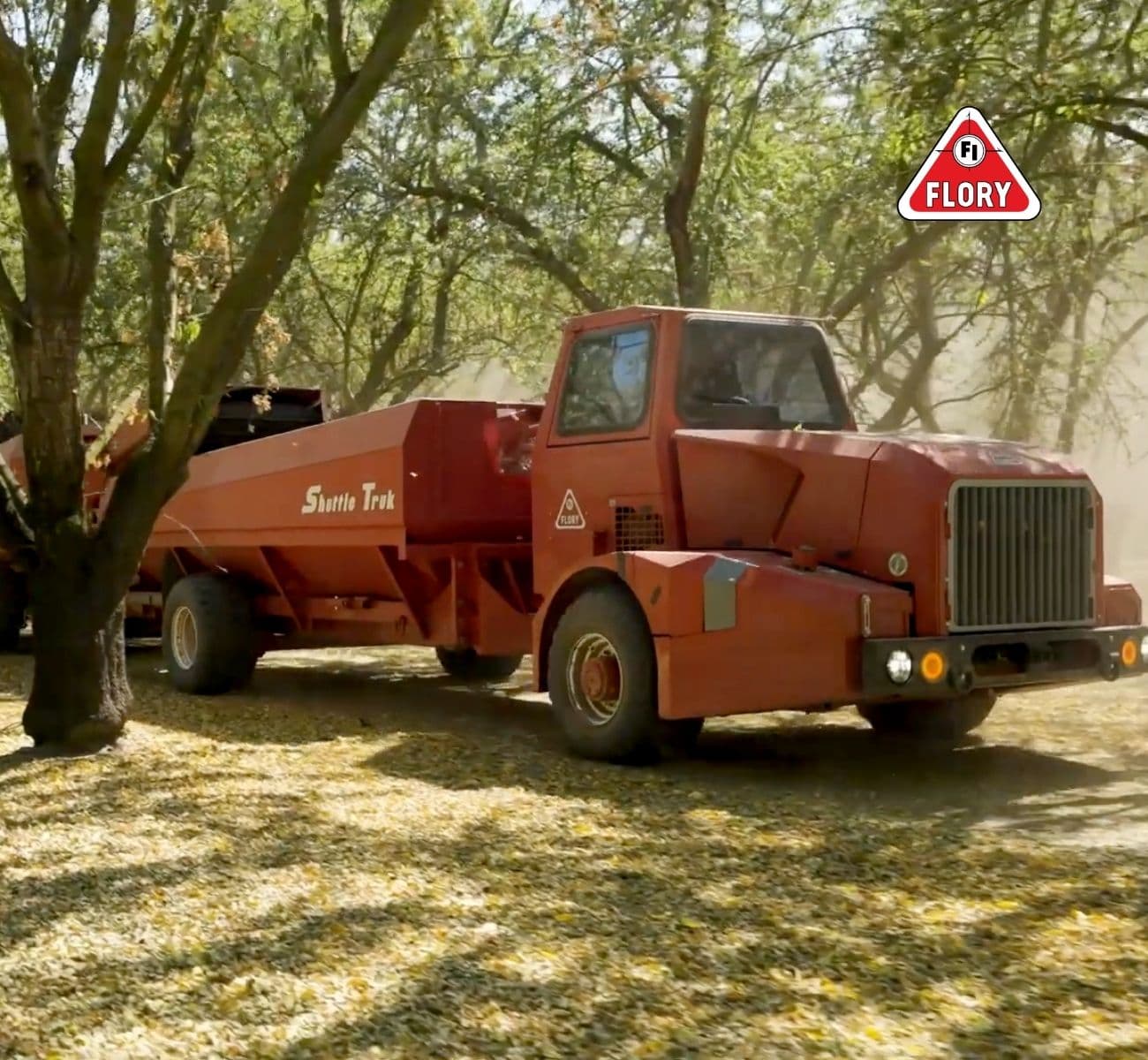
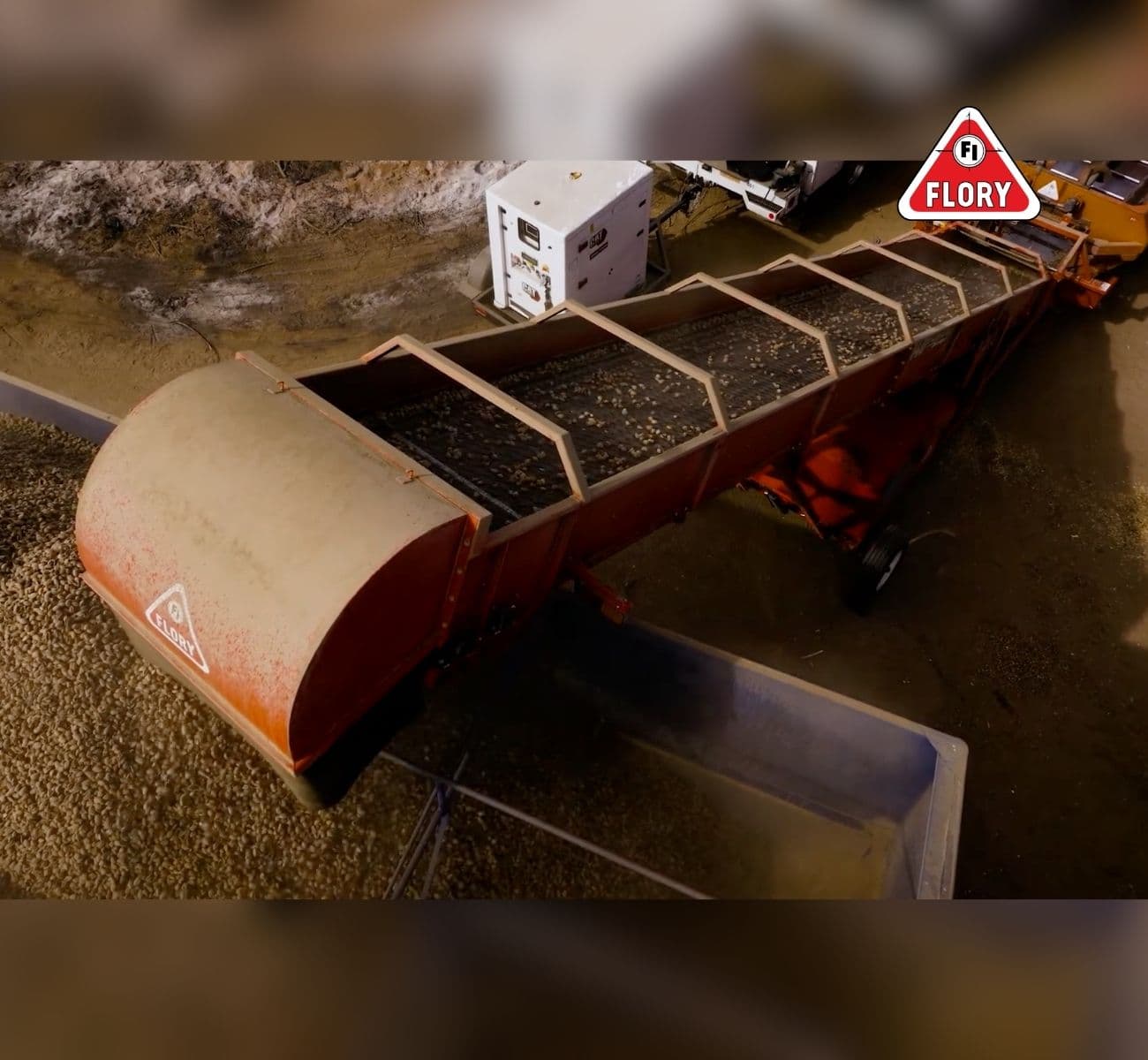
Flory harvesting machinery is available in Serbia through OVE Europe for single-stem orchards planted for machines. The self-propelled Flory V62 Sweeper sweeps the nuts into windrows, and the self-propelled 8772 Harvester picks them up; Flory lists a mud brush as standard for hazelnuts on the 8772. The 1500 Conveyor Cart receives the nuts, the ST14 Shuttle carries them and the 4840 Field Elevator loads trailers for the processing site.
Hazelnut Harvest Workflow (Recommended Equipment)
Practical Tips for Hazelnut Harvesting
Plan two or more pickup passes: a Serbian fruit adviser notes that the nuts on one tree do not all ripen at the same time.
Judge ripeness by the husk: a Serbian adviser calls a yellowing, drying husk the best sign; nuts harvested too early taste worse and give less kernel.
Level, smooth and flail-mow the orchard floor before nut drop, as OSU describes, so the sweeper can work right up to the trunks.
Do not delay pickup: a Serbian adviser warns that a late harvest lowers yields through pest attack.
Sweep only fast enough to keep ahead of the pickup machine, as British Columbia's guide advises, and clean harvesters between orchards.
Keep bins of harvested nuts out of the rain until drying: OSU notes that nuts in bins left in the rain before drying can turn moldy.
Get your recommended harvest setup
Enter orchard size, spacing, terrain, and target throughput—we’ll suggest a practical harvest workflow and equipment lineup.

Hazelnut Post-Harvest Handling & Processing in Serbia
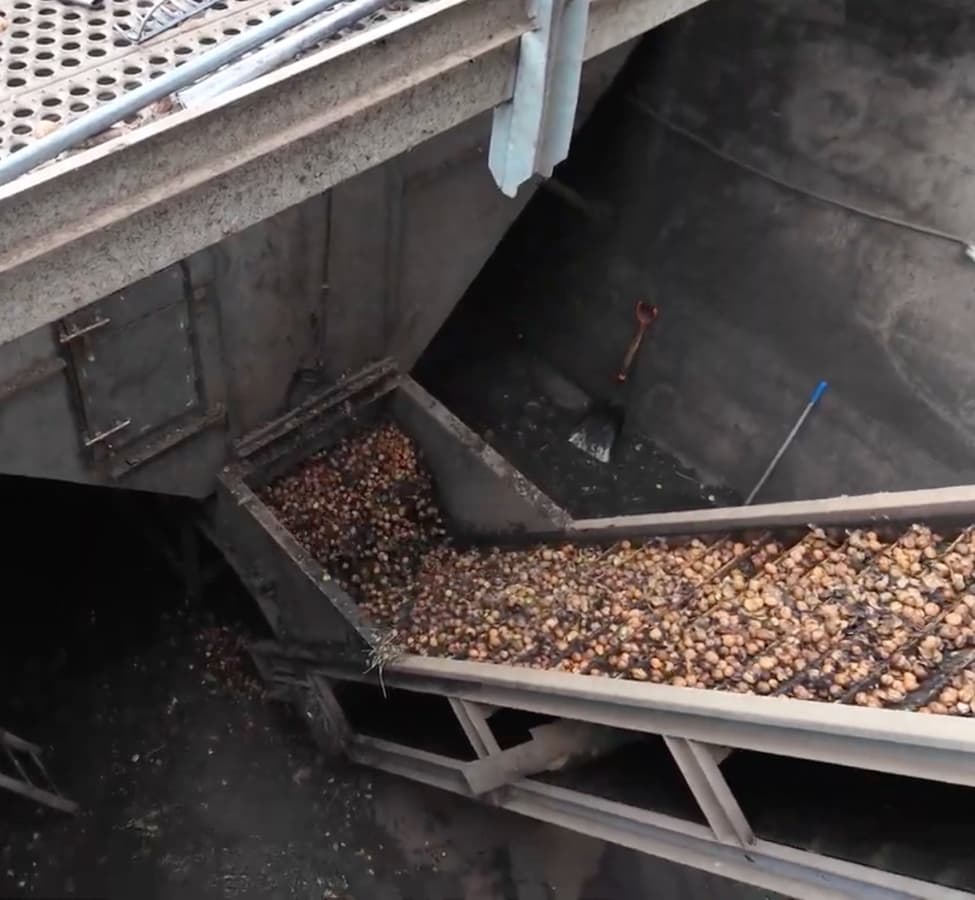
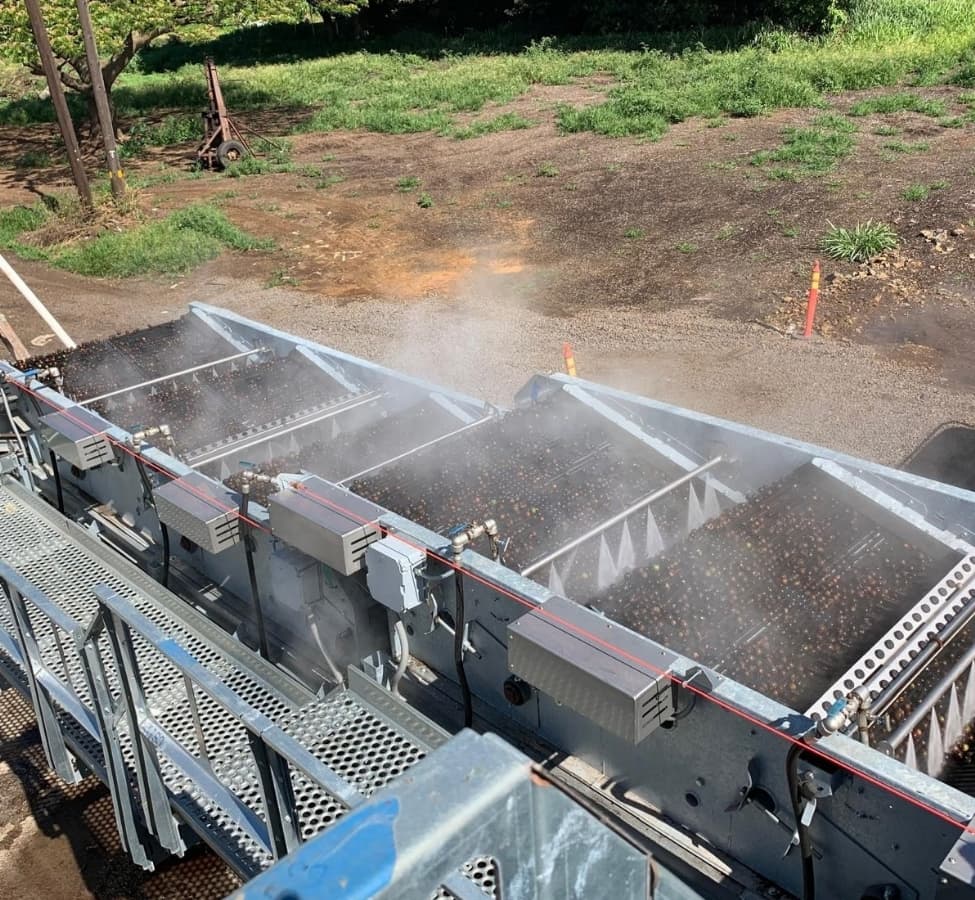
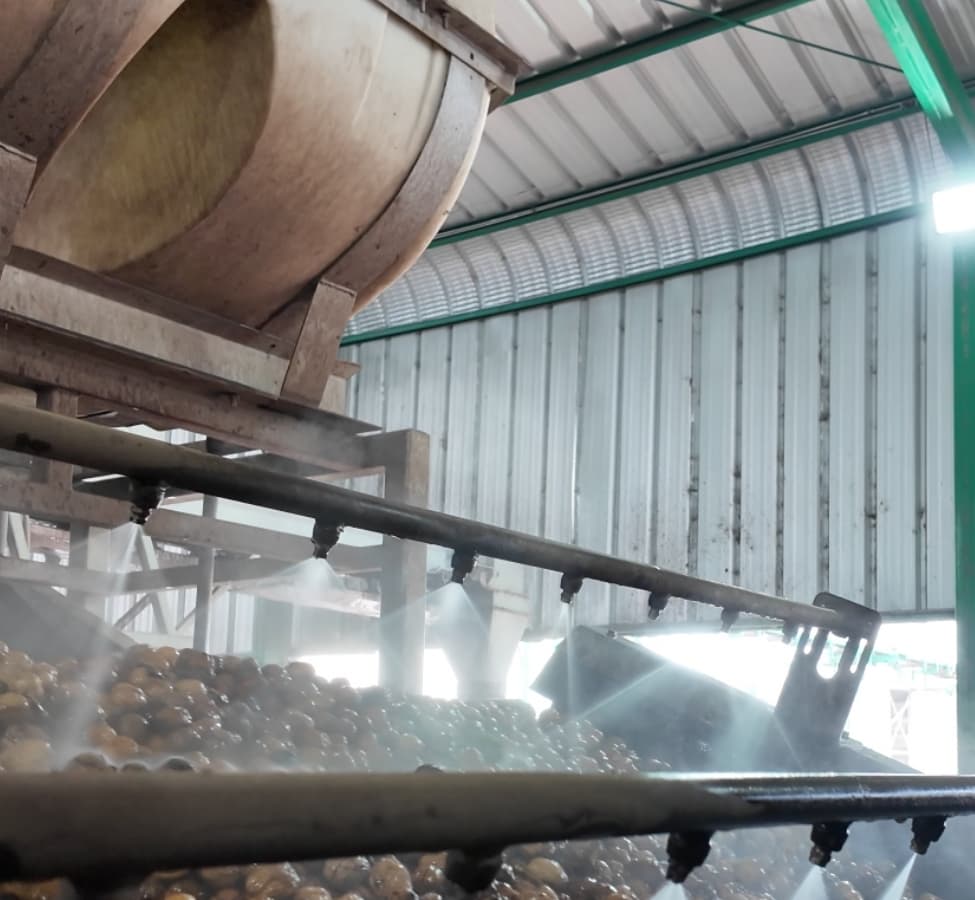
No Serbian survey of drying practice was found. The Vranje adviser (2019) describes drying husk-on nuts in the sun for six to eight days with frequent turning, then husked nuts two to three more days in the sun or in a dryer until moisture reaches 8 to 10%, at an optimal 32 to 34 °C, and advises storage in dry rooms for no more than a year. The nuts of the plantation near Crvenka went to a processing plant for sorting, washing and drying (2021).
Under UNECE's 2025 standards, in-shell hazelnuts may contain at most 12.0% moisture for the whole nut or 7.0% for the kernel, and kernels at most 6.0%. No Serbian quality rule or national standard specific to hazelnuts was found. A 2025 report from Kikinda says that almost 90% of the hazelnuts grown there are exported directly to Italy, while some small farms process hazelnuts into final products.
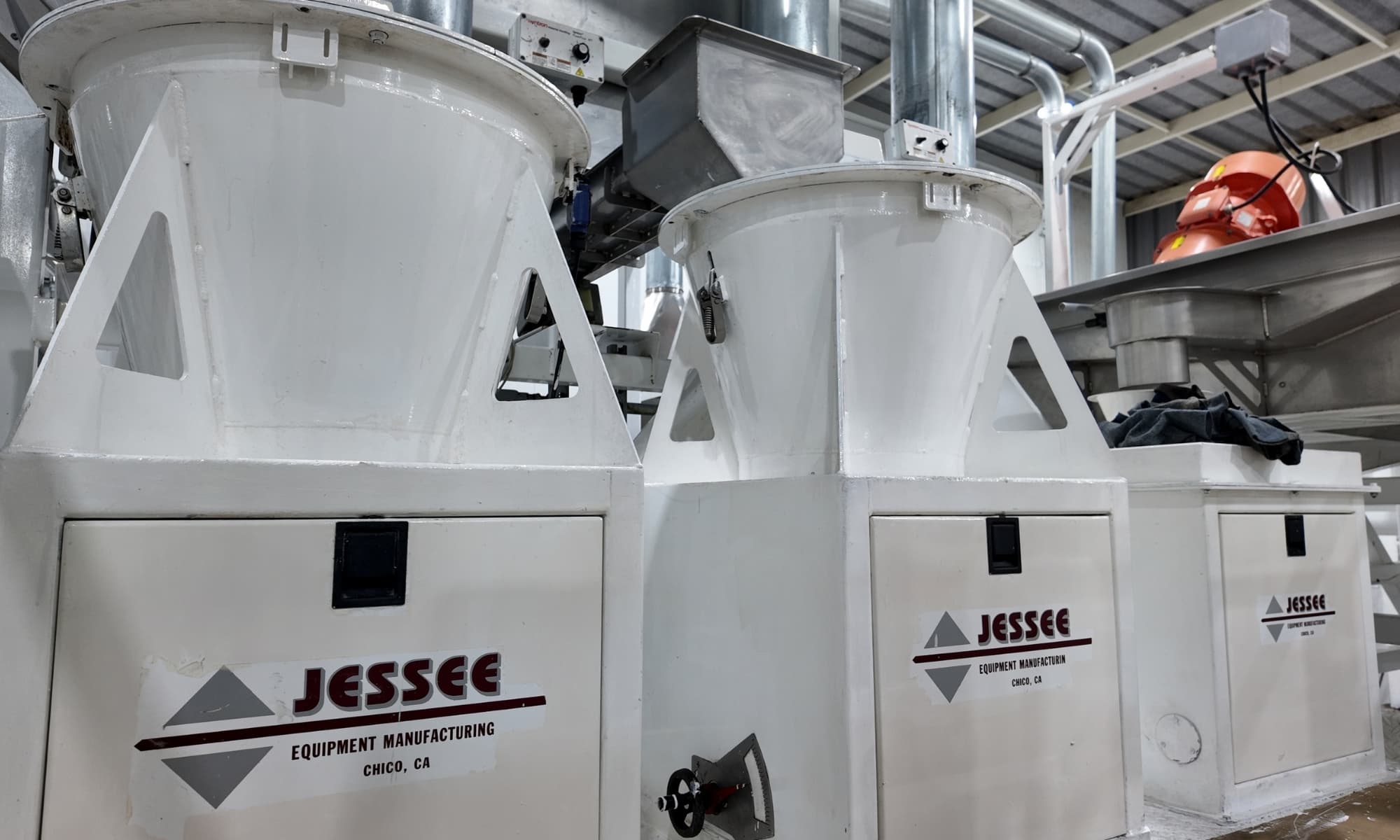
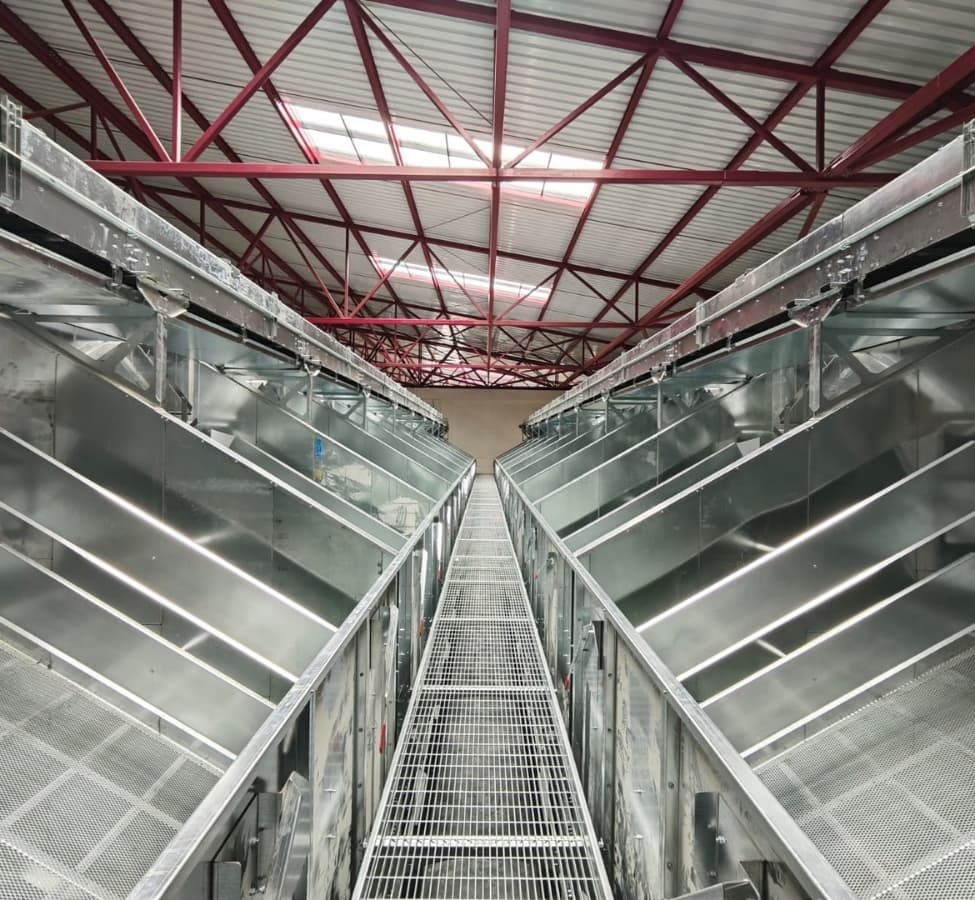
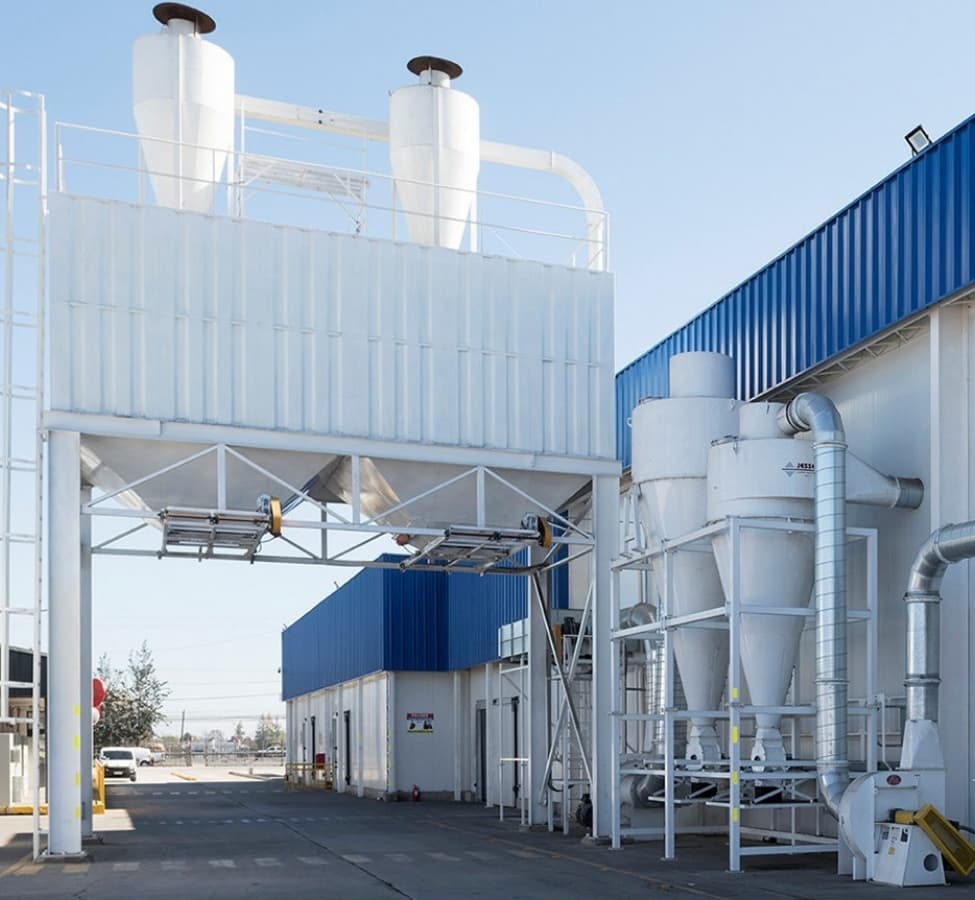
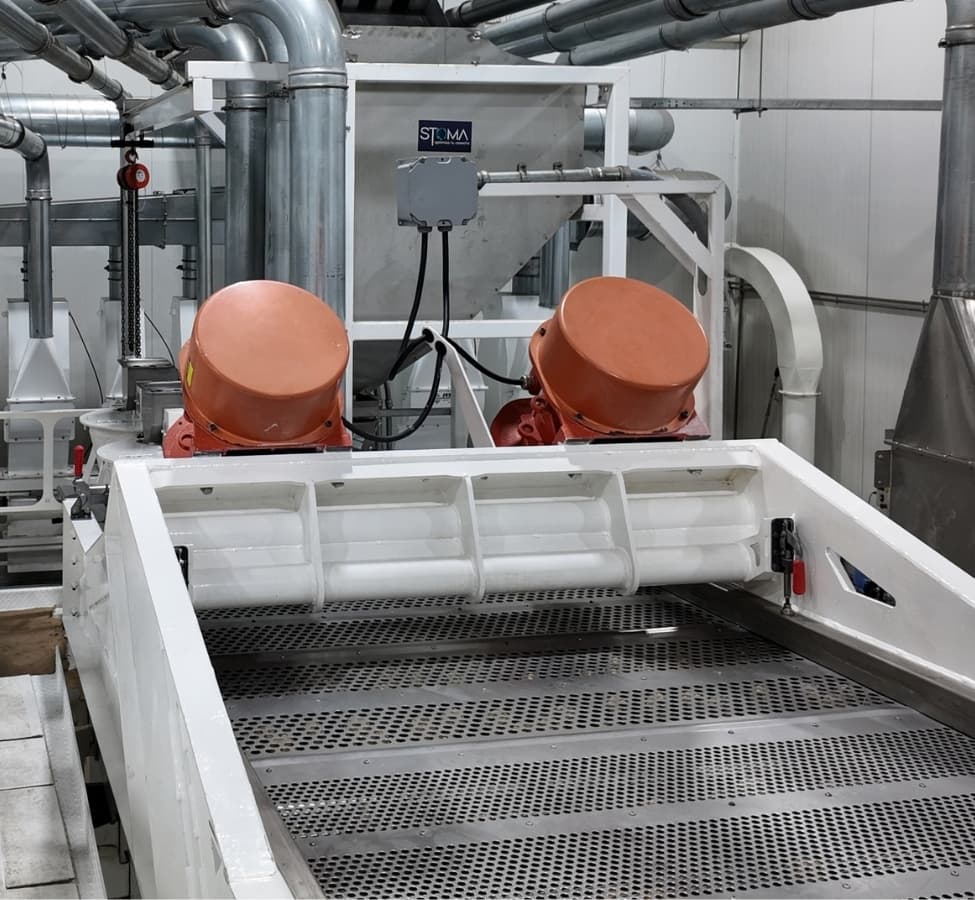
Serbia's 2024 rulebook on maximum concentrations of certain contaminants in food, last amended in 2025, sets the same aflatoxin limits as the EU: 5.0 µg/kg of B1 and 10.0 µg/kg in total for hazelnuts for the final consumer or used as an ingredient, and 8.0 and 15.0 µg/kg for nuts to be sorted first. Jessee, whose processing lines OVE Europe supplies, builds drying, in-shell cleaning and sizing, and shelling systems, and it established product lines for hazelnuts in the 1980s.
For general information only. Information may become outdated and does not replace site-specific professional advice. Consult a qualified agronomist and confirm equipment suitability with OVE before acting.
Practical Tips for Hazelnut Post-Harvest Handling & Processing
Dry nuts promptly after harvest: British Columbia's guide gives 5 to 8% moisture within 24 hours, after husking, cleaning and washing.
Where possible, dry nuts in a dryer rather than in the sun: the Codex code warns that sun-dried nuts face a greater risk of contamination from fungal growth or pests.
Consider drying air at 43 to 49 °C and 40% relative humidity: in OSU research, these conditions improved drying efficiency and kept quality.
Keep in-shell nuts within 12.0% moisture for the whole nut or 7.0% for the kernel, the limits in UNECE's 2025 standard for in-shell hazelnuts.
Store dried nuts in dry rooms and for no more than a year: a Serbian adviser warns that they lose weight and color and, if moist, can turn rancid.
Test lots for aflatoxins: under Serbia's rulebook, as in the EU, hazelnuts for the final consumer may contain at most 5.0 µg/kg of B1 and 10.0 µg/kg in total.
Recommended Post-Harvest Handling & Processing Stages


Plan your post-harvest line
Estimate tons/day, cleaning & drying capacity, storage needs, and cost/kg—then build your equipment plan in phases.