





Almond Orchard Establishment in Spain
In 2022, MAPA's yearbook put 240,106 of Spain's 761,662 ha of almond orchards in Andalucía and 158,360 ha in Castilla-La Mancha, followed by the Valencian Community, Aragón and Murcia; Granada, Murcia, Albacete and Almería were the largest provinces by area. The Junta de Andalucía's 2013 manual notes that many Andalusian orchards lie on marginal land, often on slopes over 15% and above 700 m, where machines are hard to use.
The manual notes that all traditional Spanish cultivars are self-incompatible and advises pollinizers on at least 30% of the area, with beehives. Breeding at CEBAS-CSIC, CITA and IRTA has produced later-blooming, mostly self-fertile cultivars such as Guara, Soleta, Vairo and Penta; Guara covered 30% of the registered rain-fed almond area in 2021 (MAPA).
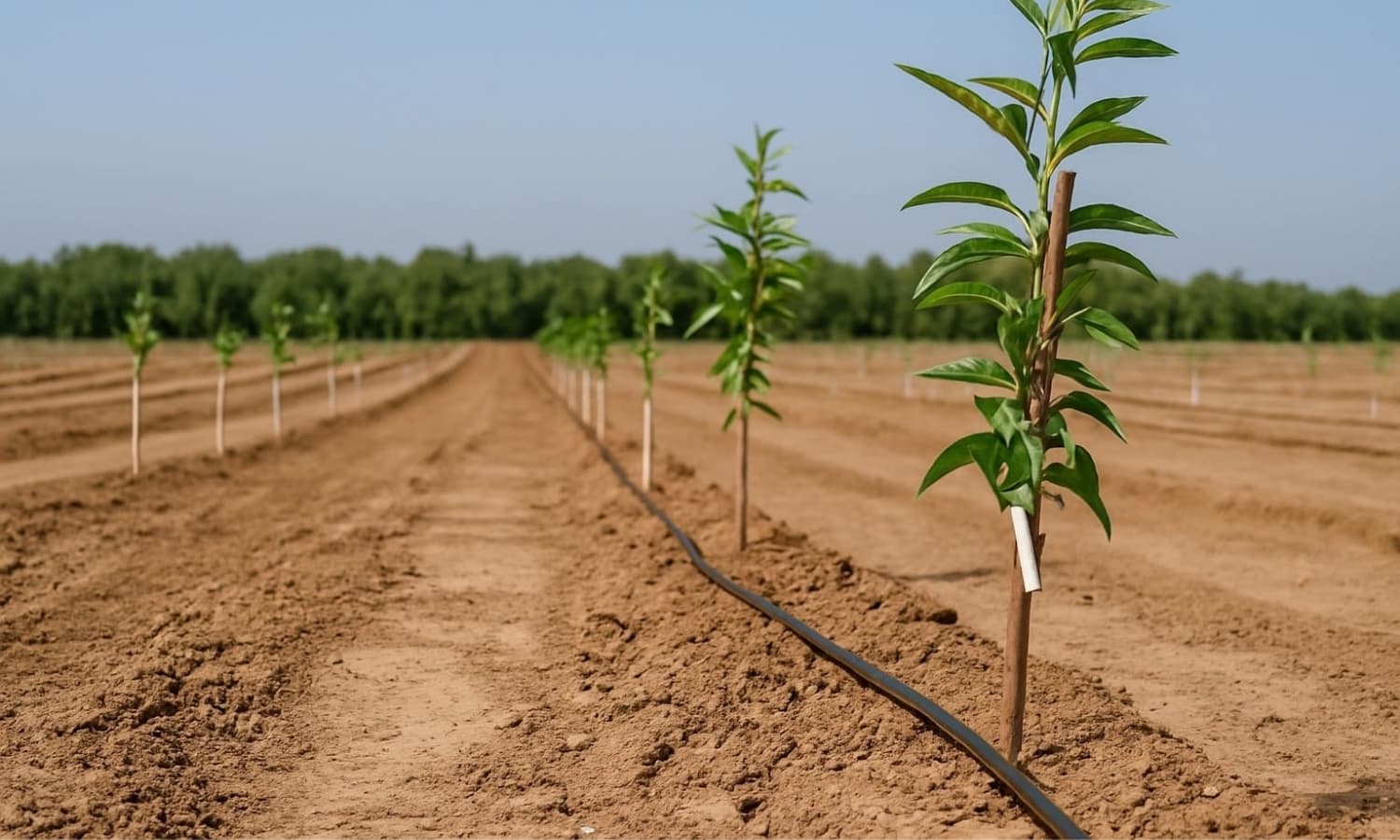
Almond seedlings were Spain's traditional rootstock, the manual says; for drought and high-lime soils it names hybrids such as GF-677 and Garnem. It advises rows 7 to 8 m apart with 5 to 7 m between trees (179 to 286 trees/ha), but no more than 150 trees/ha on poor rain-fed soils, and a crotch usually 90 to 110 cm high for trunk shakers. Hedgerows of over 2,000 trees/ha began to be introduced from 2010 (University of Extremadura, 2018).

Practical Tips for Almond Orchard Establishment
Where spring frost is frequent, choose late-blooming cultivars; the 2013 manual recommends extra-late ones only for areas with frequent frost.
Plant pollinizers on at least 30% of the area for self-incompatible cultivars such as Marcona, and place beehives for bloom, as the manual advises.
On dry, calcareous soils, consider a hybrid rootstock such as GF-677 or Garnem, which the manual names for drought and high lime.
Before planting, work the soil deeper than 50 cm in two crossed passes while it is dry, as the manual advises.
Train an open vase with three main branches and a crotch 90 to 110 cm high, so a trunk shaker can grip the trunk.
Avoid spacing under 5 m, very steep plots and very high ridges, which the manual names as limits for umbrella shakers; check machine needs with OVE Europe.
Recommended Establishment Stages


Almond Orchard Care & Maintenance in Spain
The almond seed wasp (Eurytoma amygdali) was first found in Spain in Albacete in 2010 and later in Zaragoza (2015) and the Valencian Community (2016), Aragón's plant-health service reported in 2018. Infested nuts stay on the branches at harvest, so it advises destroying mummified almonds before spring, which works only over wide areas. Castilla-La Mancha's 2024 bulletin names Albacete, southern Cuenca and parts of Ciudad Real near the Albacete border as the zones at highest risk.
Red leaf blotch (Polystigma) is widespread, especially in southern orchards, IRTA reported in 2022, and removing leaf litter helps. The 2024-25 bulletin of Andalusia's plant-health network (RAIF) for Córdoba province notes that brown rot (Monilinia) is worse in irrigated orchards and rainy, humid areas. Xylella fastidiosa was found in an almond orchard near Alicante in 2017; EPPO rates it as transient in Spain (information of 2024), and Spain declared it under eradication in 2022.
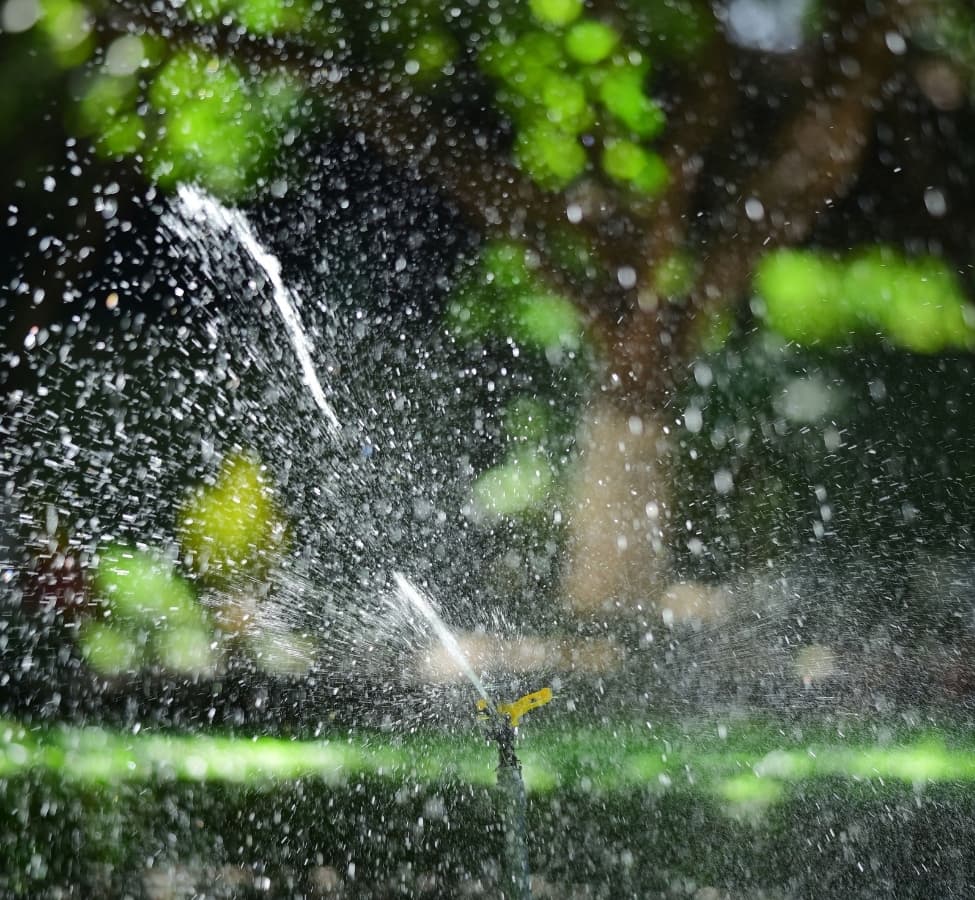
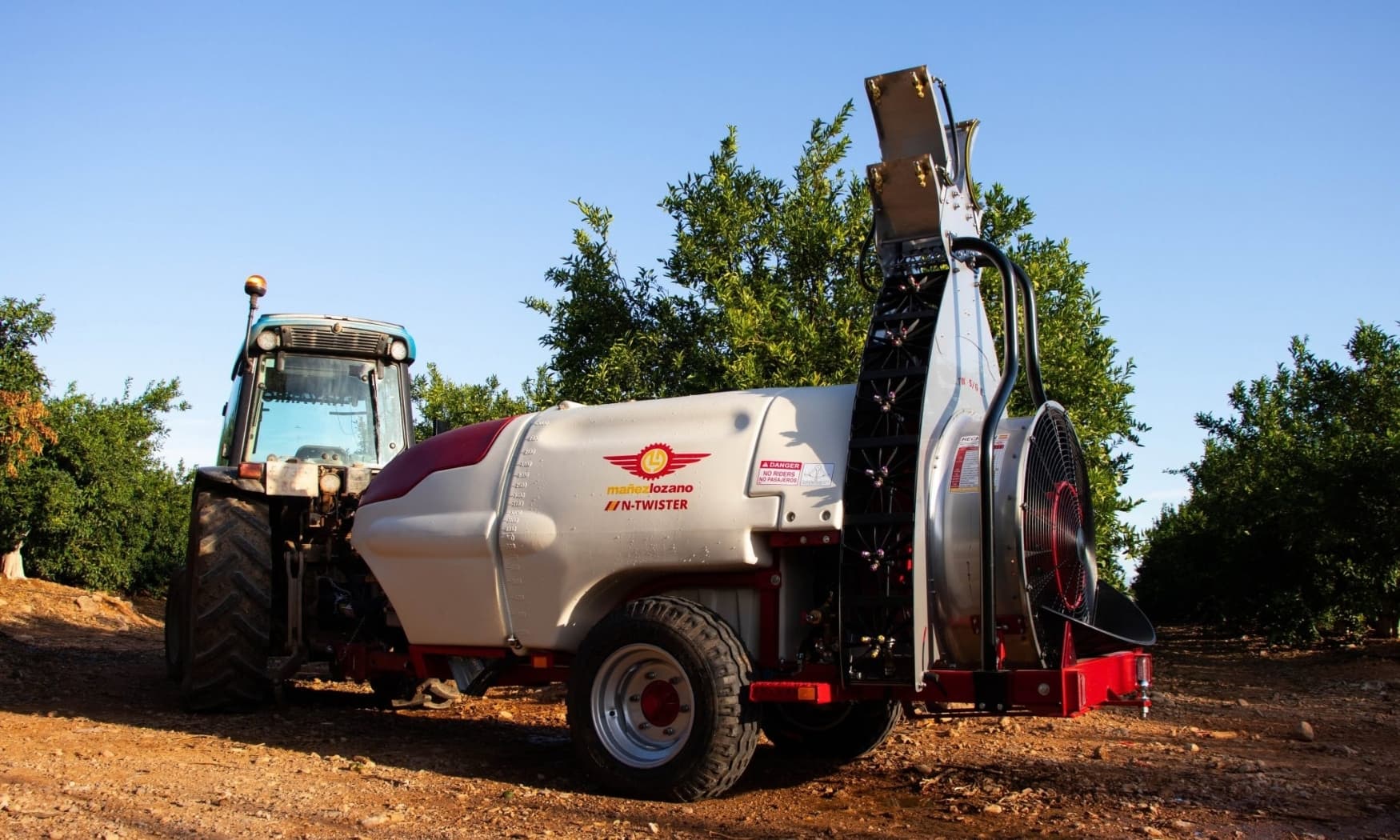
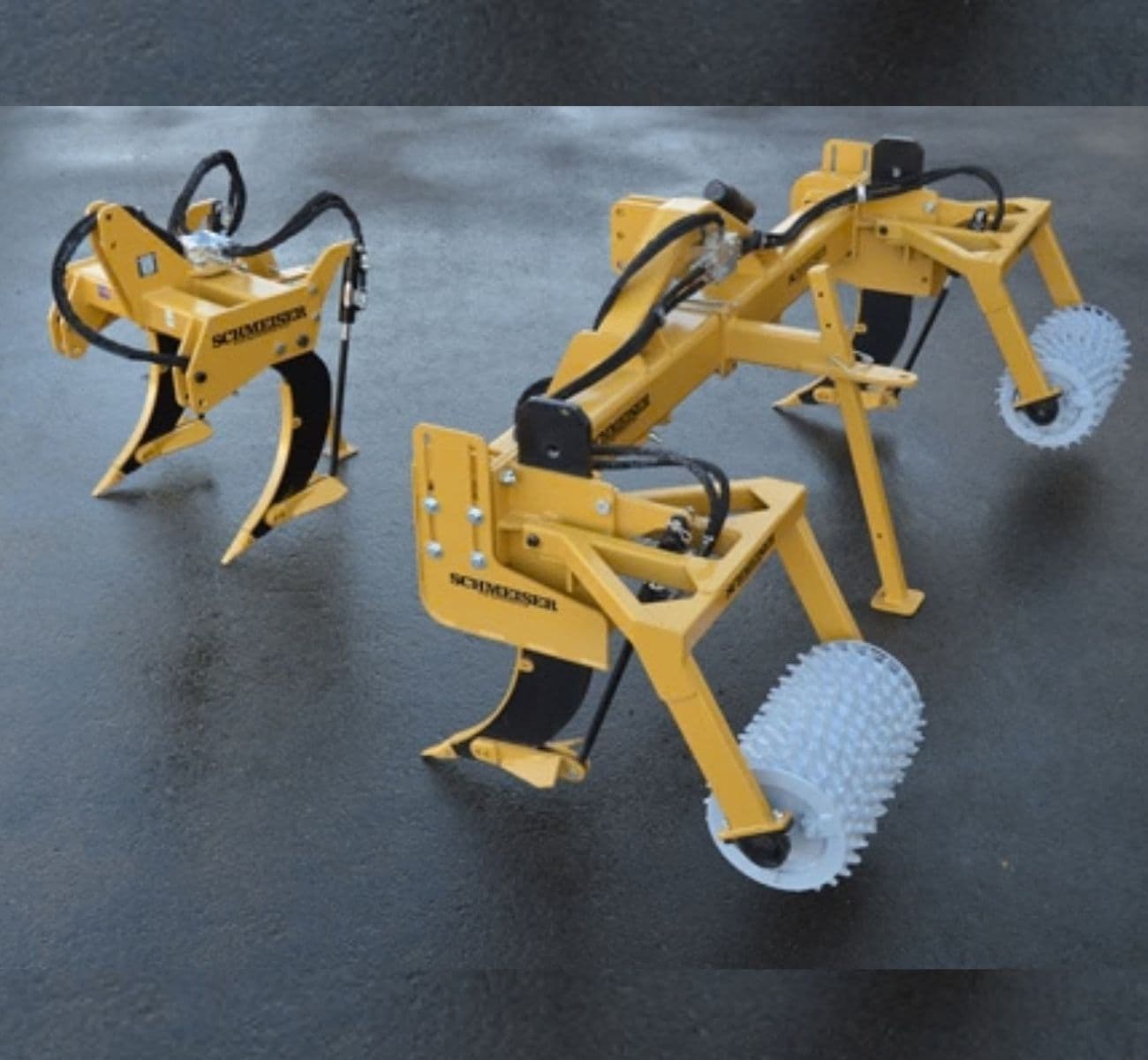
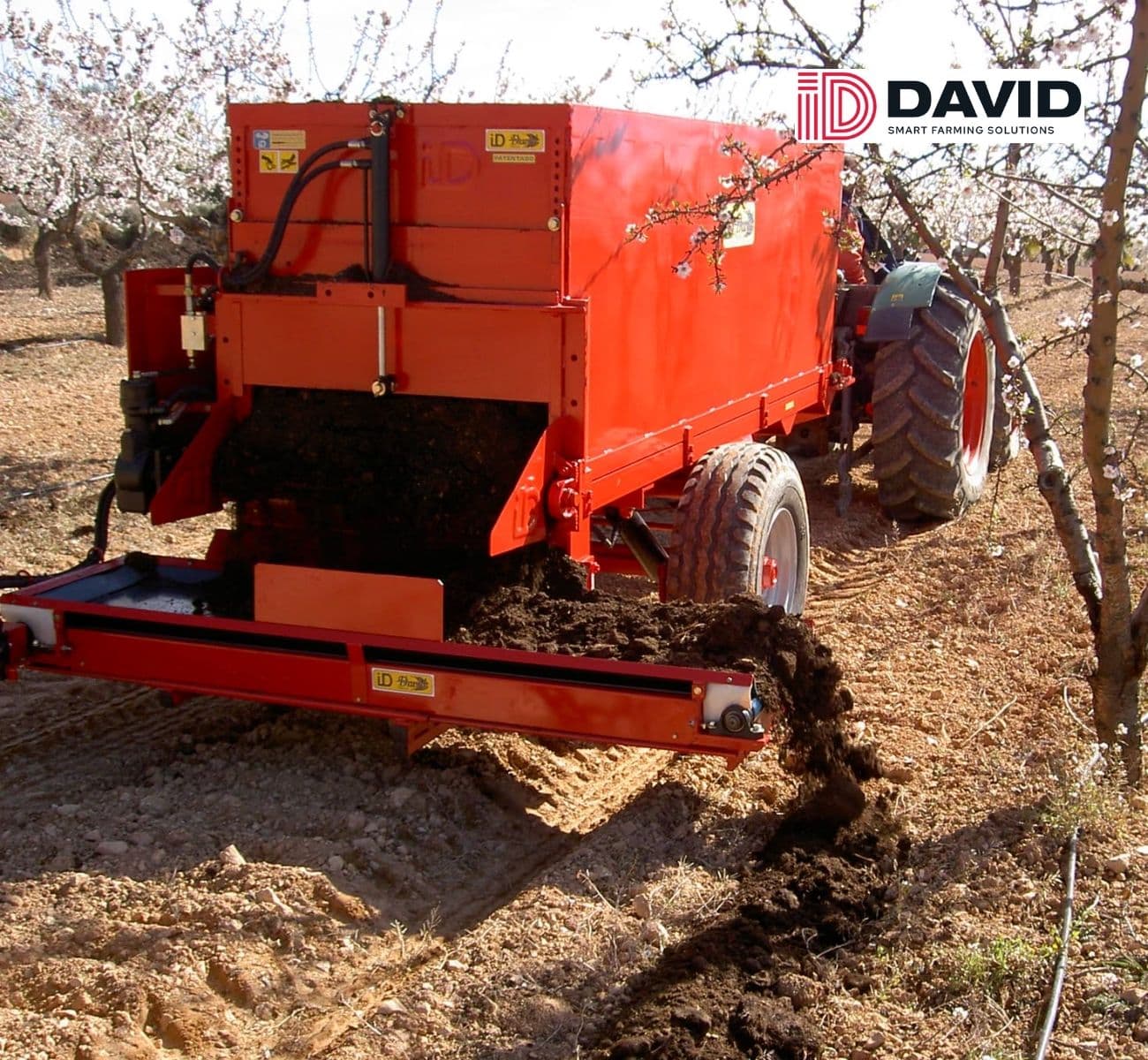
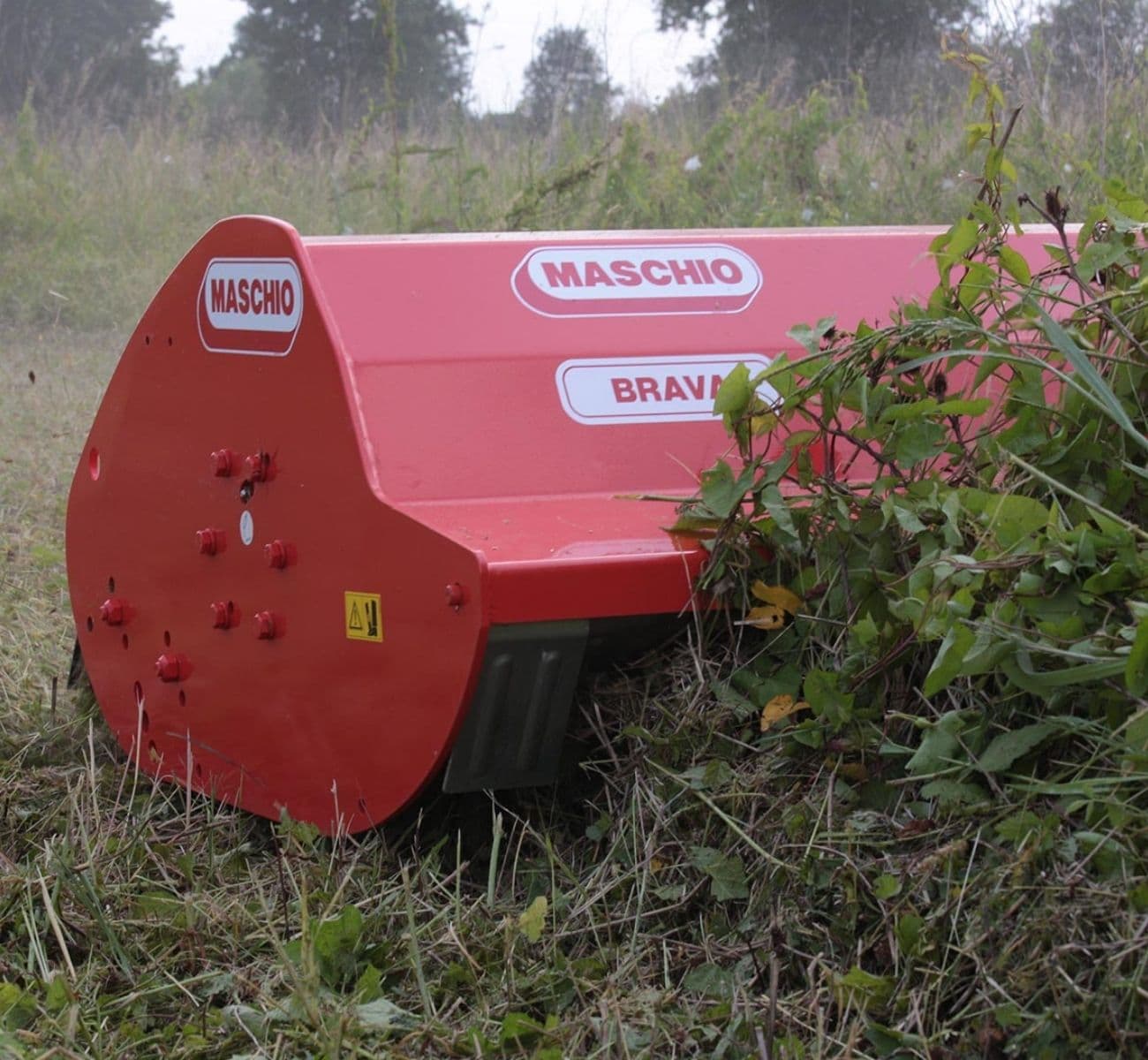
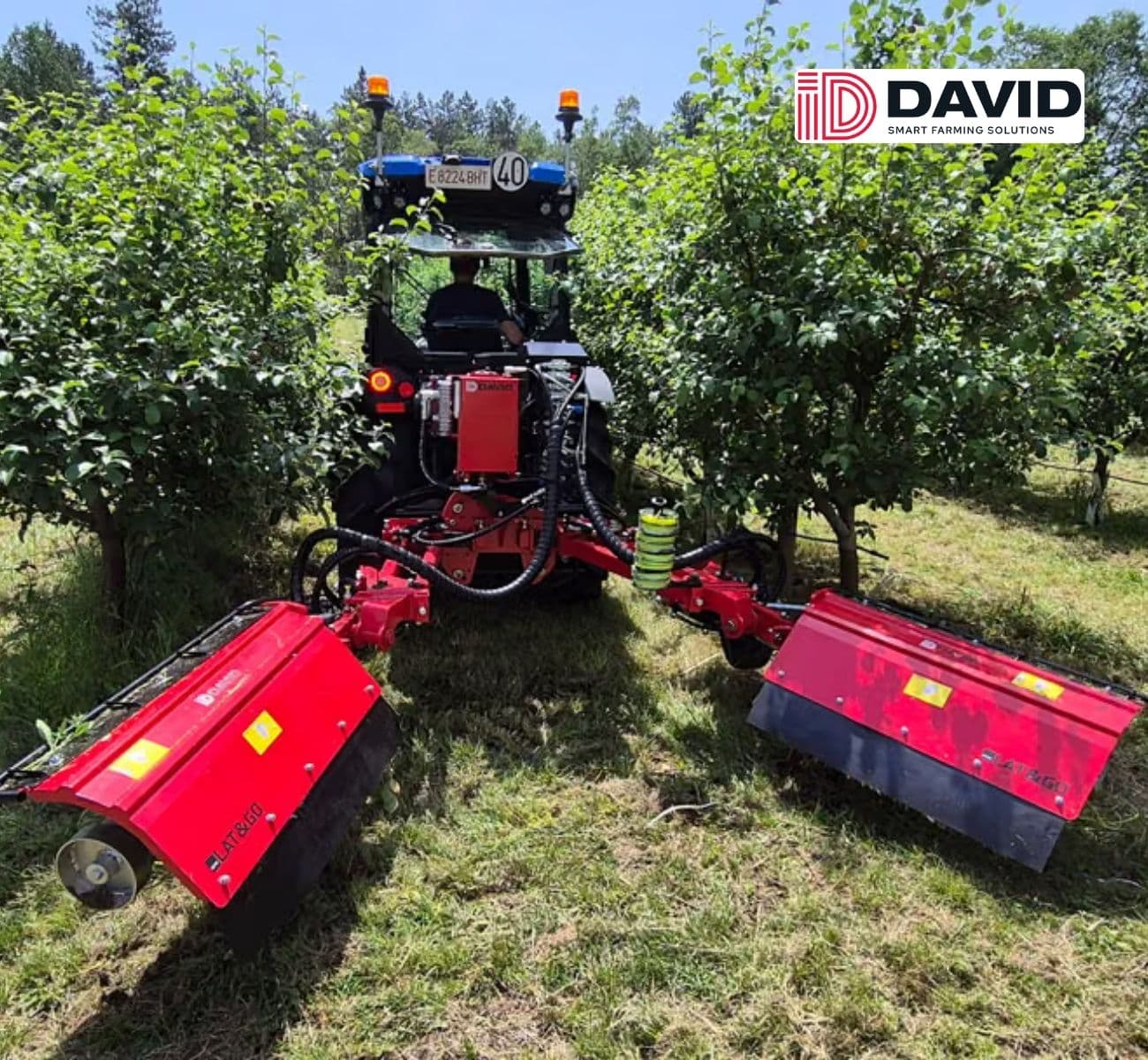
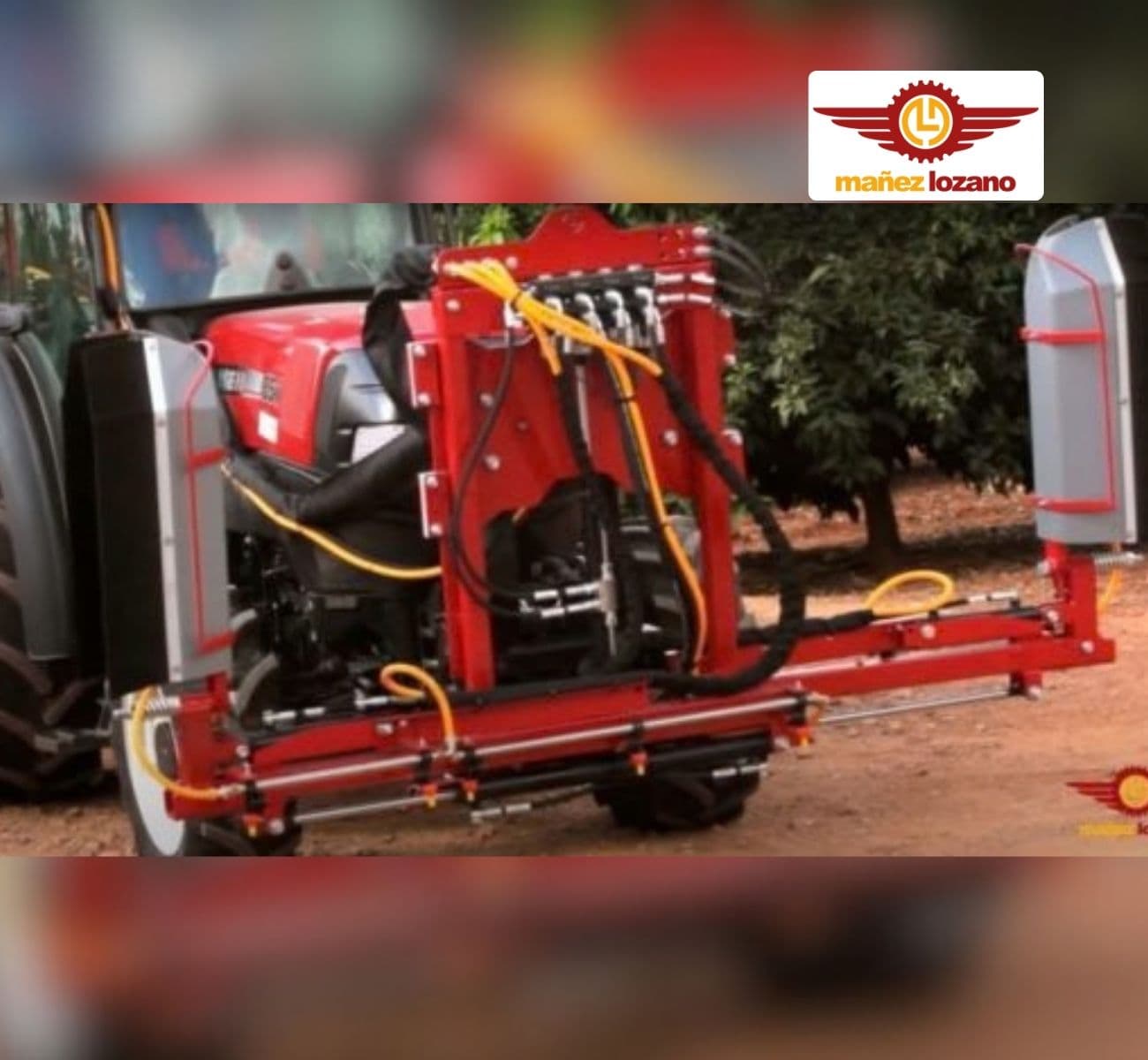
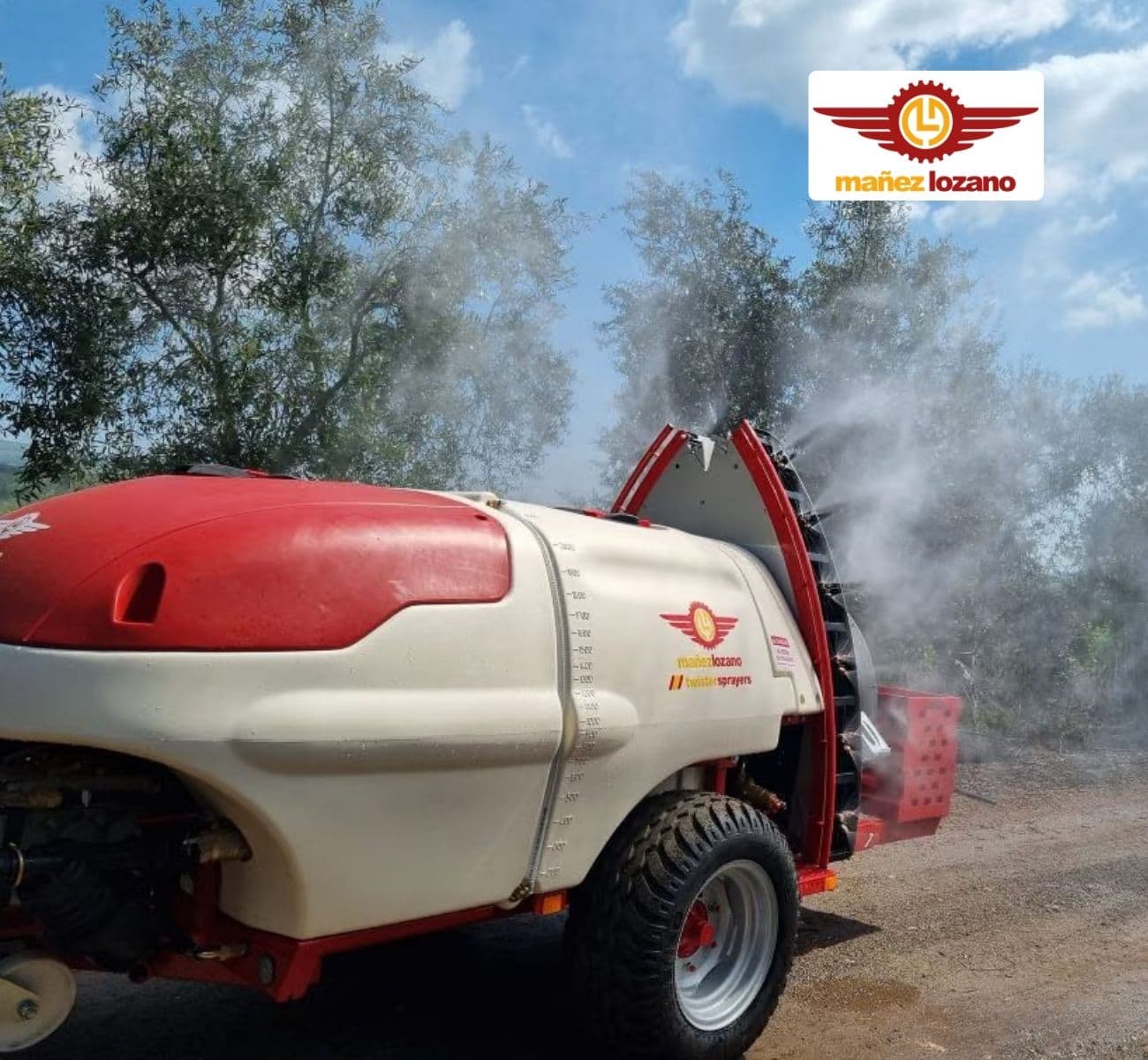
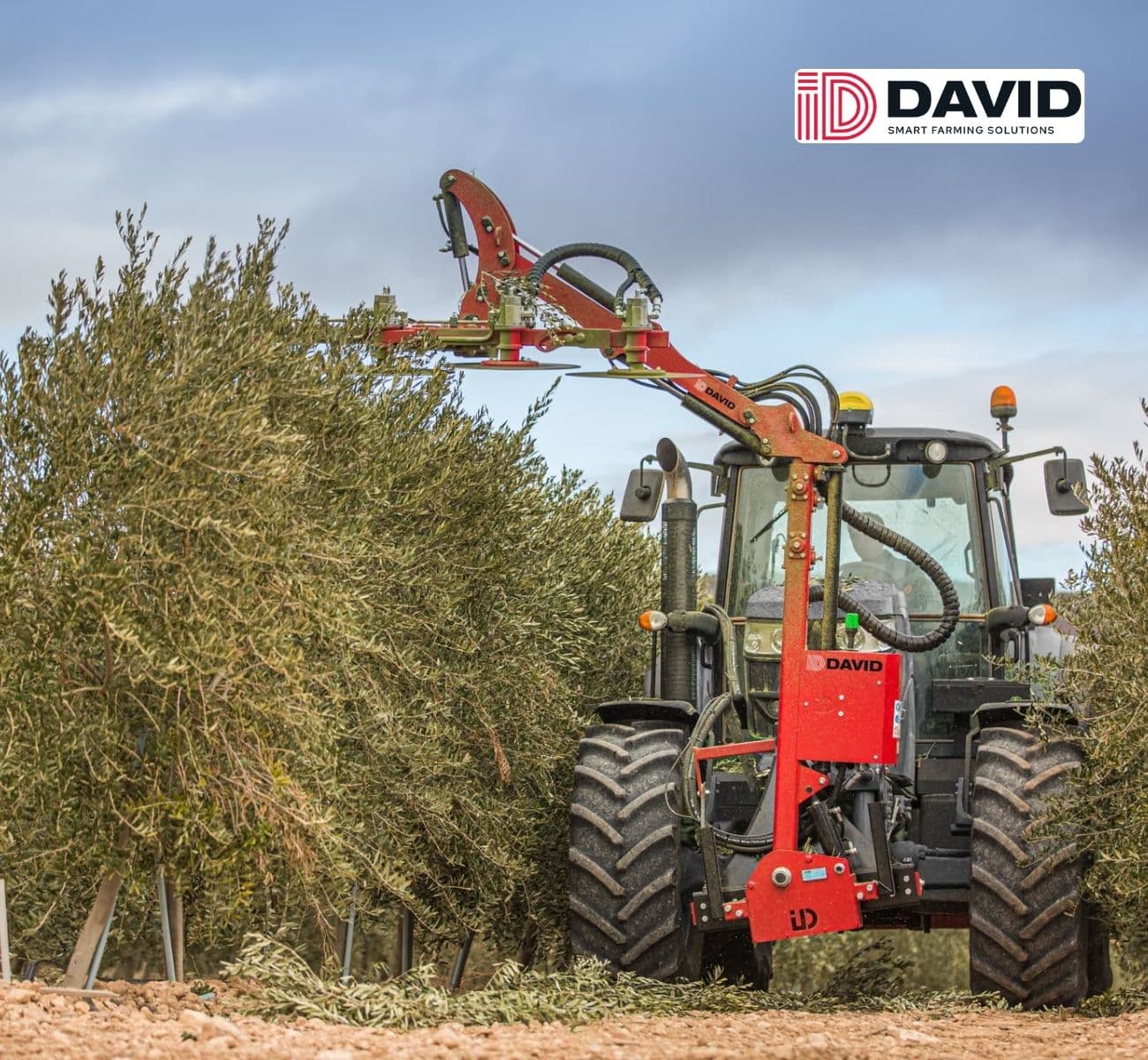
The manual calls water the main limit to yields in Mediterranean climates, with a very good response to about 3,000 to 4,000 m³/ha of irrigation a year; in a 2017 to 2019 trial near Seville, moderate regulated deficit irrigation used about 45% less water, with a significant yield loss in 2018 (IRTA, 2022). For care work, the ID DAVID ECOFEED spreads manure, the LAT&GO string mower controls weeds without herbicides, the Mañez Lozano Narrow Twister S6 sprays tall, dense canopies and the V1 disc pruner makes vertical and horizontal cuts.
Recommended Orchard Care & Maintenance Stages
Practical Tips for Almond Orchard Care & Maintenance
Destroy mummified almonds before spring against the seed wasp, together with neighbors: Aragón's plant-health service says this works only over wide areas.
Where the seed wasp is present, check emergence traps every 2 to 3 days in spring, as Castilla-La Mancha's 2024 bulletin advises.
Remove or bury fallen leaves to reduce red leaf blotch, as Andalusia's RAIF and IRTA advise.
Stop irrigating 10 to 15 days before harvest to reduce sap flow before shaking, as the 2013 manual advises.
Control weeds without herbicides with a string mower such as the ID DAVID LAT&GO, and keep the orchard floor level for harvest.
Spray tall, dense canopies evenly with a narrow trailed airblast sprayer such as the Mañez Lozano Narrow Twister S6.

Almond Harvesting in Spain
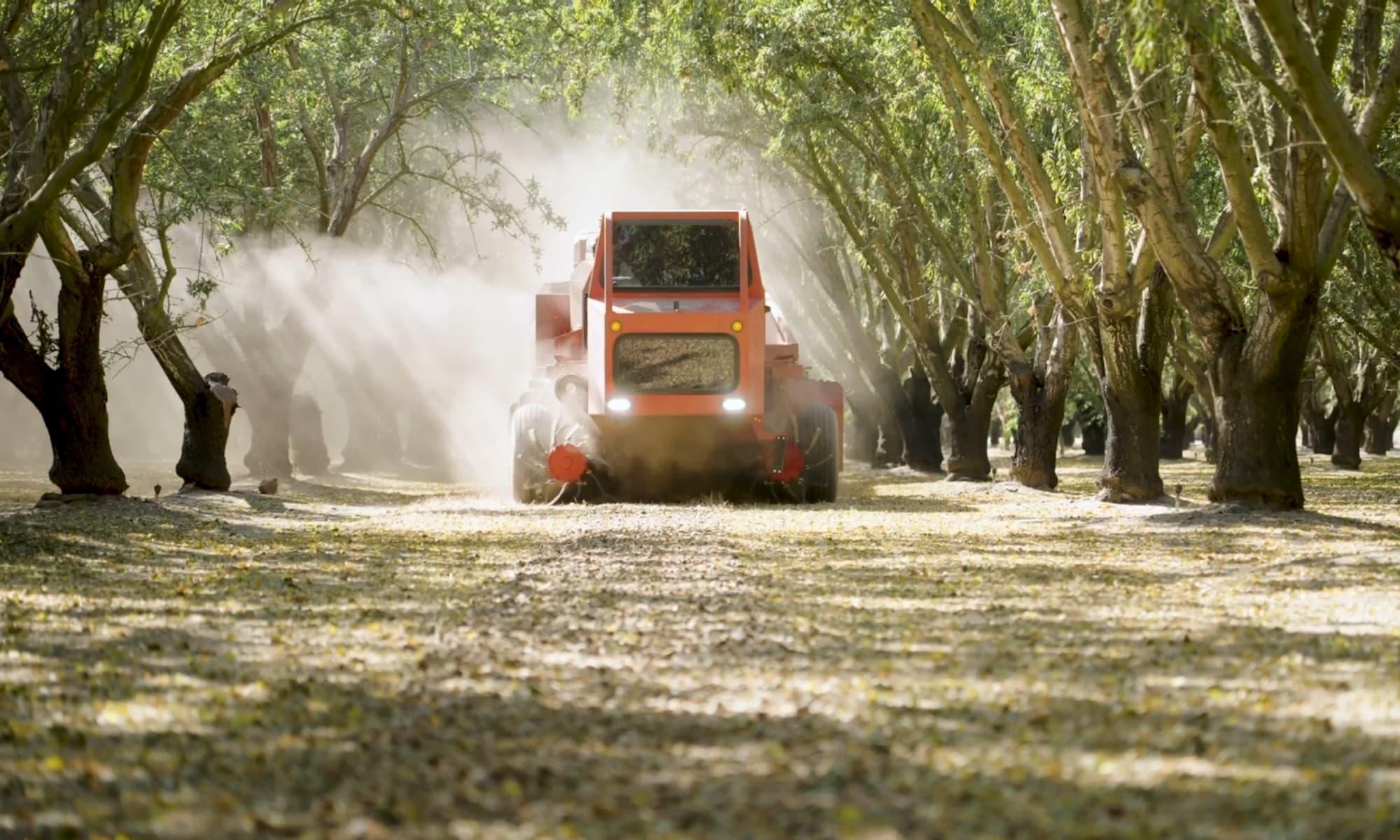
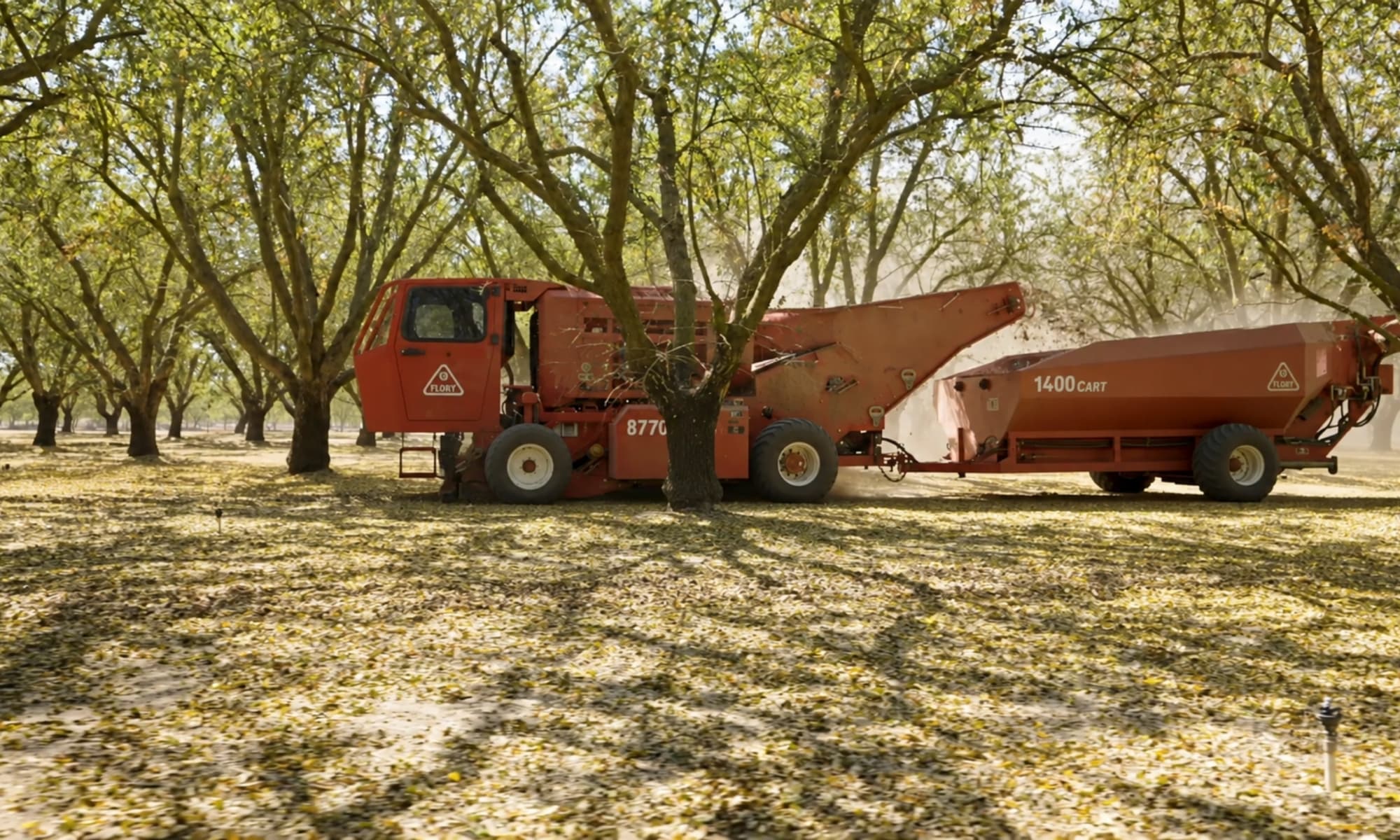
The Junta de Andalucía's 2013 manual says trunk shakers, self-propelled or tractor-mounted, knock almonds down and usually unfold an inverted umbrella to catch them, at about 2 trees a minute; their use has become general, and the crop would not pay without mechanized harvest. For Andalusia it describes shakers with a built-in umbrella and huller, except on plots too steep for them. Mechanized harvesting brings the crop in on time and limits deterioration.
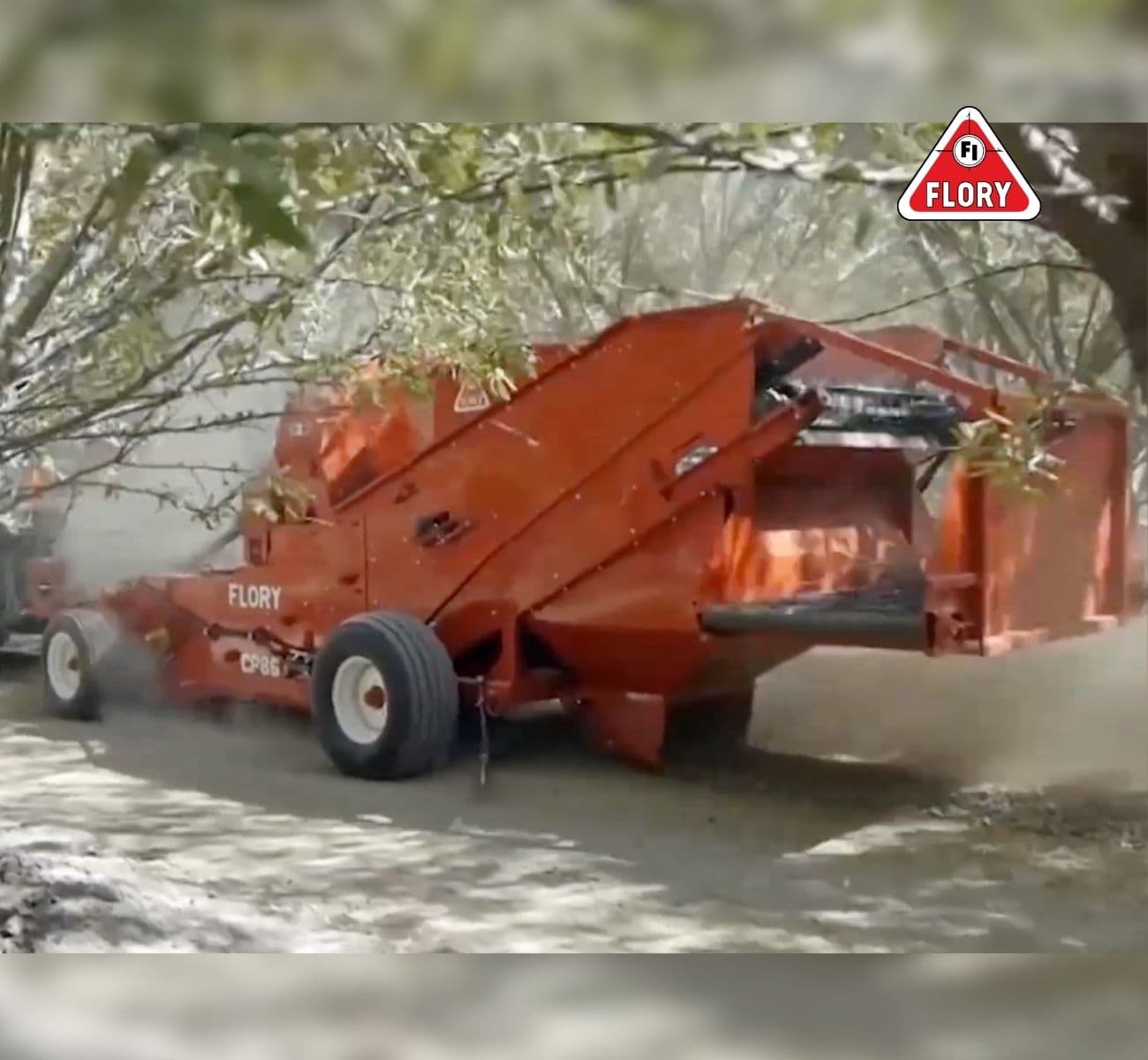
In 2020, harvest began in late August to early September across Andalusia (RAIF). Normals of the State Meteorological Agency (AEMET) for 1981 to 2010 give Córdoba Airport 5 mm of rain on 0.6 days in August but 35 mm on 3.2 days in September, and coastal Valencia 70 mm on 5.0 days. Spanish sources describe catching the nuts, and the manual calls ground harvest Californian; this guide shows ground drying with the Flory CP87 Conditioner as an option for August harvests in hot, dry areas, with prompt pickup where harvest rain is likely.
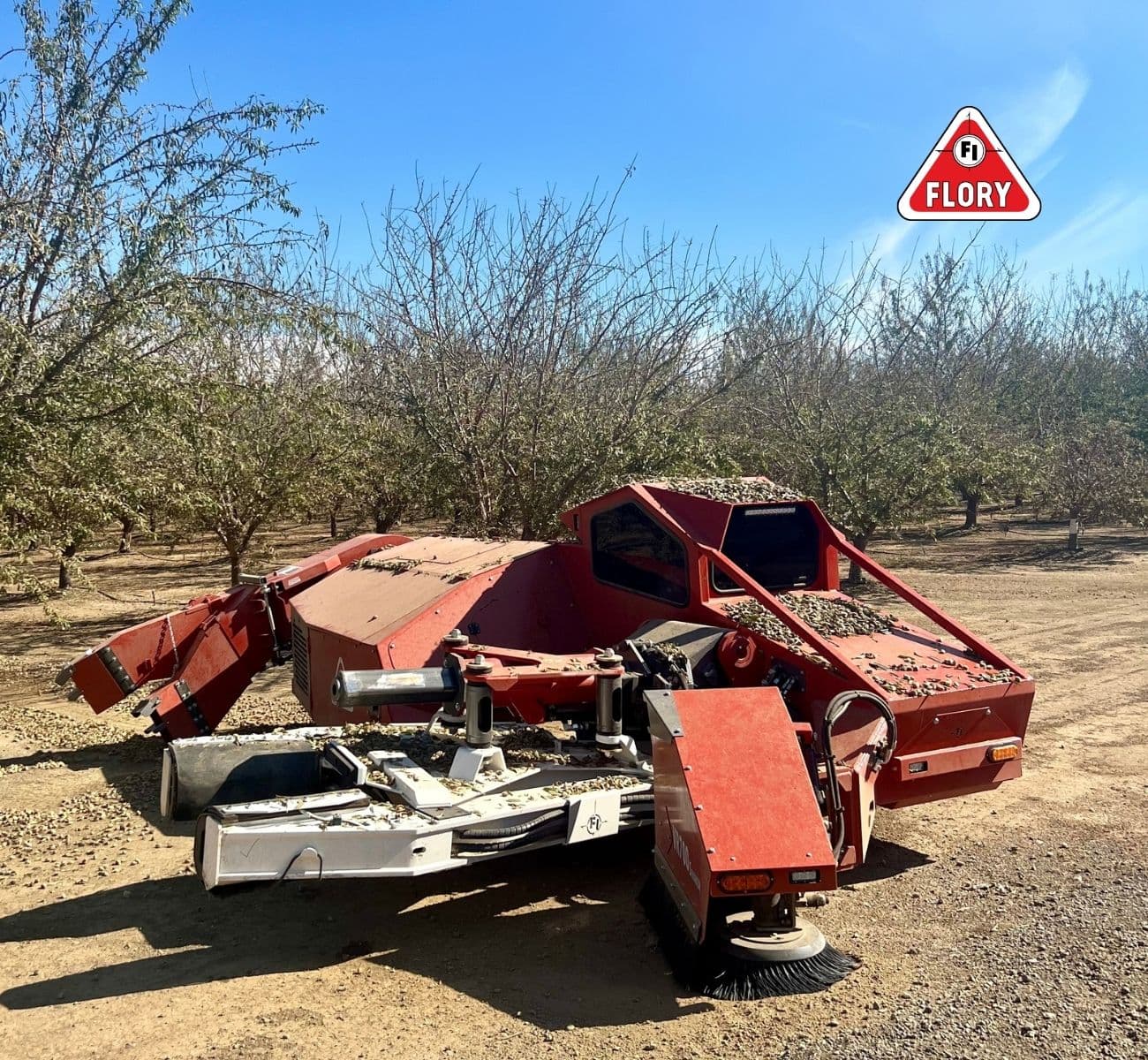
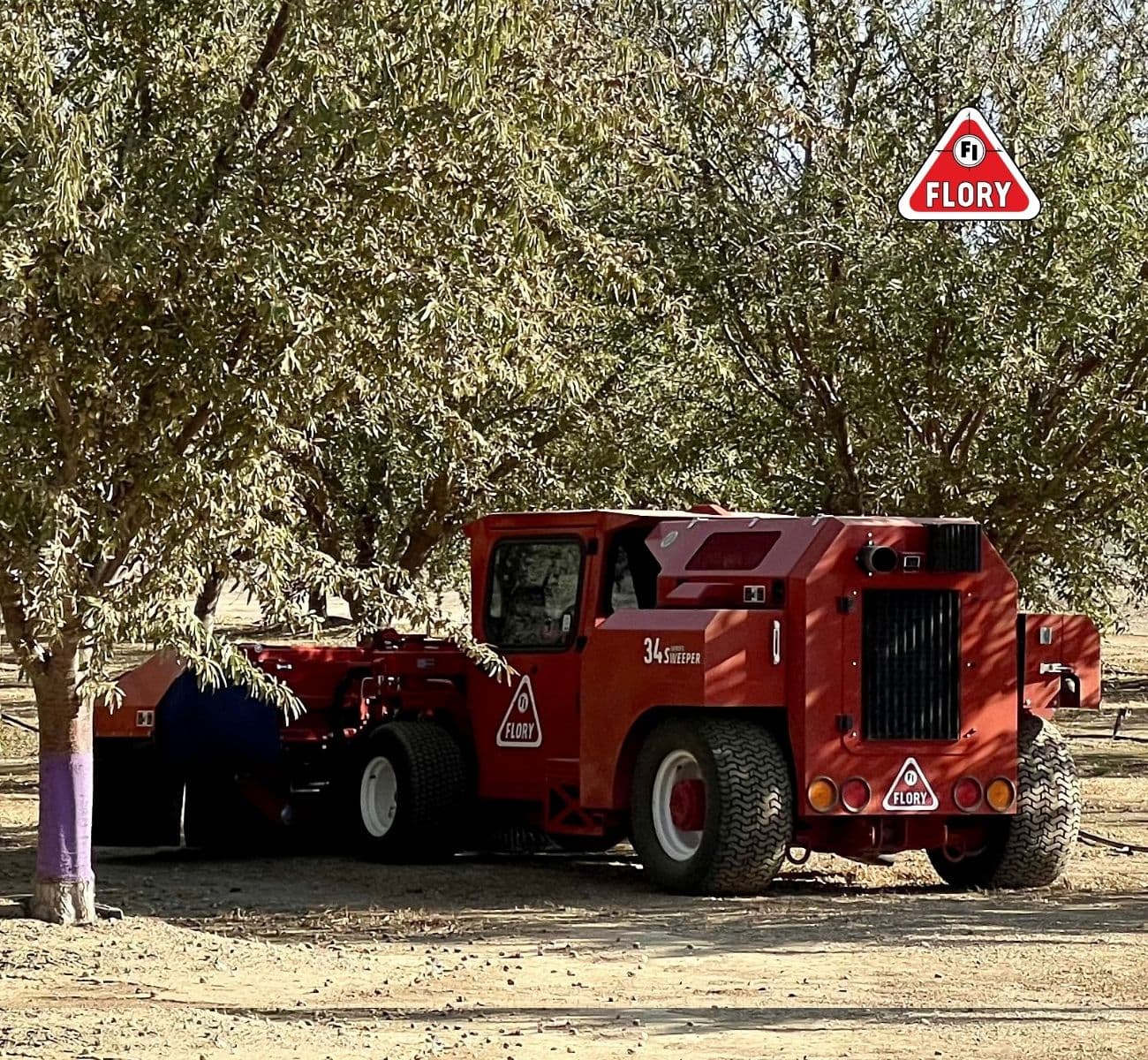
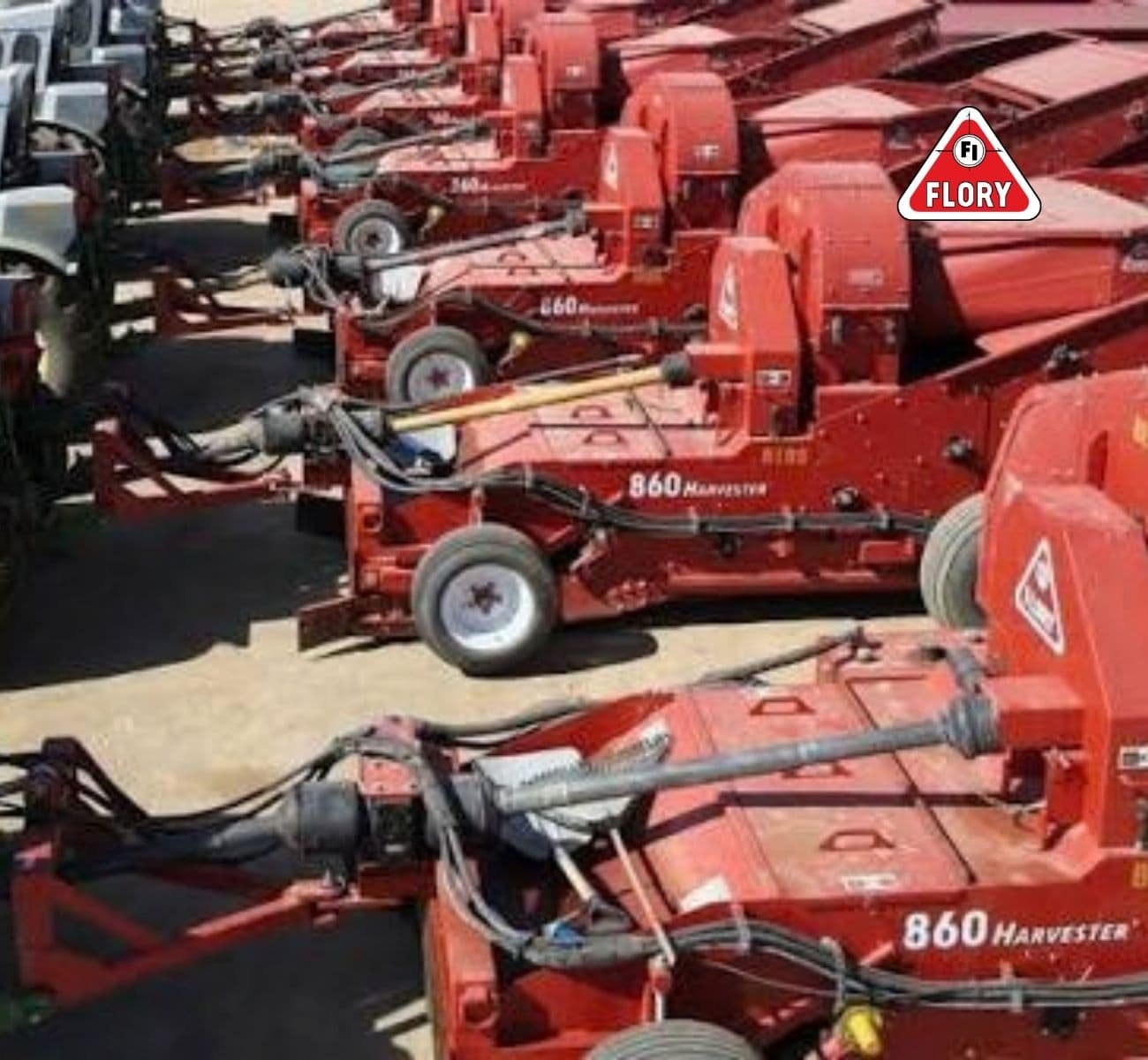
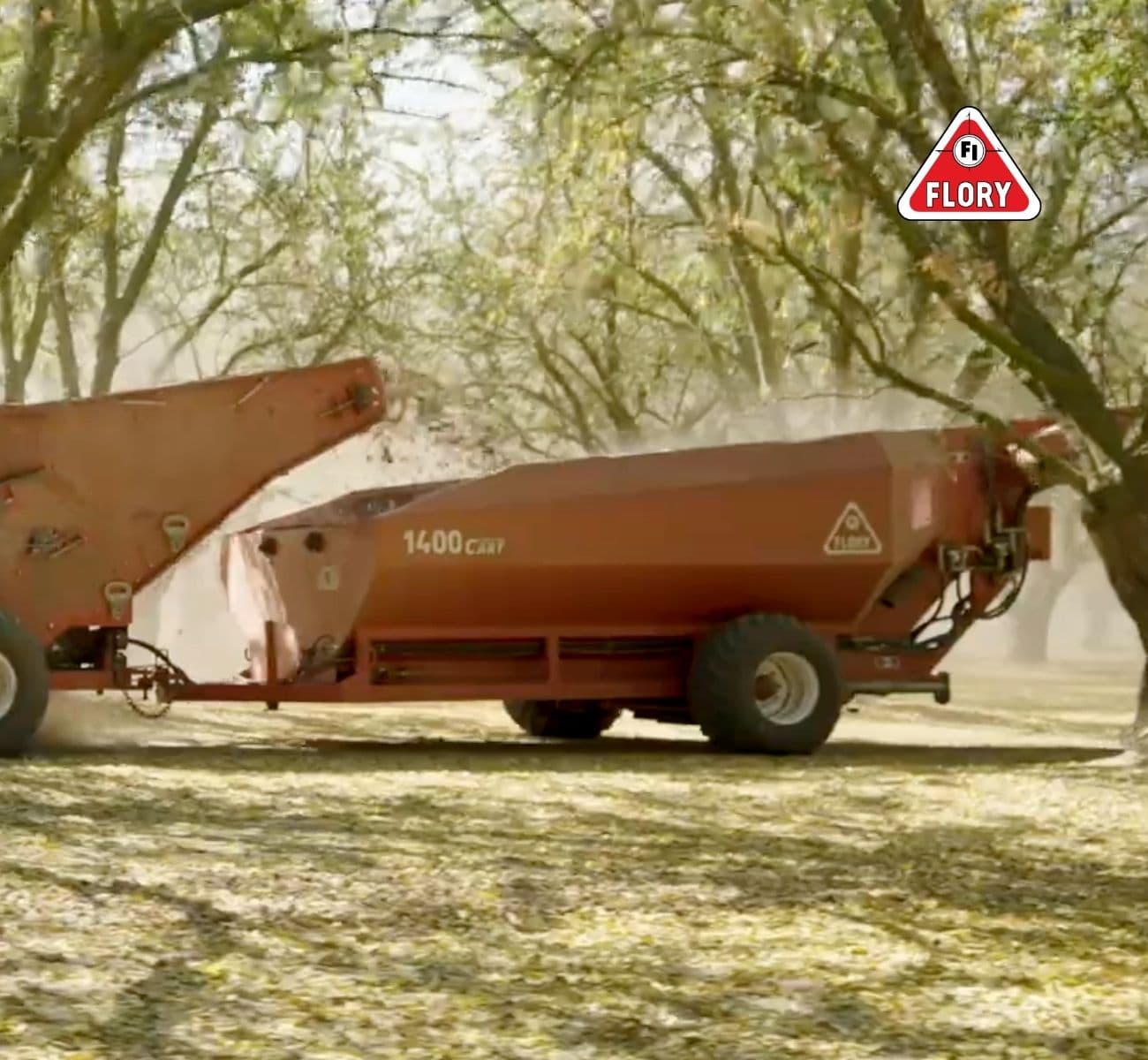
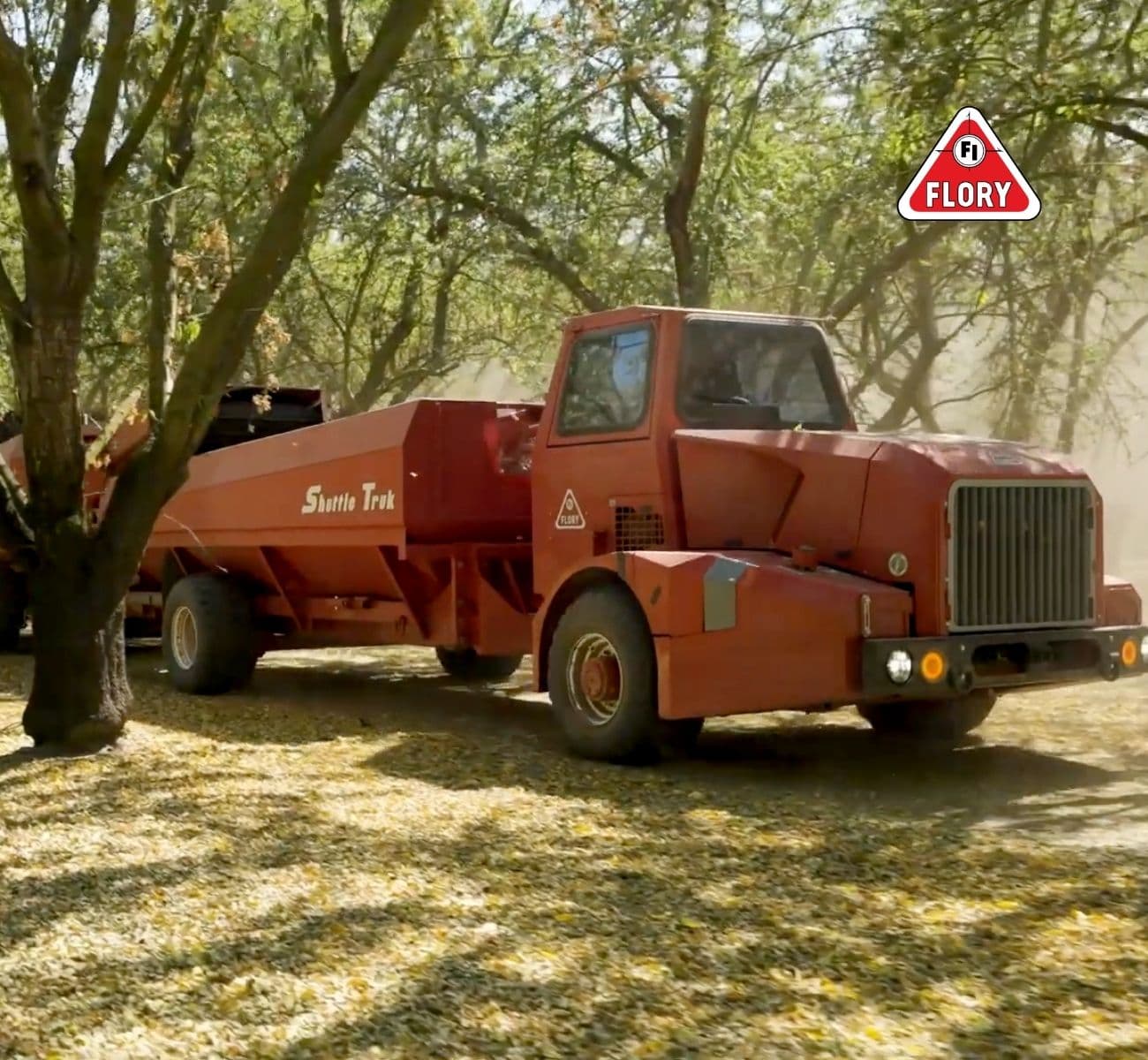
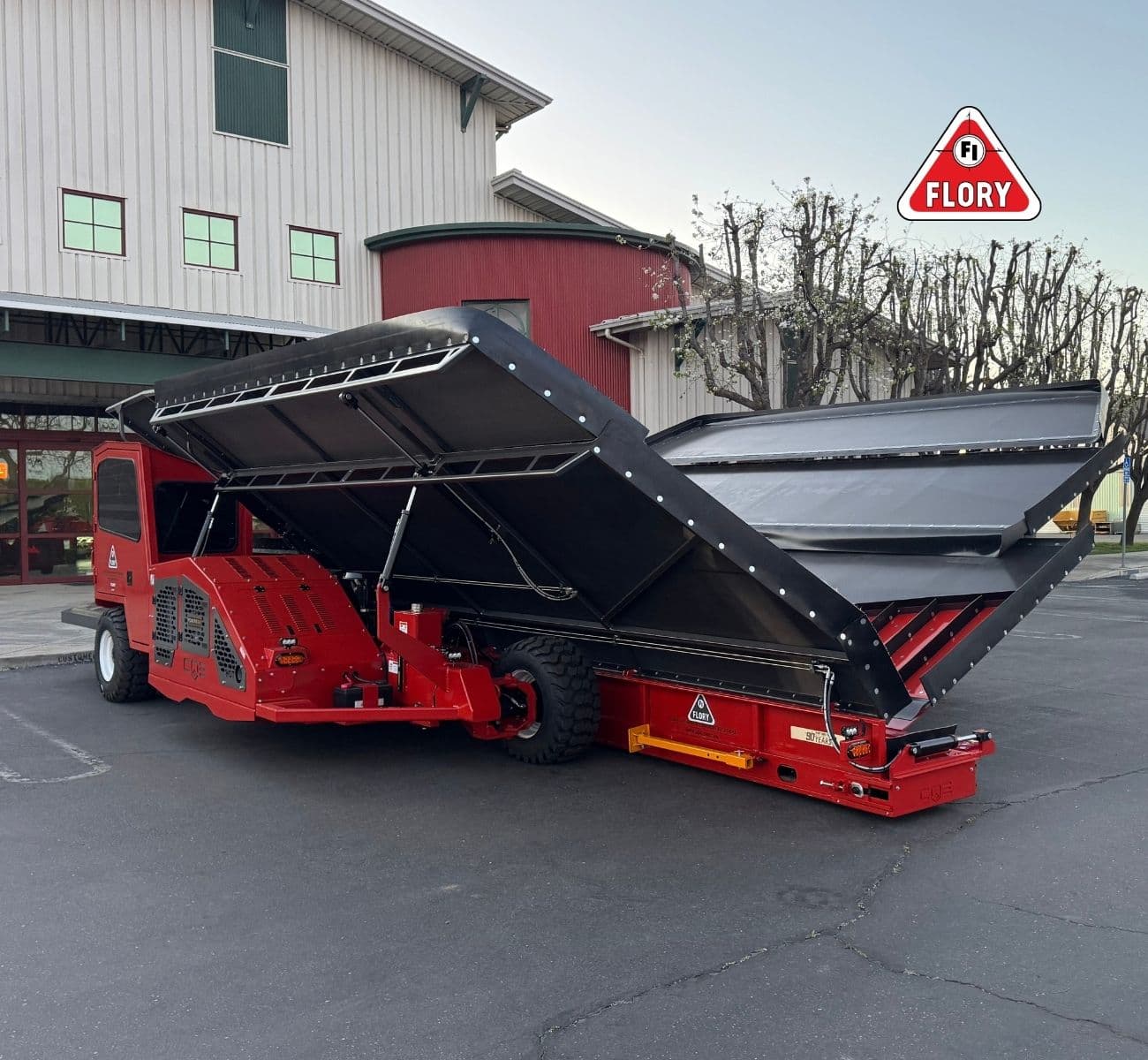
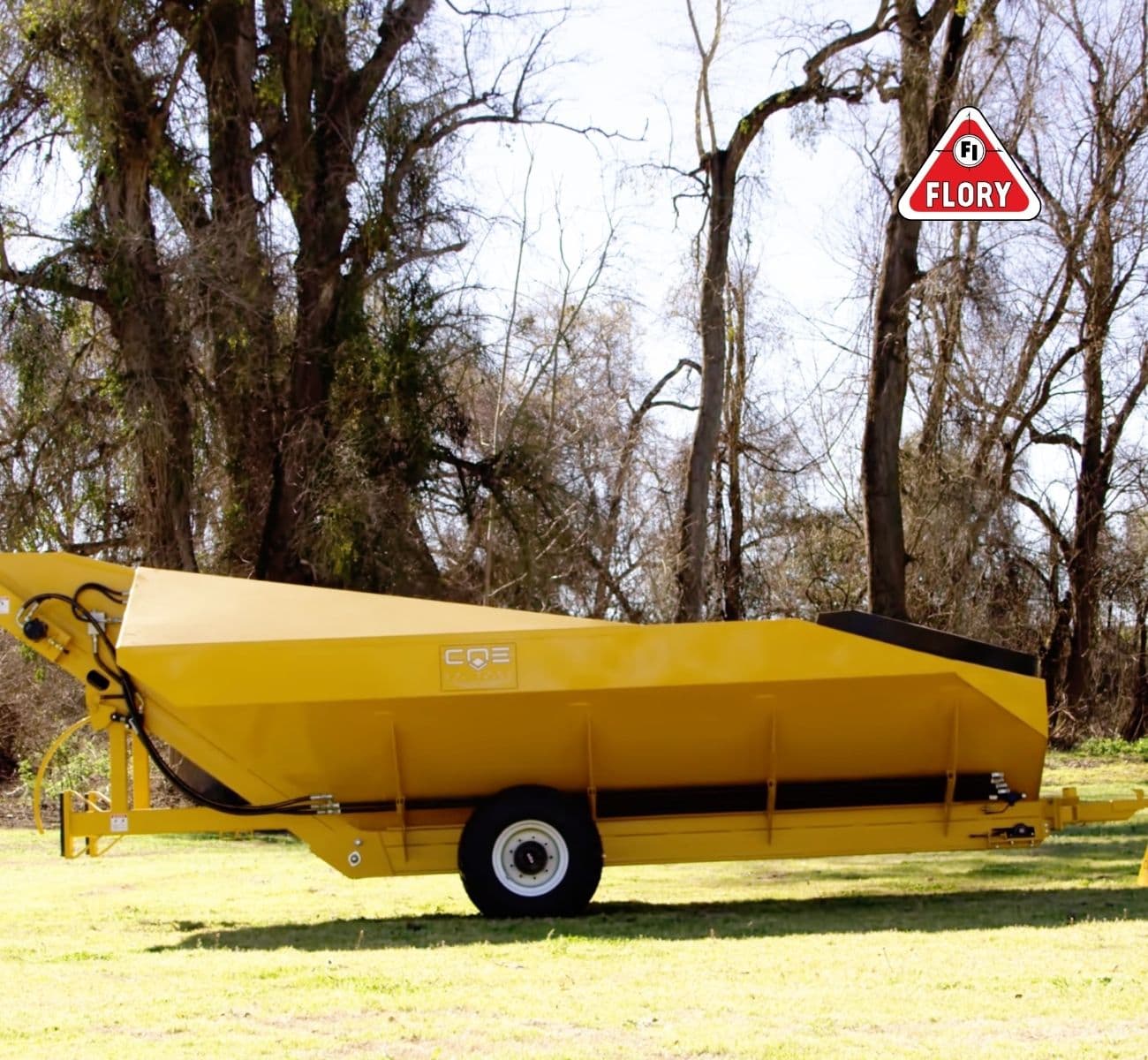
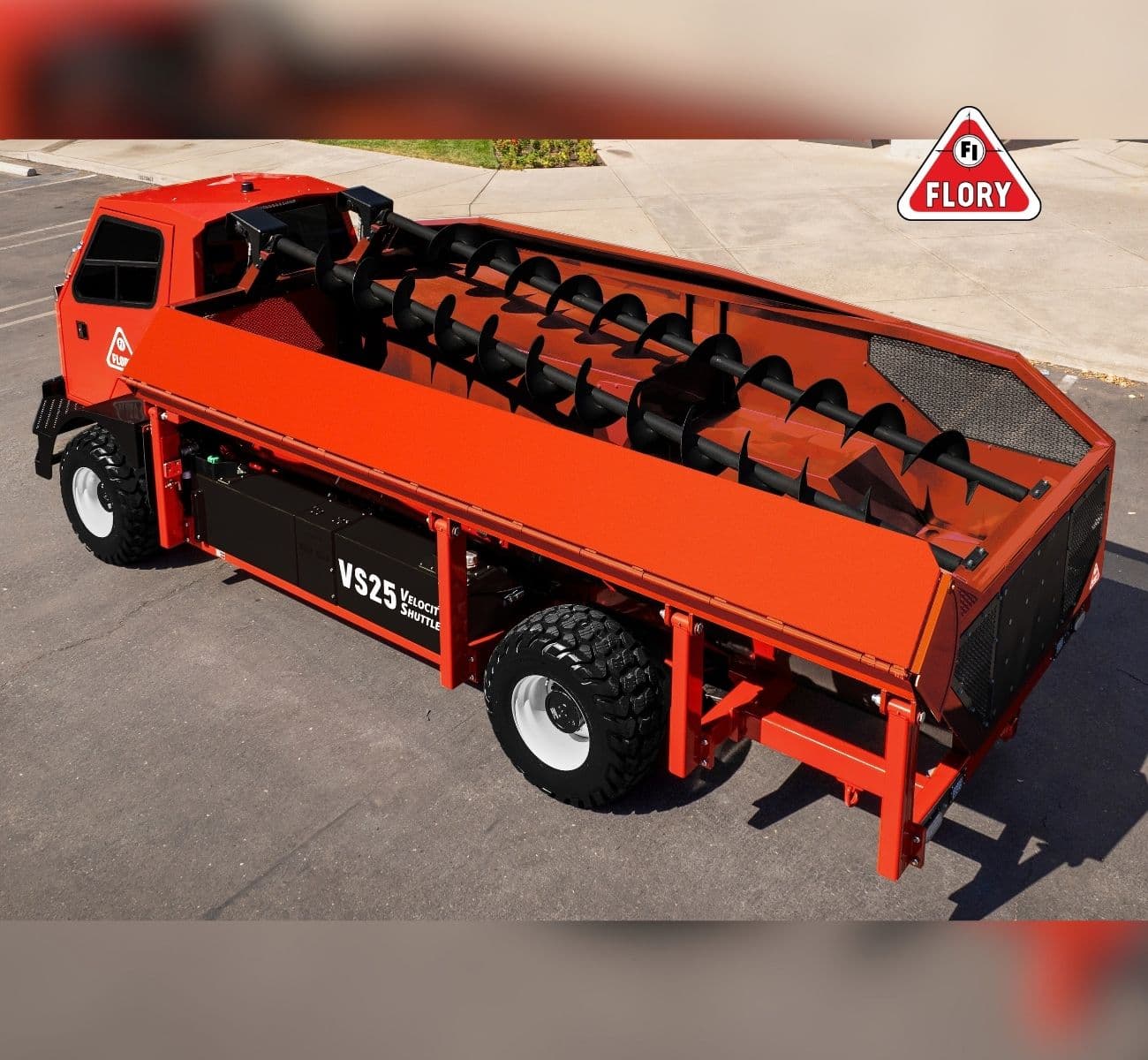
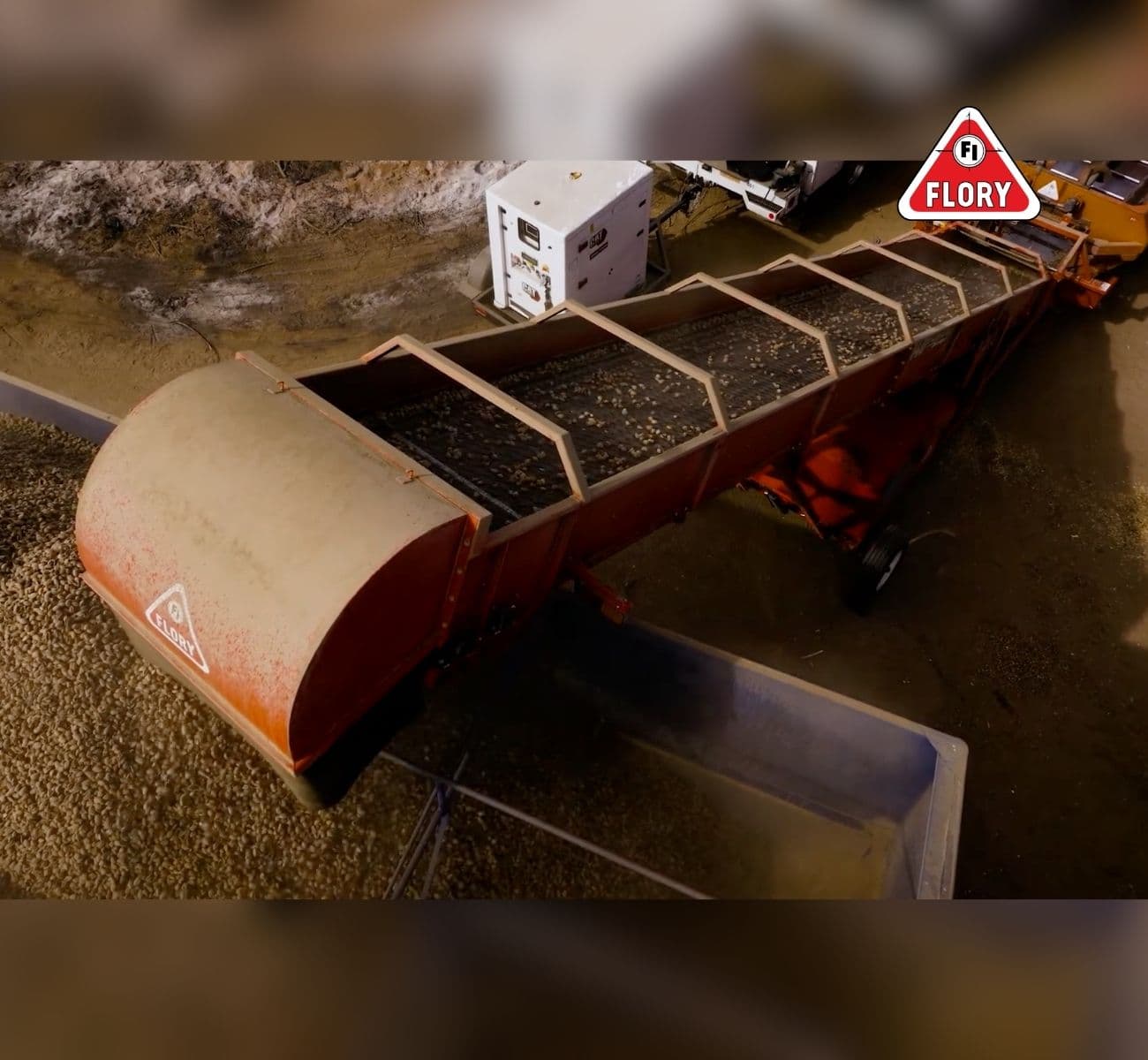
Flory harvesting machinery is available in Spain through OVE Europe for both systems. On the ground, the VR700 Shaker, 34 Series Sweeper, CP87 Conditioner and 860 Harvester (or the smaller 490) work with the 1500 Conveyor Cart and ST14 Shuttle. Off the ground, the Flory COE C7 Shaker and L2 Receiver catch the almonds in a frame around the trunk, the Flory COE B8 Cart and VS25 Shuttle carry them, and the 4840 Field Elevator loads trailers in both systems.
Almond Harvest Workflow (Recommended Equipment)

Practical Tips for Almond Harvesting
Time shaking by the hull: the 2013 manual takes the hull splitting along its suture as the sign of maturity, so check that hulls have opened across the canopy.
Leave shaken almonds on the ground only in hot, dry areas in August, and only while the forecast stays dry.
Watch September forecasts: in 2019, heavy rain and strong winds knocked part of Alicante's unharvested almonds down, and in El Comtat much was expected to stay unpicked.
After drying on the floor, sweep almonds into windrows; a conditioner such as the Flory CP87 cleans and re-lays them so they dry faster before pickup.
Where harvest runs into October, as in Granada's latest areas in 2020 (RAIF), pick up promptly or use catching frames: the Flory COE C7 Shaker works with the L2 Receiver.
Do not shake young trees until the trunk is thick and hard enough, and keep shakers off very steep plots, as the 2013 manual advises.
Get your recommended harvest setup
Enter orchard size, spacing, terrain, and target throughput—we’ll suggest a practical harvest workflow and equipment lineup.

Almond Post-Harvest Handling & Processing in Spain
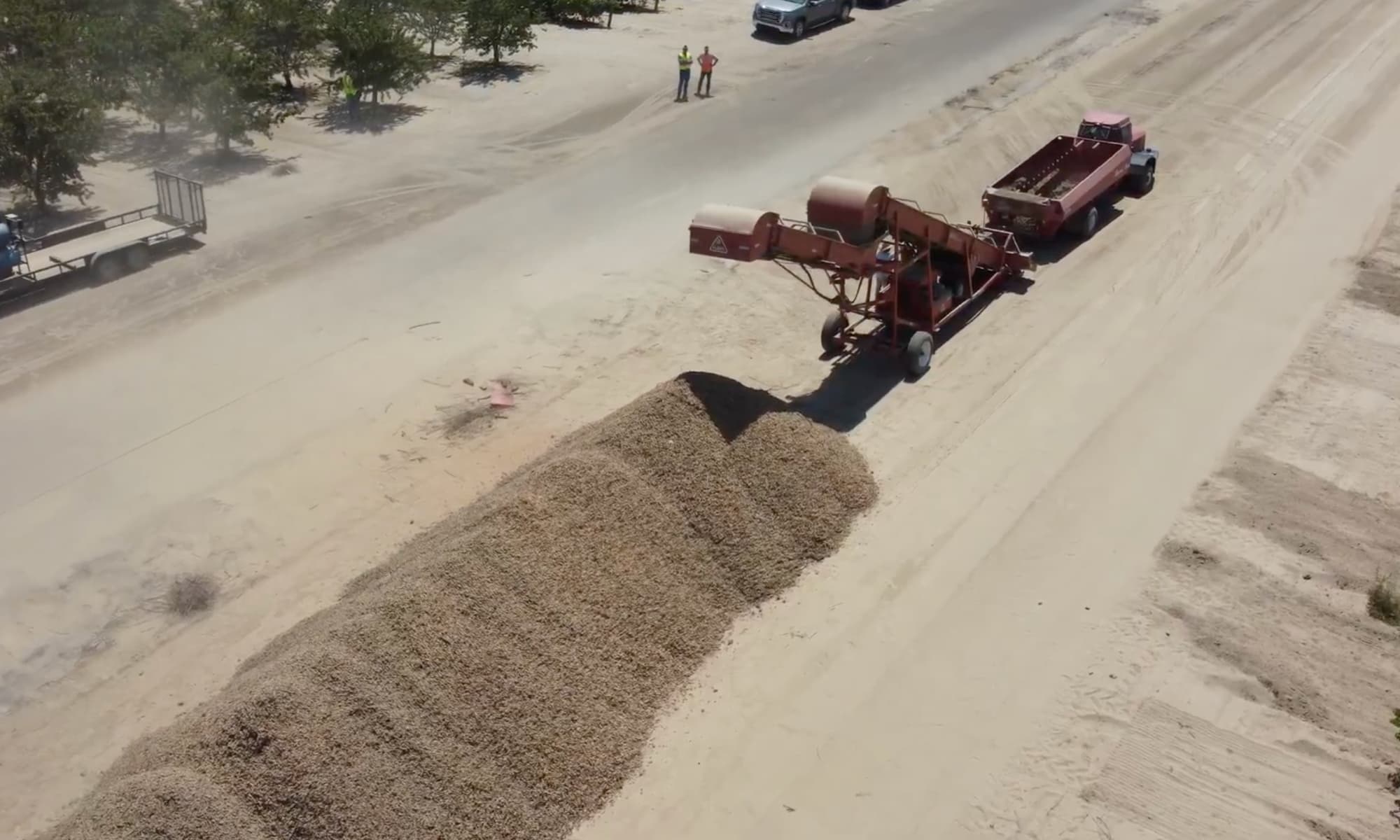
The 2013 manual says Spanish growers sell almonds in the shell with the hull removed, usually at no more than 7% moisture, drying them from over 20% at harvest to about 6%, traditionally in layers no deeper than 10 to 20 cm on dry, airy surfaces; it noted a trend to buyers' dryers, while a Granada cooperative's 2023 rules say most growers dry their own. In this workflow, ground-dried almonds arrive with dry hulls, while promptly picked or frame-caught ones are hulled first, then dried in the shell.
The Codex code of practice for tree nuts advises hulling as soon as possible after harvest and says shaken nuts should ideally be caught on frames or sheets. Spain's sector reception norms, in force since 1 August 2024, tolerate up to 6.50% moisture in kernels with skin. Regulation (EU) 2023/915 allows 8.0 µg/kg of aflatoxin B1 and 10.0 µg/kg in total in almonds sold to consumers or used in food, and 12.0 and 15.0 µg/kg in almonds to be sorted first.
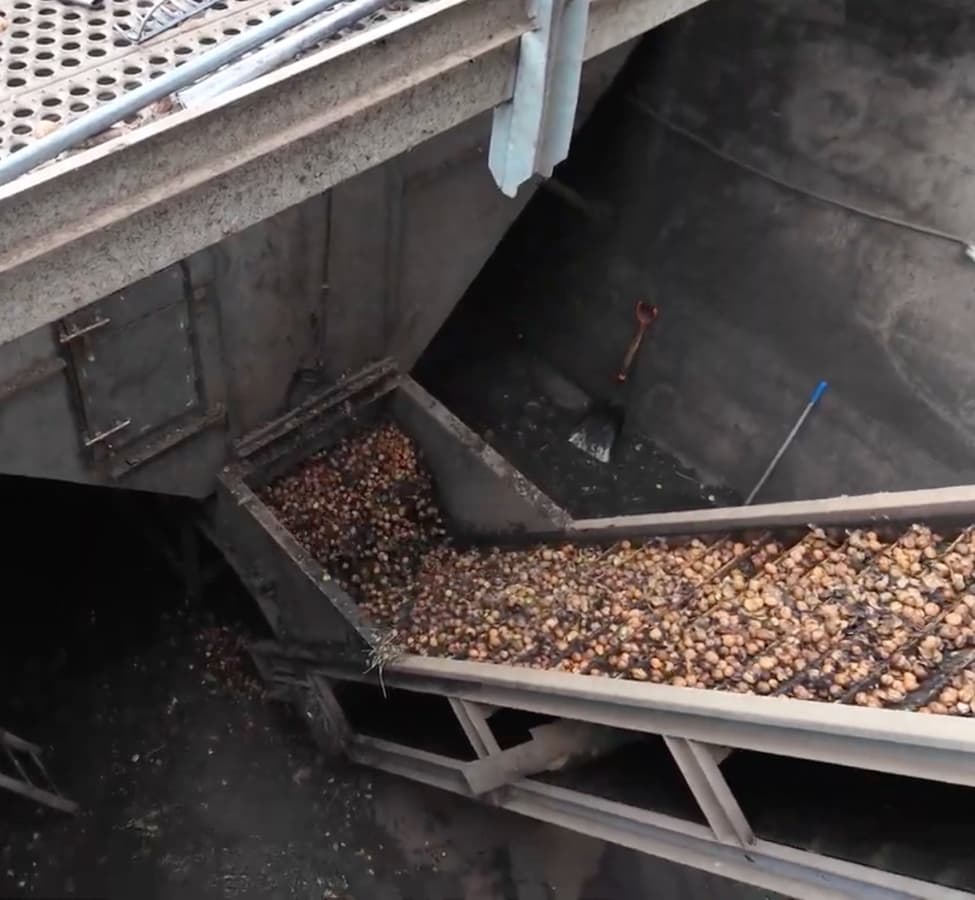
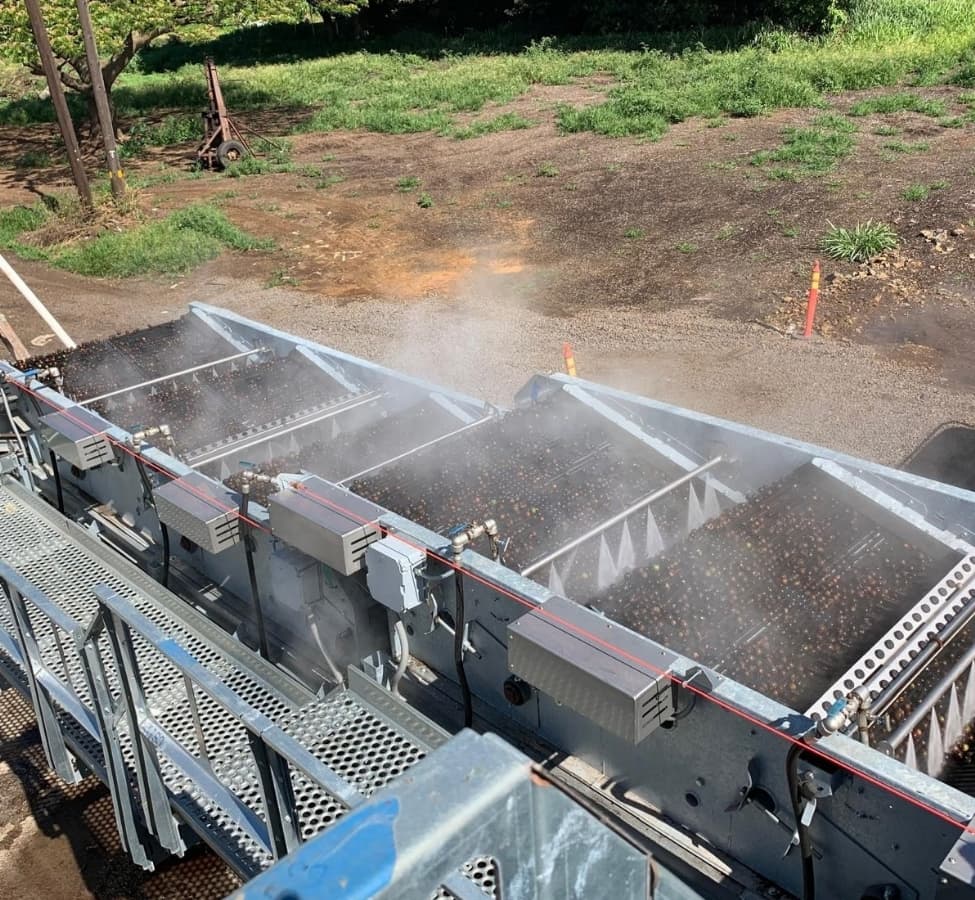
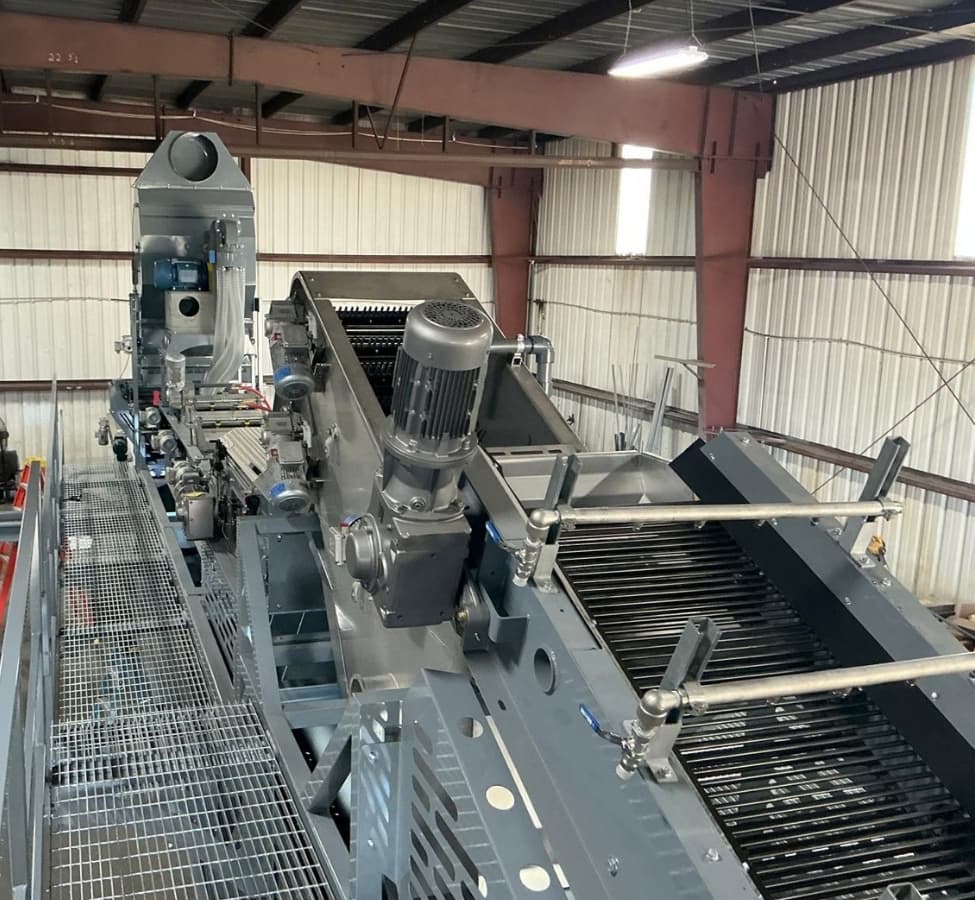
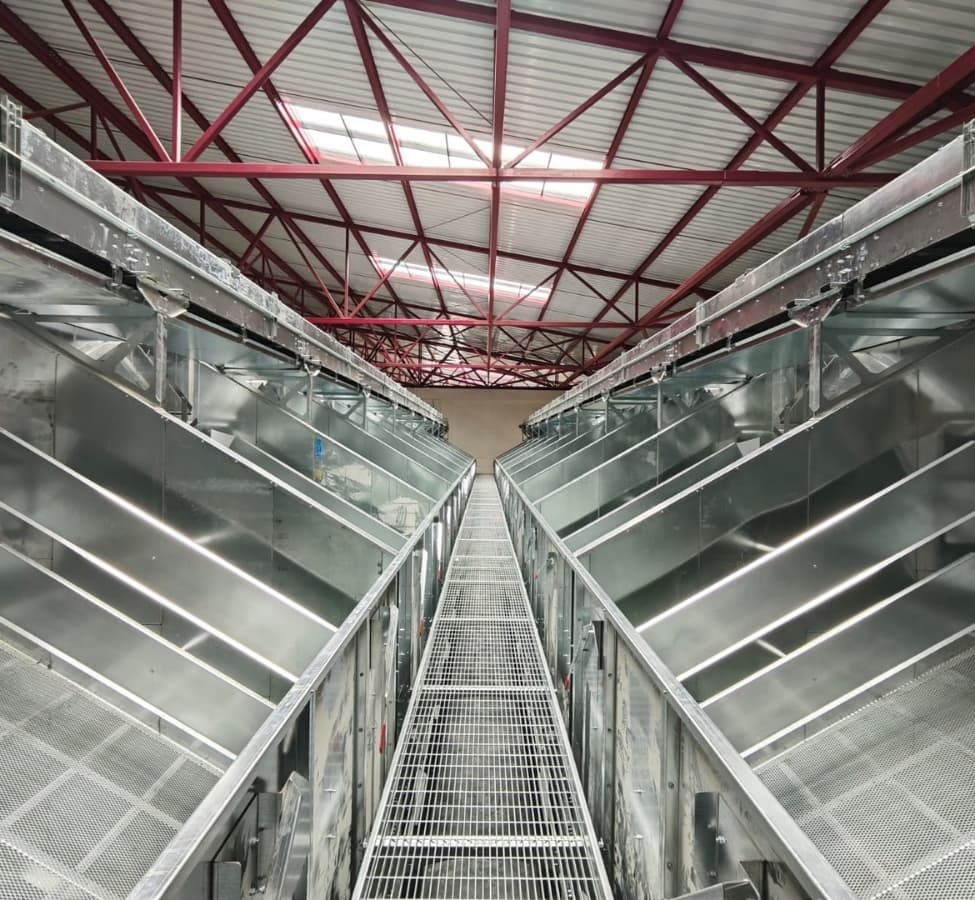
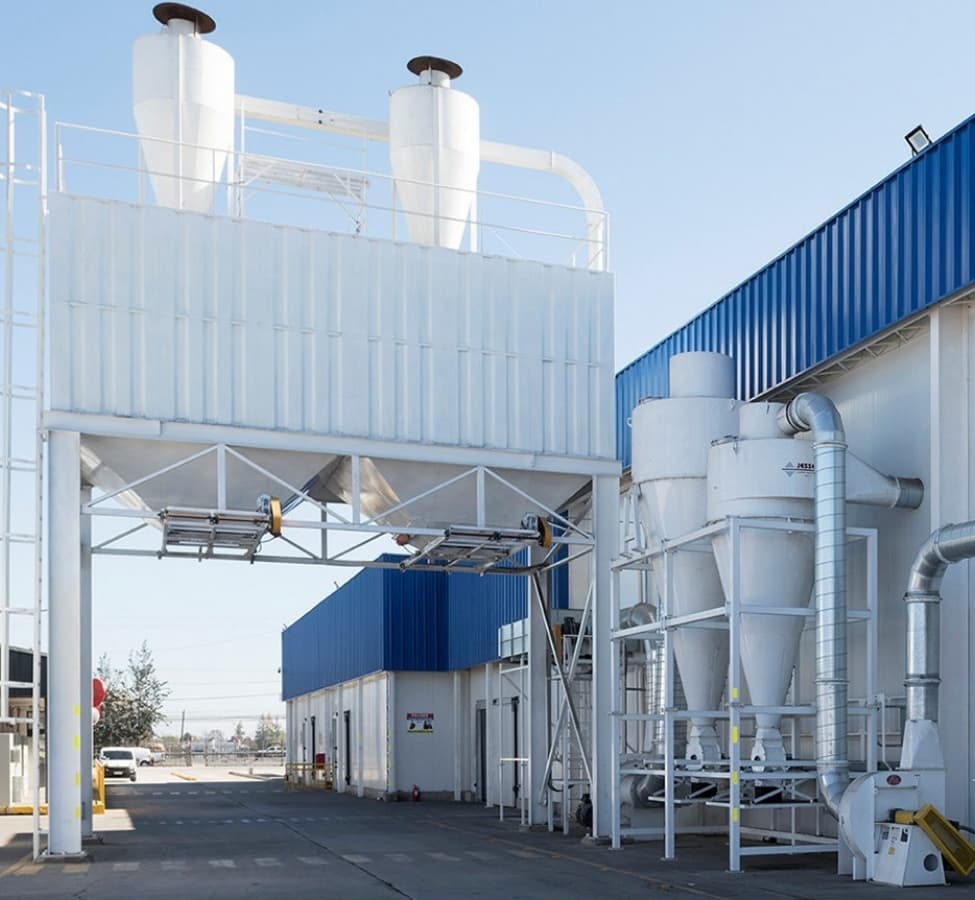
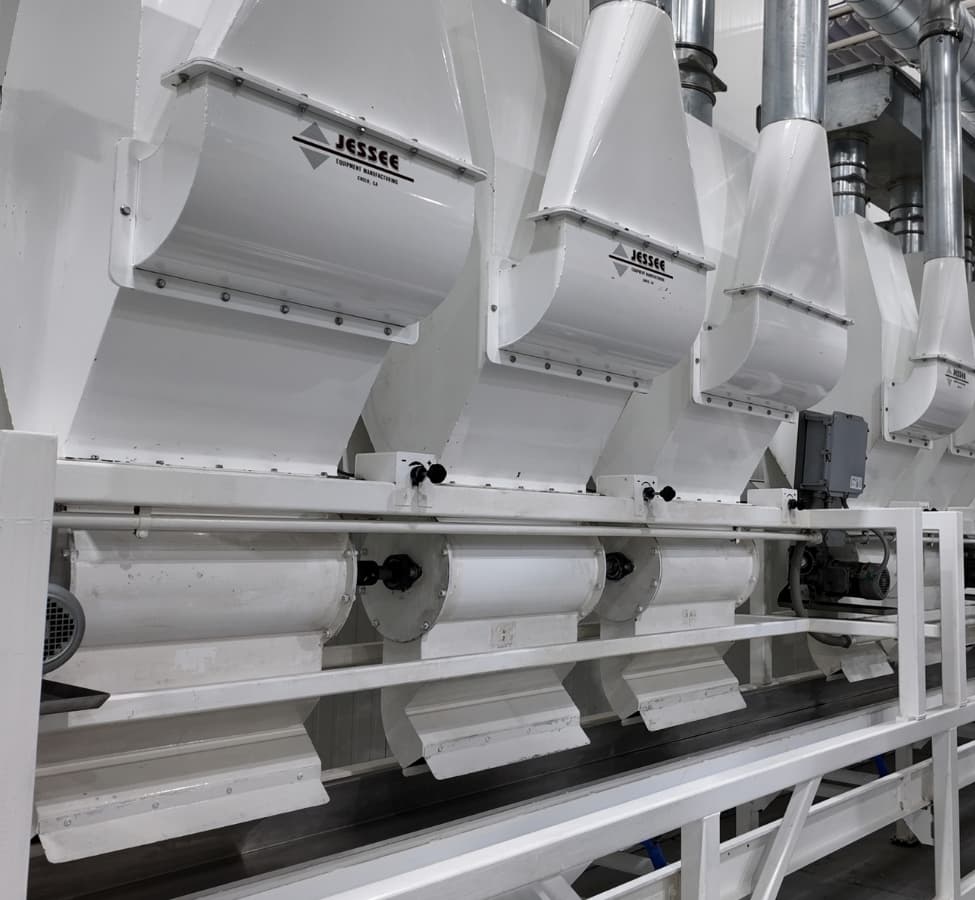
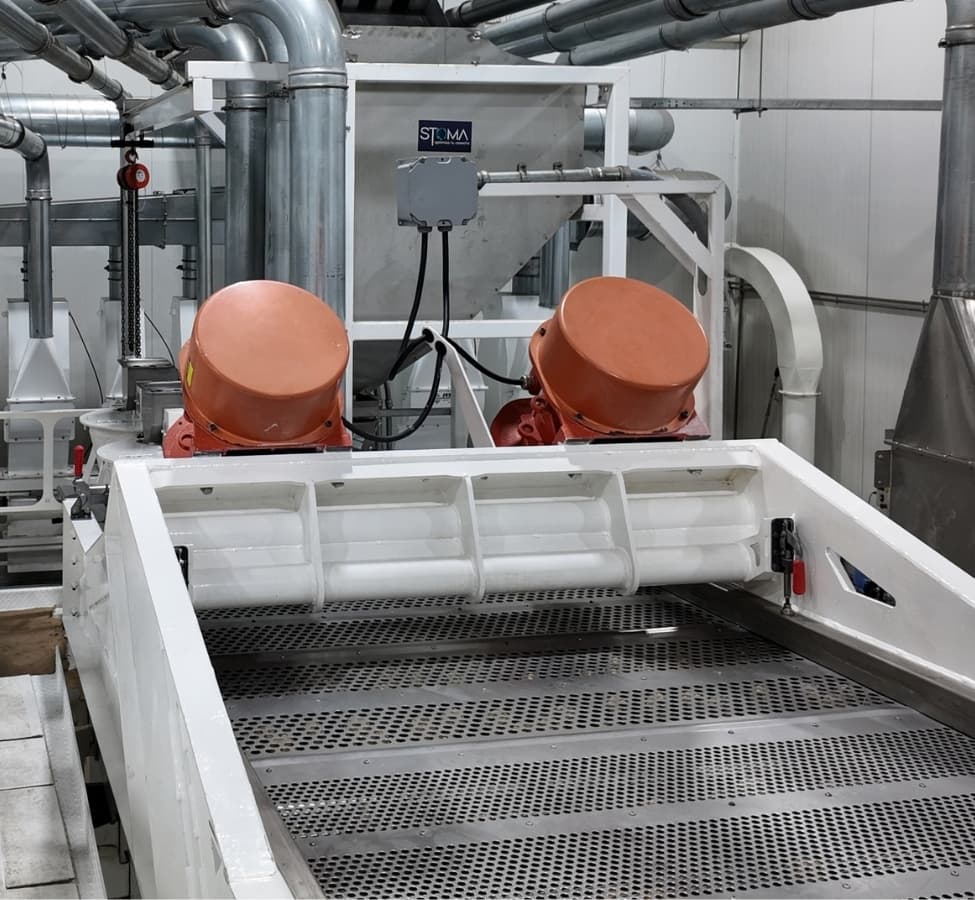
Spain exported 117,267 t of shelled almonds in 2025, mainly to Germany, Italy and France, and imported 95,297.4 t, 80.3% by weight recorded for the United States (UN Comtrade via WITS); the records do not show how much of the exports is Spanish crop. Jessee, whose processing lines OVE Europe supplies, builds hulling, drying, in-shell cleaning and sizing, and shelling systems; its Airlegs nut cleaner was developed for the almond industry.
For general information only. Information may become outdated and does not replace site-specific professional advice. Consult a qualified agronomist and confirm equipment suitability with OVE before acting.
Practical Tips for Almond Post-Harvest Handling & Processing
Hull frame-caught or promptly picked almonds at once, as the 2013 manual says hulling must follow shaking immediately, then dry the nuts in the shell.
Pick up ground-dried almonds as soon as they are dry, then hull them and check moisture before storage.
Dry hulled almonds in layers no deeper than 10 to 20 cm, as the manual describes, and keep wet and dry lots apart: the 2024 kernel norms reject them mixed.
Never pick up or stockpile rain-wet almonds: University of California guidance warns that stockpiling wet nuts risks mold and concealed damage.
Dry almonds to about 6%, the manual's storage level, and keep them cool and dry: a Granada cooperative warns that lasting warmth and humidity can cause concealed damage.
Test lots against Regulation (EU) 2023/915: 8.0 µg/kg of aflatoxin B1 and 10.0 µg/kg in total for almonds sold to consumers or used in food.
Recommended Post-Harvest Handling & Processing Stages
Plan your post-harvest line
Estimate tons/day, cleaning & drying capacity, storage needs, and cost/kg—then build your equipment plan in phases.