







Hazelnut Orchard Establishment in Spain
Most orchards are in Tarragona province, where the Avellana de Reus protected designation of origin (PDO) covers six comarques (districts) from almost sea level to 1,000 m: Alt Camp, Baix Camp, Tarragonès, Priorat, Conca de Barberà and Terra Alta. Girona had 912 ha in 2024 and Castellón 755 ha, and MAPA also counted 147,850 scattered trees, 100,000 of them in Asturias.
The PDO specification admits the cultivars negreta, pauetet, gironella, morella and culplana and names negreta, 'Negret' in IRTA's spelling, the most grown; the PDO council's undated cultivar sheets, citing IRTA, put it at 75% of the hazel area in Tarragona province. A 1991 article by a researcher at IRTA, Catalonia's agrifood research institute, advised at least two pollinizer cultivars, 10 to 15% of the trees, no more than 25 to 30 m from the main cultivar and in full rows, to make it easier to keep the nuts apart at harvest.
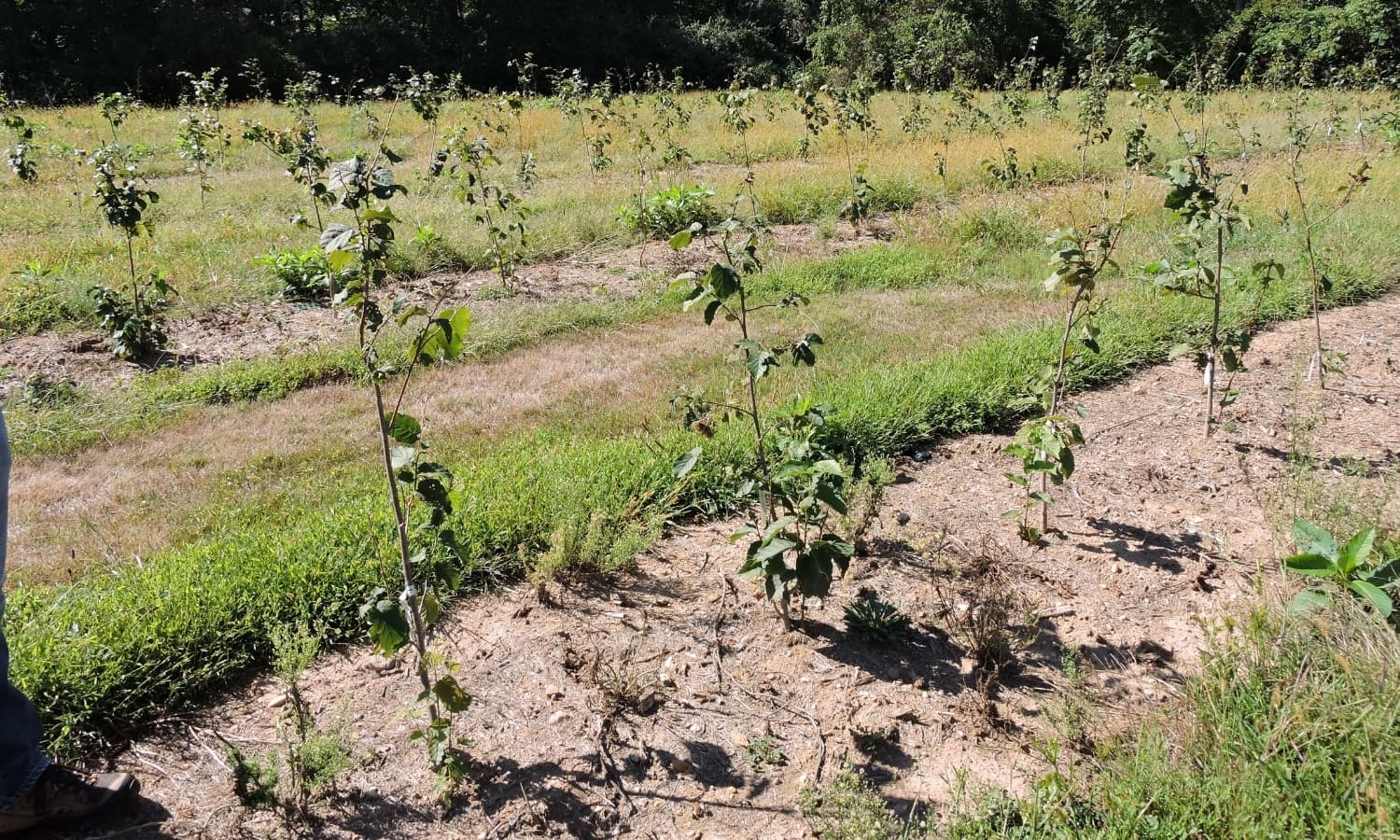
Single trunks ease mechanization: an undated bulletin of SERIDA, Asturias' agrifood research service, citing sources up to 2017, noted that in recent years trees grafted on non-suckering rootstocks were being planted in Tarragona, trained to one trunk and a vase. In a 2022 IRTA paper, self-rooted 'Negret N-9' made about 25 suckers per tree a year, against about 3 to 4 on 'Dundee', 'Newberg' and 'MB-69', and some 200 ha in northeastern Spain had been planted on 'Dundee'.

Practical Tips for Hazelnut Orchard Establishment
Choose well-leveled land with few stones and slopes below 10%, as a 1991 IRTA article advised, to make harvesting easier.
Prefer soils deeper than 50 cm, with pH 6 to 7.5 and under 8% active lime to avoid chlorosis, as the same 1991 article advised.
Plant at least 150 trees per hectare for the Avellana de Reus PDO, the minimum its specification has set since a 2021 amendment.
Consider trees grafted on non-suckering rootstocks: in a 2022 IRTA paper they grew far fewer suckers than self-rooted 'Negret N-9'.
Space trees from 6 × 3 m to 7 × 4 m, as the 1991 IRTA article advised for irrigated orchards and rain-fed ones with high rainfall.
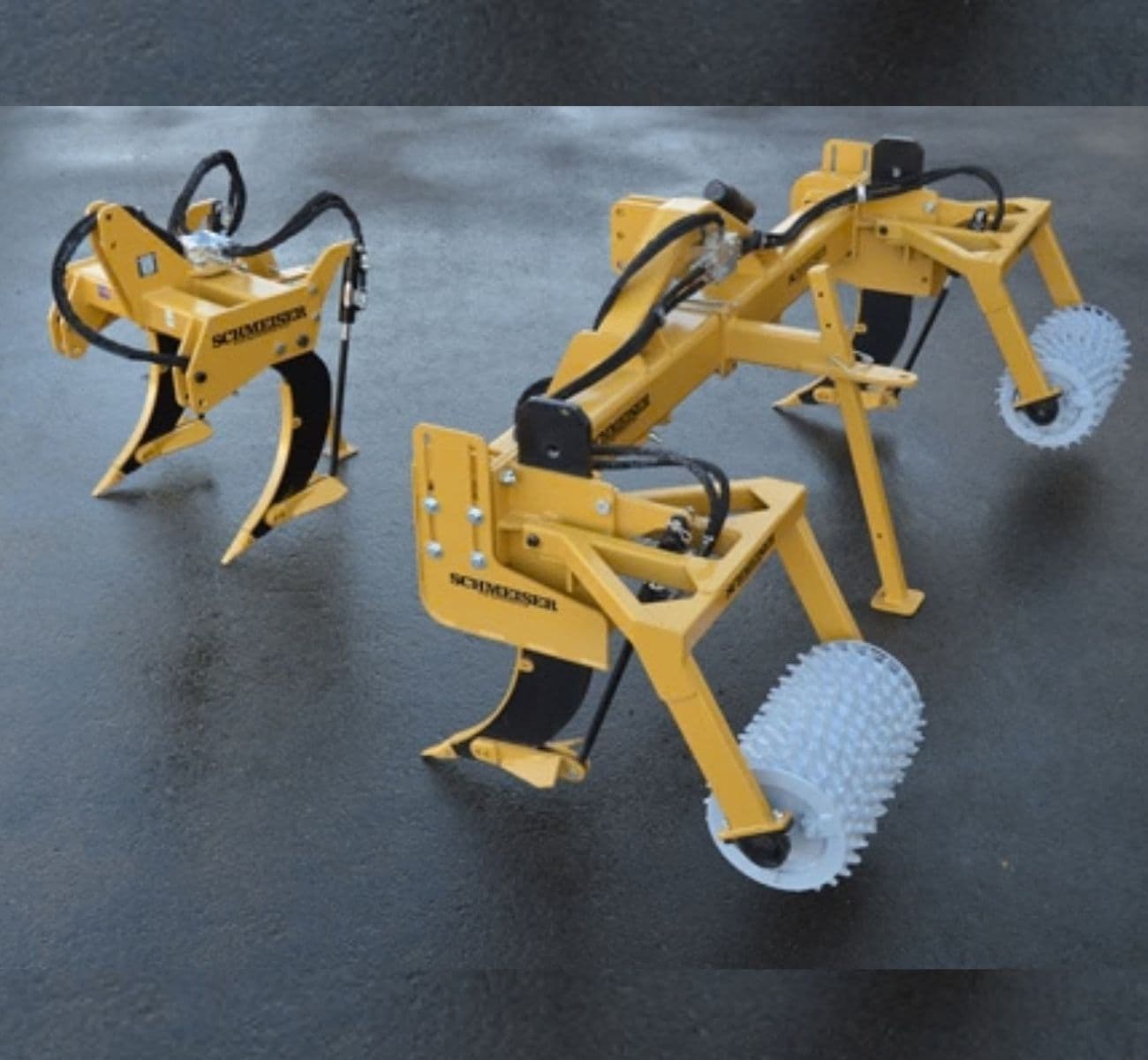
Smooth and firm the orchard floor at least a year before the first commercial harvest, as Oregon State University advises, so sweepers can work up to the trunks.
Recommended Establishment Stages


Hazelnut Orchard Care & Maintenance in Spain
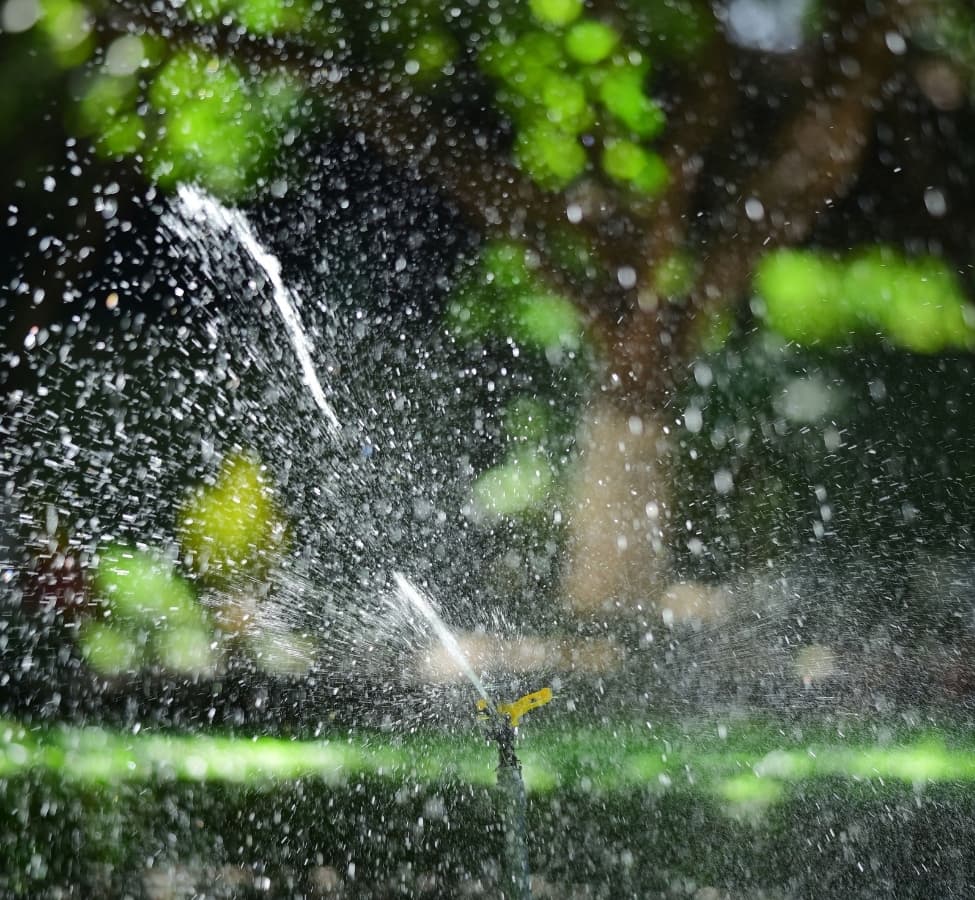
The 1991 IRTA article put hazel's main water need from May to July and said it must be irrigated unless mean rainfall exceeds 600 mm; Reus airport averages 500 mm a year (AEMET, 1981 to 2010). Drip was the main system in most orchards, a 2005 study of two Camp de Tarragona orchards noted; there, irrigation from April to September gave a good yield response, while starting in June lowered kernel quality.
MAPA's 2015 integrated pest management guide for hazel sets thresholds of 4 hazelnut weevil adults per 100 branch beats in May and June and 15% of buds attacked by big bud mite, and none for bugs. Bites of green stink bugs cause white spot inside the kernel: provisional harvest reception data put it at 15% in 2026, near a risk model's 16% forecast, with the risk highest at lower altitudes, above all in the core of the Camp de Tarragona (Interempresas, 2026).
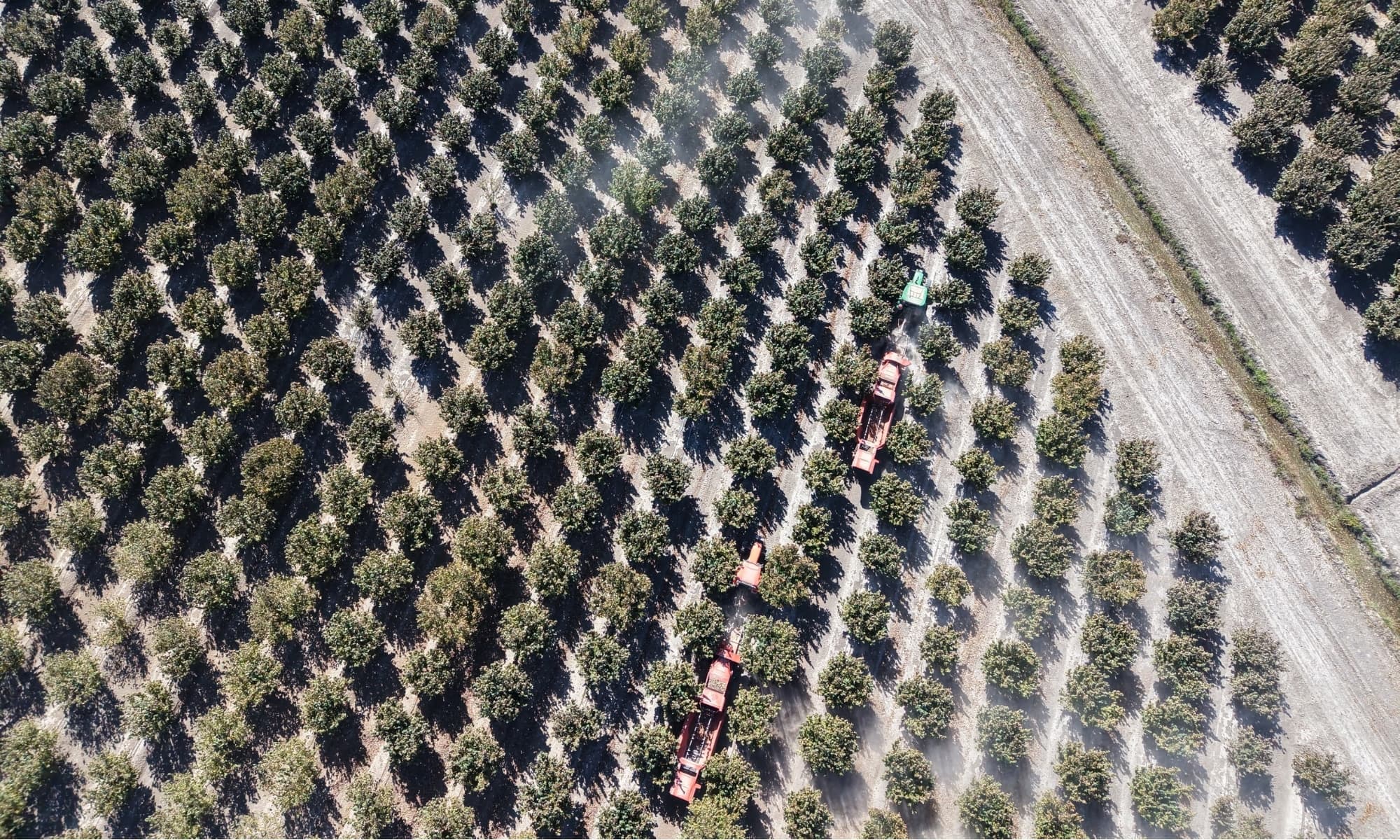
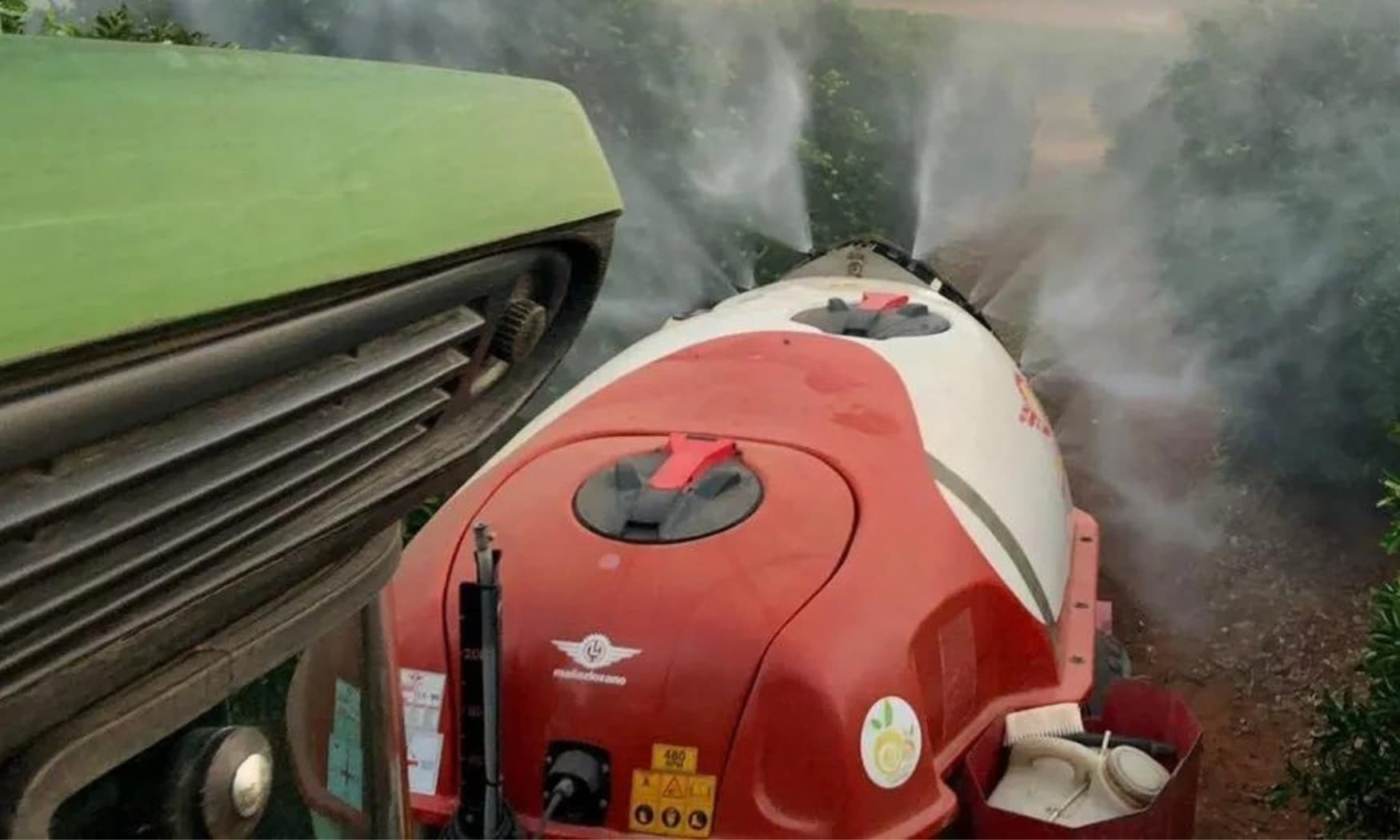
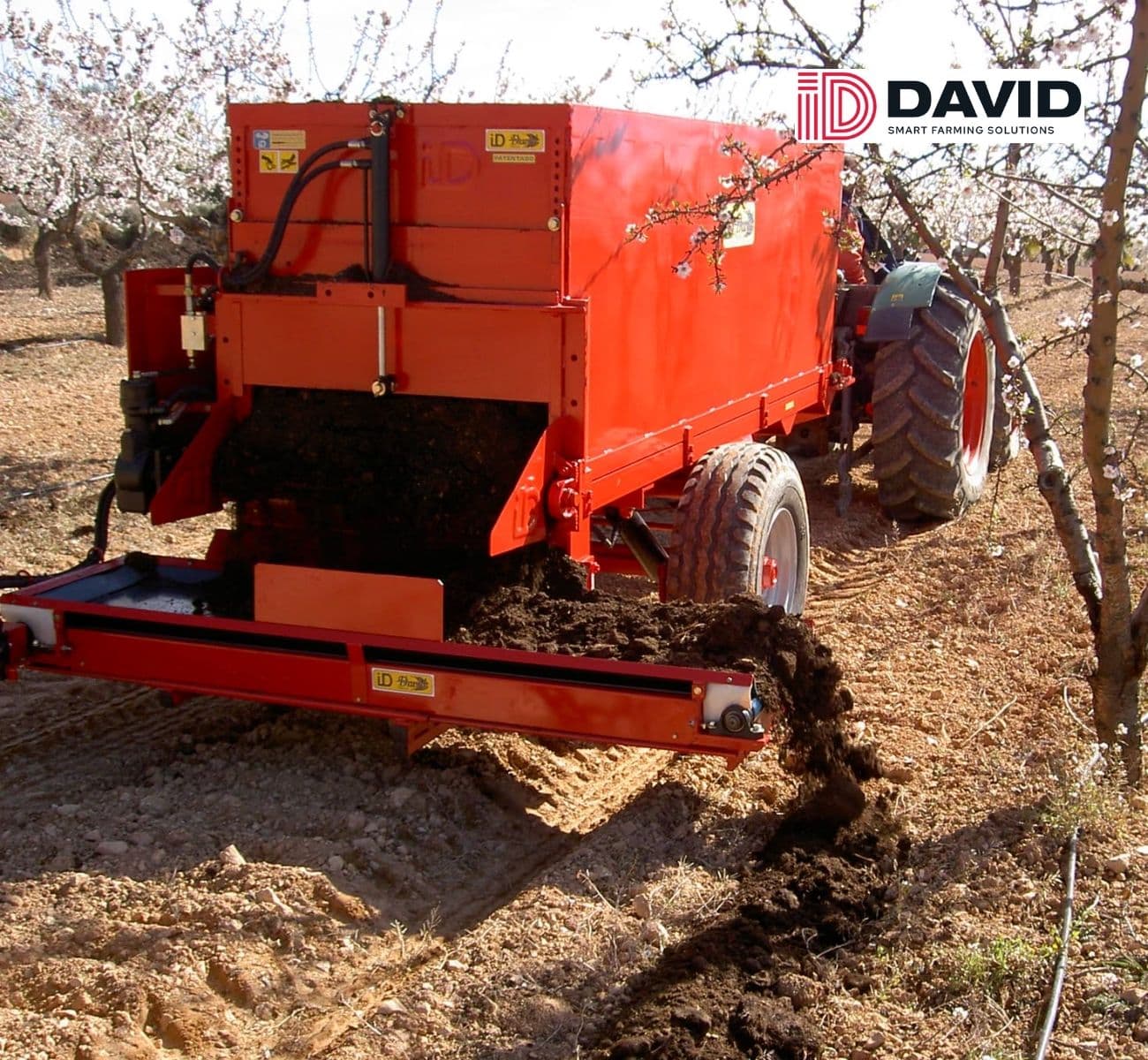
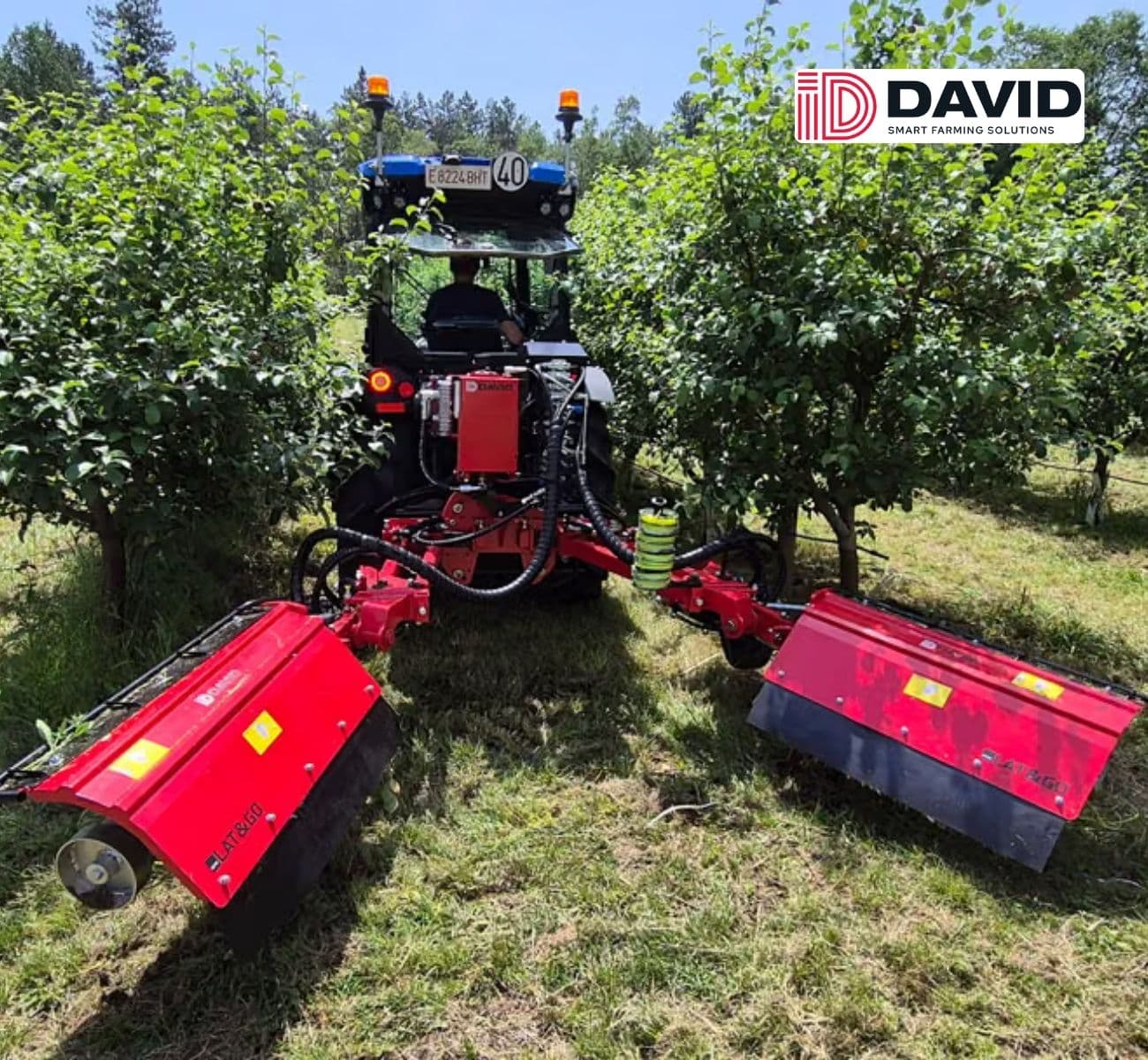
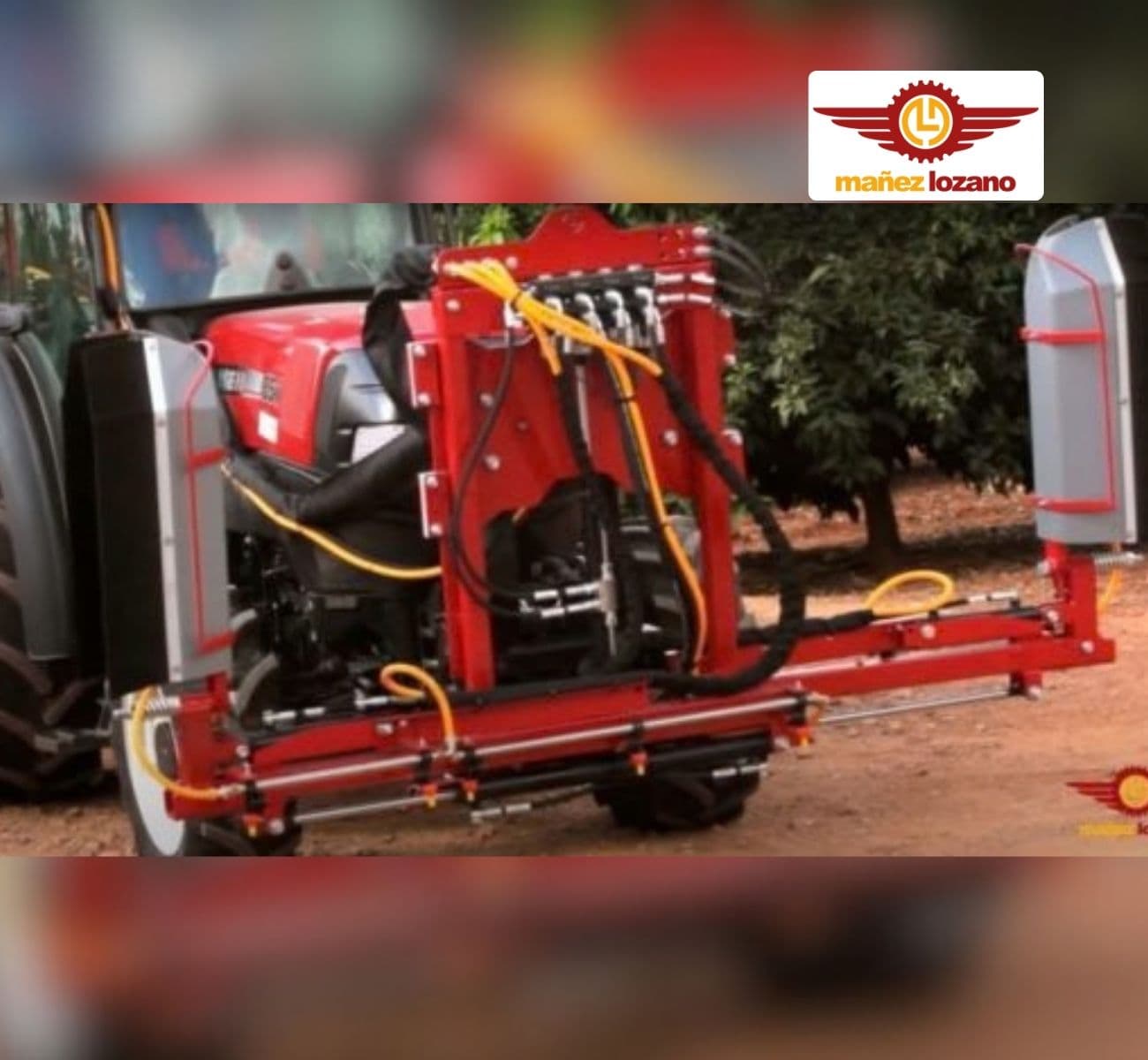
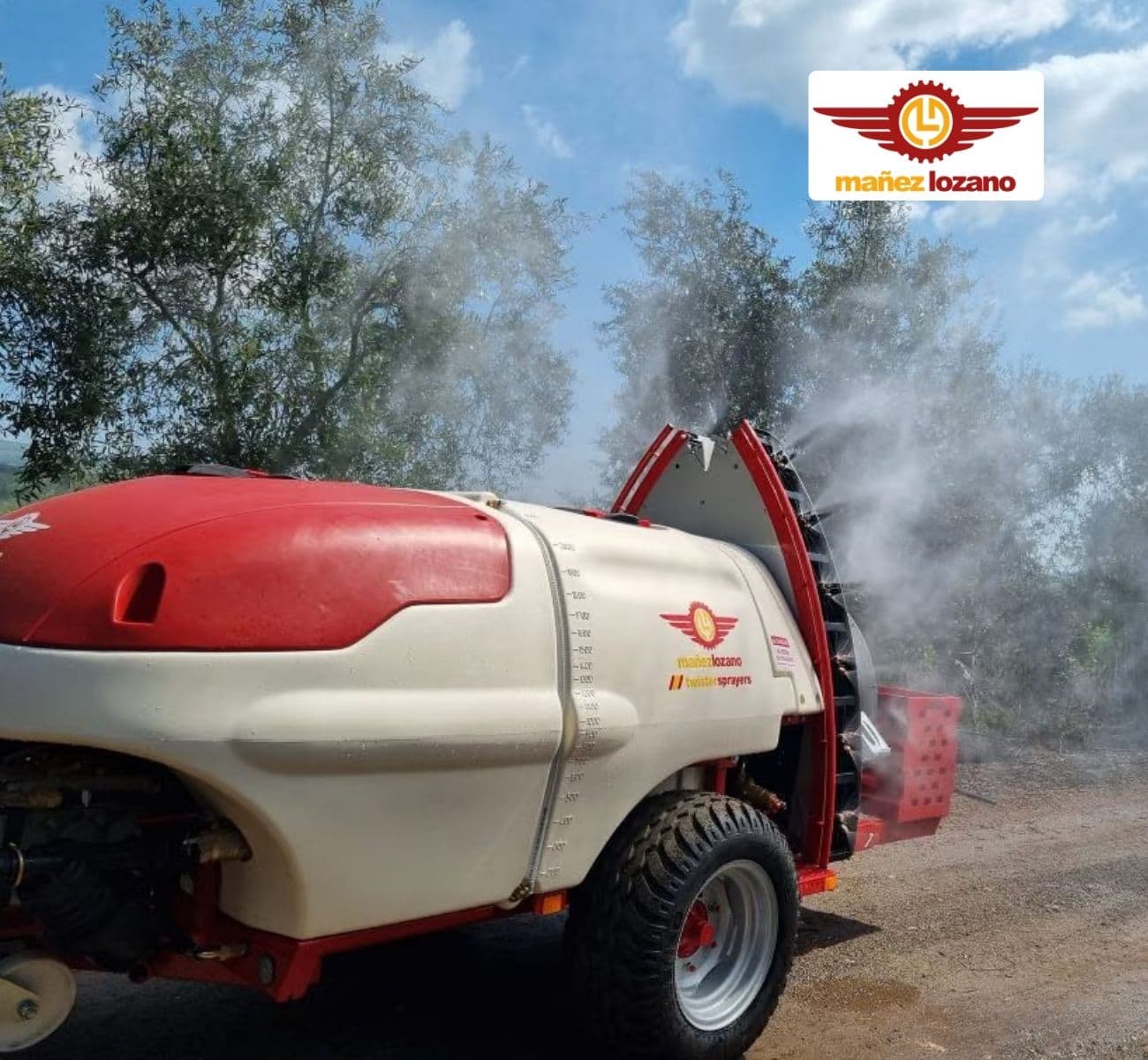
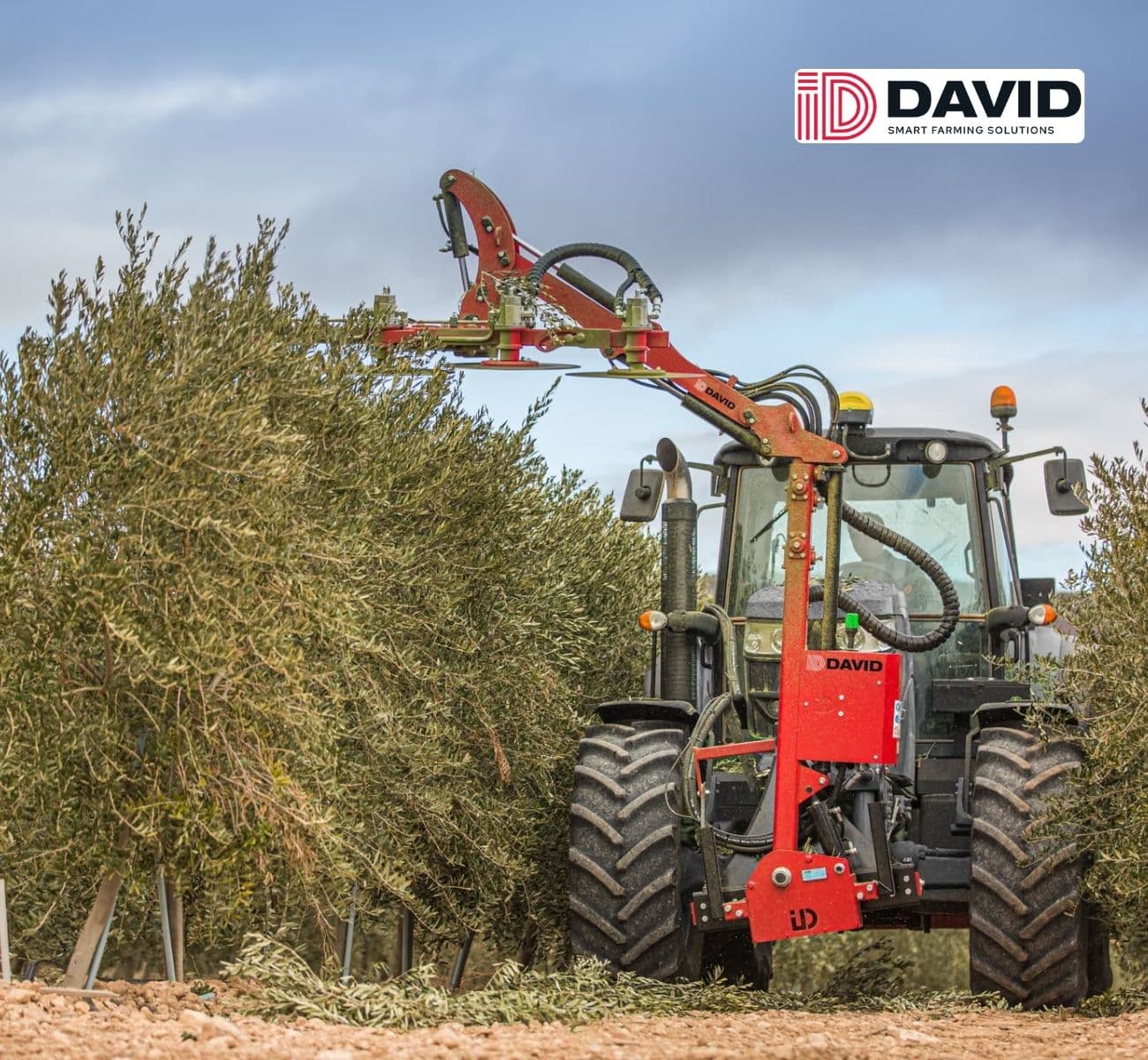
EPPO records hazelnut powdery mildew (Erysiphe corylacearum) in Spain since April 2021, when it was found in two orchards in Tarragona province, and bacterial blight (Xanthomonas arboricola pv. corylina) with low incidence in Catalonia (2016 data). In single-stem orchards planted for machines, the ID DAVID ECOFEED spreads solid manure, the ID DAVID LAT&GO string mower controls weeds without herbicides, the Mañez Lozano Narrow Twister S6 sprays tall, dense canopies and the ID DAVID V1 disc pruner makes vertical and horizontal cuts.
Recommended Orchard Care & Maintenance Stages
Practical Tips for Hazelnut Orchard Care & Maintenance
Irrigate from April to September: in a 2005 study of two Camp de Tarragona orchards, starting in June lowered kernel quality.
Wet about 20 to 40% of the root zone with drip lines: that range gave the best results in the same 2005 study.
Beat branches in May and June to count weevil adults; MAPA's 2015 guide sets the threshold at 4 per 100 beats.
Count buds attacked by big bud mite in January and February; MAPA's 2015 guide sets the threshold at 15% of buds.
Act early against stink bugs: in a 2026 trial reported by Interempresas, a mid-June intervention kept white spot damage below 10%, against 27% in an unmanaged orchard.
Prune in winter, mainly removing suckers and low shoots, as the Avellana de Reus specification describes, and repeat in summer if new suckers appear.

Hazelnut Harvesting in Spain
In the Camp de Tarragona, nuts are swept up from the ground after they fall: most growers now start in the last days of August, though 11 September once opened the season, the Diari de Tarragona reported in 2026. Coastal orchards are highly mechanized, unlike hill orchards (IRTA, 2024), and in Asturias the harvest was traditionally done by hand (SERIDA). In single-stem orchards planted for machines, mechanized harvesting can bring the crop in on time, with less risk of nuts deteriorating while they wait.
The system in this guide does not shake the trees: Oregon State University (OSU) explains that the thin-barked, shallow-rooted trees would be damaged. The Avellana de Reus rules place harvest from August, usually to November, by cultivar and site, and at Reus airport September and October, the year's wettest months, bring 77 and 75 mm of rain on 5.1 and 6.0 days (AEMET, 1981 to 2010).
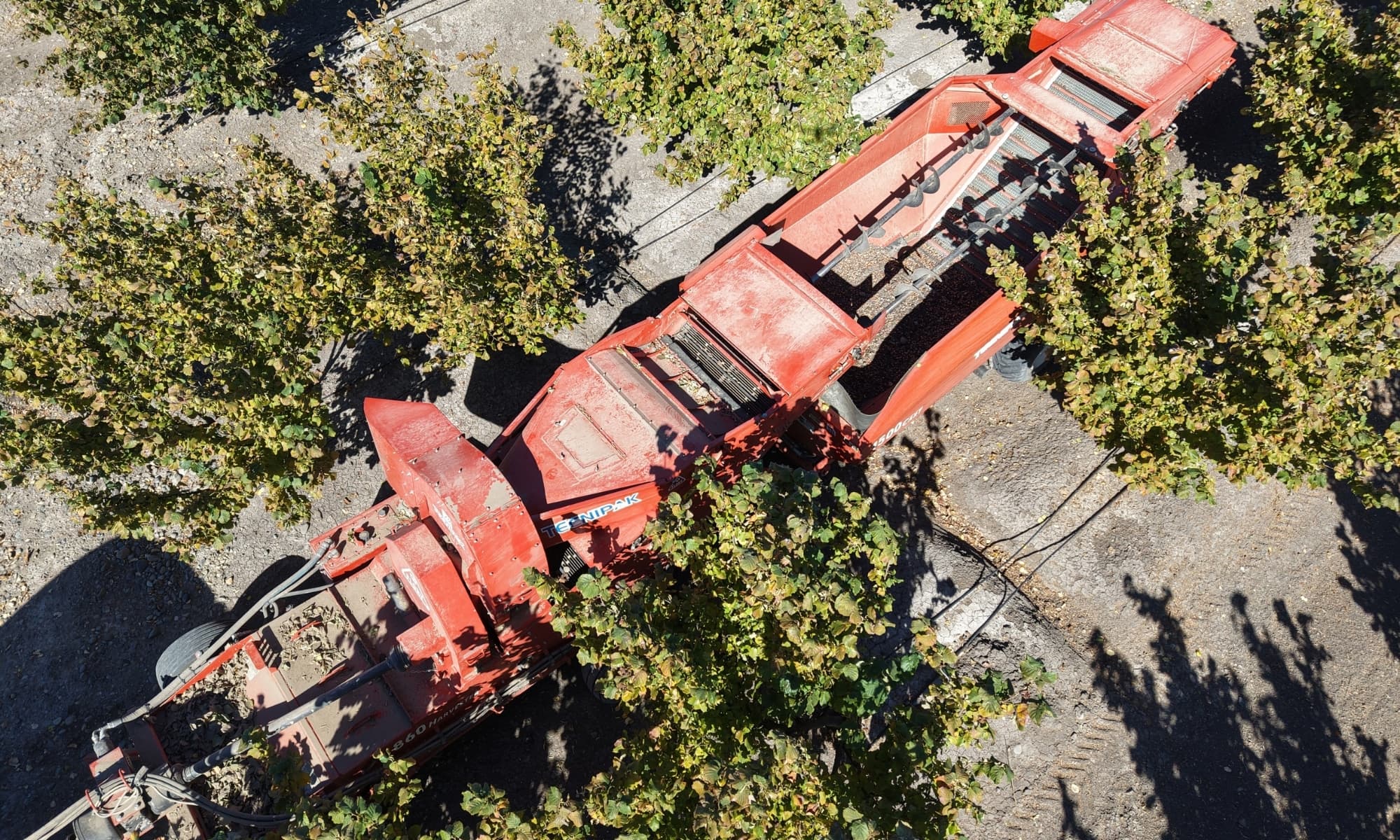
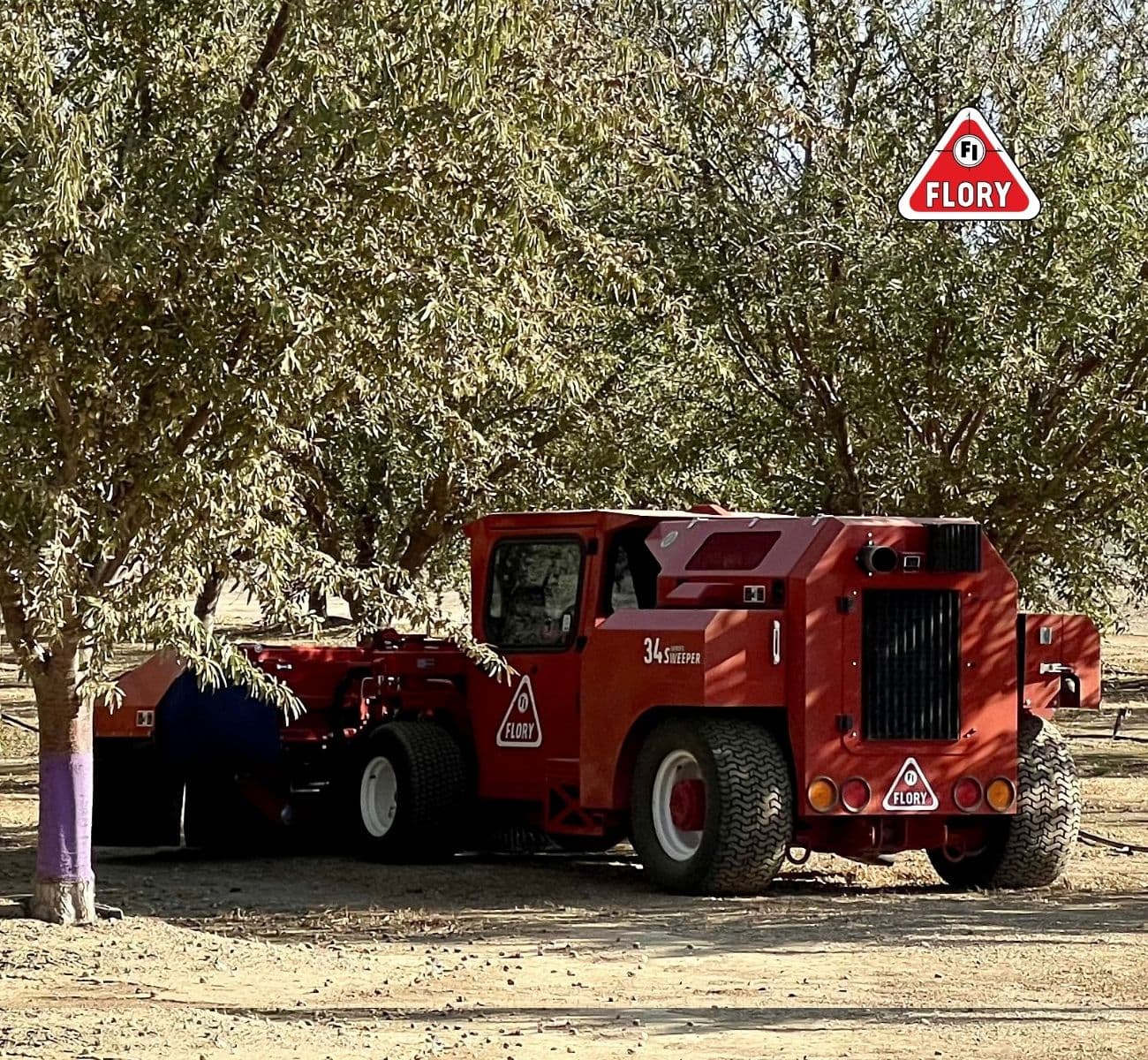
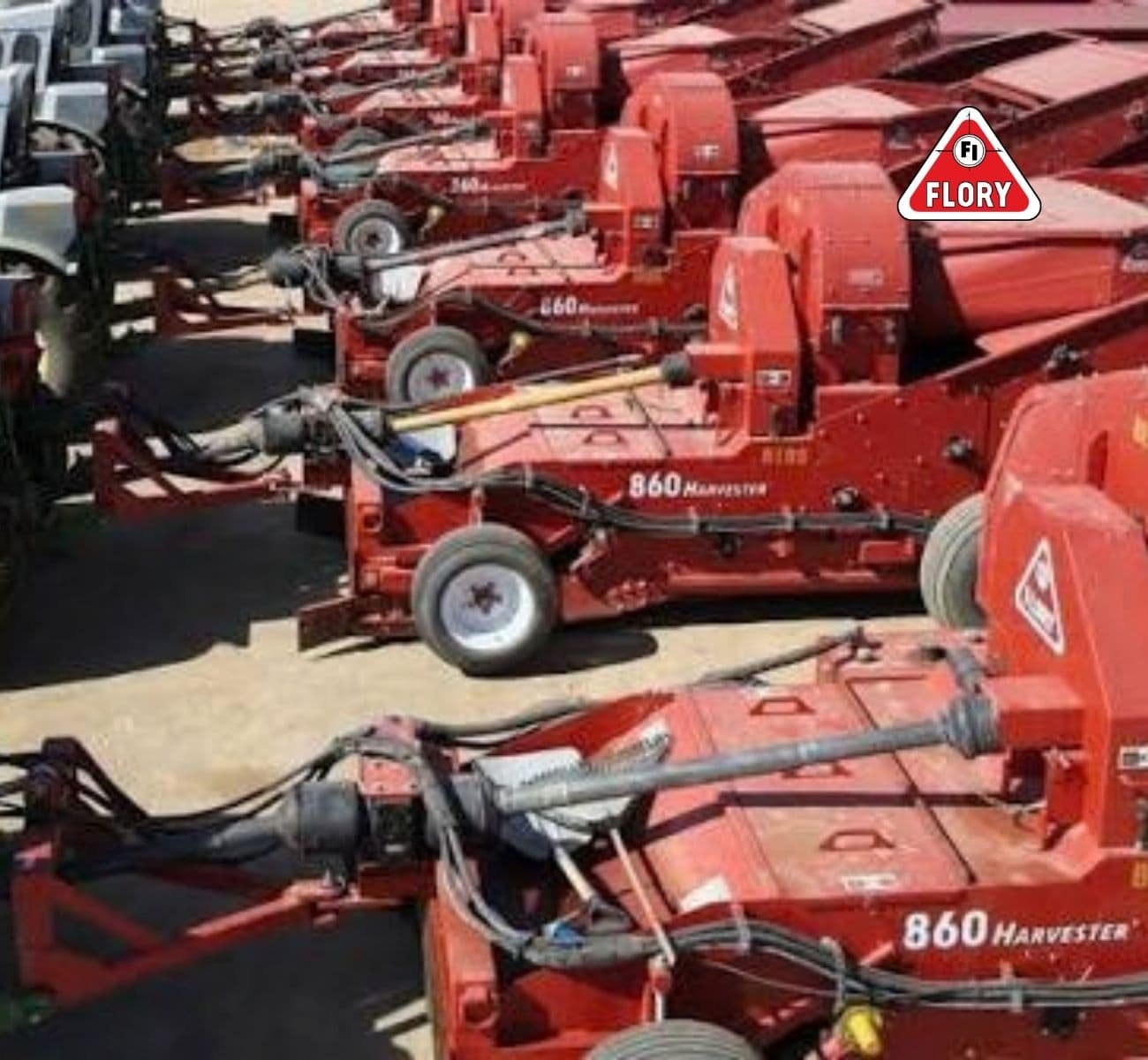
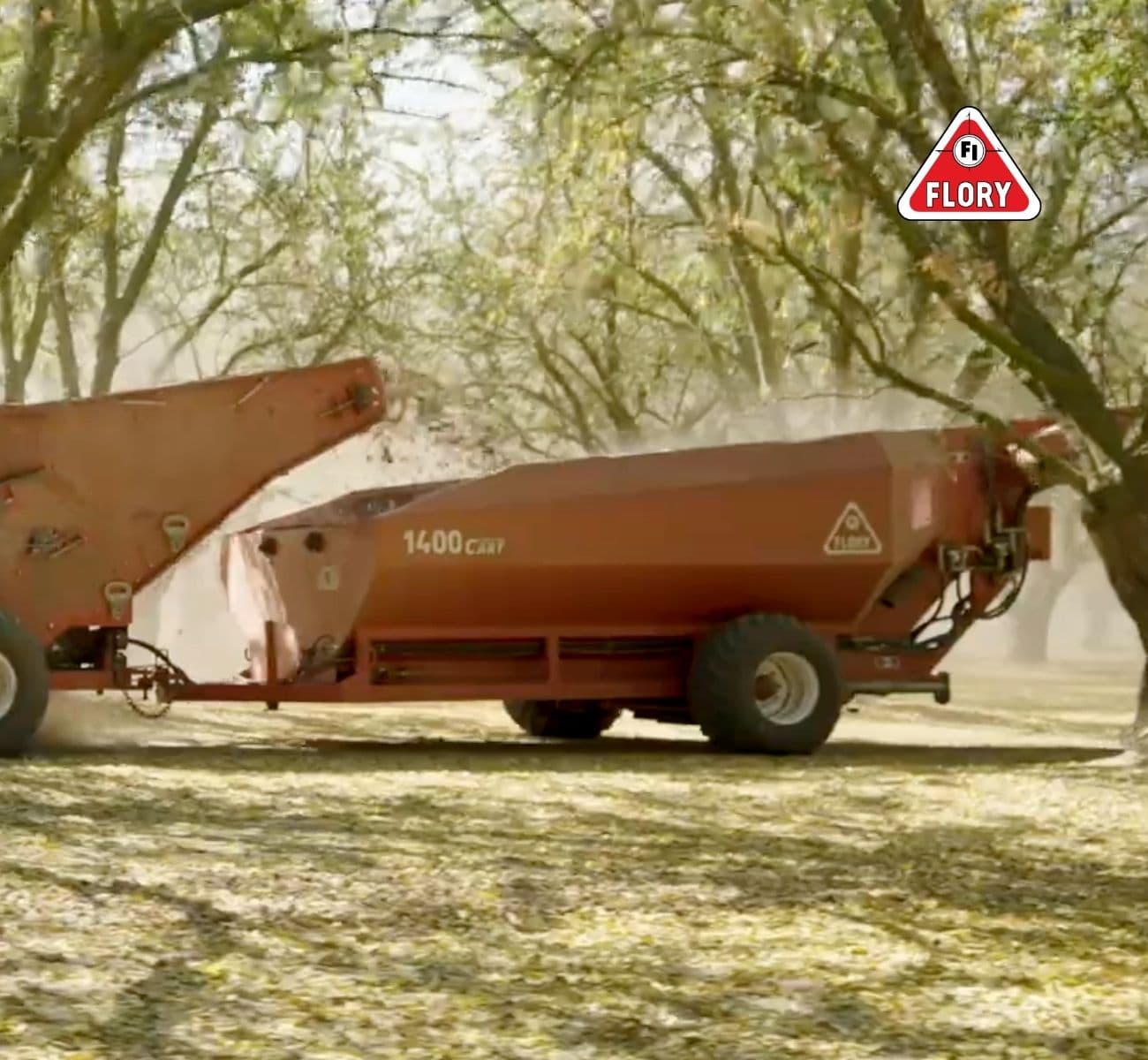
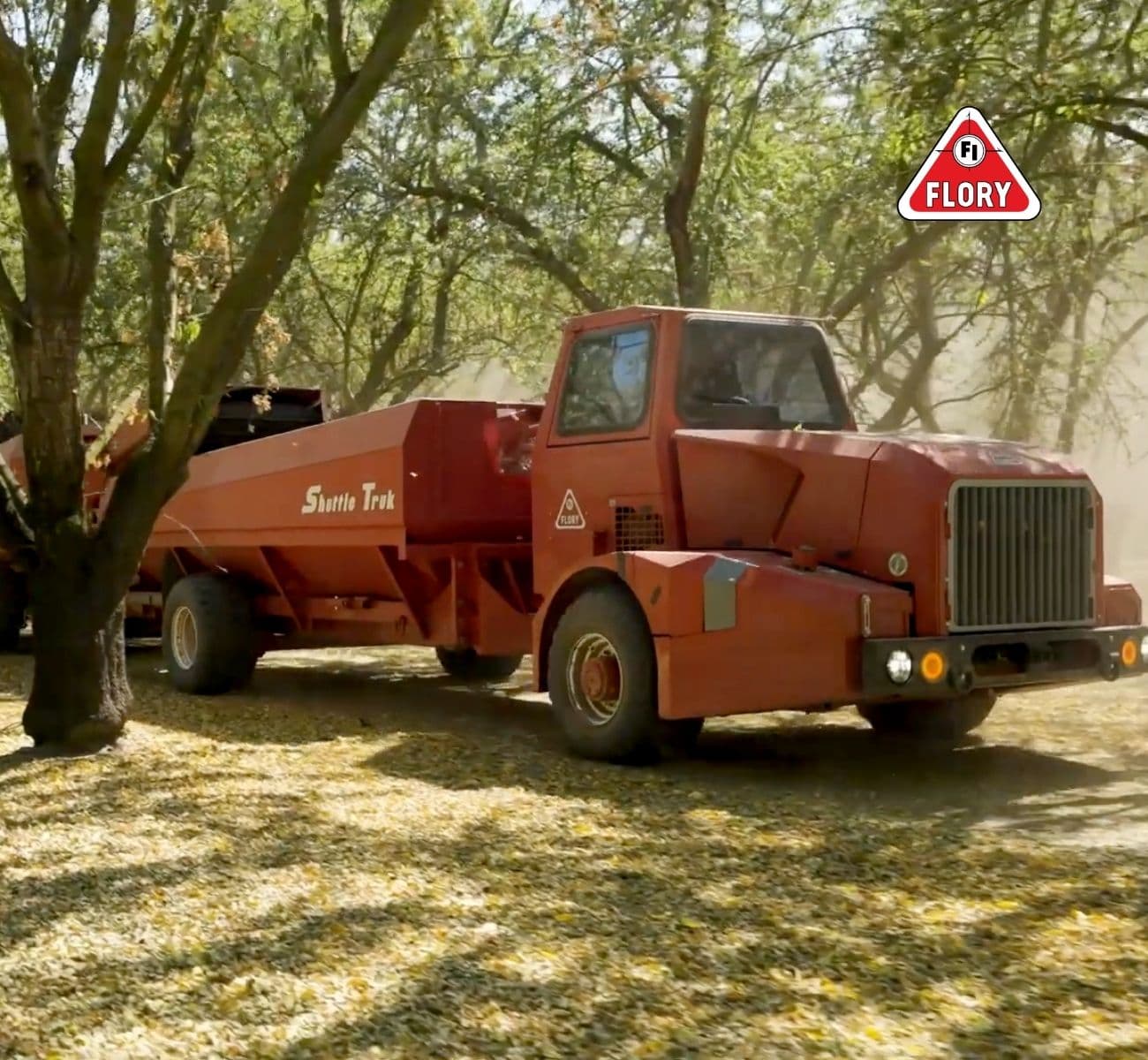
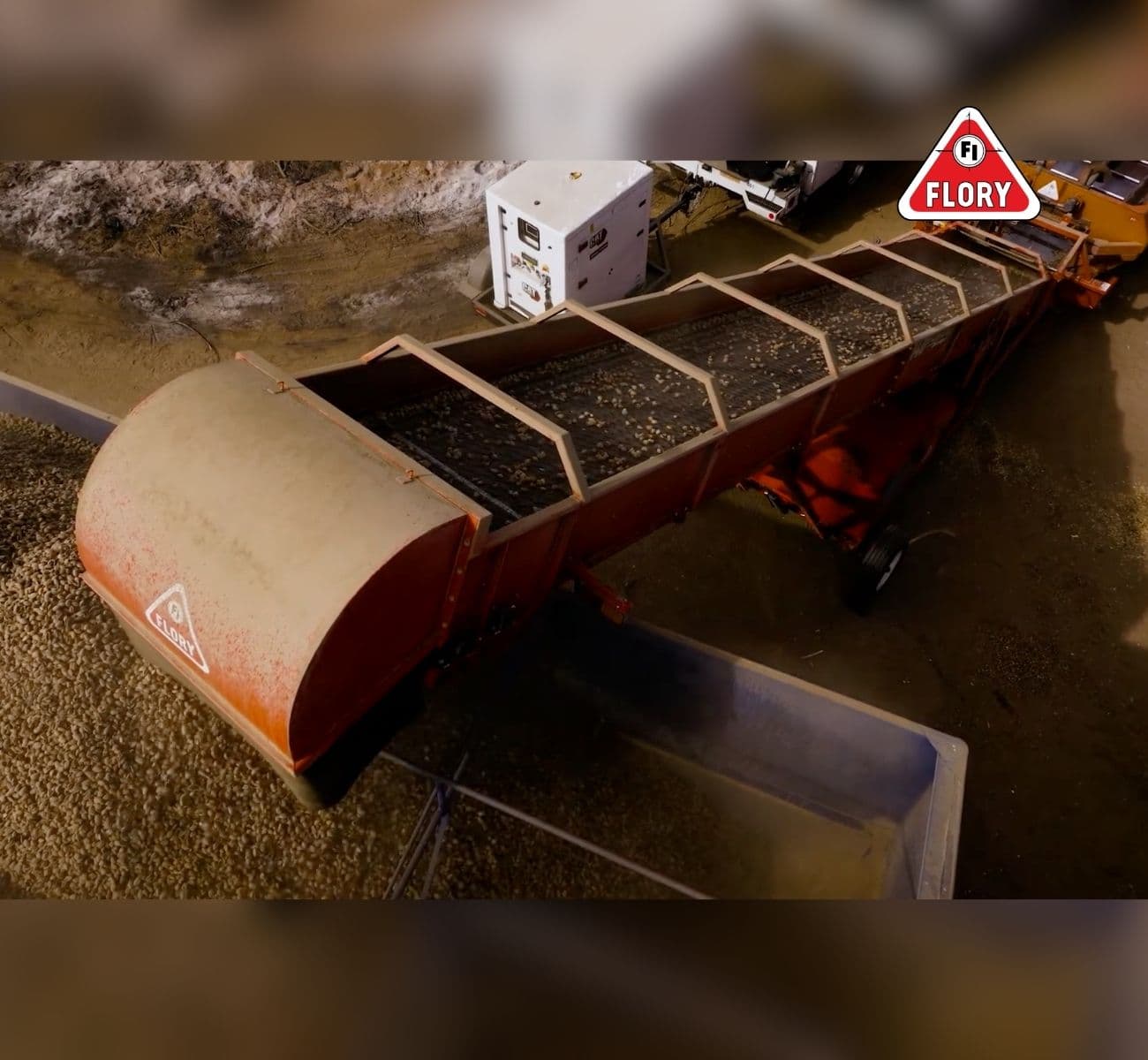
Flory harvesting machinery is available in Spain through OVE Europe for single-stem orchards planted for machines. The Flory 34 Series Sweeper sweeps the nuts into windrows and the 860 Harvester picks them up; the smaller 490 suits hazelnuts in OVE's experience, and Flory lists a mud brush as standard for hazelnuts on the 860. The 1500 Conveyor Cart receives the nuts, the ST14 Shuttle carries them and the 4840 Field Elevator loads trailers for the processing site.
Hazelnut Harvest Workflow (Recommended Equipment)
Practical Tips for Hazelnut Harvesting
Sweep in dry weather: the drier the nuts, the better they can be collected, a growers' representative told the Diari de Tarragona in 2026.
Plan blocks by cultivar: in September 2026, one Camp de Tarragona grower had picked up 'San Giovanni' and was starting on 'Pauetet', the Diari de Tarragona reported.
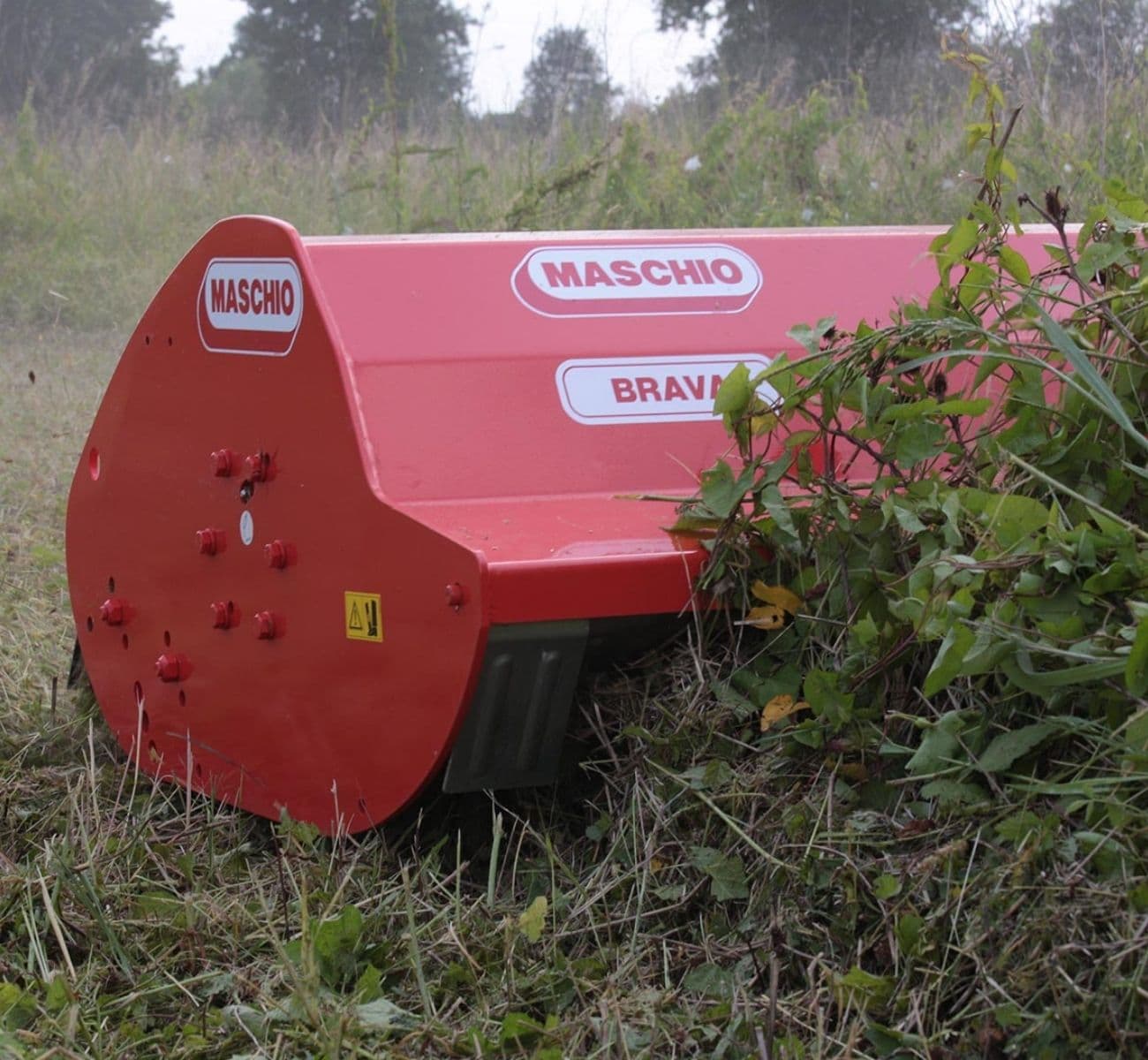
Level, smooth and flail-mow the orchard floor before nut drop, as OSU describes, so the sweeper can work right up to the trunks.
Keep bins of harvested nuts out of the rain until drying: OSU notes that nuts in bins left in the rain before drying can turn moldy.
Sweep only fast enough to keep ahead of the pickup machine, as British Columbia's guide advises, and clean harvesters between orchards.
Check tractor power before choosing a harvester: Flory gives 85 HP as the minimum for the 860, and for the 490 in hazelnuts.
Get your recommended harvest setup
Enter orchard size, spacing, terrain, and target throughput—we’ll suggest a practical harvest workflow and equipment lineup.

Hazelnut Post-Harvest Handling & Processing in Spain
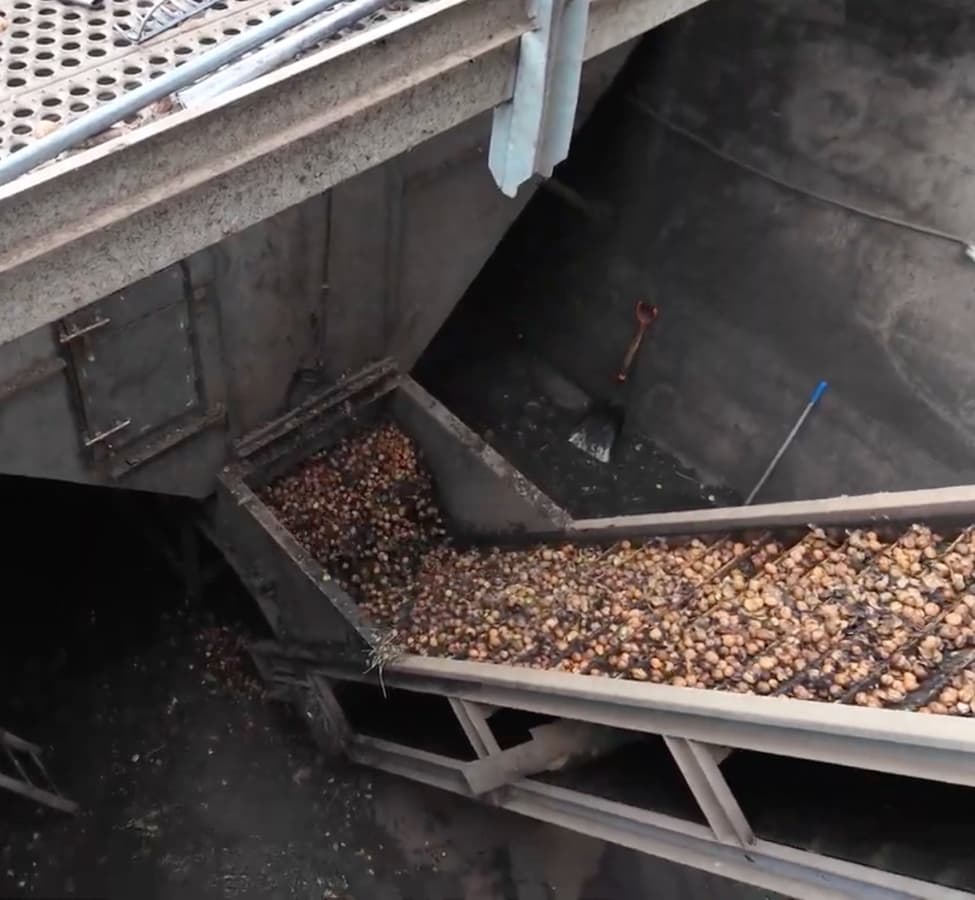
About 90% of Spain's hazelnuts are sold shelled to the processing industry, the IRTA representative said in 2024. Spanish sources read for this guide say little about drying: a 2010 page of Türkiye's Hazelnut Research Institute, citing a 2005 Spanish paper, reported that producer associations and private plants dried the crop in large dryers with air at 40 °C for 18 hours and stored the dried nuts in silos.
The Avellana de Reus specification grades nuts in shell as very large from 18 mm and large from 16 mm, sets 11 mm as the minimum for kernels and roasted nuts, and allows at most 1% of kernels that are rancid, rotten, moldy or damaged by insects or rodents. Under UNECE's 2025 standards, in-shell hazelnuts may contain at most 12.0% moisture for the whole nut or 7.0% for the kernel, and kernels at most 6.0%.
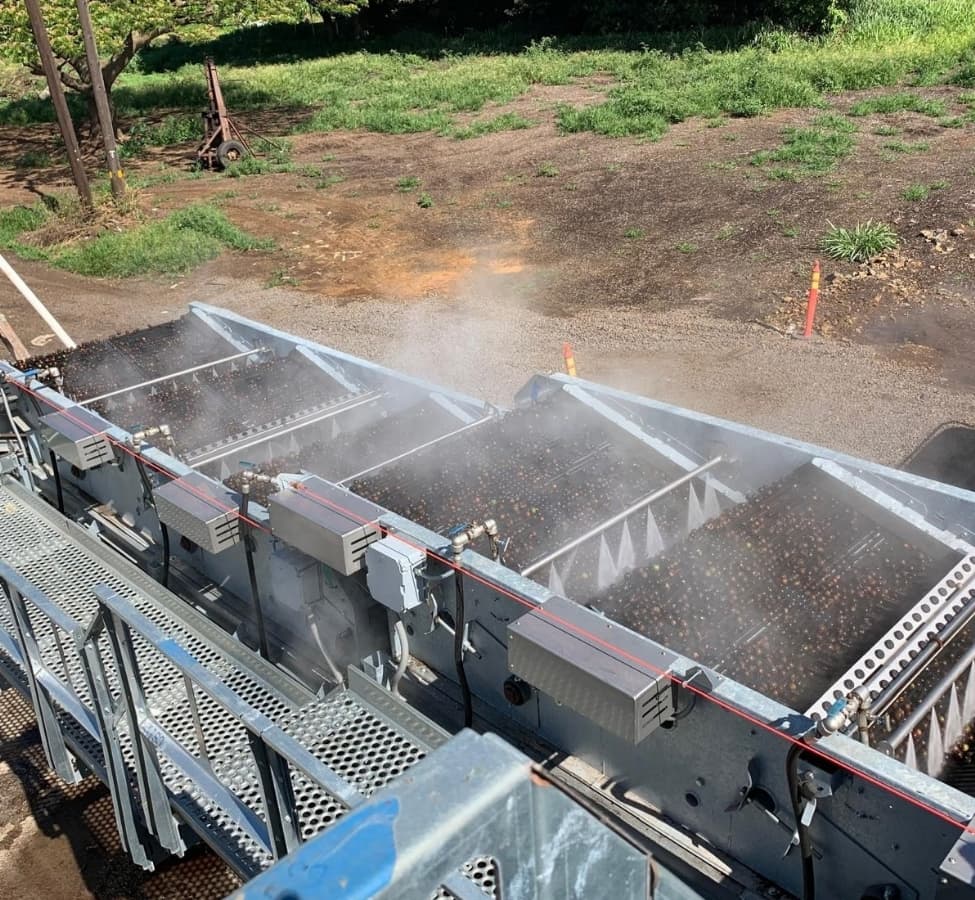
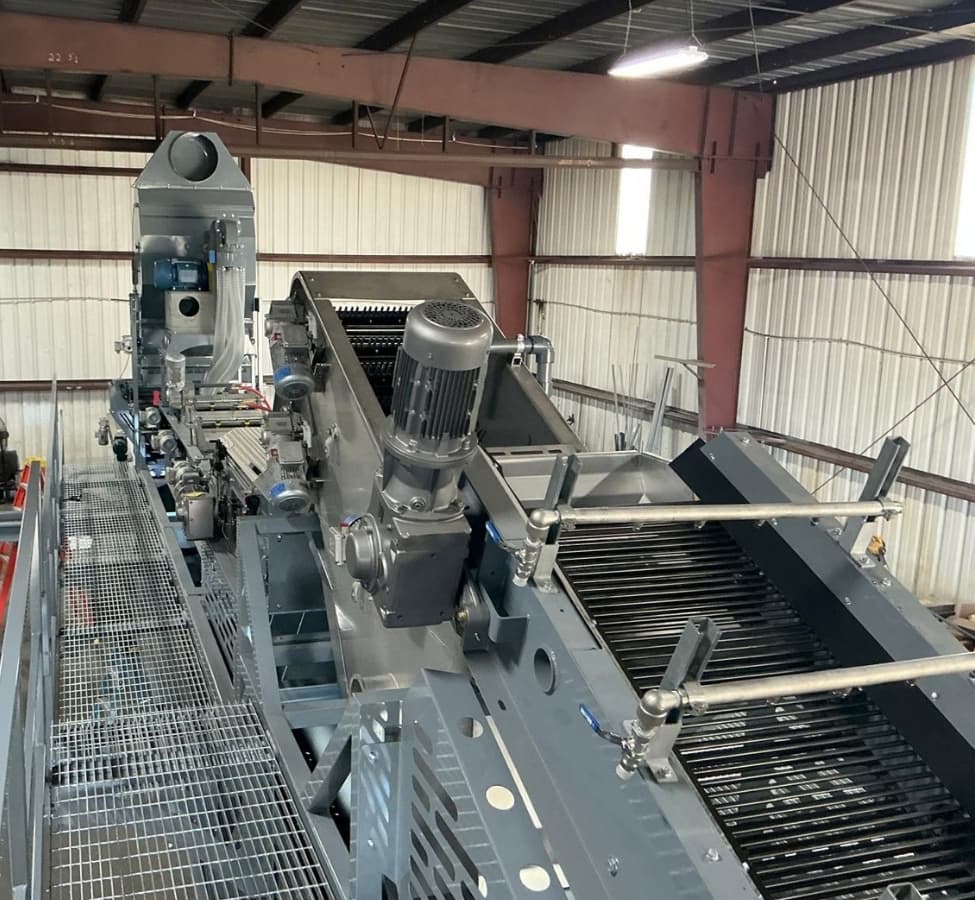
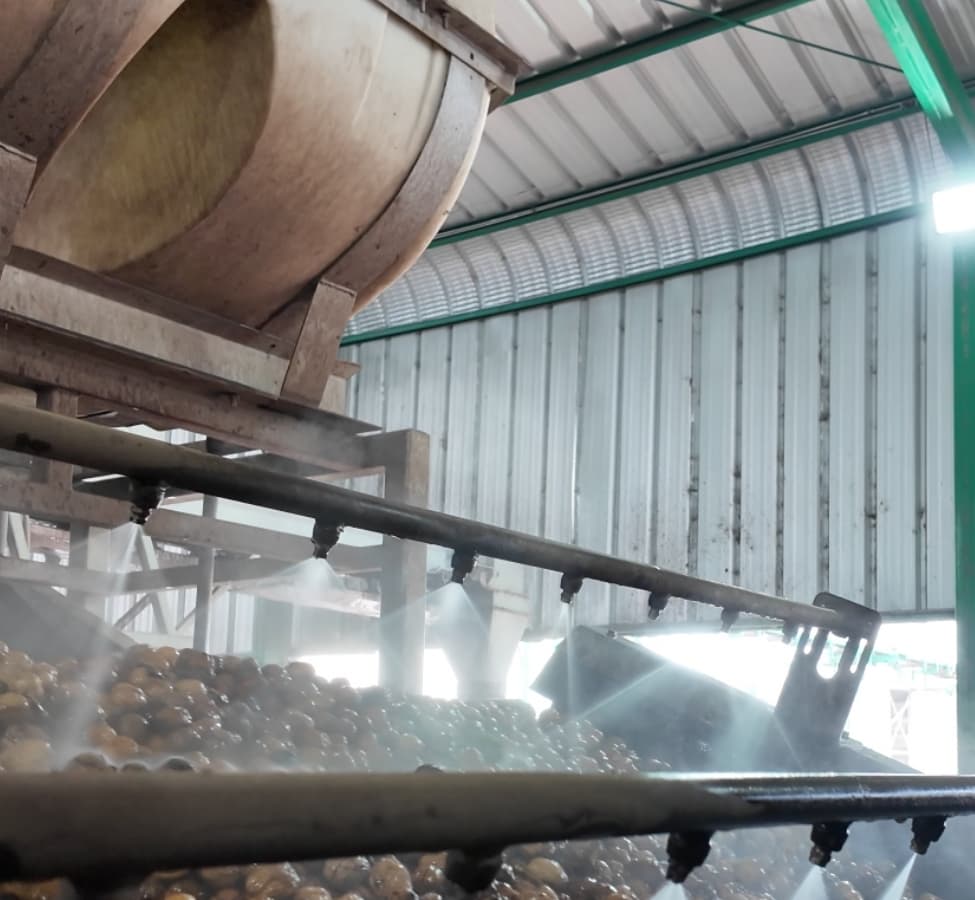
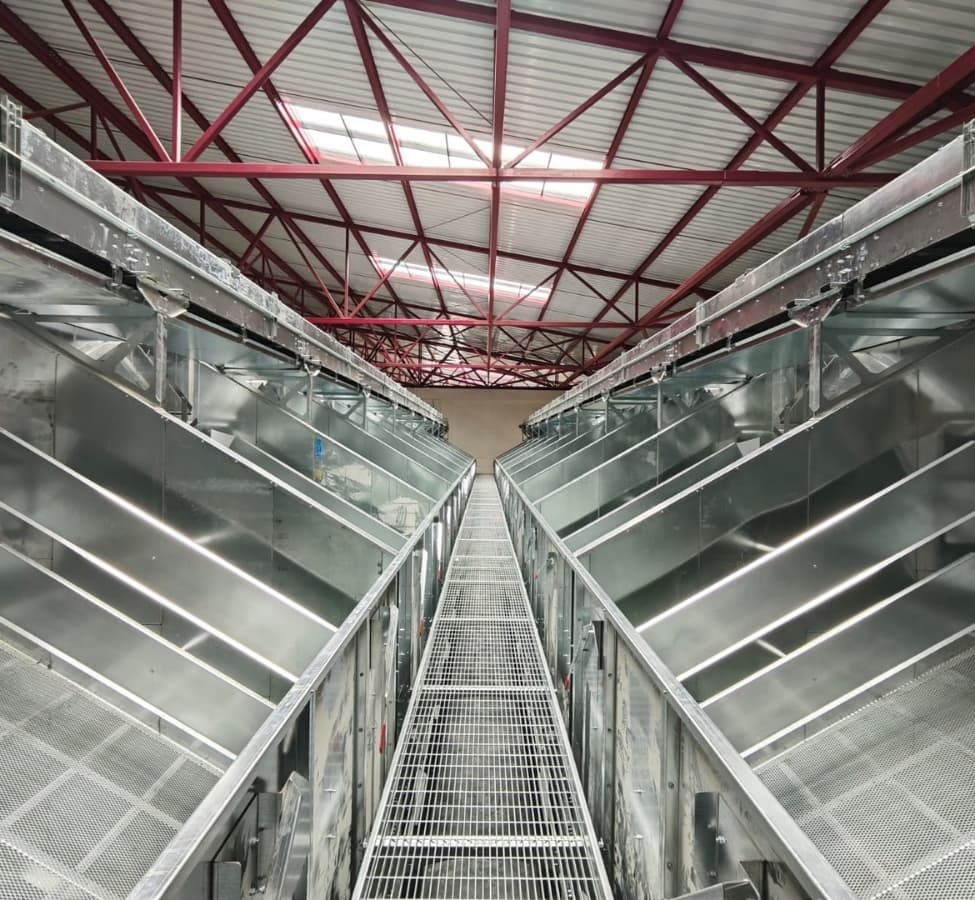
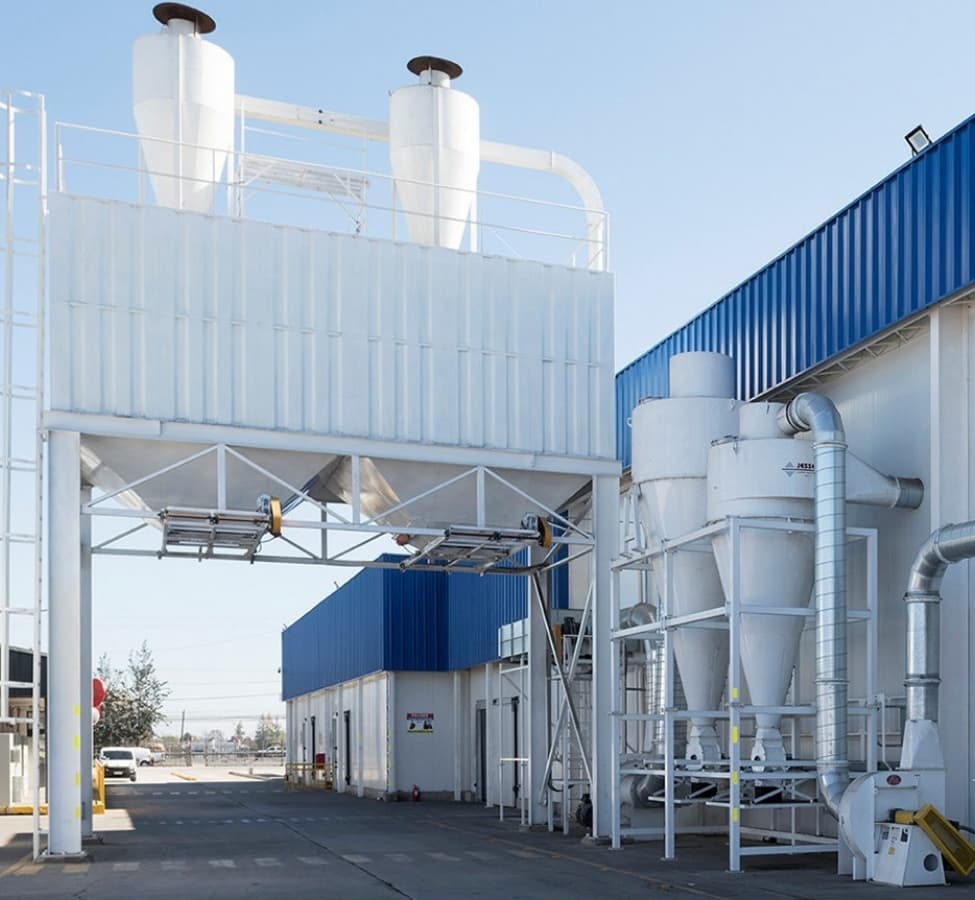
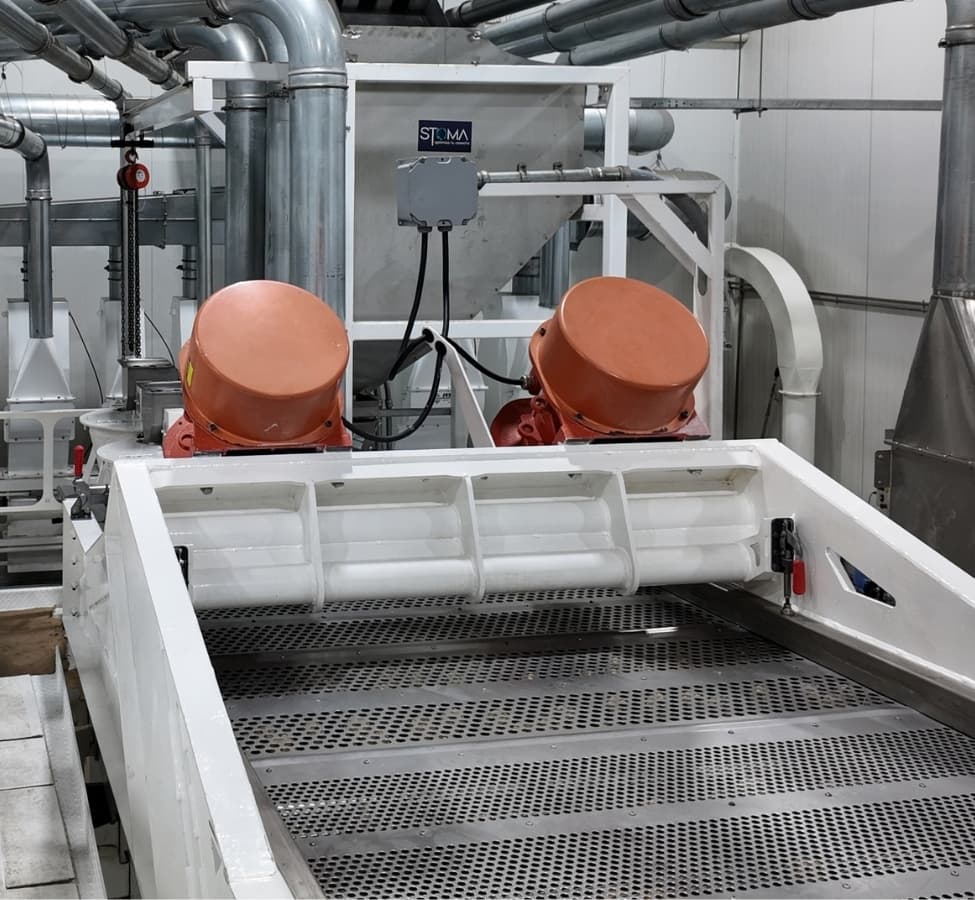
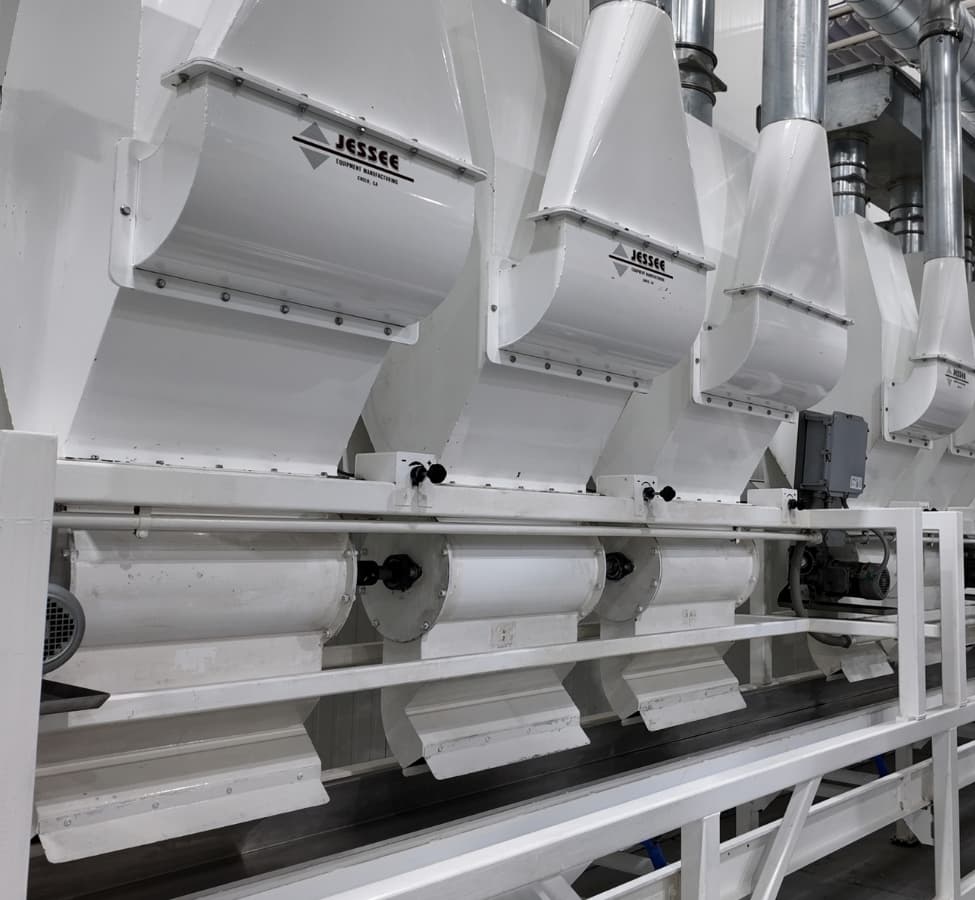
As an EU member, Spain applies Regulation (EU) 2023/915: 5.0 µg/kg of aflatoxin B1 and 10.0 µg/kg in total for hazelnuts for the final consumer or used as an ingredient, and 8.0 and 15.0 µg/kg for nuts to be sorted first. Jessee, whose processing lines OVE Europe supplies, builds drying, in-shell cleaning and sizing, and shelling systems, and it established product lines for hazelnuts in the 1980s.
For general information only. Information may become outdated and does not replace site-specific professional advice. Consult a qualified agronomist and confirm equipment suitability with OVE before acting.

Practical Tips for Hazelnut Post-Harvest Handling & Processing
Dry nuts promptly after harvest: British Columbia's guide gives 5 to 8% moisture within 24 hours, after husking, cleaning and washing.
Where possible, dry nuts in a dryer rather than in the sun: the Codex code warns that sun-dried nuts face a greater risk of fungal contamination.
Consider drying air at 43 to 49 °C and 40% relative humidity: in OSU research, these conditions improved drying efficiency and kept quality.
Keep in-shell nuts within 12.0% moisture for the whole nut or 7.0% for the kernel, the limits in UNECE's 2025 standard for in-shell hazelnuts.
Size kernel lots evenly for the PDO: its specification calls kernels calibrated when the largest and smallest differ by no more than 2 mm.
Test lots for aflatoxins: in the EU, hazelnuts for the final consumer or used as an ingredient must not exceed 5.0 µg/kg of B1 and 10.0 µg/kg in total.
Recommended Post-Harvest Handling & Processing Stages
Plan your post-harvest line
Estimate tons/day, cleaning & drying capacity, storage needs, and cost/kg—then build your equipment plan in phases.