


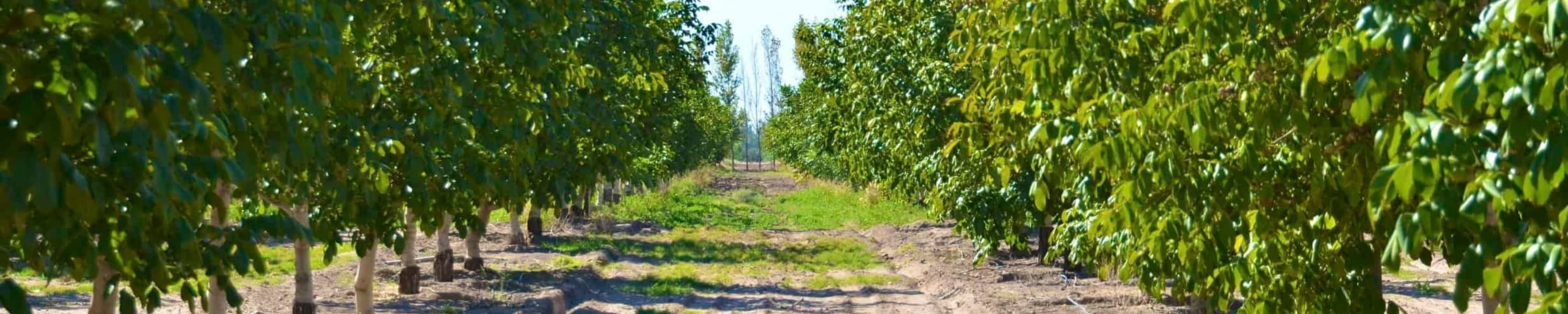




Walnut Orchard Establishment in Syria
In the Ministry of Agriculture's 2023 figures, Latakia gave 34% of Syria's walnut crop, Tartus 19% and Rural Damascus 15%, while Rural Damascus and Hama held the largest areas. Walnut in Rural Damascus and Homs was almost all irrigated, whereas most of the walnut area in Latakia and Tartus was rain-fed. A 2024 Tishreen University paper notes that wide areas of the country suit walnut in soil and climate.
Most walnut trees in Syria are grown from seed: growers sow seed from the best nuts of the best trees, a practice the 2024 Tishreen paper calls unsystematic, and local types such as Shamouti, Adi, Khasib and the very hard-shelled Bakhil lack a formal classification. A 2020 paper in the Syrian Journal of Agricultural Research describes seed propagation as common in Syria, followed by grafting with suitable commercial cultivars.
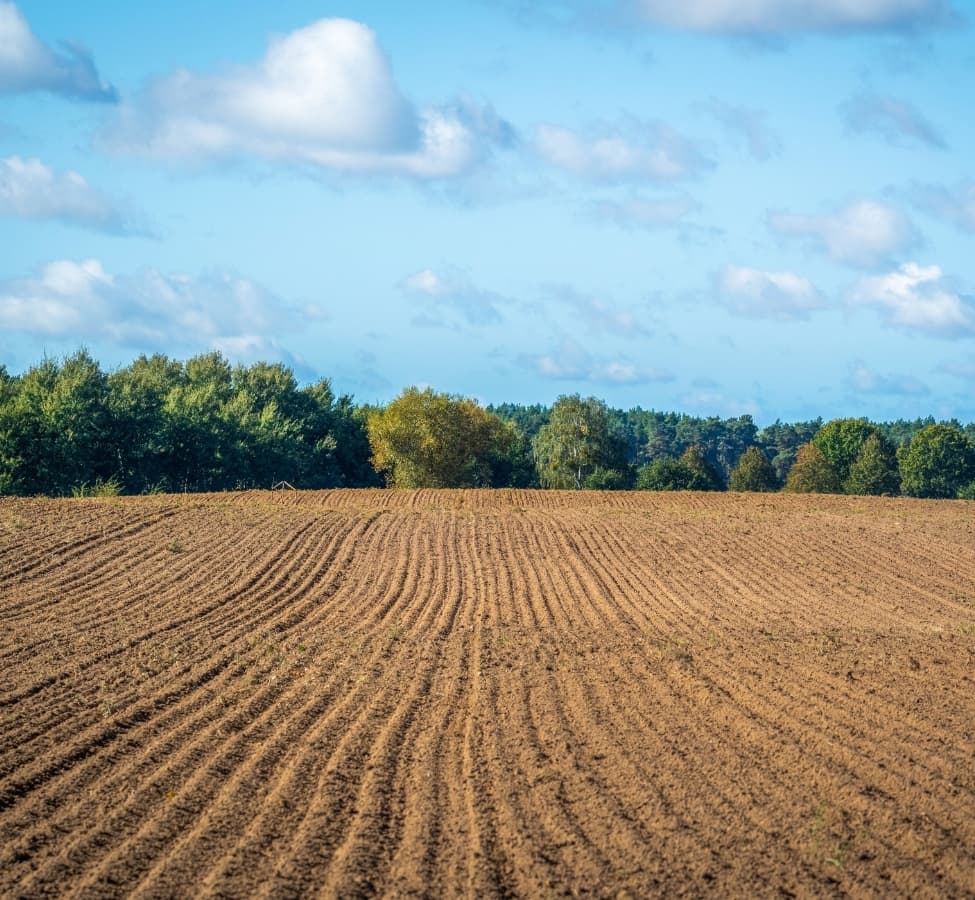
In a Latakia study of local walnut types at three sites, 40 to 260 m above sea level (2021 and 2022), nuts from the site on red clay soil were better than those from the two sites on white sandy soil. No Syrian guidance on spacing or orchard layout was found, so University of California practice is a useful reference: traditional orchards at about 7.6 x 7.6 to 9.1 x 9.1 m, or hedgerows at about 6.7 x 4.6 m, which bring earlier returns.
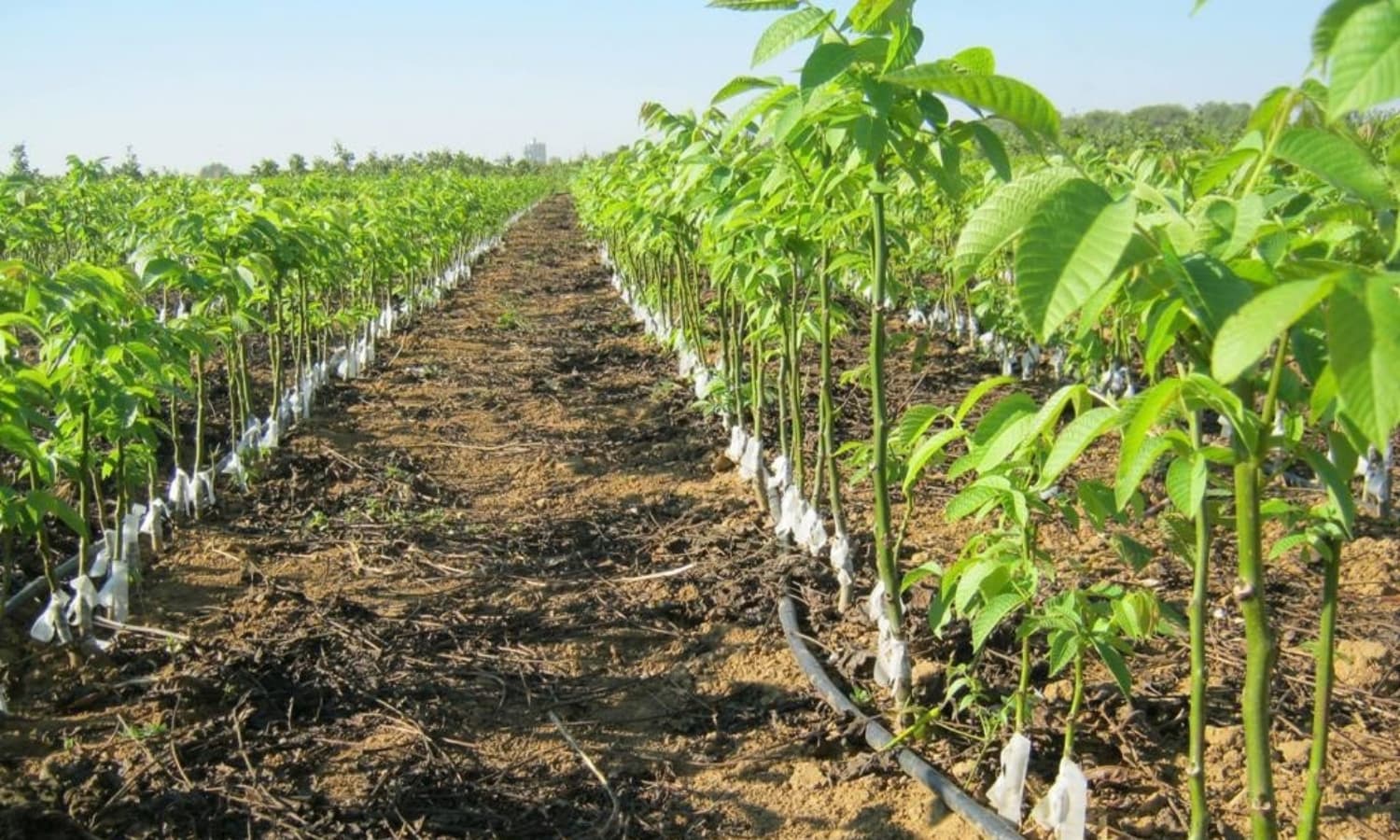

Practical Tips for Walnut Orchard Establishment
Check the soil before planting: in a Latakia study of local walnut types (2021 and 2022), nuts from the red clay site were better than those from two white sandy sites.
For new orchards, plant grafted trees of known cultivars: seedlings, still the norm in Syria, vary in nut traits from tree to tree.
If you graft your own trees, note that patch budding is the most common budding method for walnut in California, and sap bleeding the hardest step (UC Davis).
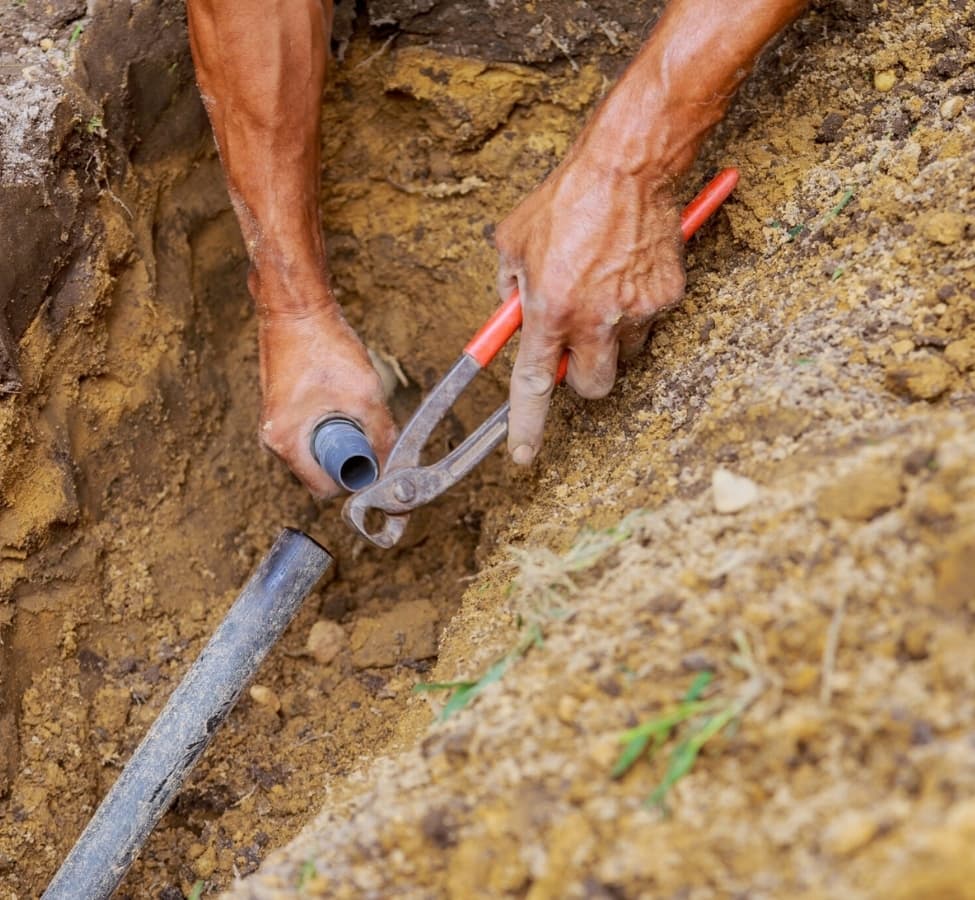
Plan the water supply first: in 2023, walnut in Rural Damascus and Homs was almost all irrigated (Ministry of Agriculture).
Keep records of each tree's nut size, shell hardness and yield, so seed or budwood is taken only from proven trees.
For machine harvesting, mark straight rows, headlands and access lanes before planting; no Syrian source found describes a walnut layout for machines.
Recommended Establishment Stages
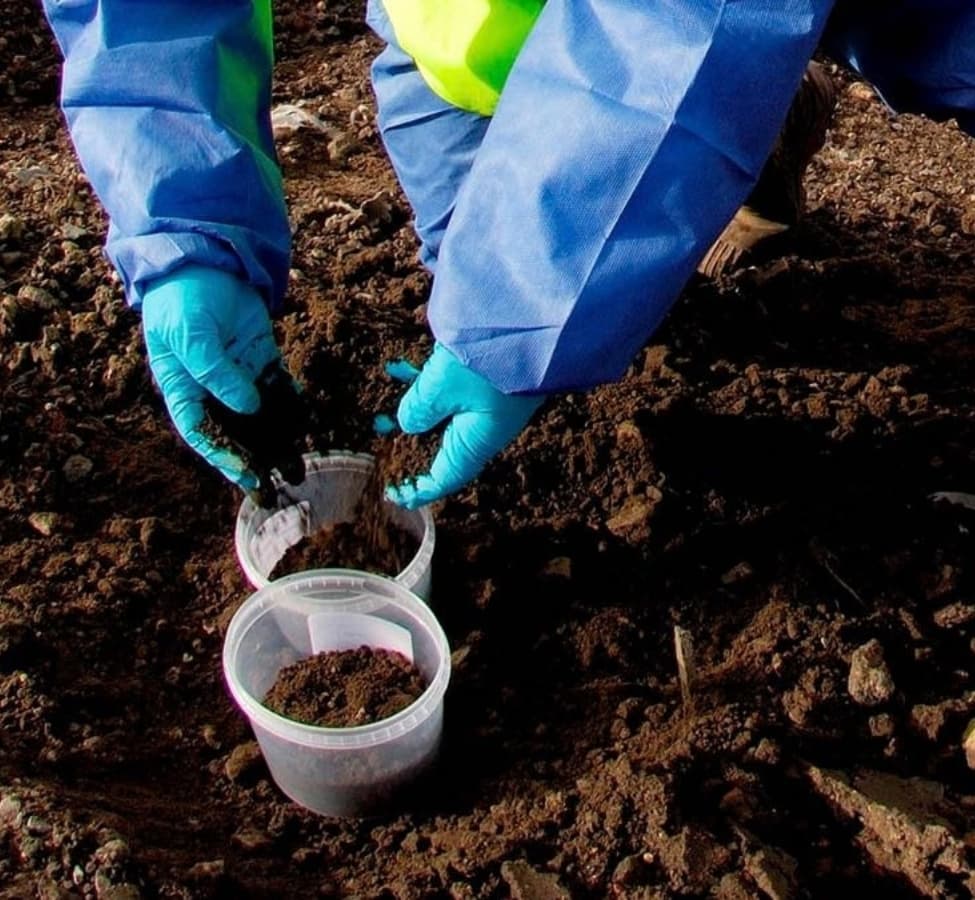




Walnut Orchard Care & Maintenance in Syria
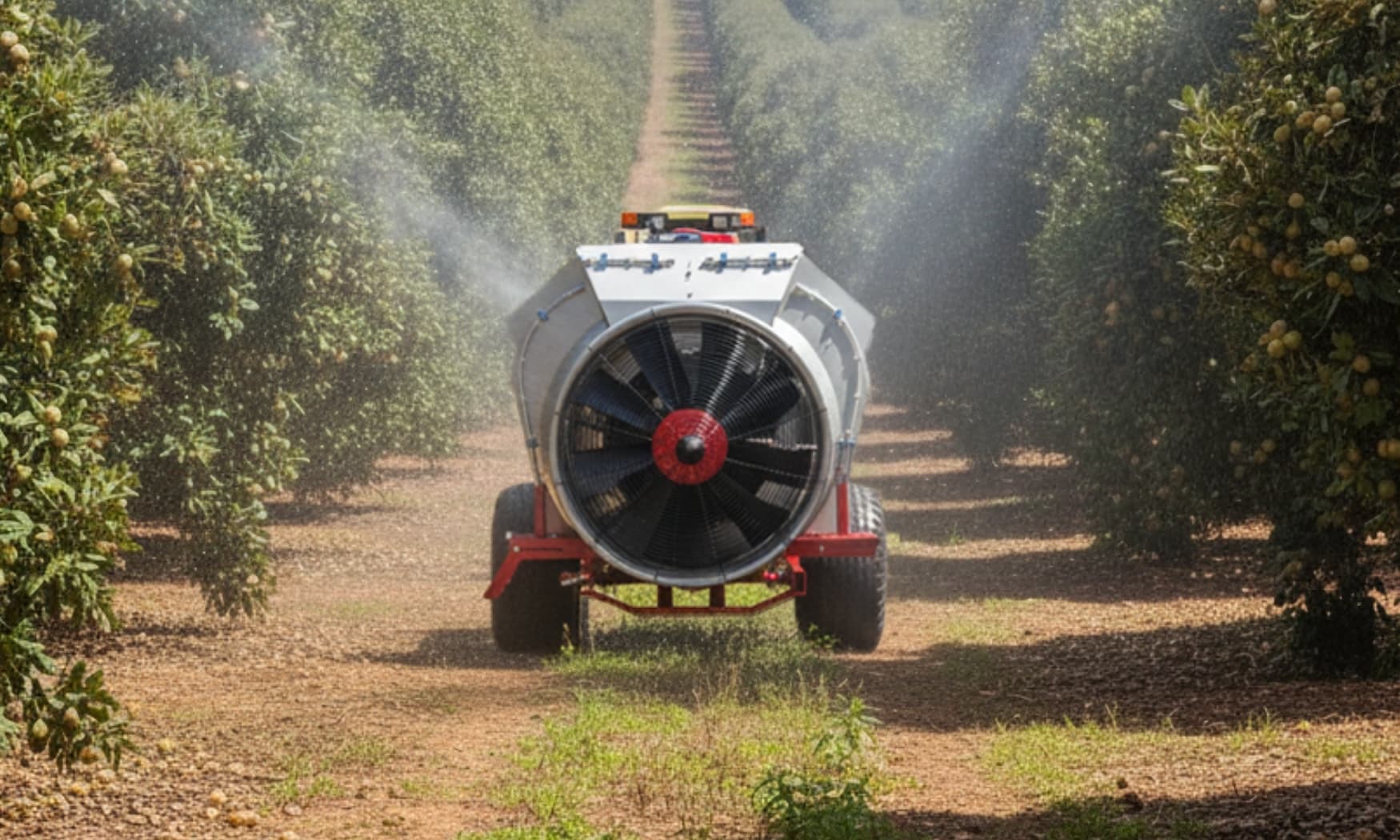
EPPO lists codling moth as present in Syria (information dated 2016), and cherry leaf roll virus was first reported on walnut in Syria in 2009; it causes blackline only on walnut grafted onto black walnut or Paradox rootstock (University of California). EPPO has no Syrian record of walnut husk fly or walnut blight, which does not prove they are absent, and no Syrian walnut monitoring guidance was found online.
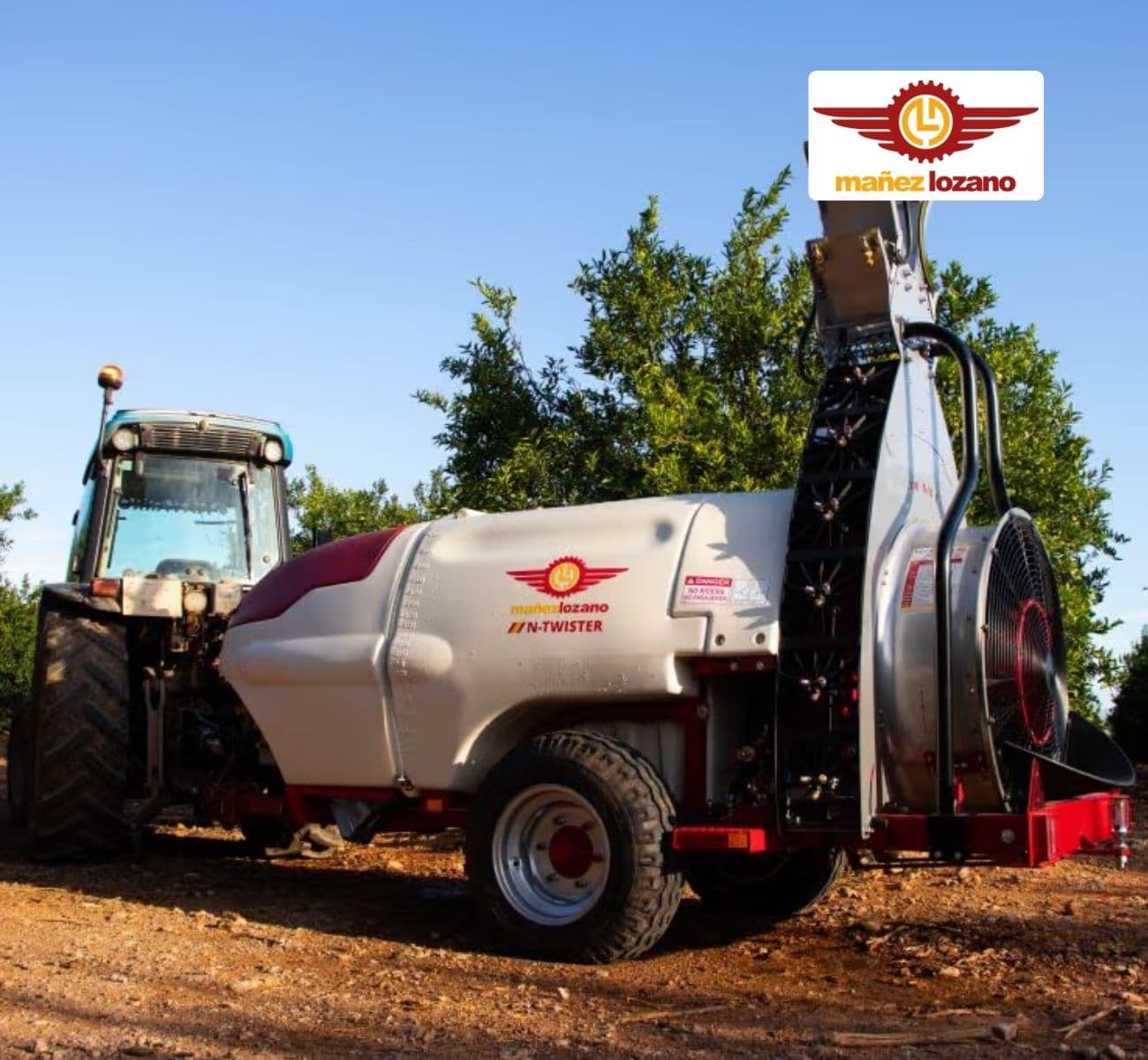
In Darkush, a grower said in 2022 that walnut trees there need four to five sprays a year. University of California guidance times codling moth control with pheromone traps and checks 1,000 mid-canopy nuts per block, 20 on each of 50 trees; for walnut blight, it notes that rain spreads the bacteria and that early-leafing cultivars suffer most.
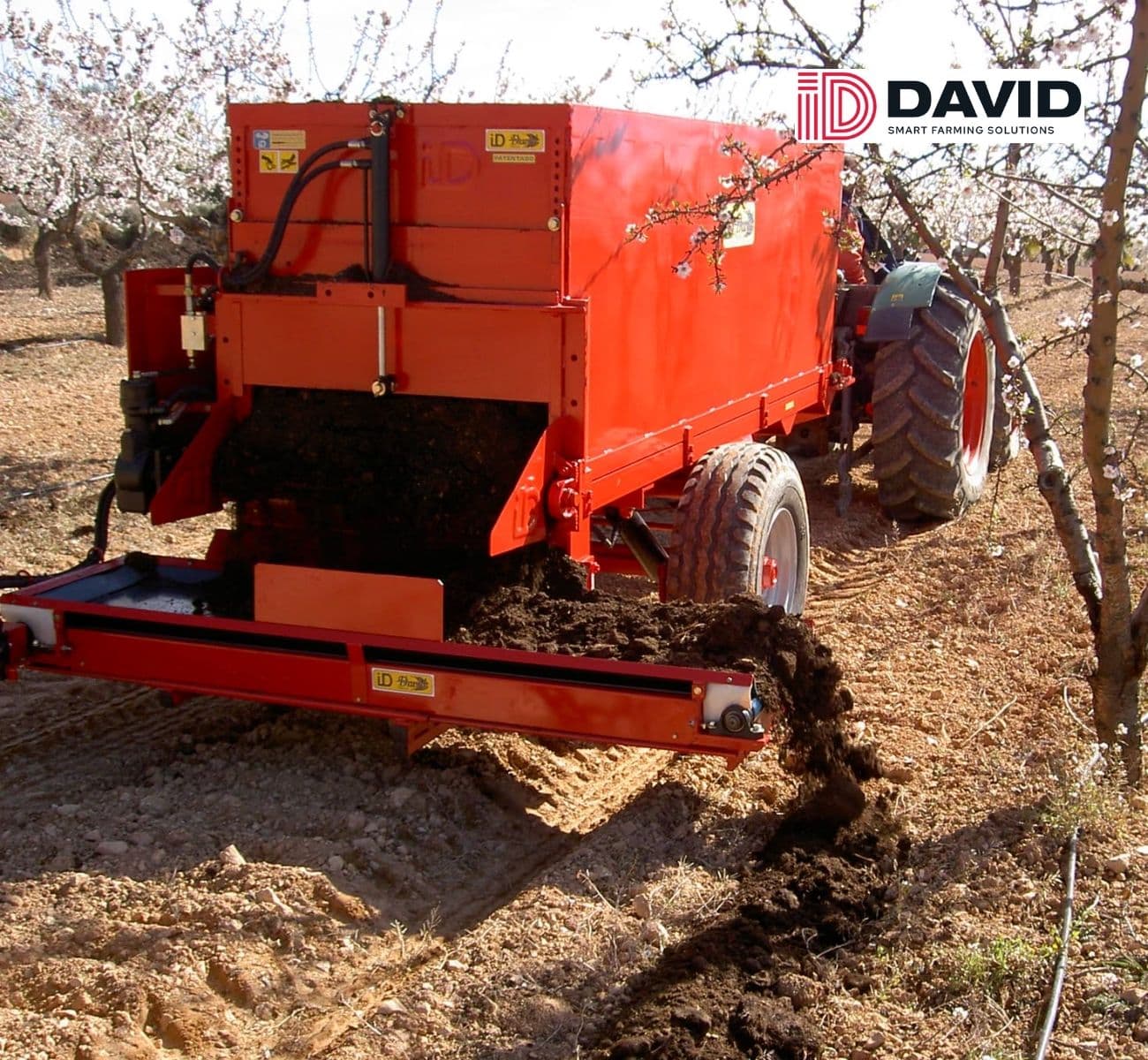
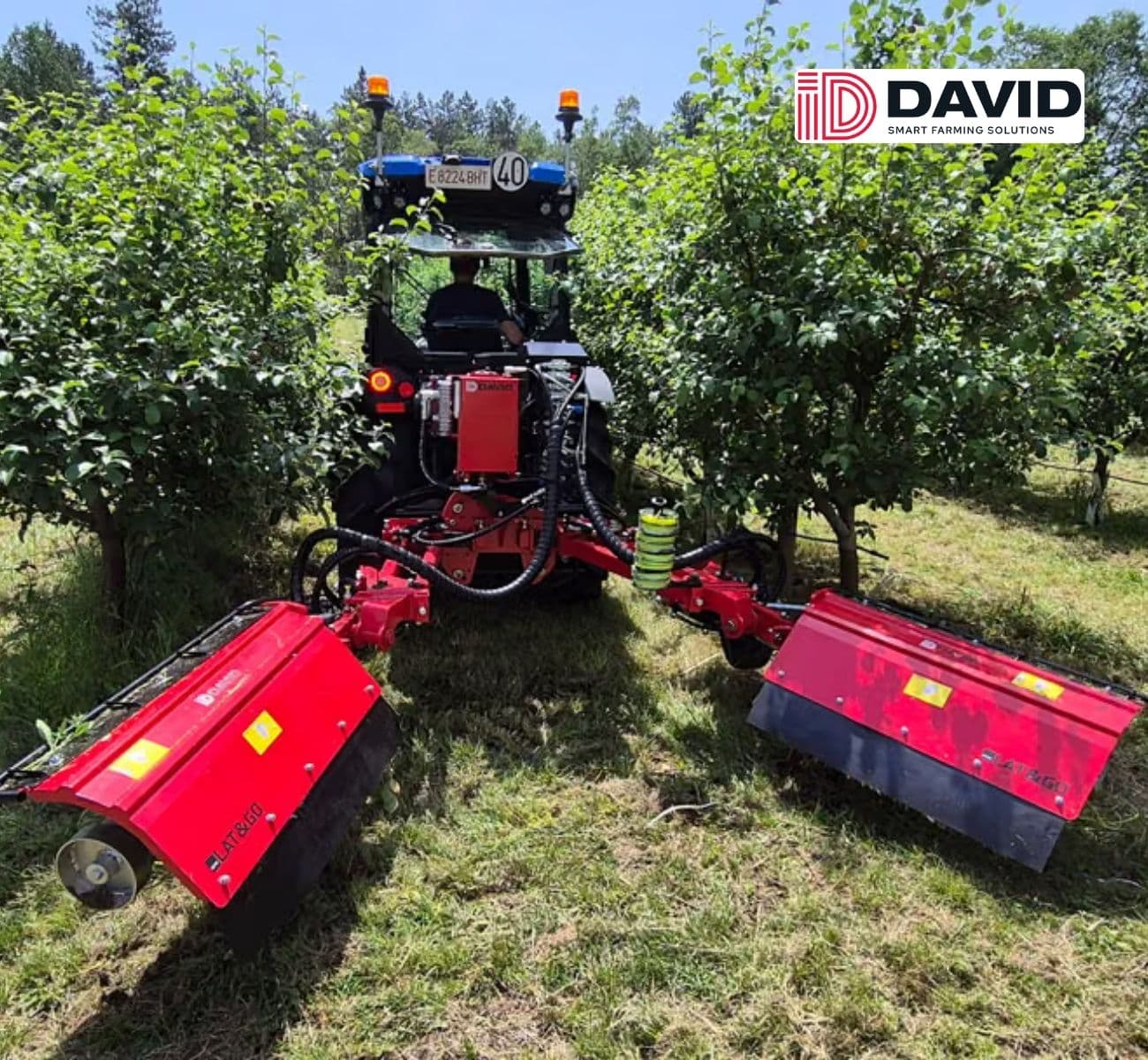
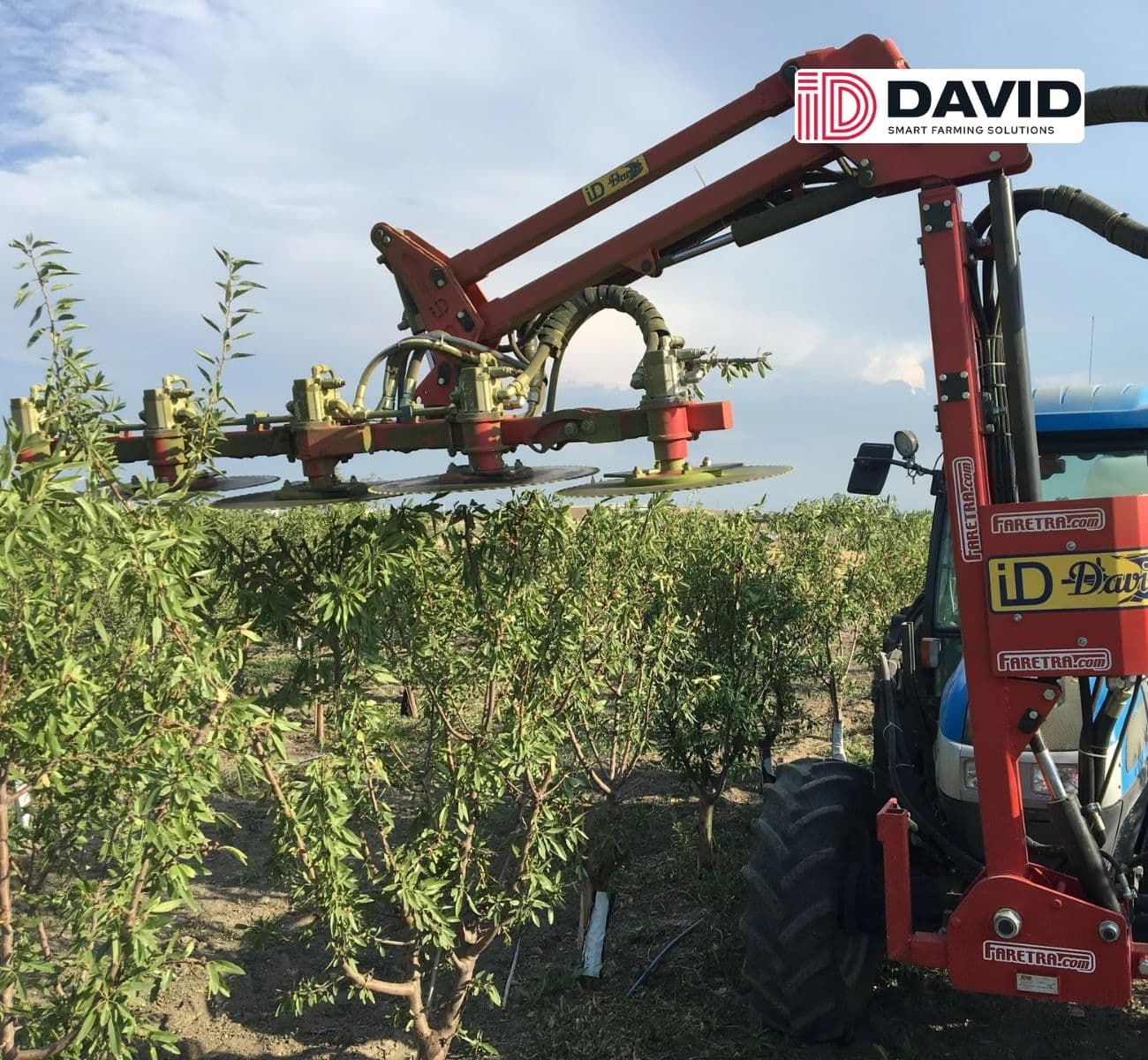
Most of the walnut area in Latakia and Tartus was rain-fed in 2023, while a 2022 news report from Darkush describes walnut's need for watering as constant. No Syrian walnut irrigation or pruning research was found; for hedgerow orchards, UC Davis advises pruning in a three- or four-year cycle so fruiting spurs regrow between cuts, work normally done by hedging machines.
Recommended Orchard Care & Maintenance Stages



Practical Tips for Walnut Orchard Care & Maintenance
Hang pheromone traps for codling moth from spring and check 1,000 mid-canopy nuts per block, 20 on each of 50 trees (University of California).
Base each spray on trap catches and nut checks, not on habit: a grower in Darkush reported four to five sprays a year (2022).
After spring rain, check young nuts for black, sunken spots at the flower end, a sign of walnut blight (University of California).
Watch early-leafing trees most closely for blight, since University of California advisers find them the most severely affected.
Plan summer water for inland trees: a 2022 news report from Darkush describes walnut's need for watering as constant.
In hedgerow orchards, prune in a three- or four-year cycle so fruiting spurs can regrow between cuts (UC Davis).

Walnut Harvesting in Syria
The reports found describe hand harvesting only. In Darkush (Idlib governorate), news reports from 2022 describe paid, specialized workers climbing trees that can reach about 25 m and knocking the nuts down with long poles, work the reports call dangerous; photos from 2022, 2024 and 2025 show the harvest there in early September. A SANA video report from Serghaya (Rural Damascus), published on 6 October 2026, calls knocking walnuts down a hobby and a yearly source of income fraught with risk.
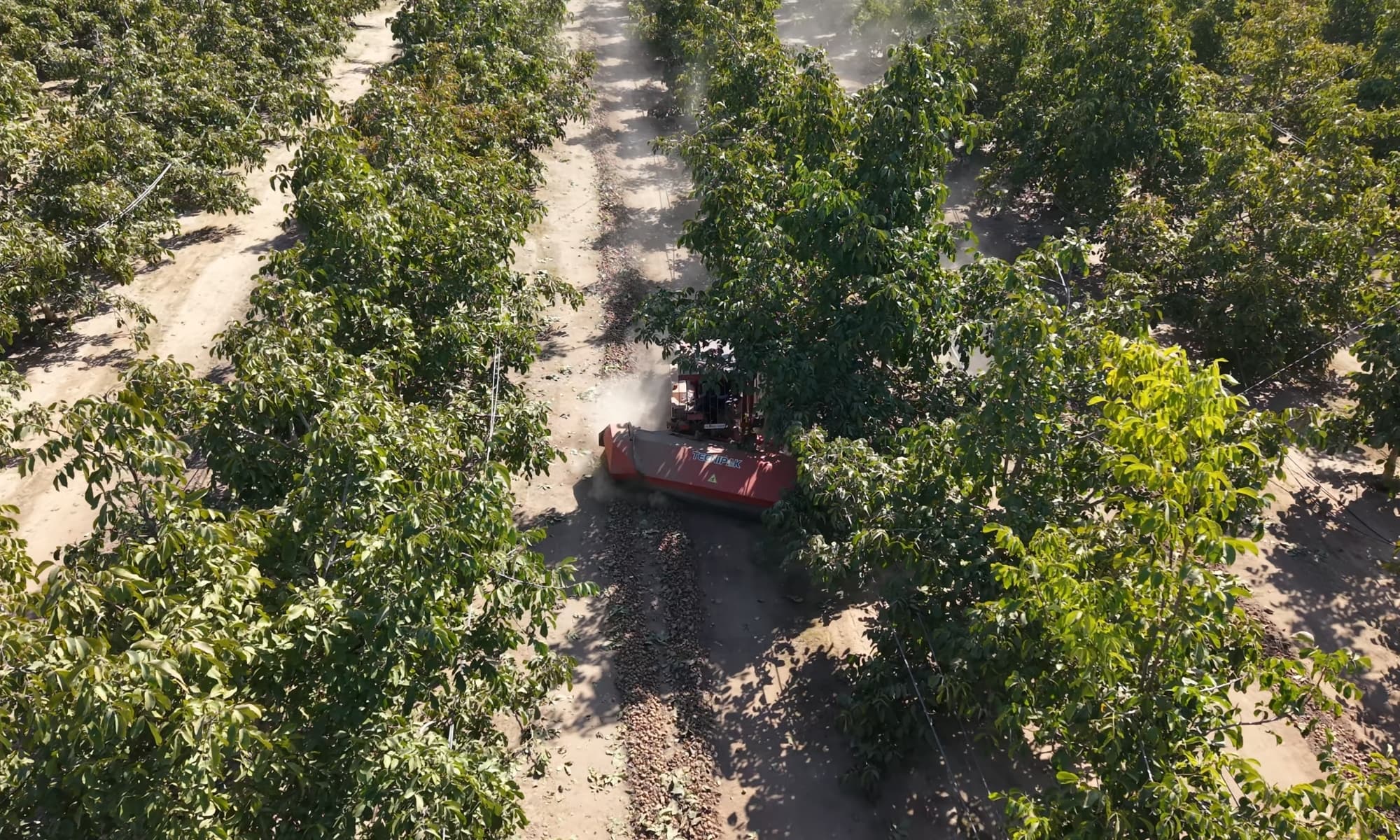
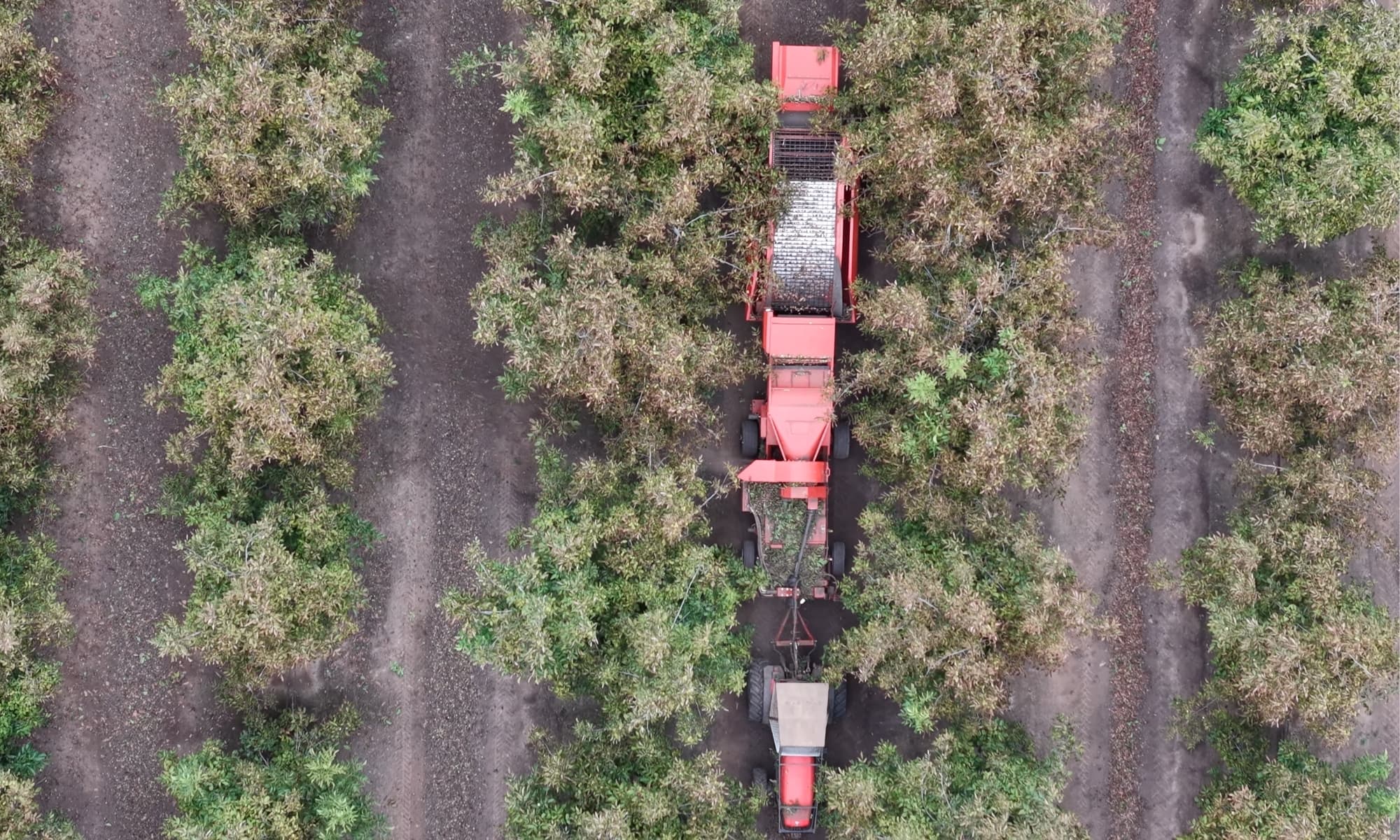
No Syrian source found describes ripeness signs. University of California guidance is to start knocking the nuts down as soon as the hulls begin to split and to pick them up as soon after harvest as possible. In larger orchards planted for machines, mechanized harvesting shakes, sweeps and picks up each block on time, without climbing, so nuts spend less time on the ground.
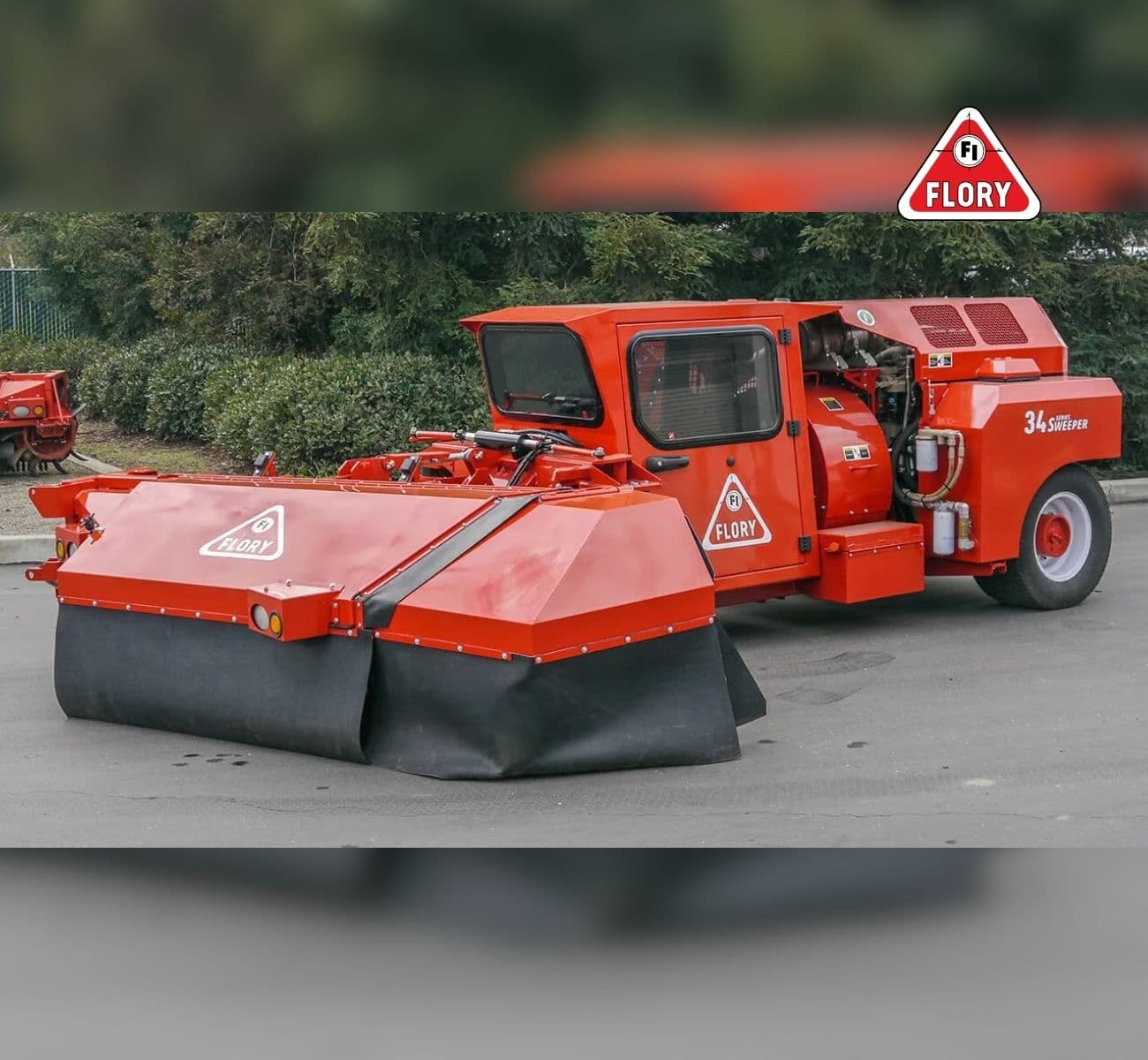
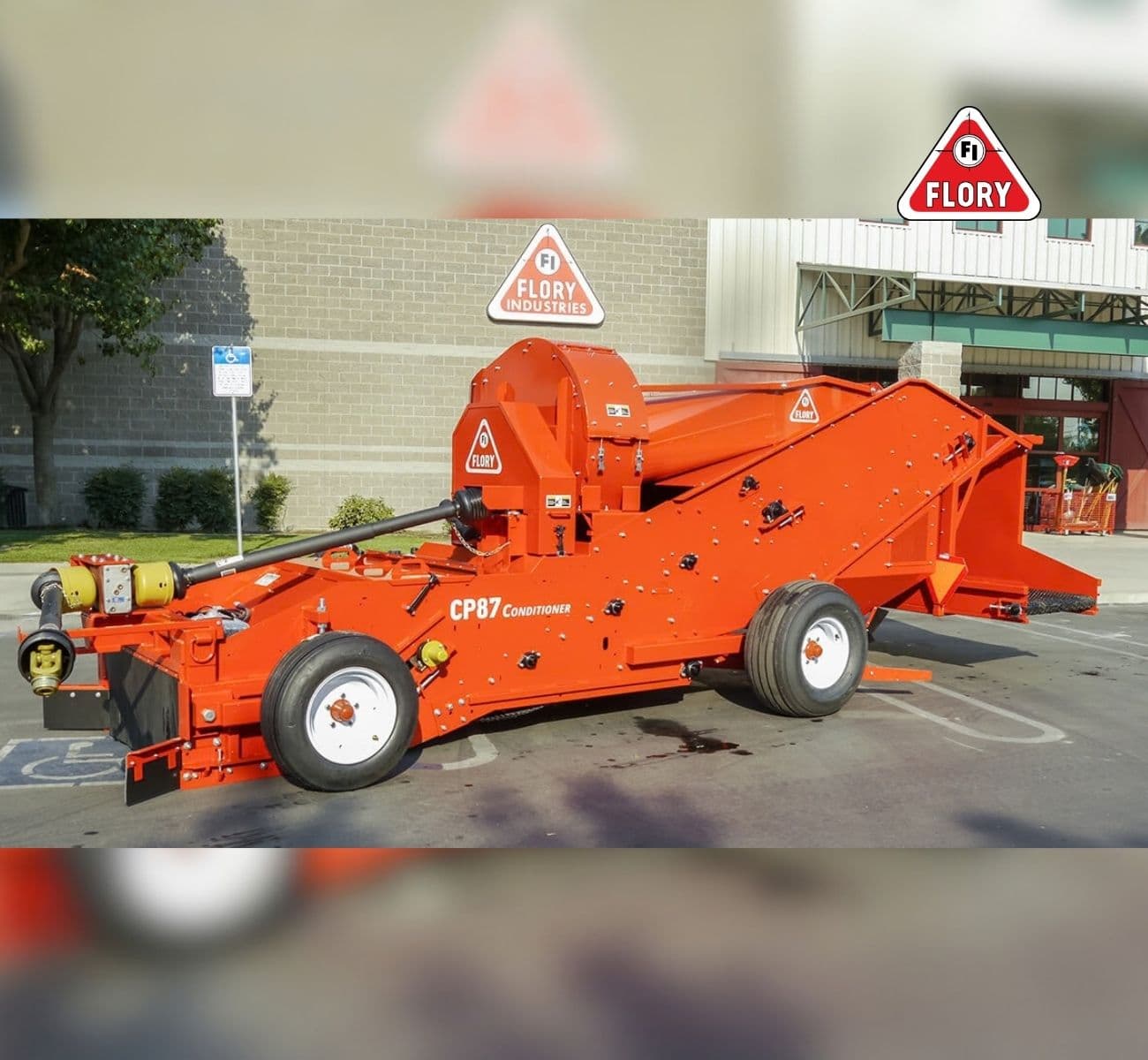
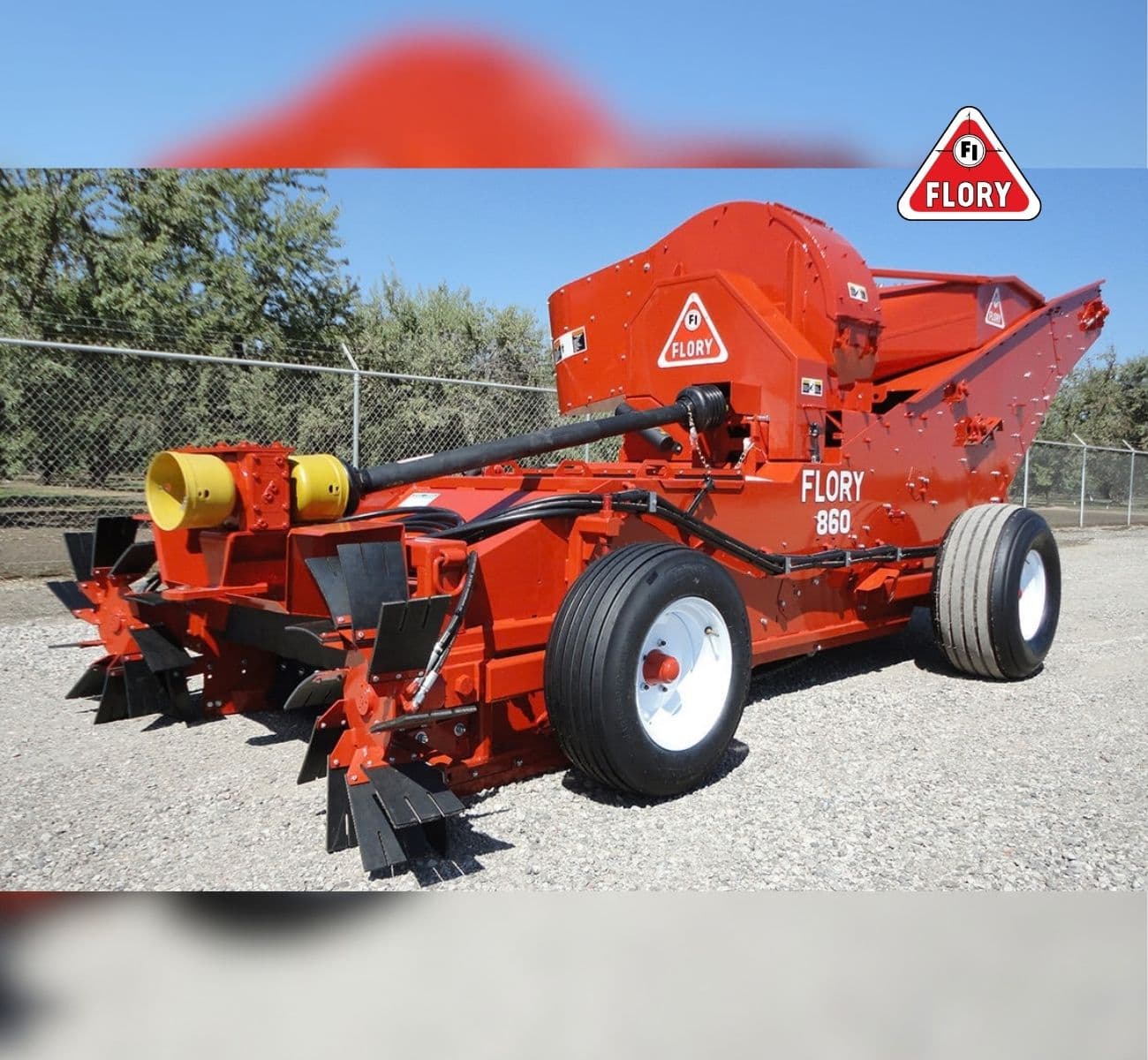
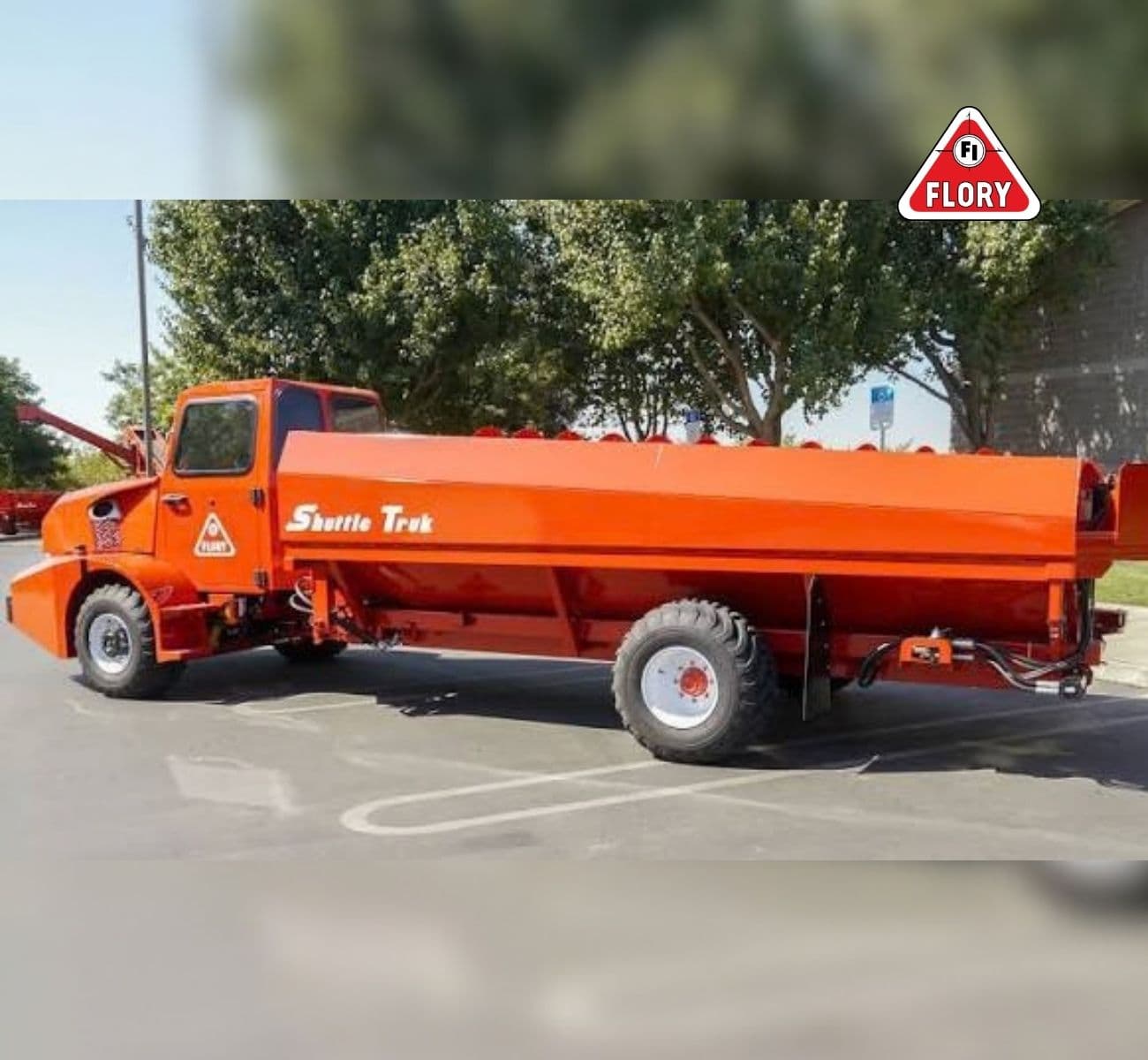
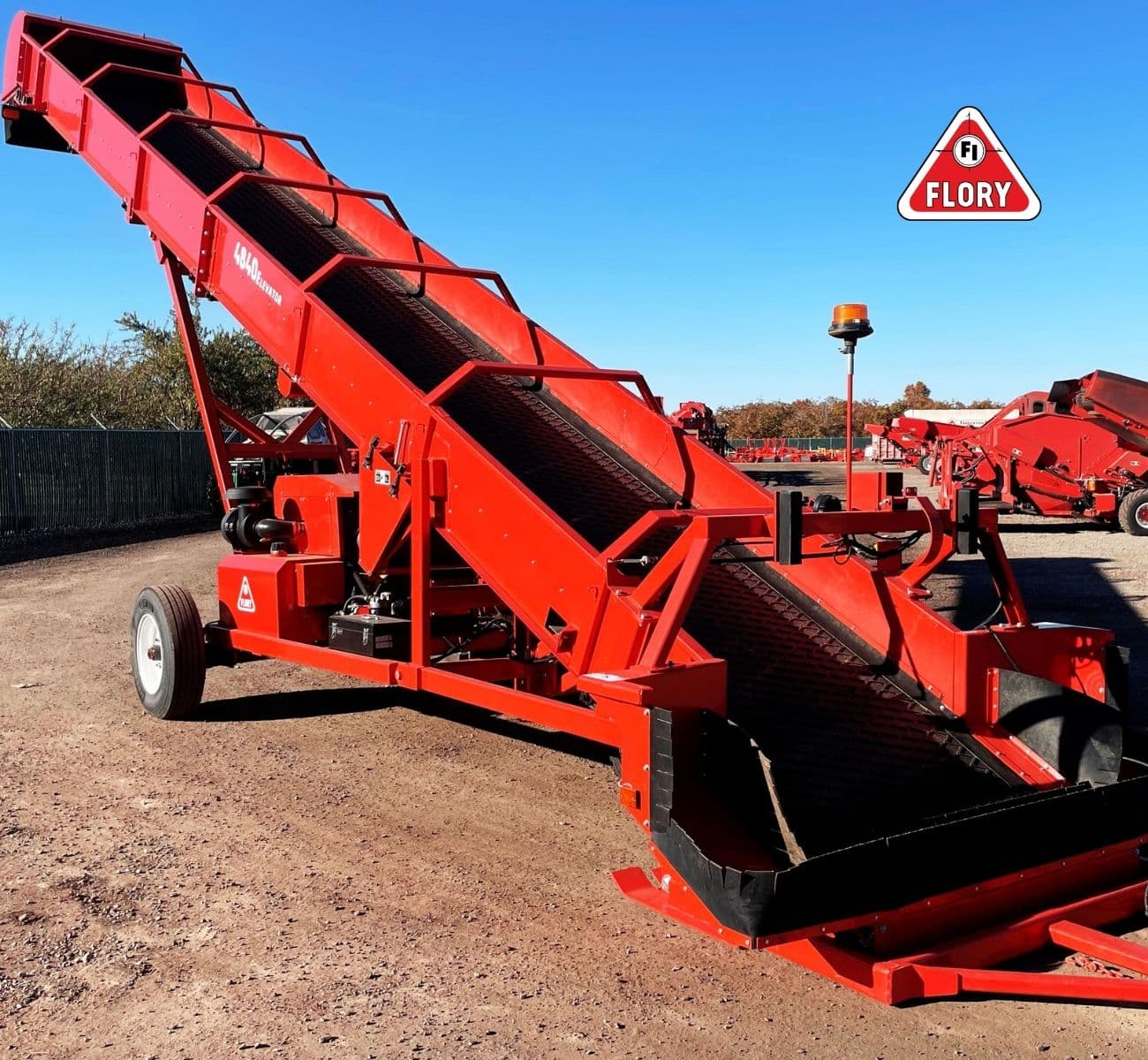
No Syrian source found describes mechanized walnut harvesting, and machines suit planted orchards with clear trunks and room between rows, not tall seedling trees, terraces or small plots. OVE Europe's guides use Flory's line as the reference: the VR700 Shaker shakes the trunk, the 34 Series Sweeper and 860 Harvester, or the smaller 490, sweep and pick up the nuts, and the 1500 Conveyor Cart, ST14 Shuttle and 4840 Field Elevator move them to the trailers.
Walnut Harvest Workflow (Recommended Equipment)


Practical Tips for Walnut Harvesting
Start knocking or shaking a tree as soon as its hulls begin to split, as University of California guidance advises.
Gather fallen nuts as soon as possible after each tree is harvested, so they spend little time on the ground (UC).
Plan for safety where trees are climbed: reports from Darkush (2022) call the work dangerous, and a 2026 report from Serghaya calls it risky.
Record hull split and harvest dates for each group of trees every year, since Syrian sources give few dates (early September in Darkush).
Keep machines for planted orchards whose rows they can work; tall seedling trees and small plots stay with hand harvesting.
Mow and level the orchard floor and remove branches and stones before harvest, so nuts can be swept cleanly.
Get your recommended harvest setup
Enter orchard size, spacing, terrain, and target throughput—we’ll suggest a practical harvest workflow and equipment lineup.

Walnut Post-Harvest Handling & Processing in Syria
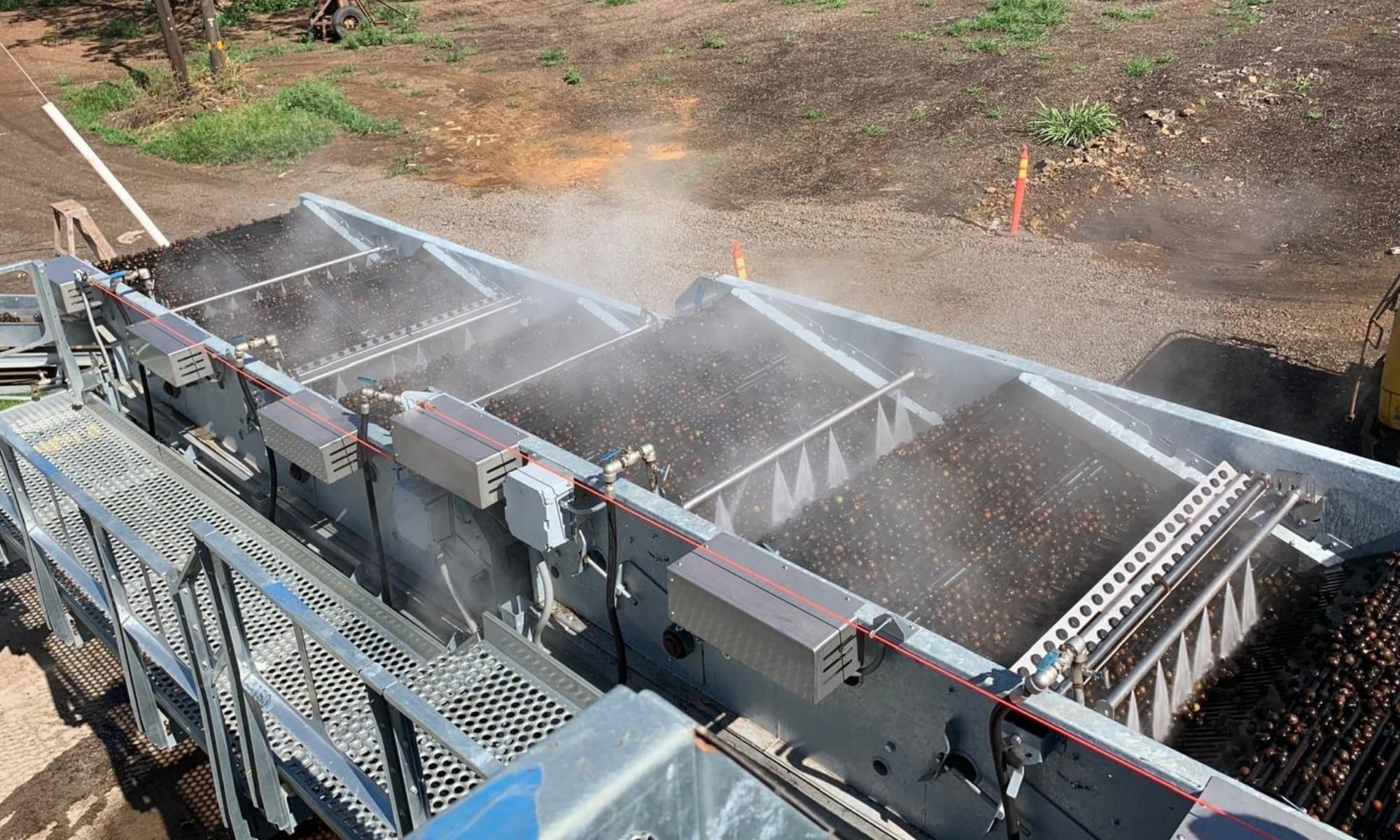
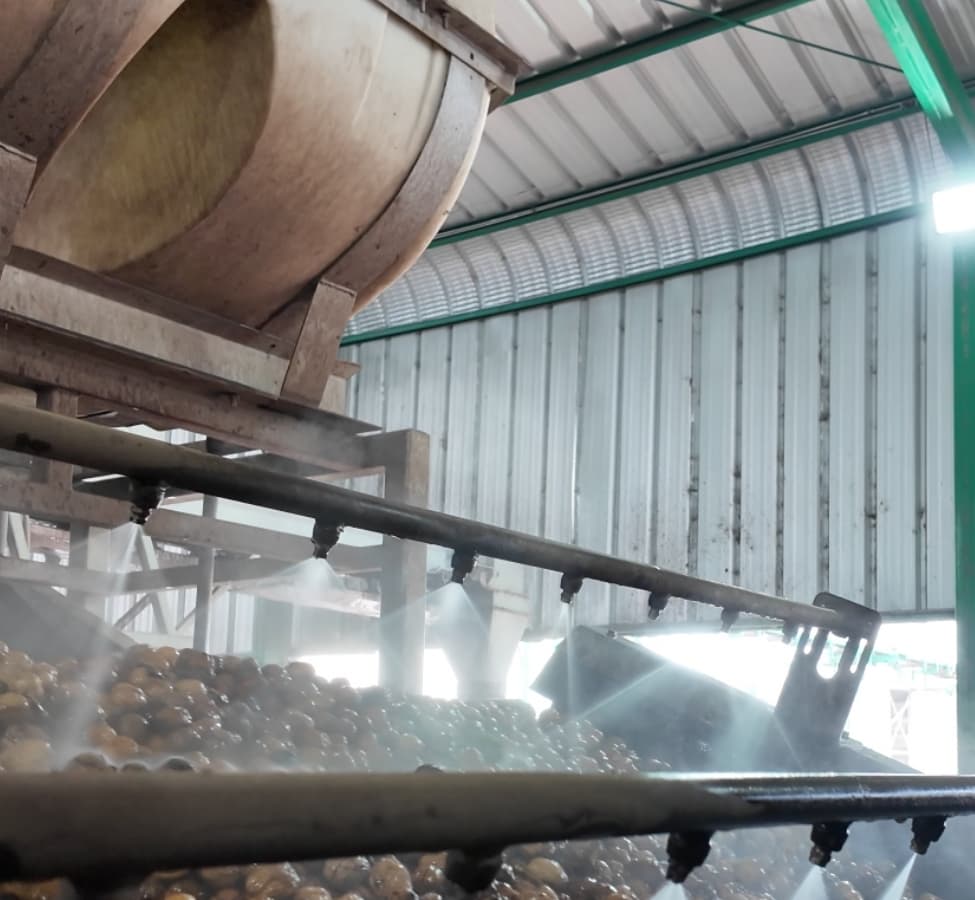
No Syrian source found describes how walnuts are hulled, washed, dried or stored on farms; in Darkush, hull removal appears only among growers' costs (2022). University of California guidance is to hull the nuts after harvest, rinse the shells to remove tannins that may stain them, and spread the nuts to dry; the nuts are ready when the kernel snaps cleanly rather than bending.
The UNECE standard for in-shell walnuts (DDP-01, 2025 edition) caps the moisture of dry in-shell walnuts at 12.0% for the whole nut or 8.0% for the kernel. In a Tishreen University study, 20% of 20 walnut samples bought in shops in Latakia and Jableh between October 2018 and July 2019 contained aflatoxins, all below 4 µg/kg in total and 2 µg/kg for B1.
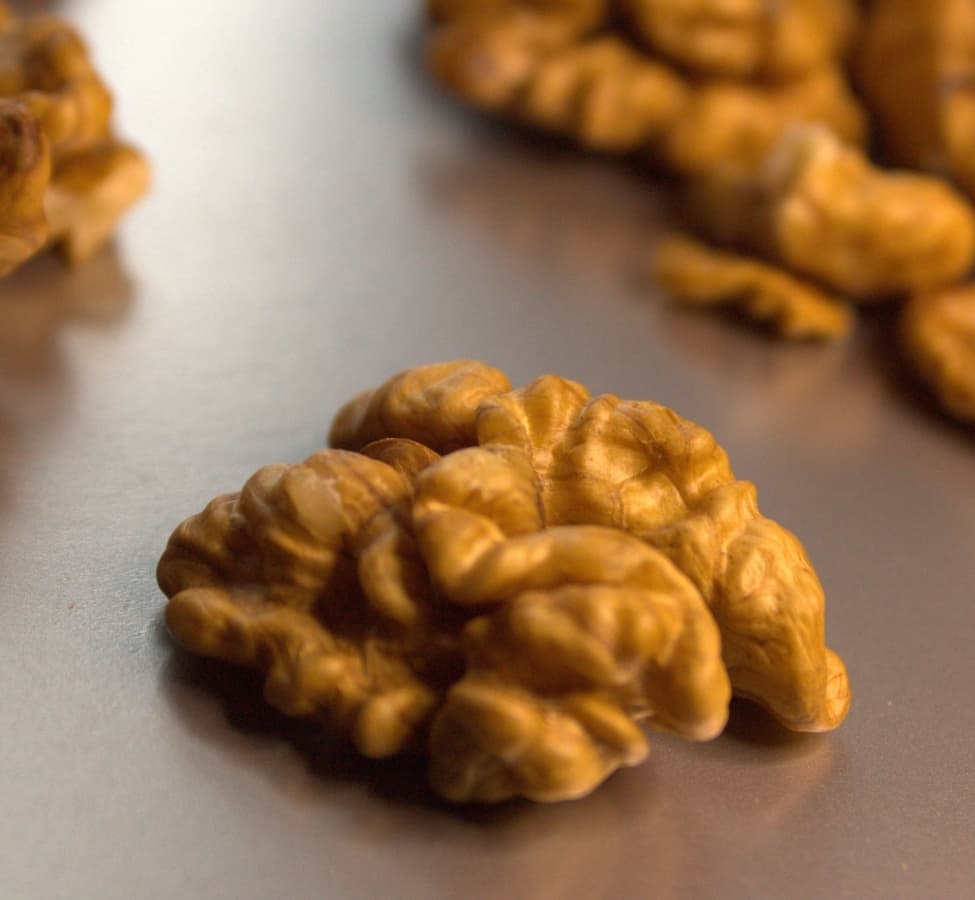
No Syrian source found describes walnut cracking or kernel grading, but local types differ: the Bakhil type has a very hard, woody shell (Tishreen University, 2024), so sorting nuts by type before cracking helps. Jessee, a US maker of nut processing lines, builds walnut hulling lines and drying, in-shell cleaning and sizing, and shelling systems.
For general information only. Information may become outdated and does not replace site-specific professional advice. Consult a qualified agronomist and confirm equipment suitability with OVE before acting.
Practical Tips for Walnut Post-Harvest Handling & Processing
Hull walnuts soon after harvest and rinse the shells to remove the tannins that may stain them (University of California).
Dry in-shell nuts to no more than 12.0% moisture for the whole nut, or 8.0% if measured on the kernel, the limits in UNECE standard DDP-01.
Check dryness by breaking a few kernels: dry kernels snap cleanly rather than bend (University of California).
Test each lot for aflatoxins: a Tishreen University study found them in 20% of 20 walnut samples bought in 2018 and 2019, all below the limits it cites.
Store dried in-shell nuts in a cool, dry place, where they keep for many months; keep kernels refrigerated or frozen (UC).
Keep each lot separate and label it with its source trees and harvest date, so quality problems can be traced.
Recommended Post-Harvest Handling & Processing Stages







Plan your post-harvest line
Estimate tons/day, cleaning & drying capacity, storage needs, and cost/kg—then build your equipment plan in phases.