






Walnut Orchard Establishment in Tajikistan
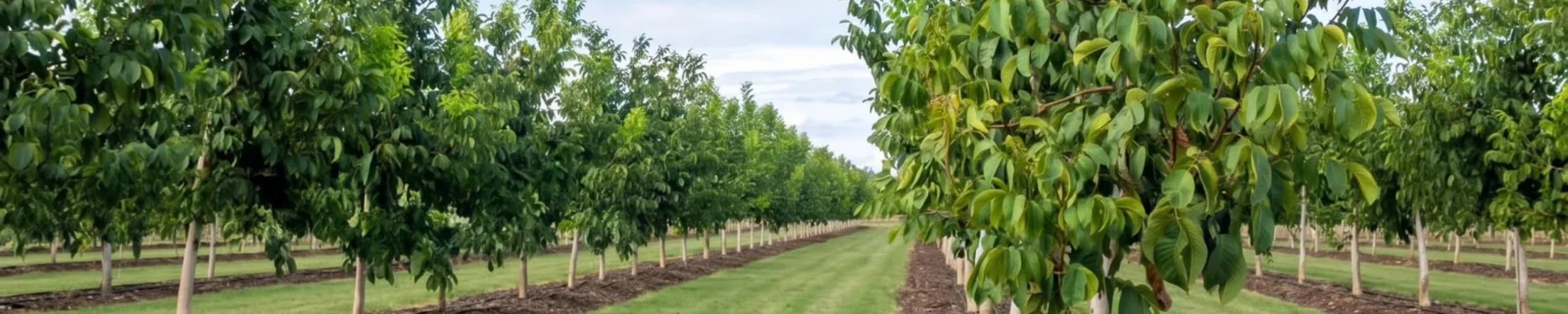
Tajik sources describe walnut mainly as a forest tree. The main walnut stands lie in the mountains of central Tajikistan at 1,000 to 2,000 m (country report to FAO, 2013), and in the Western Pamir walnut grows at 1,100 to 2,600 m, with single trees up to 2,900 m (a 2024 study). The forests are publicly owned and protective, managed by district forest enterprises (UNECE/FAO, 2020), so plan a commercial orchard on farm land, not in the forest.
Planting material is the first decision. In a 2016 survey of four villages near walnut forests, the market was the main source of trees and the forest came second; farmers said forest seedlings were not grafted and took a long time to start bearing. 'Kogati' was the dominant walnut variety in the Tajik home gardens surveyed, and no source read names a registered walnut cultivar in Tajikistan, so check that orchard trees are grafted and their cultivar is named.
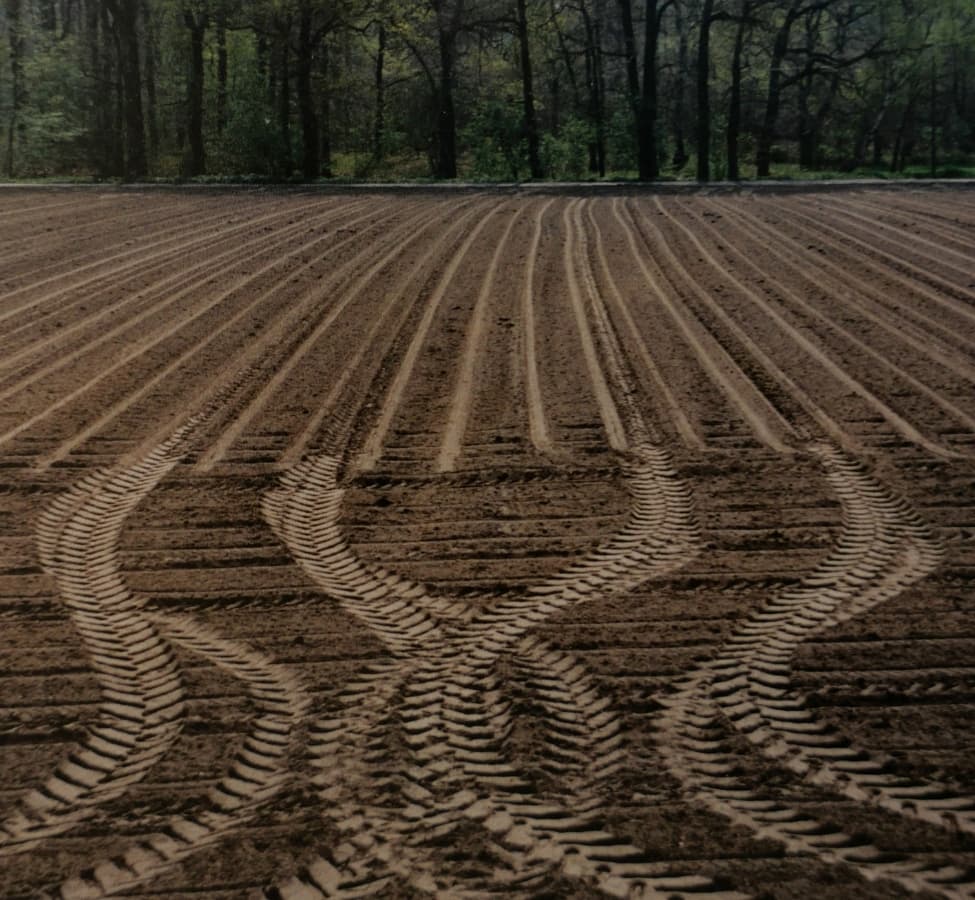
Altitude sets the calendar. In the Western Pamir study, buds broke on 30 March at 1,200 m and on 26 April at 2,100 m, and flowering came about three weeks later at the higher site; the walnut tables give no years (the study ran from 2015 to 2022). For machines, plan straight rows, headlands and access lanes on level or gently sloping fields; forest slopes, terraces and small mixed gardens are better left to hand work.

Practical Tips for Walnut Orchard Establishment
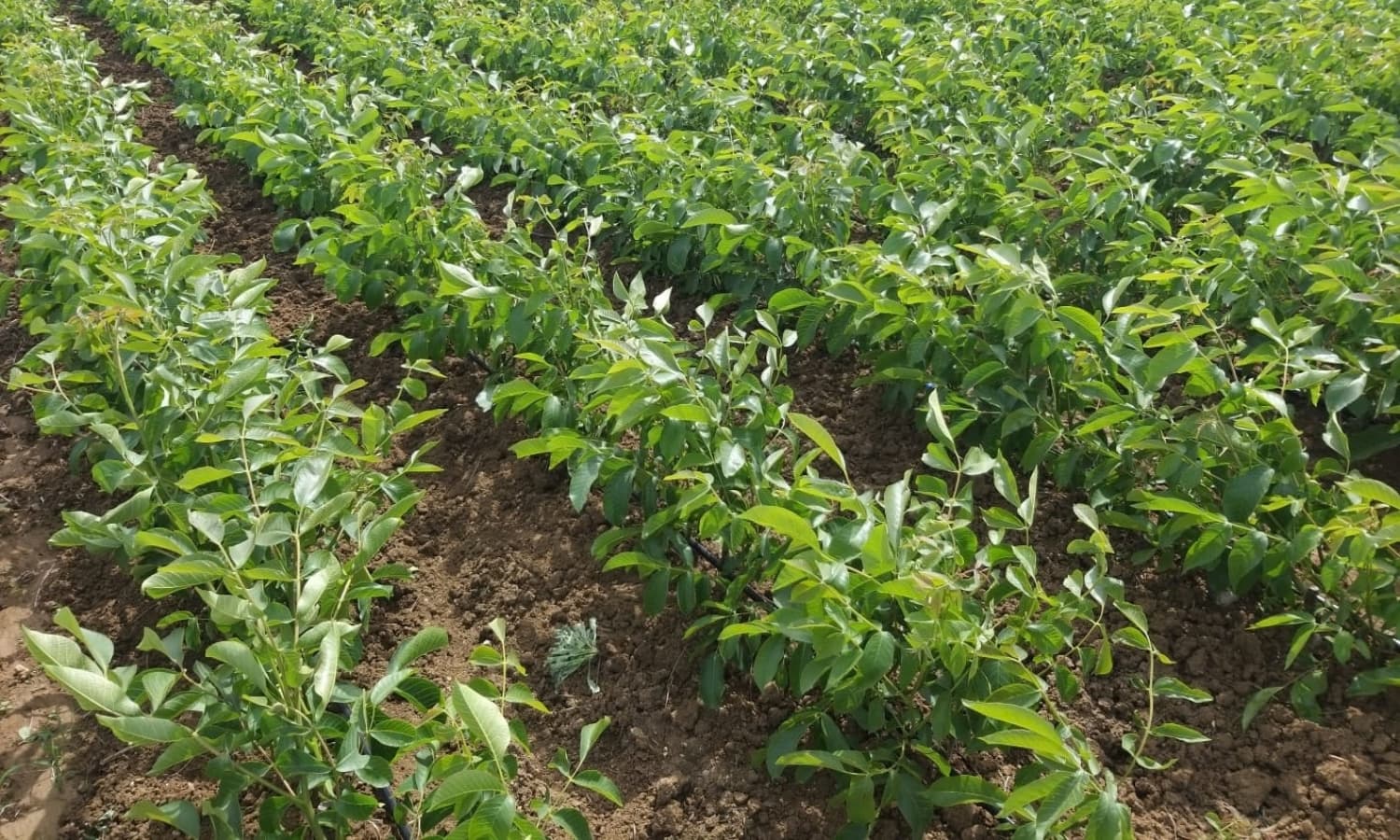
Buy grafted trees of a named cultivar: in a 2016 survey, Tajik farmers said ungrafted forest seedlings took a long time to start bearing.
Plant on farm land, not in forest stands: Tajik walnut forests are publicly owned protective forests managed by district forest enterprises.
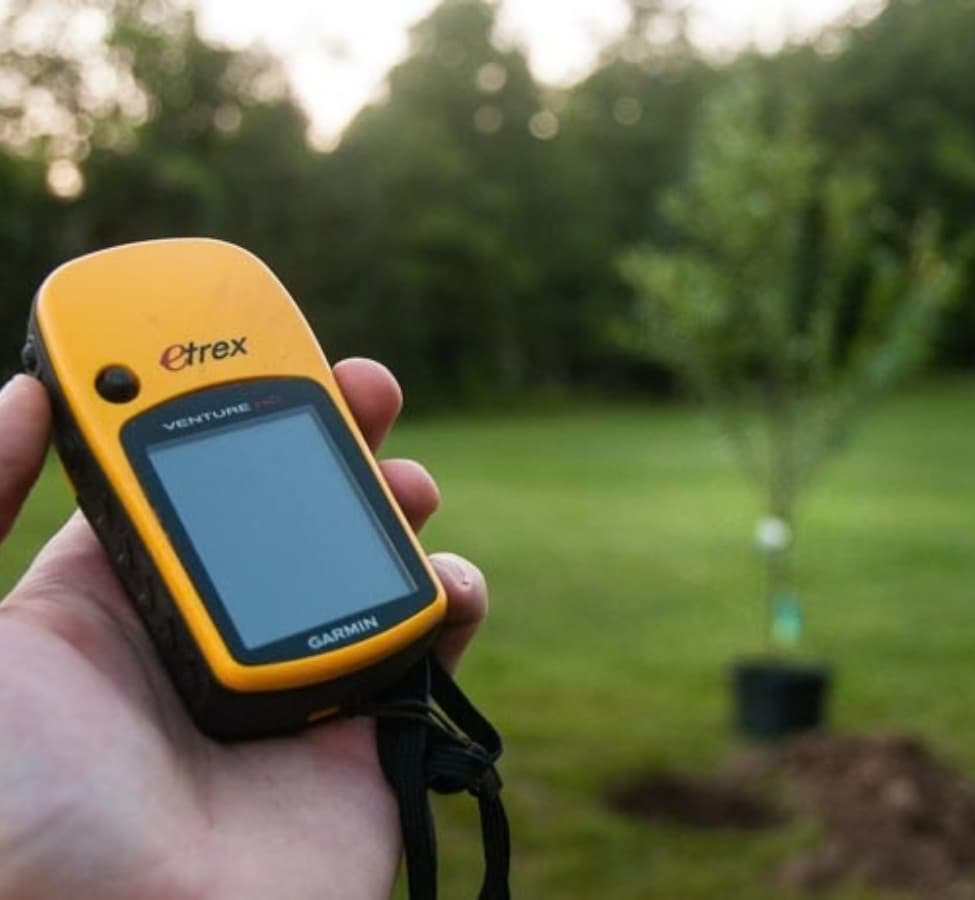
Record the altitude of each block: in a Western Pamir study, buds broke on 30 March at 1,200 m but only on 26 April at 2,100 m.
Choose level or gently sloping fields with room for rows and headlands if you plan to mechanize the harvest.
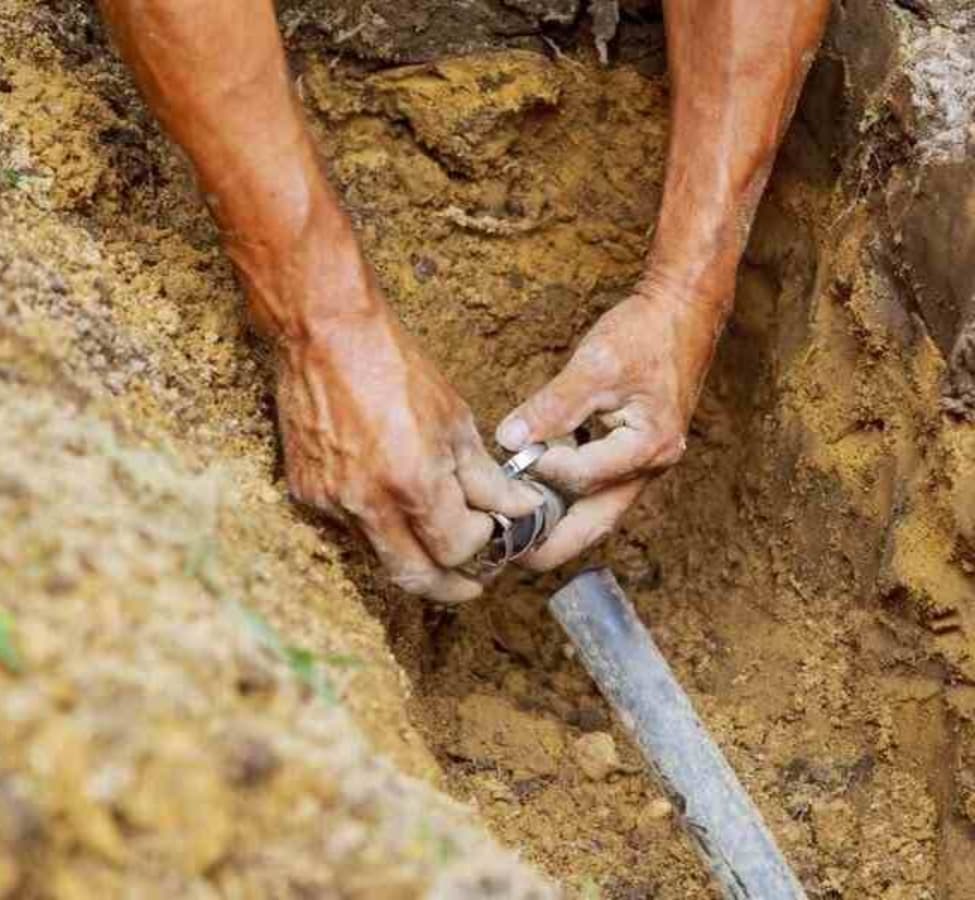
Secure water before planting: the Western Pamir study notes that fruit trees there need extra watering on the hottest summer days.
Fence new plantings against livestock: intensive grazing is one of the main causes of forest damage in Tajikistan (UNECE/FAO, 2020).
Recommended Establishment Stages



Walnut Orchard Care & Maintenance in Tajikistan
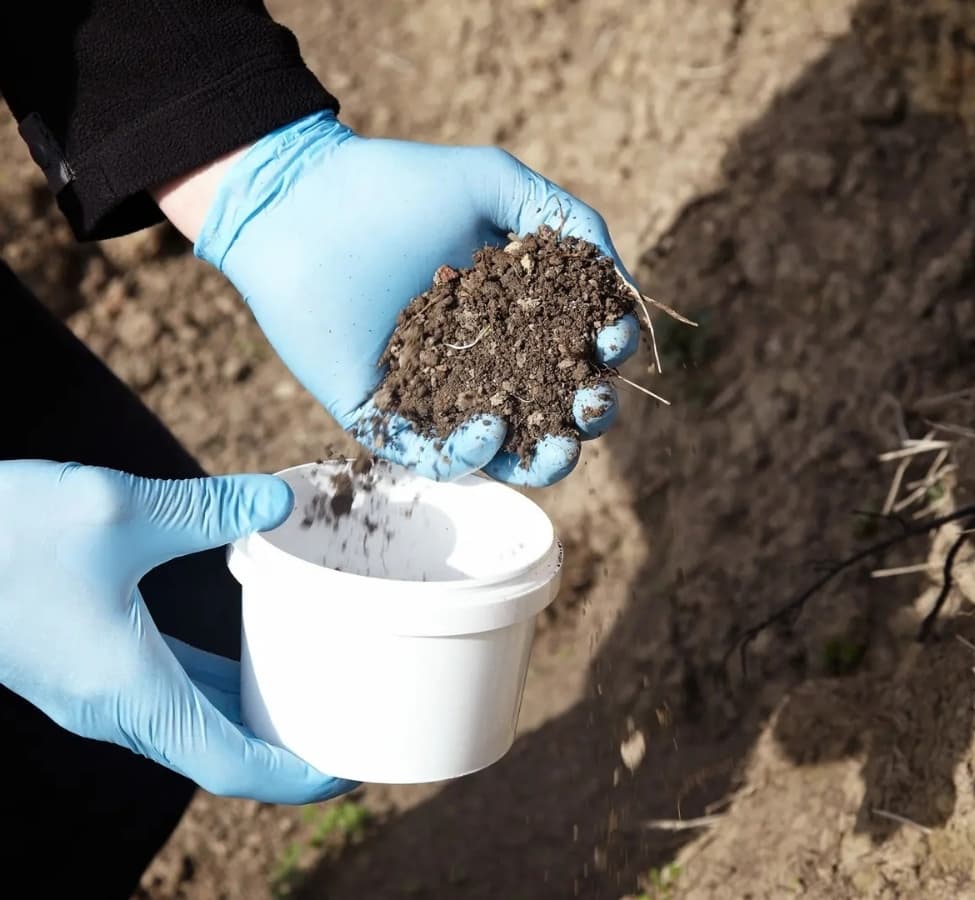
Tajik sources give little orchard guidance for walnut, so care plans rest on site data and labeled general advice. No Tajik walnut irrigation schedule was found; the Western Pamir study notes only that fruit trees need extra watering on the hottest summer days, and that walnut, unlike most other species studied, kept its leaves' resistance to drying out through the summer.
The pest and disease record is thin. EPPO lists codling moth as present in Tajikistan, on information dated 1989 and without host details, and lists no record of walnut blight or walnut husk fly there; the status of anthracnose is unknown. Absence from EPPO lists is not proof of absence, so build trap monitoring and regular checks of leaves and nuts into the plan from the first season.
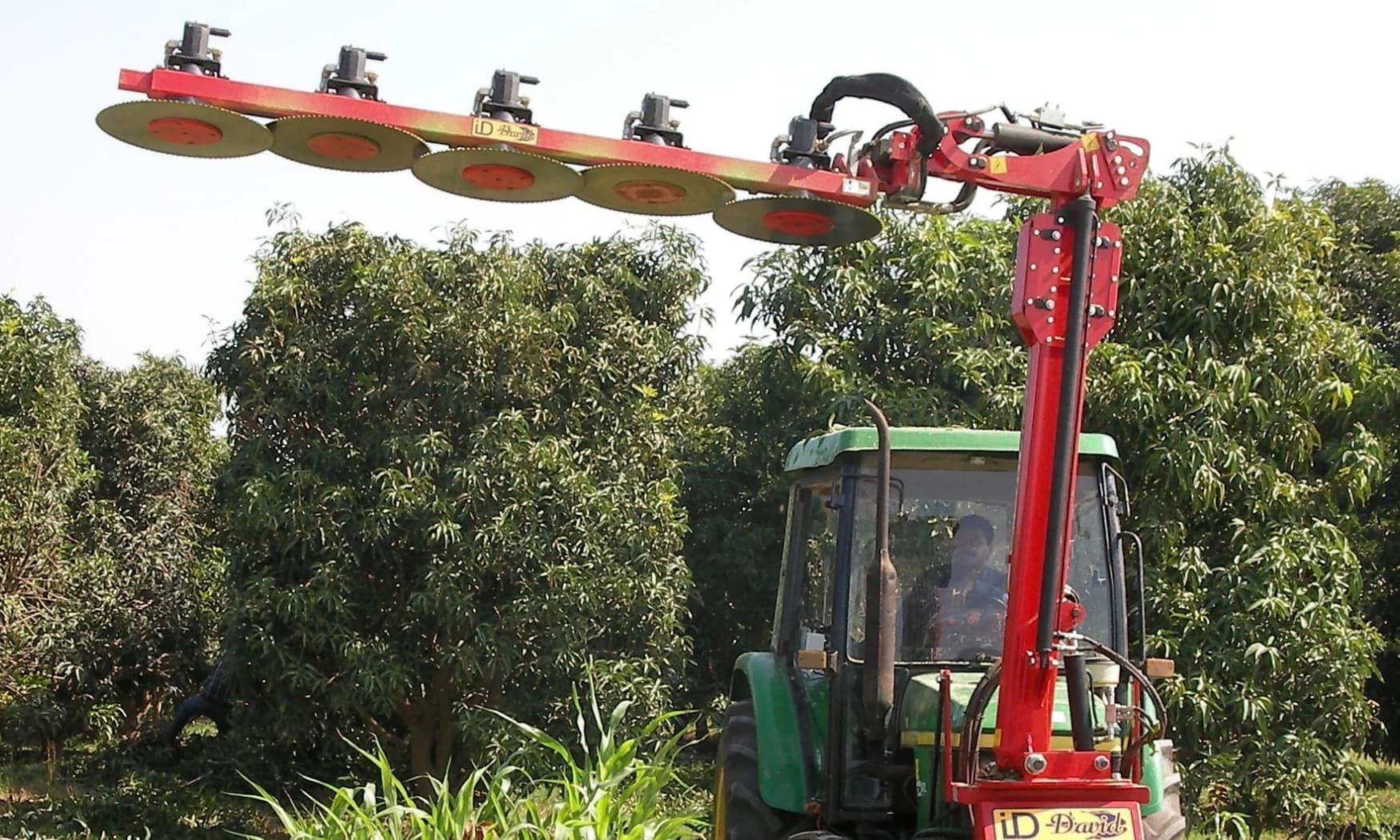
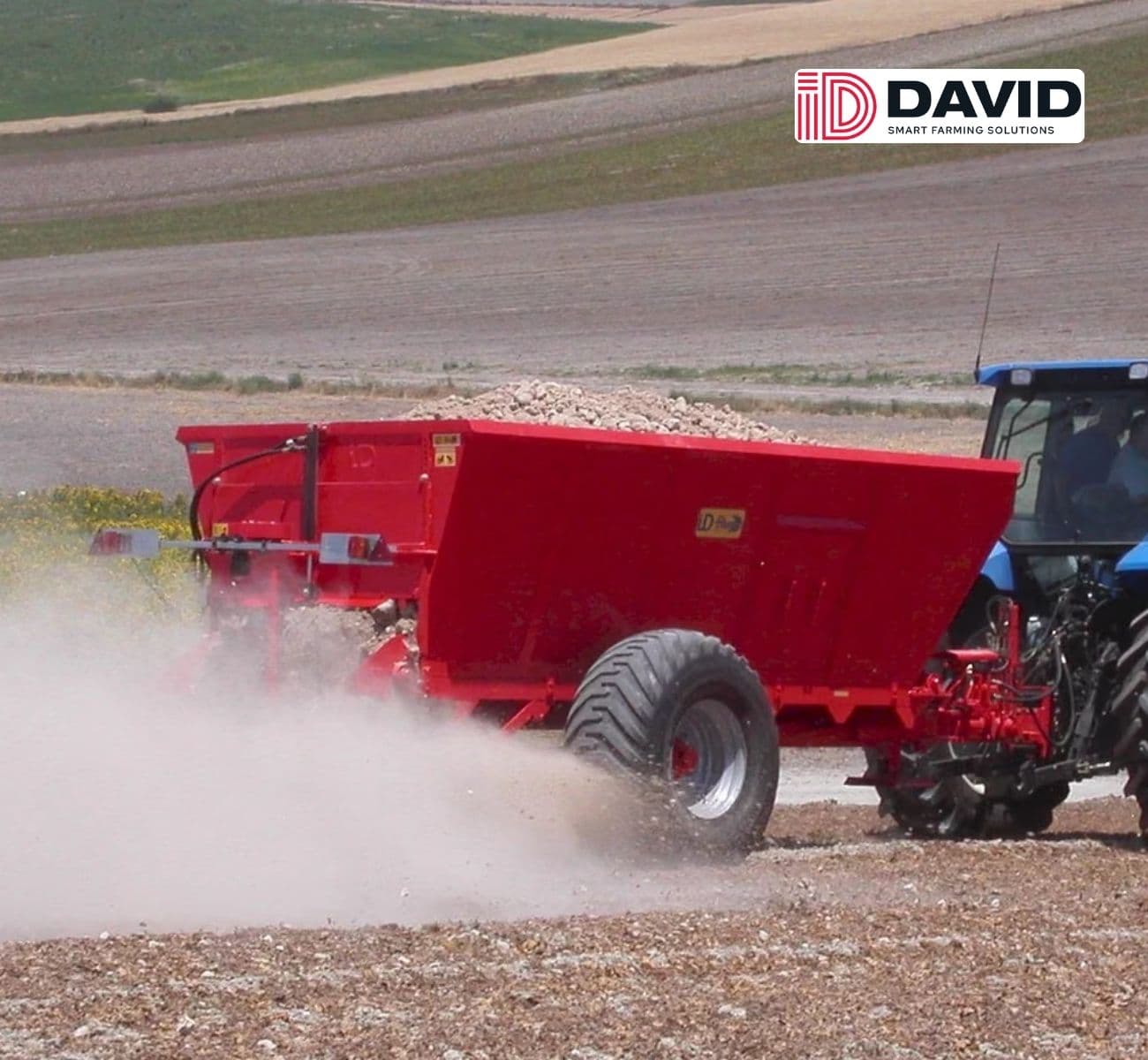
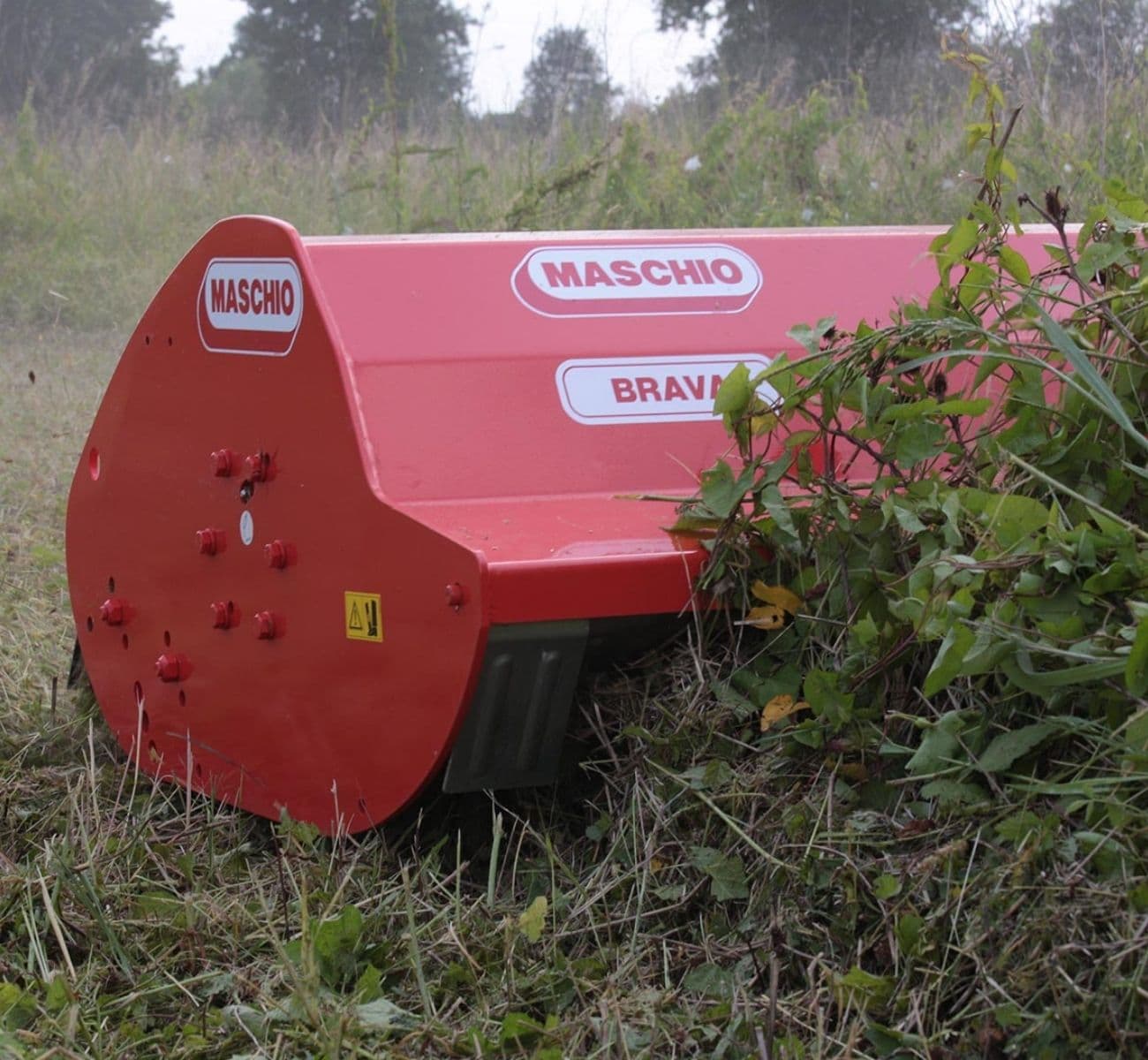
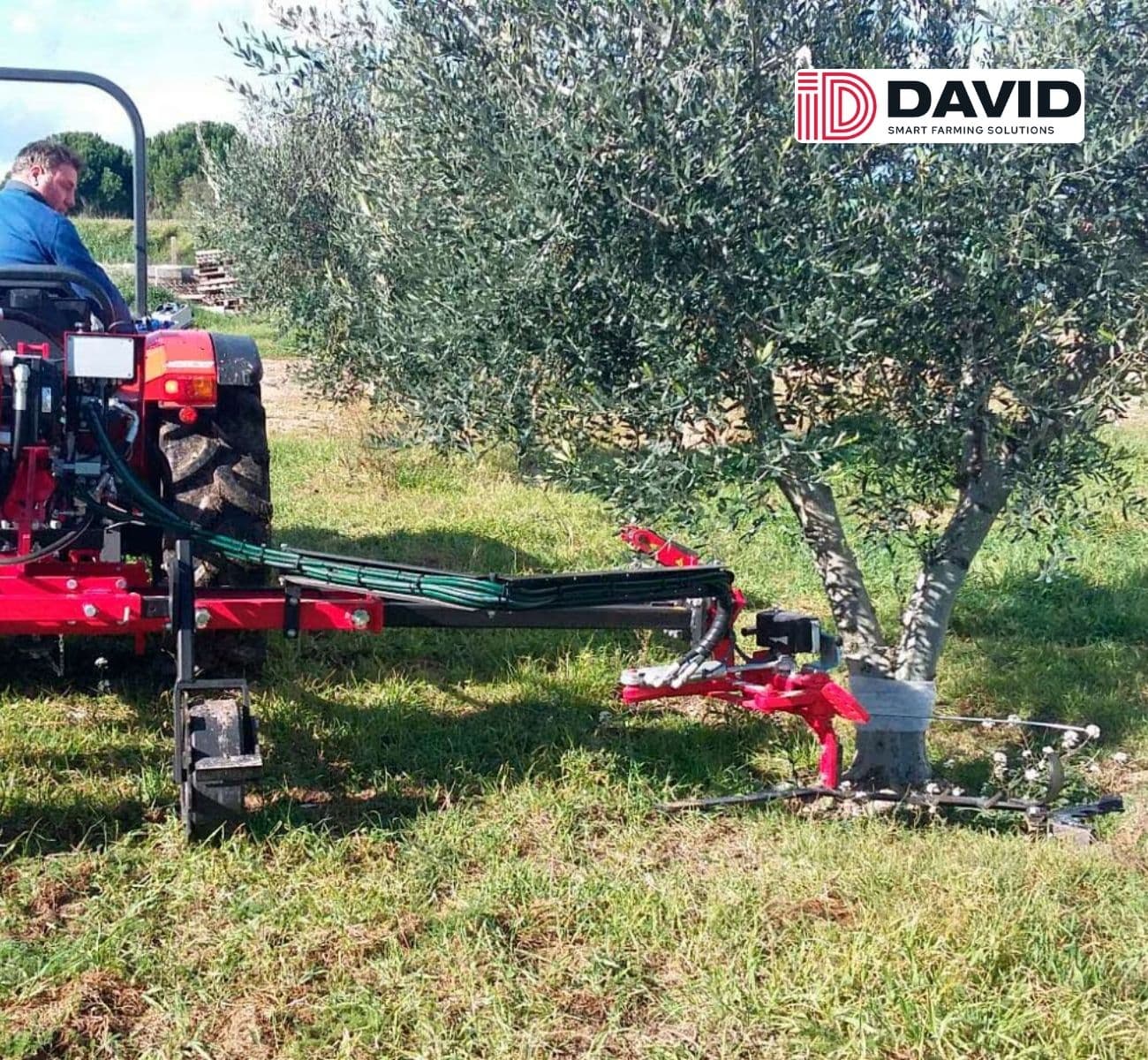
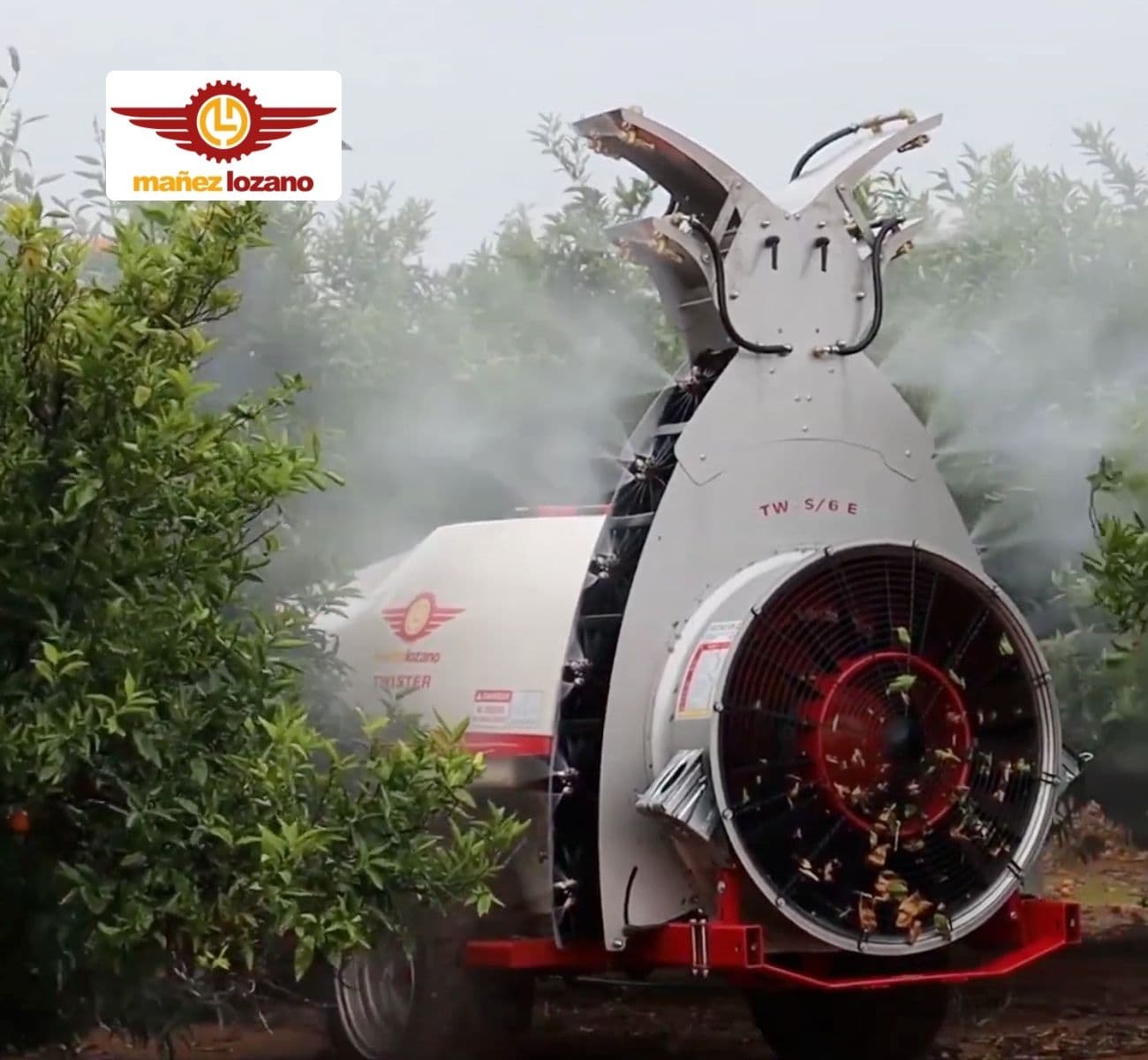
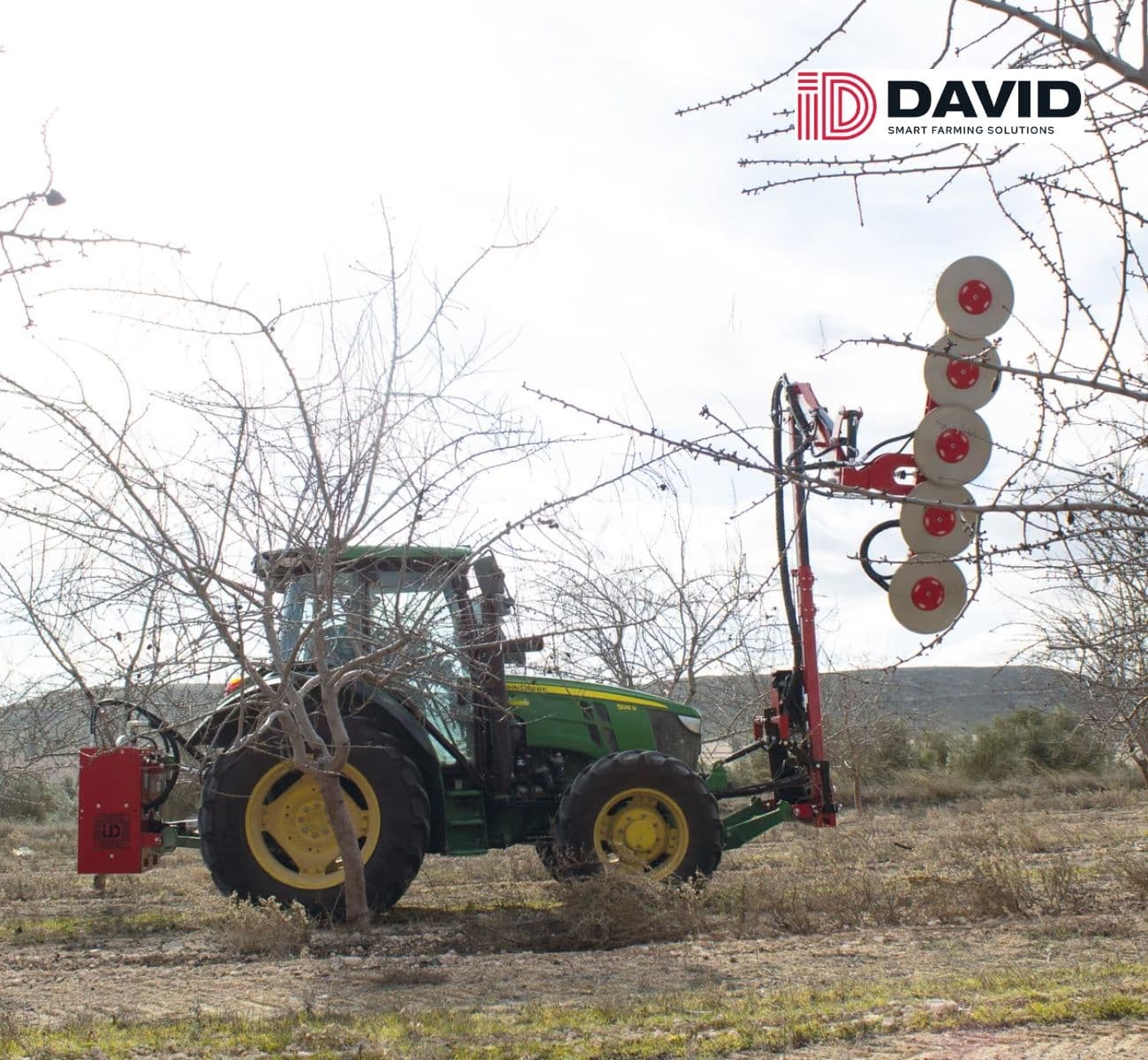
Illegal cutting and intensive grazing are named as the main causes of forest degradation in Tajikistan (UNECE/FAO, 2020), and young orchard trees need the same protection from livestock. Train trees to a clear, straight trunk that a shaker can grip, keep the alleys mown and level, and prune for light, using the machines below where row widths allow.
Recommended Orchard Care & Maintenance Stages

Practical Tips for Walnut Orchard Care & Maintenance
Check soil moisture in hot, dry spells: the Western Pamir study notes that fruit trees there need extra water on the hottest summer days.
Hang pheromone traps for codling moth by budbreak, as UC IPM advises: EPPO lists the moth as present in Tajikistan, on information dated 1989.
Inspect nursery trees and young shoots for blight spots and report any suspect symptoms: EPPO lists no walnut blight record for Tajikistan.
Keep livestock out of young orchards: grazing is among the main causes of forest damage in Tajikistan (UNECE/FAO, 2020).
Train young trees to one clear, straight trunk so a trunk shaker can grip it later, removing low branches over several seasons.
Note budbreak, flowering and hull split in each block every year: in the Western Pamir study, timing shifted by weeks between altitudes.

Walnut Harvesting in Tajikistan
No Tajik source read describes how walnuts are harvested today or who does the work. A 2022 paper on the 2016 home-garden survey notes that local people harvest wild fruit and nuts in the mountain forests, and the survey found a good share of Tajik households selling walnuts. Timing depends on altitude: in the Western Pamir study, nuts ripened about 30 August at 1,200 m, 12 September at 1,600 m and 26 September at 2,100 m.
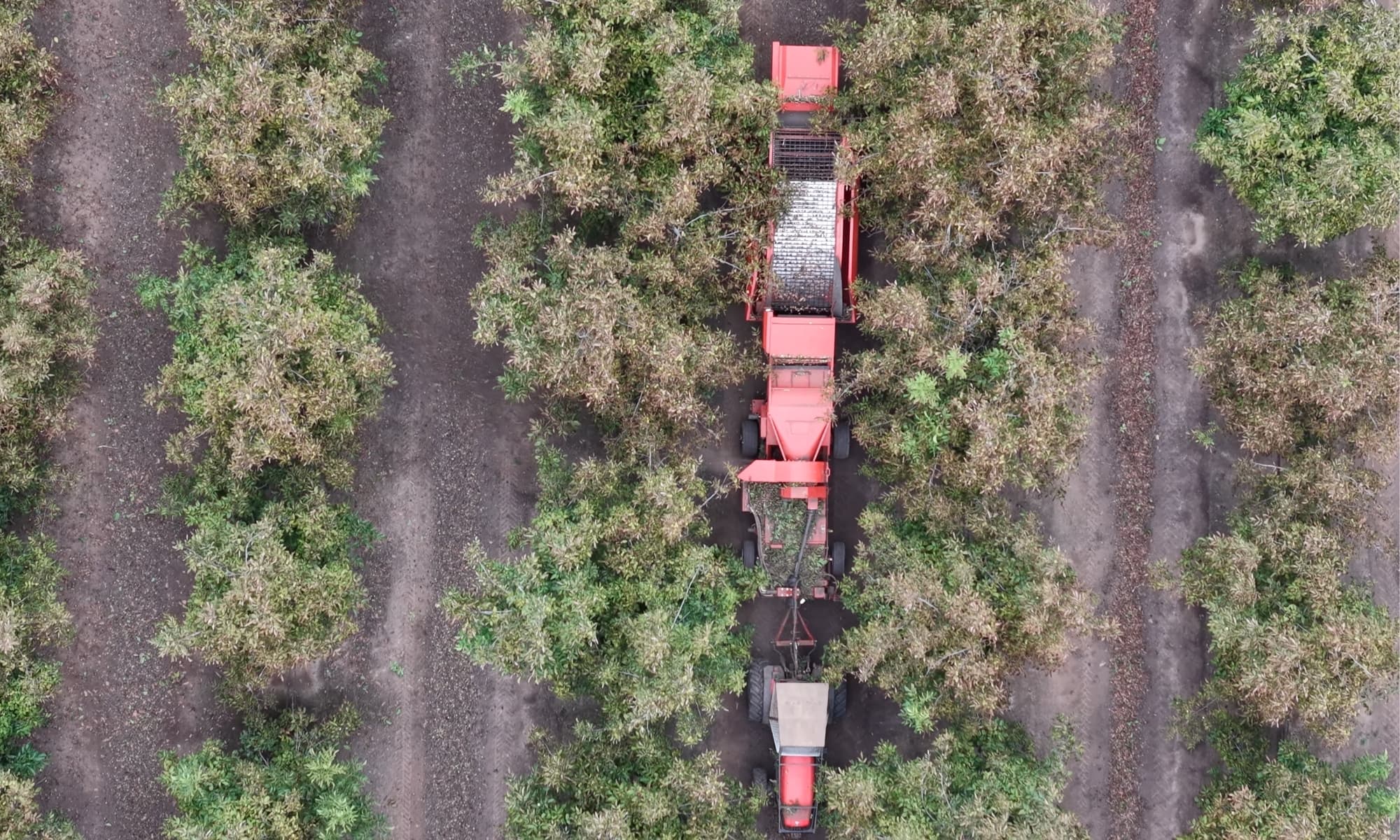
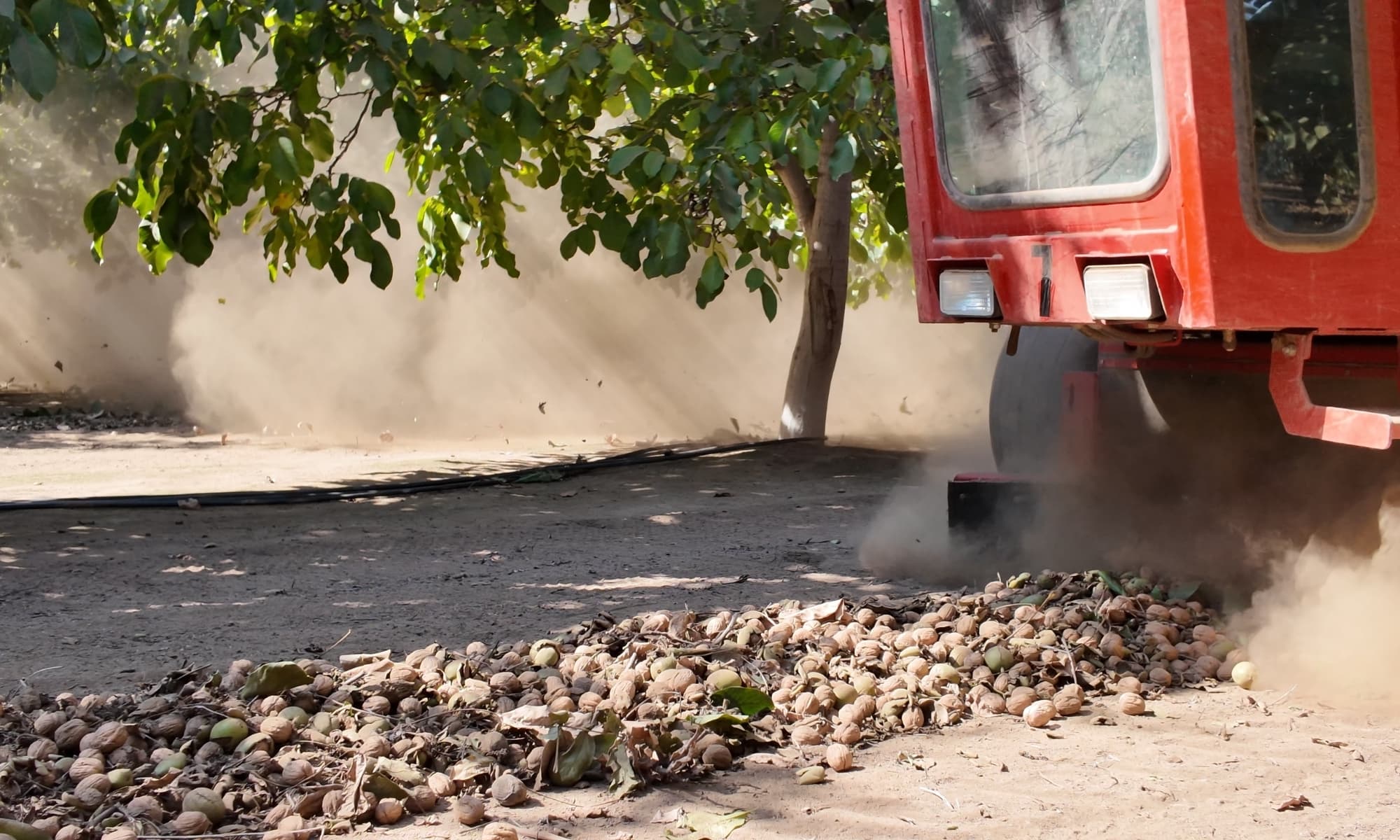
University of California guidance starts harvest when a high percentage of nuts on the tree have split hulls, shakes the trunk, sweeps the fallen nuts into windrows and picks them up quickly, to cut the time nuts lie on the ground. In larger orchards, a mechanized line lets each block be harvested soon after hull split, so less of the crop waits on the trees or the ground.
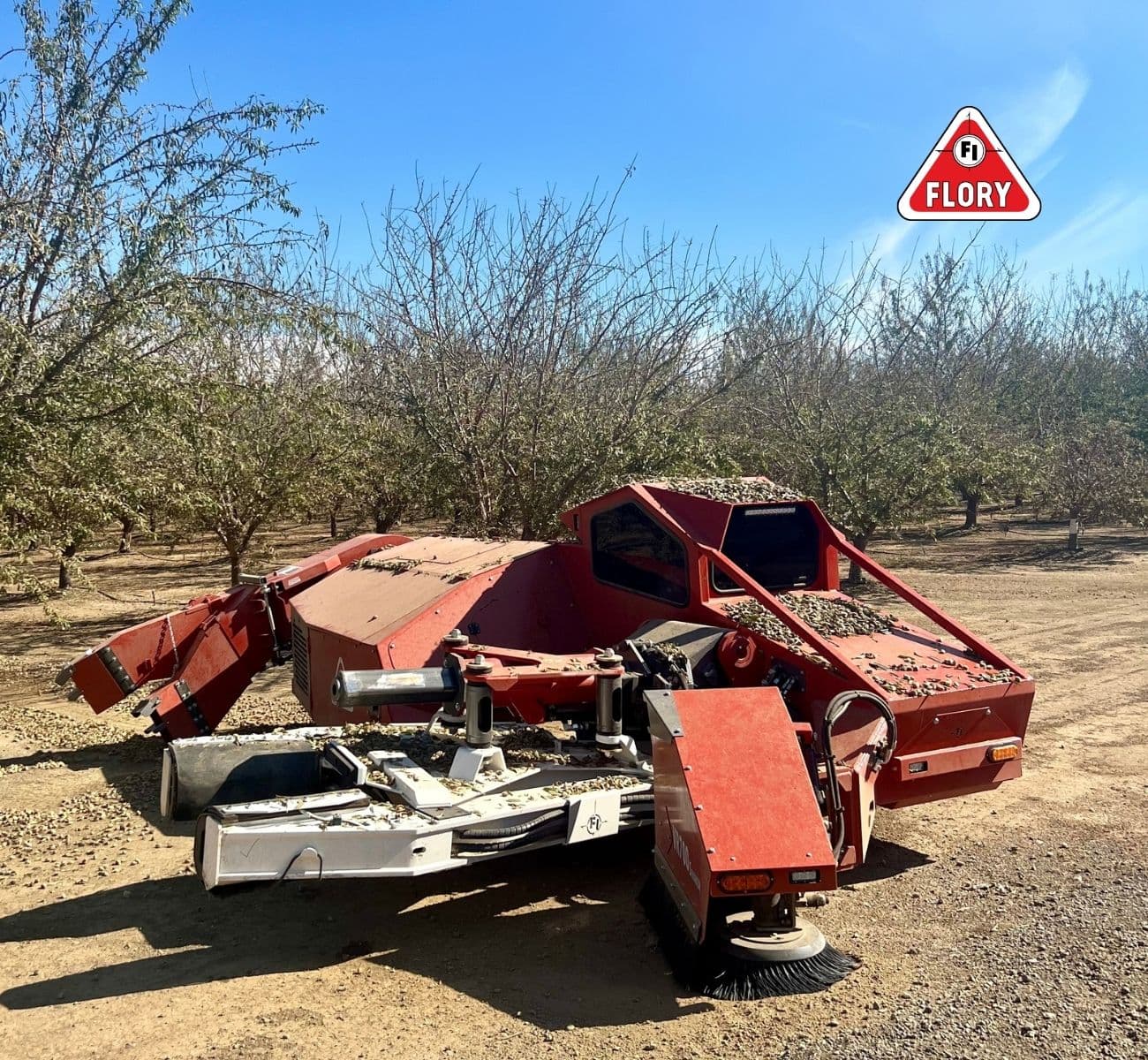
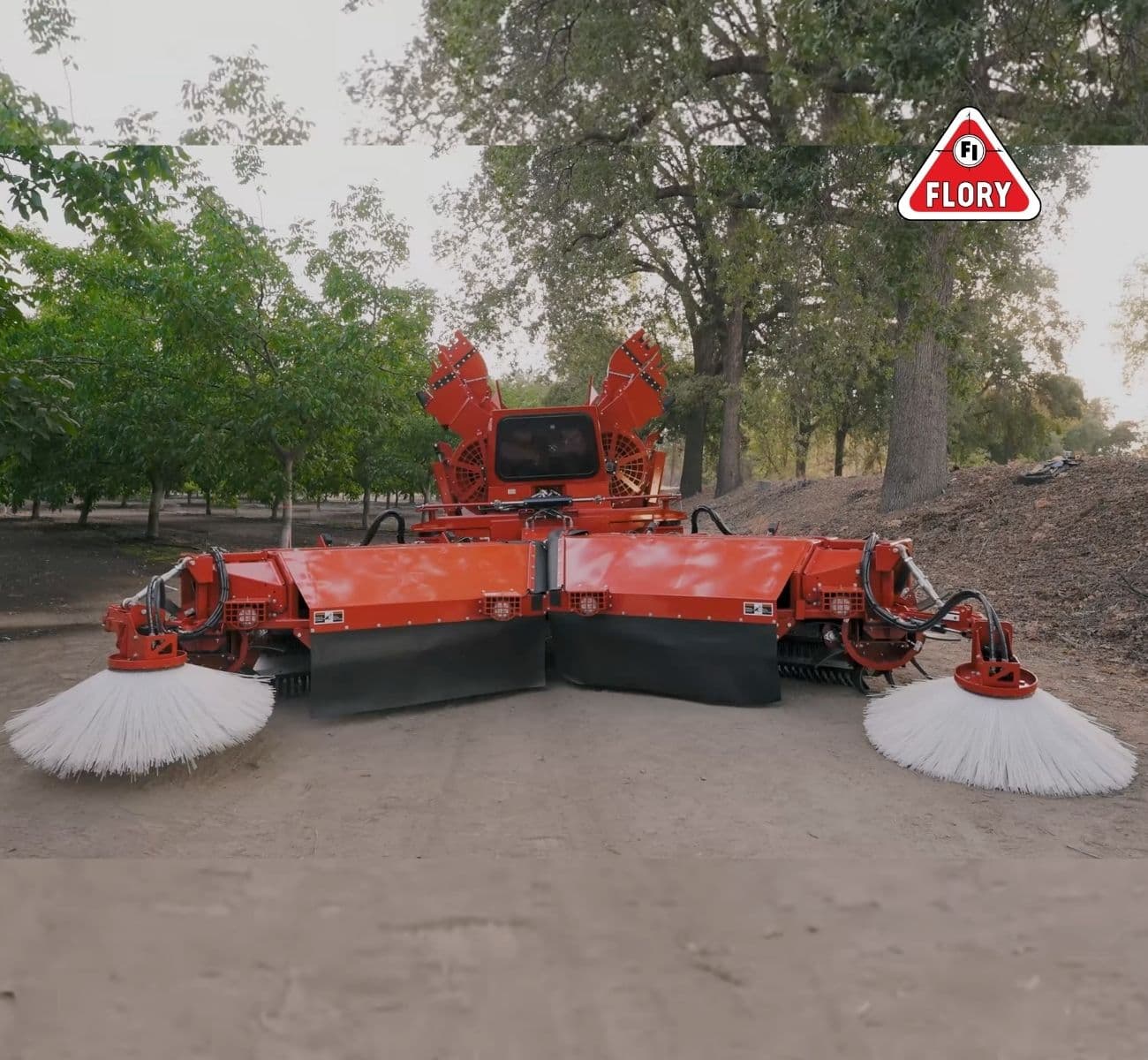
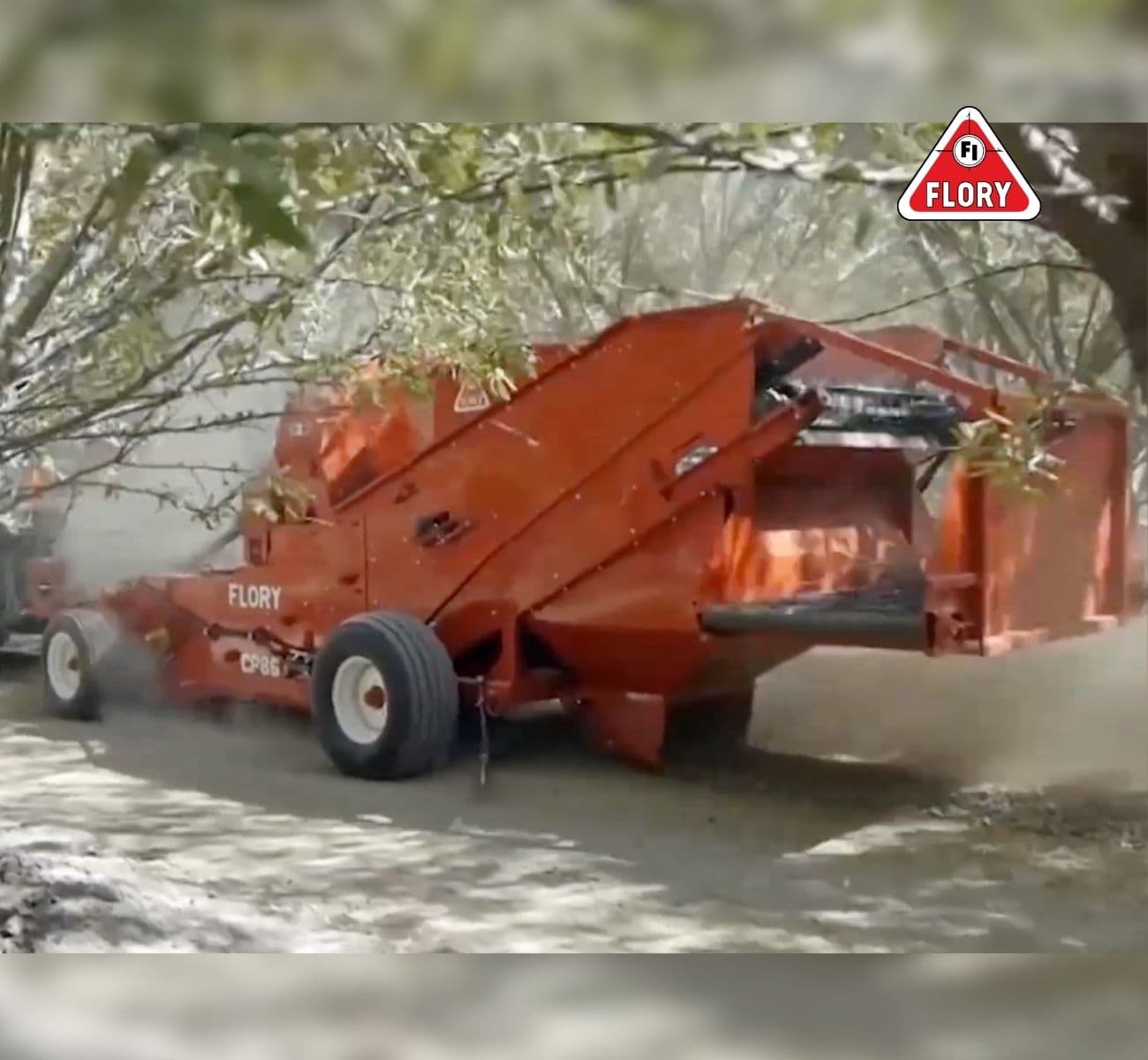
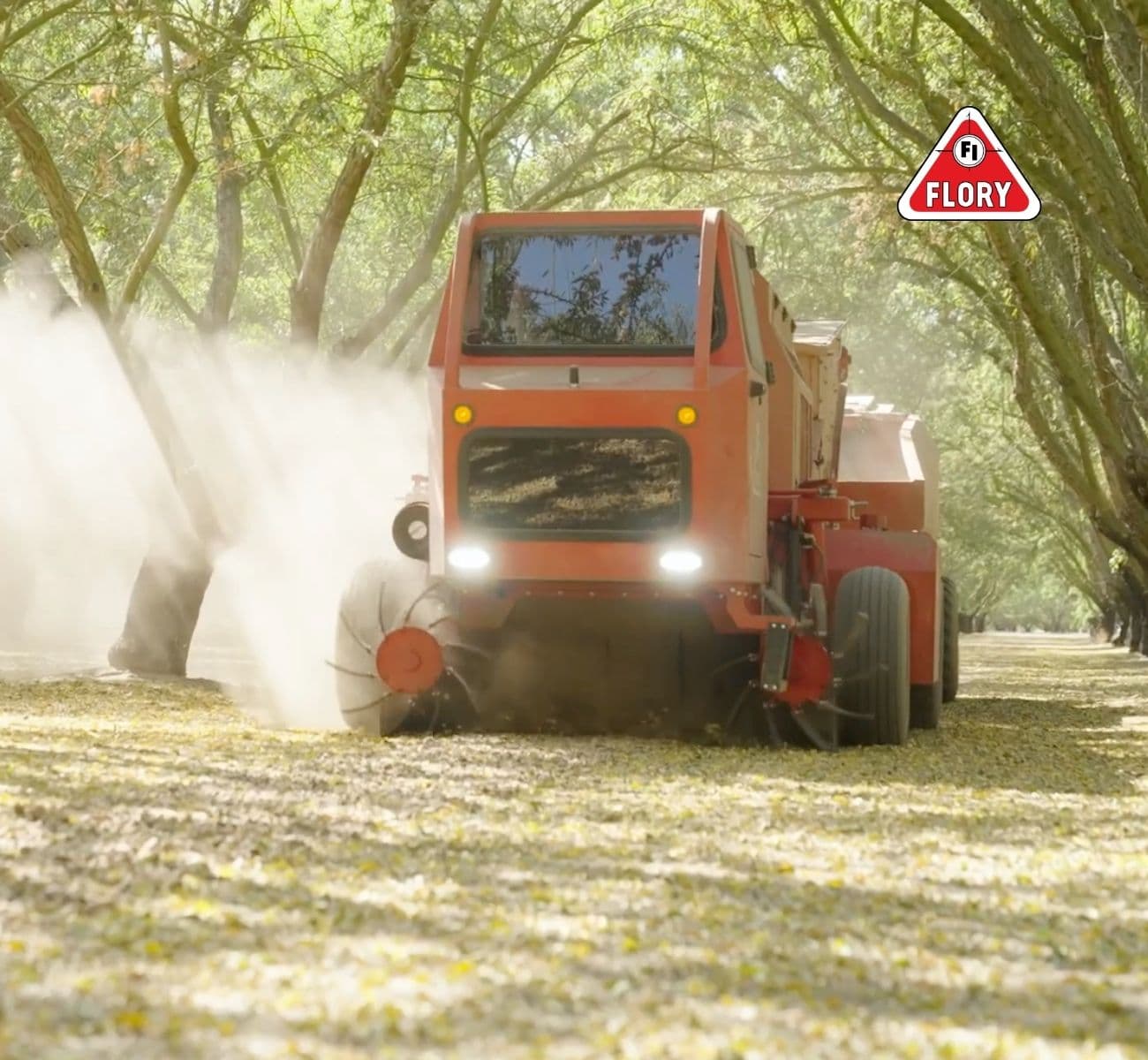
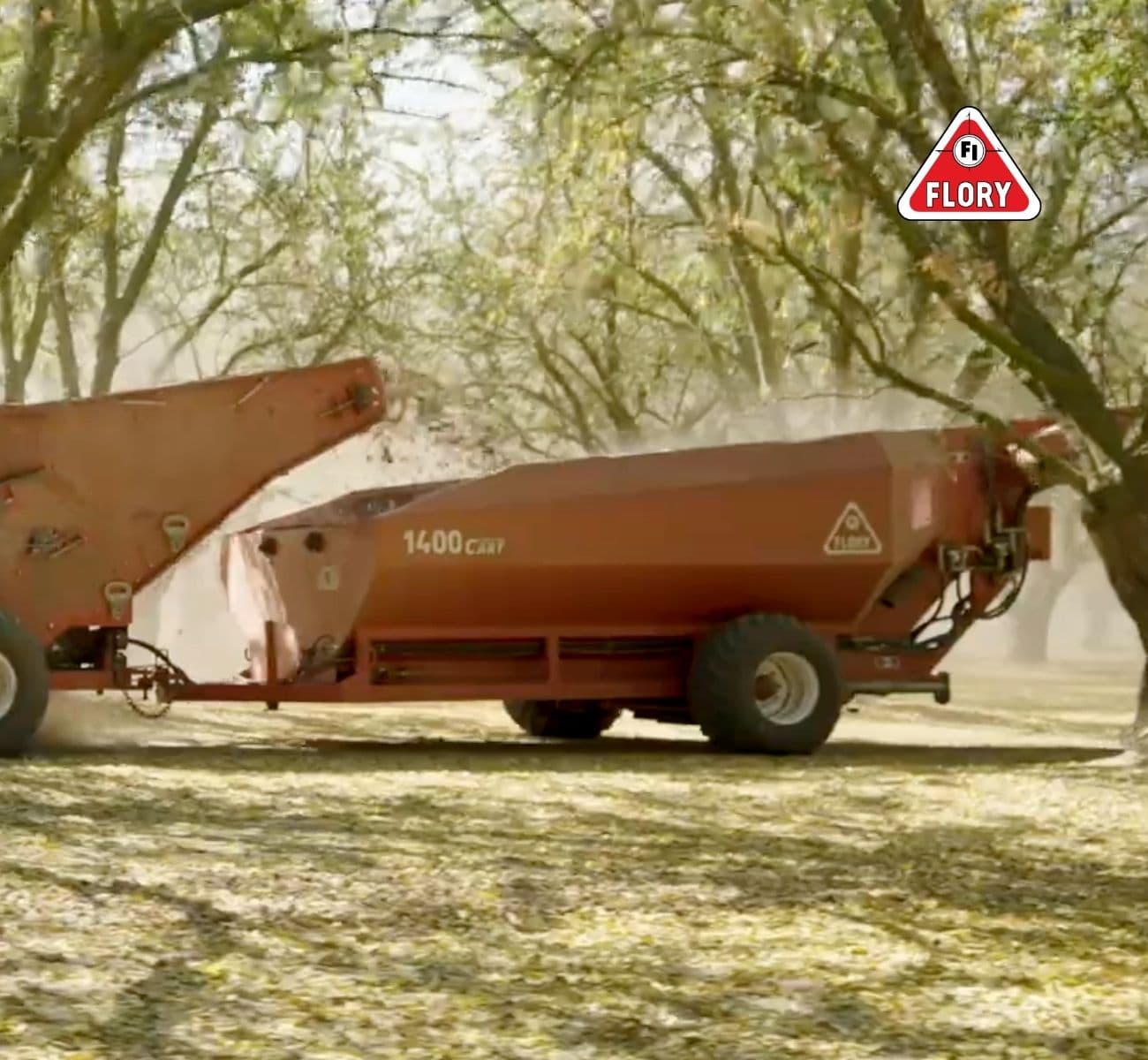
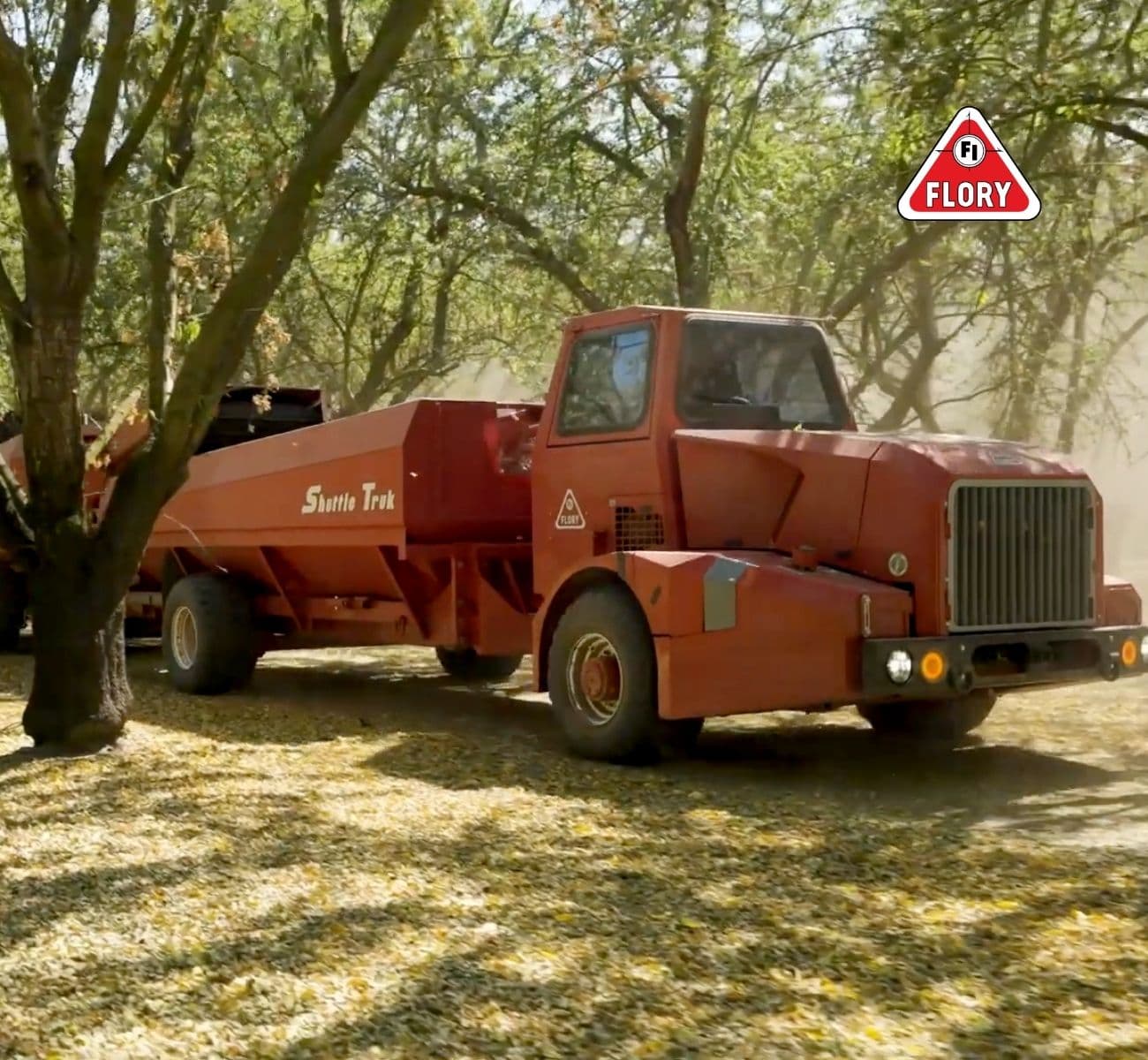
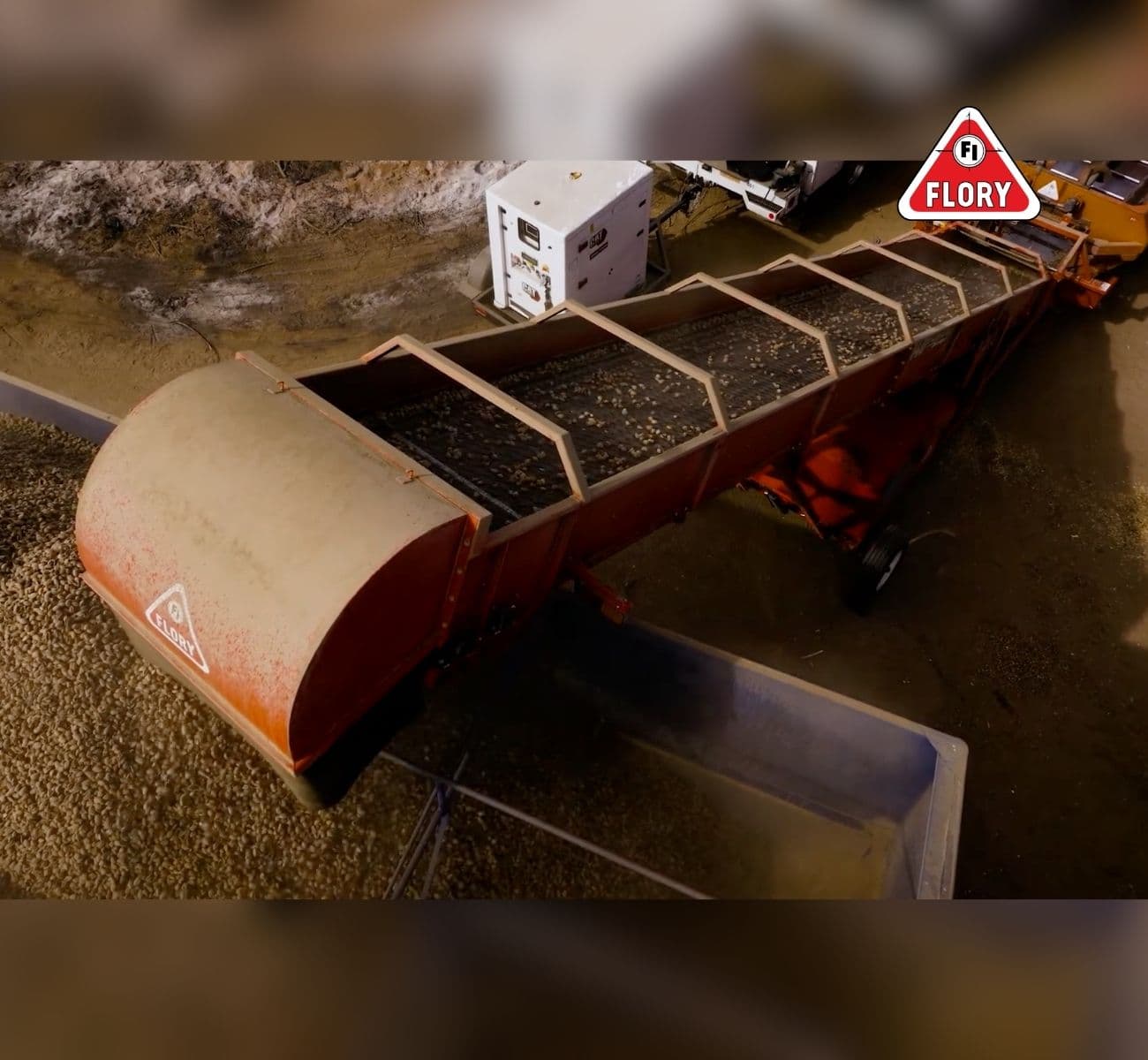
Machines suit planted orchards on level or gentle ground with clear trunks and room between rows, not forest stands, steep slopes, terraces or mixed home gardens. Flory harvesting machinery is available in Tajikistan through OVE Europe: a line runs from the VR700 Shaker, V62 Sweeper and 8772 Harvester to the 1500 Conveyor Cart, ST14 Shuttle and 4840 Field Elevator, with the CP87 Conditioner as an option where windrows carry leaves and sticks.
Walnut Harvest Workflow (Recommended Equipment)
Practical Tips for Walnut Harvesting
Schedule crews and drying by altitude: in the Western Pamir, nuts ripened about 30 August at 1,200 m and about 26 September at 2,100 m.
Start shaking a block once a high share of hulls have split, the signal University of California guidance uses for harvest.
Pick up shaken nuts quickly: University of California guidance completes pickup fast to reduce the time nuts remain on the ground.
Before harvest, mow and level the alleys and clear stones and branches, so the sweeper and harvester pick up cleanly.
Size sweeping, pickup and shuttle capacity to the shaker's daily output, so shaken rows do not wait on the ground.
Leave forest stands, steep slopes and home gardens to hand harvest, and plan machine lines only for planted orchards with clear trunks.
Get your recommended harvest setup
Enter orchard size, spacing, terrain, and target throughput—we’ll suggest a practical harvest workflow and equipment lineup.

Walnut Post-Harvest Handling & Processing in Tajikistan
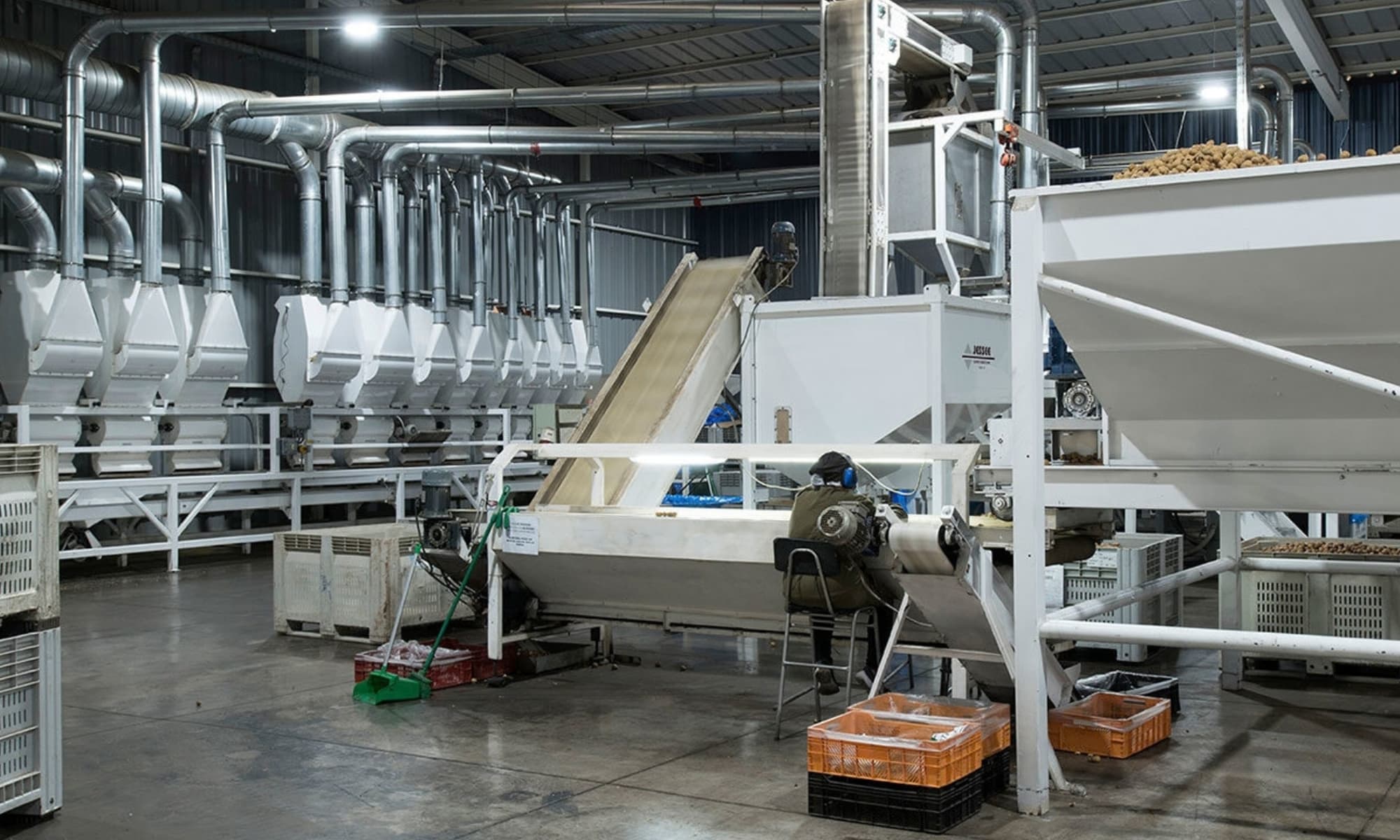
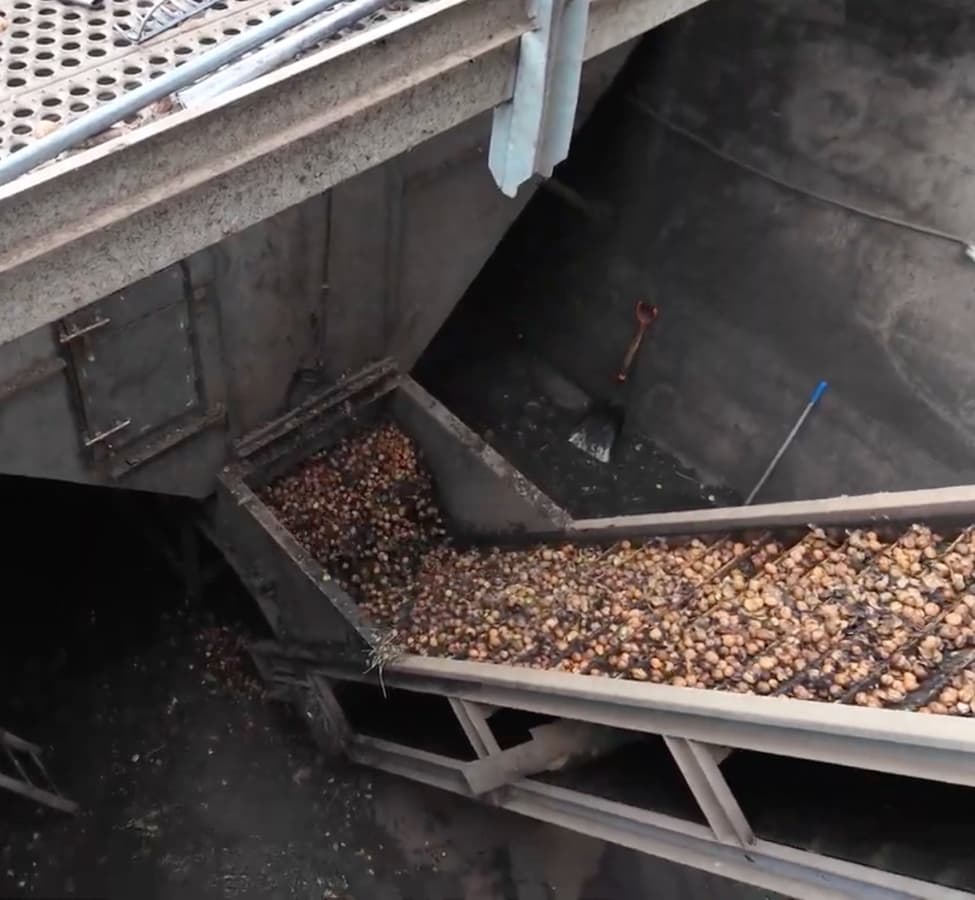
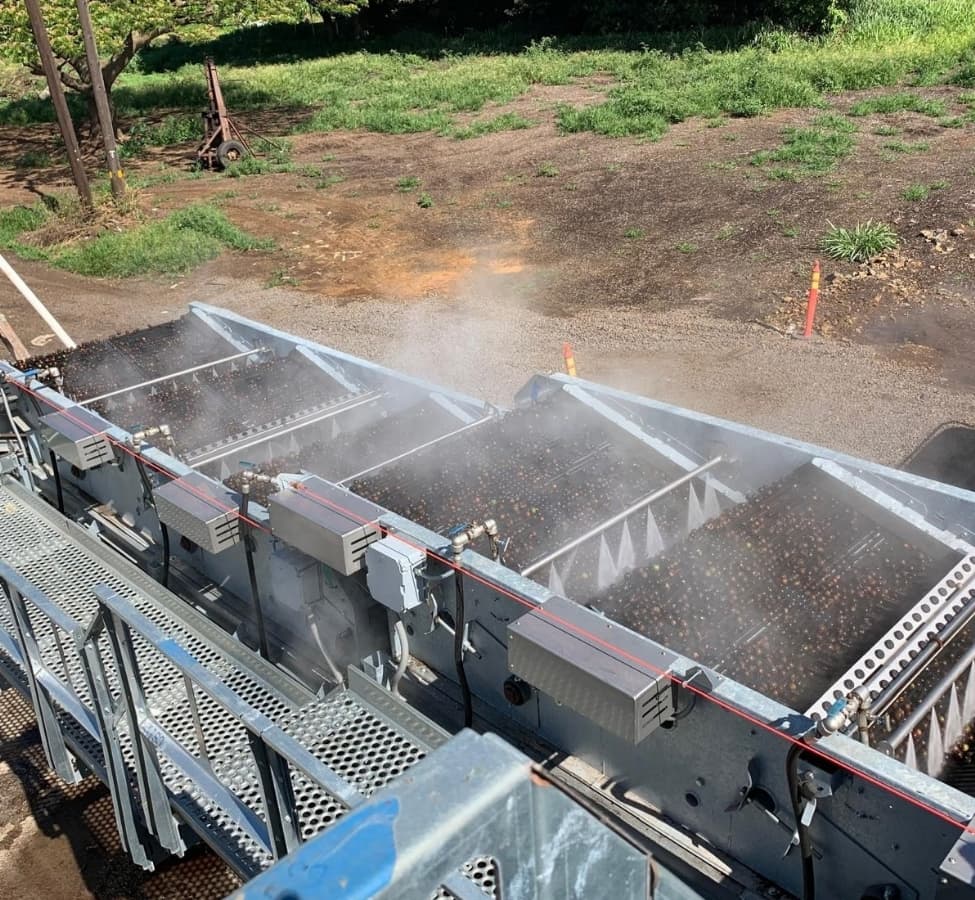
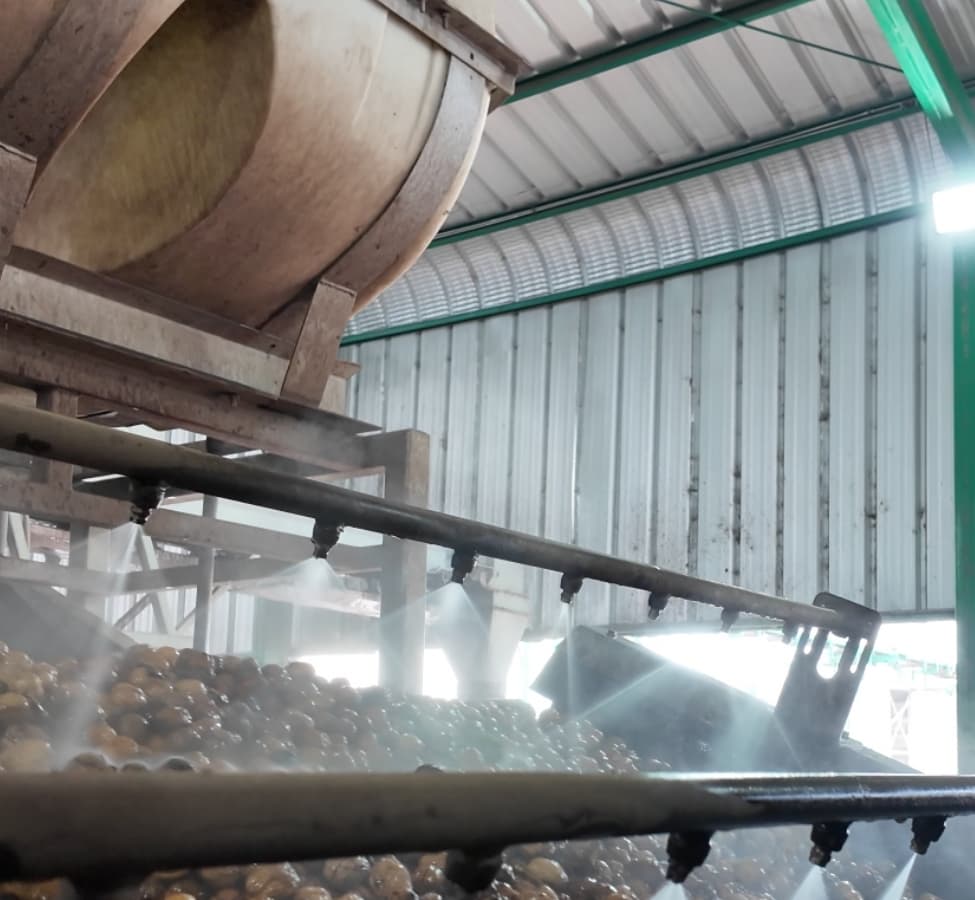
No Tajik source read describes hulling, washing, drying, storage or cracking, so the steps below follow labeled general guidance. University of California guidance removes the green hulls with wet scrubbers, dries the nuts in dryers for 24 hours or less to 8% moisture, and then stores or processes them. Tajikistan's own trade reports show exports mostly as kernels: 163 t of 183 t in 2023, nearly all to Kazakhstan.
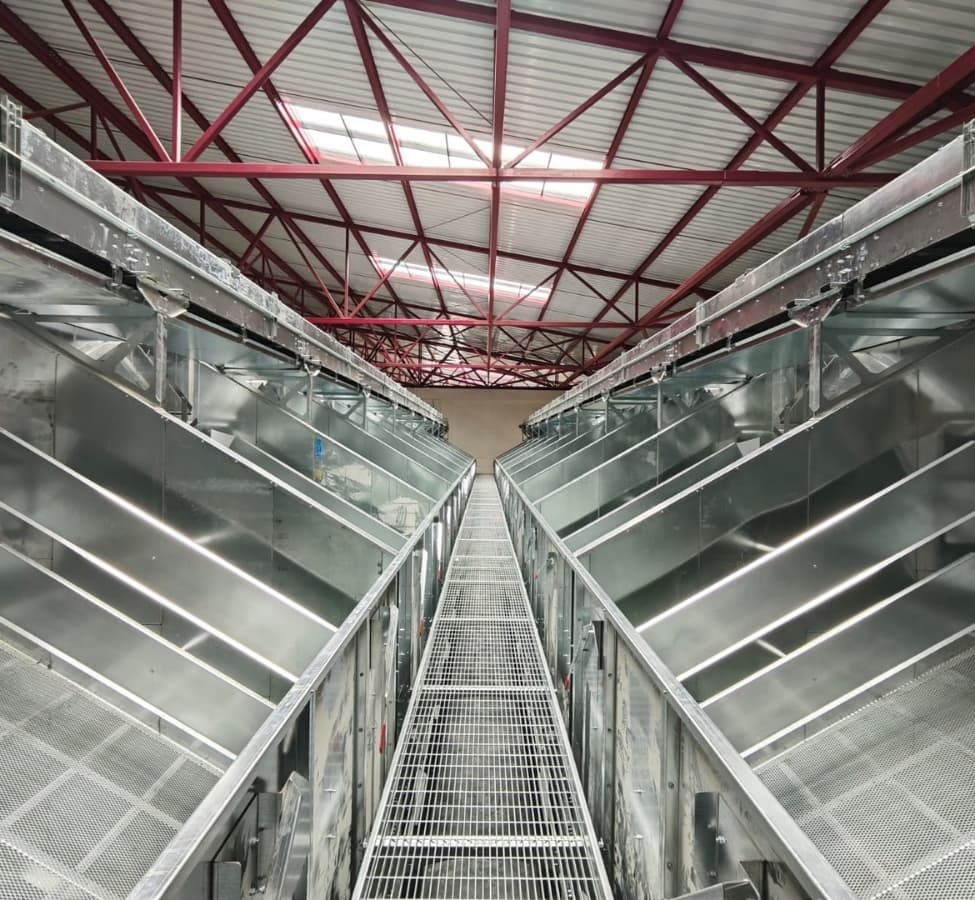
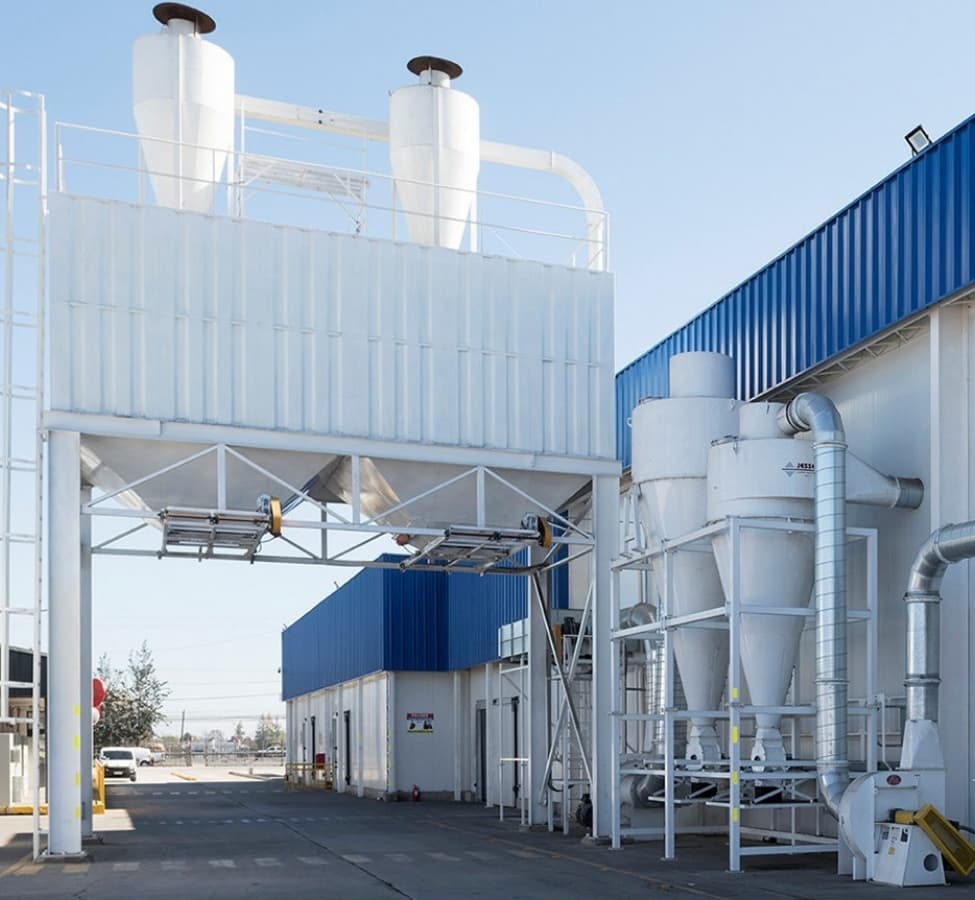
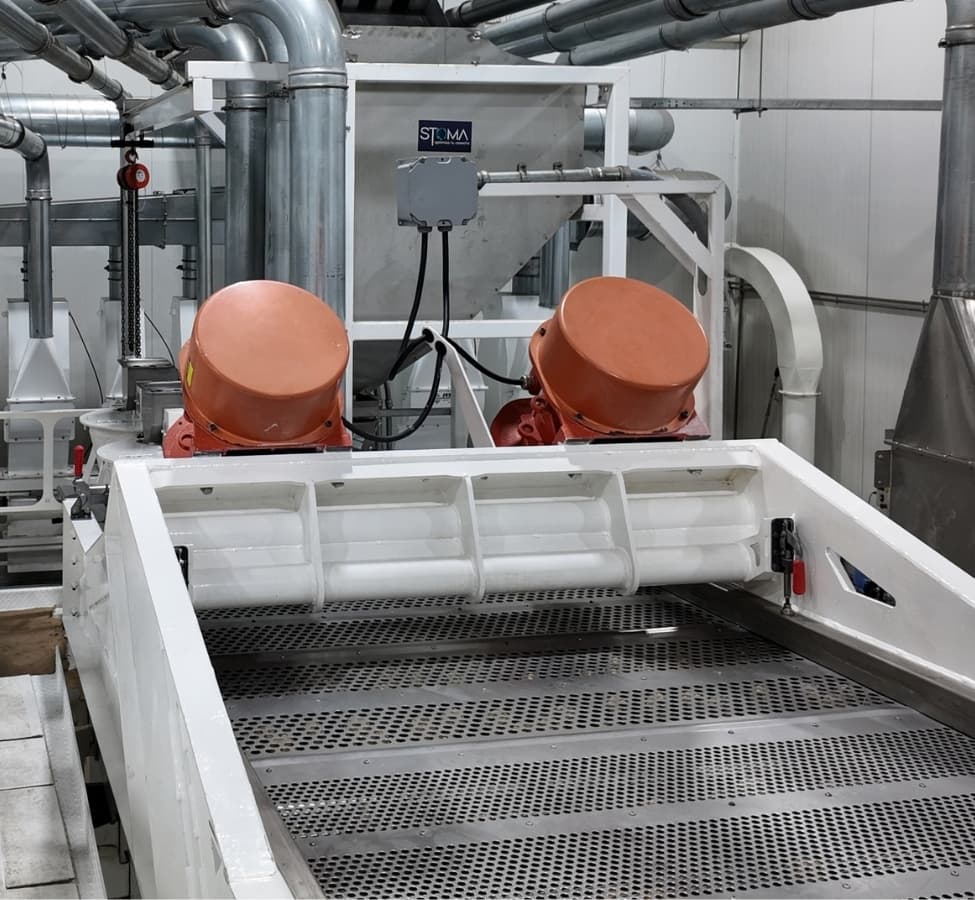
For kernels, Tajikistan's standards body voted to adopt the interstate standard GOST 16833-2014, which sets top, first and second grades, at most 5.0% moisture and no live pests; whether it is in force in Tajikistan was not verified, and Tajikistan is not among the adopters of the in-shell standard, GOST 32874-2014. Jessee, whose processing lines OVE Europe supplies, builds walnut hulling lines and drying, in-shell cleaning and sizing, and shelling systems.
For general information only. Information may become outdated and does not replace site-specific professional advice. Consult a qualified agronomist and confirm equipment suitability with OVE before acting.
Practical Tips for Walnut Post-Harvest Handling & Processing
Hull nuts soon after pickup and wash off hull residue, so shells stay clean and the dryer works on clean nuts.
Dry to about 8% moisture, the target in University of California guidance, and check samples with a moisture meter before storage.
Grade kernels before sale: GOST 16833-2014, which Tajikistan voted to adopt, sets top, first and second grades with at most 5.0% moisture.
Ask buyers which aflatoxin limits apply before export: GOST 16833-2014 leaves contaminant limits to each adopting state's rules.
Keep dried lots apart by block and grade in a dry, cool, rodent-proof store, so each lot can be traced.
Book or build drying capacity before harvest: University of California guidance dries hulled walnuts in dryers for 24 hours or less.
Recommended Post-Harvest Handling & Processing Stages


Plan your post-harvest line
Estimate tons/day, cleaning & drying capacity, storage needs, and cost/kg—then build your equipment plan in phases.