







Hazelnut Orchard Establishment in Türkiye
Orchards lie along the Black Sea coast, no more than 30 km inland, and hazelnut may legally be planted only in designated districts of 16 provinces, the Ministry of Trade notes. A 2023 report of the Ministry of Agriculture and Forestry adds that a large part of the Eastern Black Sea orchards are 50 to 100 years old. The EU specification for Giresun Tombul gives 0 to 750 m as the economic growing range.
The Hazelnut Research Institute in Giresun lists 20 registered cultivars and calls Tombul the most important grown in Türkiye. Its cultivar pages say Çakıldak wakes much later than other cultivars, so late spring frosts harm it little, while Palaz wakes earlier and suffers more frost damage. For Giresun Tombul, the Turkish registration names one or two of Palaz, Mincane, Foşa and Kalınkara as pollinizers, at 8 to 12% of the orchard.
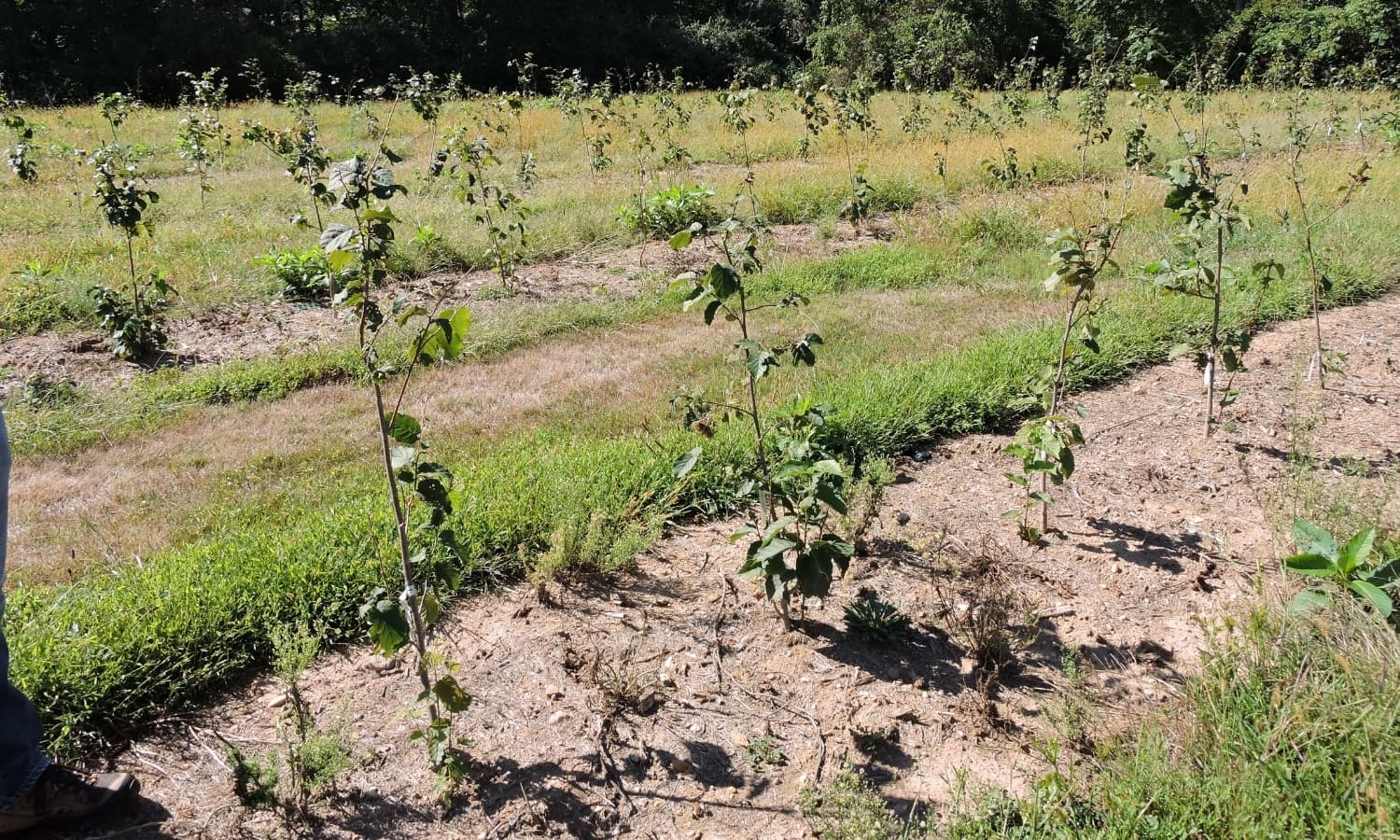
Hazelnut is generally grown in the ocak system, a multi-stem bush, the Ministry's producer booklet says. The Institute's 2013 booklet advises no more than 5 to 6 stems per ocak, at least 4 m apart, and also describes single-stem trees in rows at least 4 m apart. In Institute research in Giresun (2001 to 2003), single-trunk Tombul trees yielded more than ocaks, though the differences were not statistically significant.

Practical Tips for Hazelnut Orchard Establishment
At 500 m and above, choose standard cultivars little affected by late frosts, as the Hazelnut Research Institute advises.
Plant pollinizers compatible with the main cultivar at one tree in ten, as the Institute's 2013 booklet advises.
Avoid sites with a high water table or soils that hold water: the producer booklet advises against orchards there.
On slopes, build terraces: the Institute's booklet gives channel terraces for 5 to 25% slopes and ditch terraces for 25 to 75%.
Where machines will harvest, plant single-stem trees in straight rows; the 2013 booklet gives at least 4 m between rows: confirm with OVE the width machines need.
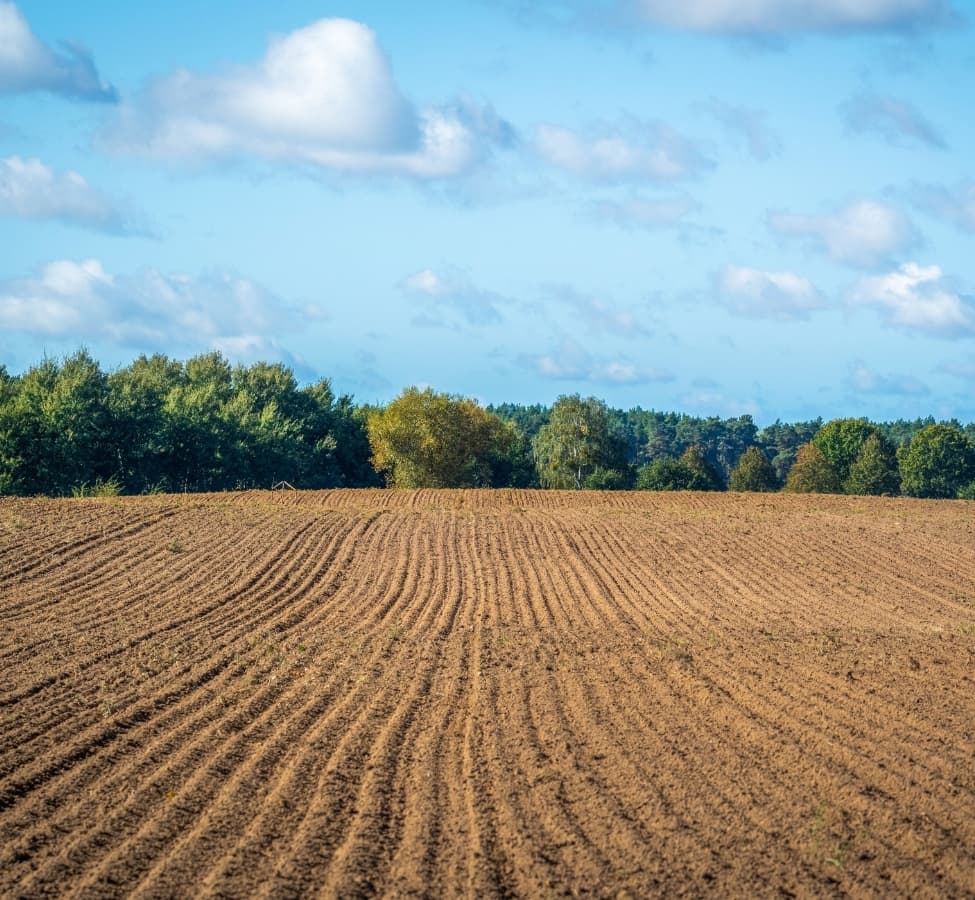
Smooth and firm the orchard floor at least a year before the first commercial harvest, as Oregon State University advises, so sweepers can work up to the trunks.
Recommended Establishment Stages


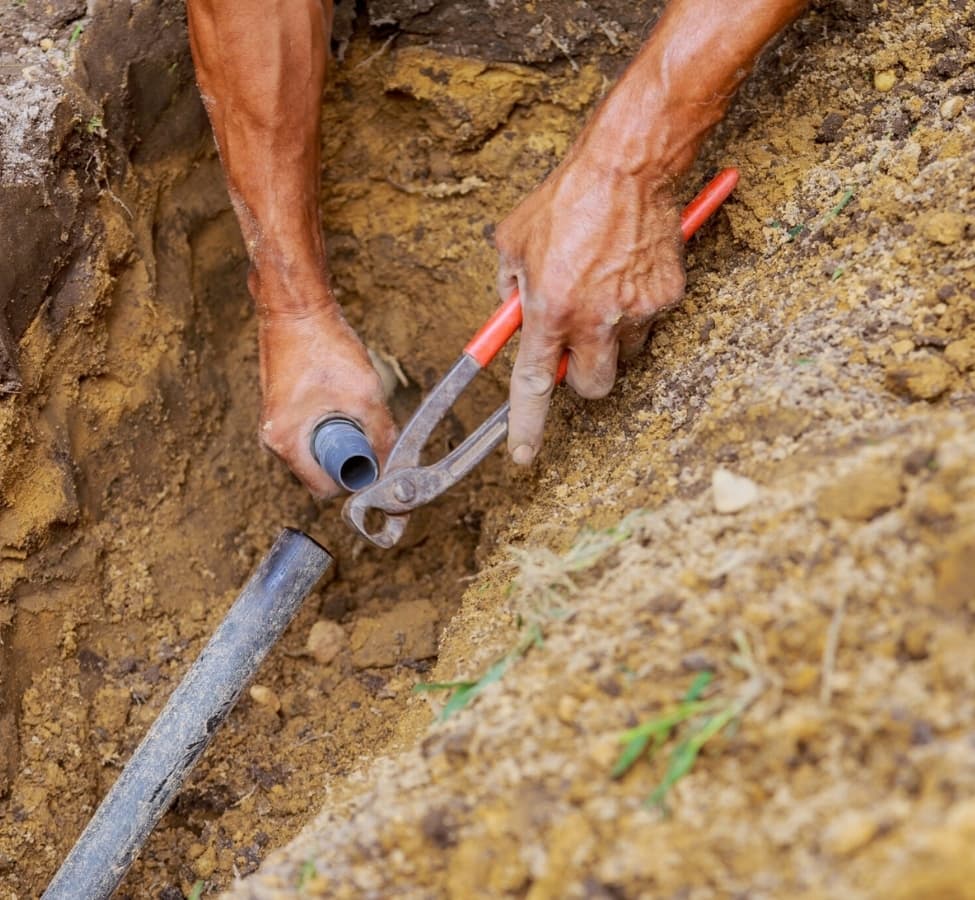


Hazelnut Orchard Care & Maintenance in Türkiye
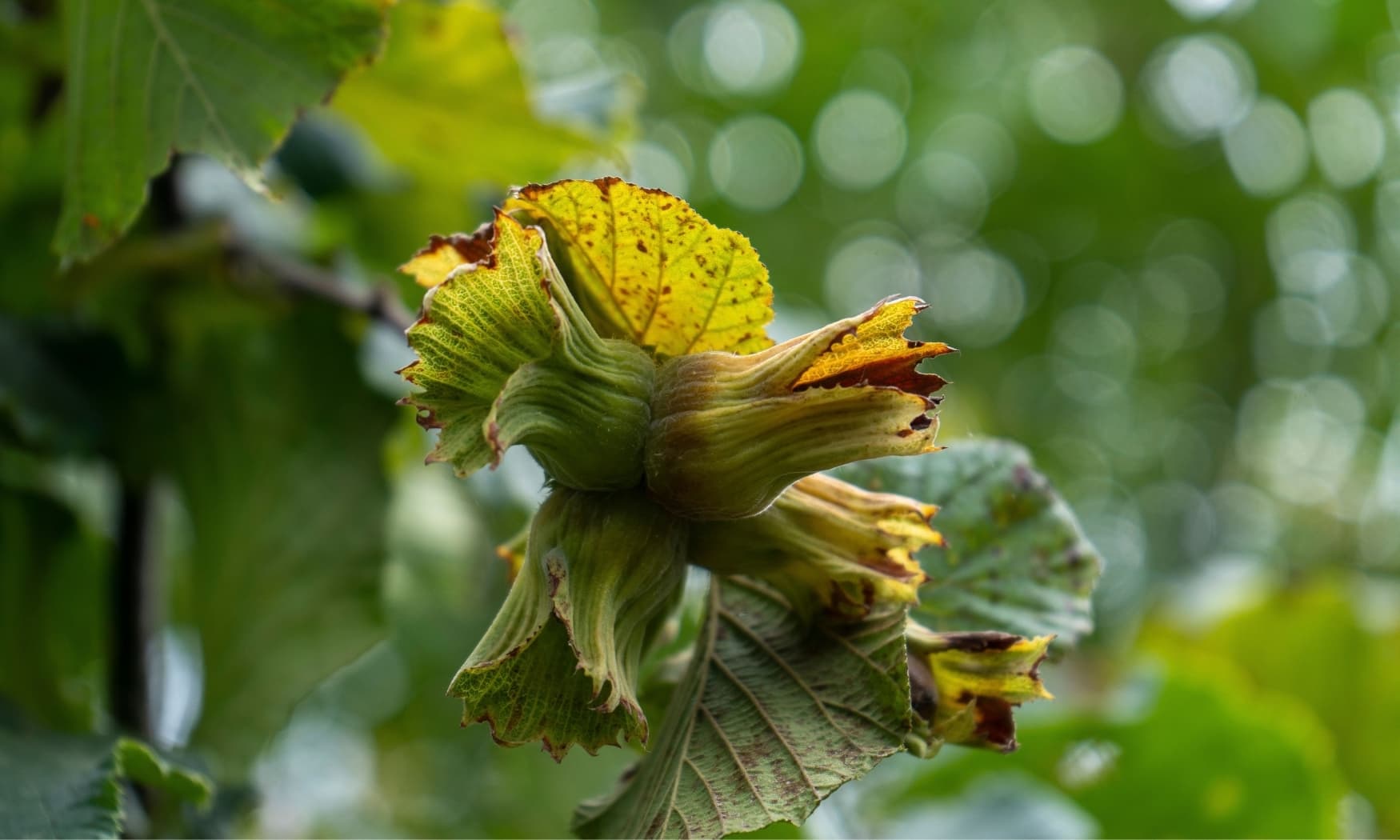
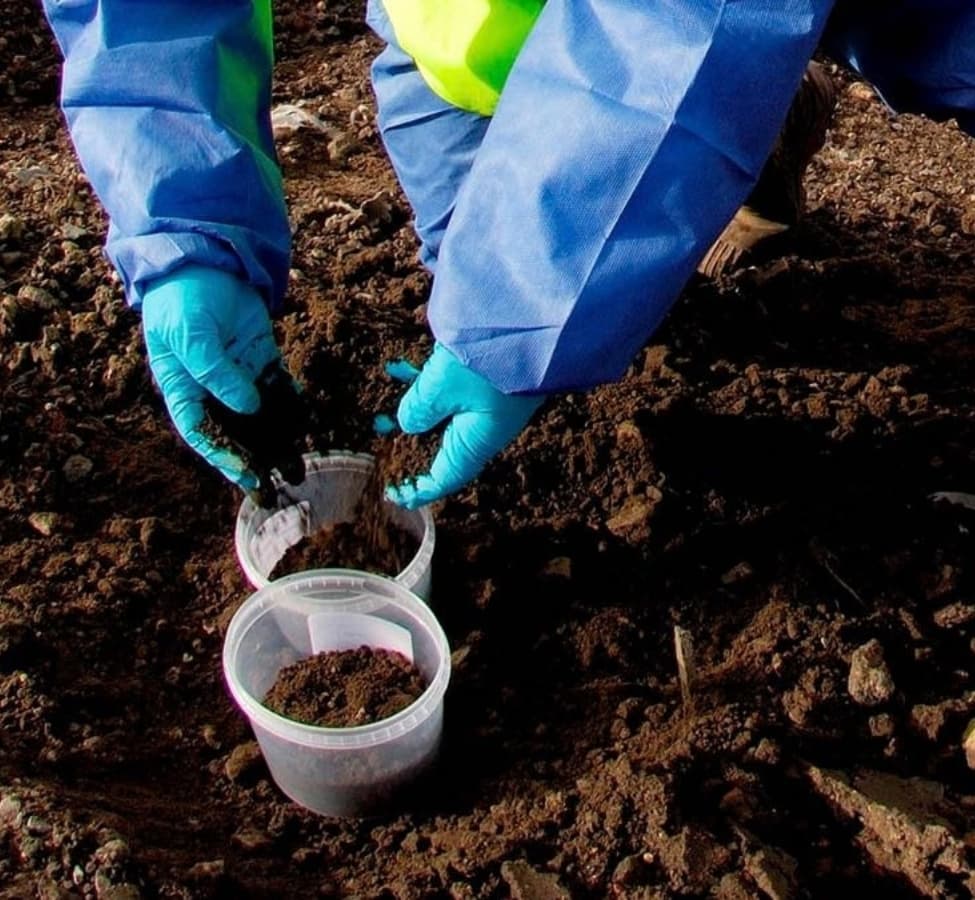
The Ministry's producer booklet gives over 700 mm of rain a year as a requirement, with relative humidity not below 60% in June and July. Summers can still be dry: in 2025 the Marmara and Black Sea regions had their lowest summer rainfall in 65 years (MGM). In a 2015 to 2016 thesis trial on Tombul in Giresun, drip irrigation at fruit set, embryo development and before harvest gave the highest yield; unirrigated ocaks, and those watered only during embryo development, had more blank nuts and defective kernels.
EPPO records the brown marmorated stink bug in Türkiye since 2017; in 2023 it was reported in Giresun, Ordu, Rize, Trabzon, Samsun and the Marmara region. In July, its feeding and that of the green shield bug can cause spotted kernels, the Hazelnut Research Institute warns. The Ministry's 2022 integrated pest management instruction samples it by shaking ocaks over a white sheet and sets control at one adult or more per ocak.
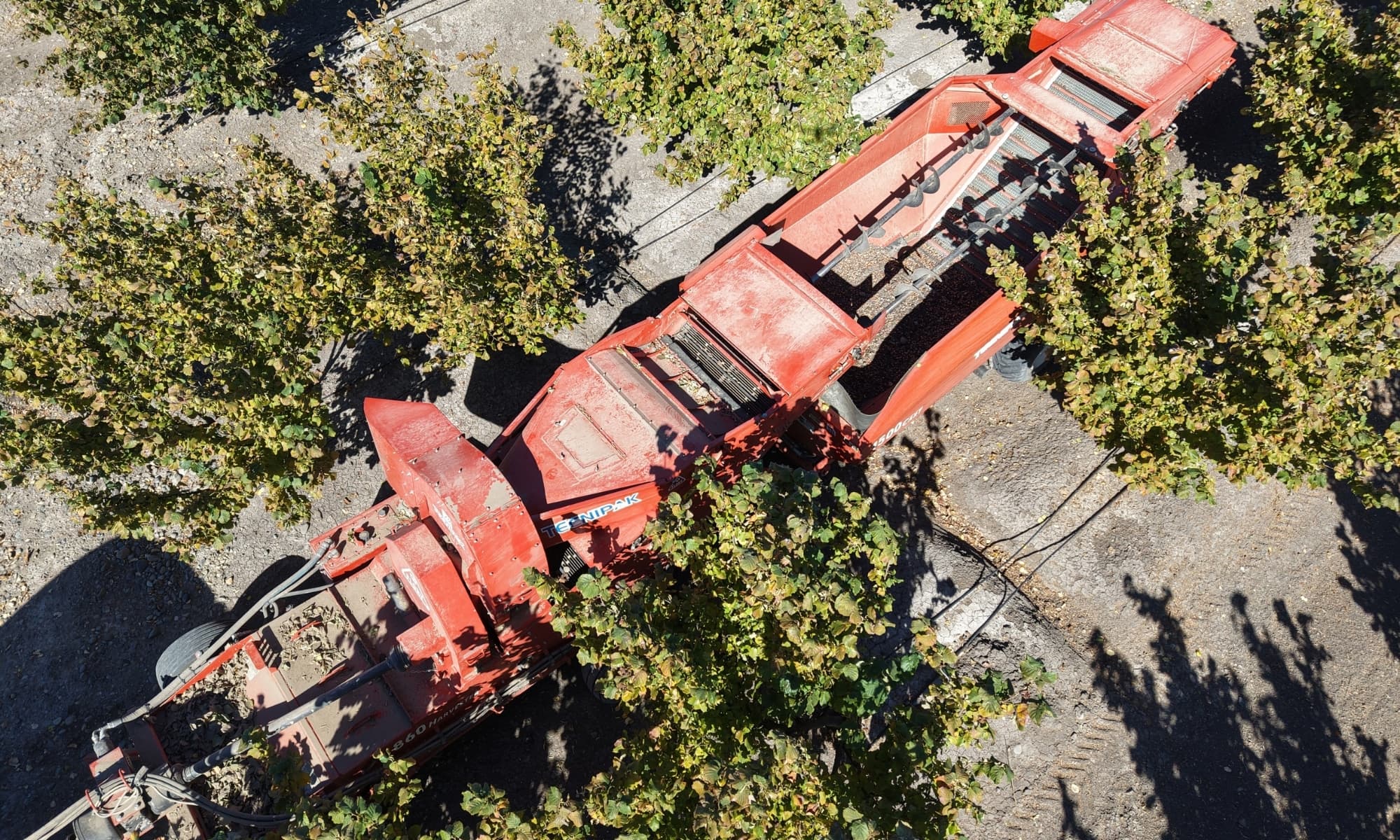
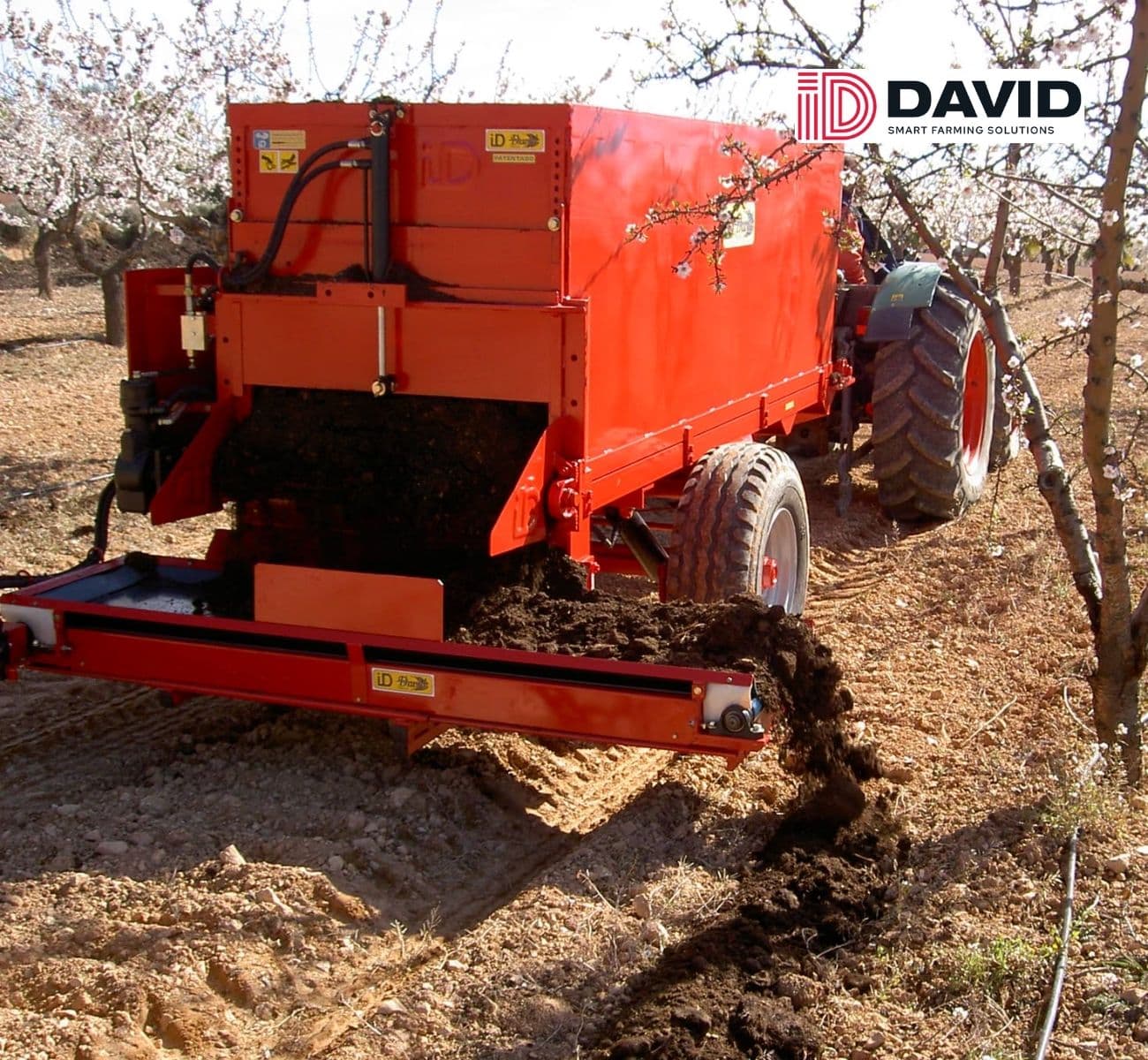
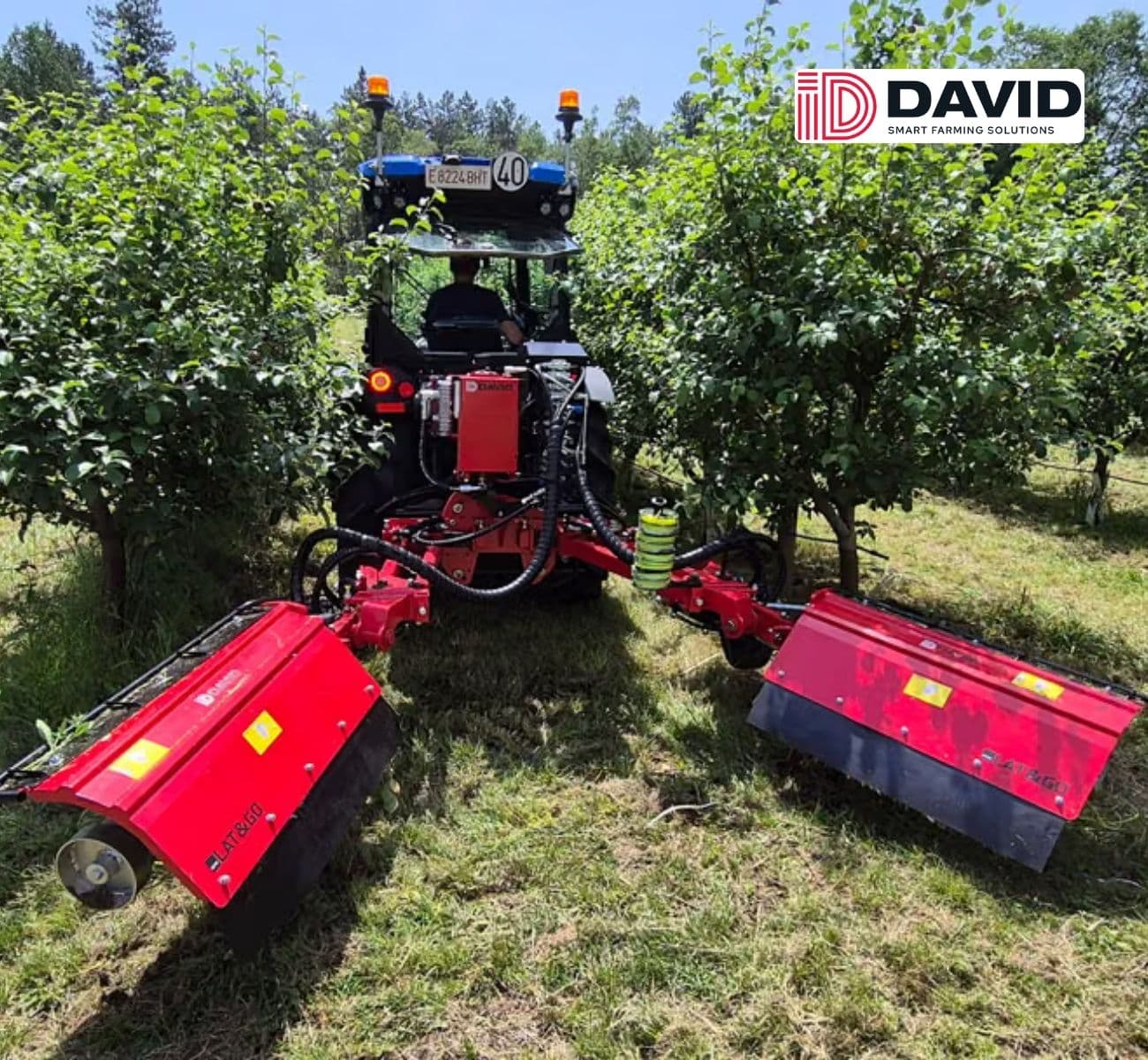
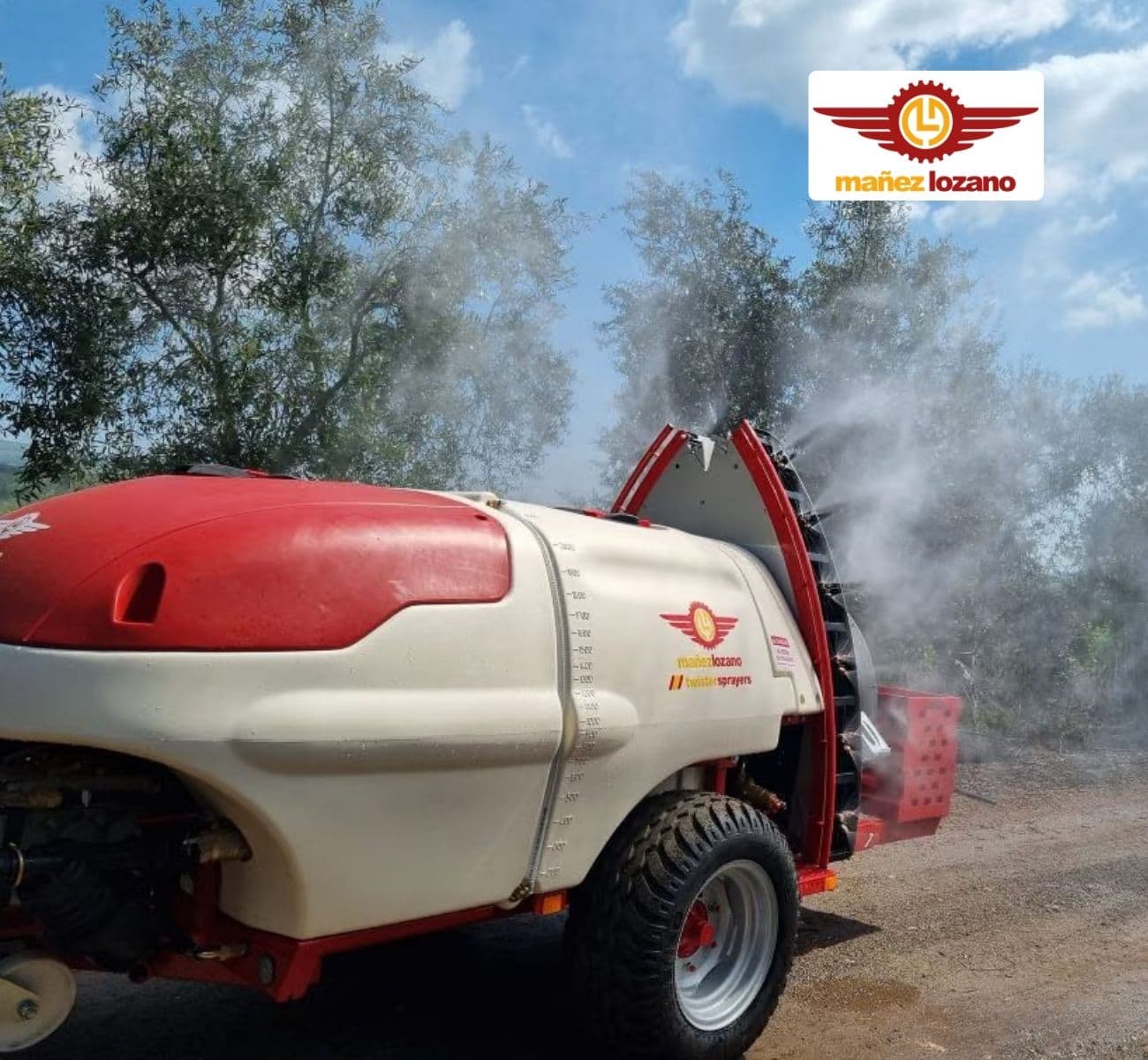
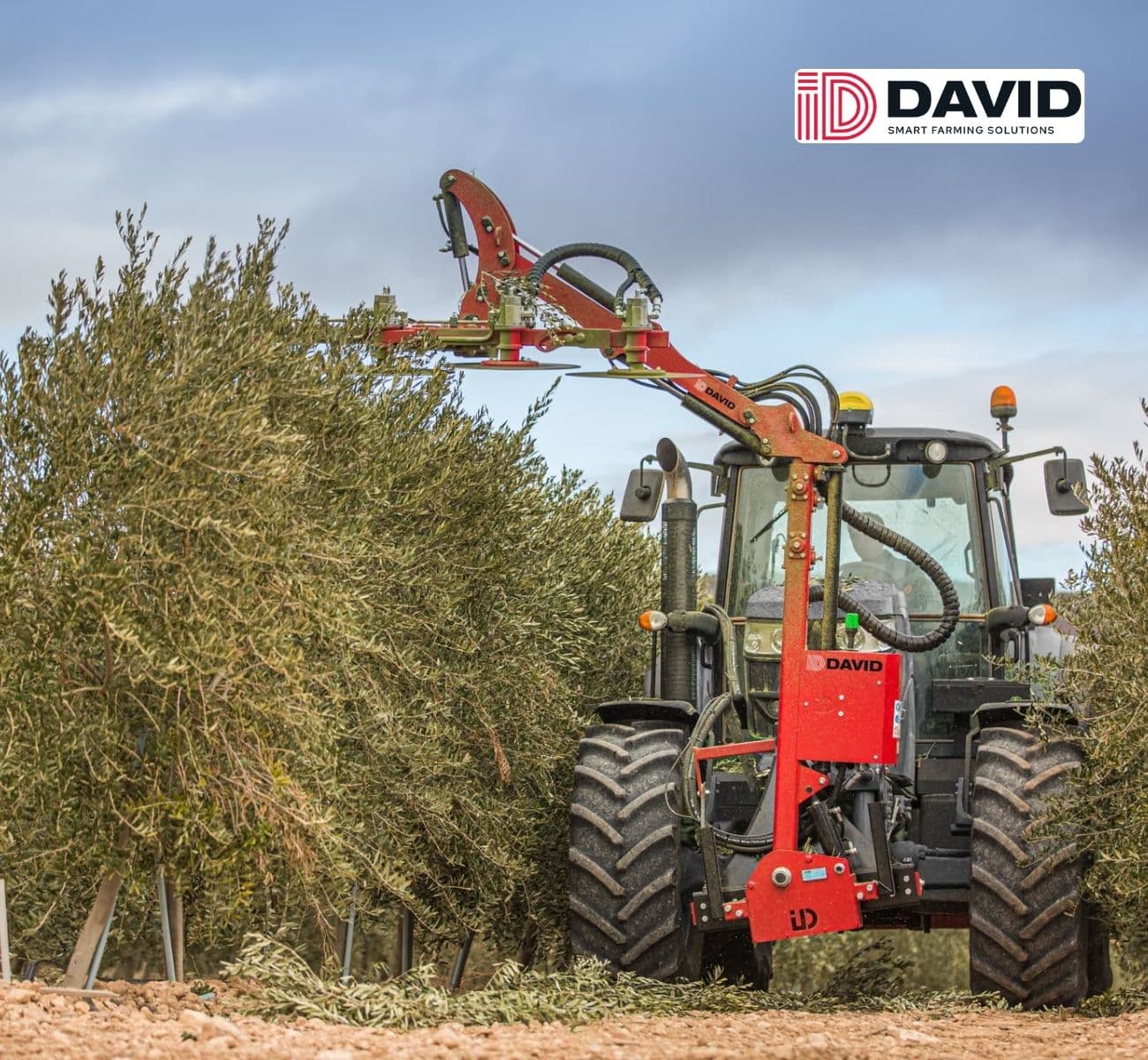
EPPO records hazelnut powdery mildew (Erysiphe corylacearum) in Türkiye since 2013, first in the Eastern Black Sea, and bacterial blight (Xanthomonas arboricola pv. corylina) since the 1970s. In single-stem orchards planted for machines, the ID DAVID ECOFEED spreads solid manure, the ID DAVID LAT&GO string mower controls weeds without herbicides, the Mañez Lozano Narrow Twister S6 sprays tall, dense canopies and the ID DAVID V1 disc pruner makes vertical and horizontal cuts.
Recommended Orchard Care & Maintenance Stages



Practical Tips for Hazelnut Orchard Care & Maintenance
From September, collect and destroy stink bugs where they gather to overwinter, as the Ministry's 2022 instruction advises.
When more than half the nuts reach 3 to 4 mm, shake ocaks over a sheet (10 in orchards up to 1 ha); the 2022 instruction calls for control above 2 adults per 10 ocaks.
Hoe the orchard soil to lower weevil numbers, taking care not to damage the roots, as the 2022 instruction advises.
Cut blight-infected shoots 60 to 100 cm below the infected part, remove them from the orchard and disinfect tools between ocaks.
Prune twice a year, as the Giresun Tombul specification describes: remove dry, dense and unproductive shoots and suckers in autumn or winter, then prune again in spring.
From May, clear weeds to lower the humidity inside the orchard against powdery mildew, as the Institute's calendar advises.

Hazelnut Harvesting in Türkiye
Harvest is generally done by hand, the Hazelnut Research Institute says: clusters are picked from the branches, more in the east than in the west of the Black Sea region, or nuts are collected from the ground. In a survey of 209 holdings in two Zonguldak districts, published in 2023, 99.04% harvested by hand. In single-stem orchards planted for machines, mechanized harvesting can bring the crop in on time, with less risk of nuts deteriorating while they wait.
The Institute calls shaking and collecting from the ground the best method, though few Black Sea orchards allow it, and asks for at least three rounds 3 to 5 days apart. In the mechanized system this guide follows, as in Oregon, the trees are not shaken: OSU explains that the thin-barked, shallow-rooted trees would be damaged. At Giresun, August and September average 89.1 and 130.4 mm of rain on 10.7 and 12.5 rainy days (MGM, 1929 to 2025).
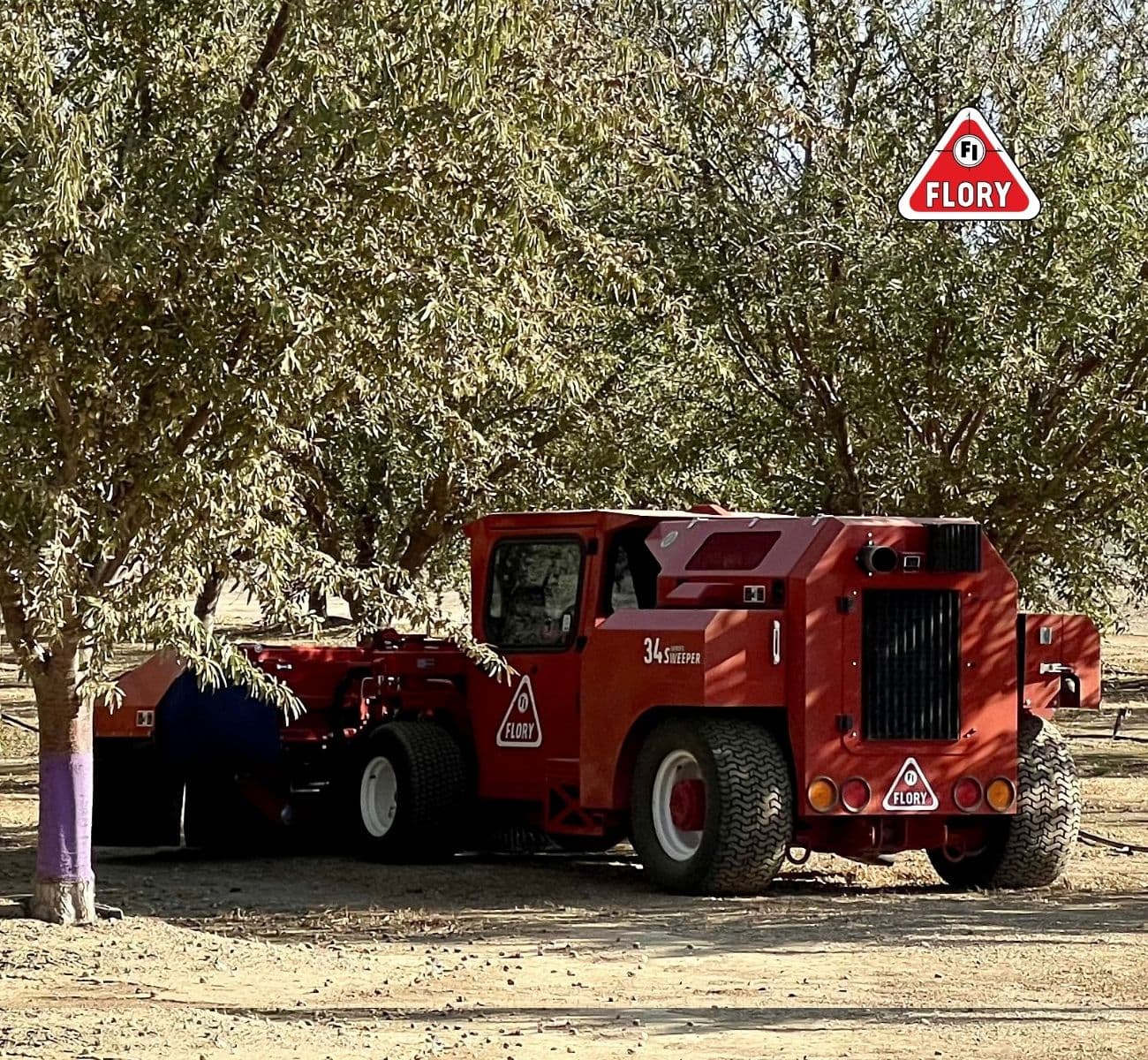
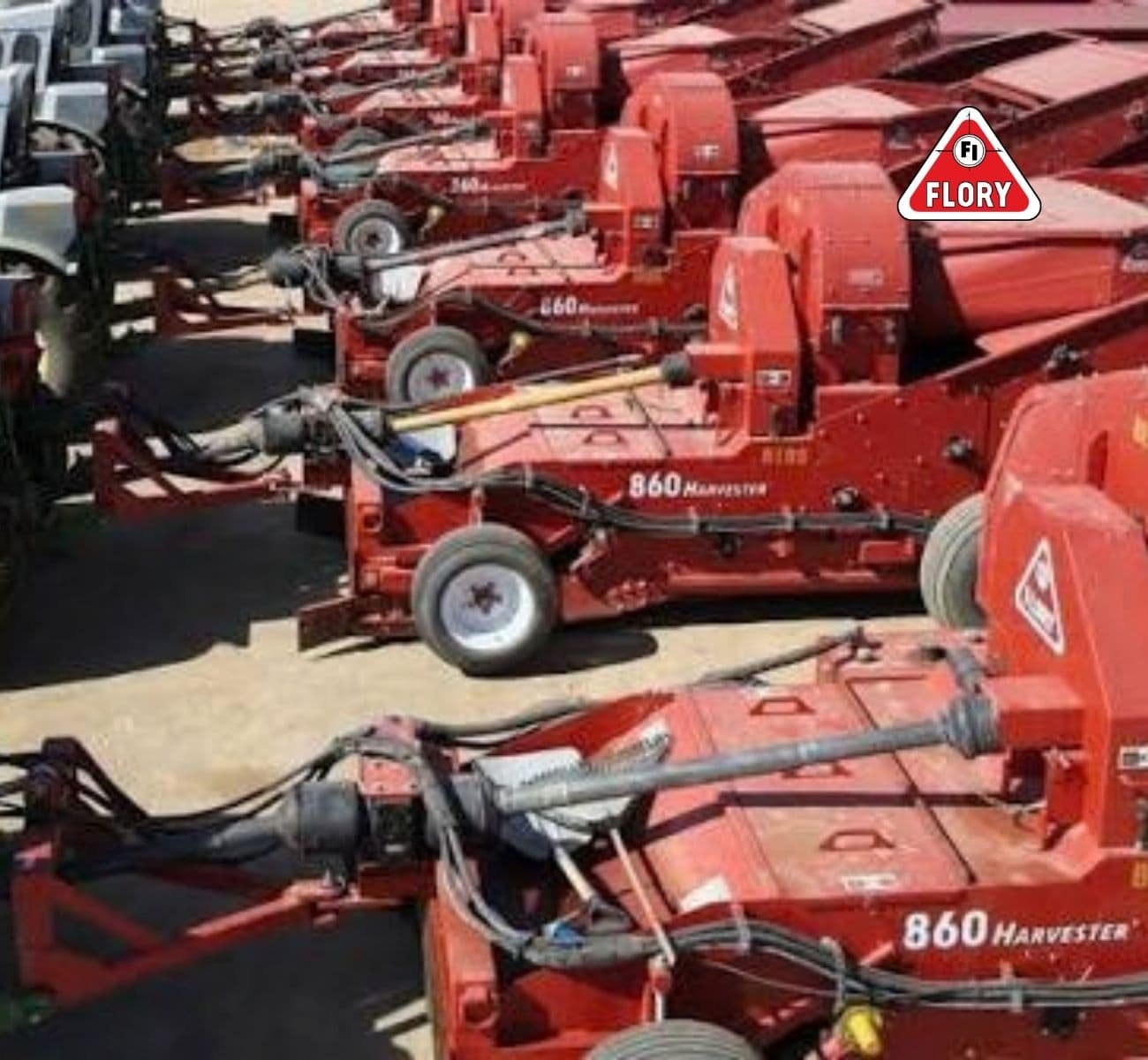
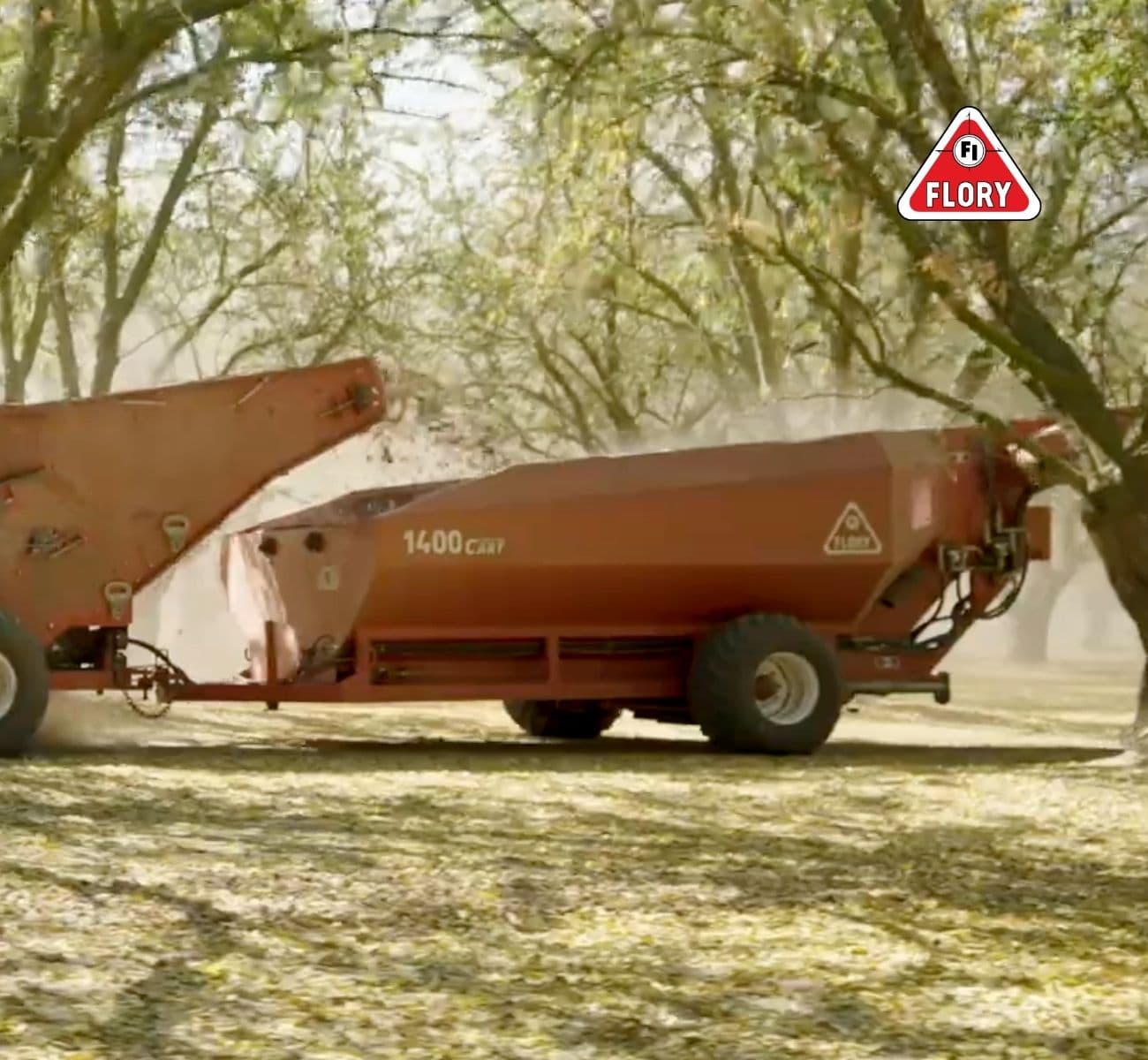
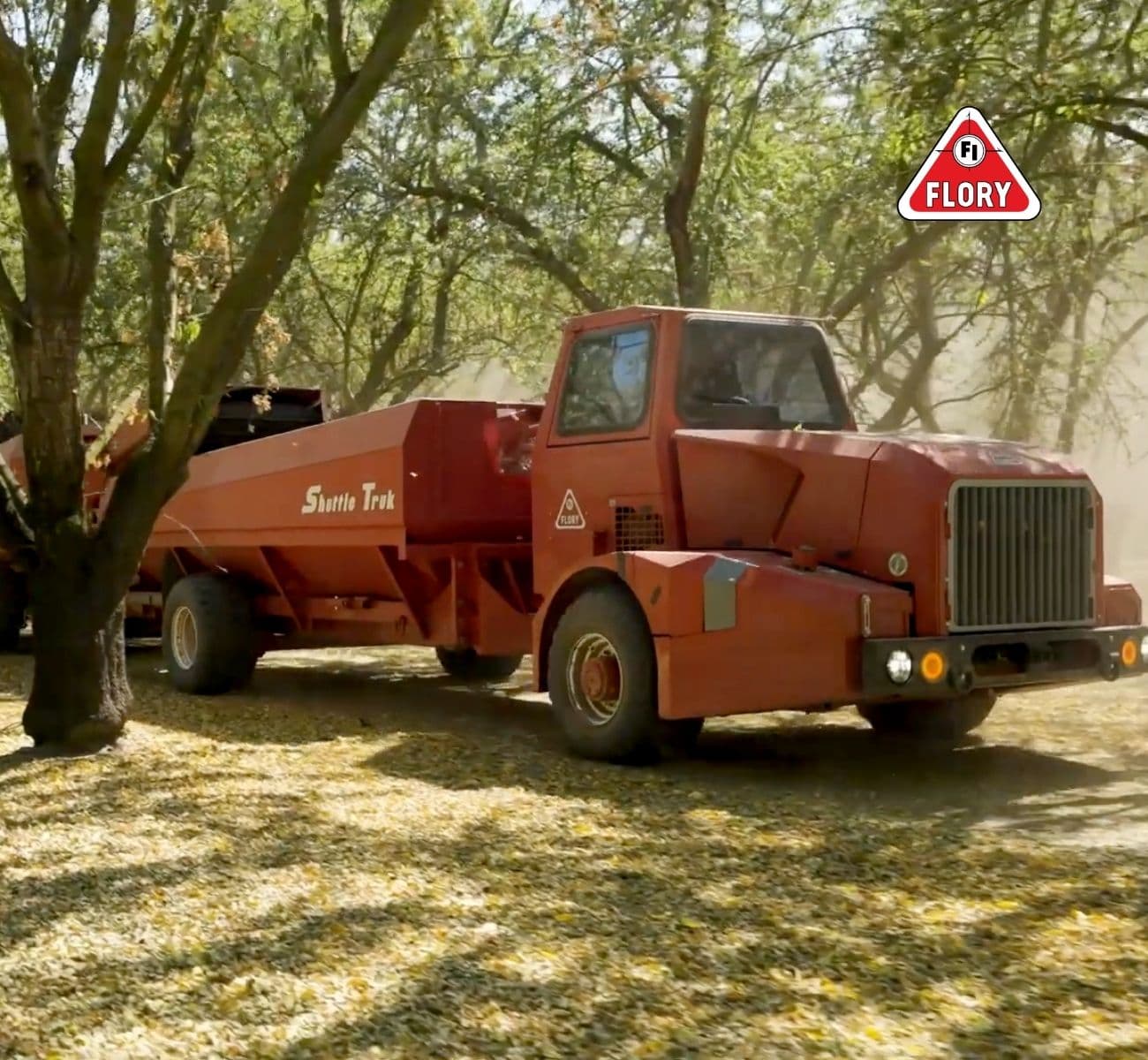
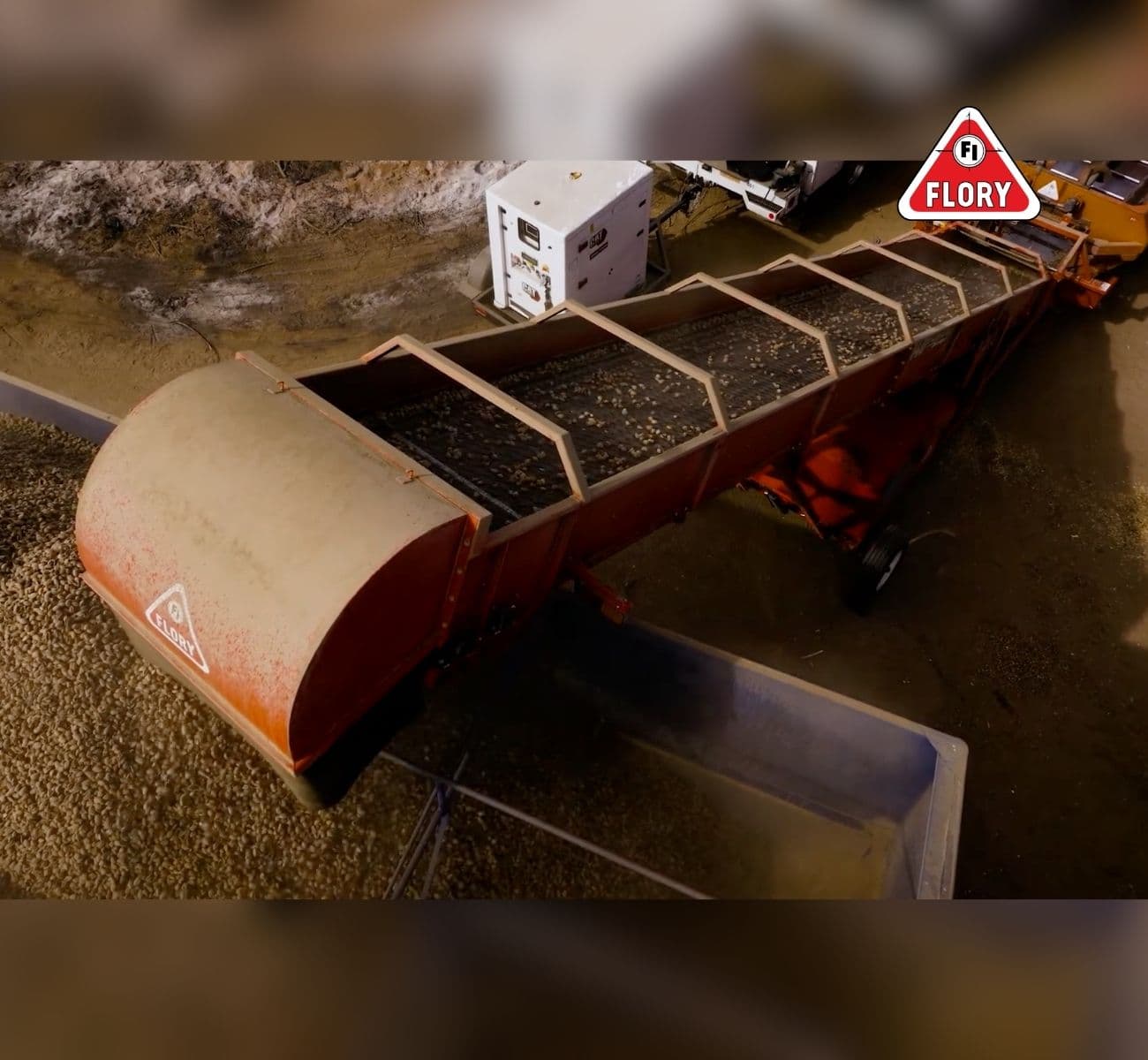
Flory harvesting machinery is available in Türkiye through OVE Europe for single-stem orchards planted for machines. The Flory 34 Series Sweeper sweeps the nuts into windrows and the 860 Harvester picks them up; the smaller 490 suits hazelnuts in OVE's experience, and Flory lists a mud brush as standard for hazelnuts on the 860. The 1500 Conveyor Cart receives the nuts, the ST14 Shuttle carries them and the 4840 Field Elevator loads trailers for the processing site.
Hazelnut Harvest Workflow (Recommended Equipment)
Practical Tips for Hazelnut Harvesting
Start when the orchard's main cultivars are ripe: the producer booklet's signs include shells 70% brown and kernel moisture down to about 30%.
Put harvested nuts only in jute sacks and take them to the drying yard the same day, as the Institute advises; nuts kept for days in nylon sacks heat up and spoil.
Clear weeds from early July: the Institute's calendar says this lowers the risk that falling nuts are contaminated and limits disease.
Level, smooth and flail-mow the orchard floor before nut drop, as OSU describes, so the sweeper can work right up to the trunks.
Sweep only fast enough to keep ahead of the pickup machine, as British Columbia's guide advises, and clean harvesters between orchards.
Check tractor power before choosing a harvester: Flory gives 85 HP as the minimum for the 860, and for the 490 in hazelnuts.
Get your recommended harvest setup
Enter orchard size, spacing, terrain, and target throughput—we’ll suggest a practical harvest workflow and equipment lineup.

Hazelnut Post-Harvest Handling & Processing in Türkiye
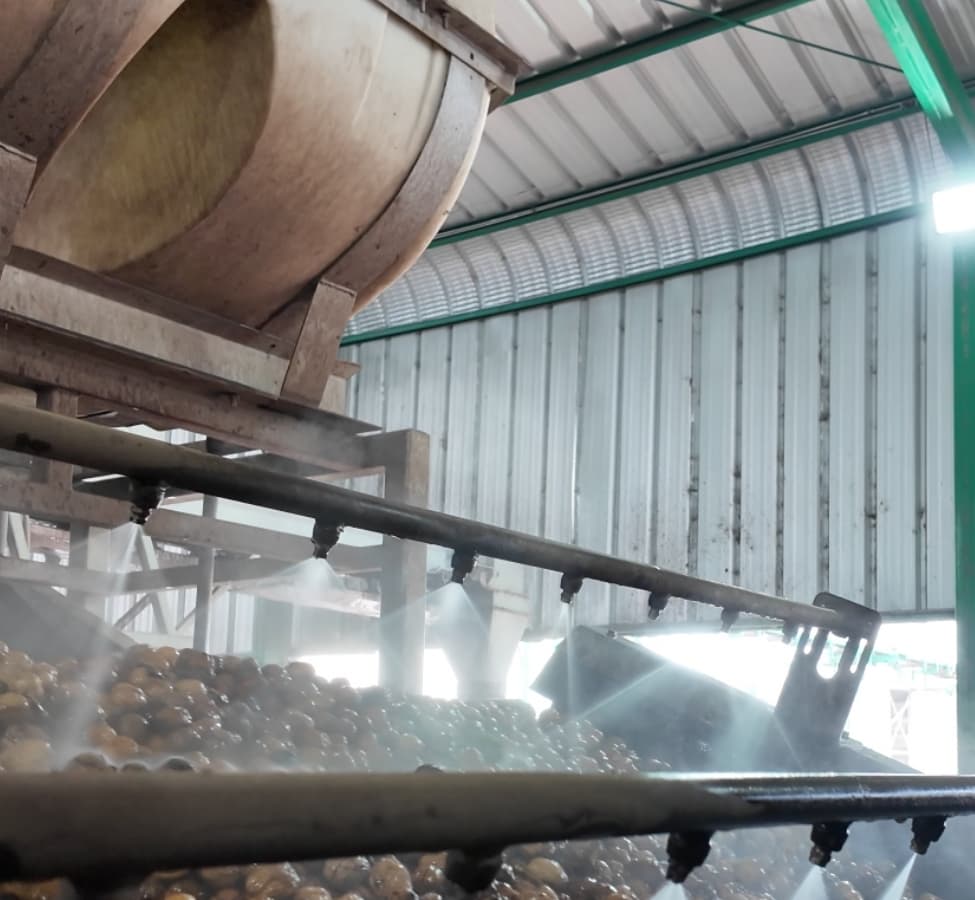
On farms, husk-on nuts are spread 10 to 15 cm deep on a drying yard and turned daily for 3 to 5 days in sunny weather; a thresher (patoz) then separates the husks and the nuts dry further in a 2 to 4 cm layer, to at most 12% moisture for in-shell nuts and 6% for kernels, the producer booklet says. In a 2015 trial in Ordu, nuts took 76 to 85 hours to dry on concrete in the sun, against 25 to 30 hours in a dryer at 45 °C.
The Hazelnut Research Institute's undated summaries of the national standards give TS 3074 for dry in-shell hazelnuts: at most 12% moisture for the whole nut and 7% for its kernel, with Extra from 16 mm and Class I from 14 mm; TS 3075 allows natural kernels at most 6%. Turkish hazelnuts have not been under increased EU import checks for aflatoxins since an entry was deleted from Regulation (EU) 2019/1793 at the start of 2022.
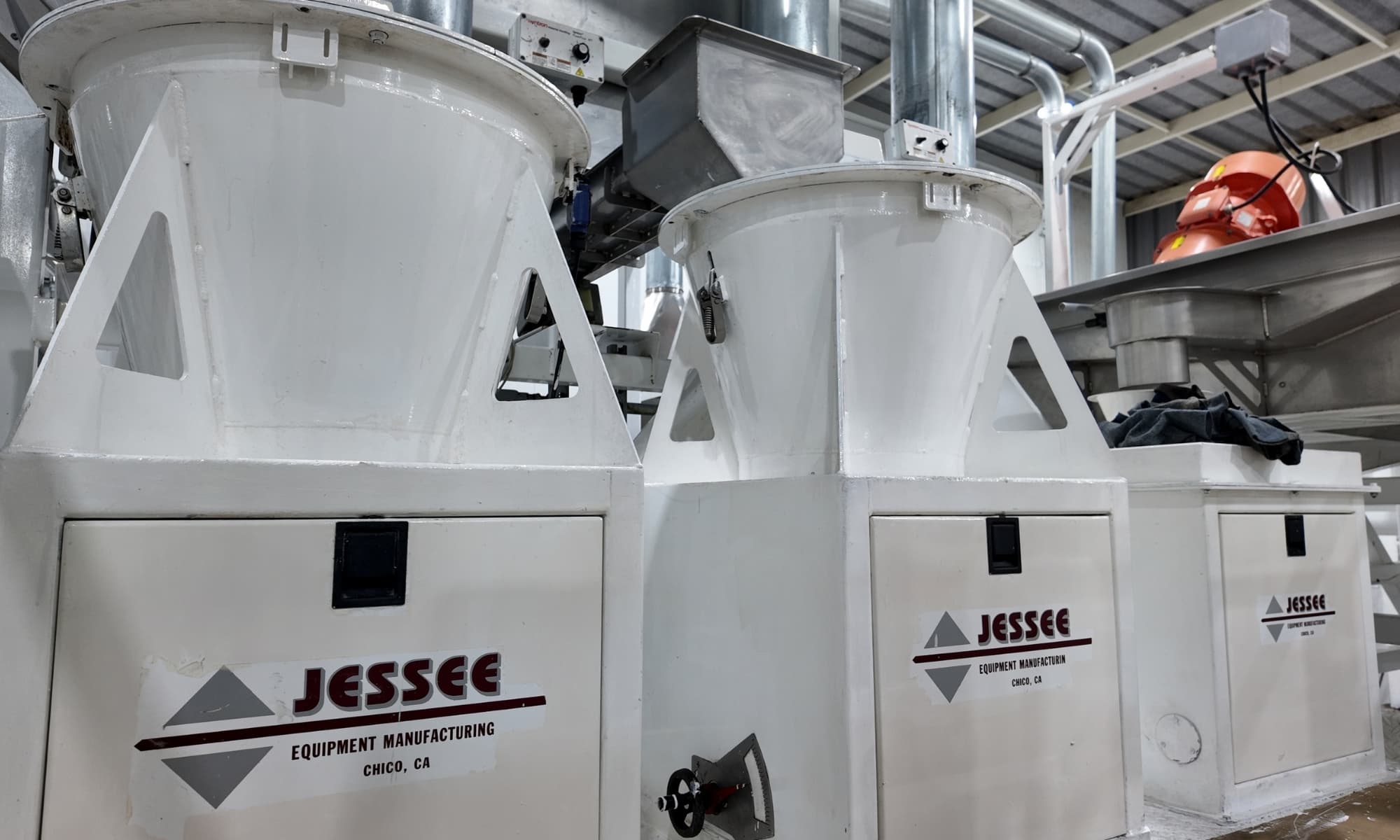
For hazelnuts sold in the EU, Regulation (EU) 2023/915 sets 5.0 µg/kg of aflatoxin B1 and 10.0 µg/kg in total for nuts for the final consumer or used as an ingredient, and 8.0 and 15.0 µg/kg for nuts to be sorted first. Jessee, whose processing lines OVE Europe supplies, builds drying, in-shell cleaning and sizing, and shelling systems, and it established product lines for hazelnuts in the 1980s.
For general information only. Information may become outdated and does not replace site-specific professional advice. Consult a qualified agronomist and confirm equipment suitability with OVE before acting.
Practical Tips for Hazelnut Post-Harvest Handling & Processing
Never leave husk-on nuts in heaps: spread them 10 to 15 cm deep and turn them daily, as the producer booklet advises.
Dry nuts mechanically where possible, or quickly on concrete, as the Institute advises; the 2022 instruction calls post-harvest steps the most critical for aflatoxin.
Keep drying air at or below 45 °C: a 2018 study from Ordu advised drying quickly without exceeding 45 °C, to avoid oil peroxidation.
Size nuts into 10 to 20 grades before cracking: the Institute notes that sizing in 0.5 mm steps keeps cracking damage to a minimum.
Store dried nuts in a cool, dry, ventilated place: the producer booklet says they keep their properties there for at most a year.
Test lots for aflatoxins: in the EU, hazelnuts for the final consumer or used as an ingredient must not exceed 5.0 µg/kg of B1 and 10.0 µg/kg in total.
Recommended Post-Harvest Handling & Processing Stages







Plan your post-harvest line
Estimate tons/day, cleaning & drying capacity, storage needs, and cost/kg—then build your equipment plan in phases.