

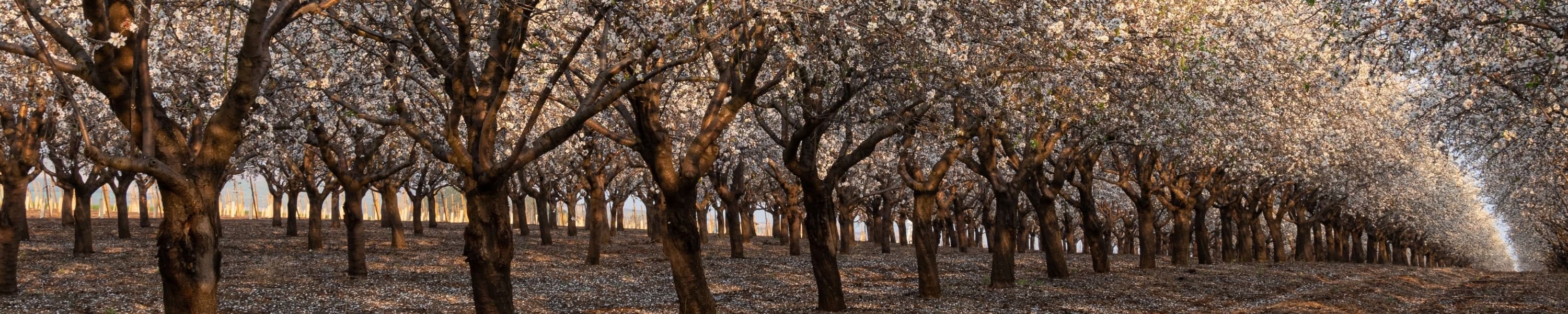




Almond Orchard Establishment in Ukraine
Choose cultivars by bloom date. The owner of a nursery in Kirovohrad oblast told a trade site that older cultivars he grew earlier reached full bloom at the end of March, when frosts usually return; in Kirovohrad oblast, self-fertile Spanish cultivars grafted on GF-677 start to bloom on 15 to 25 April and finish on 2 to 7 May. Ukraine's variety register lists 15 almond cultivar names, among them the Spanish Makako and Penta (2023) and the Ukrainian-bred Balabanivskyi, Flamingo and Lider (2024); no bloom dates were found for these three.
Frost and winter cold set the site rules. In the frost of 27 and 28 April 2025, temperatures in lowland orchards often fell to -5 to -6 °C, a trade news site reported (almonds were not mentioned); the Kirovohrad nursery owner said a May frost down to -5 °C did not affect his almonds. Trees in Kyiv almond trials of the 1950s to 1970s withstood -25 °C, a 2016 paper notes, though the collection was later culled for low profitability; a 2025 dissertation record cites low winter hardiness in most foreign cultivars.
Plantings are young: trees at the Kirovohrad nursery fruited in their third year, with the first harvest in September 2025, and a trial orchard planted near Kyiv in 2026 by the Institute of Horticulture uses 5 × 3 m spacing and an improved vase canopy. A Ukrainian trade article advises setting row spacing and planting pattern for machines from the start; plan rows, headlands and trunk height for shakers and catching frames before planting.
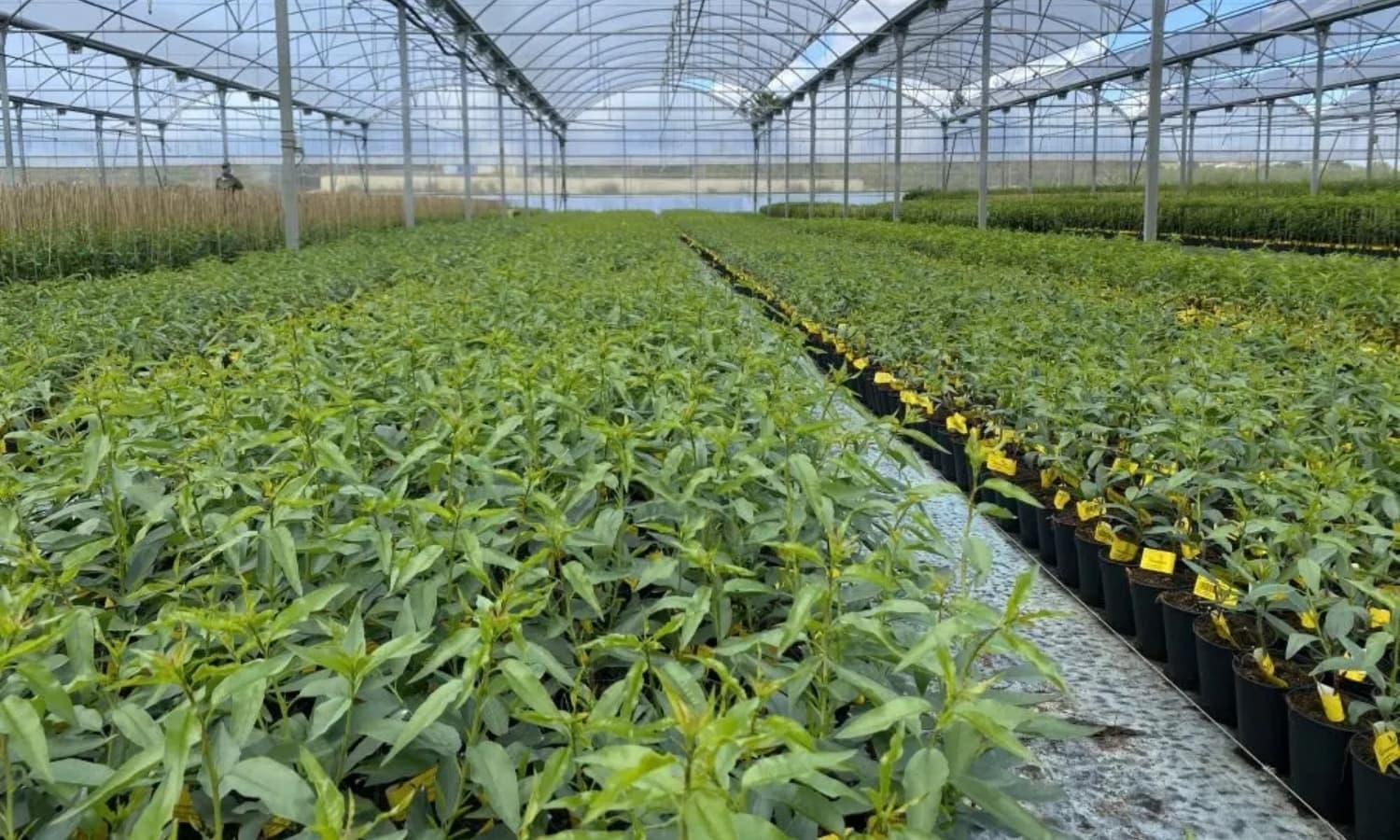

Practical Tips for Almond Orchard Establishment
Favor late-blooming cultivars: a Kirovohrad nursery owner said older cultivars he grew earlier reached full bloom at the end of March, when frosts usually return.
Avoid frost pockets: in the April 2025 frost, temperatures in lowland orchards often fell to -5 to -6 °C, a trade news site reported.
Check winter hardiness before buying trees: a 2025 dissertation record cites low winter hardiness in most foreign almond cultivars.
Choose the rootstock with the soil in mind, as a Ukrainian trade article advises; the Kirovohrad nursery grows its Spanish cultivars on GF-677.
Plan irrigation before planting: a Ukrainian trade article advises irrigated orchards to limit weather risks, though almonds are also grown rain-fed.
Plan rows on level ground, headlands and trunk height for shakers and catching frames before planting, and check machine needs with OVE Europe.
Recommended Establishment Stages
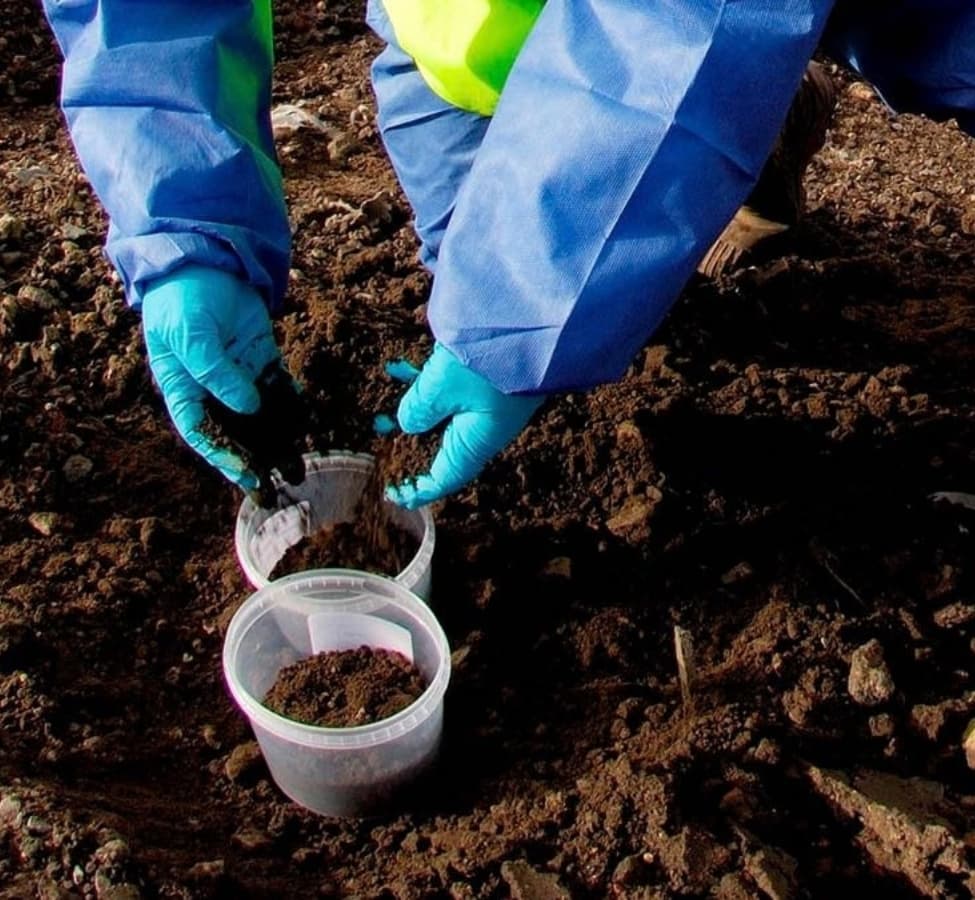

Almond Orchard Care & Maintenance in Ukraine
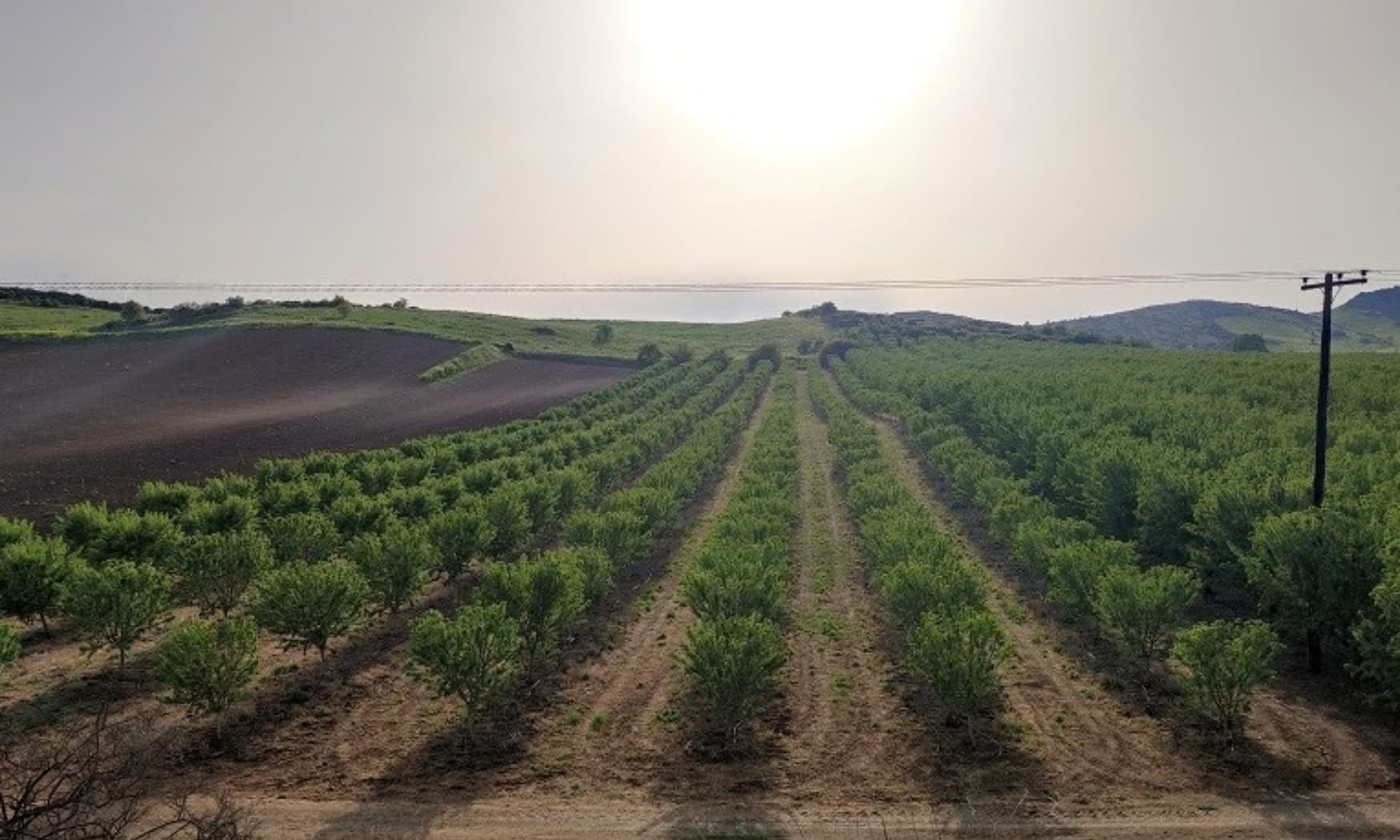
No Ukrainian technical guidance on almond irrigation or nutrition was found. A grower in Odesa oblast says almonds need no compulsory irrigation, while a Ukrainian trade article advises irrigated orchards to limit weather risks. Odesa averages 40 mm of rain on 5.3 rain days in August (1991 to 2020), and soil drought was reported in southern Odesa oblast in May 2022 and in southern and most central oblasts in September 2025.
No Ukrainian almond plant-protection guidance was found. EPPO lists bacterial spot (Xanthomonas arboricola pv. pruni) as present in Ukraine and the peach twig borer as present with a restricted distribution; it does not list the almond seed wasp there, which does not prove it absent. University of California guidance says rainy weather during bloom favors brown rot blossom blight.
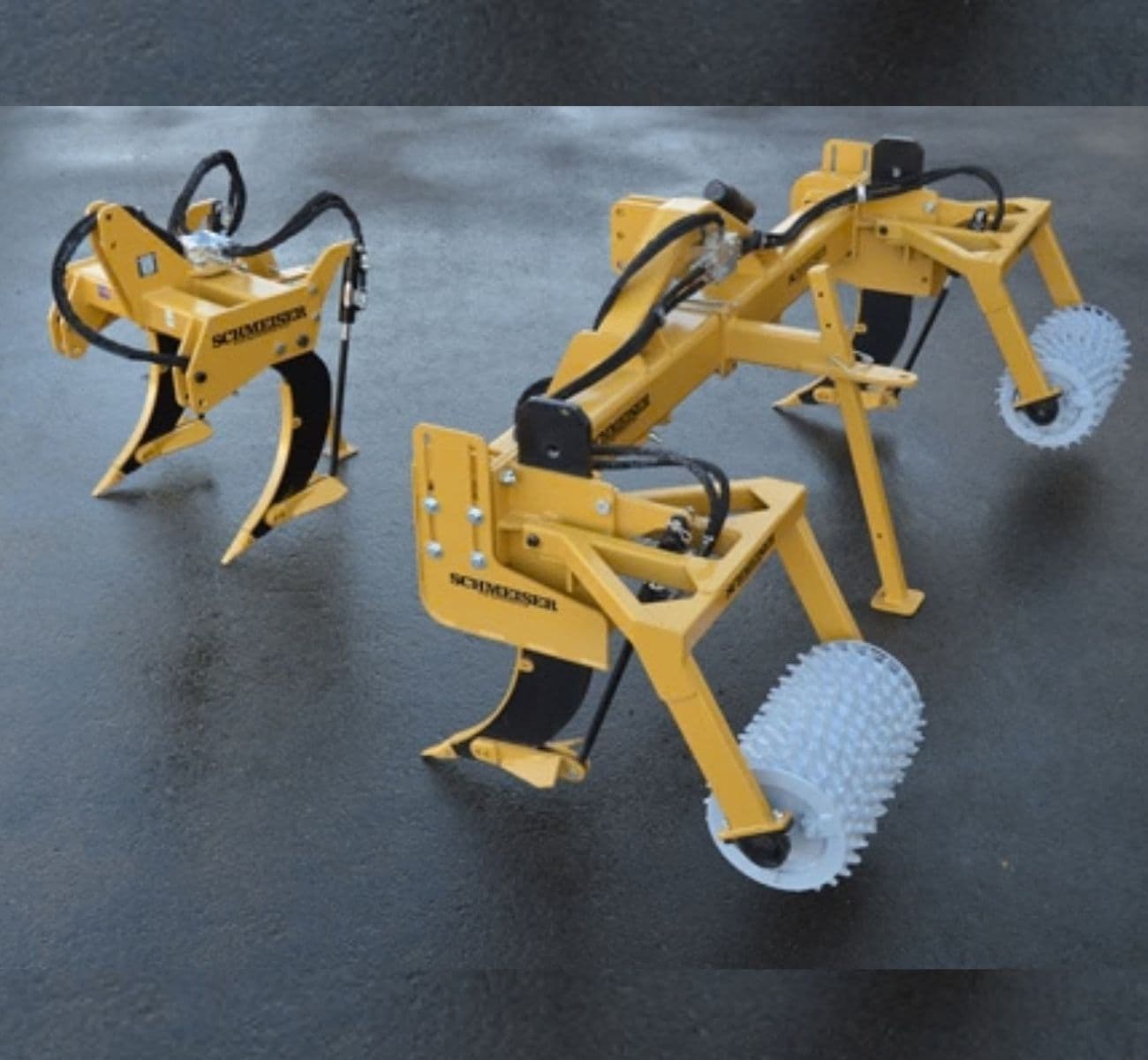
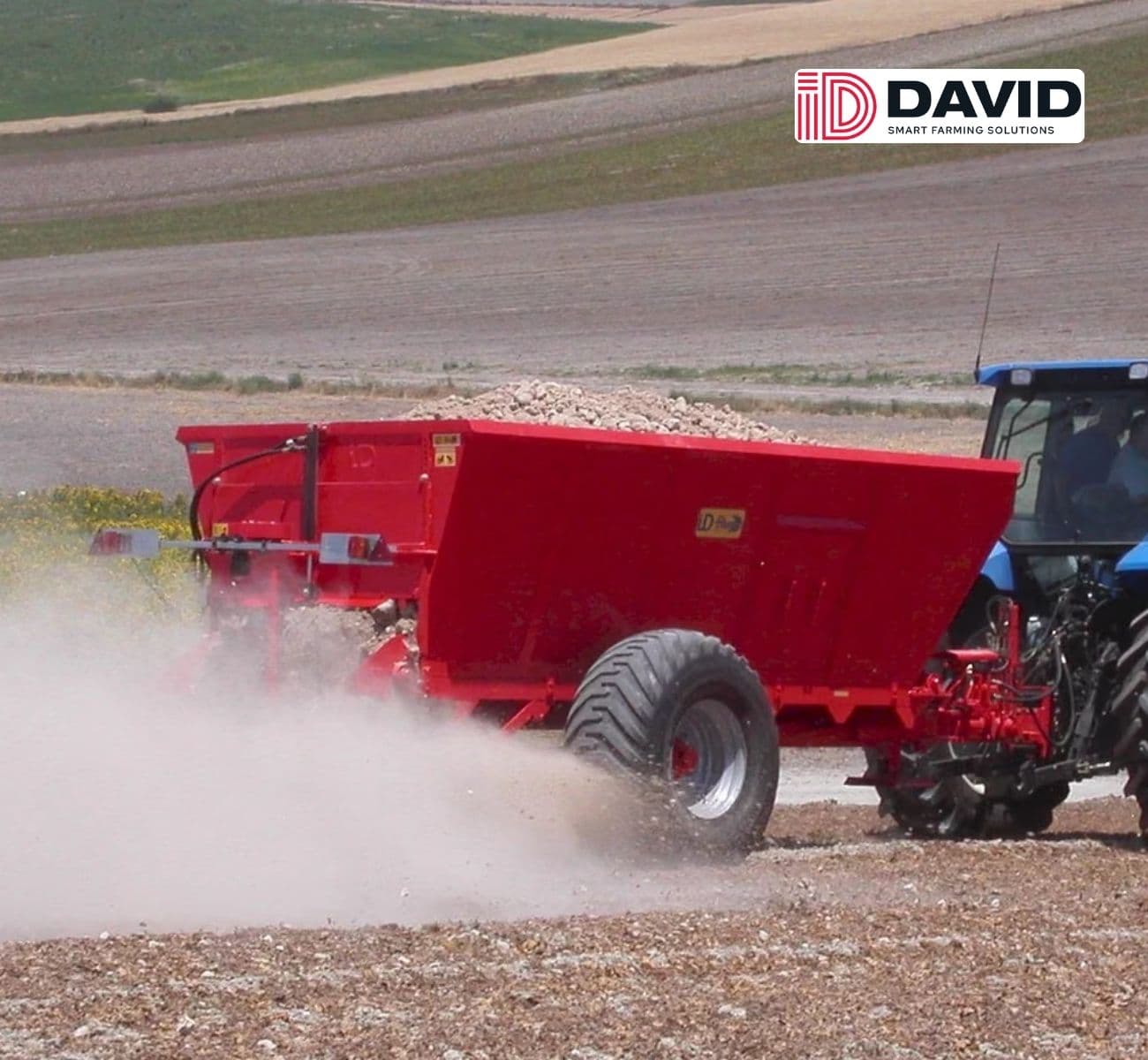
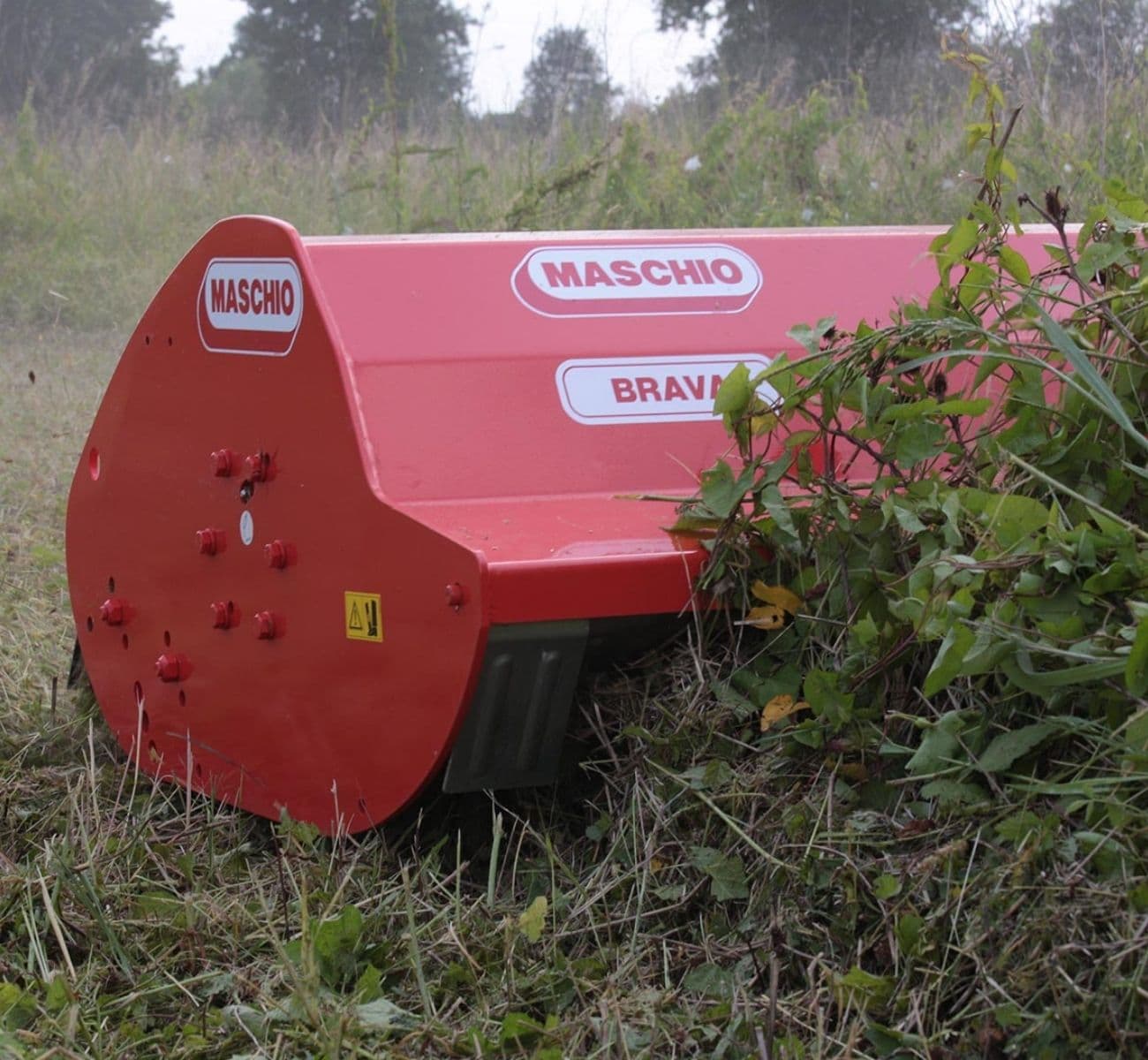
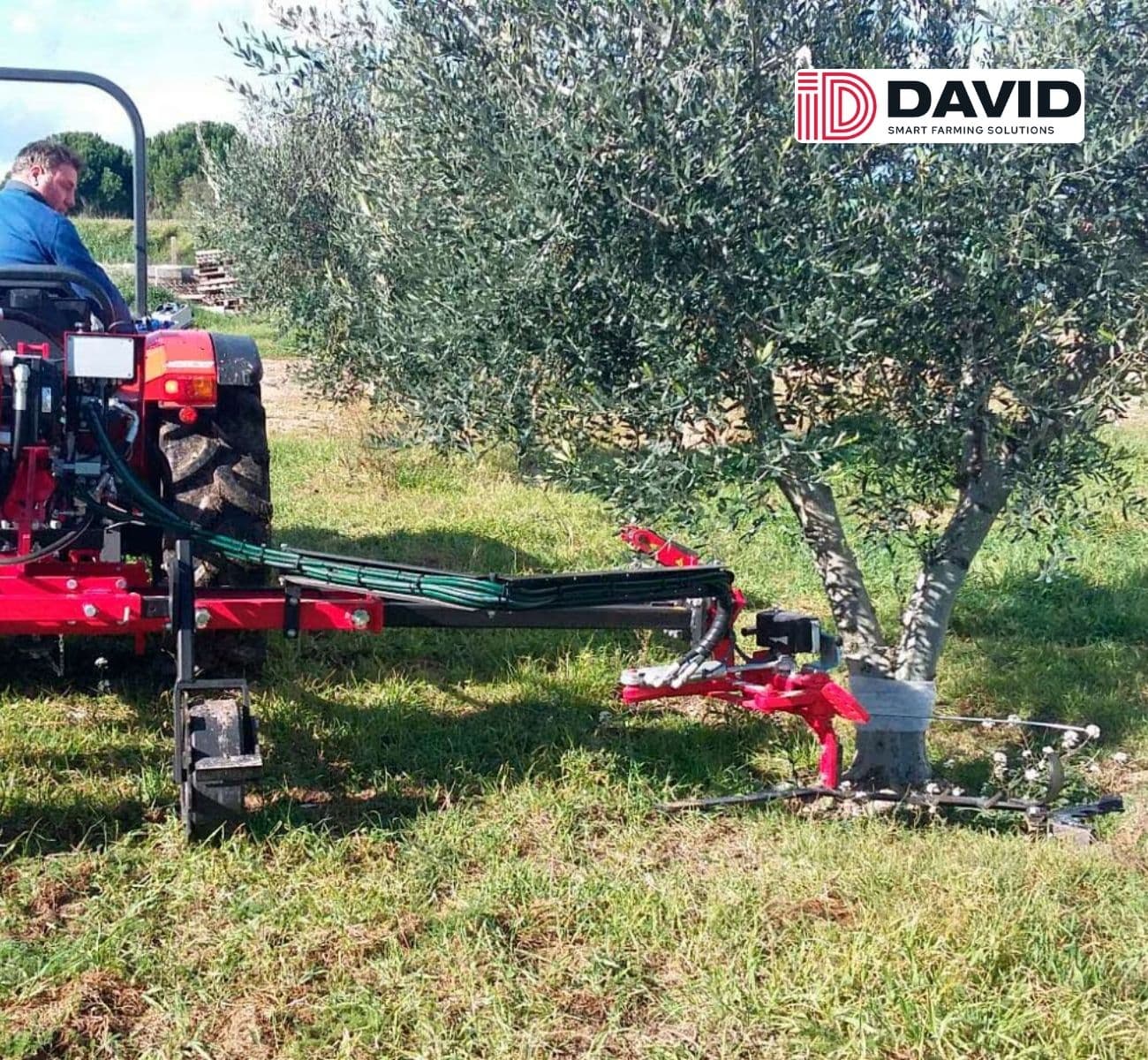
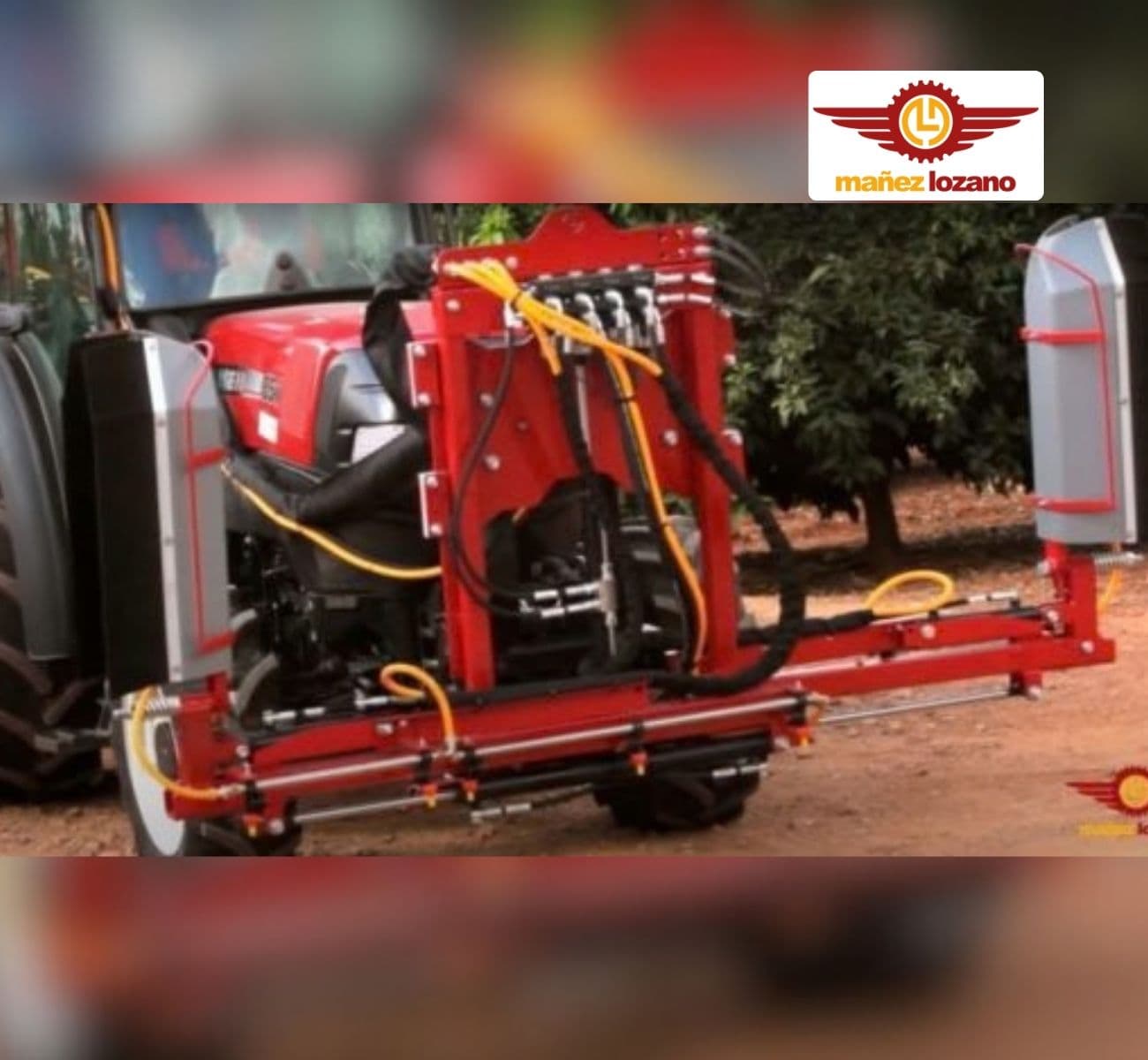
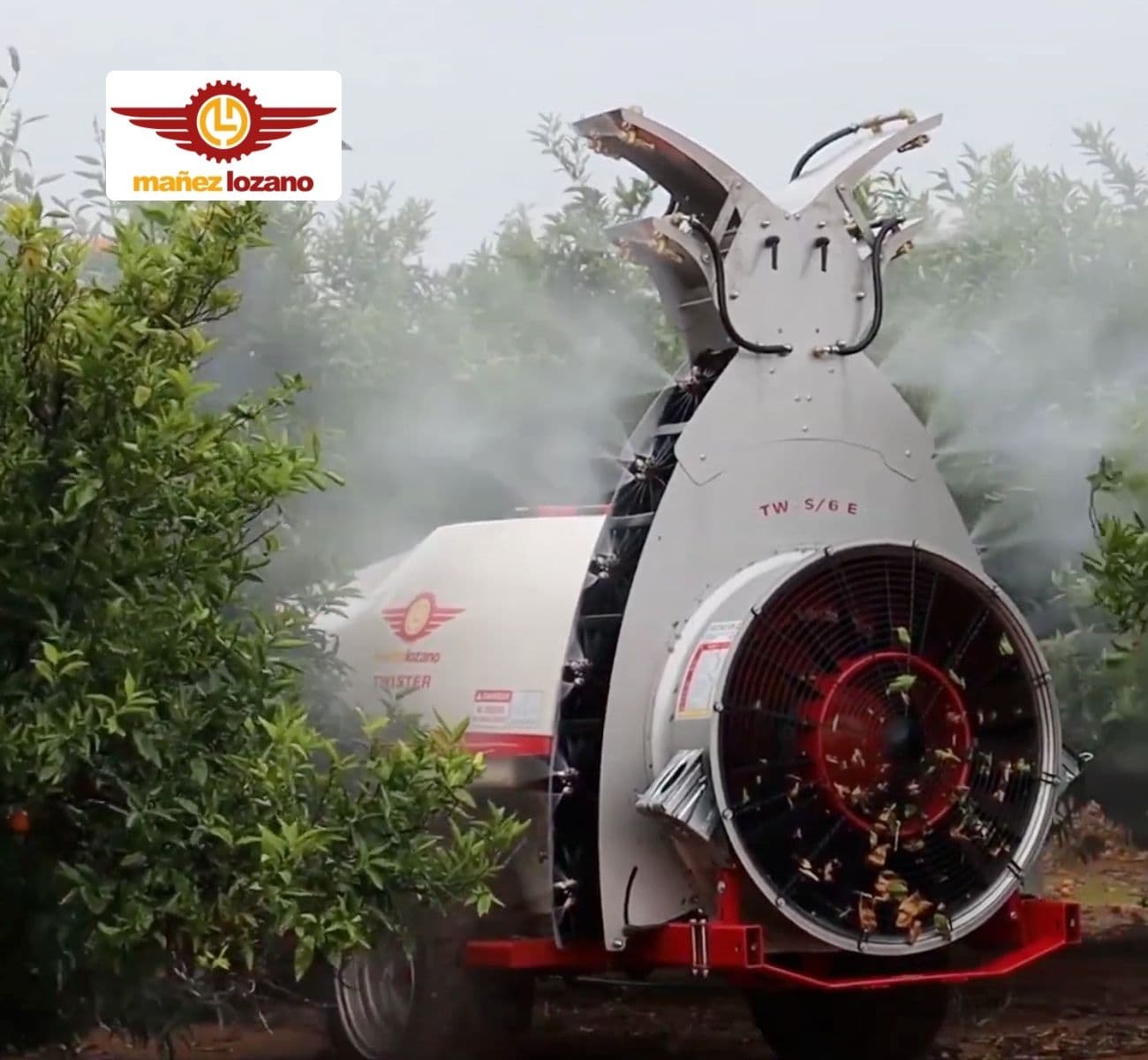
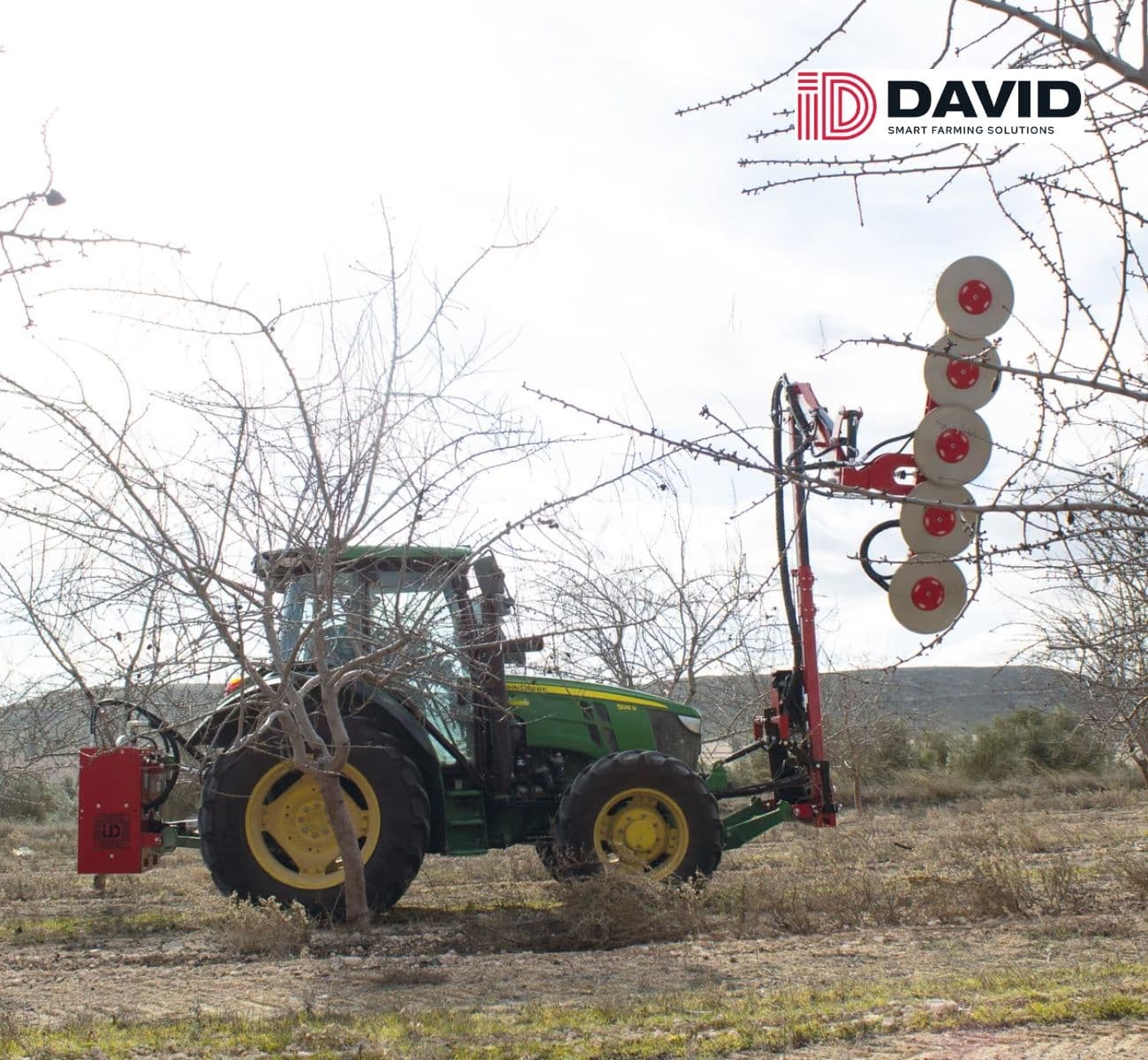
No Ukrainian pruning guidance for almond was found beyond the improved vase canopy of the trial orchard near Kyiv. University of California guidance says that reducing irrigation at the onset of hull split greatly lowers the incidence of hull rot. For care work, the ID DAVID SURFEED spreads solid manure, the ID-XL weeds the tree row, the Mañez Lozano Mega Twister S6 sprays tall, dense canopies and the ID DAVID ID-REX disc pruner makes lateral and topping cuts.
Recommended Orchard Care & Maintenance Stages
Practical Tips for Almond Orchard Care & Maintenance
Plan water for dry spells: soil drought lasted to the end of September 2025 in southern and most central oblasts (hydrometeorological center, via news).
Watch flowers closely in wet weather: University of California guidance links brown rot blossom blight to rain during bloom.
Limit hull rot by reducing irrigation at the onset of hull split and avoiding standing water, as University of California guidance advises.
Keep records of frost, pests and diseases on young trees, as no Ukrainian guidance on almond pests or diseases was found.
Keep the tree row weed-free with an in-row weeder such as the ID DAVID ID-XL, and keep the orchard floor level for harvest.
Spray tall, dense canopies evenly with a trailed airblast sprayer such as the Mañez Lozano Mega Twister S6.

Almond Harvesting in Ukraine
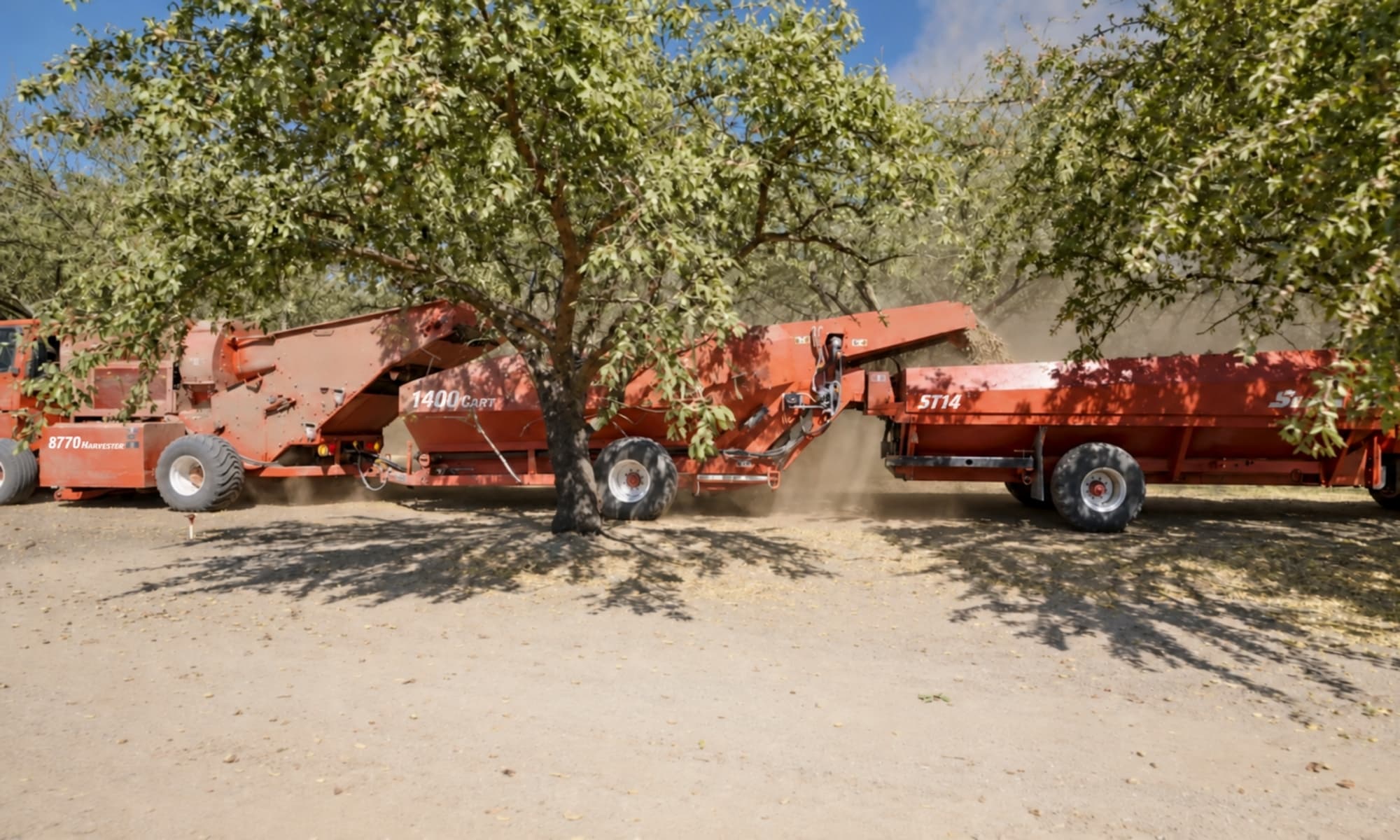
Ukrainian sources place the almond harvest in August and September: the Kirovohrad nursery picked its first crop of Spanish cultivars in September 2025, and a 2016 paper gives the same ripening months. No Ukrainian source found describes how growers harvest or dry almonds. In orchards planted for machines on suitable ground, mechanized harvesting can bring the crop in on time, with less risk of nuts deteriorating while they wait.
No reliably hot, dry harvest season can be shown: in September Odesa averages 42 mm of rain on 6.1 rain days and Kyiv 52 mm on 9.0, with mean maxima of 21.8 and 20.0 °C (1991 to 2020), and October brings more rain days. The Codex code prefers catching frames or sheets, and University of California guidance links ant damage to time on the ground, so this guide shows prompt pickup, with hulling and drying at once, beside catching frames.
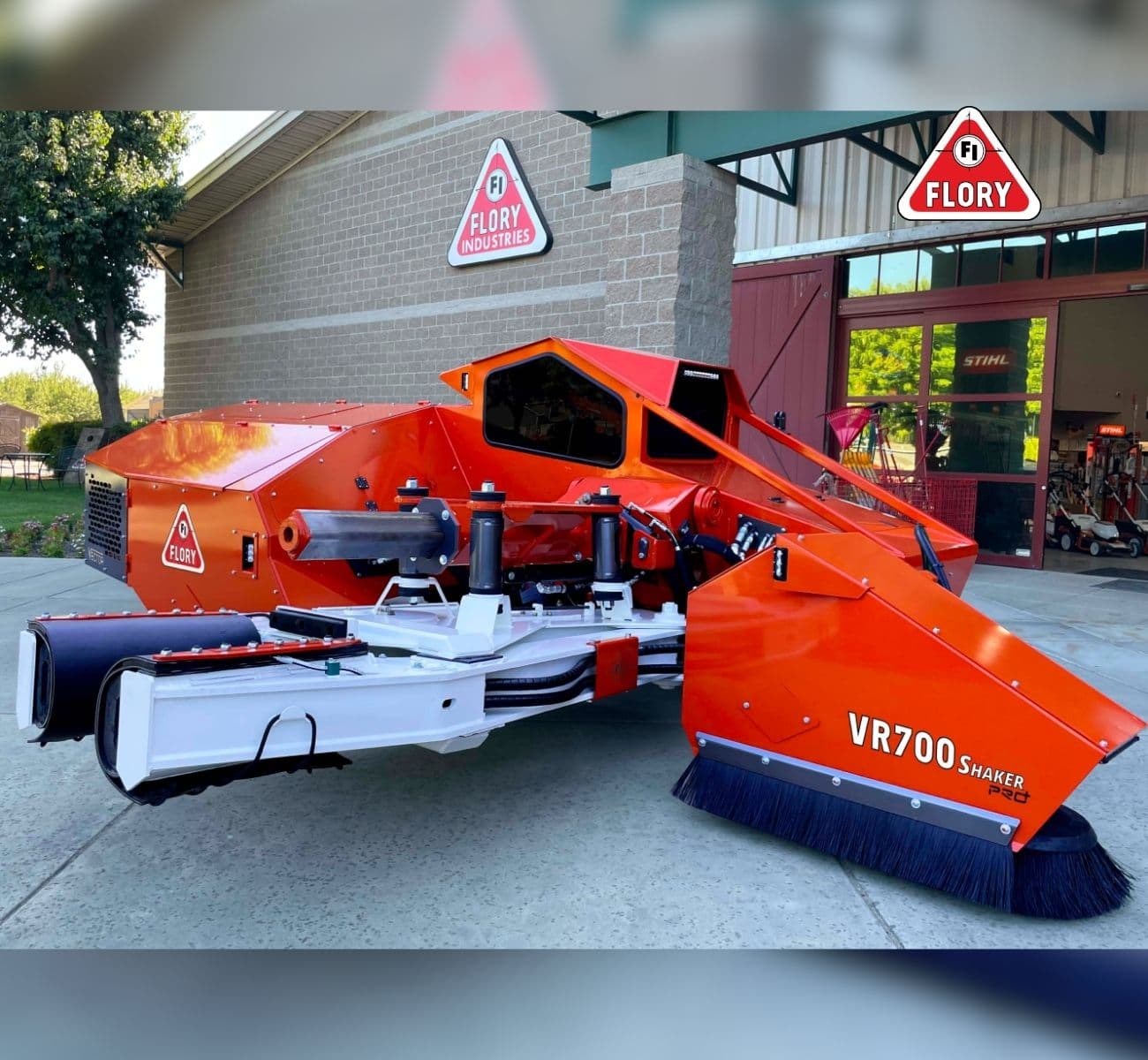
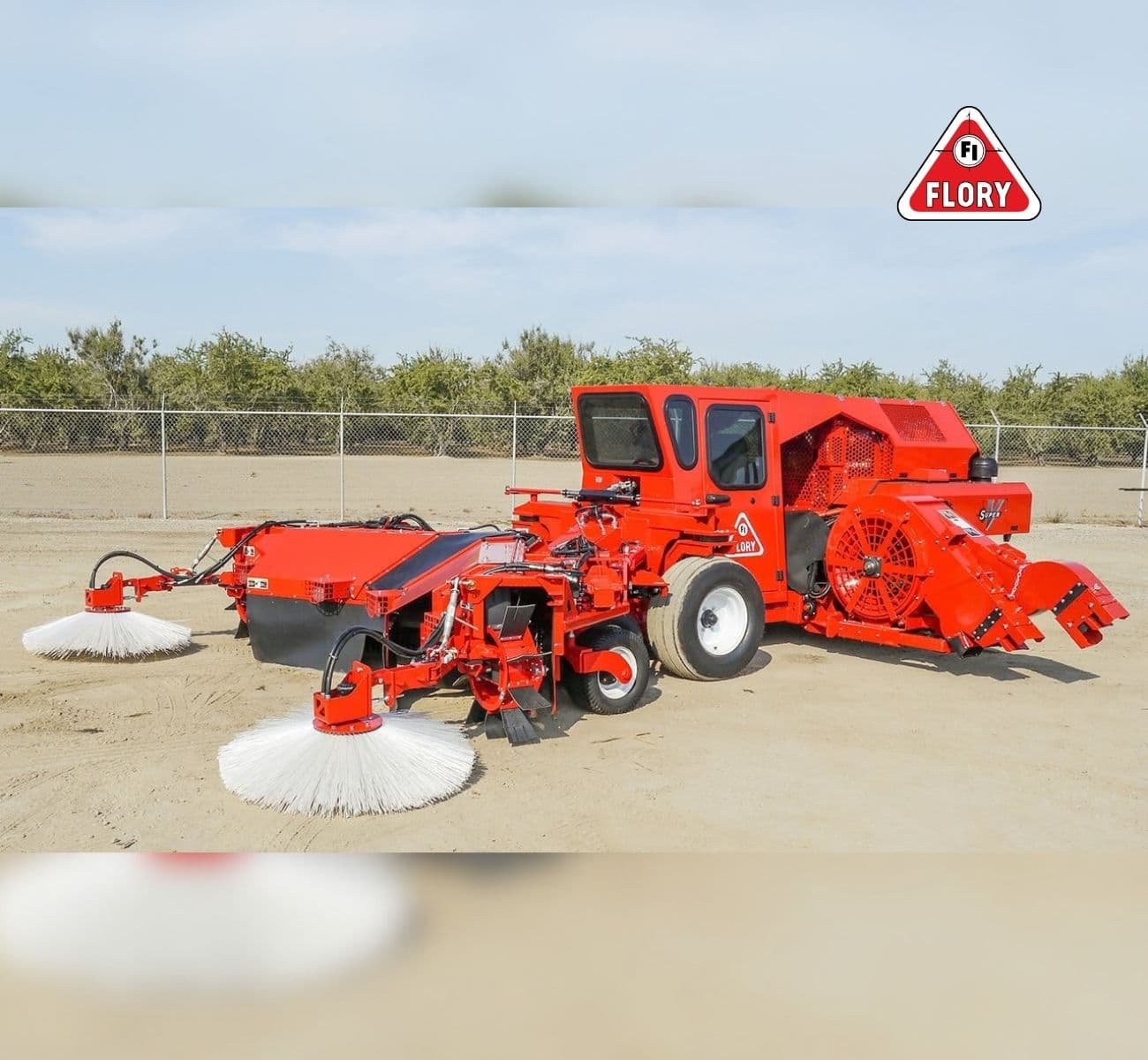
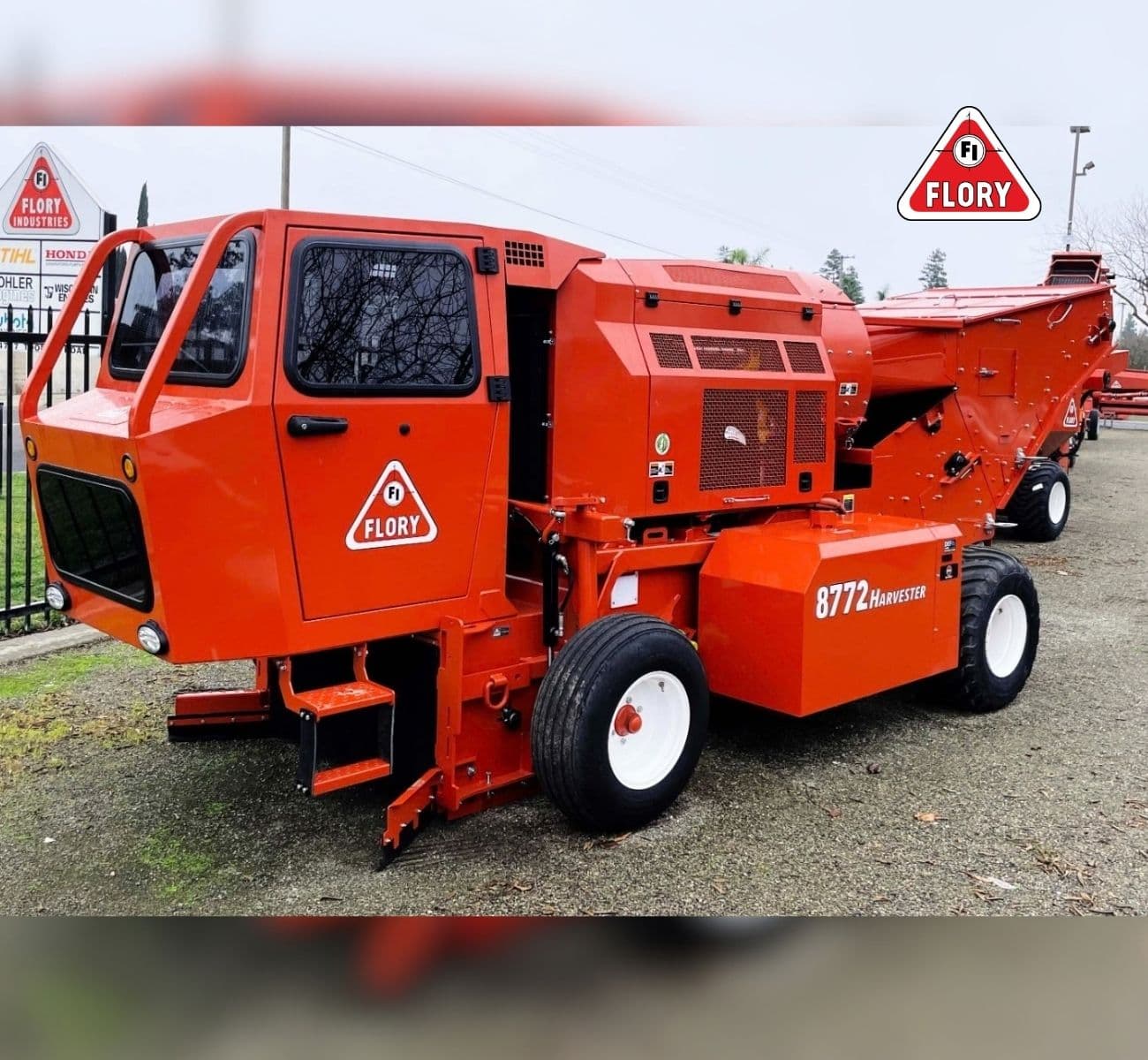
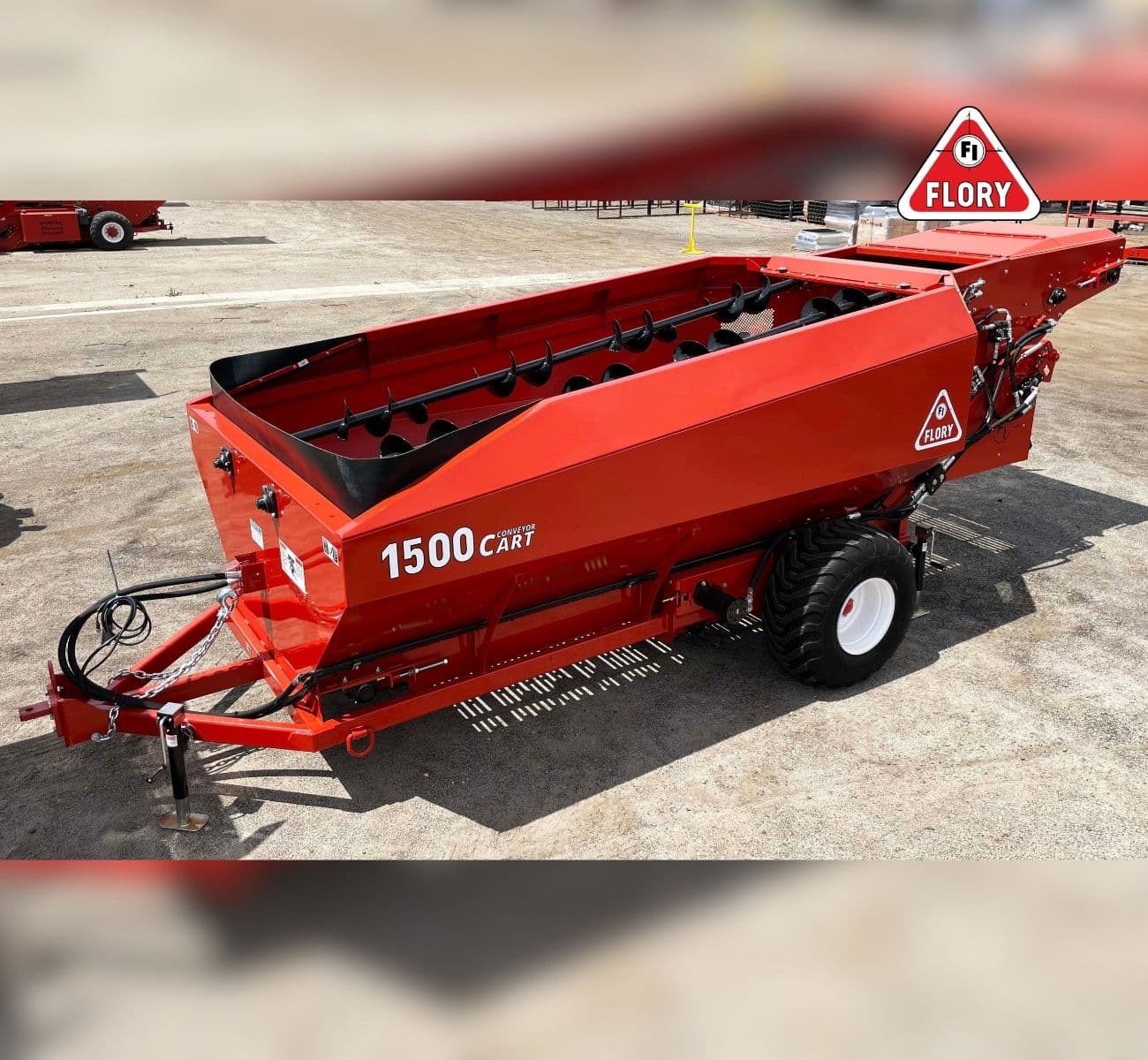
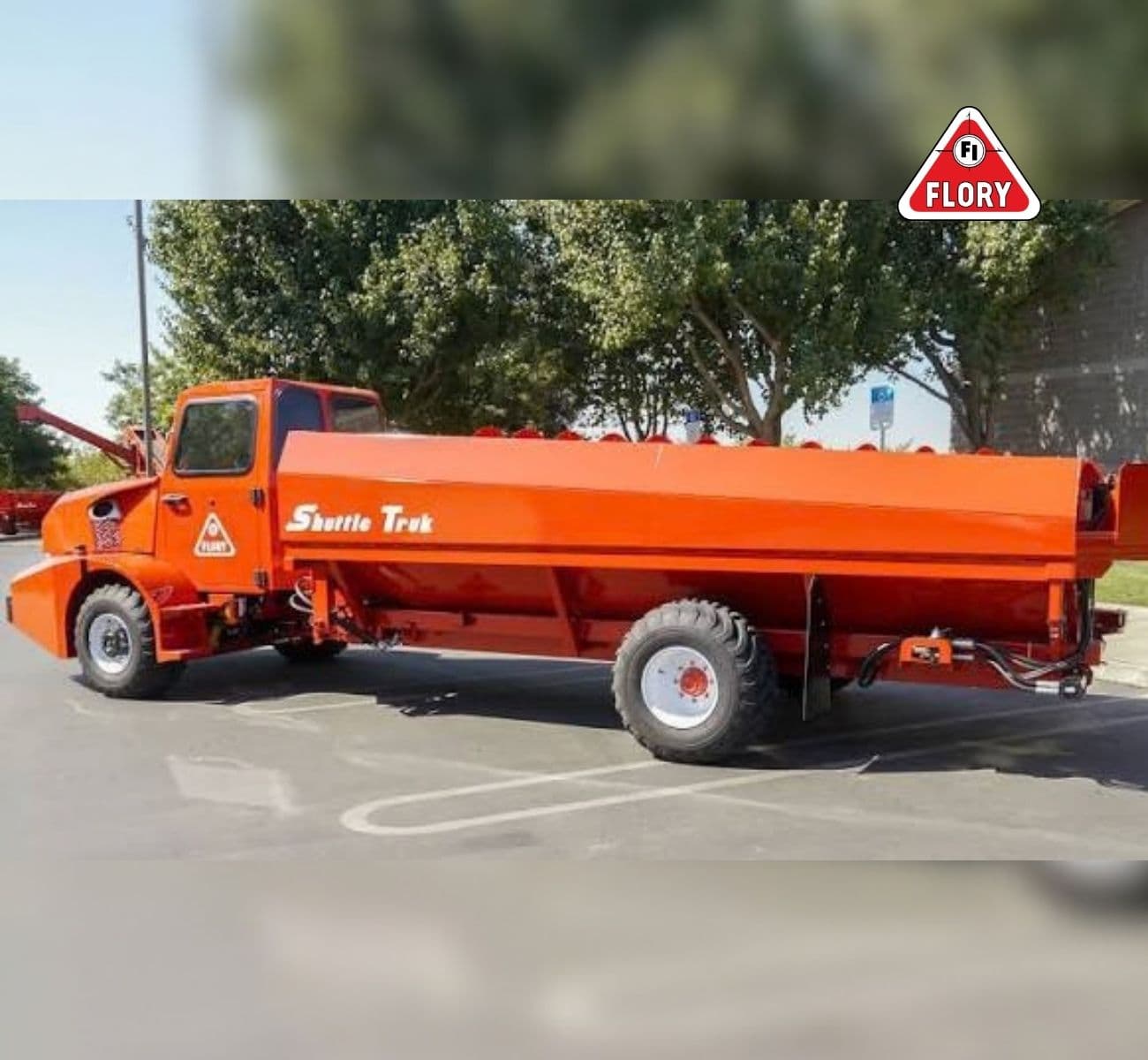
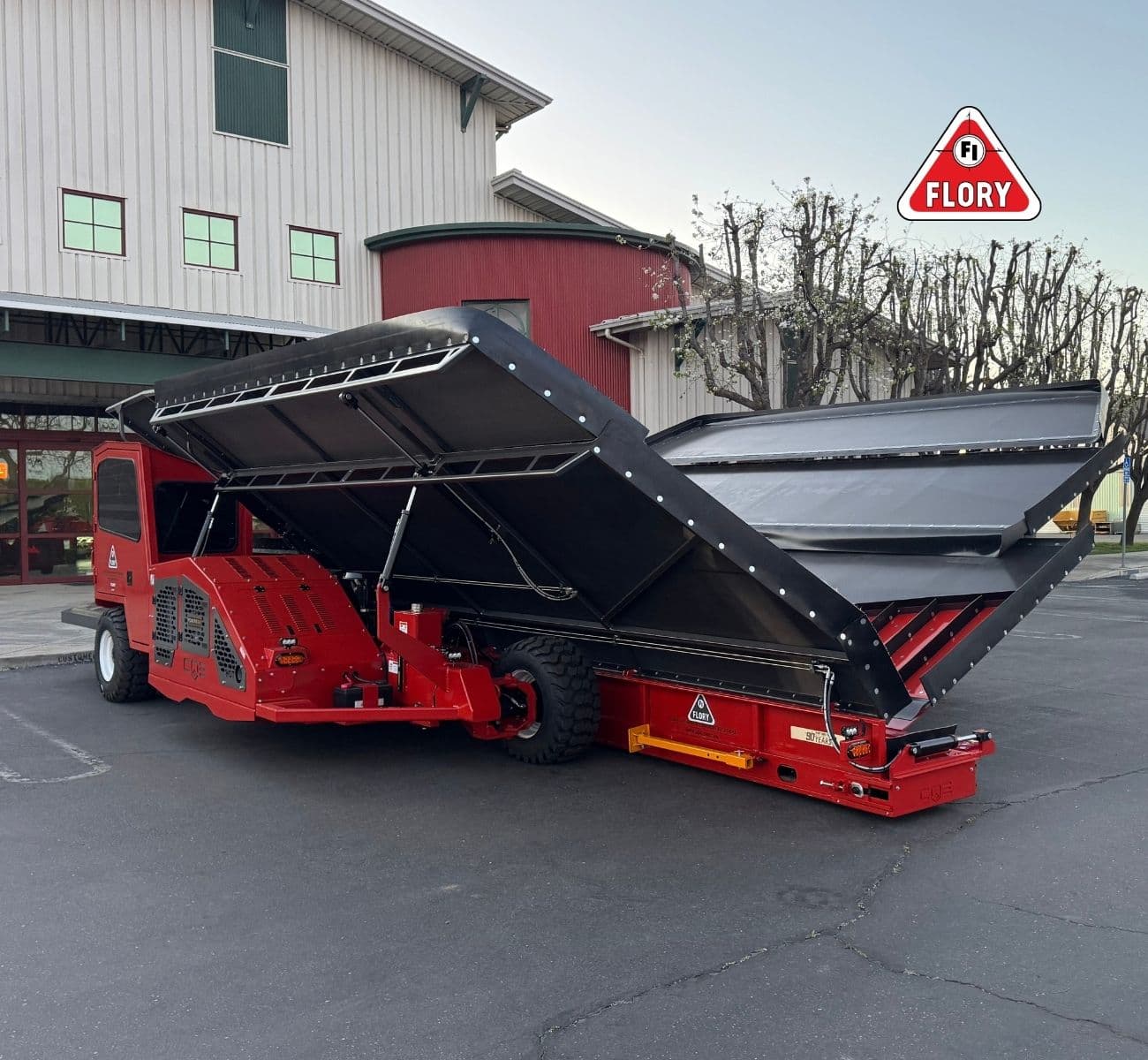
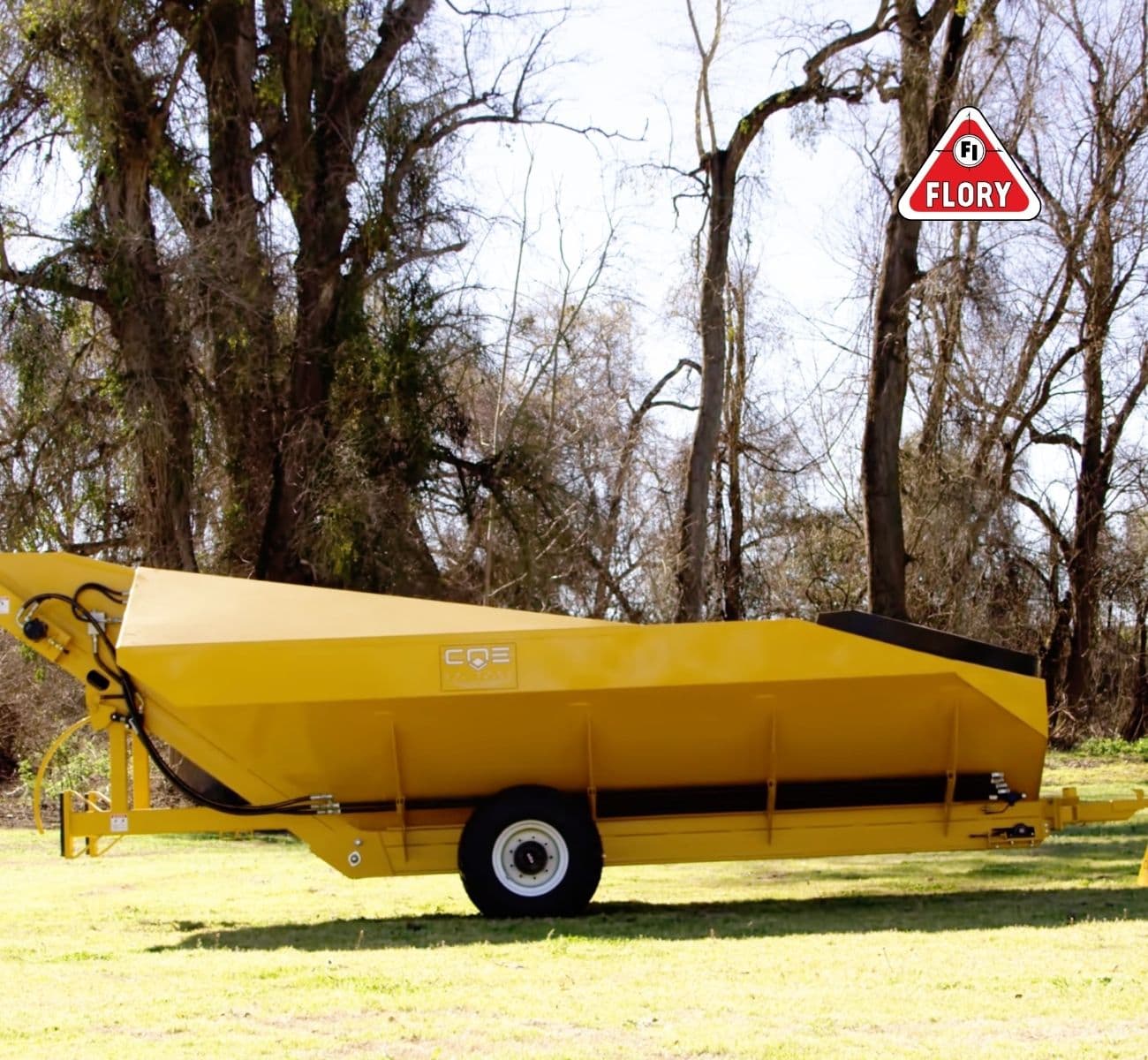
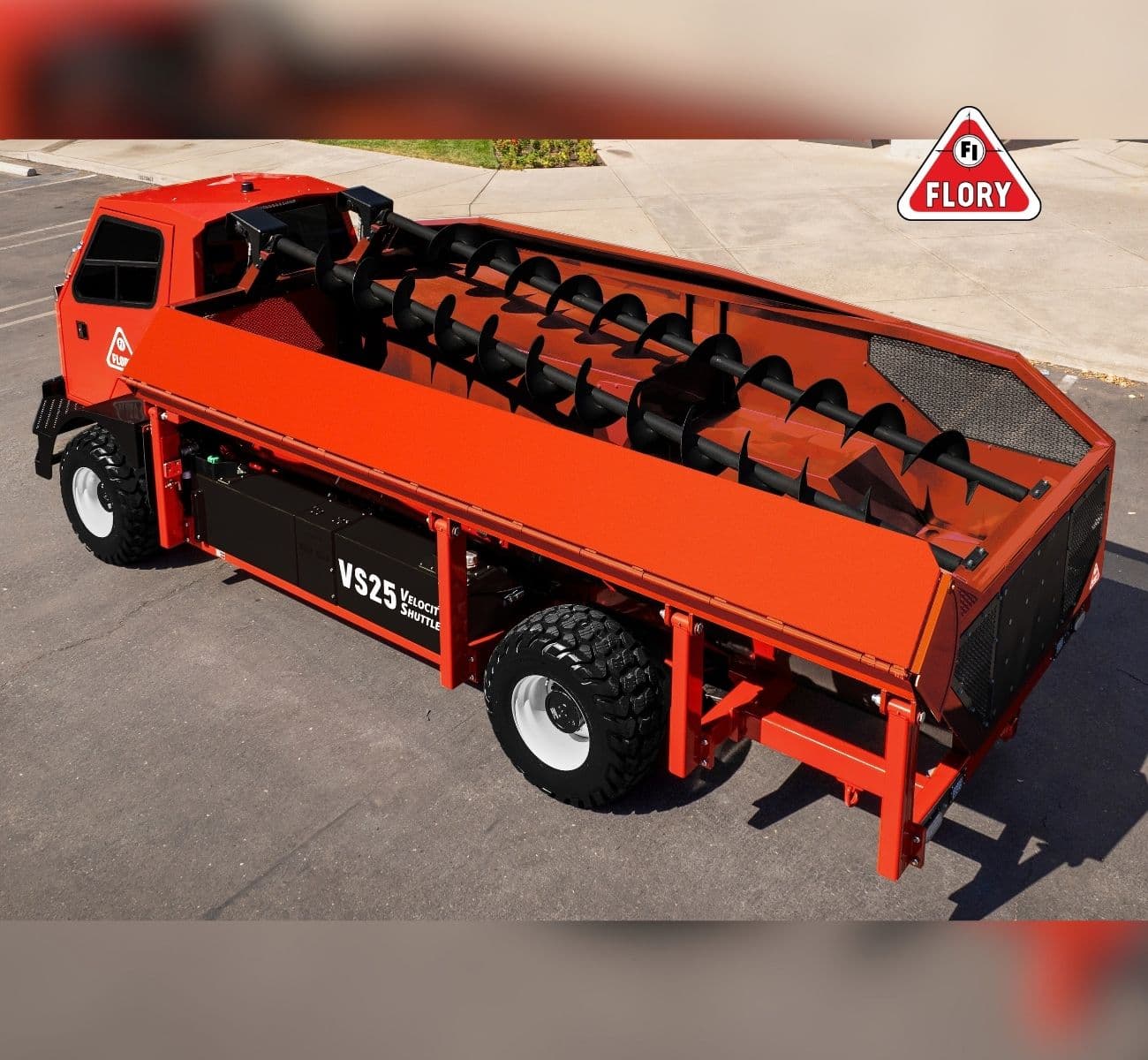
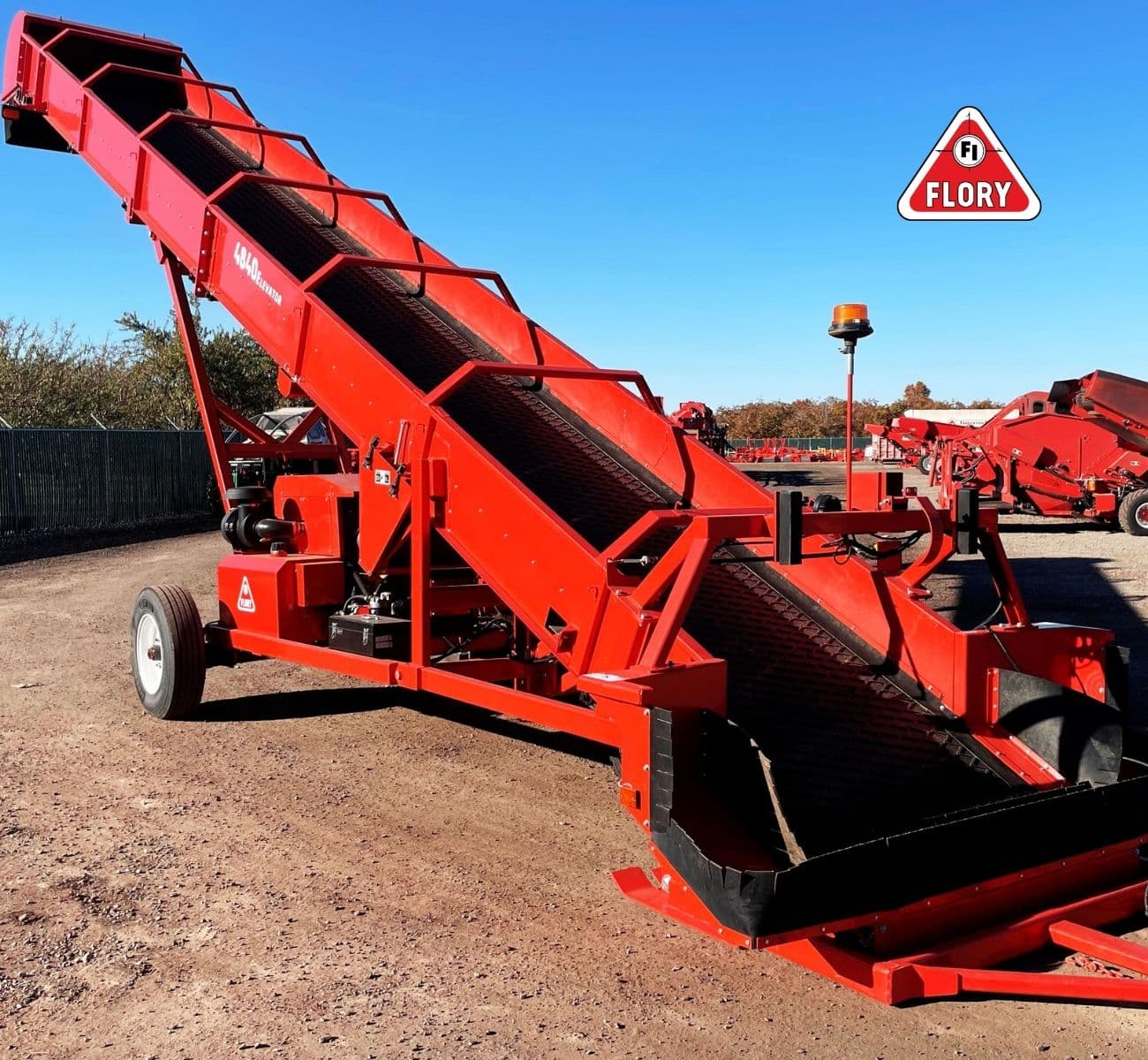
Flory harvesting machinery is available in Ukraine through OVE Europe for both systems. On the ground, the VR700 Shaker, V62 Sweeper and 8772 Harvester feed the 1500 Conveyor Cart and ST14 Shuttle. Off the ground, the Flory COE C7 Shaker and L2 Receiver catch the almonds in a frame around the trunk, the Flory COE B8 Cart and VS25 Shuttle carry them, and the 4840 Field Elevator loads trailers in both systems.
Almond Harvest Workflow (Recommended Equipment)

Practical Tips for Almond Harvesting
Time shaking by hull split on each cultivar: University of California guidance advises harvesting when 95 to 100% of hulls have split.
Plan for rain at harvest: in September Odesa averages 42 mm on 6.1 rain days and Kyiv 52 mm on 9.0 rain days (1991 to 2020).
Pick up promptly after shaking: University of California guidance notes that ant damage to nuts increases the longer they lie on the ground.
If rain wets almonds on the ground, do not stockpile them wet: University of California guidance warns of mold and concealed damage.
Where almonds must stay off wet ground, use catching frames: the Flory COE C7 Shaker works with the L2 Receiver.
Use shakers, frames and sweepers only in level orchards planted for machines, never on slopes, household plots or scattered trees.
Get your recommended harvest setup
Enter orchard size, spacing, terrain, and target throughput—we’ll suggest a practical harvest workflow and equipment lineup.

Almond Post-Harvest Handling & Processing in Ukraine
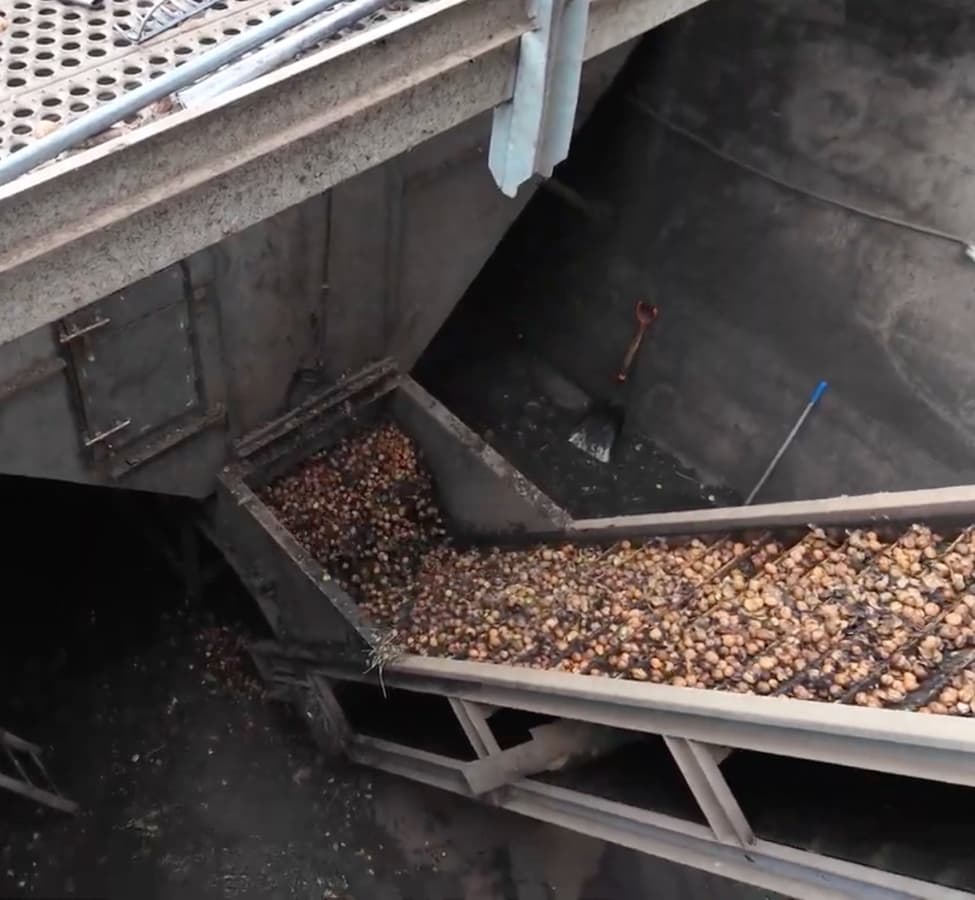
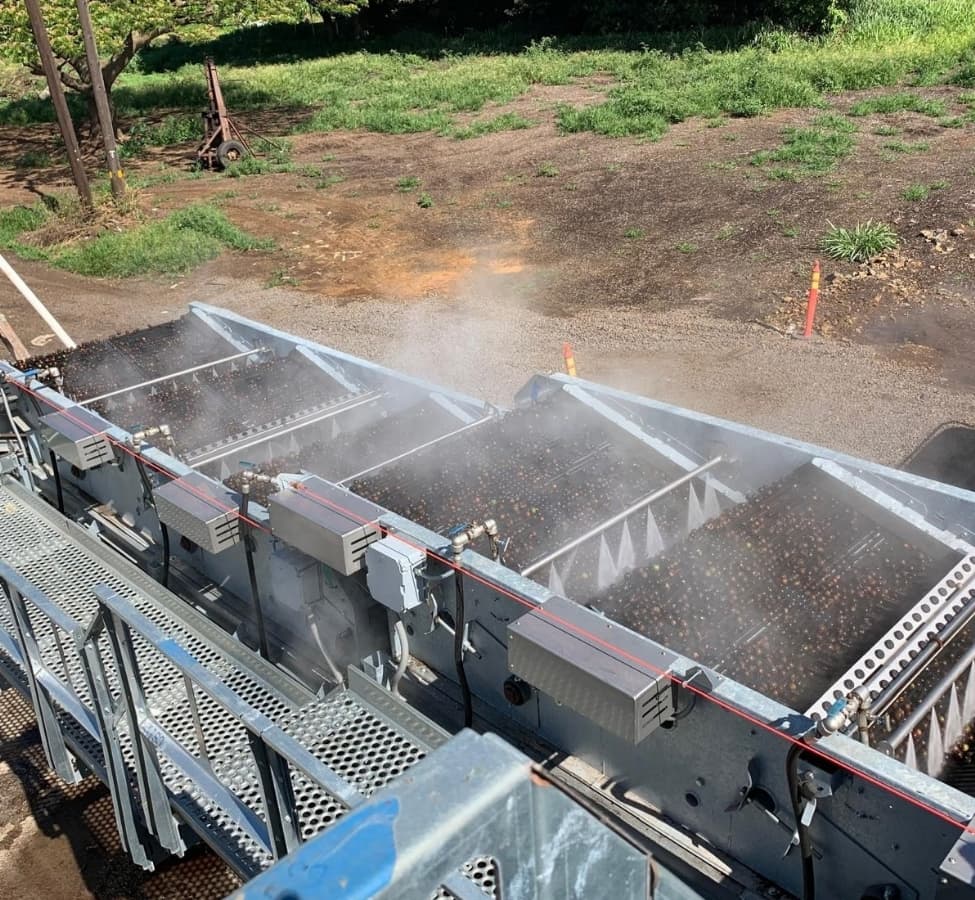
No Ukrainian source found describes almond hulling, drying or storage. The Codex code of practice on aflatoxins in tree nuts, which covers almonds, advises hulling as soon as possible after harvest and drying hulled nuts to a water activity below 0.70, and warns that nuts dried in the sun are at greater risk. In this guide, promptly picked or frame-caught almonds are therefore hulled at once and dried off the ground before storage.
Ukraine's Ministry of Health set maximum levels of contaminants in food by an order of 2013 that took effect in June 2016; whether it still applies, and its almond values, could not be confirmed. For the EU market, Regulation (EU) 2023/915 sets 8.0 µg/kg of aflatoxin B1 and 10.0 µg/kg in total for almonds placed on the market for the final consumer, and 12.0 and 15.0 µg/kg for almonds to be sorted first. The UNECE standard for almond kernels (2024) allows at most 6.5% moisture.
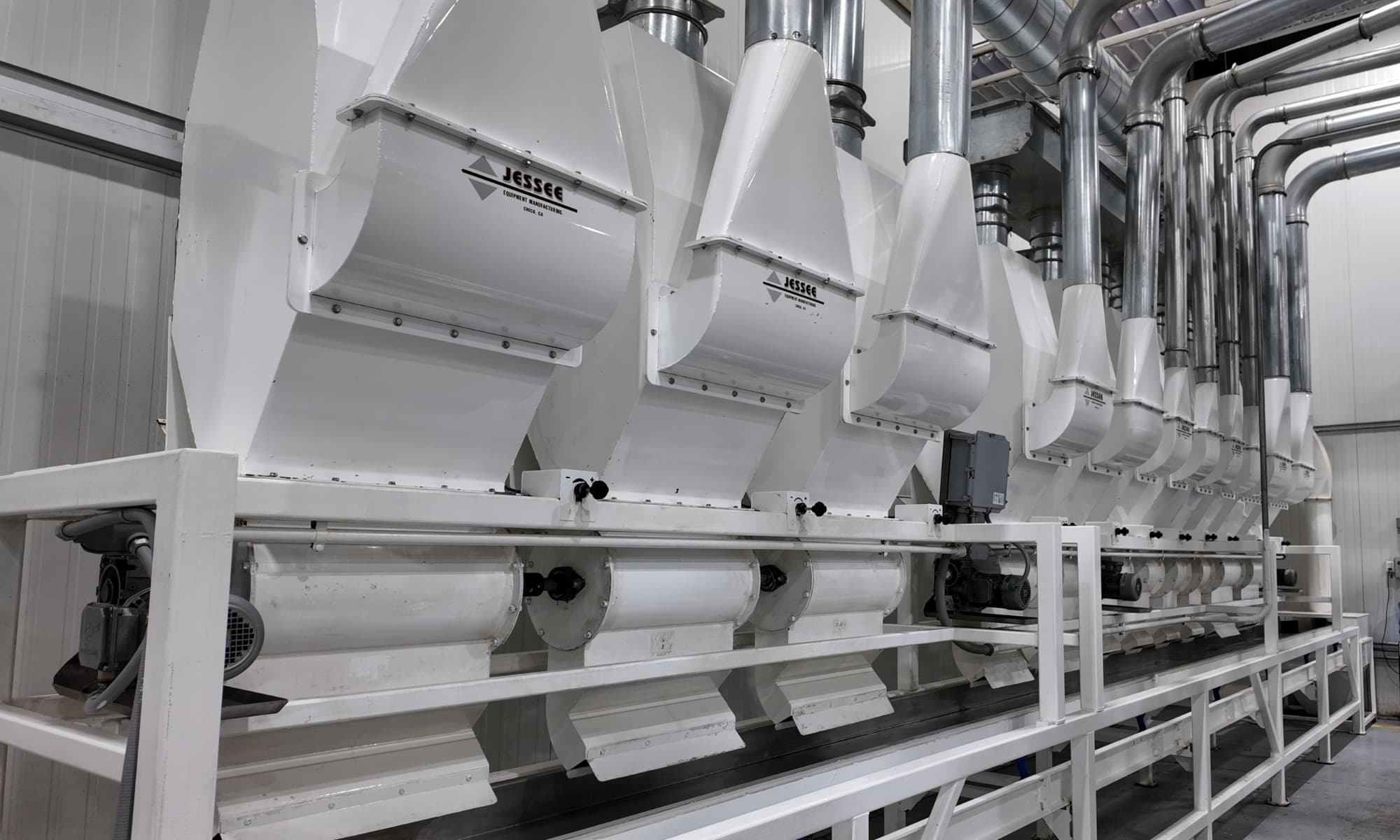
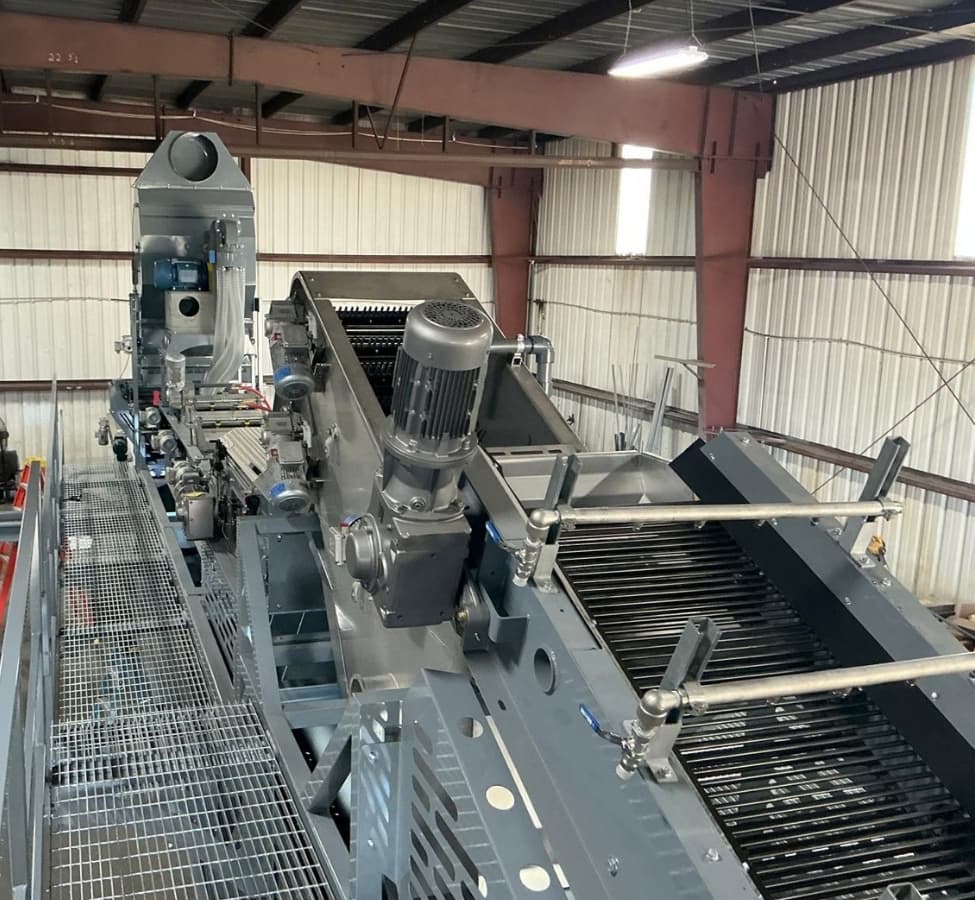
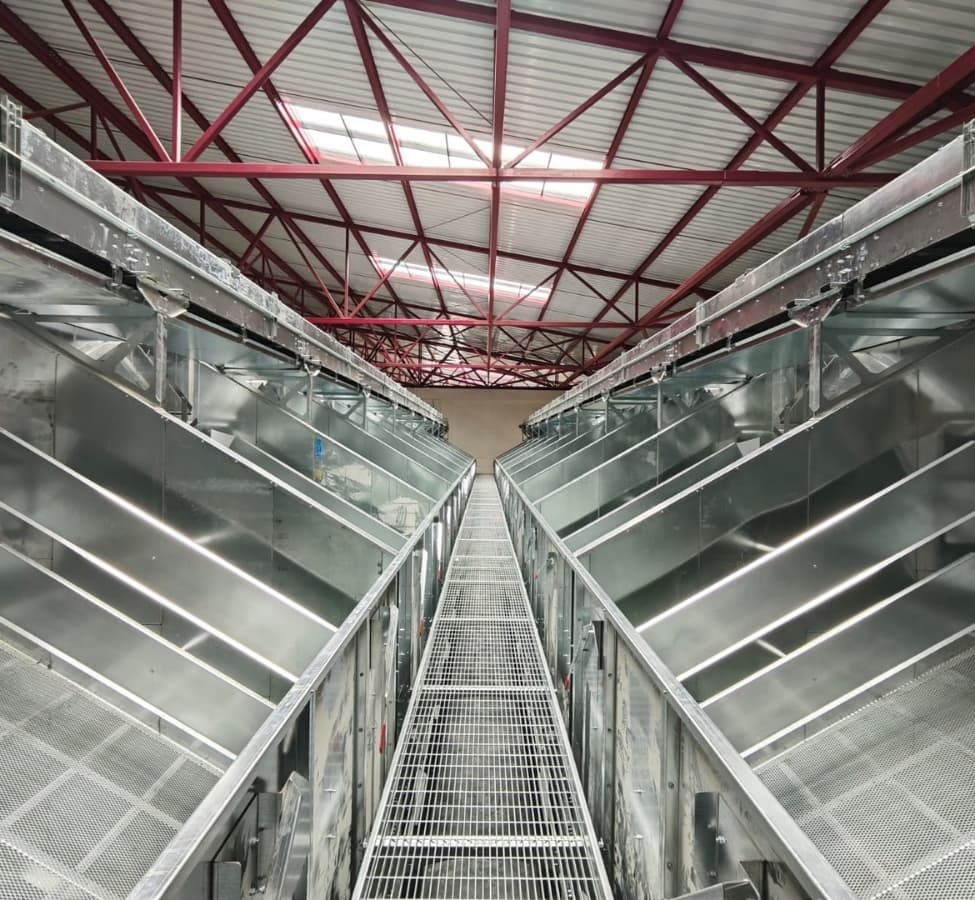
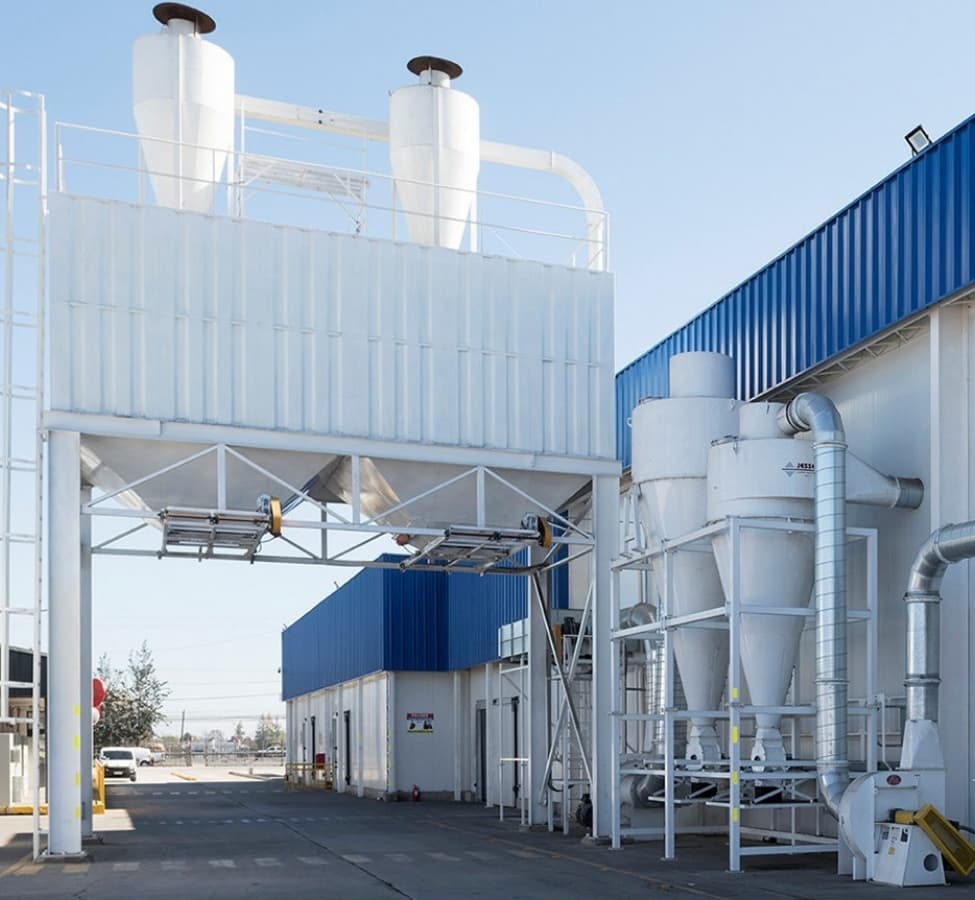
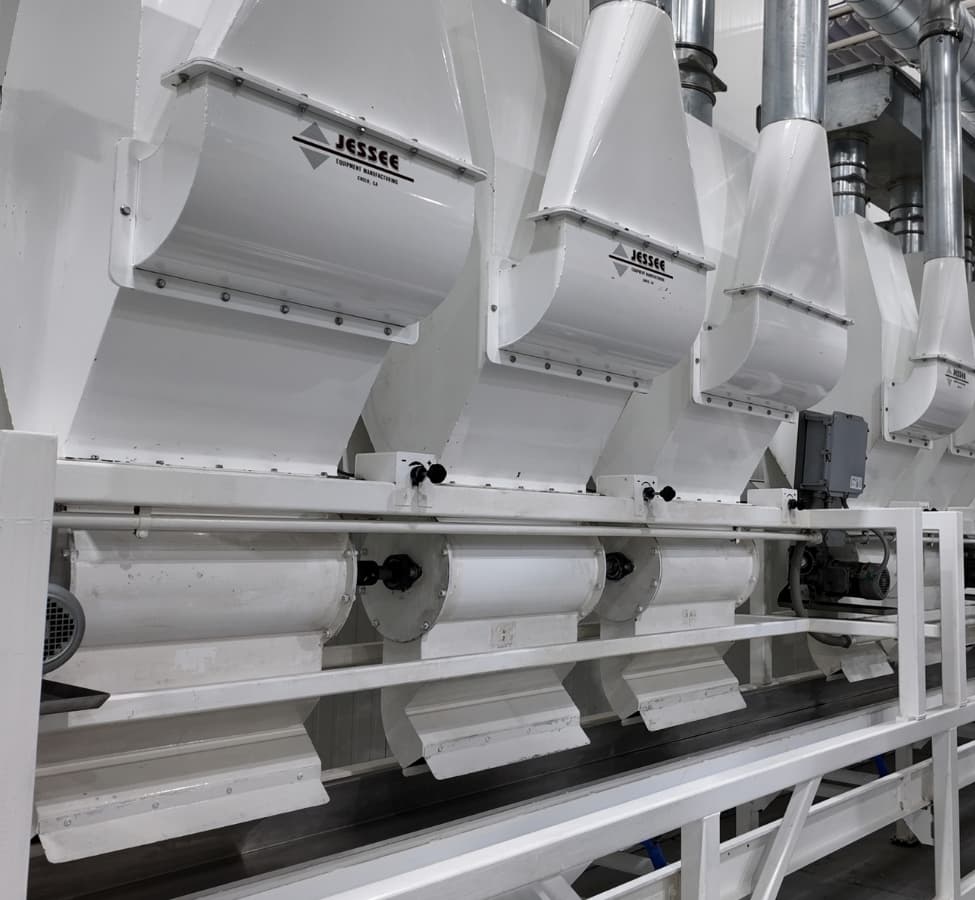
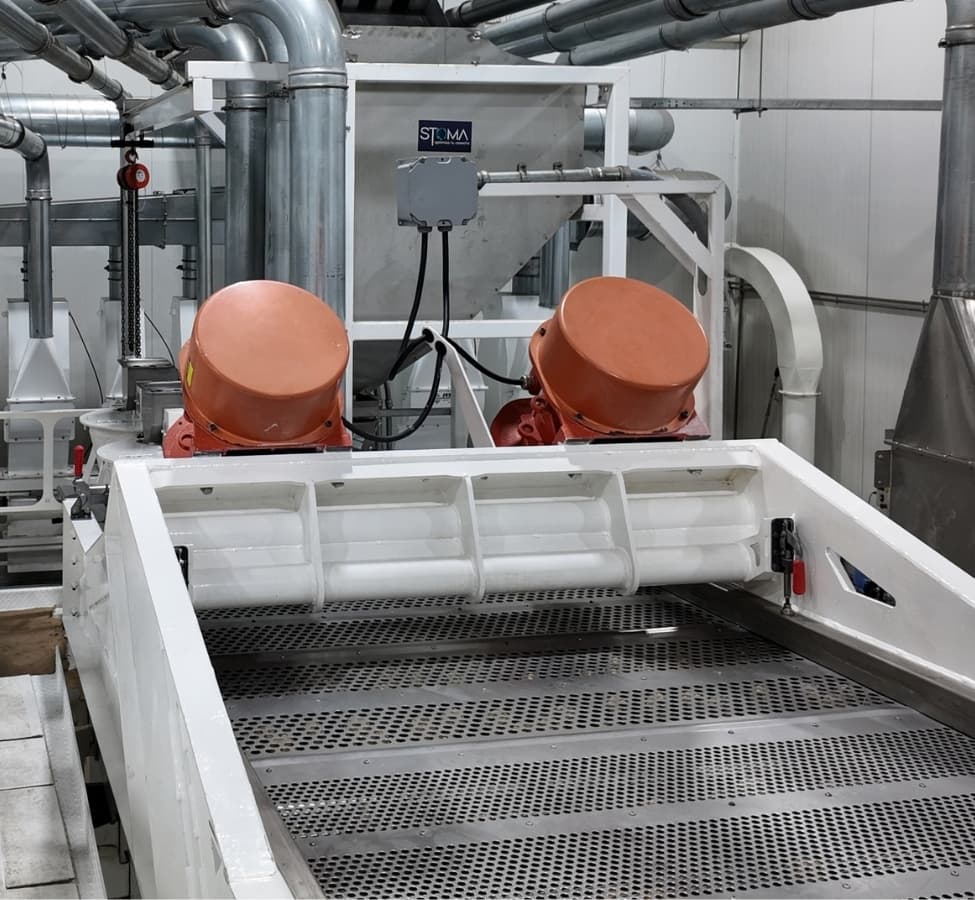
Ukraine imported more almonds than it exported in every year from 2015 to 2024, with the United States the main supplier; in 2024 shelled almonds made up 88.4% of its import tonnage (UN Comtrade via WITS). Buyers want kernels, a grower in Odesa oblast said in 2025. Jessee, whose processing lines OVE Europe supplies, builds hulling, drying, in-shell cleaning and sizing, and shelling systems; its Airlegs nut cleaner was developed for the almond industry.
For general information only. Information may become outdated and does not replace site-specific professional advice. Consult a qualified agronomist and confirm equipment suitability with OVE before acting.
Practical Tips for Almond Post-Harvest Handling & Processing
Hull promptly picked or frame-caught almonds while the hulls are fresh, then dry the nuts in the shell before storage.
Dry hulled nuts to a water activity below 0.70 at 25 °C, the safe level in the Codex code of practice for tree nuts.
Check kernel moisture before sale: the UNECE standard for almond kernels (2024) allows at most 6.5%.
Store dried nuts below 70% relative humidity and, if possible, at 0 to 10 °C, as the Codex code advises, with sacks on pallets.
Do not send rain-wet almonds straight to the huller: University of California guidance notes that wet nuts will not hull cleanly.
Test lots for aflatoxins: EU limits for almonds placed on the market for the final consumer are 8.0 µg/kg of B1 and 10.0 µg/kg in total.
Recommended Post-Harvest Handling & Processing Stages
Plan your post-harvest line
Estimate tons/day, cleaning & drying capacity, storage needs, and cost/kg—then build your equipment plan in phases.