






Almond Orchard Establishment in Uzbekistan
A 2023 Uzbek study says almond groves are mostly in mountain and foothill areas, at about 1,000 to 1,200 m in the Fergana Valley and the Kashkadarya, Surkhandarya, Samarkand and Tashkent regions, and puts natural almond groves at more than 18,000 ha. Ministry of Agriculture data reported in 2022 put almonds on 7.9 thousand ha, 6.2 thousand on farms and 1.7 thousand on household plots.
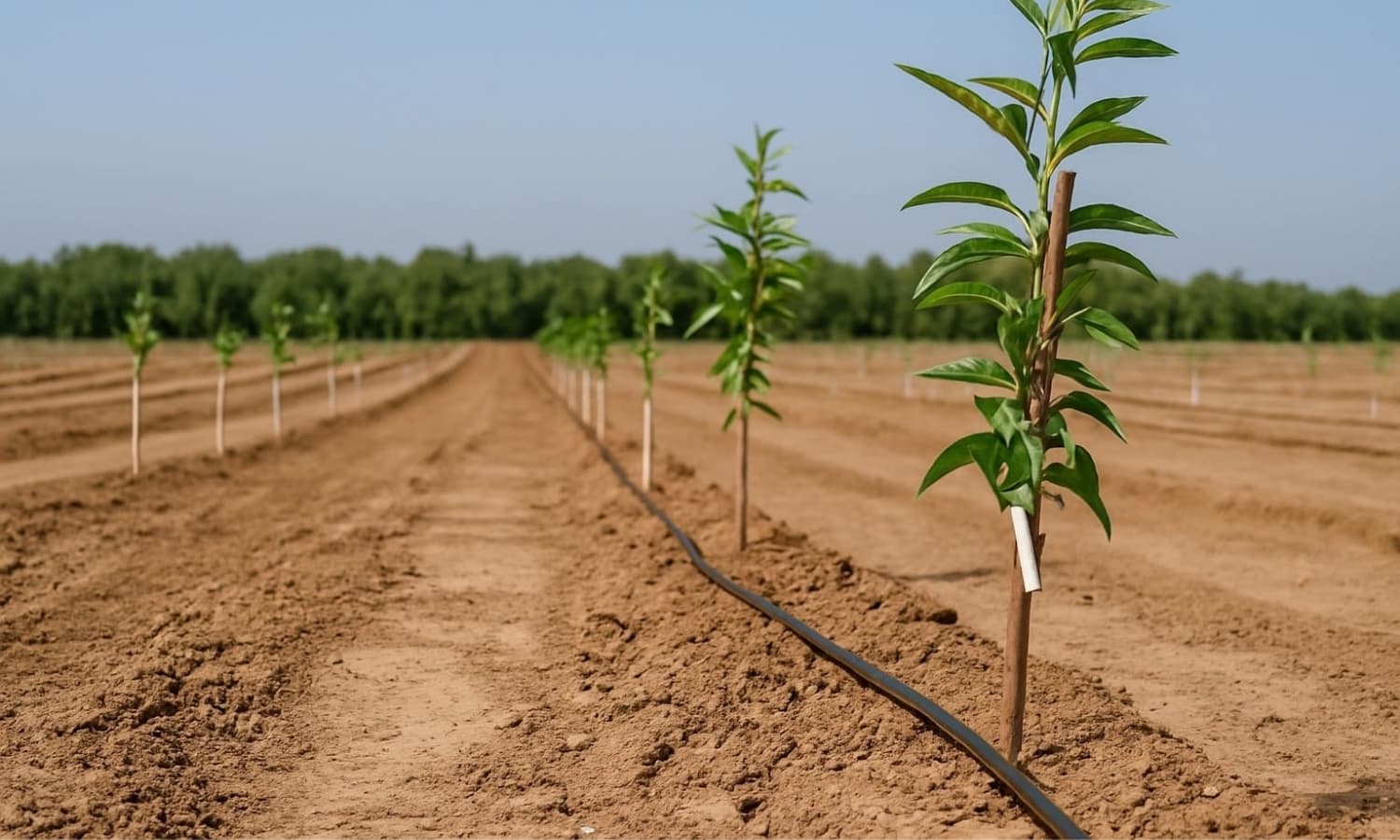
The Ministry of Agriculture's 2026 orchard recommendations, prepared with the horticulture research institute named after Academician M. Mirzaev, list Bumajnoskorlupy, Ugamskiy and Malika on GF-677 rootstock at 5 × 5 m, 400 trees per hectare, for Andijan, Fergana and Namangan regions, and two of these cultivars each for three Surkhandarya districts. Depending on soil conditions, they require drip irrigation to keep young trees moist through the growing season.
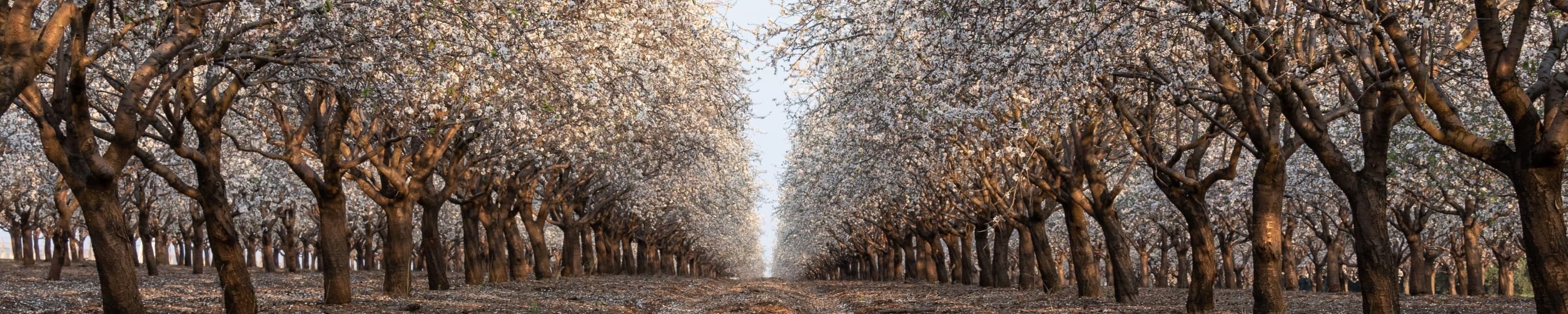
Almond blooms in February or early March, before other fruit trees, UzA reported in 2022, so it is exposed to spring frost: part of the crop in the southern regions was damaged in 2021, and agronomists advise later-blooming cultivars. After the cold and rain of March 2022, a first Ministry forecast, reported by Kun.uz, expected damage of 17 to 23% to early-ripening almond varieties in Andijan, Namangan and Fergana regions.

Practical Tips for Almond Orchard Establishment
Choose later-blooming cultivars: almond blooms in February or early March in Uzbekistan, and spring frost damaged part of the southern crop in 2021.
Plant on GF-677 at 5 × 5 m, 400 trees per hectare, as the 2026 recommendations give for Andijan, Fergana and Namangan regions.
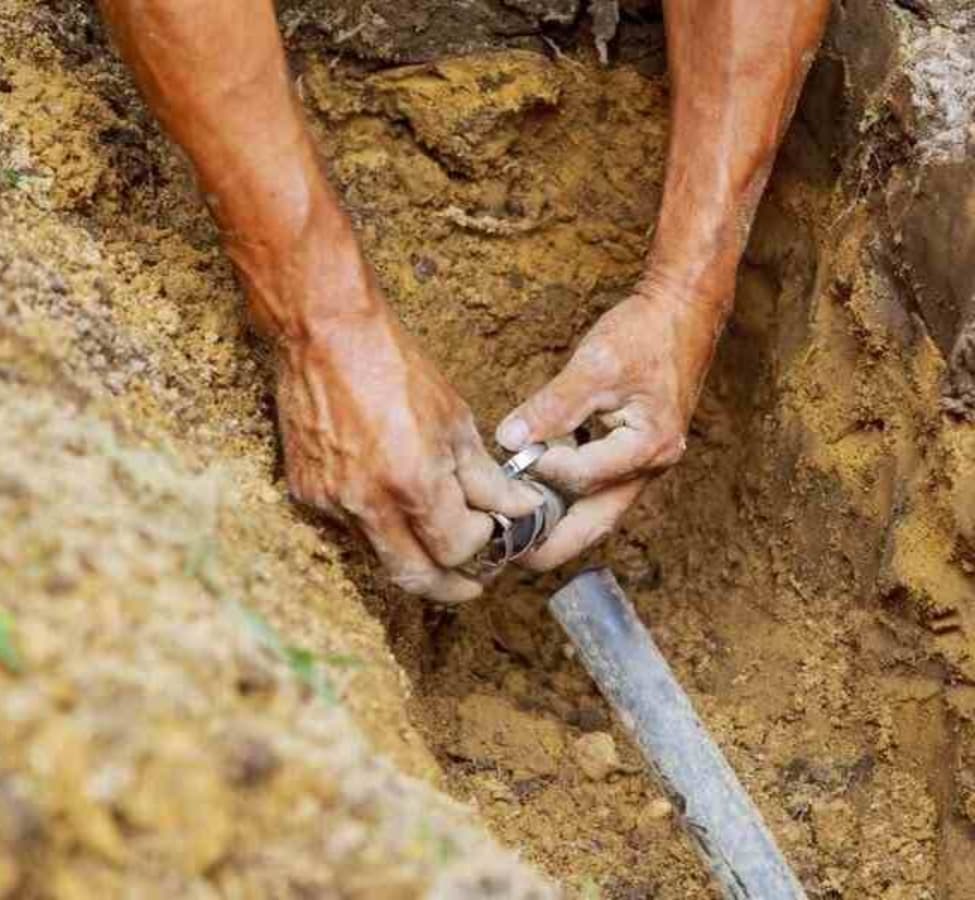
Install drip lines early: depending on soil conditions, the 2026 recommendations require drip irrigation to keep young trees moist through the growing season.
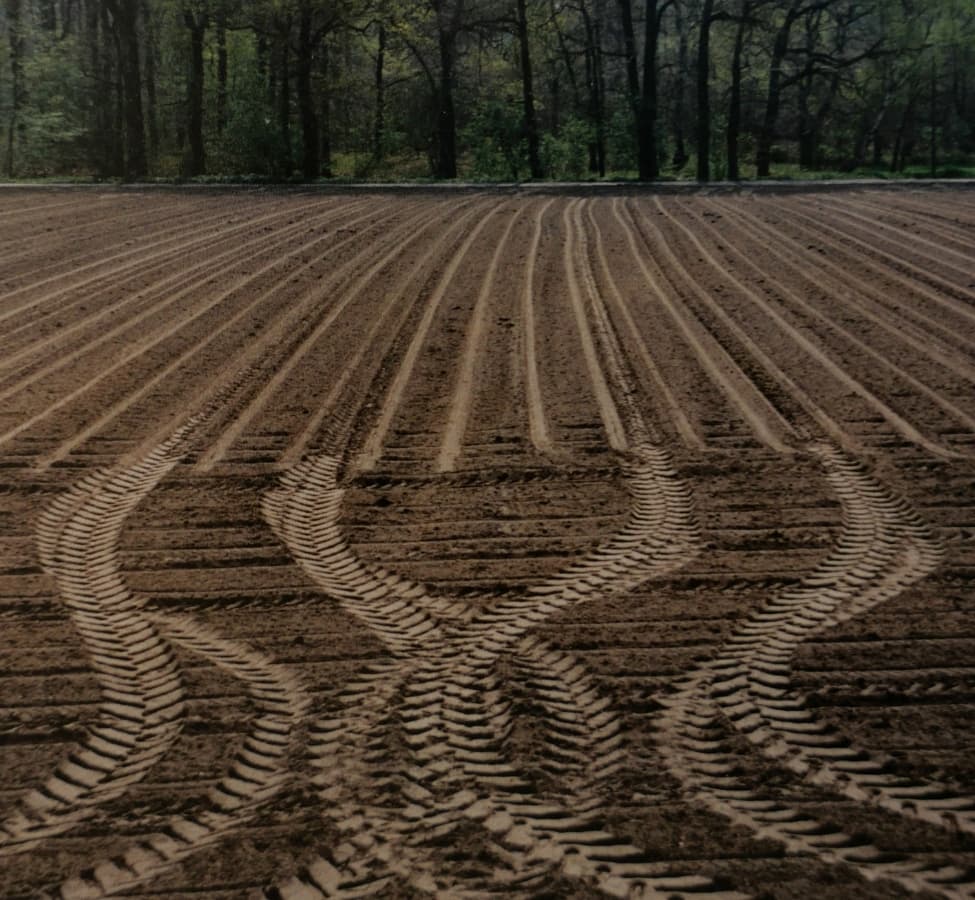
Plow planting land deeply in advance: the 2026 recommendations call for 50 to 60 cm with a plantation plow before autumn planting.
Keep blocks for machine harvest on level ground: terraces, stony slopes, household plots and natural groves do not suit shakers or frames.
Plan rows, headlands and trunk height for shakers and catching frames before planting, and check machine needs with OVE Europe.
Recommended Establishment Stages




Almond Orchard Care & Maintenance in Uzbekistan
No Uzbek guidance on almond pests or diseases was found. EPPO lists the peach twig borer (Anarsia lineatella) as present in Uzbekistan, on information dated 1992, and has no Uzbek record of the almond seed wasp (Eurytoma amygdali), Xanthomonas arboricola pv. pruni, the cause of bacterial spot, or Xylella fastidiosa; absence from its database does not prove they are absent.
Uzhydromet's long-term averages published by WMO (no period stated) give mean July maxima of 35.7 °C at Tashkent, 33.9 °C at Samarkand and 39.1 °C at Termez, with under 5 mm of rain a month from July to September at all three. A record of rain-fed almond terraces in Kamashi district, Kashkadarya region, notes that 90% of the rain falls from October to May.
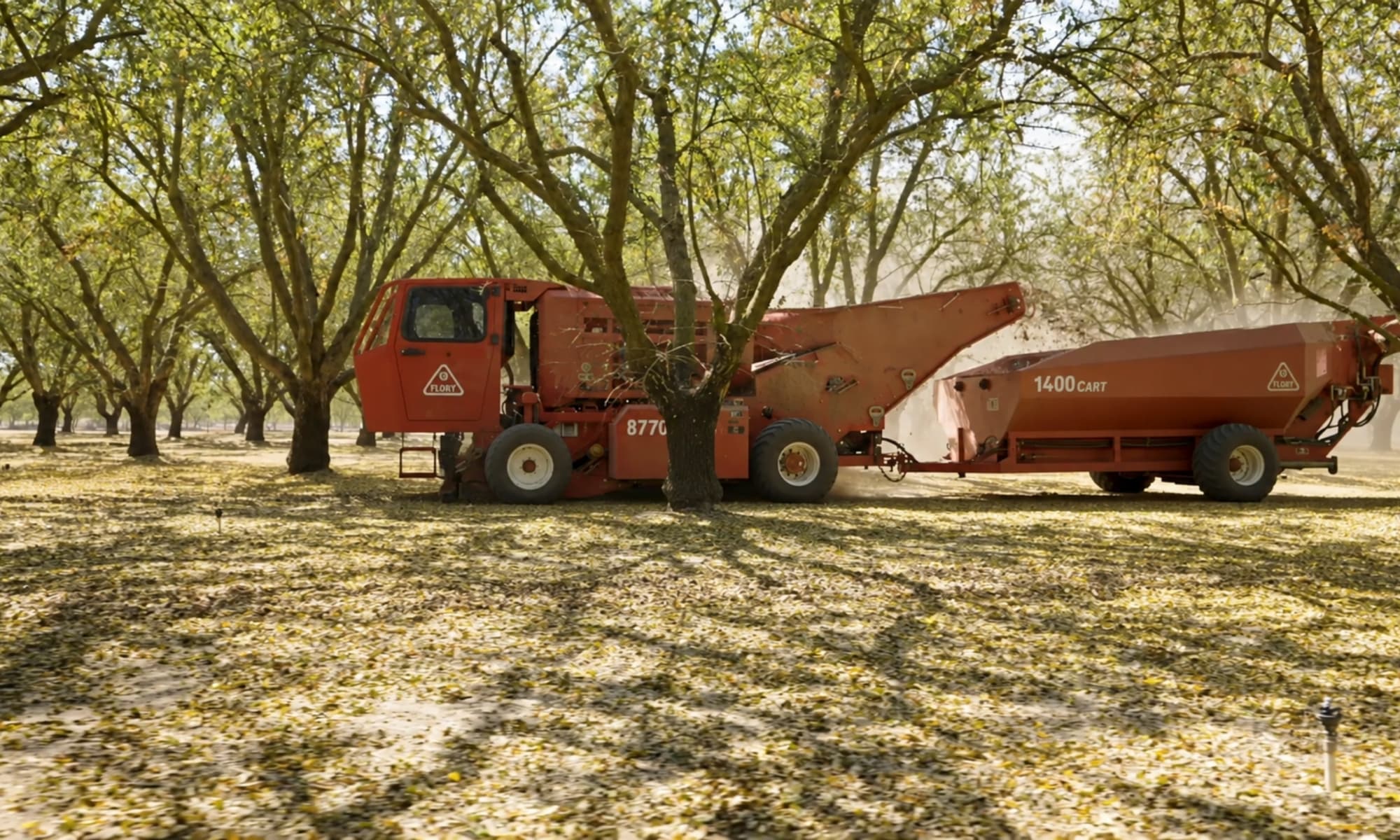
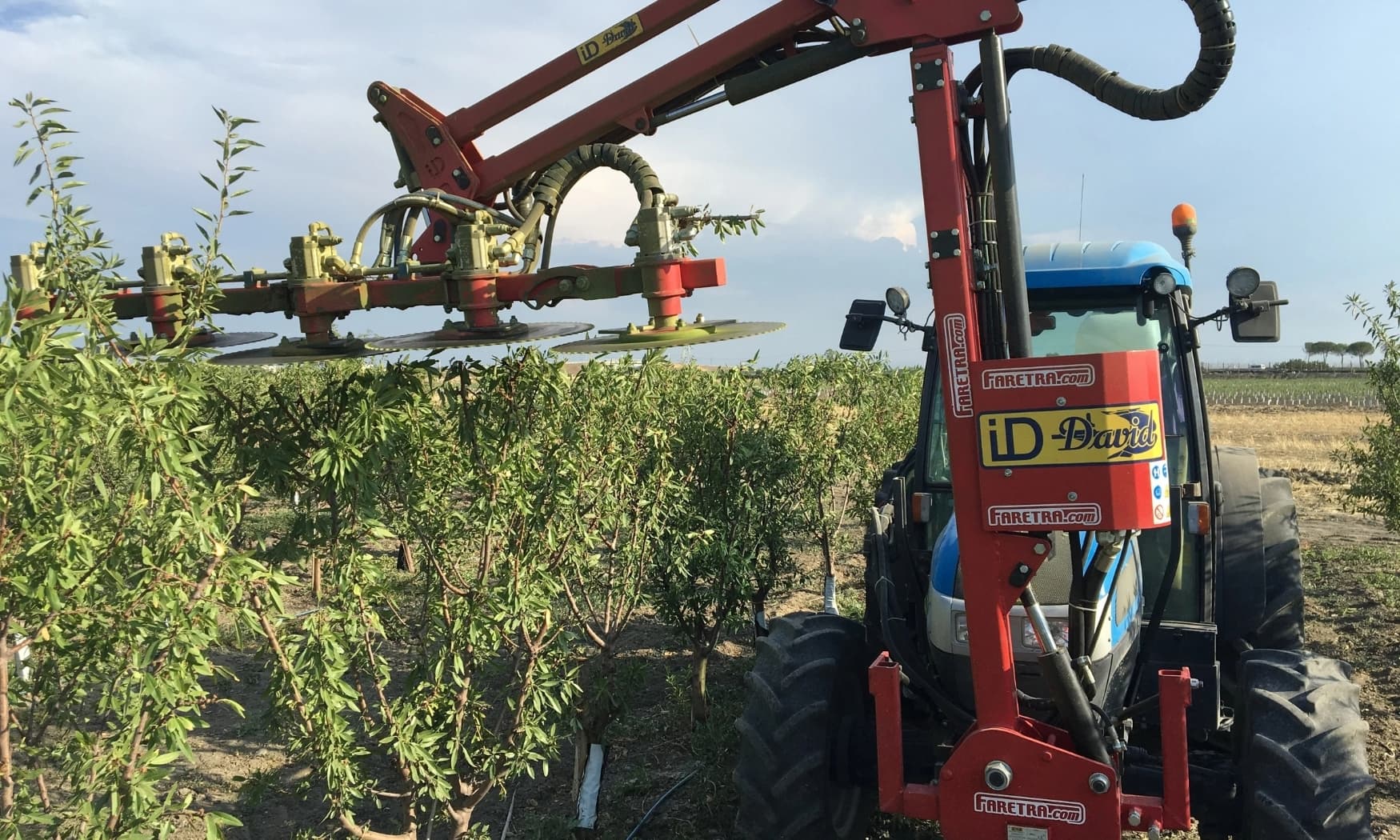
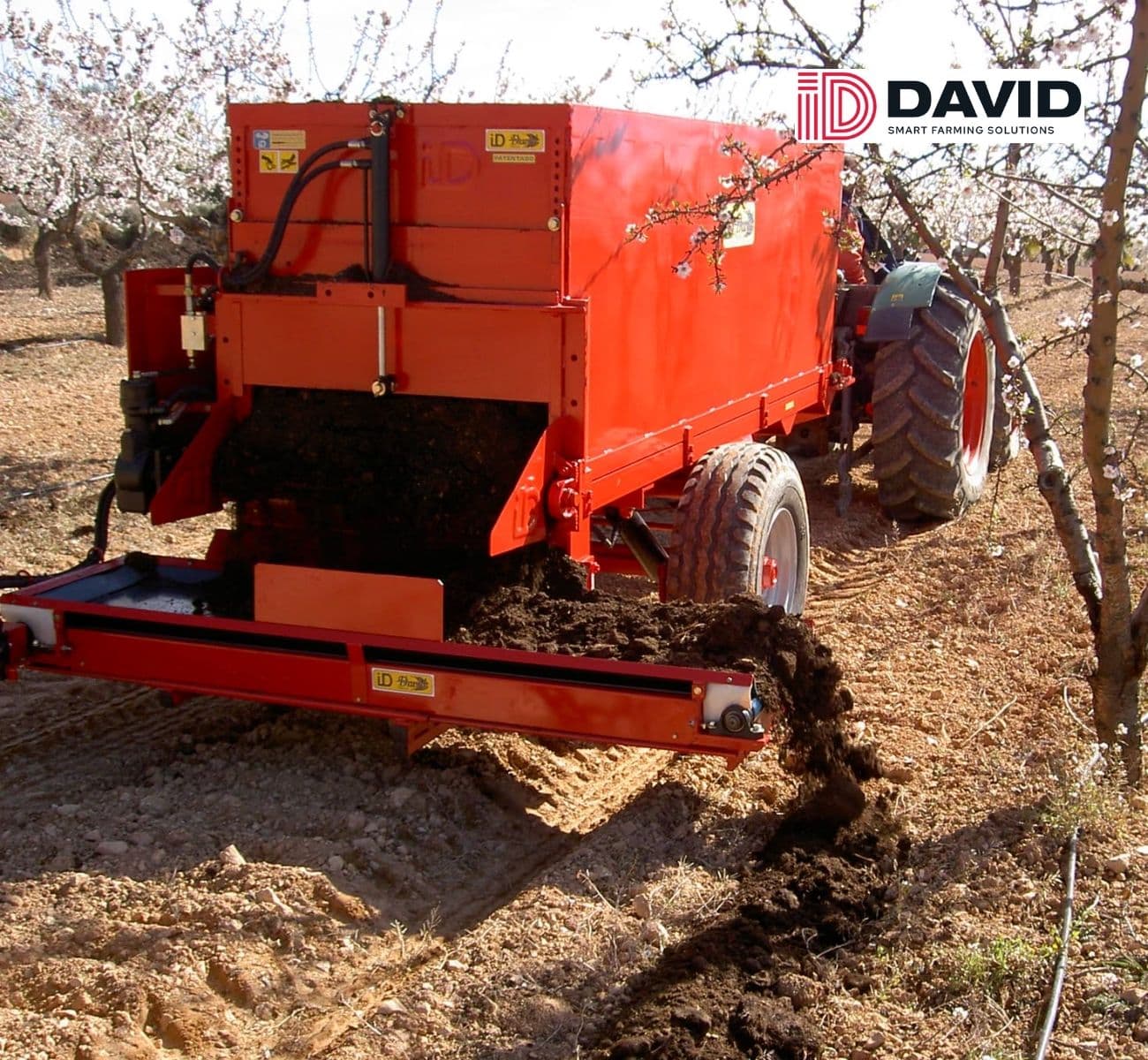
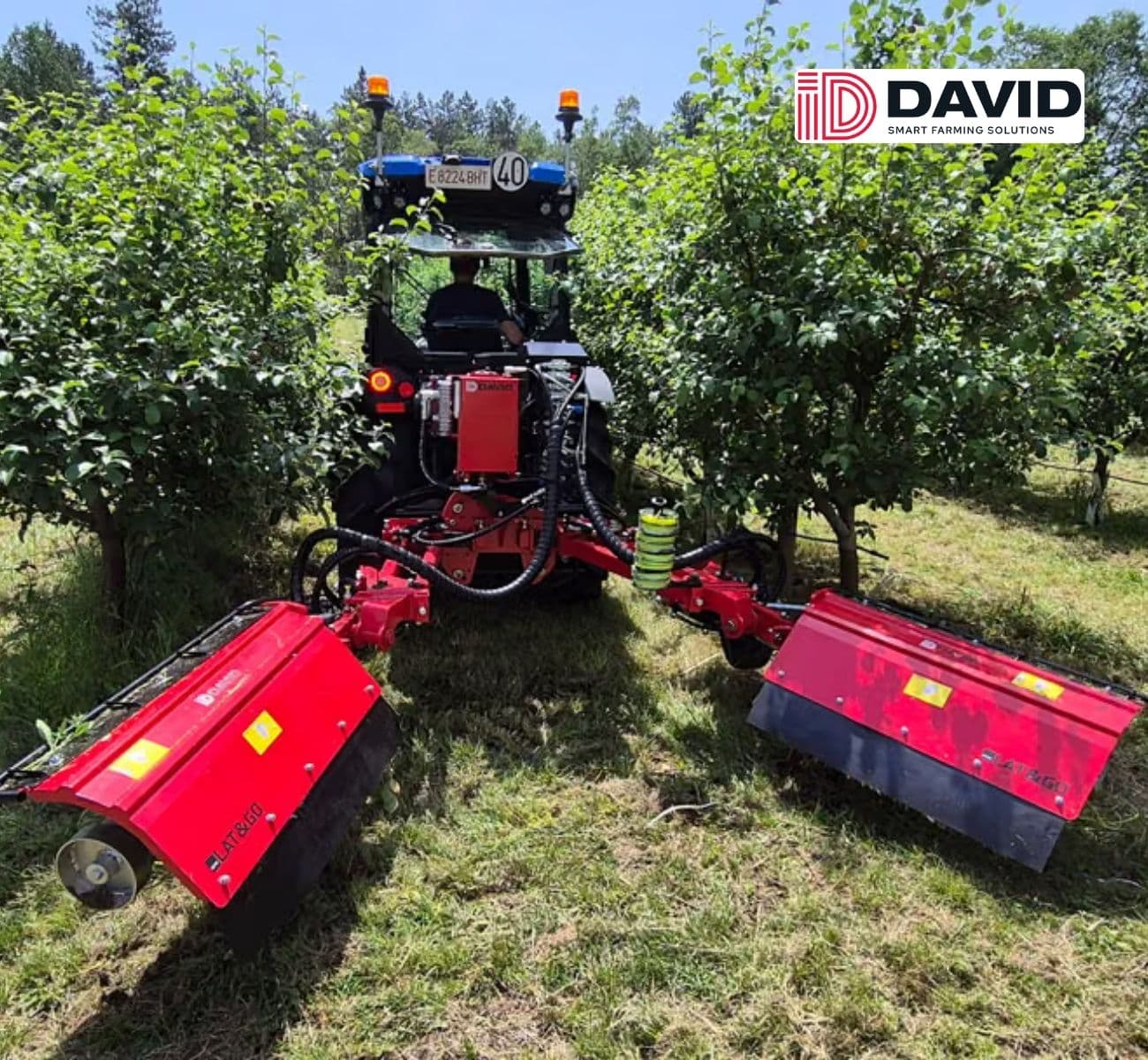
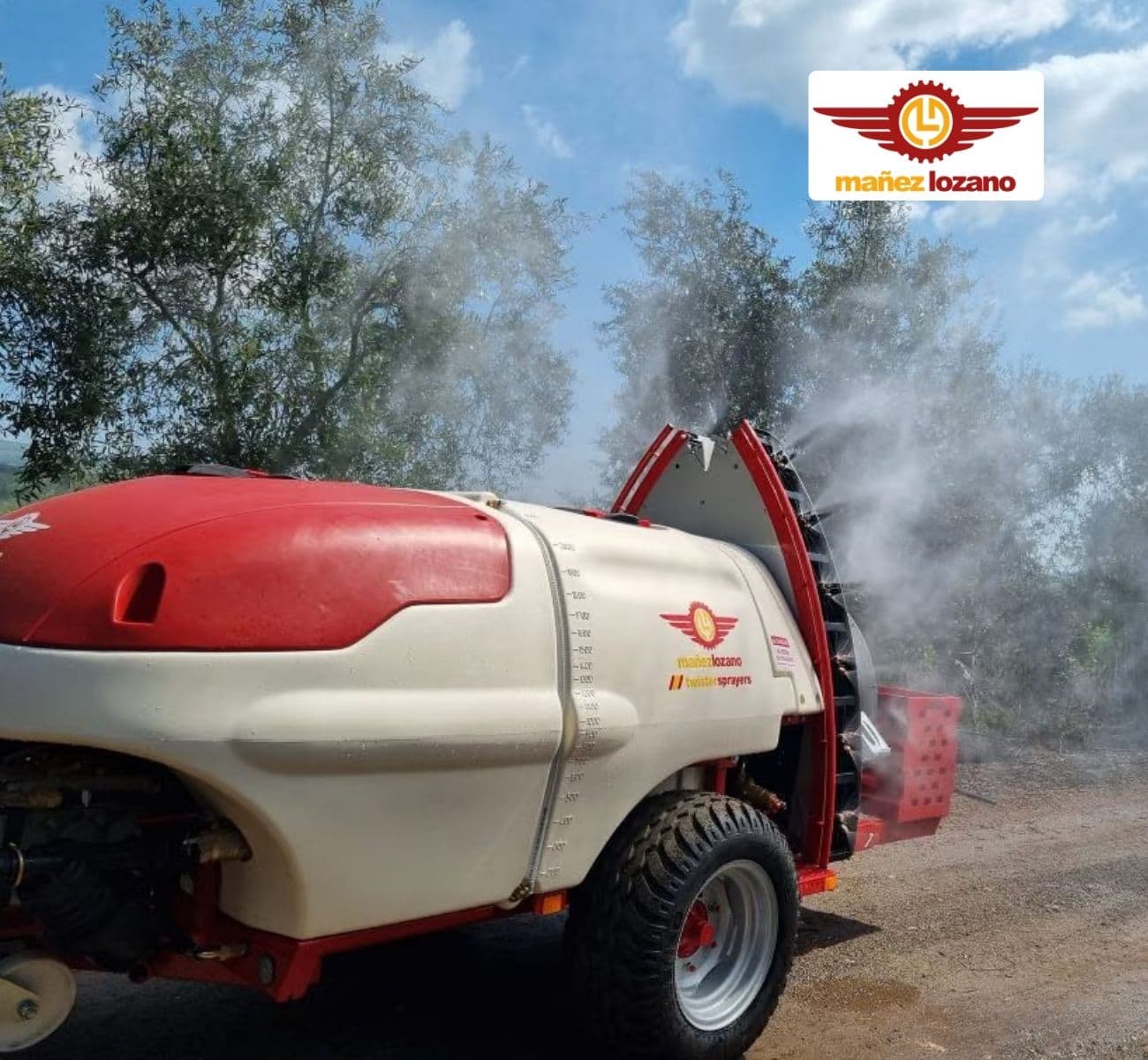
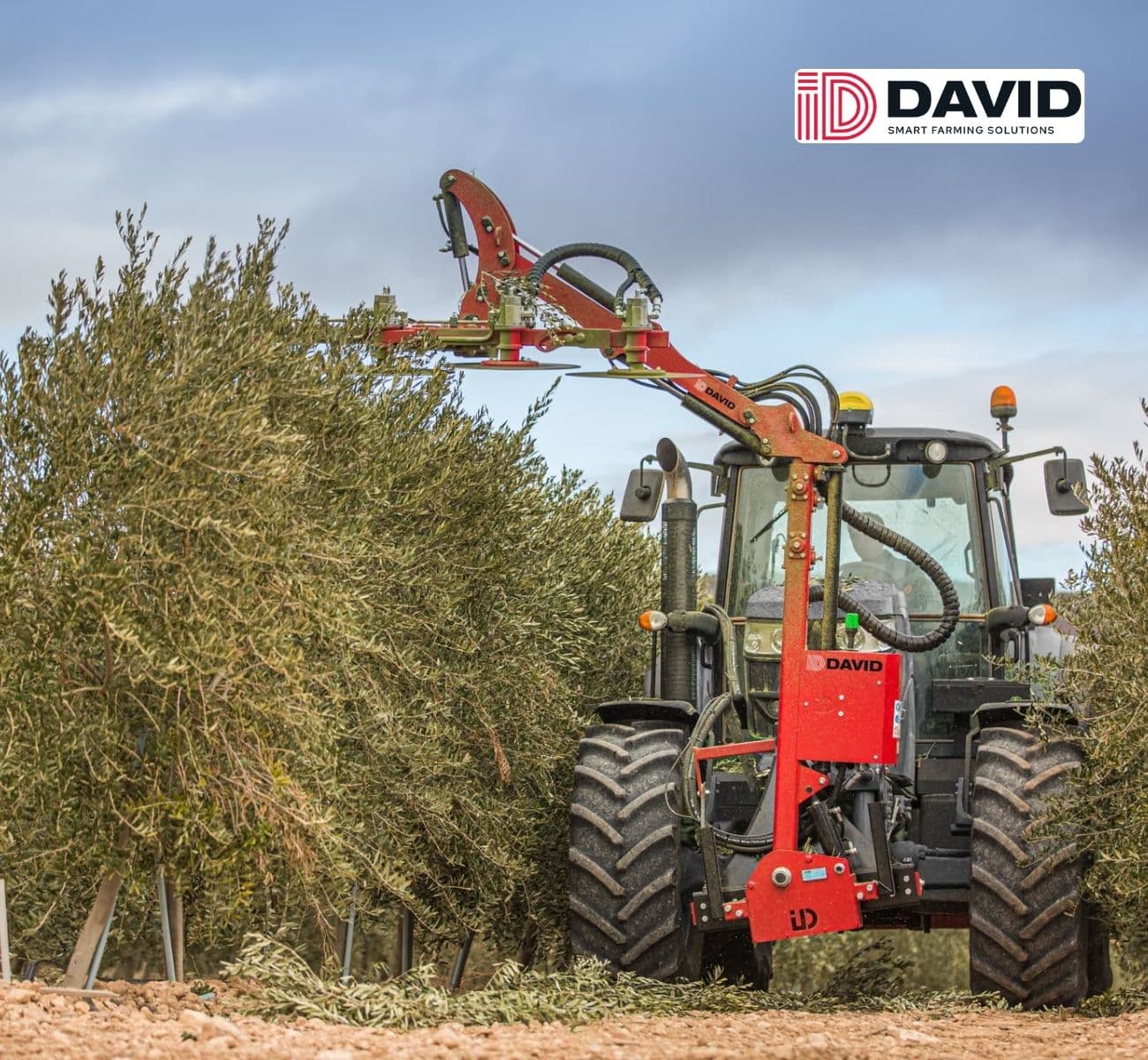
No Uzbek guidance on almond pruning or orchard floor care was found. OVE Europe sells ID DAVID and Mañez Lozano machines in Uzbekistan: the ID DAVID ECOFEED spreads solid manure, the LAT&GO string mower controls weeds without herbicides, the Mañez Lozano Narrow Twister S6 sprays tall, dense canopies and the ID DAVID V1 disc pruner makes vertical and horizontal cuts.
Recommended Orchard Care & Maintenance Stages



Practical Tips for Almond Orchard Care & Maintenance
Check shoots and young fruit for the peach twig borer, which EPPO lists as present in Uzbekistan (information dated 1992).
Monitor for the almond seed wasp as well: EPPO has no Uzbek record, but that does not prove the pest is absent.
Watch frost forecasts at bloom: in March 2022, 74.4 thousand ha of orchards and vineyards were irrigated when temperatures fell below +2 °C (Kun.uz).
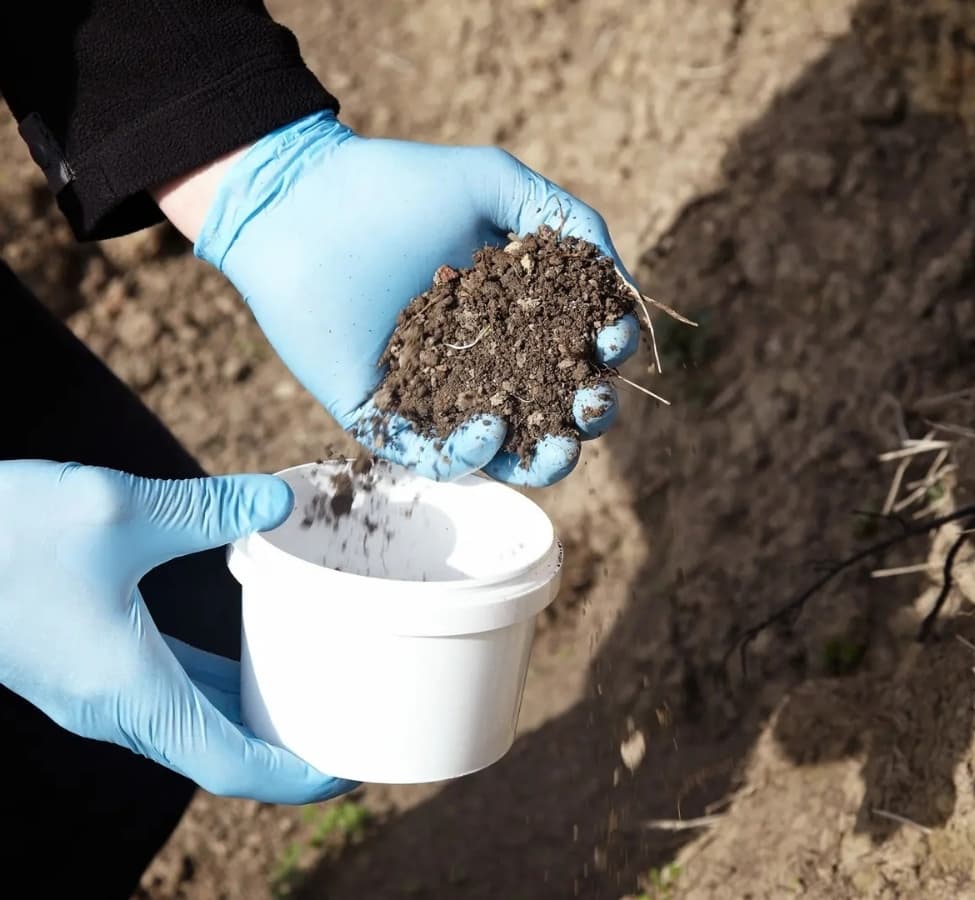
Base fertilizer doses on soil and leaf analyses, and inject them through the drip lines in small, frequent doses.
Control weeds without herbicides with a string mower such as the ID DAVID LAT&GO, and keep the orchard floor level for harvest.
Spray tall, dense canopies evenly with a narrow trailed airblast sprayer such as the Mañez Lozano Narrow Twister S6.

Almond Harvesting in Uzbekistan
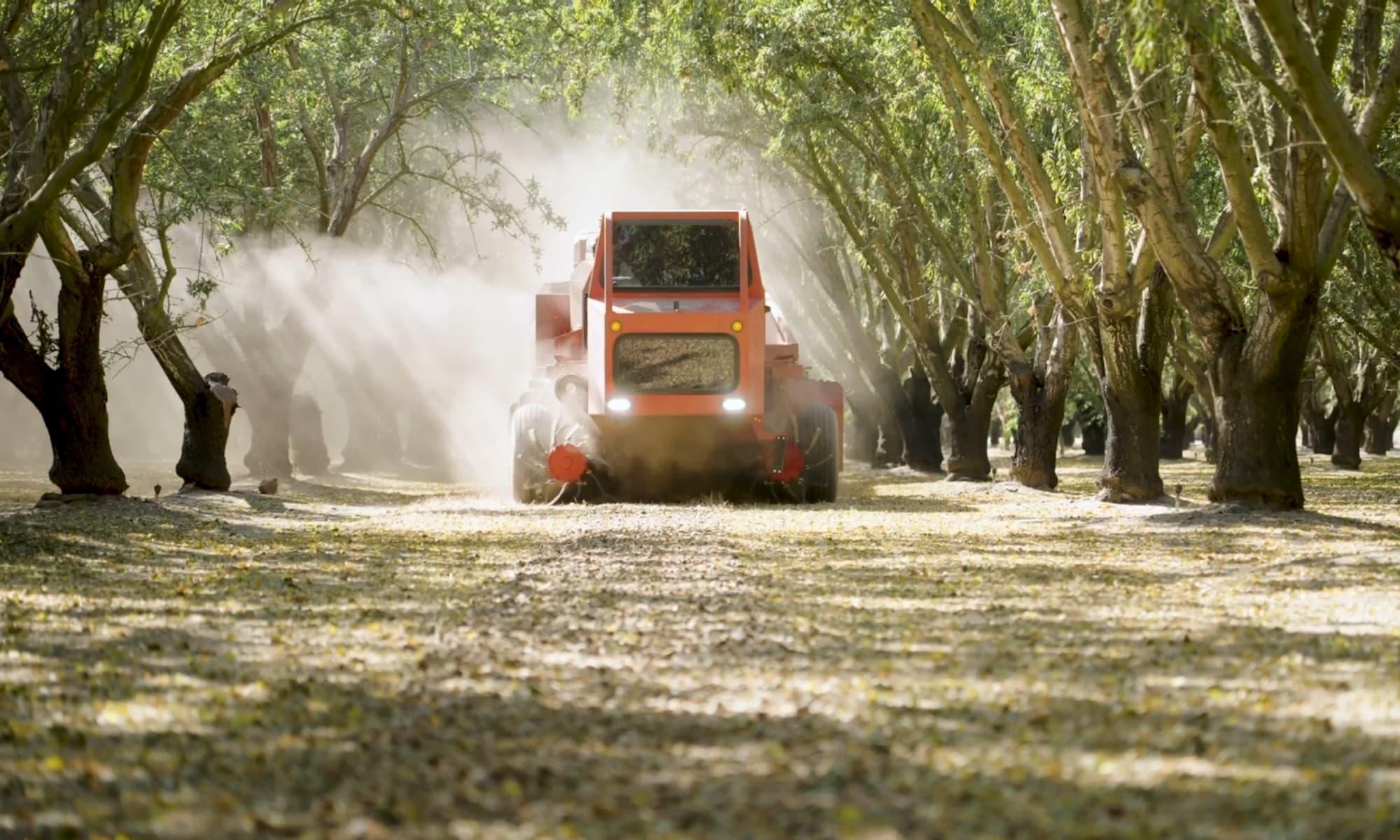
No Uzbek source found describes how growers harvest almonds today or which machines they use; a record of rain-fed almond terraces in Kamashi district (fieldwork 2015 to 2017) lists a lack of farm machinery for local farmers among its weaknesses. YuzNews reported in 2022 that the harvest runs mainly from mid-July through August and September. In orchards planted for machines, mechanized harvesting brings the crop in on time and limits deterioration.
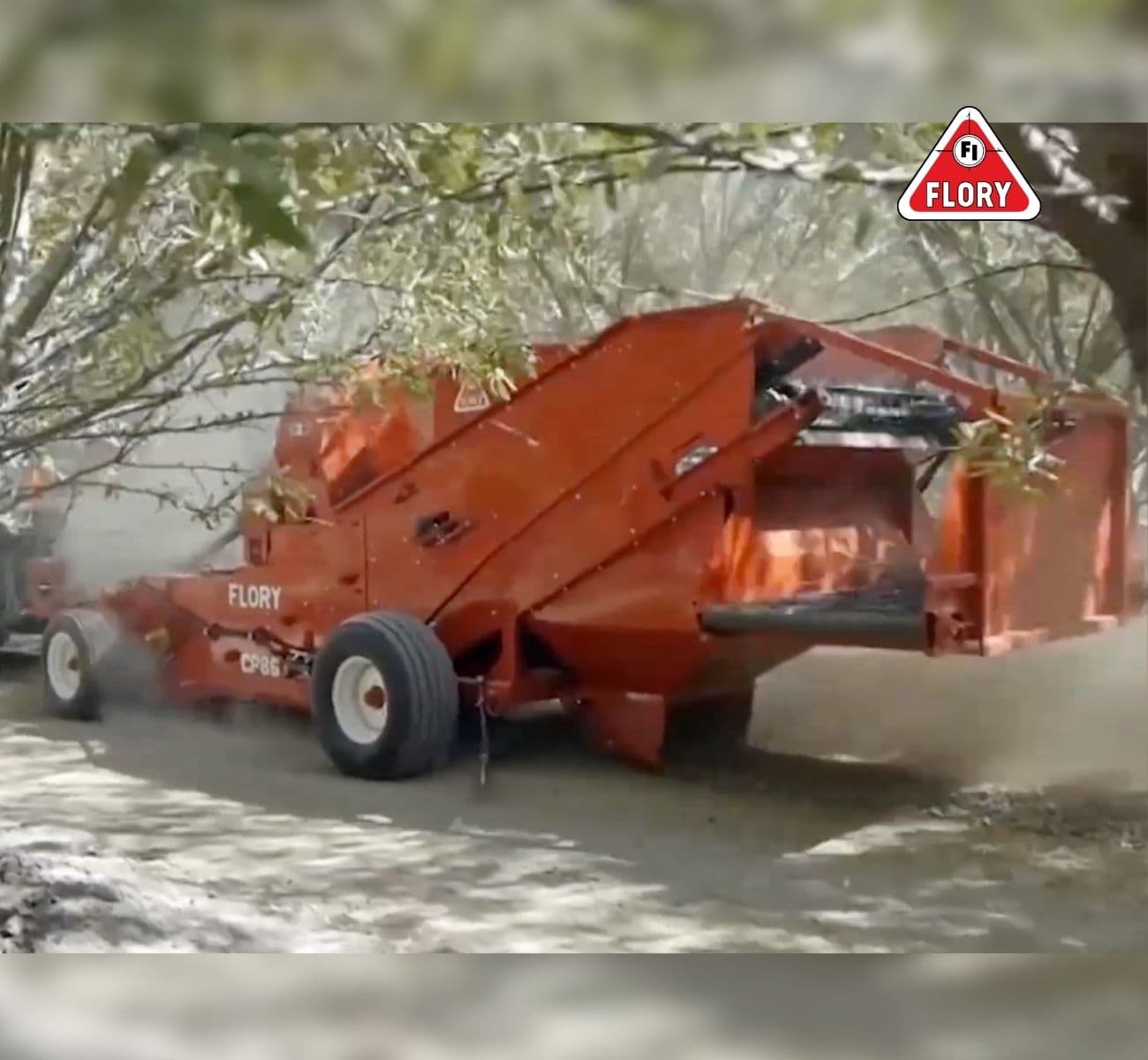
Uzhydromet calls September one of the driest months, with 1 to 5 mm of rain on the plains and 6 to 10 mm nearer the mountains; for October it gives 13 to 25 mm, 27 to 70 mm in the mountains and 3 to 11 mm in the north, south and desert zone. No Uzbek source found describes ground drying, and the Codex code prefers frames or sheets: this guide shows ground drying with the CP87 only for August and September harvests in hot, dry areas, and prompt pickup or catching frames in October and in the foothills.
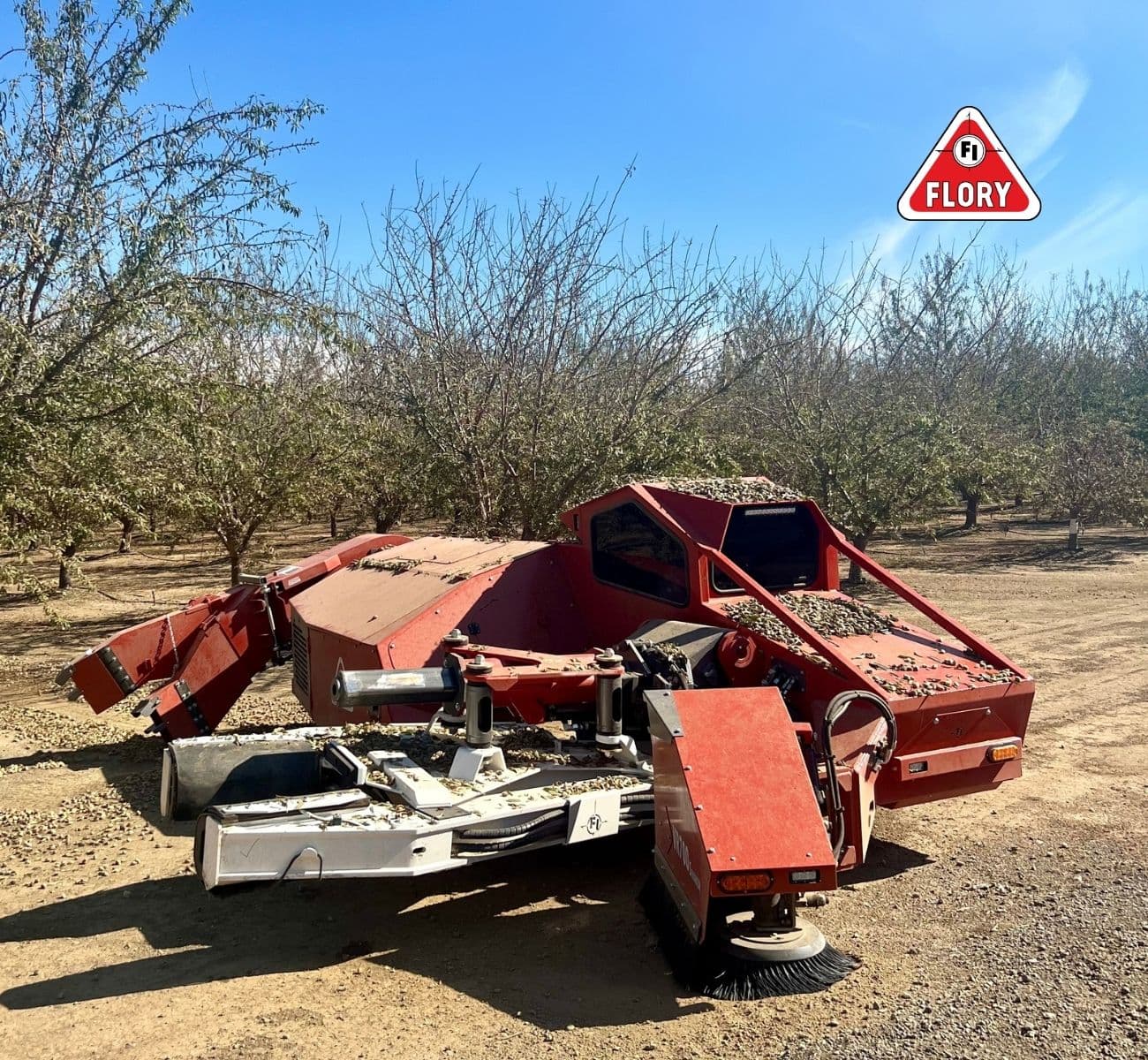
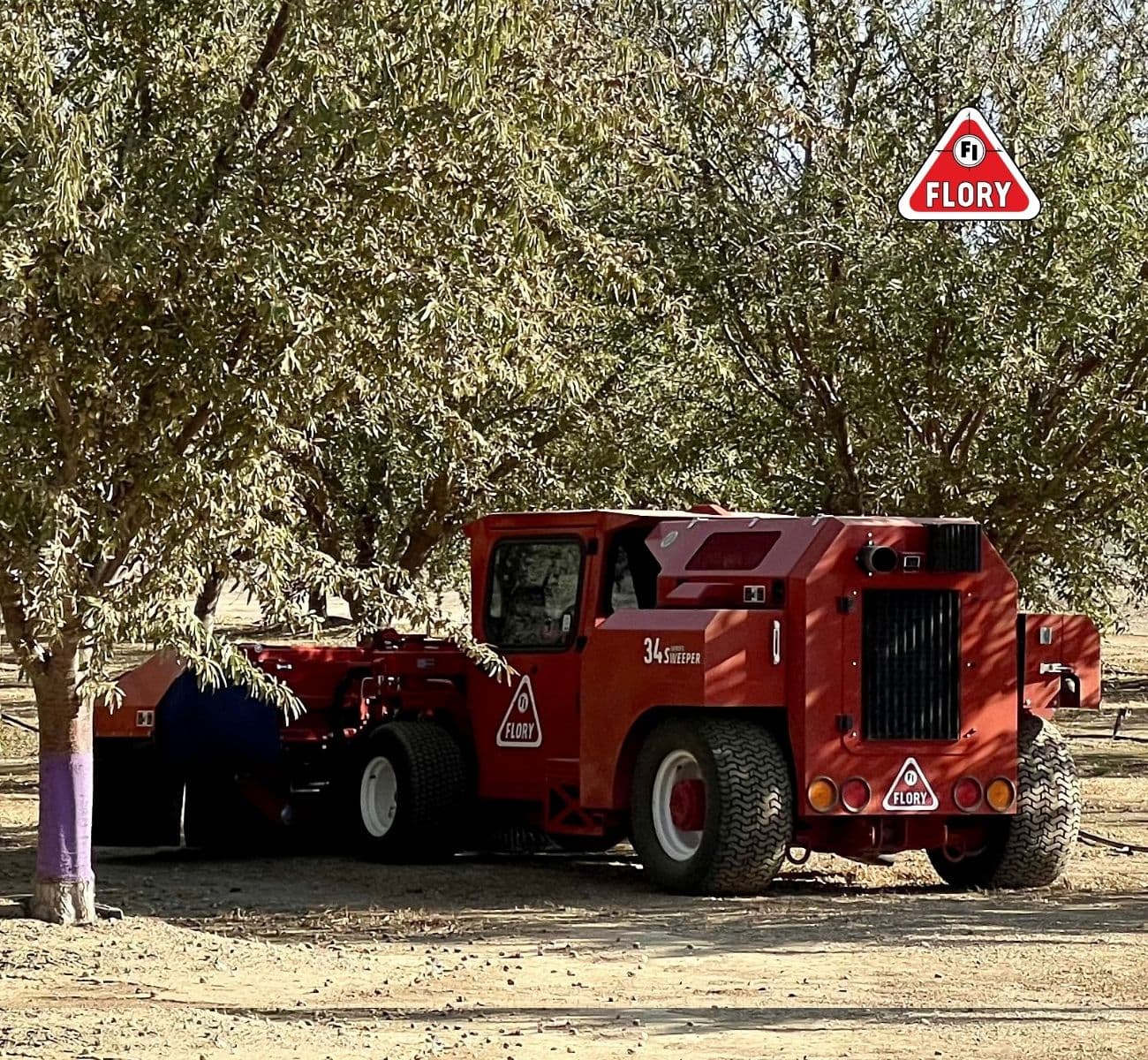
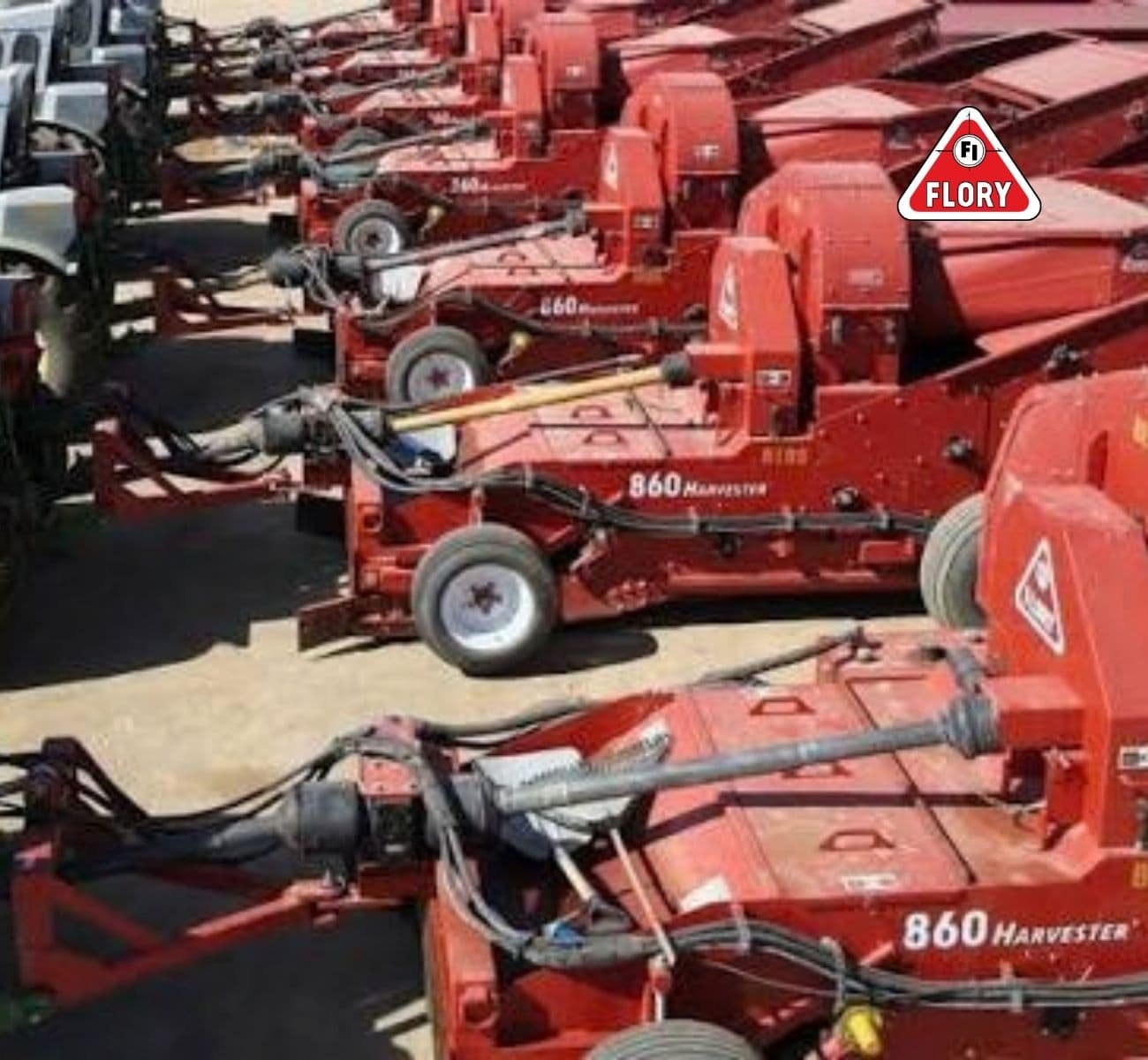
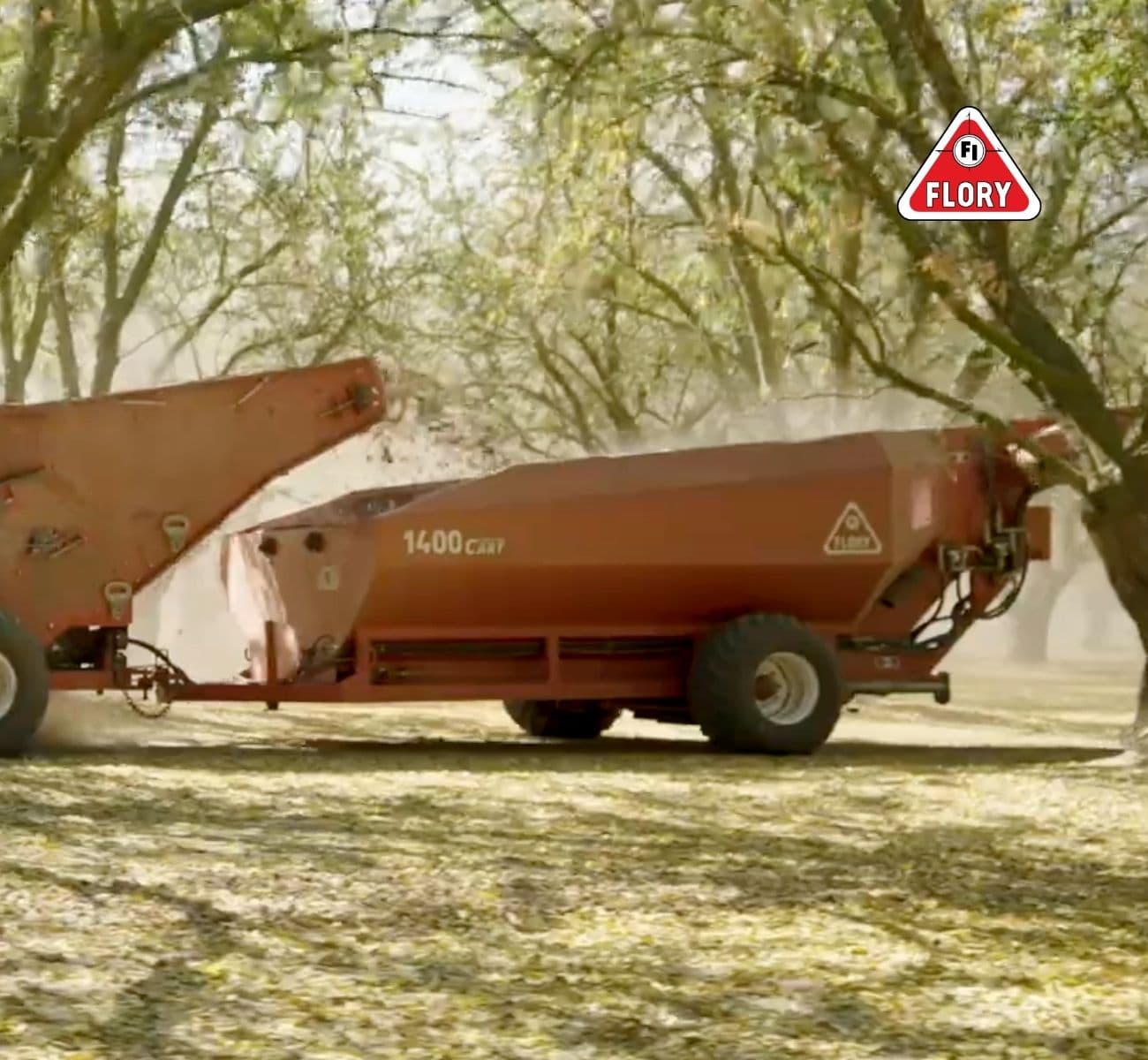
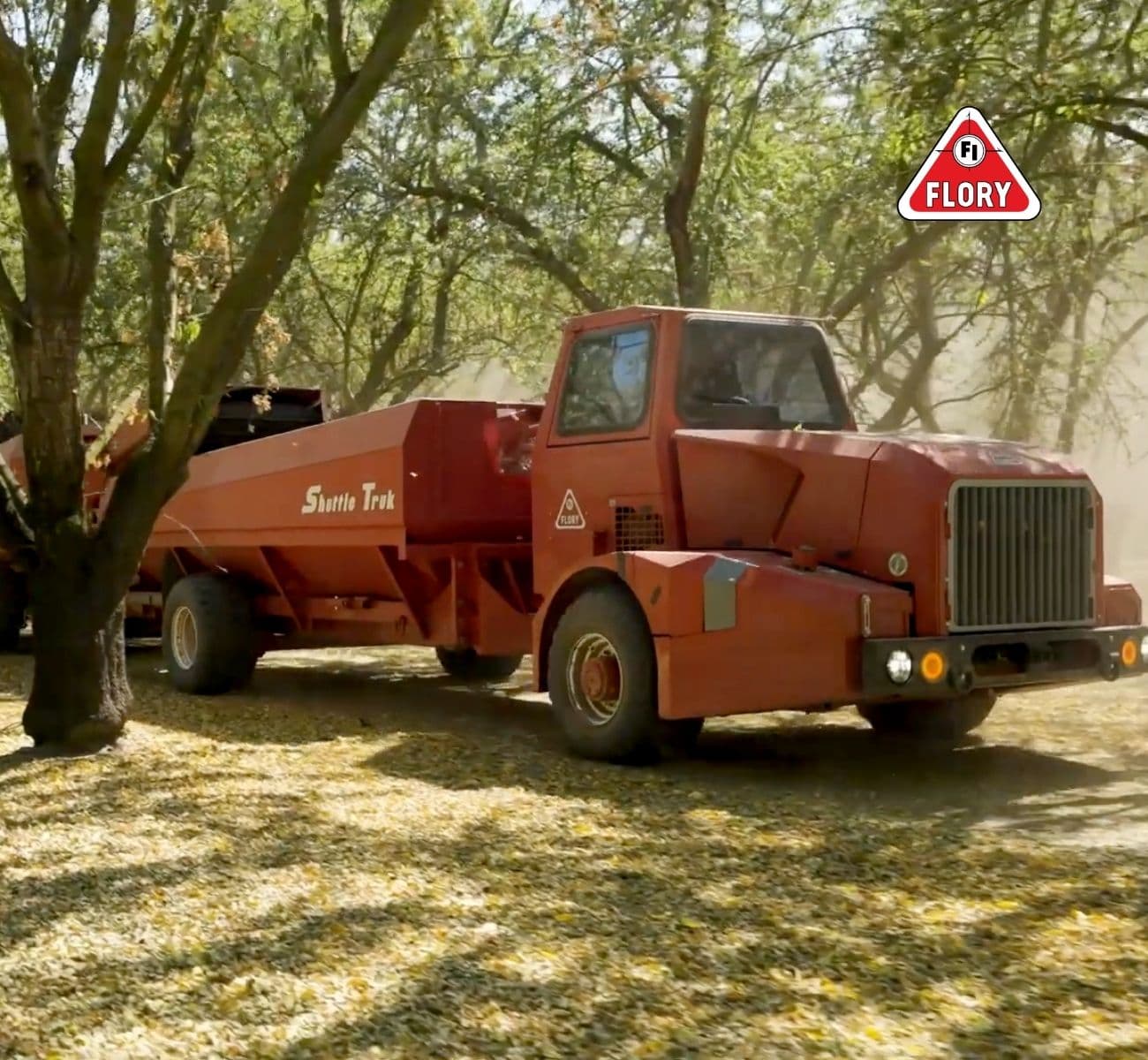
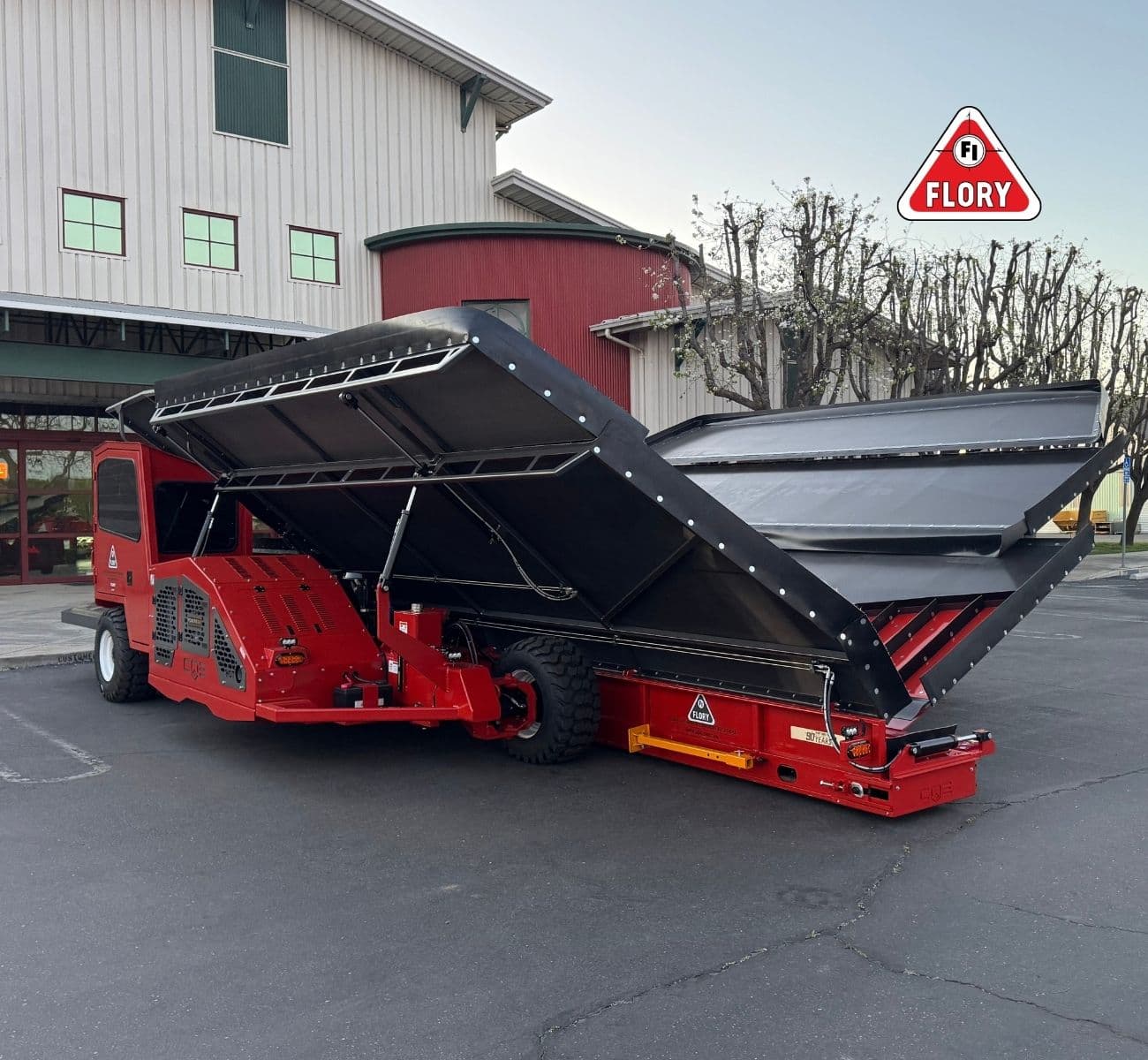
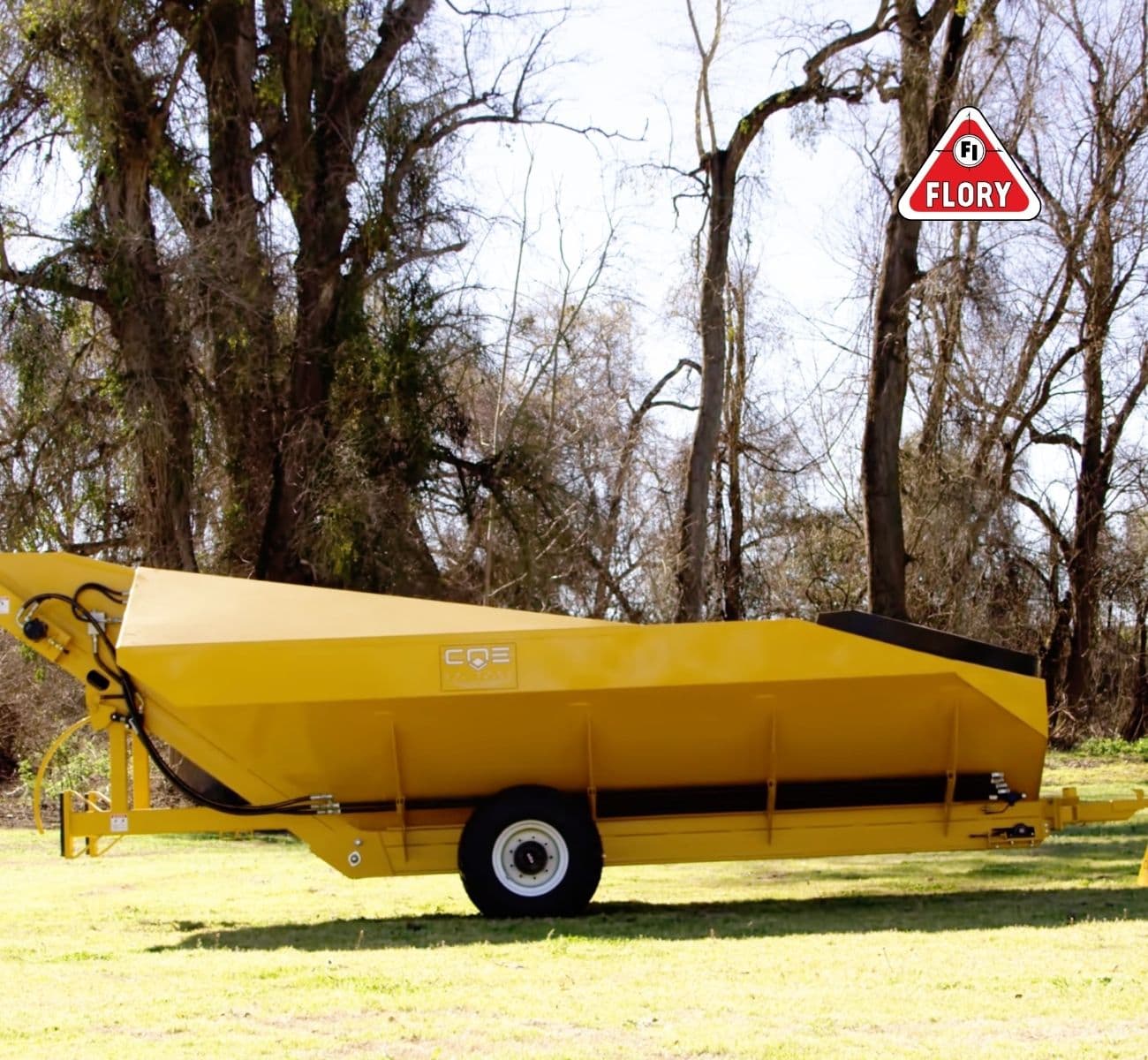
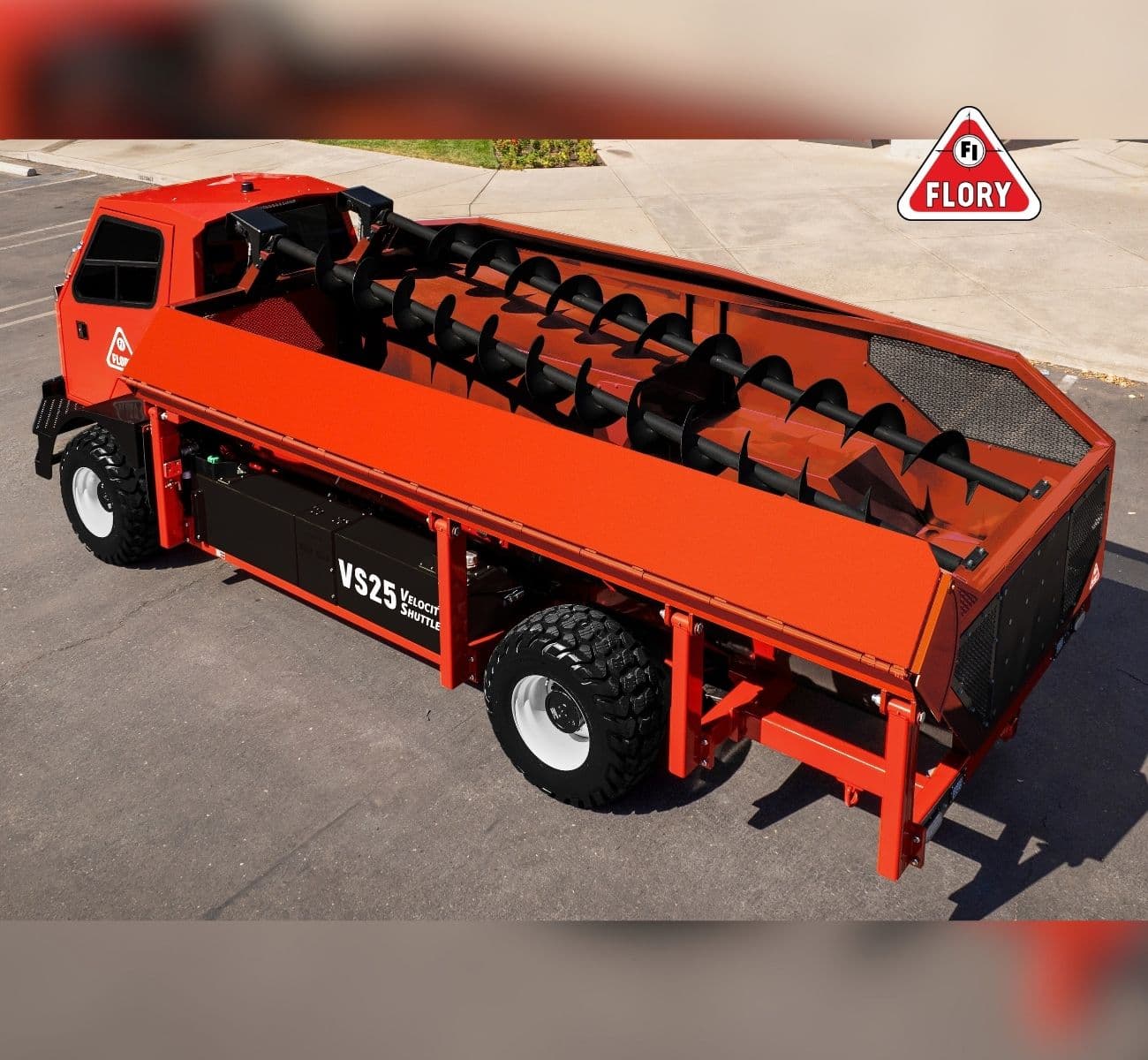
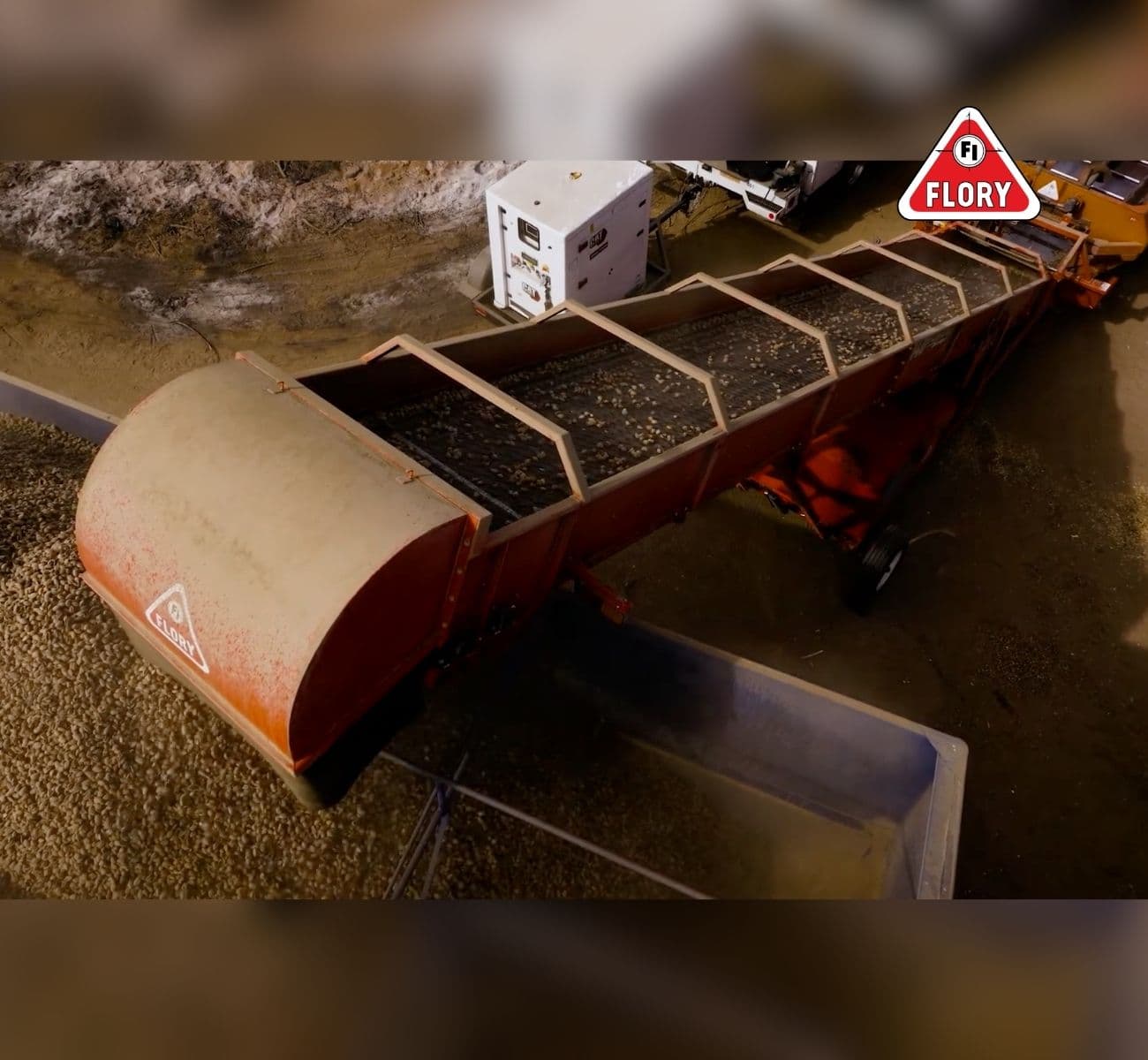
Flory harvesting machinery is available in Uzbekistan through OVE Europe for both systems, for orchards planted for machines. On the ground, the VR700 Shaker, 34 Series Sweeper, CP87 Conditioner and 860 Harvester (or the smaller 490) work with the 1500 Conveyor Cart and ST14 Shuttle. Off the ground, the Flory COE C7 Shaker and L2 Receiver catch the almonds in a frame around the trunk, the Flory COE B8 Cart and VS25 Shuttle carry them, and the 4840 Field Elevator loads trailers in both systems.
Almond Harvest Workflow (Recommended Equipment)

Practical Tips for Almond Harvesting
Time shaking by hull split: University of California guidance advises harvesting once all nuts at 1.8 to 2.4 m in the canopy have split and come off well.
Leave shaken almonds on the ground only in hot, dry areas in August and September while the forecast stays dry; the Codex code prefers frames or sheets and quick removal.
Keep ground time short: University of California guidance links ant damage to the time almonds spend on the orchard floor.
After drying on the floor, sweep almonds into windrows; a conditioner such as the Flory CP87 cleans and re-lays them so they dry faster before pickup.
In October and in foothill and mountain districts, where rain is likelier, pick up promptly or catch the nuts with the Flory COE C7 Shaker and L2 Receiver.
Use shakers and frames only in orchards planted for machines, never on terraces, stony slopes, household plots or natural groves.
Get your recommended harvest setup
Enter orchard size, spacing, terrain, and target throughput—we’ll suggest a practical harvest workflow and equipment lineup.

Almond Post-Harvest Handling & Processing in Uzbekistan
No Uzbek source found describes how growers hull, dry or store almonds; a 2014 study found that villagers in Bostanliq district widely used almonds fresh or dried. The Codex code of practice for tree nuts advises hulling as soon as possible after harvest and drying to a water activity below 0.70. In this workflow, ground-dried almonds arrive with dry hulls, while promptly picked or frame-caught ones are hulled first, then dried in the shell.
Uzbekistan's own records show 973.1 t of almond kernels exported in 2024, 38.4% of them to Türkiye, and 368.1 t in shell, half to Kyrgyzstan, against imports of 3,073.8 t in shell and 562.1 t of kernels (UN Comtrade via WITS); EU countries recorded 294.3 t of kernels from Uzbekistan in 2025 (Eurostat). A 2014 study notes that the almond cultivars described at an Uzbek research institute were clearly selected for a high kernel share and softer shells.
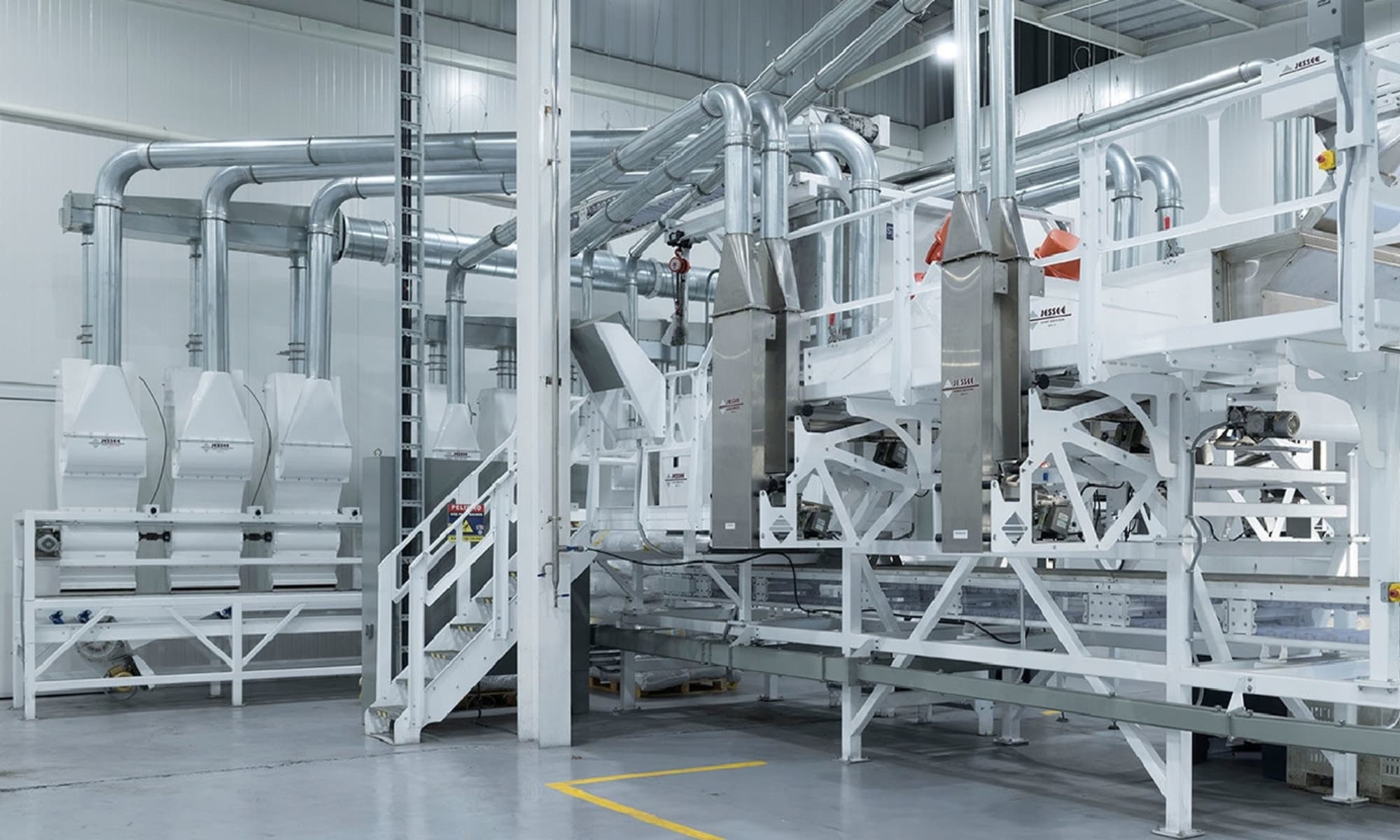
No Uzbek almond standard was found, and Gazeta.uz reported that food standards would stop being mandatory from 1 August 2025, with sanitary rules and hygiene norms (SanPiN) applying instead. Jessee, whose processing lines OVE Europe supplies, builds hulling, drying, in-shell cleaning and sizing, and shelling systems; its Airlegs nut cleaner was developed for the almond industry.
For general information only. Information may become outdated and does not replace site-specific professional advice. Consult a qualified agronomist and confirm equipment suitability with OVE before acting.
Practical Tips for Almond Post-Harvest Handling & Processing
Pick up ground-dried almonds as soon as they are dry, then hull them and check moisture before storage.
Hull promptly picked or frame-caught almonds while the hulls are fresh, then dry the nuts in the shell before storage.
Never pick up or stockpile rain-wet almonds: University of California guidance warns that stockpiling wet nuts risks mold and concealed damage.
After rain, pick up only once kernels are below 6% moisture and hulls below 12%, as University of California guidance advises.
Dry almonds to a water activity below 0.70, the Codex code's safe level, before you store or crack them.
Test lots bound for the EU against Regulation (EU) 2023/915: 8.0 µg/kg of aflatoxin B1 and 10.0 µg/kg in total for almonds sold to consumers or used in food.
Recommended Post-Harvest Handling & Processing Stages







Plan your post-harvest line
Estimate tons/day, cleaning & drying capacity, storage needs, and cost/kg—then build your equipment plan in phases.