


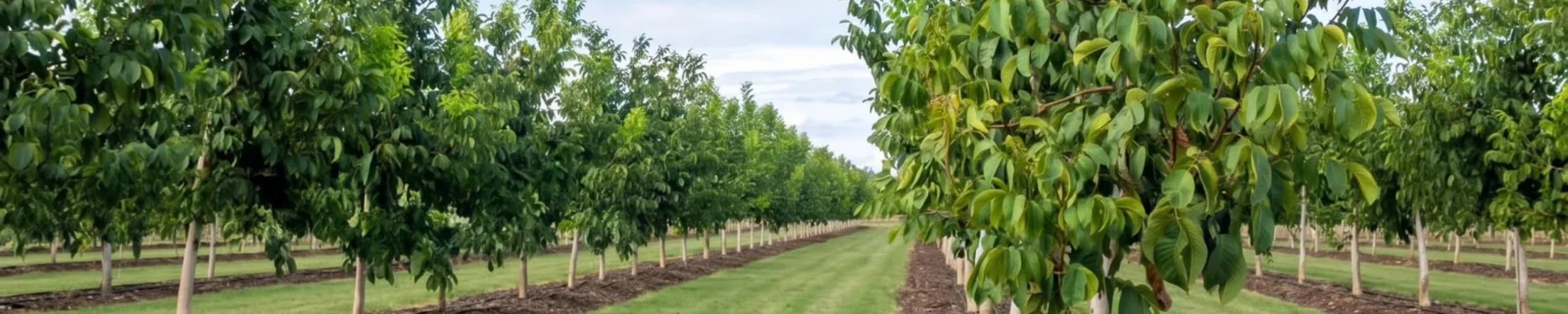




Walnut Orchard Establishment in Uzbekistan
Walnuts in Uzbekistan come from household (dehqon) gardens, orchards and mountain forests. In 2022 the Ministry of Agriculture counted 18,700 ha of walnut plantations and reported 10,100 ha planted in 2021 and 1,100 ha in spring 2022; walnut was grown in practically every region, increasingly in intensive orchards, and the new industrial orchards were mainly of Chandler (EastFruit). The walnut forests, about 4,000 ha at 800 to 2,300 m in the Western Tien Shan and Pamir-Alai, are densest in Bostanliq district (2011 study).
Recommendations for new orchards in general, published in August 2026 on district portals of Navoi and Fergana regions, list Ideal at 6 x 6 m (277 trees per hectare) and Yubileyny at 7 x 5 m, and the Fergana list adds Tonkoskorlupy at 7 x 5 m; the tree count printed for 7 x 5 m does not match that spacing. FAO's 2004 walnut inventory gives Ideal's origin as Bostanliq and notes it as early maturing and high yielding. In 2022 the Ministry of Agriculture also named Bostanlik, Shakl N-86 and Chandler among the cultivars grown.
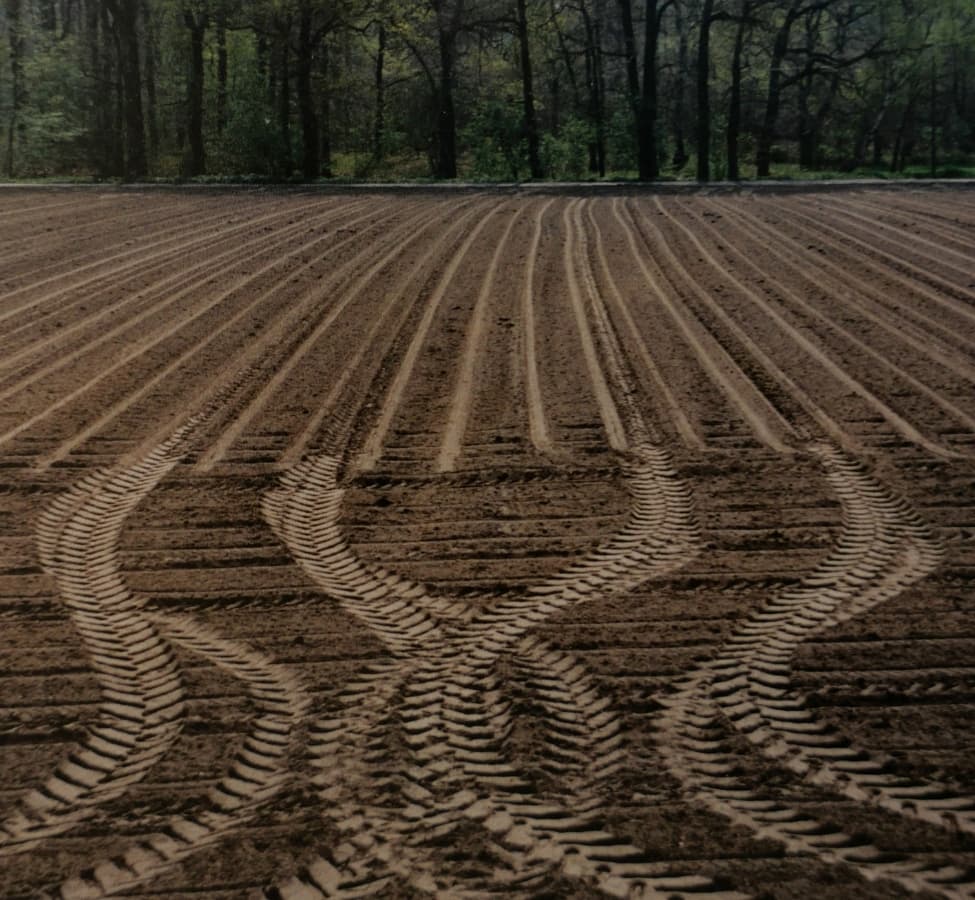
The recommendations call for plowing to 50 to 60 cm with a plantation plow before autumn planting; if that was not done, the field is plowed to 35 to 40 cm in spring and laser-leveled. Spring frost matters when choosing a site: growers put the damage from frosts in late February and mid-March 2021 at 5 to 50% of the walnut crop, depending on the region (EastFruit). In March 2022 the Ministry of Agriculture named walnut among crops a forecast cold snap could hit; EastFruit noted that the north flowers 15 to 20 days later.
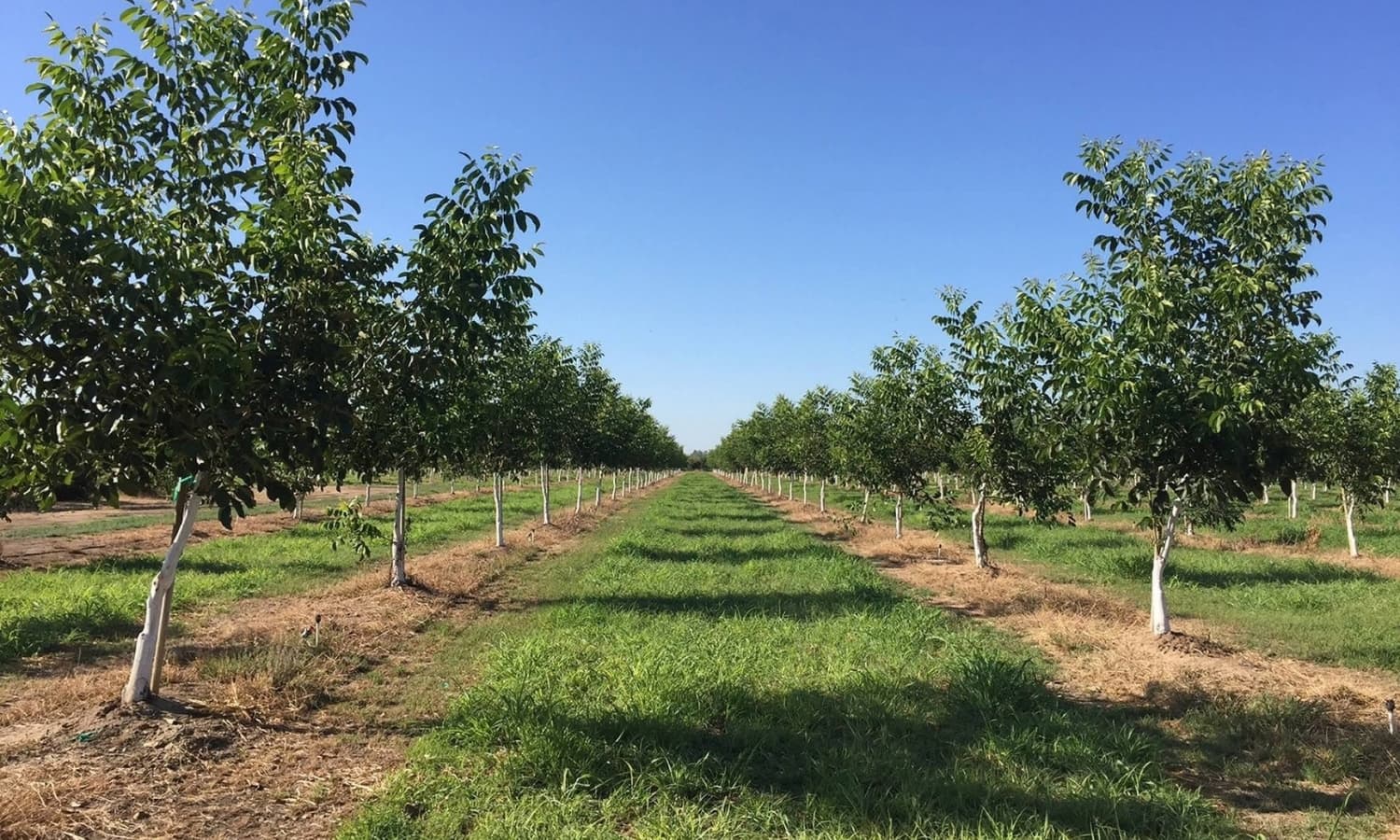

Practical Tips for Walnut Orchard Establishment
Choose cultivars from the 2026 regional recommendations: Ideal and Yubileyny, listed for Navoi and Fergana regions, or Tonkoskorlupy, listed for Fergana only.
Keep the recommended spacing, 6 x 6 m for Ideal and 7 x 5 m for Yubileyny and Tonkoskorlupy (confirm 7 x 5 m locally), and leave headlands wide enough for machines.
Plow to 50 to 60 cm with a plantation plow before autumn planting; if that was not done, plow to 35 to 40 cm in spring and laser-level the field.
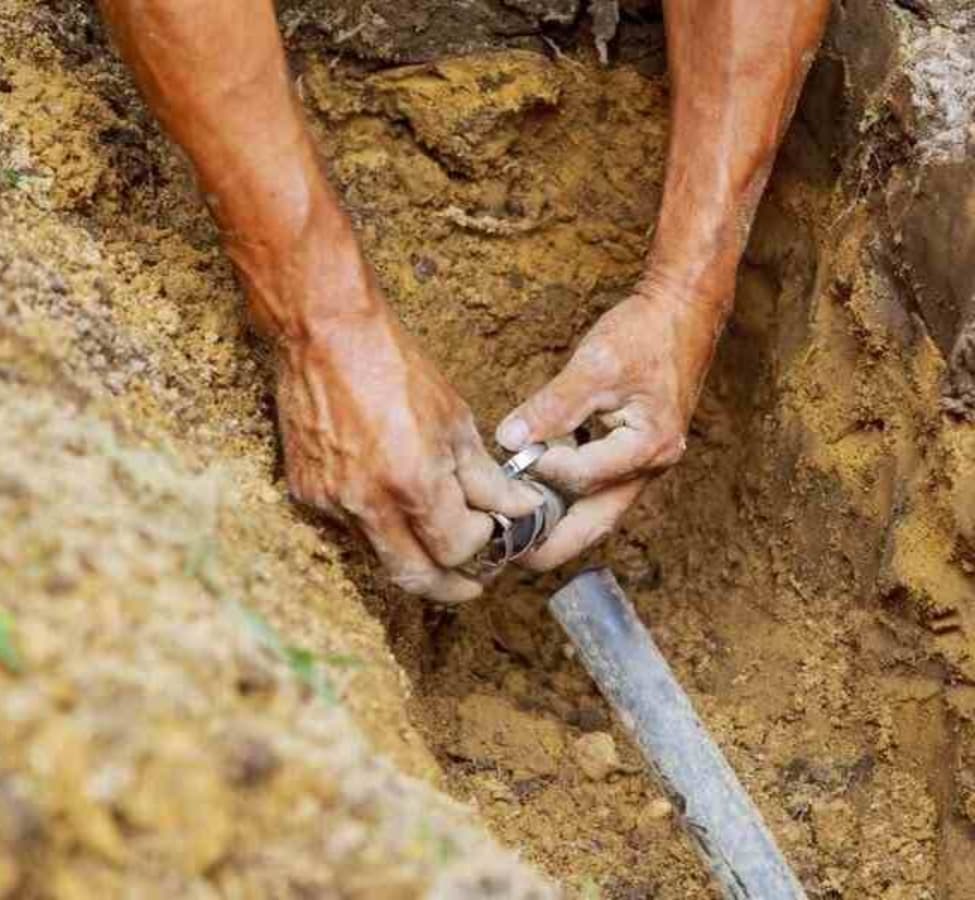
Lay drip lines before planting: the recommendations call for drip irrigation to keep the soil under newly planted trees moist through the growing season.
Avoid low frost pockets: growers put walnut losses from the late February and mid-March 2021 frosts at 5 to 50%, depending on the region.
As the 2026 recommendations advise, loosen the soil around young trees during the season so it does not crust, and leach salts in winter after planting.
Recommended Establishment Stages
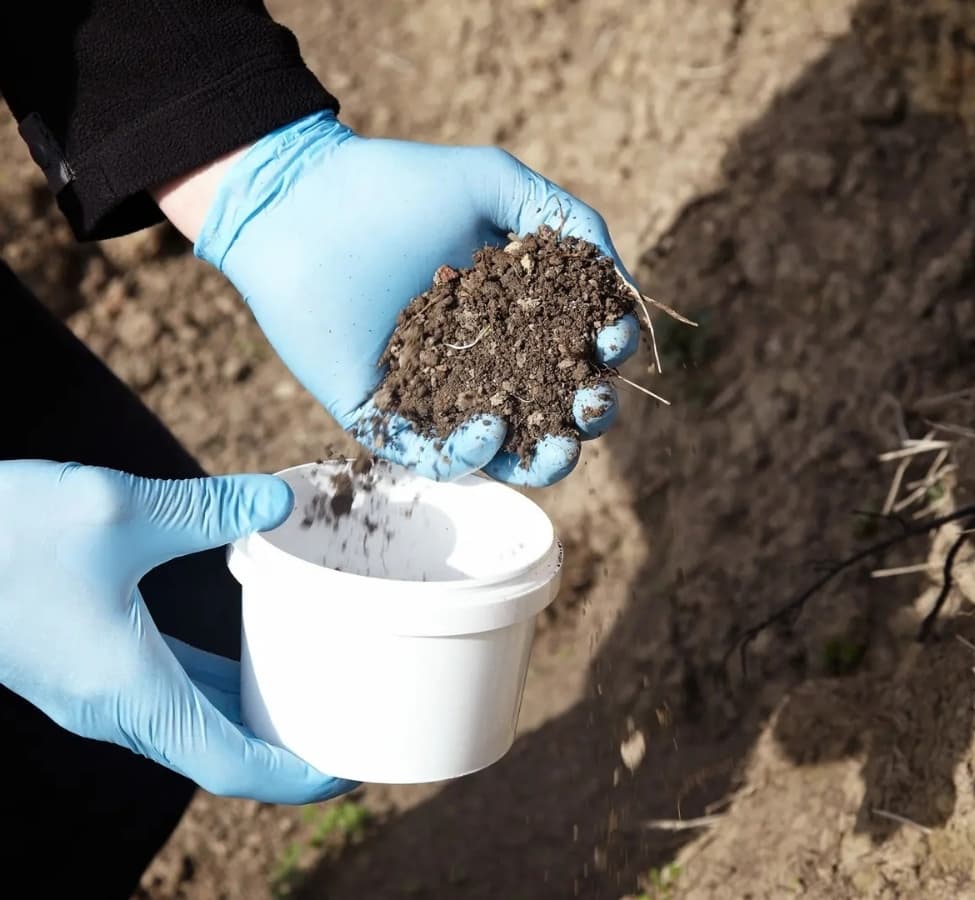




Walnut Orchard Care & Maintenance in Uzbekistan
The 2026 regional recommendations, written for orchards in general rather than for walnut, call for drip irrigation, depending on soil conditions, to keep the soil of newly planted trees moist through the growing season. Where drip is not yet running, a ring basin around each tree is filled with water, and the soil is kept moist with up to 12 to 14 waterings. They advise giving all mineral nutrients through the drip water, and drip systems were being introduced in walnut planting and care by 2022 (EastFruit).
EPPO lists codling moth and bacterial blight as present in Uzbekistan, and the plant quarantine inspectorate monitored codling moth with locally made pheromone traps (2017). EPPO does not list fall webworm or walnut husk fly for Uzbekistan. No Uzbek walnut thresholds were found in the sources read; University of California guidance times codling moth control from trap catches and degree-days.
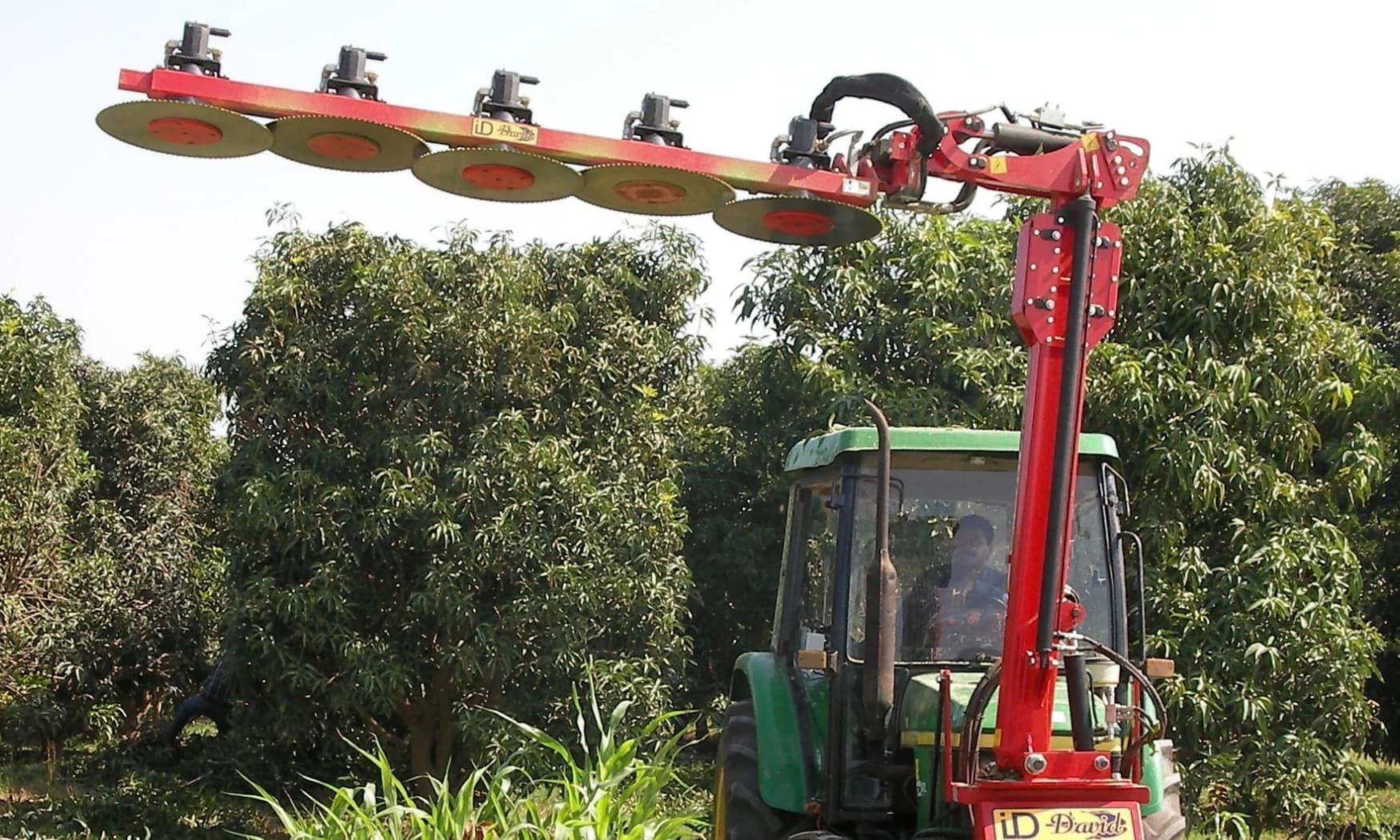
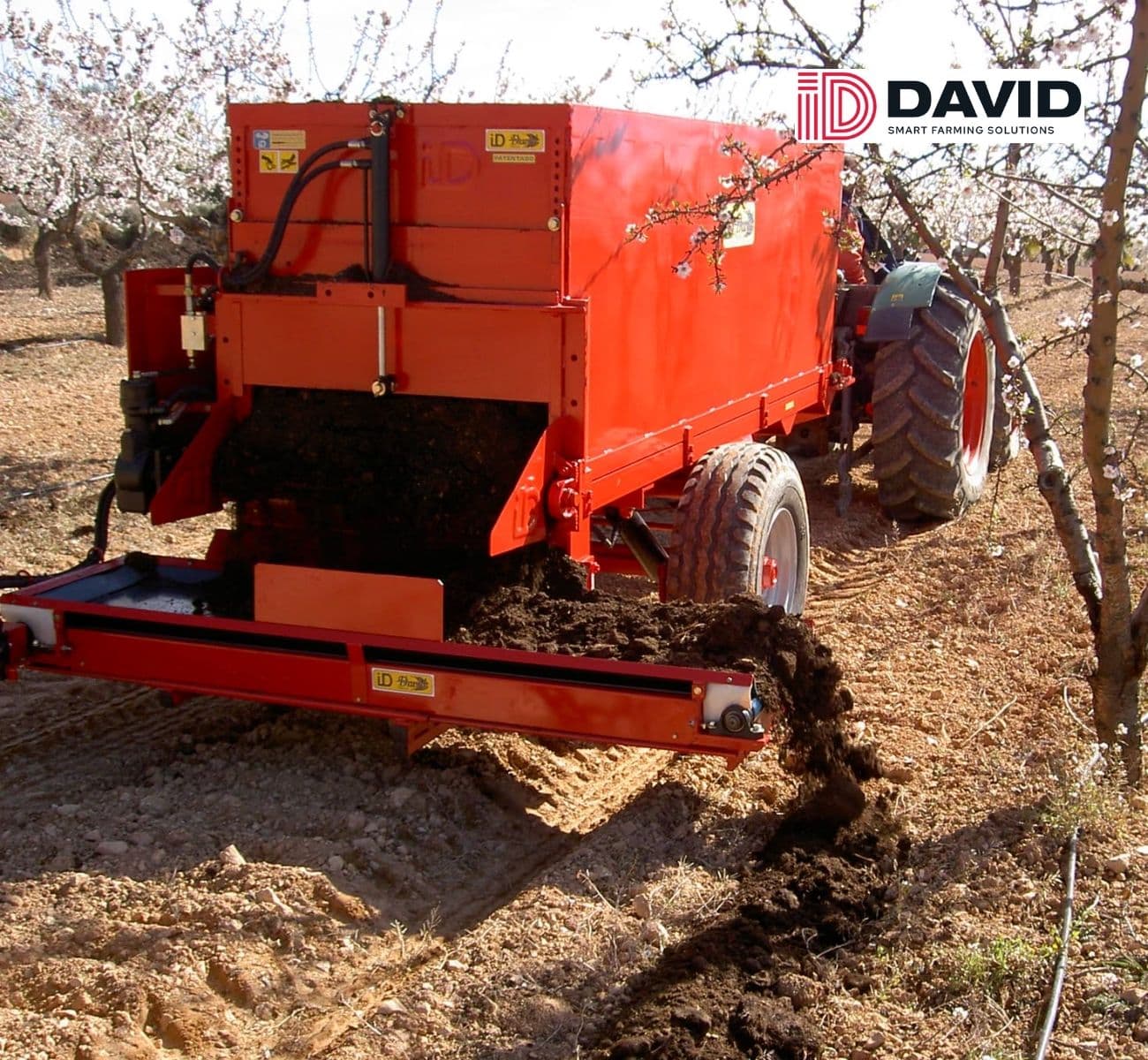
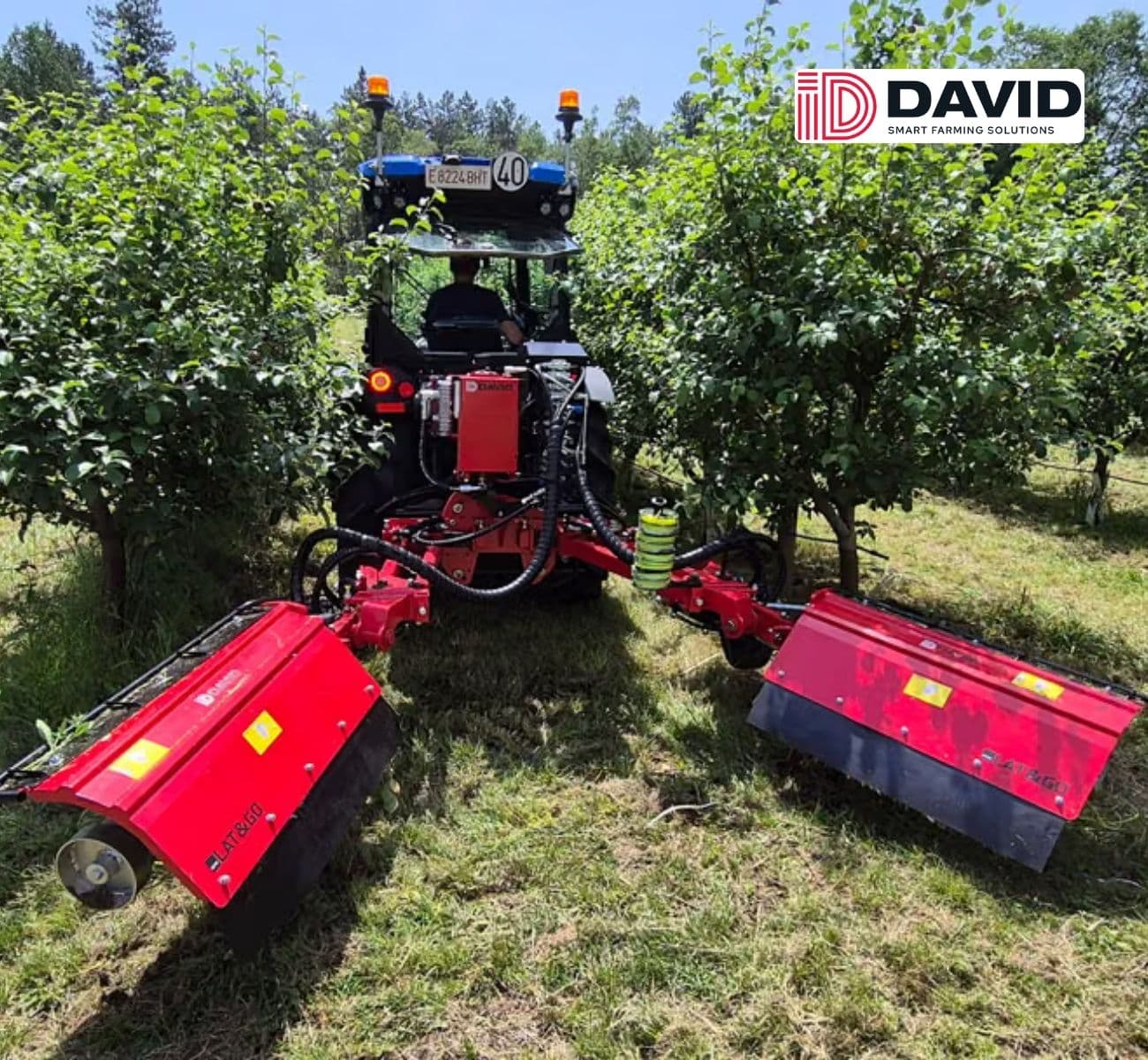
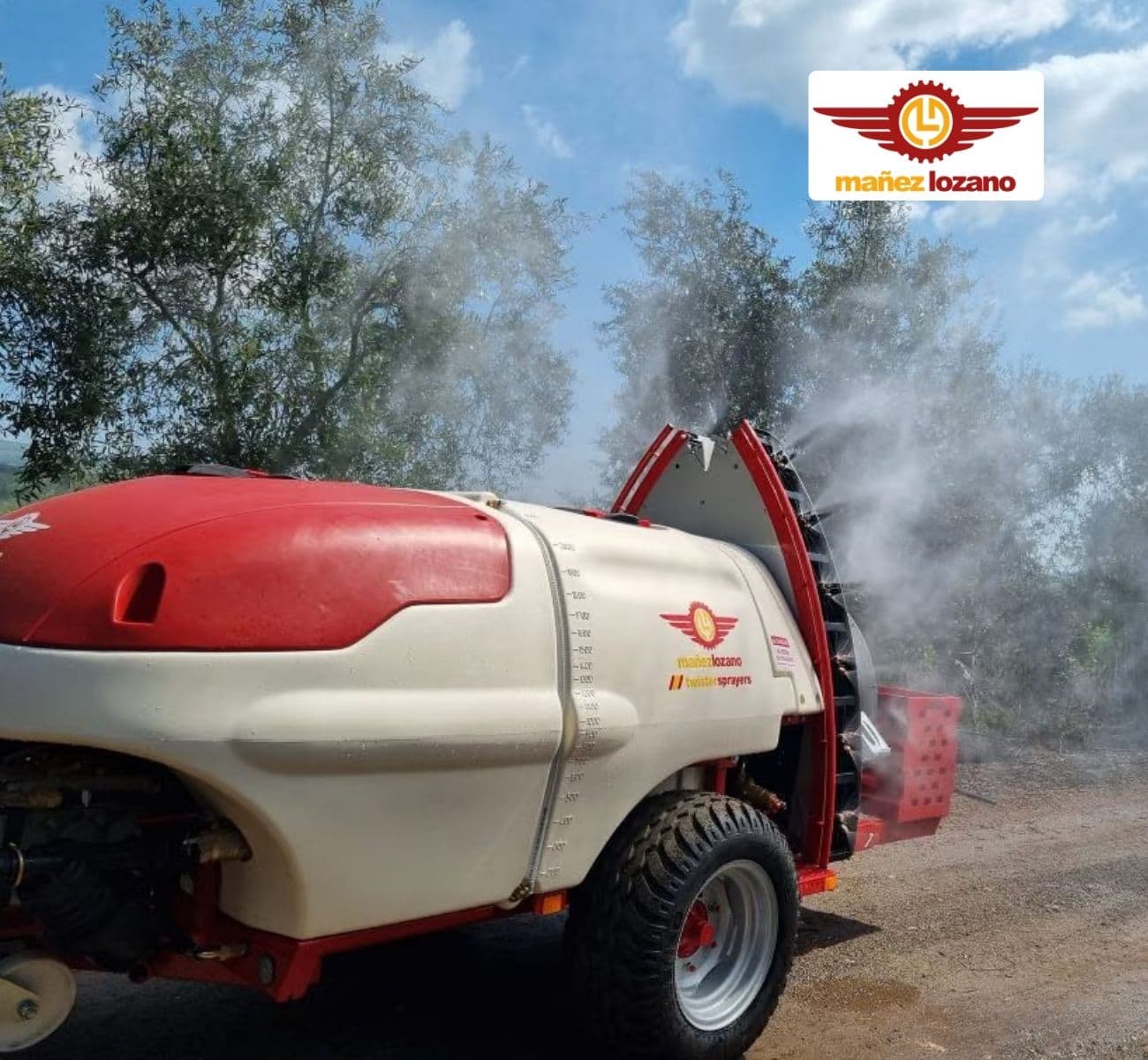
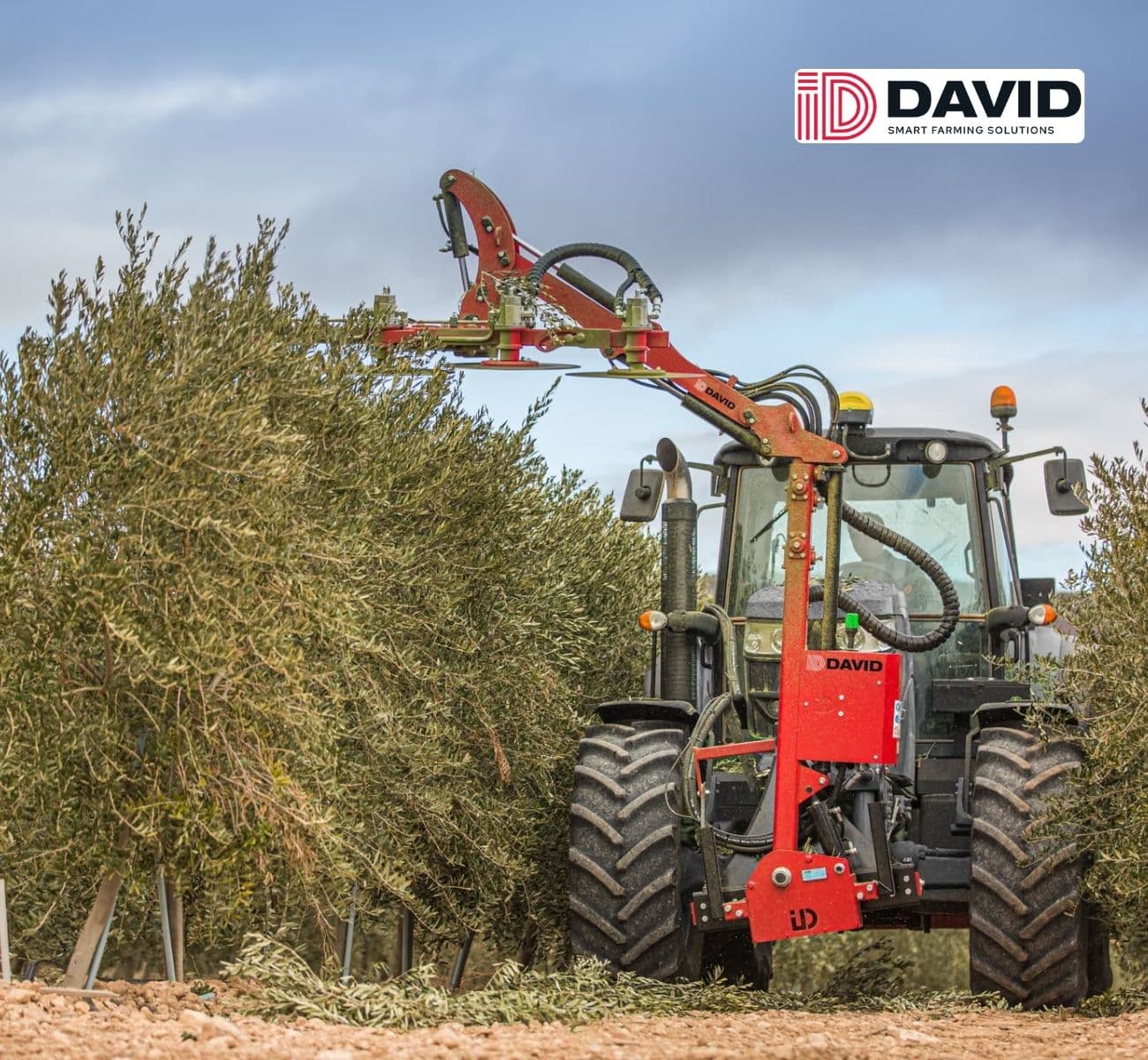
OVE Europe sells ID DAVID and Mañez Lozano machines in Uzbekistan for orchard care: the ID DAVID ECOFEED spreads solid manure, the LAT&GO string mower controls weeds without herbicides, the Mañez Lozano Narrow Twister S6 sprays tall, dense canopies, and the ID DAVID V1 disc pruner makes vertical and horizontal cuts.
Recommended Orchard Care & Maintenance Stages



Practical Tips for Walnut Orchard Care & Maintenance
Check soil moisture before each drip cycle and adjust run times through the season, since the regional recommendations aim to keep the soil of young trees moist.
Give mineral nutrients through the drip water, as the 2026 regional recommendations advise for orchards with drip systems.
Hang pheromone traps for codling moth, which EPPO lists as present in Uzbekistan, and time control from the catches.
Scout leaves and young nuts for bacterial blight, which EPPO lists as present in Uzbekistan, and note where it appears.
Follow frost forecasts at flowering: in March 2022 the Ministry of Agriculture warned that a cold snap could hit walnut yields.
Match care machines to your rows: OVE Europe sells ID DAVID spreaders, weeders and pruners and Mañez Lozano sprayers in Uzbekistan.

Walnut Harvesting in Uzbekistan
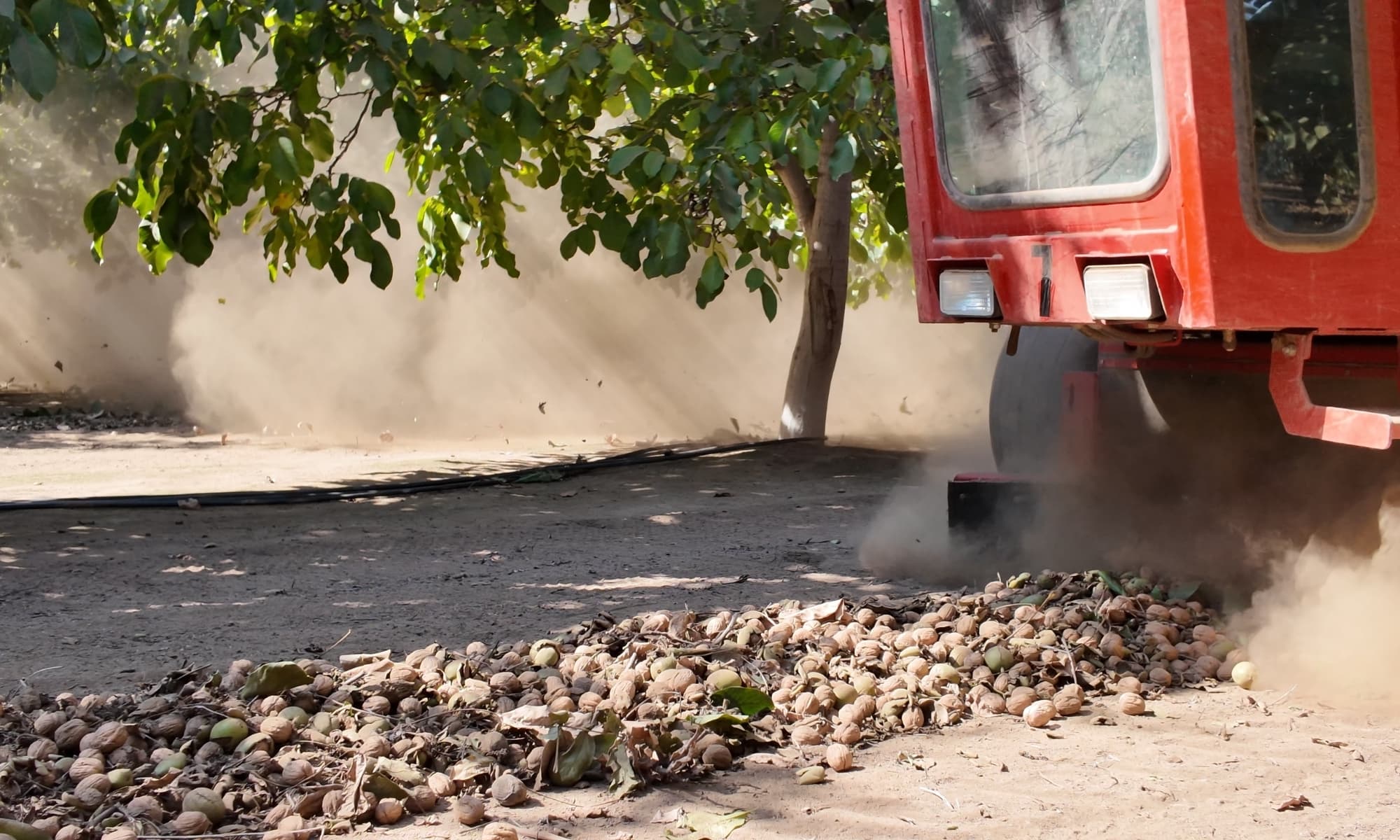
Walnuts in Uzbekistan are usually harvested in September and October (EastFruit, 2022). In 2021 the season began in early September and was at its peak by mid-month, and wholesalers bought new-crop walnuts in shell from growers and household plots. No Uzbek source found describes how the nuts are harvested, how much labor it takes or which machines are used.
Harvest weather varies by area: October brings 4 to 6 days of rain in most of the country and 7 to 9 near the mountains, and the first autumn frosts sometimes come in the second half of the month (Uzhydromet). University of California guidance starts harvest when a high percentage of hulls have split and completes pickup quickly to reduce the time nuts lie on the ground, which matters most where rain is likely.
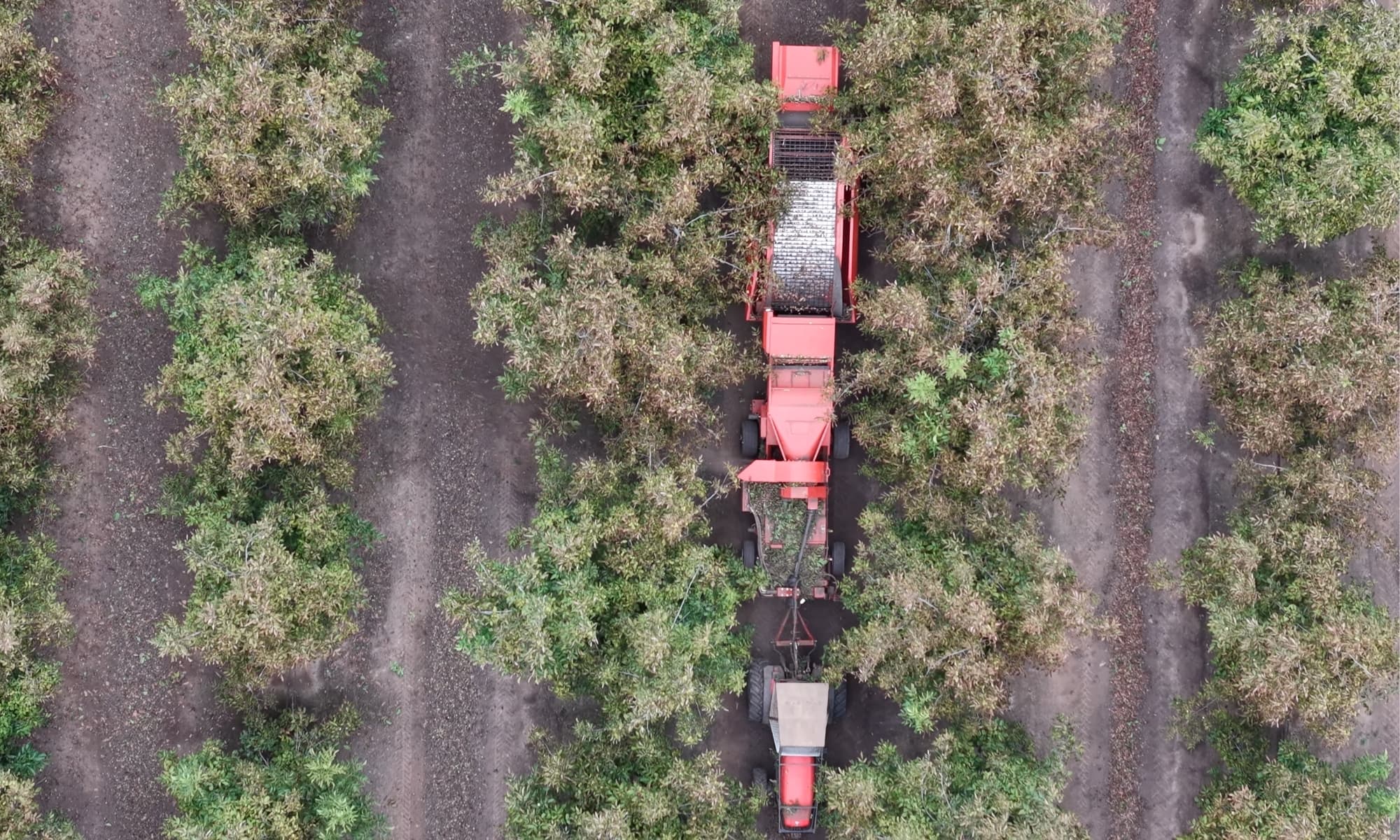
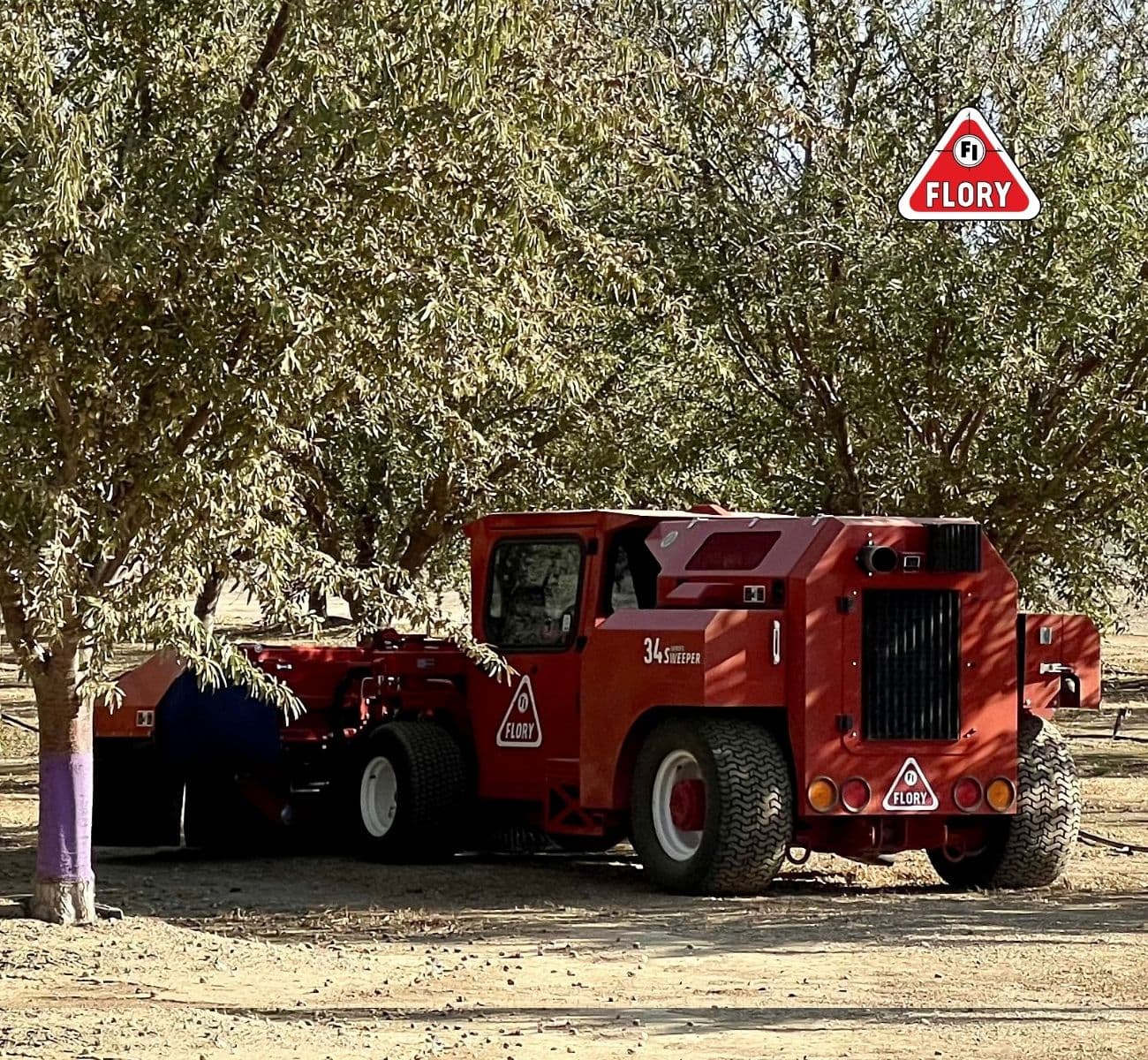
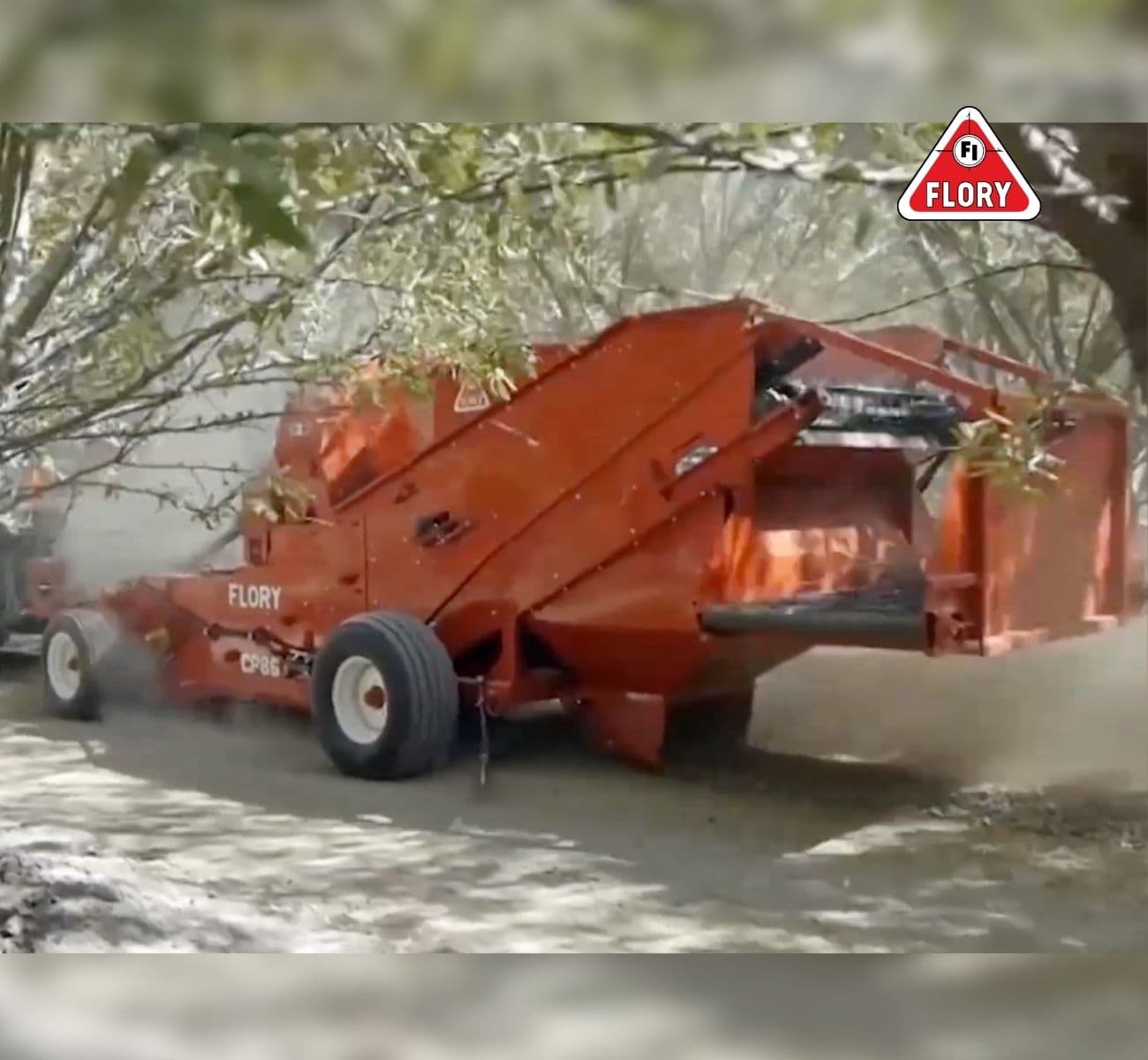
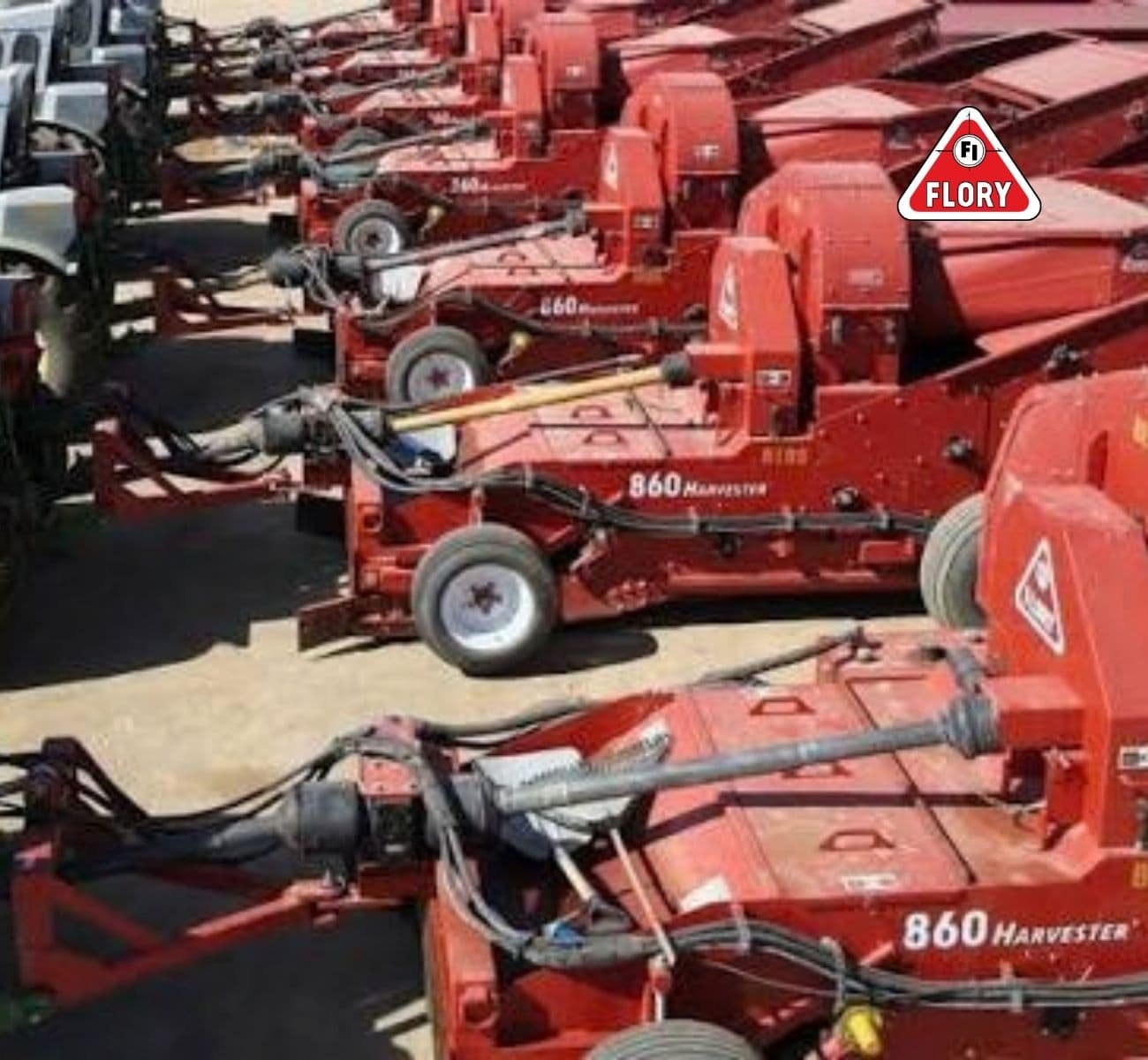
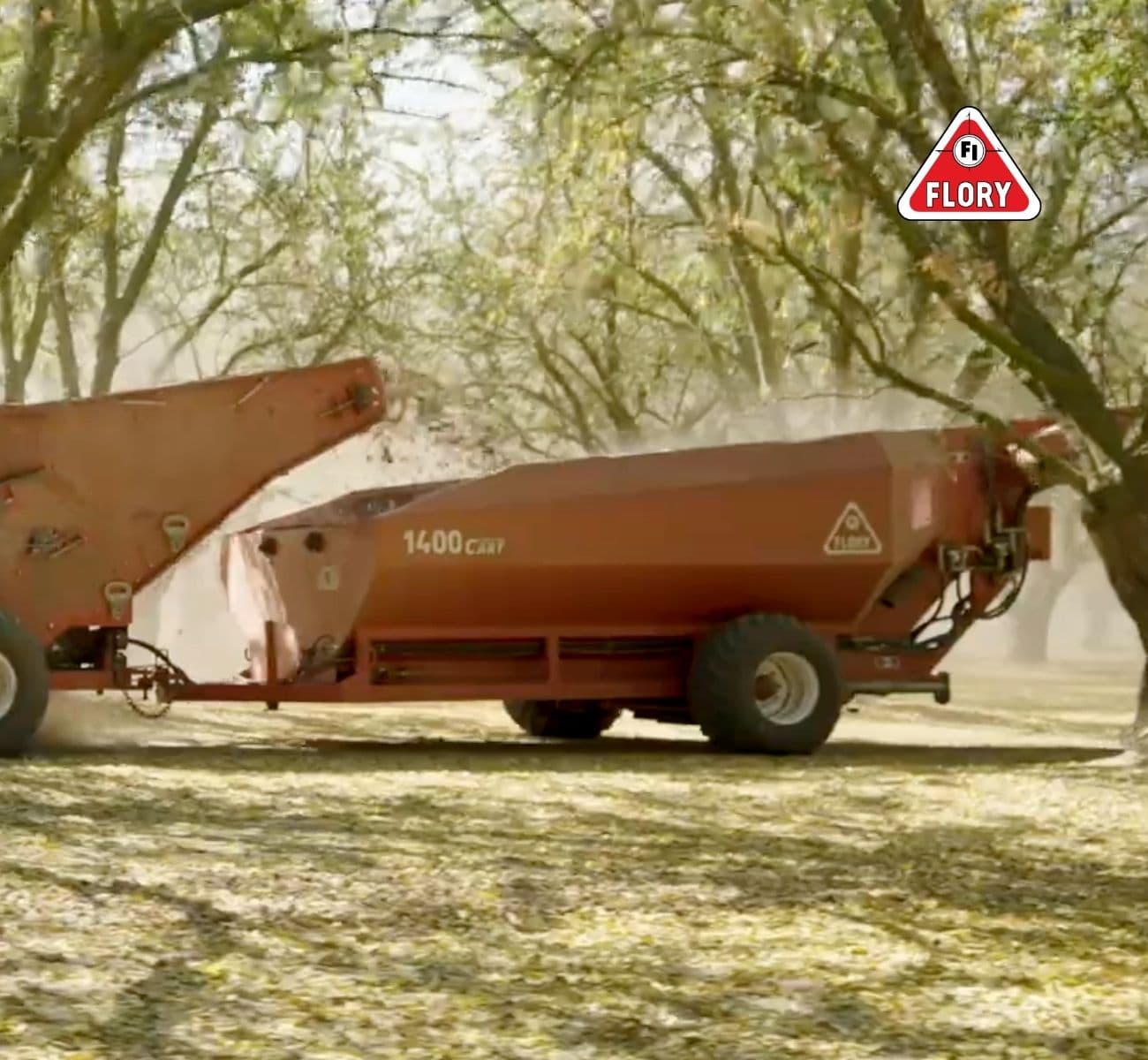
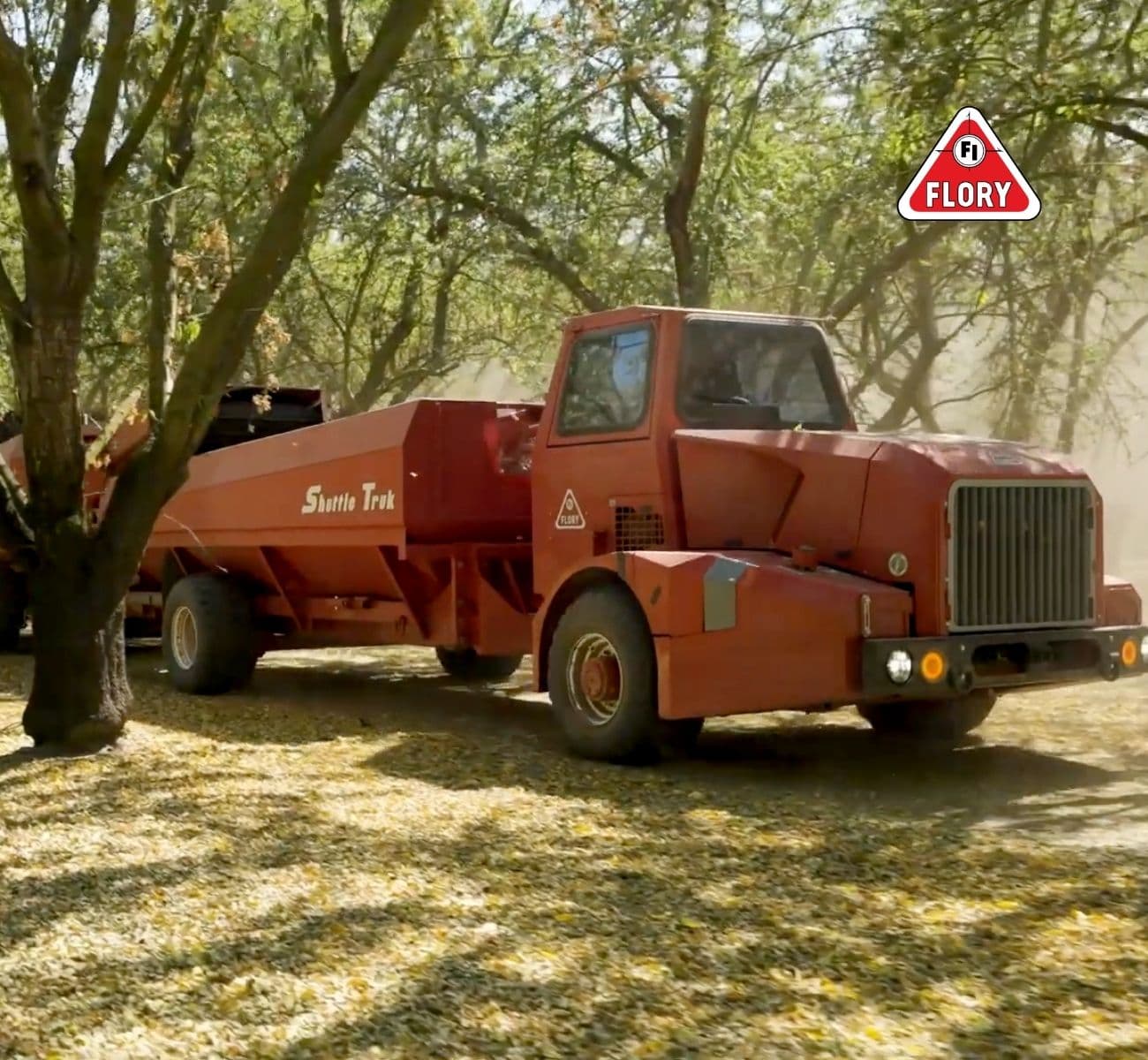
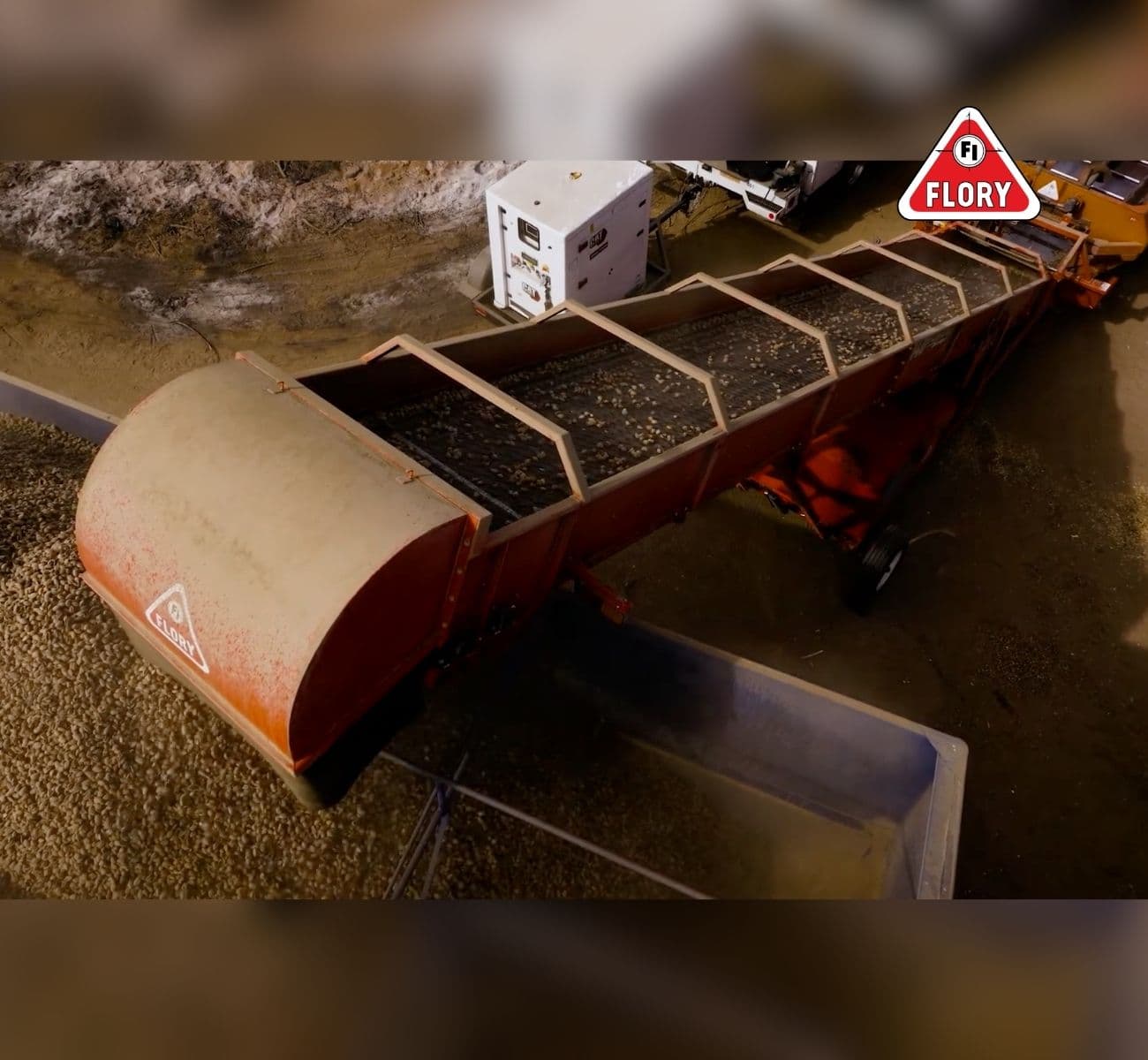
In orchards planted for machines, mechanized harvesting can bring the crop in on time, with less risk of nuts deteriorating while they wait. Flory harvesting machinery is available in Uzbekistan through OVE Europe: a line runs from the VR700 Shaker, 34 Series Sweeper and 860 Harvester (the 490 is a smaller option) to the 1500 Conveyor Cart, ST14 Shuttle and 4840 Field Elevator, with the CP87 Conditioner optional.
Walnut Harvest Workflow (Recommended Equipment)

Practical Tips for Walnut Harvesting
Plan crews and machines for September and October, when walnuts are usually harvested in Uzbekistan, and check hull split block by block.
Start harvest when a high percentage of hulls have split on the tree, the sign University of California guidance uses.
Pick up shaken nuts quickly, above all near the mountains, where October brings 7 to 9 rain days by the climate norm.
Aim to finish before the first autumn frosts, which sometimes come in the second half of October (Uzhydromet).
Use trunk shakers only in orchards planted for them, never on household trees, forest stands or steep slopes.
Before harvest, mow the orchard floor and clear stones and branches, so the sweeper and harvester pick up cleanly.
Get your recommended harvest setup
Enter orchard size, spacing, terrain, and target throughput—we’ll suggest a practical harvest workflow and equipment lineup.

Walnut Post-Harvest Handling & Processing in Uzbekistan
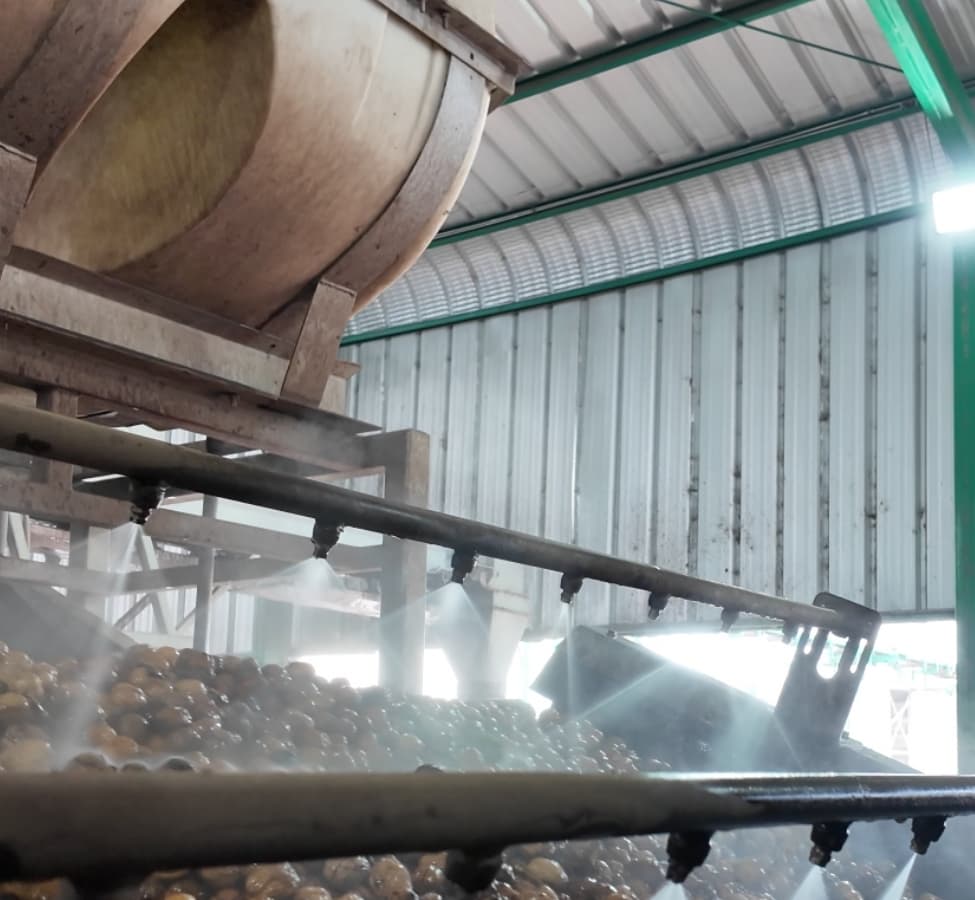
No Uzbek source found gives hulling methods, drying temperatures or target moisture for walnuts. A 2021 EastFruit article on nut growing in Central Asia quotes a consultant who says nuts in the region can dry in natural conditions and keep without special, expensive stores. University of California guidance removes hulls with wet scrubbers and dries nuts in dryers within 24 hours to 8% moisture.
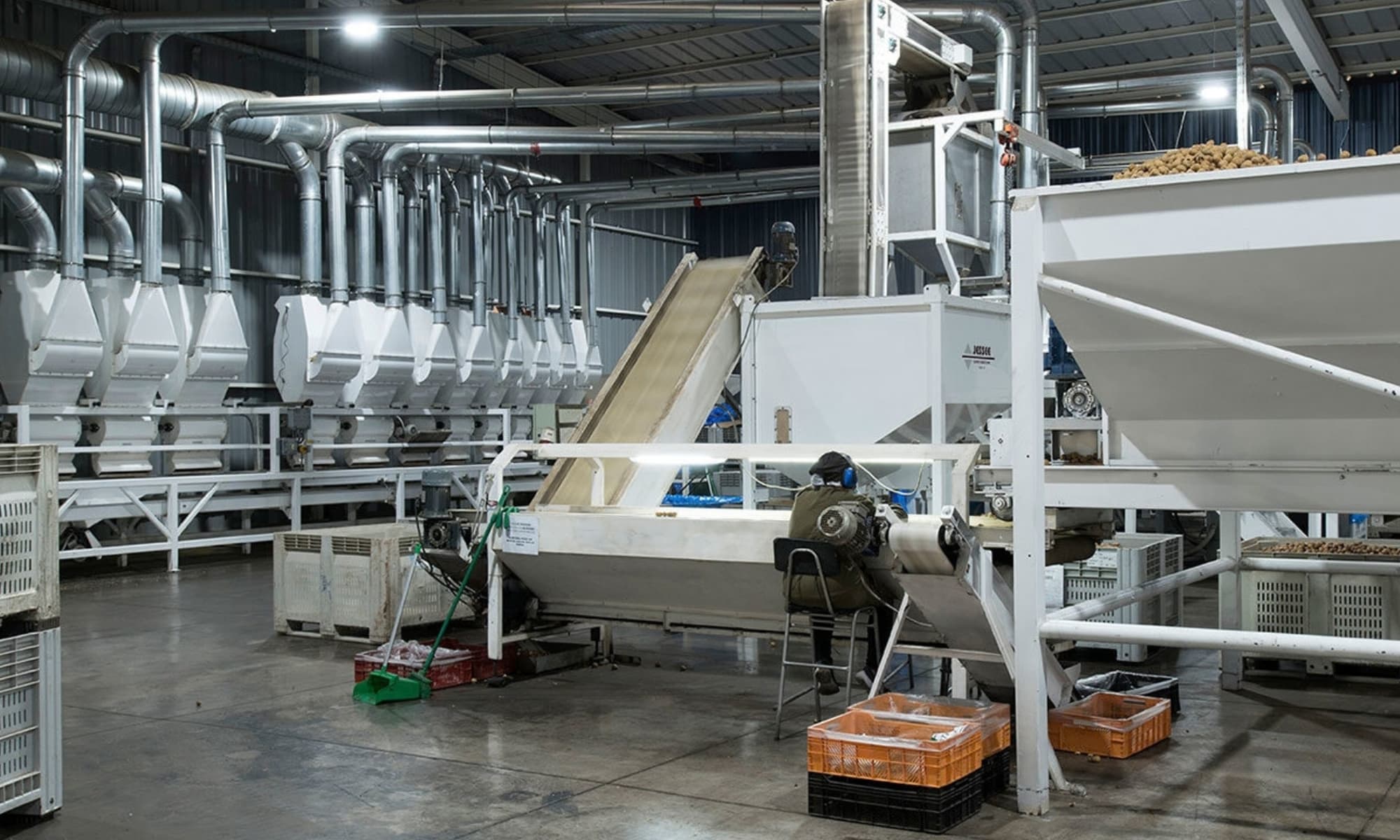
Uzbekistan exports mostly kernels: 8,917 t of its 9,855 t of walnut exports in 2024 (UN Comtrade via WITS). Gazeta.uz reported in April 2025 that from 1 August 2025 technical regulations and standards for food would no longer be mandatory in Uzbekistan, with sanitary rules (SanPiN) applying instead. Jessee, whose processing lines OVE Europe supplies, builds walnut hulling lines and drying, in-shell cleaning and sizing, and shelling systems.
Kernels sold in the EU must meet Regulation (EU) 2023/915, which sets 2.0 µg/kg of aflatoxin B1 and 4.0 µg/kg in total for nuts for direct consumption, and 5.0 and 10.0 µg/kg for nuts to be sorted first; since 2025 shelled walnuts must also show their country of origin (Delegated Regulation (EU) 2023/2429). The EU recorded 2,263 t of Uzbek kernel imports in 2025, against 653 t in 2024 (Eurostat).
For general information only. Information may become outdated and does not replace site-specific professional advice. Consult a qualified agronomist and confirm equipment suitability with OVE before acting.
Practical Tips for Walnut Post-Harvest Handling & Processing
Hull and wash walnuts soon after harvest, then dry them; University of California guidance dries nuts to 8% moisture within 24 hours.
Move drying under cover or into dryers when rain is forecast, rather than leaving nuts to dry in the open.
Check sample moisture before storage and keep lots separate by cultivar and block, so buyers get uniform nuts.
Sort kernels by color and size before sale: kernels made up 90.5% of Uzbekistan's walnut export tonnage in 2024.
Test lots for the EU against the aflatoxin limits of Regulation (EU) 2023/915 and the buyer's specification before shipment.
Follow Uzbekistan's sanitary rules (SanPiN) for food, which Gazeta.uz reported would replace mandatory food standards from August 2025.
Recommended Post-Harvest Handling & Processing Stages







Plan your post-harvest line
Estimate tons/day, cleaning & drying capacity, storage needs, and cost/kg—then build your equipment plan in phases.